Phuket vs Koh Samui: Island Showdown
This site contains affiliate links. We may earn a commission at no extra cost to you.
The choice between Phuket and Koh Samui defines the very texture of a Thai expedition. One offers the sprawling, high-octane energy of a global maritime hub, while the other provides the curated, palm-fringed intimacy of a Gulf retreat. Navigating these two giants requires an understanding of seasonal shifts, logistical friction, and the specific soul of each destination. All prices in this guide use a rate of 35 THB = $1 USD.
The Quick View:
- Best for Budgets: Phuket offers a wider spectrum of pricing, from ultra-budget hostels in Phuket Town to high-end villas in Layan.
- Seasonal Switch: Visit Phuket from November to April; choose Koh Samui from May to September to avoid the Andaman monsoon.
- Accessibility: Phuket (HKT) is a major international gateway with direct long-haul flights. Koh Samui (USM) is a private airport dominated by Bangkok Airways, leading to higher entry costs.
- Transportation: Phuket relies heavily on Grab and Bolt but suffers from heavy traffic. Koh Samui is smaller but taxi pricing is often higher due to local monopolies.
Phuket vs Koh Samui:
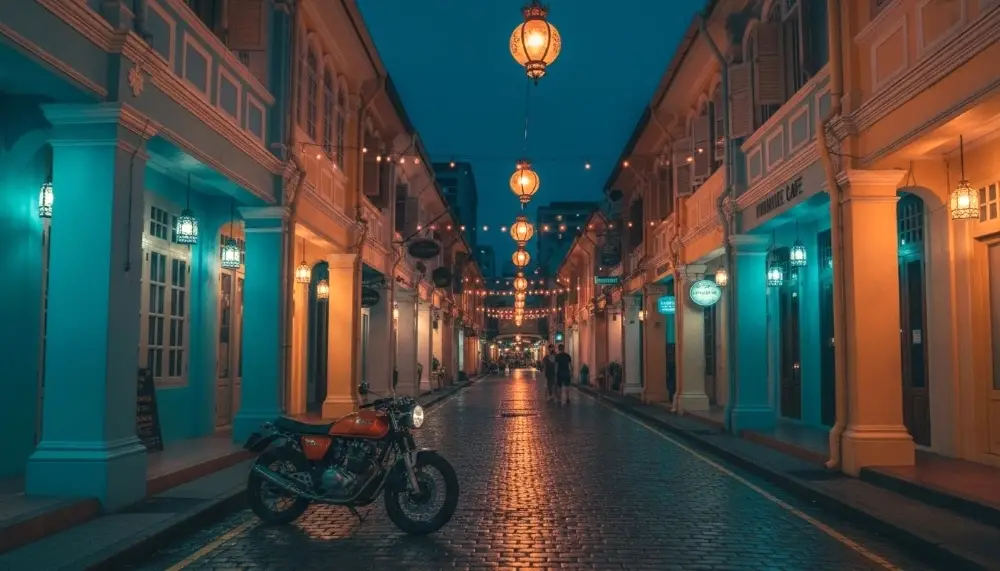
Phuket is Thailand’s largest island, offering a diverse, mainland-connected experience with vast infrastructure and high-intensity nightlife.
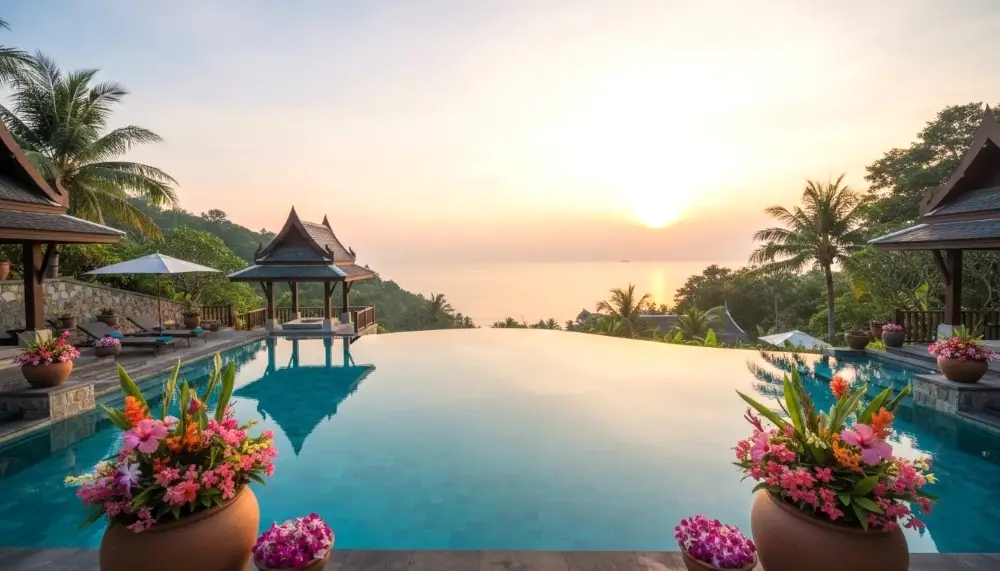
Koh Samui is a more compact, boutique destination in the Gulf of Thailand, characterised by coconut groves, calm waters during the northern summer, and a slightly more upscale, relaxed atmosphere across its primary beach towns.
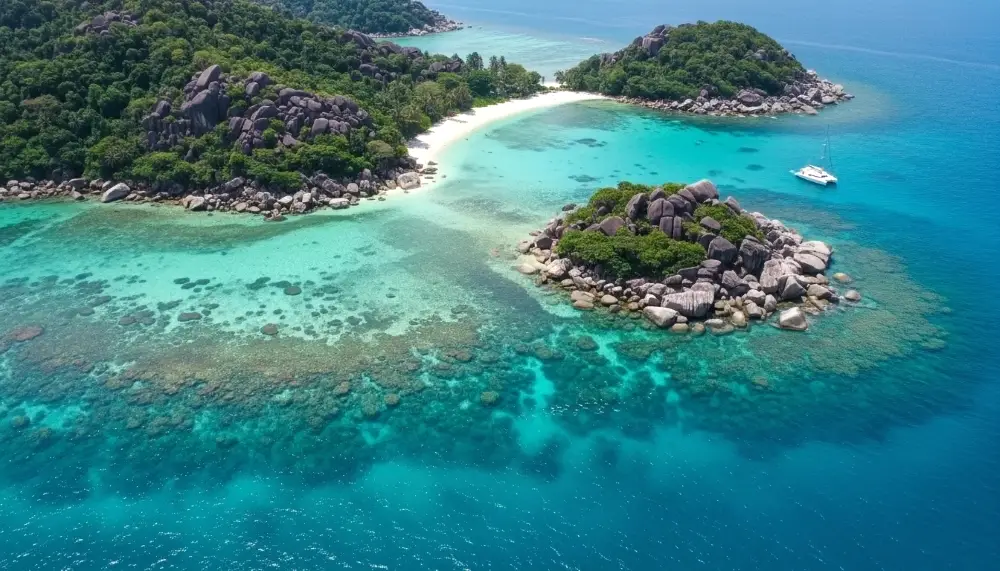
The geographic divide is the primary filter for any traveler. Phuket sits in the Andaman Sea, acting as the gateway to the limestone karsts of Phang Nga Bay and the world-class diving of the Similan Islands. It is a place of genuine scale: driving from the southern tip of Rawai to the northern reaches of Mai Khao can take over 90 minutes in traffic.
Koh Samui, nestled in the Gulf, feels more like a traditional island escape. The 50-kilometre ring road makes the entire island accessible within a single afternoon. While Phuket feels like a coastal province, Samui retains the “island vibe” where the ocean is never more than a few minutes away.

Lock in your Samui accommodation
early and beat peak-season price hikes.
Agoda’s filters let you compare options
side by side before you commit.
Comparisons at a Glance:
| Feature | Phuket (Andaman) | Koh Samui (Gulf) |
|---|---|---|
| Peak Season | November – April | January – August |
| Primary Vibe | High-energy, diverse, urban-coastal | Relaxed, boutique, family-oriented |
| Avg. Flight (BKK) | 1,200 – 2,500 THB (~$34–$71) | 4,500 – 7,500 THB (~$129–$214) |
| Transport Apps | Grab, Bolt, InDrive | Grab (limited), Navigo |
| Top Excursion | Phi Phi & Similan Islands | Ang Thong Marine Park |
| Budget Hotel/Night | 400 – 900 THB (~$11–$26) | 700 – 1,500 THB (~$20–$43) |
| Mid-Range Hotel/Night | 1,500 – 4,000 THB (~$43–$114) | 2,500 – 6,000 THB (~$71–$171) |
| Island Size | 576 km² (large, mainland bridge) | 229 km² (compact ring road) |
The Cost of Entry:
Phuket is significantly cheaper and easier to access due to its status as an international aviation hub and its bridge connection to the Thai mainland. Koh Samui remains a premium-priced destination because the airport is privately owned by Bangkok Airways, which maintains a near-monopoly on direct flights from Bangkok, keeping ticket prices consistently high year-round.
When calculating a budget, the “Samui Tax” must be factored in. A family of four may spend 20,000 THB (~$571) just on domestic connections to USM, whereas the same family could fly to HKT for under 6,000 THB (~$171). The alternative ferry route from Surat Thani saves money but adds four to five hours in transit time, which is worth considering if you are arriving on a long-haul connection and already exhausted.
Phuket‘s size is its greatest strength and its logistical weakness. Moving between the surf of Kata Beach and the historic Sino-Portuguese architecture of Phuket Town requires navigating notorious traffic corridors like the Chalong Circle. In contrast, Samui’s logistics are linear and predictable, though the lack of competition among taxi drivers often leads to flat-rate demands of 400-600 THB (~$11-$17) for even short trips. Activating a Yesim, Airalo, or Saily eSIM before arrival means Grab is ready to use the moment you clear immigration, bypassing the fixed-rate taxis at both airports entirely.
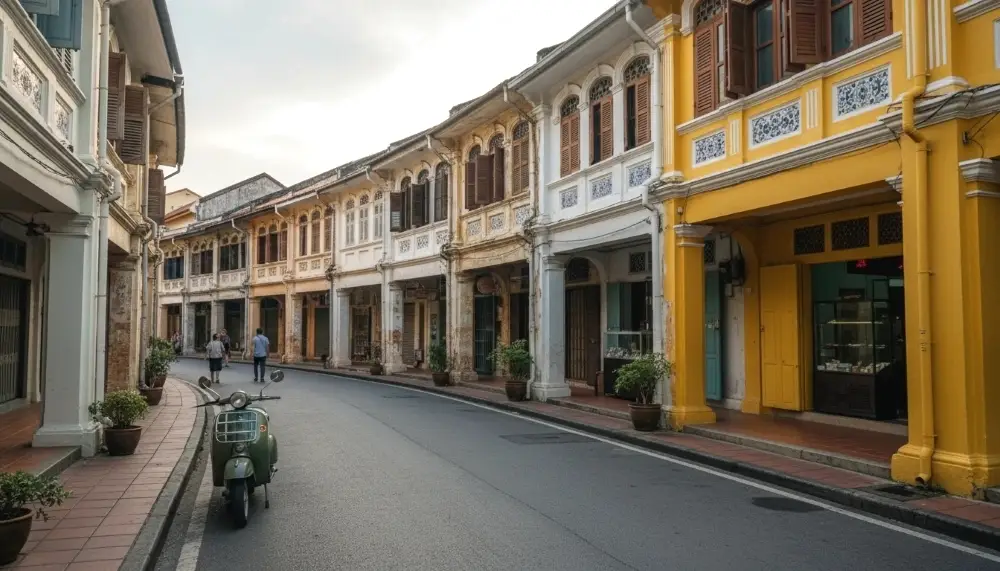

From classic Samui highlights to
hidden-gem private tours. Cancel
free up to a day before your
start time if plans change.
Beaches: Where Each Island Excels

The beach question is where most travelers get stuck, and the honest answer is that both islands deliver, just in very different ways.
Phuket’s standout beaches: Kata Noi is widely regarded as Phuket’s most beautiful cove, a compact crescent of fine sand that avoids the crowds of larger Patong. Nai Harn in the south is a local favourite, calm and clean with a relaxed seafront. Bang Tao offers six kilometres of largely uncrowded beach fronting boutique resorts and beach clubs. For those willing to take a speedboat, the beaches of the Phi Phi Islands and the Similan Islands are among the finest in Asia, bookable through Klook or Get Your Guide with free cancellation on most departures.
Koh Samui’s standout beaches: Chaweng is the most famous and also the most crowded, with excellent swimming but significant beach vendor activity. Lamai offers a quieter alternative with good surf and a more local feel. Choeng Mon in the northeast is the pick for families: shallow, calm water, minimal vendors, and proximity to the airport without the flight path noise. The nearby Marine National Parks, particularly Ang Thong, are best accessed as a day trip and offer an extraordinary archipelago of 42 islands completely free of development.

Skip the planning headache in Samui.
Klook offers day tours, tickets, and
experiences from around $25, with
instant confirmation to your phone.
Neighbourhood Deep Dives:
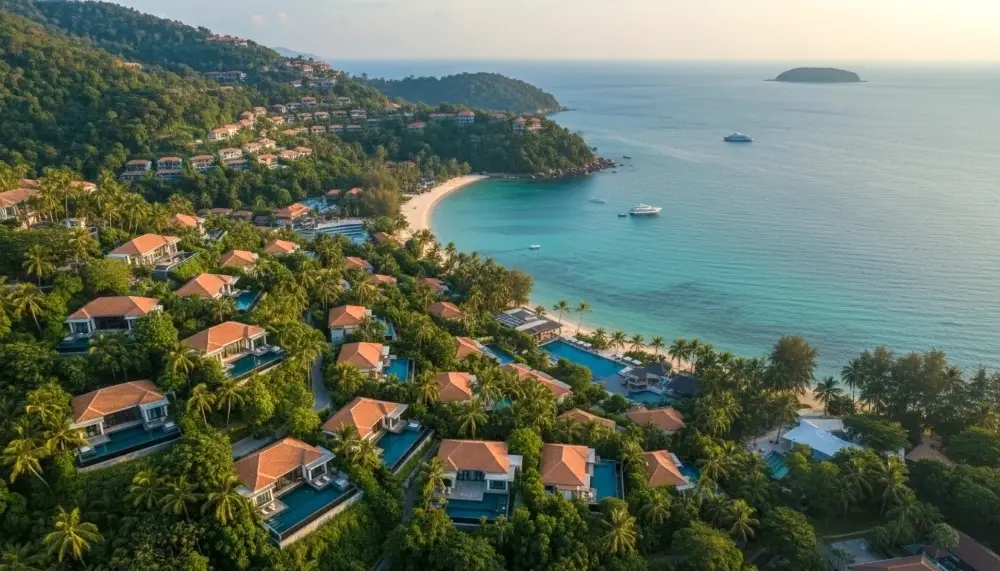
Phuket Top Picks
- Rawai and Nai Harn: The southern hub for digital nomads and fitness enthusiasts. Home to legendary Muay Thai camps and serene Nai Harn Beach. Accommodation here is 15-25% cheaper than Patong for equivalent quality.
- Bang Tao: A six-kilometre stretch of sand fronting the Laguna complex. The epicentre of villa rentals and high-end beach clubs. Families with children rate this area highly for the calm, shallow northern end of the beach.
- Phuket Town: Perfect for those seeking cultural density, Michelin-recognised street food, and lower accommodation costs. The Sunday Walking Street market along Thalang Road is a highlight in its own right. Boutique guesthouses here start from 700-1,200 THB (~$20-$34) per night.
Koh Samui Top Picks
- Choeng Mon: A series of sheltered bays in the northeast, ideal for luxury seekers who want proximity to the airport without the flight path noise. The water here is calm year-round and excellent for families with young children.
- Bophut (Fisherman’s Village): The gold standard for couples and families seeking sophistication over noise. The Friday Night Walking Street is a sensory feast, and the boutique hotels here offer a genuine alternative to the party scene of Chaweng. Book well ahead via Agoda for peak-season dates.
- Lamai: The middle-ground beach. Better swimming than Bophut but none of the overwhelming noise of Chaweng. A strong selection of mid-range hotels at 1,500-3,000 THB (~$43-$86) per night makes it a favourite for longer stays.

Skip the airport kiosk queue in Samui.
Airalo eSIMs are pre-loaded before
you fly and ready the instant you
connect to the local network.
Food, Nightlife, and Activities:
On food, Phuket wins by sheer volume and diversity. Phuket Town has a genuinely extraordinary street food scene, with several vendors recognised in the Michelin Guide, serving Hokkien-influenced dishes like mee sua noodles and o-tao oyster omelette for under 80 THB (~$2.30) a plate. The night markets at Malin Plaza (Patong) and the Old Town’s Saturday and Sunday Walking Streets are excellent for grazing. Mid-range restaurant meals with drinks average 400-700 THB (~$11-$20) per person.
Koh Samui’s food scene is smaller but has improved dramatically. Bophut’s Fisherman’s Village strip has a strong cluster of Thai-fusion and international restaurants at 350-600 THB (~$10-$17) per person. Chaweng’s food is more tourist-oriented and correspondingly pricier. The real gem is the morning market near Nathon pier, where locals buy fresh produce and cooked breakfast from 5am to 9am for 40-80 THB (~$1.15-$2.30) per dish.
For nightlife, Phuket’s Bangla Road in Patong remains Southeast Asia’s most relentlessly energetic party strip. Koh Samui’s Chaweng beach road offers a more manageable version of the same: loud bars, fire shows, and beach clubs, but on a scale that doesn’t feel overwhelming. Both islands have excellent beach club culture, with Phuket’s Catch and Seen Beach Club and Samui’s Ark Bar and Nikki Beach representing the upscale end.
For day excursions, use Klook or Get Your Guide for pre-booked island-hopping tours, cooking classes, elephant sanctuaries (ethical, no-riding only), and diving certification courses. Both platforms offer 24-hour free cancellation on most Thai island activities, which is genuinely useful if weather causes last-minute changes.


Need budget data in Samui? Saily’s
eSIM plans start cheap and install
in a couple of minutes. Built by
the NordVPN team, security is solid.
Etiquette and the “++”:
Respect in Thailand is anchored in “Jai Yen” (cool heart) and “Kreng Jai” (consideration). While tipping is not a traditional Thai requirement, a 10% service charge and 7% VAT (indicated as ++ on menus) are standard in mid-to-high-end establishments in both Phuket and Koh Samui.
In local “mom and pop” eateries, tipping is not expected, though rounding up to the nearest 20 THB is a polite gesture. In specialised services like a traditional Thai massage, a direct tip of 50-100 THB (~$1.40-$2.90) to the therapist is the gold standard of appreciation and makes a genuine difference to the person serving you.
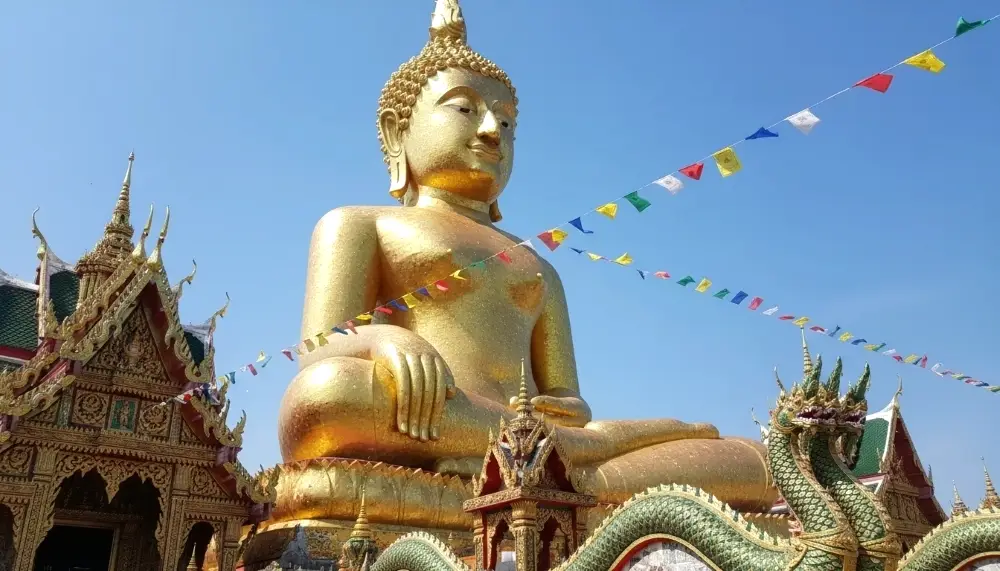
When visiting temples such as Big Buddha in Phuket or Wat Plai Laem in Samui, shoulders and knees must be covered. Most temple entrances have sarong loaners, but bringing your own lightweight scarf shows genuine respect. Removing shoes before entering a shop or home is not just a suggestion: it is a fundamental sign of respect for the space and the people in it.
Pro Tips For Stress Free Travel:
Connectivity: Activate a Yesim, Airalo, or Saily eSIM before departure. Both Grab and Bolt require SMS network verification at the point of first use, and without mobile data at the baggage carousel that process stalls entirely. A working eSIM lets you book a Grab from the arrivals hall and bypass the overpriced taxi queues outside both HKT and USM. Use NordVPN whenever you connect to hotel or beach club Wi-Fi to keep your banking and accounts secure.
Flight disruptions: If your long-haul connection into Phuket or Bangkok is delayed or cancelled, AirHelp is the fastest way to check and pursue any compensation you may be entitled to under EU261 or equivalent regulations. It costs nothing upfront and takes minutes to submit a claim.
Airport arrivals: For families or group transfers, Welcome Pickups offers fixed-price, meet-and-greet airport transfers at both HKT and USM. Knowing the price before you land removes a significant source of arrival-day stress.
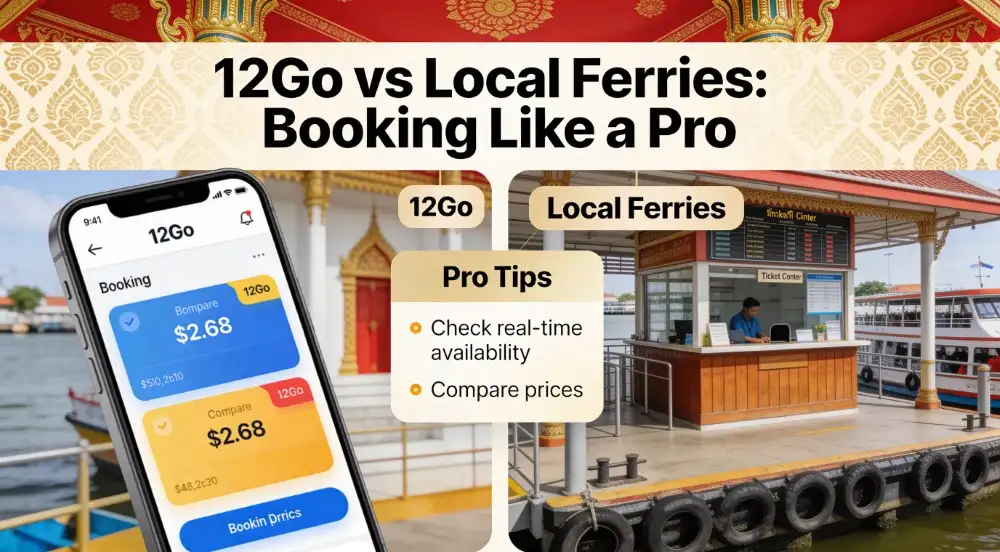
Transport: Download Grab and Bolt for city and island rides. Use 12GO for ferry bookings between Koh Samui, Koh Phangan, and Koh Tao. Locking in ferry seats through 12GO ahead of national holidays prevents the frustration of full boats and unpredictable pier-side pricing.
Accommodation: Agoda consistently offers the strongest rates on Thai island properties and has a large inventory of last-minute deals. Booking.com is preferable when flexible cancellation is the priority.
Experiences: Use Klook or Get Your Guide for vetted excursions including island-hopping tours, ethical elephant experiences, cooking classes, and diving packages. Both platforms include free cancellation on the majority of Thai island activities.
Currency: Always carry THB for local markets and street food. Exchange cash at SuperRich booths before leaving Bangkok or Surat Thani: both Phuket Town and Chaweng have currency exchanges but at less favourable rates. ATMs charge a foreign transaction fee of 220 THB (~$6.30) per withdrawal across all Thai banks.


Skip the airport SIM queue in Samui.
Yesim’s eSIM activates before takeoff
so you’re online the second your
plane touches the tarmac.
Beyond the Holiday:
For those looking to transition from tourist to resident, the Destination Thailand Visa (DTV) has revolutionised long-term stays, allowing five years of residency for remote workers and “Soft Power” participants. Both islands offer robust expat ecosystems, though Phuket provides superior international schooling, private hospitals, and specialist healthcare infrastructure for permanent relocation.
Remote workers choosing between the two typically find Phuket more practical for a long-term base: faster internet infrastructure, a wider selection of co-working spaces, and the full-service expat community around Rawai and Chalong. Koh Samui suits those prioritising a quieter, more island-paced lifestyle with reasonable fibre connectivity in Bophut and Chaweng. For either base, SafetyWing’s Nomad Insurance provides flexible month-to-month medical cover without the cost of traditional expat health policies.
Moving to Thailand with pets requires meticulous planning. Thailand is a rabies-endemic country, so importing pets involves a 30-day lead time for import permits and strict vaccination records. Phuket’s international veterinary clinics in Chalong are world-class, making it the preferred choice for pet owners settling long-term.
A Note for the Nervous Traveler
Safety in Thailand is largely a matter of common sense and situational awareness. The biggest risks are not from crime but from motorbike accidents and strong riptides during the monsoon season.
Always check the flags on the beach: red means stay out of the water, no exceptions. Stick to registered transport apps to avoid fare disputes. Always wear a helmet when on a scooter or motorbike, even if the locals around you do not. Hospital costs for road injuries in Thailand run into hundreds of thousands of THB without insurance.
Solo travelers, families, same-sex couples, and elderly visitors all navigate both islands with confidence once they’re on the ground. The tourism infrastructure on both Phuket and Koh Samui is genuinely excellent, English is widely spoken, and help is never far away. Thailand is one of the most welcoming destinations on earth: lead with a smile, and the Land of Smiles responds in kind.
FAQ: Phuket vs Koh Samui
Which island is cheaper for a two-week stay?
Phuket generally wins on overall price. The abundance of budget accommodation (hostels from 300-500 THB / ~$8.60-$14 per night in Phuket Town) and the far lower cost of flights from Bangkok or international hubs make it more accessible for travelers watching their budget. On Koh Samui, the Bangkok Airways airport monopoly means domestic flights alone can add 10,000-15,000 THB (~$286-$429) to a couple’s total trip cost compared with flying into Phuket. Once on the ground, day-to-day costs (food, scooter hire, local attractions) are broadly similar on both islands.
Is the weather different in Phuket and Koh Samui?
Yes, significantly. Phuket follows the Andaman Sea season: dry and sunny from November to April, with heavy monsoon rains from May to October. Koh Samui follows the Gulf of Thailand season, which is essentially the inverse: the island remains dry and calm from January through to September, with its worst weather in October and November when Gulf storms roll in. This seasonal split means that if you’re travelling between June and September, Koh Samui is the smarter choice for reliable sunshine. November to February is the window when both islands are at their best simultaneously.
Which island is better for families with young children?
Both work well, but for different reasons. Phuket offers Bang Tao and Nai Harn beaches, which have shallow and calm swimming conditions during the dry season, plus excellent international restaurants, hospitals, and a wider range of family activities bookable through Klook or Get Your Guide. Koh Samui’s Choeng Mon bay is exceptionally calm and shallow year-round, making it arguably the single best beach for small children in southern Thailand. The island’s compact size also means you’re never more than 30 minutes from any attraction, which suits families with limited patience for long transfers.
Can I use the DTV visa to live in either island?
Yes. The Destination Thailand Visa allows remote workers to live anywhere in Thailand for up to five years. Both islands have established expat communities and reliable fibre internet in their main towns. Phuket is the more practical long-term base due to its superior healthcare infrastructure, international schools, specialist veterinary clinics, and wider range of co-working spaces. Koh Samui suits those prioritising a quieter pace with good connectivity in the Bophut and Chaweng areas. For ongoing medical cover without the cost of traditional expat health insurance, SafetyWing’s Nomad Insurance is worth considering for either base.
Is there a Plus Plus charge on everything?
No. The ++ notation (10% service charge and 7% VAT) is typically found in sit-down restaurants, hotel restaurants, spas, and beach clubs. Street food stalls, local markets, and small family-run cafes are flat-rate with no hidden fees. If a menu shows ++, it means the prices listed are before these additions: a 300 THB dish becomes 341 THB all in. Budget around 17% extra on top of listed prices in any establishment that uses the ++ system.
How do I get from Koh Samui to Koh Phangan or Koh Tao?
By ferry, and it’s straightforward. Regular high-speed ferries connect Koh Samui to Koh Phangan in around 30 minutes (150-200 THB / ~$4.30-$5.70) and to Koh Tao in approximately 1.5 hours (300-400 THB / ~$8.60-$11.40). The Raja Ferry and Seatran are the two main operators from Nathon and Bangrak piers. Book through 12GO ahead of national holidays and Full Moon Party weekends when boats fill up quickly and pier-side pricing becomes unpredictable.
Is it safe to hire a scooter on either island?
Legally and practically, you need a valid motorcycle endorsement on your International Driving Permit to ride any motorbike in Thailand. Driving without one invalidates your travel insurance. That said, scooter hire is extremely common on both islands and is the most practical way to explore independently. Koh Samui’s ring road is straightforward. Phuket’s roads are more complex and traffic is heavier, especially around Patong and Chalong Circle. Always wear a helmet, ride defensively, and avoid night riding on unfamiliar roads. Hospital emergency costs without insurance are substantial.
What is the best way to get from Bangkok to each island?
For Phuket: fly direct from Suvarnabhumi (BKK) or Don Mueang (DMK) with AirAsia, Thai Lion Air, or Thai Airways. Flight time is around 1.5 hours and budget fares from 1,200 THB (~$34) are common with advance booking. For Koh Samui: Bangkok Airways operates the majority of direct flights from BKK to USM at 4,500-7,500 THB (~$129-$214) return, which is significantly more expensive. The budget alternative is to fly to Surat Thani (URT) on a low-cost carrier and take a ferry across (total journey around 4-5 hours but costs roughly 1,500-2,500 THB / ~$43-$71 all in). Book ferry tickets through 12GO to lock in your seat in advance.
Which island has better diving and snorkelling?
Phuket has the edge for serious divers. Its position in the Andaman Sea gives access to the Similan Islands (one of the world’s top ten dive sites), Richelieu Rock (famous for whale shark encounters), and the Phi Phi Islands for snorkelling. Visibility in the Andaman can reach 30 metres or more during the dry season. Koh Samui’s diving is decent but not world-class: visibility averages 10-15 metres and the sites around the island itself are less dramatic. However, Koh Tao, just 1.5 hours by ferry, is one of the world’s most popular and affordable places to learn to dive. Dive day trips and PADI courses from either island are best booked through Klook or Get Your Guide.
Which island should I choose if this is my first time in Thailand?
If you want maximum choice, flexibility, and a lower overall budget, choose Phuket. You’ll have direct international flights, a huge range of accommodation and food, and easy access to world-class day trips. If you want a calmer, more curated introduction to island Thailand without the overwhelming scale of Phuket, choose Koh Samui and base yourself in Bophut or Choeng Mon. First-timers who are nervous about navigating a new country will find both islands genuinely easy: English is widely spoken, Grab works in both locations once your eSIM is activated, and the tourism infrastructure on both is excellent.