Thailand Scuba Diving
This site contains affiliate links. We may earn a commission at no extra cost to you.
Whether you are a complete beginner or already certified, Thailand’s diving scene is welcoming, affordable, and full of unforgettable marine life. From colorful coral reefs to encounters with gentle whale sharks, diving here can easily become the highlight of your trip. If you have ever dreamed of exploring the ocean for the first time, Thailand is one of the best places on Earth to do it, and this guide covers everything you need to plan it well.
Thailand punches well above its weight as a dive destination. The infrastructure is mature, the instructors are experienced, the water is warm, and the marine biodiversity is genuinely staggering. Whether you are backpacking on a shoestring, travelling as a family, or working remotely while ticking off Open Water dives in the mornings, you will find a version of this underwater world that fits your trip perfectly.
Quick Summary:
Regional Budgets: Daily costs for diving range from 4,500 THB for local boat trips to 45,000 THB for luxury liveaboard cabins.
Seasonal Logic: The Andaman Sea (West) peaks from November to April, while the Gulf of Thailand (East) offers optimal conditions from May to September.
Entry Requirements: Divers must present a valid certification card (PADI, SSI, NAUI) and digital logbooks; National Park fees for the Similans are paid in cash THB.
Marine Life: Expect encounters with Whale Sharks at Richelieu Rock and dense schools of Chevron Barracuda at Sail Rock.

From temples to island tours, Klook
covers Thailand’s best experiences.
Hotel pickup is often included and
prices beat the pier walk-in rate.
Is Thailand Good for Scuba Diving?
Yes, without reservation. Thailand is consistently ranked among the top scuba diving destinations on the planet, and that reputation is hard-earned. The combination of warm tropical water sitting between 27 and 30 degrees Celsius year-round, exceptionally diverse marine ecosystems, and a well-developed dive industry makes it a genuinely world-class experience at a fraction of the cost you would pay in the Maldives or the Great Barrier Reef.
Here is why first-time visitors love diving here:
- Warm tropical water year-round (around 27–30°C)
- Excellent visibility at many dive sites
- Affordable dive courses and trips
- Friendly, experienced dive instructors
- Huge variety of marine life
Many travellers actually learn to dive in Thailand precisely because the prices are significantly lower than in Europe or North America while the dive conditions are often superior. A PADI Open Water certification that might cost £400 in the UK can be completed here for roughly 11,000 to 15,000 THB, with better weather and clearer water thrown in for free.
Even if you have never tried scuba diving before, Thailand makes the process feel easy and exciting rather than intimidating. The dive schools on Koh Tao alone certify more Open Water divers per year than almost any other location on the planet. That volume creates a culture of efficiency, safety, and genuine expertise that benefits everyone who shows up with a sense of adventure.

Skip-the-line tickets and guided walks
in Thailand with English-speaking
guides. Read real traveller reviews
before committing to a single one.
Best Places for Diving:
The Andaman Sea (West Coast)
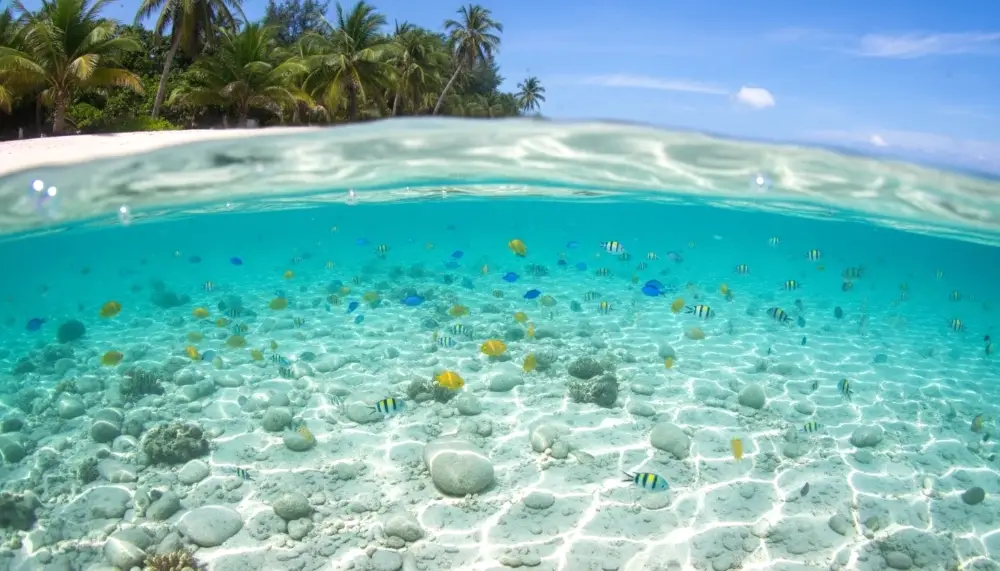
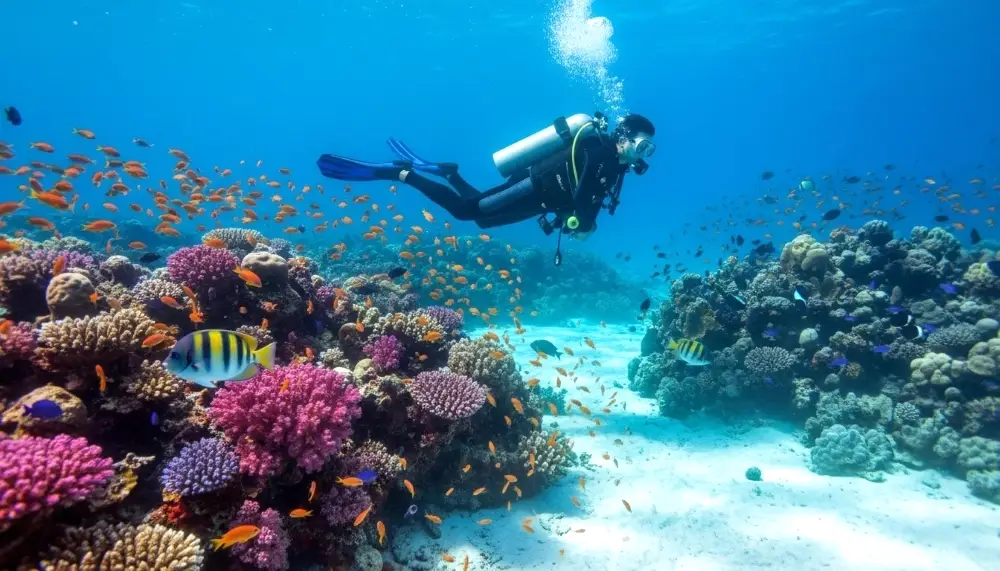
The Similan and Surin Islands represent Thailand’s premier diving destination, characterised by deep-water pinnacles and massive granite formations. Located 70 kilometres off the coast of Phang Nga, these protected marine parks offer the highest visibility in the region, often exceeding 30 metres, and serve as the primary habitat for manta rays and whale sharks.
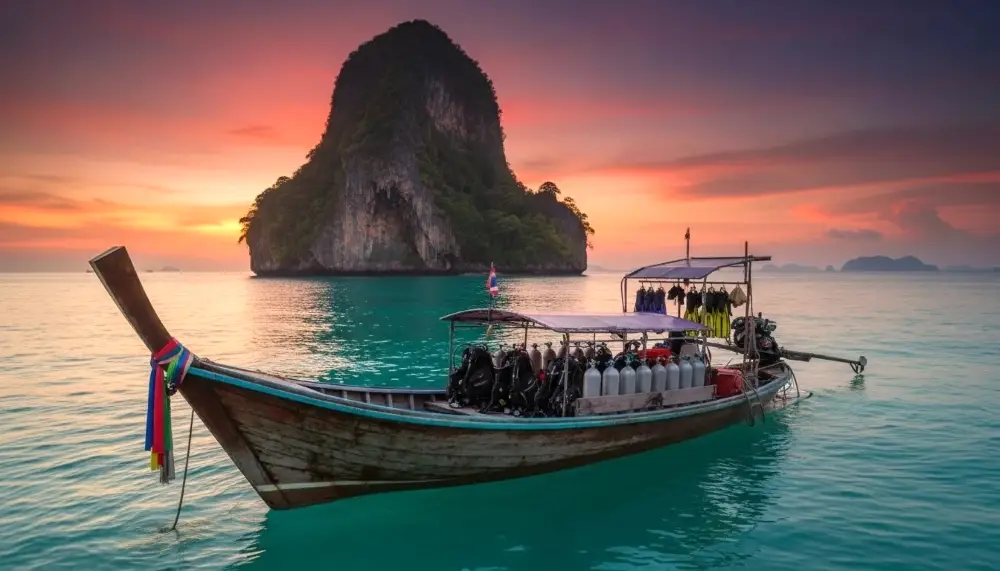
Liveaboards departing from Khao Lak or Phuket provide the most comprehensive access to the Northern Andaman sites. While day trips are available, the distance makes multi-day expeditions more efficient for hitting the “Big Three” sites: Richelieu Rock, Koh Tachai, and Koh Bon. Richelieu Rock, a horseshoe-shaped pinnacle covered in purple soft corals, is widely considered the top dive site in the country.
Beyond the headline names, the Andaman coast offers remarkable variety. The Burma Banks, accessible on longer liveaboard routes, host sleeping nurse sharks and rarely seen guitarfish. Koh Haa in the south is beloved for its swim-through caverns and gentle current, making it an ideal second or third dive for newly certified divers who want to build confidence in a protected environment. If you are planning a liveaboard, lock in your cabin early via Agoda or Booking.com for port-side accommodation in Khao Lak before and after the trip, as coastal resorts fill quickly between January and March.
The Gulf of Thailand (East Coast)
Scuba diving in the Gulf of Thailand centres on the Samui Archipelago, offering sheltered conditions and a robust infrastructure for certification. Unlike the deep Andaman sites, the Gulf features shallower reefs and massive offshore pinnacles like Sail Rock, which provides a 30-metre vertical drop and a famous “Chimney” swim-through that divers of all levels talk about for years afterward.
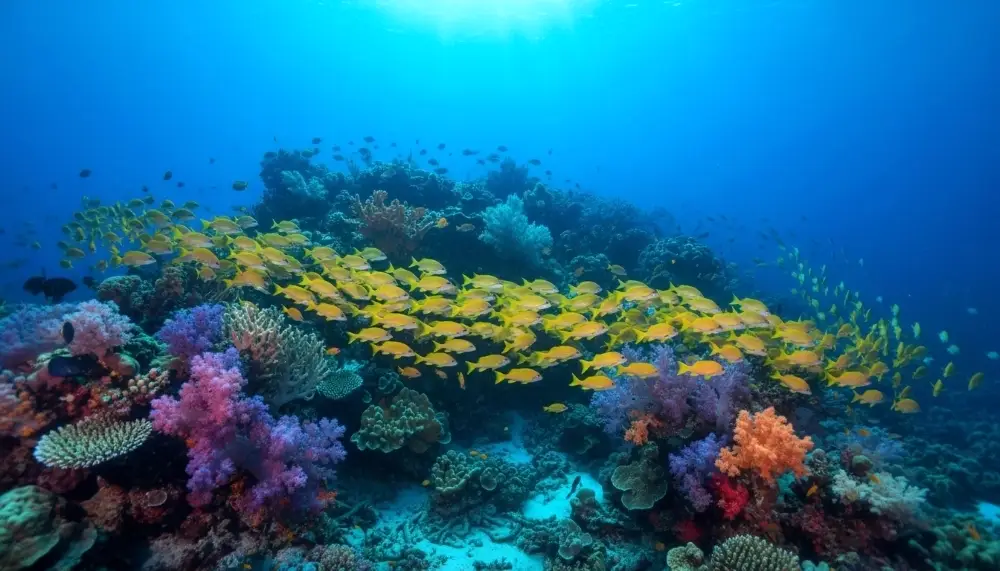
Sail Rock is the crown jewel of the Gulf. Located between Koh Phangan and Koh Tao, this isolated rock acts as a magnet for pelagic species. Because there is no other reef nearby, fish congregate here in staggering densities. Local operators from Koh Tao utilise high-speed catamarans to reach these sites, ensuring divers arrive before the midday heat.
Koh Tao itself deserves special mention as a diving hub. The island’s concentration of dive schools, affordable bungalows, and easy ferry access from the mainland makes it the natural starting point for anyone pursuing certification. Chumphon Pinnacle, a short speedboat ride away, is one of Southeast Asia’s great advanced dives, dropping to 36 metres through clouds of circling barracuda and vast grouper. Book your Koh Tao accommodation early during high season through Agoda or Booking.com, and use 12GO to secure ferry tickets from Chumphon or Surat Thani ahead of busy holiday periods when boats sell out days in advance.

Airalo covers Thailand with a range of
data plans from days to a month.
No physical SIM swap, no roaming
bill shock when you get back home.
Site Comparison: West vs. East
| Destination | Primary Marine Life | Best Month | Difficulty Level |
|---|---|---|---|
| Similan Islands | Manta Rays, Reef Sharks | February | Intermediate |
| Sail Rock (Koh Tao) | Whale Sharks, Bull Sharks | July | Beginner to Pro |
| Chumphon Pinnacle | Giant Groupers, Barracuda | May | Advanced |

Compare hotel prices across Thailand’s
best areas and book with confidence.
Filter by budget, location, or score
to find the right stay for your trip.
Getting There and Getting Online:
Planning a dive trip to Thailand involves more logistics than a standard beach holiday, and getting the practical side right from the start makes everything smoother. Here is what experienced divers and regular visitors consistently recommend.
Flights and Delays: Most international arrivals come through Suvarnabhumi (Bangkok) or Phuket International. If your itinerary involves connecting flights to reach Koh Samui or a Khao Lak departure, build in a buffer day. Flight disruptions on island connections are common during monsoon transitions. If you experience a significant delay that costs you a pre-paid dive day, AirHelp is worth knowing about as a service that pursues compensation on your behalf for qualifying disruptions on European and other regulated routes.
Airport Transfers: Arriving families or groups heading straight to a liveaboard staging port benefit enormously from a pre-arranged private transfer. Welcome Pickups operates fixed-price, meet-and-greet transfers from Thai airports direct to pier hotels, which removes the chaos of negotiating taxis with heavy dive bags in tow.
Getting Online Immediately: This is more important for a dive trip than it might seem. The two dominant booking and navigation apps used in Thai island towns, Grab and Bolt, require SMS verification during first-time setup, and that verification only works with an active local data connection. Activate your Airalo, Yesim, or Saily eSIM data plan before you leave home so that the moment you clear baggage claim, your phone is live and the apps can authenticate without any pier-side scrambling. A local physical SIM from AIS also works and offers strong 5G coverage even on the water around Phuket and Koh Samui.


Affordable Thailand data without the
tourist SIM hassle. Saily’s eSIM
works on most modern phones and
tops up remotely whenever needed.
Pro Tips For Stress Free Travel:
Connectivity: Use Yesim or a local physical SIM from AIS for reliable 5G coverage even at sea.
Security: NordVPN is essential for accessing banking apps over public pier Wi-Fi. Liveaboard satellite internet and marina hotspots are notoriously open networks, and logging into your bank or any financial account without a VPN active is a risk not worth taking.
Transport: Grab and Bolt are the primary ride-hailing apps for pier transfers in Phuket and Koh Samui. For intercity travel between Bangkok and southern ferry ports, use 12GO to lock in bus or rail tickets before national holidays when departures sell out rapidly.
Booking: Use Agoda for coastal resorts and Klook or Get Your Guide for booking day-trip snorkelling supplements for non-diving partners.
Currency: Always carry physical THB for island fees, as digital ThaiPay QR codes are rarely accepted on boats. The Similan Islands National Park entry fee of 500 THB plus the 200 THB daily diving surcharge must be settled in cash at the ranger station.
Long-Stay Health Cover: Digital nomads and remote workers staying in Thailand for a month or longer to combine work with a dive certification should look at SafetyWing for lightweight international health cover. It is designed for exactly this kind of extended, mobile lifestyle and covers emergency medical treatment including decompression sickness, which standard travel insurance frequently excludes.

Forget swapping physical SIMs in Thailand.
Yesim works on most modern phones,
activates remotely, and keeps your
home number live on WhatsApp too.
Marine Life To See:
Thailand’s waters are full of colourful and fascinating marine creatures. Even on beginner dives at relatively shallow depths, you are likely to encounter an incredible variety of life that would take years to see at a temperate dive destination.
Common sightings include:
- Clownfish living in sea anemones
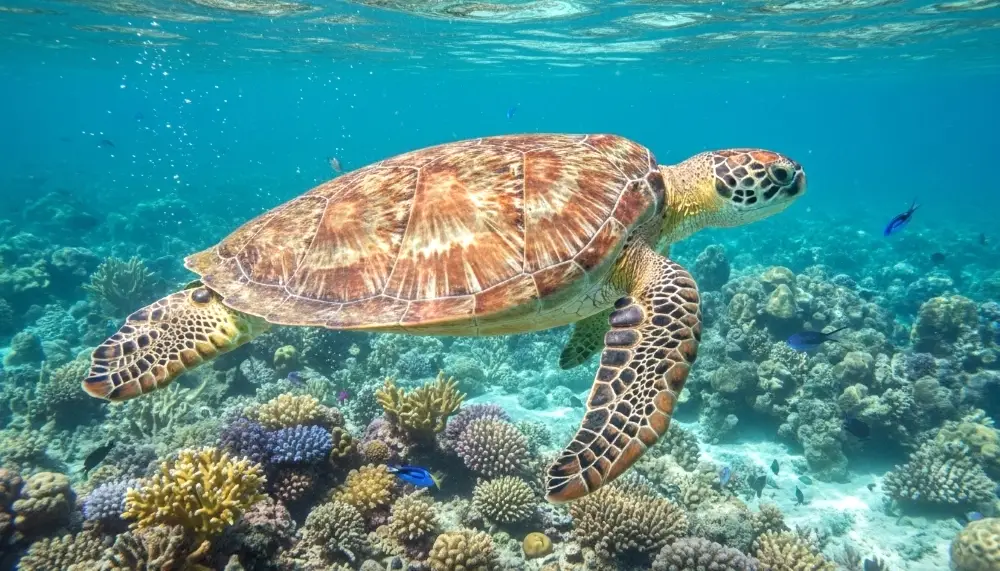
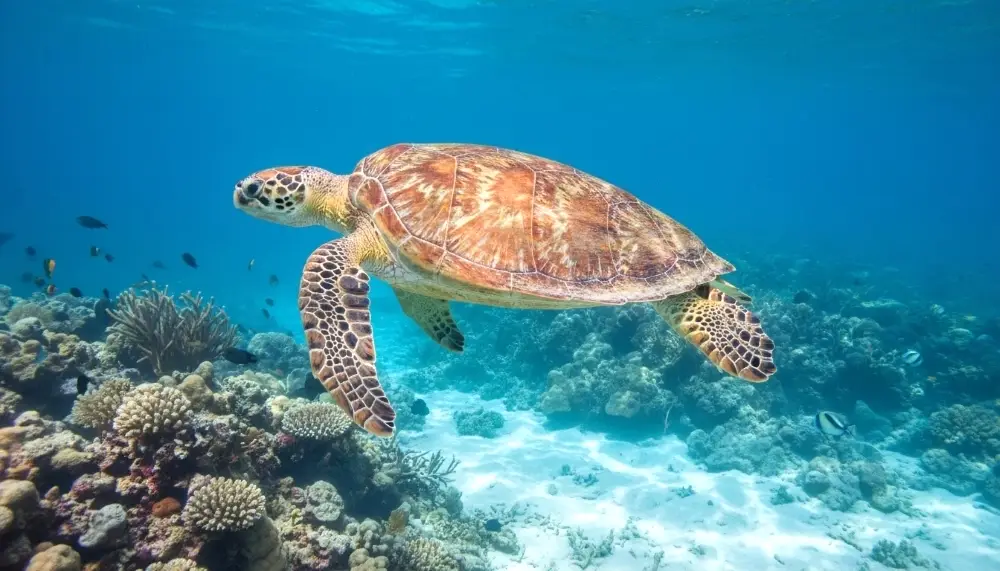
- Sea turtles gliding past coral reefs
- Moray eels hiding in rock crevices
- Bright reef fish in every colour imaginable
- Lionfish and angelfish
If you are lucky, you may also encounter larger marine life such as:
- Whale sharks
- Manta rays
- Reef sharks
- Barracuda schools
What makes Thailand particularly special for marine encounters is the sheer density of life at key aggregation points. Richelieu Rock is globally famous among underwater photographers for producing whale shark sightings that can last 30 to 40 minutes on a single dive, which is extraordinary by any measure. The rock’s surface is so encrusted with soft corals, nudibranchs, and seahorses that macro photographers can spend an entire dive on a single square metre of wall.
Learning to Dive:
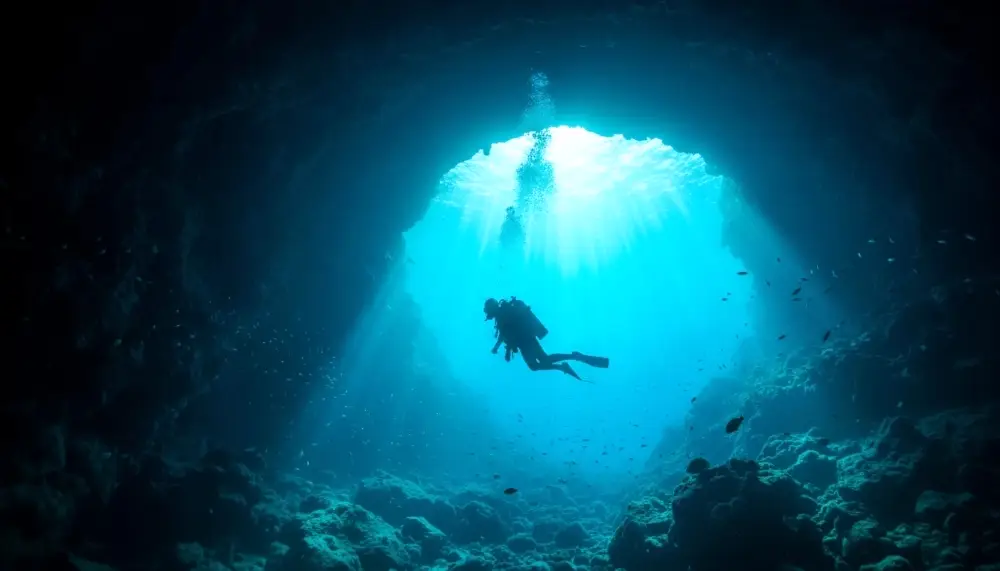
Thailand is one of the best places in the world to earn your scuba certification, and that is not marketing language. It is a practical reality built on the sheer volume of experienced instructors, the competitive pricing created by hundreds of schools, and the consistently welcoming conditions of the water itself.
Most dive schools offer internationally recognised courses such as:
- Discover Scuba Diving (a beginner introduction, no certification required)
- Open Water Diver certification
- Advanced Open Water courses
- Specialty dive training (deep, wreck, night, and more)
A typical beginner Open Water course takes about 3 to 4 days and includes online theory modules (which you can complete before you arrive), confined water practice in a pool or sheltered bay, and four open-water qualification dives. The whole process is designed to be manageable even for people who feel nervous about deep water.
One of the biggest practical advantages is cost. A full PADI or SSI Open Water certification in Thailand typically runs between 11,000 and 15,000 THB, which includes digital course materials, equipment hire, and all certification fees. That is a fraction of equivalent courses in the UK, Australia, or the United States, and the open-water dives happen in genuinely beautiful tropical conditions rather than a quarry or a cold coastal bay.
For travellers who want to research day trips and excursions before locking in a school, Get Your Guide and Klook both list certified dive operators with transparent reviews. Booking a trial Discover Scuba session through either platform before committing to a full course is a smart way to assess whether the school’s style matches your learning preferences.
What Diving in Thailand Feels Like:
For first-time divers, the experience can feel almost surreal, and that is not an overstatement. There is a moment that almost every new diver describes: the instant you clear the surface and descend those first few metres, the ambient noise of the world simply stops. Engine rumble, chatter, wind, all of it disappears into a clean, deep blue quiet.
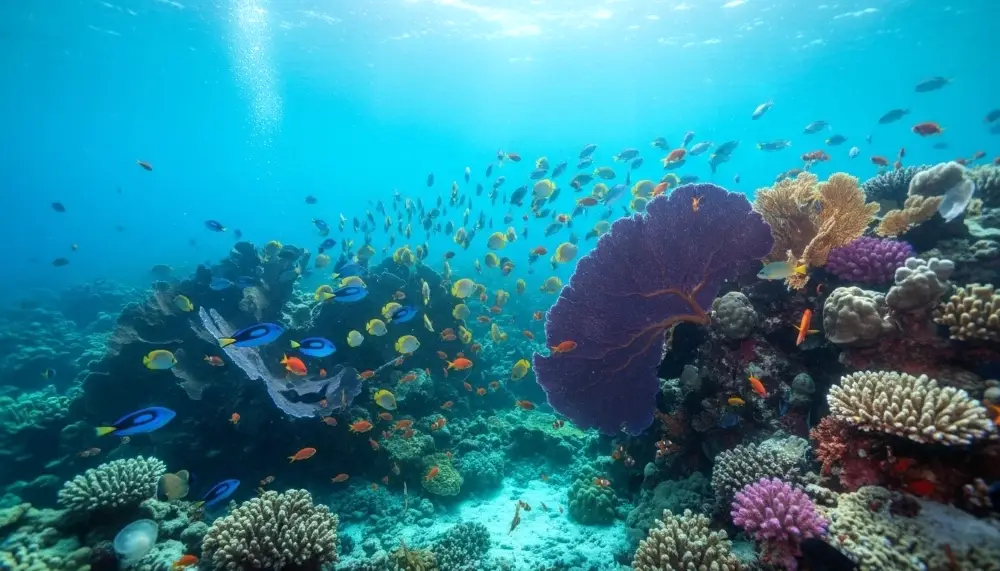
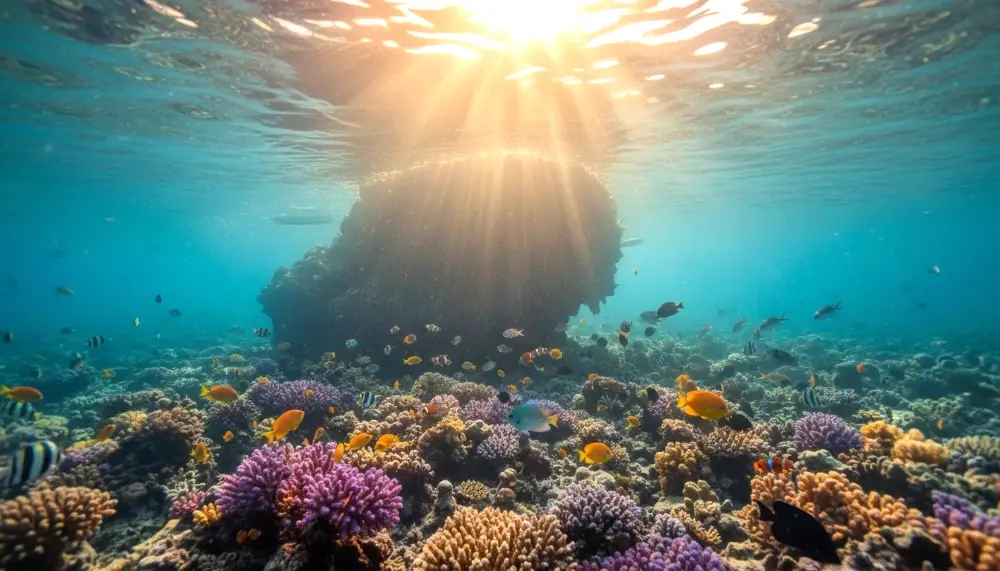
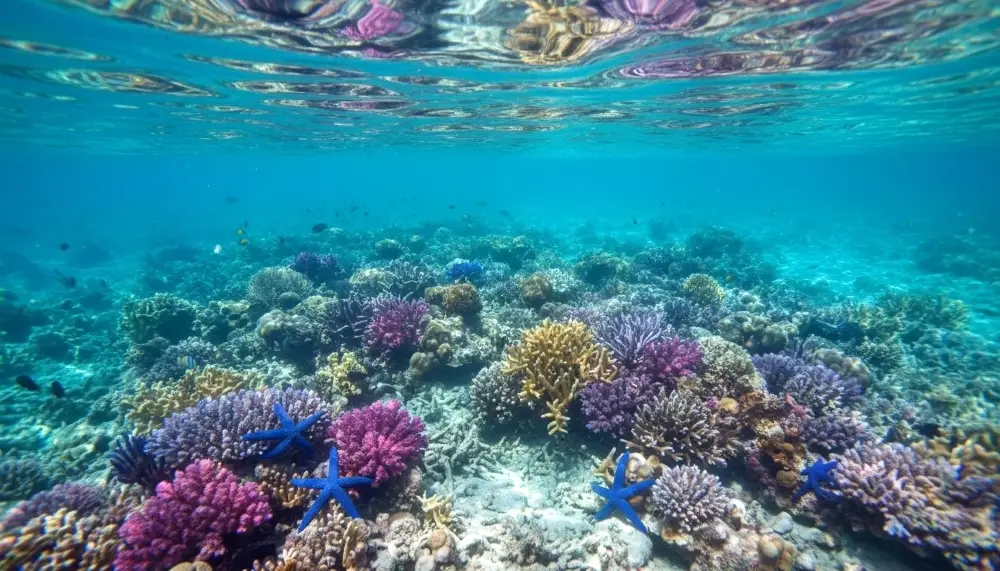
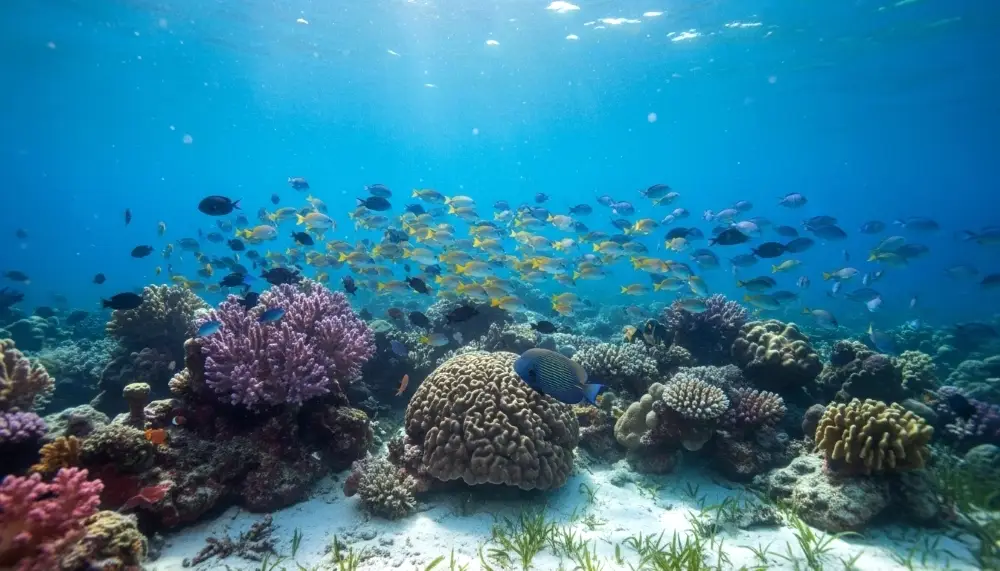
Sunlight filters through the water in long diagonal beams, illuminating coral reefs that look like underwater gardens. Fish of extraordinary colours drift through formations of hard coral without any apparent concern for your presence. Sea turtles cruise past with that distinctive unhurried elegance, occasionally pausing to look back at you with what genuinely seems like mild curiosity.
Many travellers say their first dive in Thailand completely changes how they see the ocean. What was previously an abstract, slightly intimidating expanse becomes something intimate and full of detail. People come here for a single Discover Scuba experience and leave a week later with a full Open Water certification and a plane ticket already reconsidered to allow more time underwater.
The conditions help enormously. Thai water is not cold. There is no drysuit, no neoprene gauntlets, no surfacing into grey skies with numb fingers. You descend in 28-degree water wearing a light wetsuit or, on some Gulf sites, a rash vest, and the whole experience is physically comfortable from the first breath. That comfort gives you the mental space to actually enjoy what you are looking at rather than focusing on managing discomfort.
The Best Time to Dive:
Thailand offers diving almost year-round, but conditions vary significantly by region, and understanding the seasonal logic before you book flights will save you a great deal of frustration.
Andaman Sea (Phuket, Similan Islands): Best from November to April when seas are calm, visibility regularly exceeds 25 metres, and the Similan National Park is open. The park closes entirely from mid-May through October to allow reef recovery during the southwest monsoon. February is widely considered the peak month, with the calmest conditions and the highest probability of manta ray and whale shark sightings at Richelieu Rock.
Gulf of Thailand (Koh Tao, Koh Phangan): Good diving most of the year, with particularly calm conditions from March to September. Sail Rock produces its best whale shark sightings between April and June, then again in September and October. Even during the Gulf’s wetter months (October to December), diving continues on sheltered western sides of the islands and conditions rarely deteriorate as badly as the Andaman monsoon.
Because the two coasts sit on opposite sides of the Thai peninsula and respond to different monsoon systems, it is almost always possible to find excellent diving conditions somewhere in the country at any given time of year. A traveller arriving in August who misses the Andaman season entirely can still have world-class dives at Sail Rock and Chumphon Pinnacle in the Gulf.
Is Scuba Diving Safe for Beginners?
Many travellers feel nervous before their first dive, which is completely understandable. You are learning to breathe underwater, and no amount of rational reassurance fully eliminates the initial flutter of apprehension when you clear the surface for the first time. That is entirely normal and, for most people, the nervousness dissolves almost immediately.
The practical reality is that scuba diving in Thailand is extremely beginner-friendly. Reputable PADI and SSI schools maintain rigorous instructor-to-student ratios during Open Water training, typically no more than four students per instructor for open-water qualification dives. Professional instructors guide you step-by-step and never push a student into deeper water before they are clearly comfortable.
Safety procedures are taken seriously. Equipment checks, dive briefings, emergency protocols, and buddy systems are all non-negotiable elements of any certified dive operation. Thailand’s dive industry is mature enough that cutting corners on safety is reputationally ruinous, and the schools that have survived for decades on Koh Tao or in Khao Lak have done so by maintaining genuine standards.
A few practical safety notes for independent planners: always book with a school that holds a current PADI or SSI affiliation certificate, check that the boat carries oxygen and a first aid kit, and make sure your travel insurance explicitly covers scuba diving. Standard travel policies often exclude diving or cap it at a shallow recreational depth. SafetyWing’s nomad and traveller plans are worth checking for extended stays, and dedicated dive insurance through DAN (Divers Alert Network) is considered the gold standard if you plan to dive regularly over a long trip.
Diving Costs and Budgeting:
Thailand’s diving is accessible across a wide range of budgets, and it is genuinely one of the few places on Earth where a backpacker and a luxury traveller can both come away having had exceptional experiences, just configured very differently.
Budget end (backpacker): A local two-tank boat dive from Koh Tao to nearby sites like Mango Bay or White Rock runs roughly 1,200 to 1,800 THB including equipment. Bungalow accommodation around the dive schools starts at 350 to 600 THB per night for a basic fan room. At this level, a full day of diving (two tanks, basic lunch on board, gear hire) costs around 2,500 THB all-in.
Mid-range (comfort seekers): A day trip to Sail Rock from Koh Tao on a dedicated speedboat with a small group, nicer equipment, and a proper lunch typically runs 2,500 to 3,500 THB per person. Mid-range guesthouse rooms with air-conditioning and en-suite bathrooms on Koh Tao sit at 900 to 1,800 THB per night. Agoda consistently has the best available rates for this category.
Premium and liveaboard (affluent travellers): A three-night Similan Islands liveaboard departing from Khao Lak with 12 to 14 dives, all meals, and a comfortable shared cabin costs between 18,000 and 28,000 THB per person. Private cabin liveaboards with nicer vessels push to 35,000 to 45,000 THB. For families, chartering a private speedboat to Koh Haa or the local Koh Lanta reefs for a day of private guided diving costs 12,000 to 20,000 THB for the group, which represents extraordinary value at that level of exclusivity.
Diving and Island Culture:
One of the most special parts of diving in Thailand is the lifestyle that surrounds it. Dive towns are consistently some of the most relaxed and welcoming communities in the country, built over decades around a shared love of the ocean and a genuinely international mix of instructors, students, and repeat visitors.
After a morning dive, it is common to spend the afternoon at a beach cafe comparing notes on what was spotted, arguing cheerfully about whether that was a leopard shark or a nurse shark on the sandy bottom at 18 metres, and planning the evening dive or the next day’s trip. Dive towns attract a particular kind of traveller: curious, physically active, and generally excellent company.
You might start your day exploring coral reefs at first light, surface in time for a coconut on the boat, and finish the evening with fresh grilled snapper on a beach terrace while the sky turns deep orange over the water. It is this combination of genuine adventure and deeply unhurried island rhythm that keeps divers returning year after year, often for trips that stretch from a planned fortnight into several months.
For remote workers and digital nomads, dive hubs like Koh Tao have evolved to accommodate longer stays thoughtfully. Cafes with reliable internet, co-working spaces, and monthly accommodation rates are increasingly common. NordVPN handles the security side of working from open networks, and the morning-to-noon dive window fits naturally around productive afternoon and evening work sessions. It is an unusually compelling model for anyone whose work allows location flexibility.
Why Diving Is So Memorable:
Thailand offers something that few destinations can match: world-class diving that is genuinely accessible to almost anyone, regardless of experience, budget, or fitness level. The barriers to entry are low, the rewards are immediate, and the memories tend to be permanent.
You do not need years of experience or expensive gear. Every reputable dive school provides all the equipment you need as part of the course or trip fee. You do not need to be a strong swimmer, though basic water comfort is expected. You do not need to commit to a full certification course to experience what lies beneath the surface, a Discover Scuba session takes a single morning and produces the same sensory impact on most people.
For many travellers, their first dive in Thailand becomes one of the defining memories of their entire trip, sitting alongside temple visits, street food discoveries, and island sunsets as experiences they genuinely did not expect to be so profound. The ocean here has that effect.
Ready to Explore?
Thailand is already an incredible country to explore above the surface, from bustling cities to jungle temples and tropical beaches. But scuba diving reveals a completely different side of the country, one that the majority of visitors never see.
Beneath the waves lies a vibrant, living world of extraordinary complexity and beauty. It operates entirely independently of the tourist infrastructure above, indifferent to high season and flight schedules, quietly going about its business in the blue.
If you are planning your first trip to Thailand, seriously consider adding at least a single dive day to your itinerary. You might discover a new passion. You might rebook your flight home to allow three more days on Koh Tao. You will almost certainly see Thailand in a way that most visitors never do, and that alone is worth the wetsuit.
Frequently Asked Questions:
How much does a PADI Open Water course cost in Thailand?
A standard PADI Open Water course in Thailand typically costs between 11,000 THB and 15,000 THB. This price usually includes all digital course materials, full equipment hire for the duration of training, pool or confined water sessions, and four open-water qualification dives in the sea. Koh Tao consistently offers the most competitive pricing in the country due to the extraordinary volume of students it processes each year, which keeps overheads low and standards high through genuine competition between well-established schools. Prices at Phuket or Khao Lak-based operators can run slightly higher, typically 13,000 to 17,000 THB, but these schools often have newer equipment fleets and smaller class sizes.
When is the best time to see Whale Sharks in Thailand?
Whale shark sightings are most frequent between March and May in the Andaman Sea, particularly at Richelieu Rock near the Surin Islands, and between April and June or again in September and October at Sail Rock in the Gulf of Thailand. These windows align with plankton blooms that draw the animals to aggregation points near prominent reef structures. No sighting is ever guaranteed, as whale sharks are wild animals following food availability, but booking a dedicated Richelieu Rock liveaboard in late March or April gives you statistically the best chance of an encounter.
Can I dive in Thailand without a certification?
Yes. Uncertified travellers can participate in a Discover Scuba Diving programme offered by virtually every dive school in the country. This one-day experience includes a theory and safety briefing, a pool or shallow-water skill session, and one or two supervised open-water dives to a maximum depth of 12 metres. It does not result in a permanent certification, but the experience counts toward future course credit if you decide to pursue an Open Water qualification afterward. Prices typically run between 2,500 and 3,500 THB for the full day including equipment.
What are the National Park fees for the Similan Islands?
As of 2026, the entry fee for Similan National Park is 500 THB for foreign visitors, with an additional 200 THB daily diving fee applied separately. Both fees are payable in cash Thai baht only at the ranger station and cannot be settled by card, QR code, or any digital payment method. Always carry physical THB when departing on a Similan liveaboard, as even the best-prepared operators cannot pay these fees on your behalf without the physical currency in hand. The fees contribute directly to reef conservation and park maintenance programmes.
Is it safe to dive in Thailand as a solo traveller?
Yes, diving as a solo traveller in Thailand is very common and well catered for. Every certified dive requires a buddy system, meaning the dive school pairs solo travellers with another diver or an instructor for every descent. Shore diving without a buddy is not permitted at reputable operators. The dive towns of Koh Tao, Khao Lak, and Phuket all have active traveller communities where finding a dive buddy independently is straightforward. Solo travellers should ensure their travel insurance covers scuba diving, and those planning extended dive trips should investigate SafetyWing for flexible international health coverage.
What is the difference between diving on the Andaman Sea and the Gulf of Thailand?
The two coasts offer meaningfully different dive experiences. The Andaman Sea features deeper sites, stronger visibility (regularly 20 to 30-plus metres), more dramatic underwater topography with granite pinnacles and walls, and higher probability of encountering large pelagic species like manta rays and whale sharks. It is considered slightly more advanced overall and is best between November and April. The Gulf of Thailand offers shallower, more sheltered reefs with excellent biodiversity, a more forgiving learning environment, and year-round diving availability. Sail Rock in the Gulf is an outstanding dive by any global standard and competes directly with the best Andaman sites for sheer fish density.
Do I need to book dive trips in advance or can I organise everything on arrival?
For flexible day trips on Koh Tao or local Phuket reefs, walk-in booking on the day is often possible outside peak season (December to February). However, for liveaboards to the Similan Islands, specific sites like Richelieu Rock, or any trip planned around February and March, advance booking is strongly recommended. Popular liveaboard vessels sell out months ahead during high season. Use Get Your Guide or Klook to compare certified operators and lock in trips before you arrive. Ferry transport to dive islands should also be booked ahead via 12GO during Thai public holidays when departures fill quickly.
What certification agency should I use for my Open Water course in Thailand?
Both PADI and SSI are equally respected and globally recognised. Your certification card from either agency will be accepted at dive operators worldwide. PADI is the more widely known brand internationally and may be marginally easier to have recognised at smaller dive shops in some countries. SSI courses are often slightly cheaper in Thailand and the digital learning materials are considered by many students to be more user-friendly. The practical training standards are essentially identical. The best choice is whichever school you feel most comfortable with after visiting in person, rather than which agency badge is on the door.
Can children learn to dive in Thailand?
Yes. PADI and SSI both offer Junior Open Water Diver programmes for children aged 10 and above. Junior certified divers can dive to a maximum depth of 12 metres and must dive with a certified adult. Children aged 8 and older can participate in Discover Scuba Diving experiences in supervised, controlled conditions. Family-focused operators on Koh Tao and in Phuket are well-equipped to handle younger divers. Parents should confirm the school’s junior programme availability when booking. For families, Get Your Guide and Klook list family-friendly dive excursions with appropriate activity descriptions.
What should I do if my flight is delayed and I miss a pre-paid dive day?
Start by documenting everything: your delay notification, boarding passes, and any communications from the airline. Contact your dive school or liveaboard operator as soon as you know you will miss the departure, as many operators have rescheduling policies for force majeure situations. For flight delays on qualifying routes (primarily departures from EU airports or on EU carriers), AirHelp is a useful service that pursues compensation on your behalf and takes a percentage of any successful claim rather than an upfront fee. Check your travel insurance policy as well, as many comprehensive policies include trip interruption and missed excursion cover.