Chiang Rai Guide
This site contains affiliate links. We may earn a commission at no extra cost to you.
Chiang Rai is a place where mountain scenery, fascinating temples, and a slower pace of life come together. It is perfect for travelers who want to see a different side of Thailand while still enjoying great food, welcoming locals, and beautiful landscapes. All prices in this guide use a rate of 35 THB = $1 USD.
Quick Summary: Why Visit Chiang Rai?
Chiang Rai is a relaxed northern Thai city known for its extraordinary temples, scenic countryside, and cultural charm. Visitors love Chiang Rai for the famous White Temple (Wat Rong Khun, entry 100 THB / ~$2.85 for foreign visitors), access to the Golden Triangle region (Mekong River viewpoint, free), peaceful mountain landscapes and tea plantations, authentic northern Thai culture, and a quieter alternative to Chiang Mai. Daily budget: 800 to 1,500 THB (~$22.85 to $42.85) per day for budget travelers; 2,000 to 5,000 THB (~$57.15 to $142.85) for mid-range.
Many travelers visit Chiang Rai for two or three days as part of a northern Thailand itinerary, often after spending time in Chiang Mai. The Chiang Mai to Chiang Rai bus costs 130 to 180 THB (~$3.71 to $5.15) per person and takes 3 to 4 hours; a minivan costs 180 to 250 THB (~$5.15 to $7.15). Flying from Bangkok (BKK or DMK) to Chiang Rai (CEI) takes approximately 1 hour 30 minutes at 800 to 2,000 THB (~$22.85 to $57.15) booked in advance on AirAsia or Nok Air.
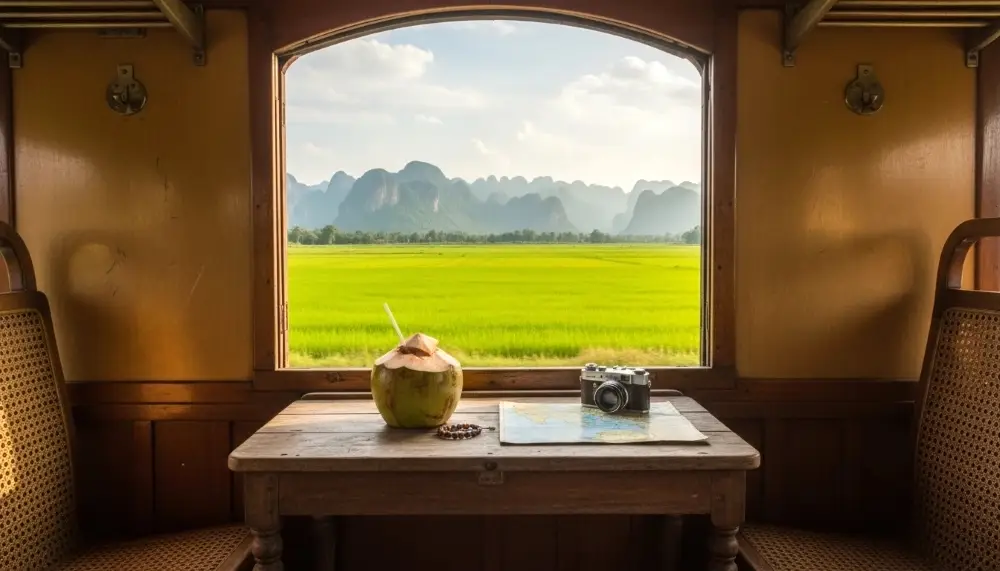

Reserve your Chiang Rai hotel with no
upfront payment on most rooms.
Free cancellation up to a day before
keeps your trip flexible if plans shift.
Where Chiang Rai Is Located:
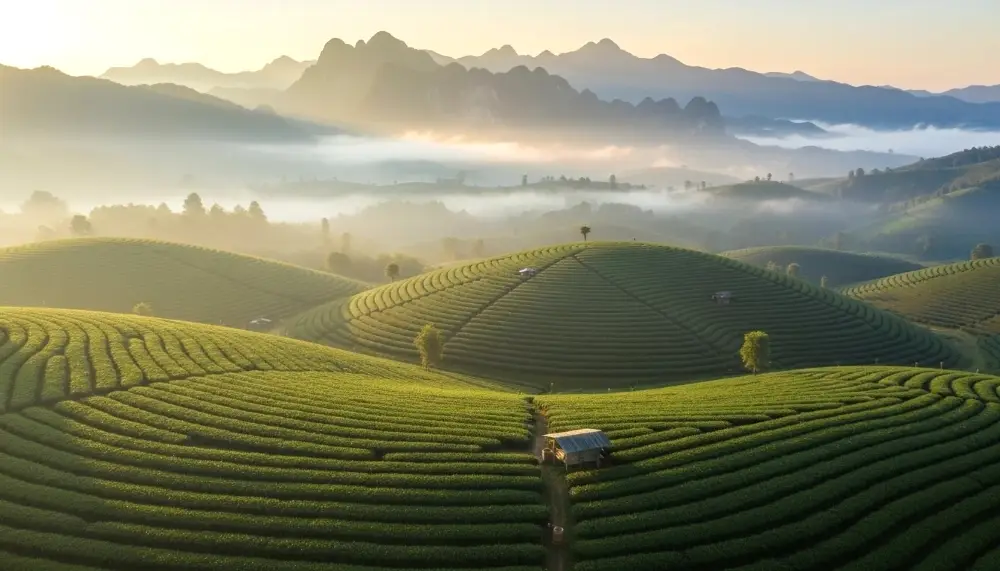
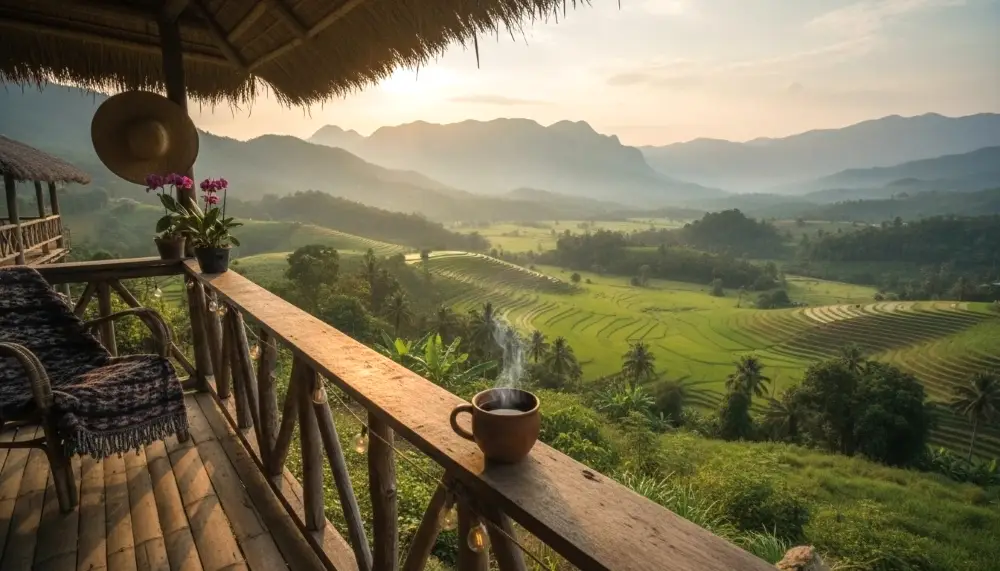
Chiang Rai sits in the far north of Thailand, close to the borders of Laos and Myanmar. The region is mountainous and green, with cooler temperatures than many other parts of the country (average 15 to 28°C November to February; up to 38°C March to May before the rains). Because of its location, Chiang Rai feels different from southern beach destinations or bustling Bangkok. Life moves at a slower pace here, and the surrounding countryside is filled with rice fields, hills, and quiet villages.
Travelers often reach Chiang Rai by flying from Bangkok (approximately 1 hour 30 minutes, 800 to 2,000 THB / ~$22.85 to $57.15 on AirAsia or Nok Air to Chiang Rai Airport CEI), taking a bus from Chiang Mai (3 to 4 hours, 130 to 250 THB / ~$3.71 to $7.15 per person), or joining a guided day trip from Chiang Mai at 1,200 to 2,000 THB (~$34.30 to $57.15) per person including transport and temple entries. For first-time visitors exploring northern Thailand, the Chiang Mai to Chiang Rai route is one of the most popular travel paths.

From classic Chiang Rai highlights to
hidden-gem private tours. Cancel
free up to a day before your
start time if plans change.
The White Temple: A Complete Visitor Guide
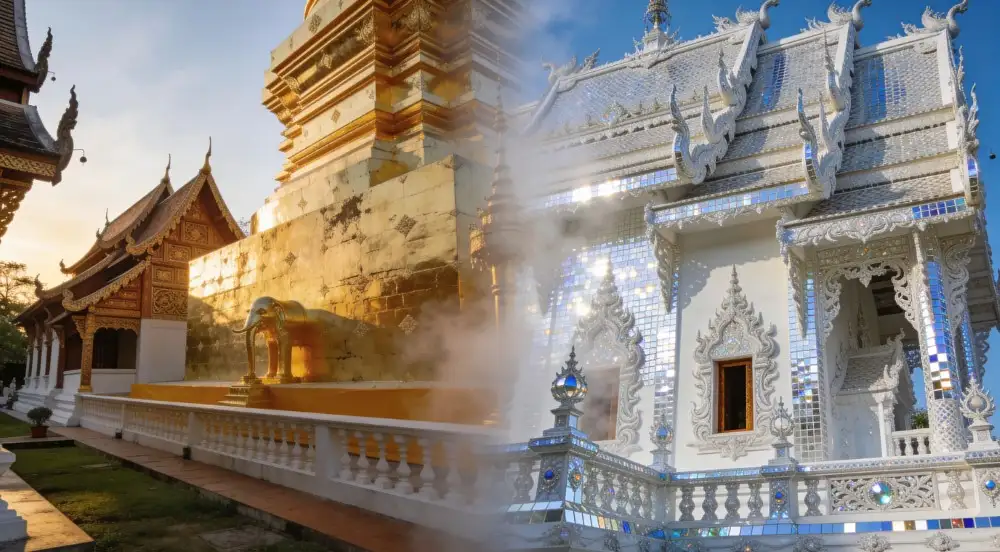
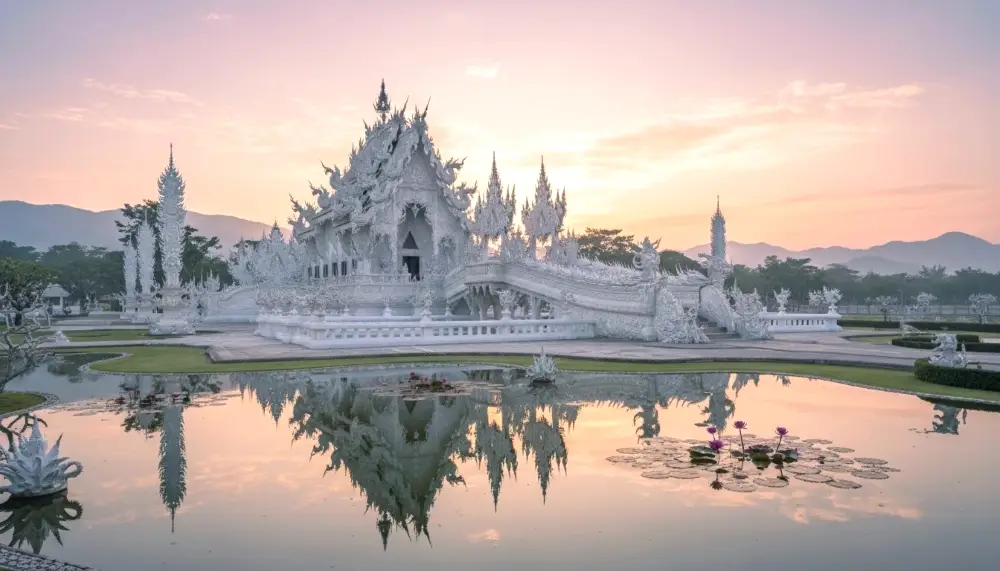
Wat Rong Khun (the White Temple) is Chiang Rai’s most famous attraction and one of the most photographed buildings in Thailand. Entry fee: 100 THB (~$2.85) for foreign visitors, free for Thai nationals. Opening hours: Monday to Friday 06:30 to 18:00; Saturday and Sunday 06:30 to 17:00; closed during national holidays. Location: 13 kilometres south of Chiang Rai city centre on Highway 1; a Grab or Bolt costs 80 to 150 THB (~$2.30 to $4.30) from the city, or join a shared songthaew from the bus terminal for approximately 40 THB (~$1.14).
Timing: Arrive at opening (06:30) or within the first hour to beat the tour buses that arrive from Chiang Mai between 09:00 and 10:00. The temple is completely white with shimmering mirrored glass mosaic and looks almost like it belongs in a fantasy film. The main ubosot (ordination hall) interior contains striking murals mixing Buddhist iconography with modern pop culture references. Dress code: Shoulders and knees must be fully covered; free sarong lends are available at the entrance. Photography: Exterior photography is freely permitted; interior photography of the murals is prohibited. The best light for exterior photos is early morning and late afternoon. A dedicated art gallery building on site is free with temple admission and is well worth 30 minutes.

Pick a Chiang Rai eSIM plan that matches
your trip length on Airalo’s global
marketplace. Install before departure
and you’re online the moment you land.
Other Unique Temples in Chiang Rai:
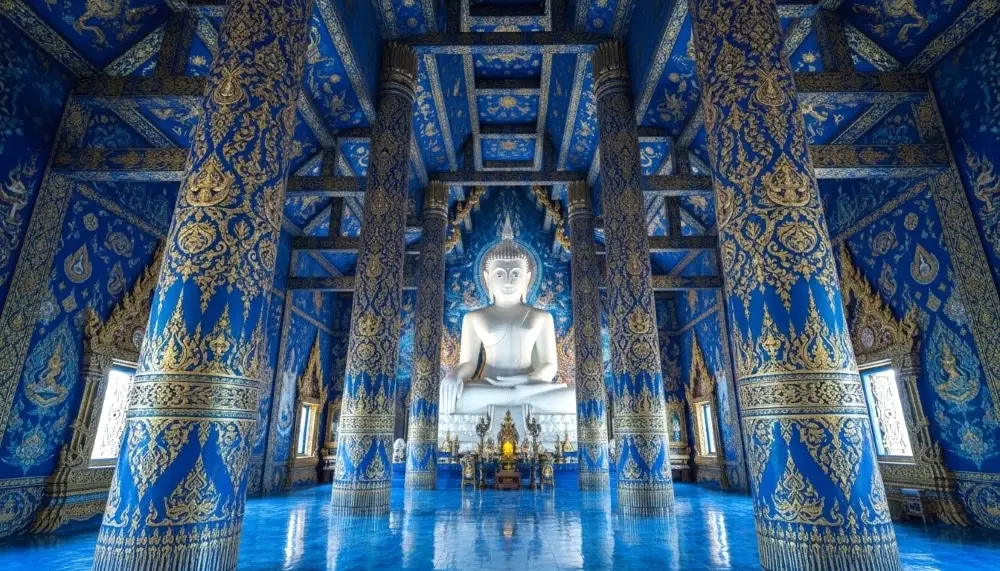
While the White Temple gets most of the attention, Chiang Rai has several remarkable temples worth exploring. Wat Rong Suea Ten (The Blue Temple) is deep sapphire blue with glowing interiors; entry is free, open daily 08:00 to 20:00, located 3 kilometres from the city centre. A Grab costs 50 to 80 THB (~$1.43 to $2.30) from the White Temple. This is one of the most dramatic temple interiors in northern Thailand and is best photographed after dark when the exterior lighting creates stunning blue reflections.
Wat Huay Pla Kang is known for its giant 69-metre white statue of the Goddess of Mercy (Guan Yin), with a lift to the upper observation deck at 20 THB (~$0.57) per person. Open daily 07:00 to 21:00; entry is free. Located approximately 5 kilometres north of the city centre. Wat Phra Kaew is an important historic temple in the city centre; free entry, open daily 06:00 to 18:00. Once connected to the legendary Emerald Buddha before it was moved to its current home in Bangkok. Temple visits are one of the best ways to experience Thai culture. Always cover shoulders and knees when entering temple grounds; free sarongs are usually available at the entrance gate.

Compare tours and tickets for Chiang Rai
and book instantly on your phone.
Klook mobile vouchers mean no
printing, just turn up and go.
Exploring the Golden Triangle:
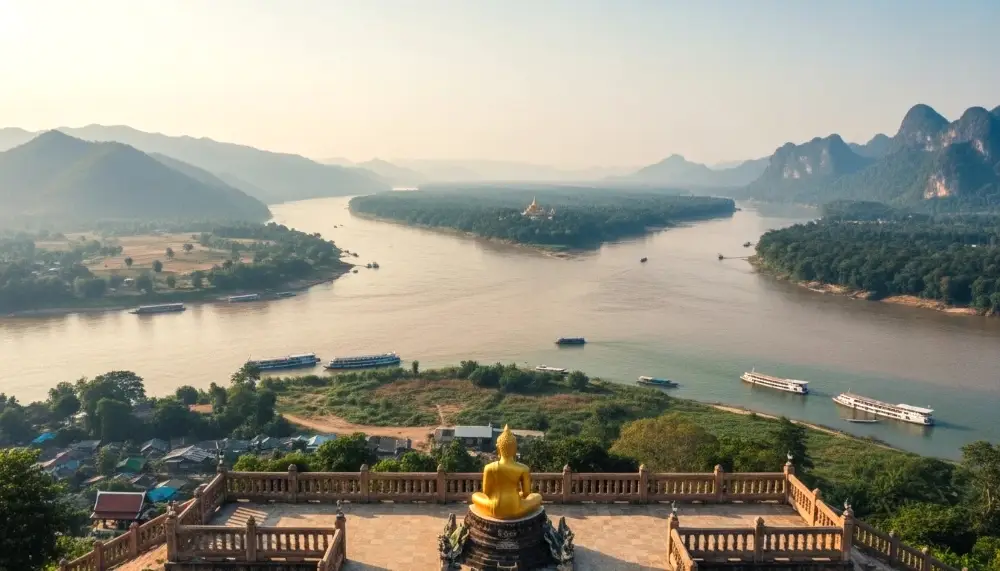
Just outside Chiang Rai lies one of Southeast Asia’s most famous geographic regions: the Golden Triangle, where Thailand, Laos, and Myanmar meet along the Mekong River. The Golden Triangle viewpoint is 60 kilometres north of Chiang Rai city; a Grab or Bolt costs 600 to 900 THB (~$17.15 to $25.70) return, or join a half-day guided tour from the city at 400 to 800 THB (~$11.40 to $22.85) per person. Today the area is peaceful and fascinating for travelers.
Visitors stand at the viewpoint overlooking three countries (free), learn about the region’s history at the Hall of Opium Museum at 300 THB (~$8.55) per adult (open Tuesday to Sunday 08:30 to 16:00), take longtail boat rides along the Mekong at 80 to 150 THB (~$2.30 to $4.30) per person, and visit small border towns and markets. The scenery is beautiful and it is a great way to experience a unique piece of Southeast Asian history. Most visitors combine the Golden Triangle with a stop at Wat Rong Khun (the White Temple) in a single full-day trip costing 1,000 to 1,500 THB (~$28.55 to $42.85) per person by private car from Chiang Rai city.

Stay online in Chiang Rai without breaking
the budget. Saily offers flexible
eSIM plans with no contract and
no roaming charges going home.
A Chiang Rai Itinerary: How to Spend 2 Days
Day 1: Temples and City: Begin at 06:30 at Wat Rong Khun (White Temple, 100 THB / ~$2.85 entry) before the tour buses arrive from Chiang Mai. Spend 1.5 hours exploring the temple and art gallery. Take a Grab (80 to 120 THB / ~$2.30 to $3.43) to the Blue Temple (Wat Rong Suea Ten, free) for 09:30 when the light is ideal. Walk 10 minutes to a nearby café for Khao Soi breakfast at 60 to 100 THB (~$1.71 to $2.85). In the afternoon, visit Wat Huay Pla Kang (free, 20 THB / ~$0.57 for the lift) then Wat Phra Kaew in the city centre (free). Evening at Chiang Rai Night Bazaar for northern Thai street food at 60 to 120 THB (~$1.71 to $3.43) per dish. Total Day 1 spend excluding accommodation: approximately 600 to 1,000 THB (~$17.15 to $28.55).
Day 2: Golden Triangle and Countryside: Depart 08:00 by hired car or Grab (negotiate 1,000 to 1,500 THB / ~$28.55 to $42.85 return for a full day) heading north toward the Golden Triangle (60 km). Stop at Mae Fah Luang Art and Culture Park on the way (200 THB / ~$5.70 entry, open 08:00 to 17:30). Reach the Golden Triangle viewpoint by 11:00 (free). Visit the Hall of Opium Museum (300 THB / ~$8.55) for 1.5 hours. Take a Mekong longtail boat (80 to 150 THB / ~$2.30 to $4.30) for a 30-minute scenic cruise. Return via the Singha Park tea plantation (free entry, scenic 10 km cycling or walking trail) for 15:00. Evening dinner in the old city at a local restaurant. Total Day 2 spend excluding accommodation and car hire: approximately 700 to 1,100 THB (~$20 to $31.43). A 2-day hotel budget: guesthouses from 300 to 800 THB (~$8.55 to $22.85) per night; mid-range from 1,200 to 3,000 THB (~$34.30 to $85.70) per night.
Pro Tips For Stress Free Travel:
Transport: Grab is the primary choice, but Bolt often offers lower rates for car and motorbike taxis within the city. For the Golden Triangle and White Temple, negotiate a full-day car hire at 1,000 to 1,500 THB (~$28.55 to $42.85) from your guesthouse or Grab. Use Klook to book fixed-price airport transfers if arriving late at Chiang Rai Airport (CEI) at 200 to 400 THB (~$5.70 to $11.40) per person.
Booking: Agoda frequently secures better inventory and “Mobile Only” deals for Thailand compared to western competitors. Guesthouses in Chiang Rai city centre from 300 to 800 THB (~$8.55 to $22.85) per night. Mid-range hotels from 1,200 to 3,000 THB (~$34.30 to $85.70) per night.
Connectivity: Use Yesim for instant eSIM activation from ~$10, or pick up a local AIS SIM at Chiang Rai Airport for the best coverage in the northern hills. ATMs charge a standard 220 THB (~$6.30) per foreign card withdrawal; always choose “Without Conversion.”


Maps, Grab, translation apps all need
data in Chiang Rai. Yesim’s eSIM installs
in a minute and gives you reliable
5G from the moment you arrive.
Chiang Rai’s Beautiful Countryside:
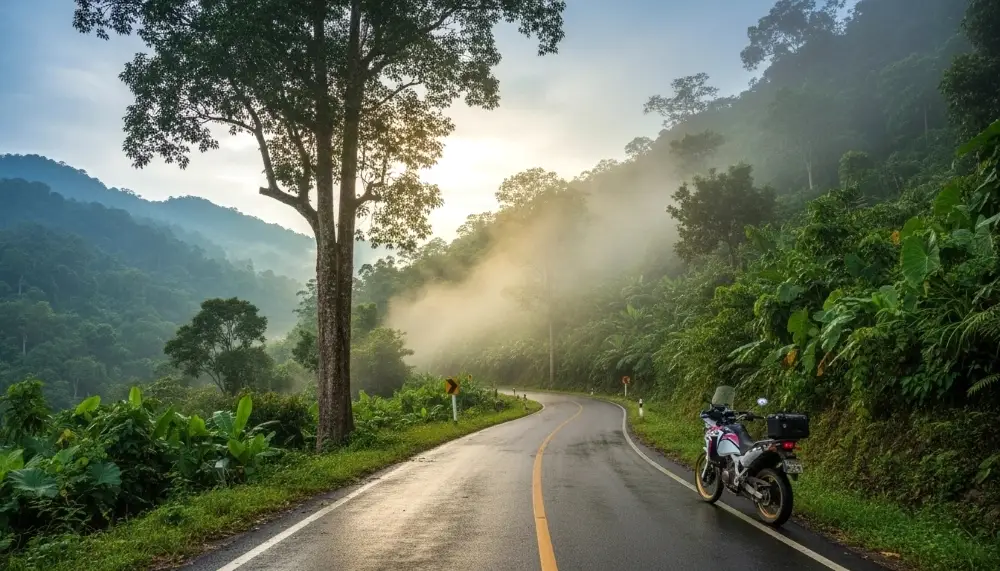
One of the best things about Chiang Rai is what surrounds it. Just a short drive outside the city you will find rolling hills, tea plantations, mountain roads, and small villages. The landscapes feel peaceful and refreshing compared to Thailand’s larger cities. Some memorable countryside experiences include visiting tea plantations in the mountains (Doi Mae Salong tea tour and tasting from 50 to 150 THB / ~$1.43 to $4.30 per person), exploring waterfalls and forest trails (Khun Korn Waterfall, free, 6 km from the city), driving scenic routes through rural villages, and stopping at roadside cafés with panoramic views at 80 to 200 THB (~$2.30 to $5.70) per beverage.
Scooter rental in Chiang Rai city costs 200 to 300 THB (~$5.70 to $8.55) per day, making self-guided countryside exploration highly affordable. Doi Mae Salong, a mountain town 90 minutes north of the city built by Chinese Nationalist refugees, is one of northern Thailand’s most culturally fascinating day trips: a Grab or hire car costs 800 to 1,200 THB (~$22.85 to $34.30) return. This is a wonderful area for travelers who enjoy photography, nature, and quiet exploration.
Northern Thai Food in Chiang Rai:
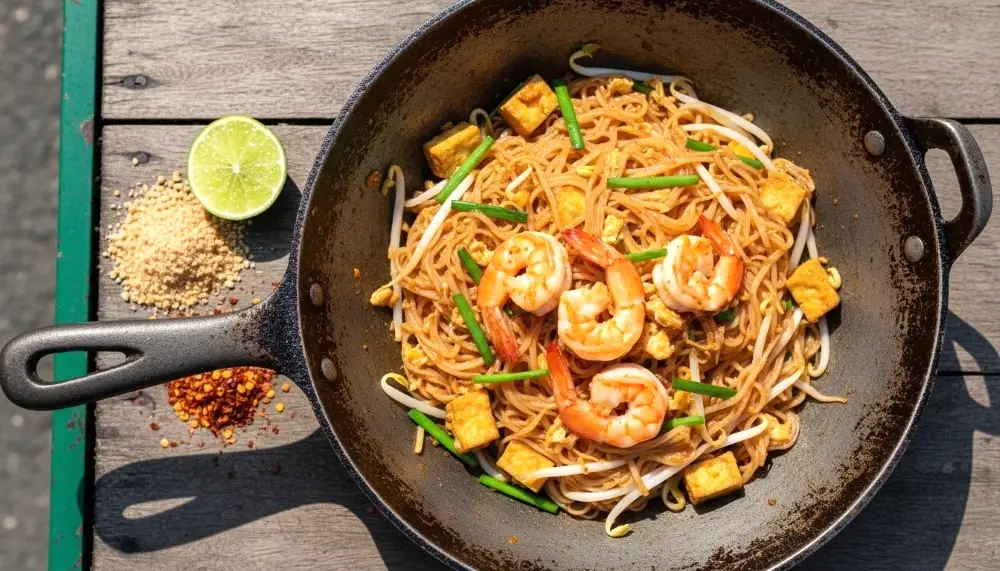
Northern Thailand has its own distinct cuisine, and Chiang Rai is a fantastic place to try it. Many dishes here are different from the food travelers first encounter in Bangkok or the southern islands. Must-try local dishes include Khao Soi (a rich coconut curry noodle soup, 60 to 90 THB / ~$1.71 to $2.57 at local restaurants), Sai Ua (northern Thai herbal sausage, 100 to 200 THB / ~$2.85 to $5.70 per 500g at markets), Nam Prik Ong (a flavorful chili and tomato dip served with vegetables, 50 to 80 THB / ~$1.43 to $2.30), and sticky rice with grilled meats from 40 to 80 THB (~$1.14 to $2.30) per portion at night market stalls.
Night markets and small local restaurants are the best places to sample authentic northern Thai flavors. The Chiang Rai Night Bazaar (open nightly 18:00 to 23:00, free entry) and the Saturday and Sunday Walking Street markets (Thanon Thanalai, free) are excellent for budget dining at 60 to 150 THB (~$1.71 to $4.30) per dish. Budget for a full evening of street food and a beer: 300 to 500 THB (~$8.55 to $14.30) per person.
Is Chiang Rai Good for First-Time Visitors?
Absolutely. Chiang Rai is actually one of the easiest places in Thailand for first-time travelers to explore. The city is friendly, safe, and far less overwhelming than larger destinations. Visitors often find Chiang Rai refreshing after time spent in busier places like Bangkok. The city centre is walkable, Grab and Bolt cover transport needs transparently, and key attractions (White Temple, Blue Temple, Wat Phra Kaew) are all within easy reach for 50 to 150 THB (~$1.43 to $4.30) per Grab trip.
Day trips cover the Golden Triangle and the northern mountain villages easily in a hired car for 1,000 to 1,500 THB (~$28.55 to $42.85) return. Friendly locals are used to welcoming travelers, beautiful scenery surrounds the city without huge crowds, and total daily spend including accommodation can be kept as low as 1,200 to 1,800 THB (~$34.30 to $51.40) for budget-conscious travelers. For many people, Chiang Rai becomes one of the most memorable parts of their Thailand trip. Tourist Police are reachable on 1155 throughout Chiang Rai Province.
Final Thoughts on Visiting Chiang Rai:
If you are planning your first trip to Thailand, Chiang Rai is a destination well worth including in your itinerary. It offers incredible temples (White Temple entry 100 THB / ~$2.85, Blue Temple free), beautiful mountain scenery, fascinating culture, and a slower pace that allows you to truly soak in the experience. Whether you come for the famous White Temple, the Golden Triangle, or simply to explore northern Thailand’s landscapes, Chiang Rai delivers a travel experience that feels both inspiring and authentic.
For many travelers, it becomes one of those places that quietly steals the show, the destination they did not expect to love quite so much. Two full days gives enough time for all the main temples, the Golden Triangle, and a taste of northern Thai food from the night markets. And once you have seen Chiang Rai, the rest of Thailand will feel even richer, more diverse, and more exciting to explore.
FAQ: Chiang Rai Essentials
How do I get from Chiang Mai to Chiang Rai?
By bus: Green Bus Company and Arcade Bus Terminal operate services every 30 to 60 minutes; journey time 3 to 4 hours, cost 130 to 180 THB (~$3.71 to $5.15) per person. By shared minivan: 3 to 3.5 hours, 180 to 250 THB (~$5.15 to $7.15) per person. By private car or Grab: 3 hours, approximately 1,500 to 2,500 THB (~$42.85 to $71.40). A guided day trip from Chiang Mai including White Temple costs 1,200 to 2,000 THB (~$34.30 to $57.15) per person and is a viable option for those with limited time.
What is the entry fee for the White Temple (Wat Rong Khun)?
Entry costs 100 THB (~$2.85) for foreign visitors; free for Thai nationals. Opening hours are Monday to Friday 06:30 to 18:00, Saturday and Sunday 06:30 to 17:00. Closed on national holidays. Dress code: shoulders and knees fully covered; free sarong lends at the entrance. Photography inside the ubosot (ordination hall) is prohibited.
How far is the White Temple from Chiang Rai city?
The White Temple is 13 kilometres south of the city centre on Highway 1. A Grab or Bolt costs 80 to 150 THB (~$2.30 to $4.30) one way from the city. A shared songthaew from the bus terminal costs approximately 40 THB (~$1.14). Most visitors combine it with the Blue Temple (3 km further northeast) and Wat Huay Pla Kang in a single half-day trip.
Is Chiang Rai worth visiting for just one day?
One full day allows the White Temple (morning), Blue Temple (mid-morning), and Wat Phra Kaew in the city (afternoon), plus evening street food at the Night Bazaar. The Golden Triangle requires a full second day as it is 60 km north. For most travelers, two nights and two full days gives a much more satisfying experience than a rushed day trip from Chiang Mai.
What is the best time of year to visit Chiang Rai?
November to February is the best period: cool and dry with average temperatures of 15 to 28°C, ideal for walking between temples and countryside exploration. March to May is hot and increasingly hazy due to agricultural burning in the hills. June to October brings rain but the countryside is lush and green; expect some shower disruption to outdoor plans.
How much does a trip to the Golden Triangle cost?
The Golden Triangle viewpoint itself is free. The Hall of Opium Museum entry is 300 THB (~$8.55) per adult. A Mekong longtail boat ride costs 80 to 150 THB (~$2.30 to $4.30) per person. Transport from Chiang Rai city: hire a car or negotiate a full-day Grab for 1,000 to 1,500 THB (~$28.55 to $42.85) return. A guided full-day tour from Chiang Rai including transport and key site entry costs 800 to 1,500 THB (~$22.85 to $42.85) per person.
Is there an ATM in Chiang Rai?
Yes, ATMs are widely available in the city centre, near the Clock Tower, at the bus terminal, and at Chiang Rai Airport. All Thai ATMs charge 220 THB (~$6.30) per foreign card withdrawal. Always choose ‘Without Conversion’ to let your home bank handle the exchange rate. ATMs are less common near the White Temple and Golden Triangle; withdraw sufficient cash in the city before day trips.
What is Doi Mae Salong and is it worth visiting?
Doi Mae Salong is a mountain town 90 kilometres north of Chiang Rai city, built by Chinese Nationalist (KMT) refugees in the 1950s. The town is famous for its Chinese-influenced culture, oolong tea plantations, and extraordinary mountain scenery. Tea tastings cost 50 to 150 THB (~$1.43 to $4.30) per person. A full-day hire car to Doi Mae Salong and back costs 1,200 to 1,800 THB (~$34.30 to $51.43). Combine with the Golden Triangle viewpoint (20 km further north) for a full northern circuit day.
What is the Blue Temple in Chiang Rai?
Wat Rong Suea Ten (the Blue Temple) is a modern Buddhist temple completed in 2016, famous for its striking deep-blue exterior and glowing interior murals. Entry is free and it is open daily 08:00 to 20:00, located 3 kilometres east of the White Temple. It is best visited in the evening when the exterior lighting creates dramatic blue reflections. A Grab from the White Temple to the Blue Temple costs 50 to 80 THB (~$1.43 to $2.30).
How much does it cost to eat in Chiang Rai?
Street food and local restaurants are very affordable. Khao Soi (the signature northern Thai noodle soup) costs 60 to 90 THB (~$1.71 to $2.57) at local restaurants. Night Bazaar street food stalls serve dishes from 60 to 120 THB (~$1.71 to $3.43) per plate. A full evening of food and drinks at the Night Bazaar costs 300 to 500 THB (~$8.55 to $14.30) per person. Sit-down restaurant meals run 150 to 400 THB (~$4.30 to $11.40) per dish. Tourist-oriented restaurants near the White Temple are 20 to 30% more expensive than city restaurants.