Railay Beach Guide
This site contains affiliate links. We may earn a commission at no extra cost to you.
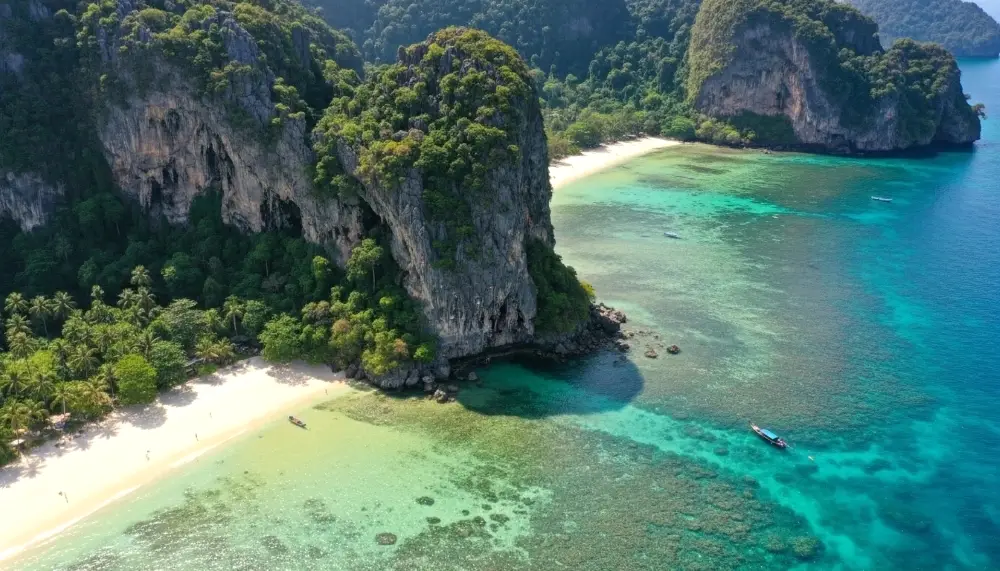
If you are planning your first trip to Thailand, chances are you have seen photos of towering limestone cliffs rising above turquoise water and powder-soft sand. Those dreamlike scenes are very often Railay Beach. All prices in this guide use a rate of 35 THB = $1 USD.
Tucked away on Thailand’s Andaman coast in Krabi Province, Railay feels like a hidden paradise. Even though it is connected to the mainland, the dramatic cliffs surrounding it make it accessible only by boat, giving it the atmosphere of a secluded island.
Quick Summary:
- Accessibility: Railay is a peninsula accessible only by longtail boat from Ao Nang (100 THB / ~$2.85 per person) or Ao Nam Mao (100 THB / ~$2.85). No roads connect it to the mainland.
- Budget: Mid-range to luxury. Expect prices 20 to 30% higher than mainland Krabi. Guesthouses from 800 THB (~$22.85) per night; beachfront resorts from 3,500 THB (~$100) per night.
- Best Time: November to March for dry limestone and calm turquoise seas. May to October is monsoon season with lower prices and smaller crowds.
- Climbing: Over 700 bolted routes exist, ranging from beginner (5.4) to expert (5.14a). Half-day beginner courses start at 1,500 THB (~$42.85).
- Hidden Lagoon: The Princess Lagoon requires a vertical scramble. Only accessible during high tide for swimming; avoid during or after rain.
- 2026 Logistics: Digital payments via PromptPay are now universal at major resorts, but 100 THB (~$2.85) cash is mandatory for boat transfers. ATMs on Railay East charge 220 THB (~$6.30) per foreign card withdrawal.

Stay closer to the action in Railay.
Agoda lists guesthouses to resorts
with verified reviews and instant
booking at competitive rates.
What Is Railay Beach?
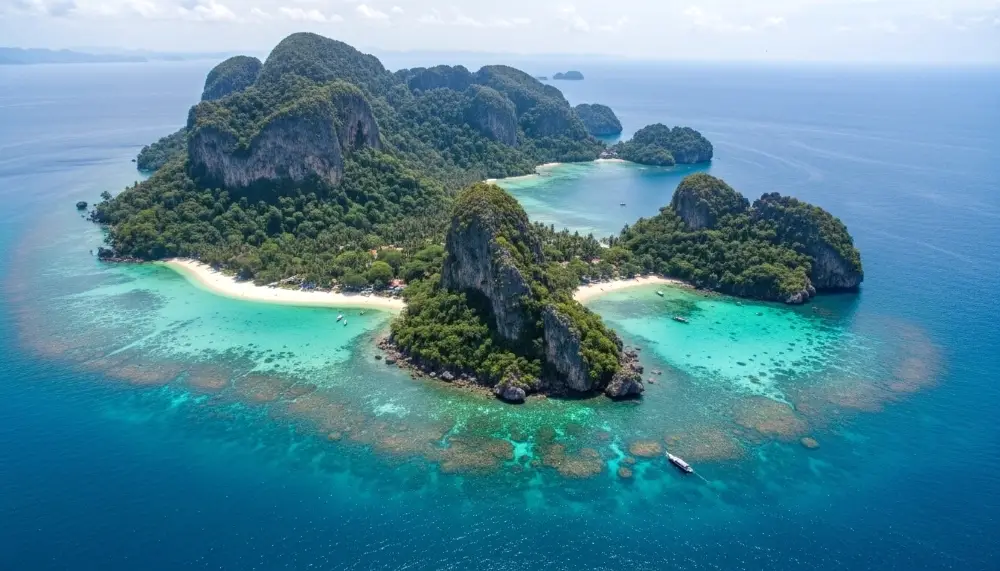
Railay Beach is a small peninsula in southern Thailand known for its limestone cliffs, clear water, jungle scenery, and laid-back atmosphere. Despite technically being part of the mainland near Krabi, the surrounding cliffs block road access, so the only way in is by boat. This natural barrier gives Railay a peaceful, almost island-like feel.
Visitors come here for stunning beaches and sunsets, world-class rock climbing, relaxed beachside cafés and bars at 80 to 200 THB (~$2.30 to $5.70) per coffee or drink, boat trips to nearby islands at 800 to 1,500 THB (~$22.85 to $42.85) per person, and a slower, more scenic side of Thailand. For travelers heading south after visiting cities like Bangkok or Chiang Mai, Railay offers a perfect shift from urban energy to tropical calm.

Lock in top-rated Railay tours with
GetYourGuide’s free cancellation
up to 24 hours before. Reserve now
and pay later if dates aren’t set.
Where Railay Beach Is Located:
Railay sits on Thailand’s Andaman Sea coastline in Krabi Province, about 10 to 15 minutes by boat from Ao Nang. The peninsula is divided into several small beach areas, each with its own personality.
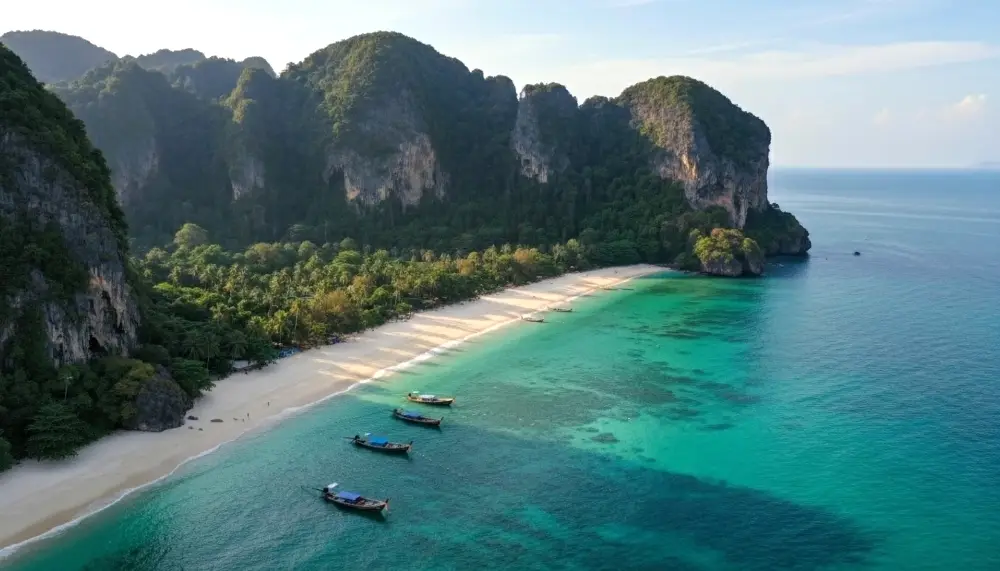
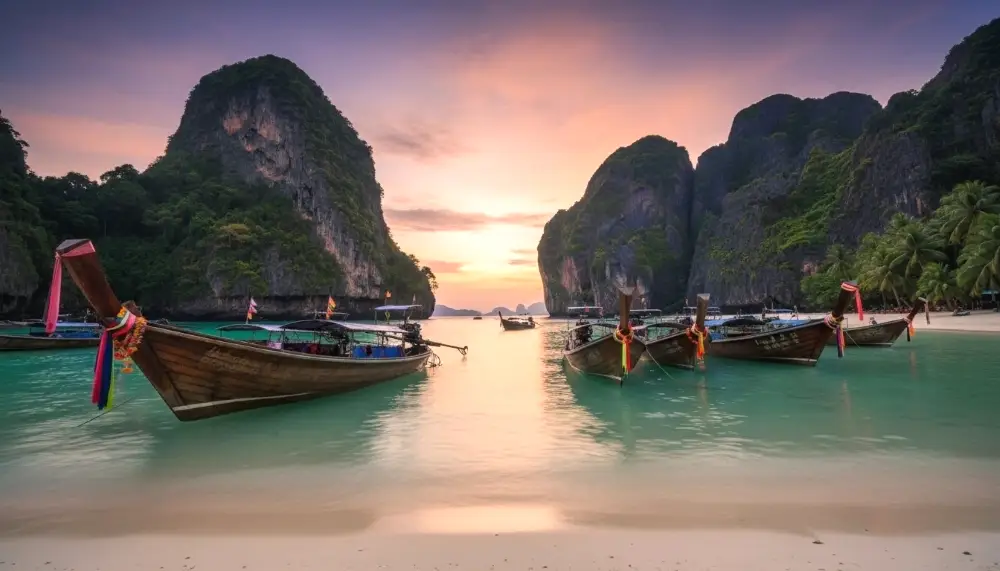
Railay West: The most famous beach, known for its wide sandy shore and spectacular sunsets. This is where most travelers stay and where the premium beachfront resorts are located. Railay East: Not ideal for swimming due to mangroves and tidal mud, but lined with budget accommodation at 800 to 2,000 THB (~$22.85 to $57.15) per night, restaurants, bars, and climbing schools. Phra Nang Cave Beach: Often ranked among the most beautiful beaches in Thailand. Dramatic cliffs, soft sand, clear water, and a sacred fishermen’s shrine make it unforgettable. Ton Sai Beach: A quieter area popular with rock climbers and backpackers, with the cheapest guesthouses on the peninsula from 500 THB (~$14.30) per night.

Skip the airport kiosk queue in Railay.
Airalo eSIMs are pre-loaded before
you fly and ready the instant you
connect to the local network.
Boat Transit Comparison Table:
| Route | Vessel Type | Duration | Cost (THB) | Cost (USD) | Best For |
|---|---|---|---|---|---|
| Ao Nang to Railay West | Longtail Boat | 10 to 15 mins | 100 THB | ~$2.85 | Day trippers and West-side guests |
| Ao Nam Mao to Railay East | Longtail Boat | 15 mins | 100 THB | ~$2.85 | Rainy season arrivals and East-side guests |
| Krabi Town to Railay East | Longtail Boat | 45 mins | 150 to 200 THB | ~$4.30 to $5.70 | Direct airport transfers |
| Phuket to Railay East | Speedboat or Ferry | 1.5 to 2 hours | 800 to 1,200 THB | ~$22.85 to $34.30 | Island hopping |

Compare tours and tickets for Railay
and book instantly on your phone.
Klook mobile vouchers mean no
printing, just turn up and go.
How to Get to Railay Beach:
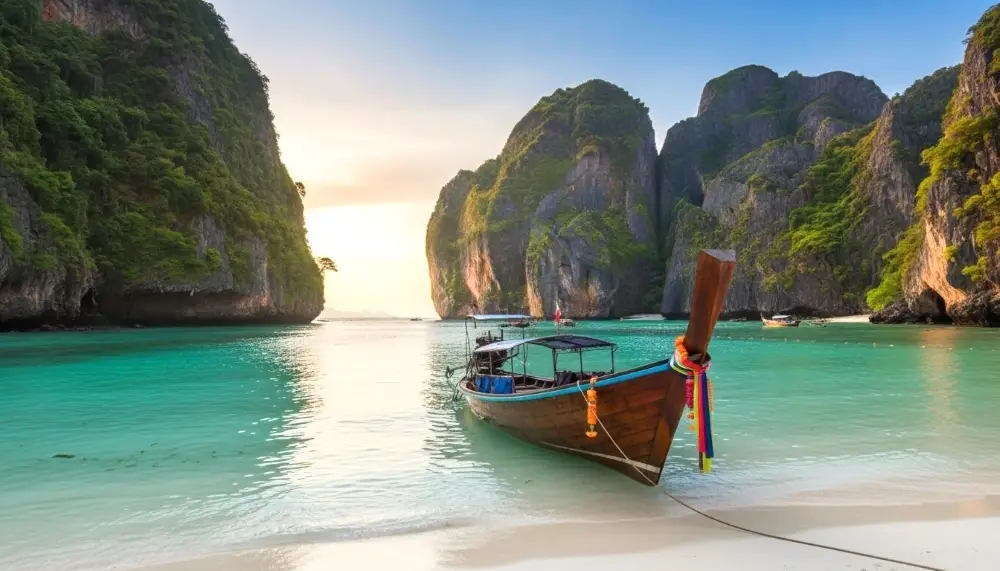
Railay Beach is accessible exclusively by water. Longtail boats depart from Ao Nang Beach or Ao Nam Mao Pier for 100 to 150 THB (~$2.85 to $4.30) per person. Boats operate on a fill-and-go basis, typically requiring eight passengers. Nighttime boats (after 18:00) charge 200 THB (~$5.70) per person. Direct speedboats from Phuket or Phi Phi arrive at the floating pier on Railay East at 800 to 1,200 THB (~$22.85 to $34.30) per person.
Travelers should prepare to wade through knee-deep water when disembarking at Railay West, as there is no jetty. For those carrying heavy luggage or arriving during low tide, Ao Nam Mao Pier is the better choice as it features a permanent walkway to Railay East. Krabi International Airport (KBV) serves as the primary gateway: a private Grab or shared van to Ao Nang Pier costs 350 to 600 THB (~$10 to $17.15). Avoid overpriced “direct” land transfers from Phuket; the ferry or speedboat is faster and significantly more scenic.

Stay online in Railay without breaking
the budget. Saily offers flexible
eSIM plans with no contract and
no roaming charges going home.
Pro Tips For Stress Free Travel:
Accommodation: Agoda and Booking.com offer the widest selection of Railay resorts. Book at least 2 weeks ahead for high season (December to February). Railay West beachfront resorts run 3,500 to 12,000 THB (~$100 to $342.85) per night; Railay East guesthouses run 800 to 2,500 THB (~$22.85 to $71.40) per night.
Connectivity: Purchase an eSIM via Yesim from ~$10 before landing. Signal on Railay is workable but weaker than on the mainland; download offline maps before the boat trip.
Navigation: Google Maps is accurate for jungle paths, but physical landmarks like “The Walking Street” and “The Viewpoint Trailhead” are more reliable for orientation on the peninsula. No street signs exist on Railay.
Money: Use the XE Currency app to track THB rates. Always choose “Continue without conversion” at ATMs to get the mid-market rate. ATMs on Railay East charge 220 THB (~$6.30) per foreign card withdrawal; withdraw enough cash in Ao Nang before the boat to cover your first day.


Forget swapping physical SIMs in Railay.
Yesim works on most modern phones,
activates remotely, and keeps your
home number live on WhatsApp too.
Activities and Experiences
Try Rock Climbing
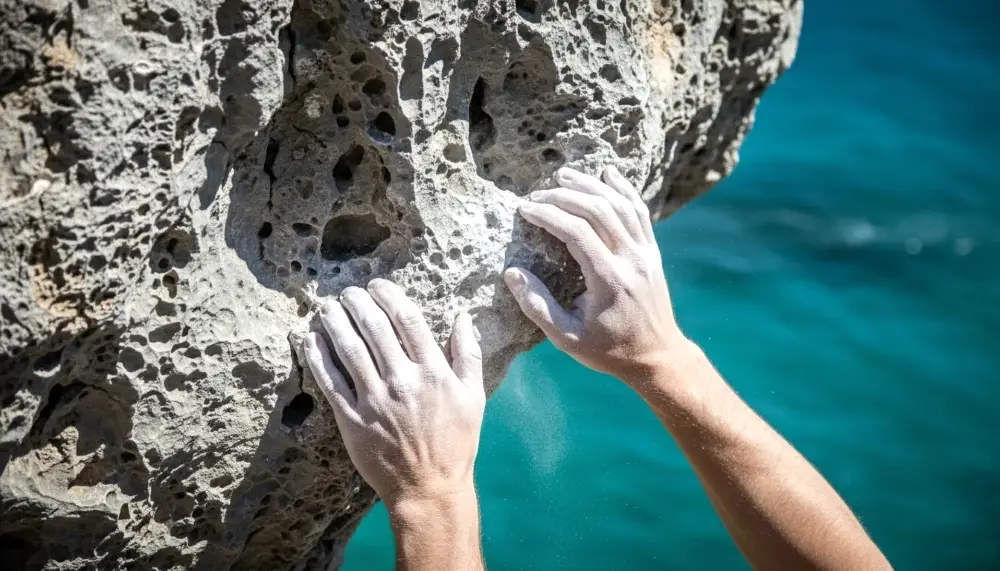
Railay and Tonsai offer over 700 bolted routes ranging from beginner 5a to expert 8c grades. Professional climbing schools provide half-day introductory courses starting at 1,500 THB (~$42.85) per person, including UIAA-certified gear and professional instruction. Full-day courses cost 2,500 to 3,500 THB (~$71.40 to $100) per person. The best climbing occurs at 1-2-3 Wall, Diamond Cave, and the world-famous Escher World for seasoned lead climbers.
The limestone of the Phra Nang Peninsula is a global pilgrimage site for rock climbers. For beginners, the 1-2-3 Wall on the southern end of Railay East provides a shaded, accessible environment for top-rope learning. Advanced climbers often migrate toward Tonsai Beach, where the community is deeply rooted in the sport. Deep Water Soloing (DWS) was once a staple here but government regulations change frequently. Always check with local operators like King Climbers or Real Rocks for current legal status.
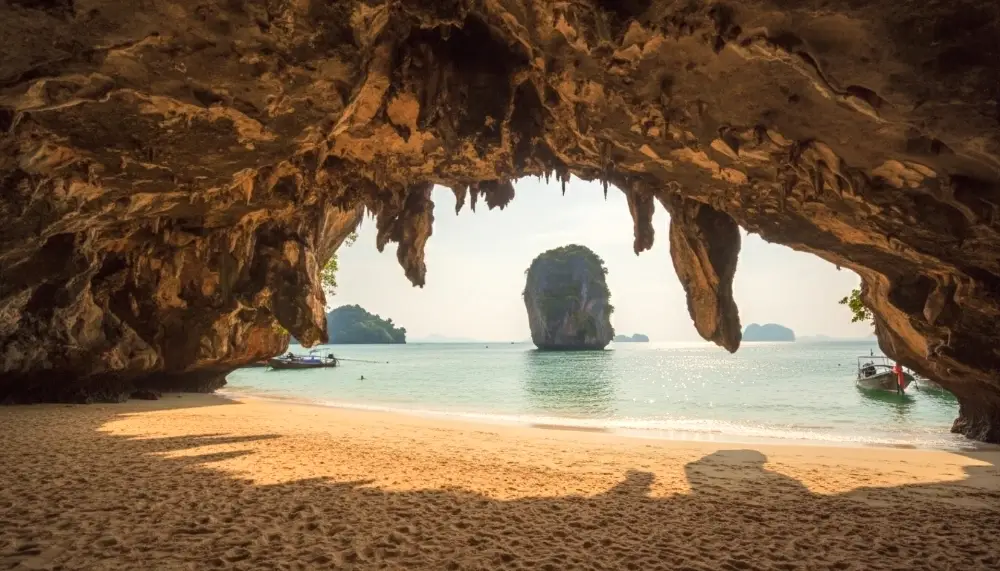
Visit Phra Nang Cave and the Railay Lagoon
The Railay Viewpoint and Princess Lagoon are reached via a steep, muddy scramble along the path between Railay East and Phra Nang Beach. The trek requires sturdy footwear and physical agility. The viewpoint offers a panoramic vista of the twin bays; the lagoon involves a technical vertical descent using tree roots and fixed ropes. During the monsoon season, the red clay becomes incredibly slick, making the descent dangerous. Ensure departure before 16:00 to avoid navigating the path in fading light.
Beyond the viewpoint lies the Princess Lagoon, a tidal pool encased by high limestone walls. It is essential to time this trek with high tide; at low tide, the lagoon transforms into a mud pit. Phra Nang Cave Beach at the base of the trail is a sacred site for local fishermen. Visitors must refrain from climbing on the rocks immediately surrounding the phallic shrine offerings and maintain a respectful atmosphere. The beach itself is free to visit and is consistently rated one of the most beautiful beaches in Thailand.
Take a Boat Trip
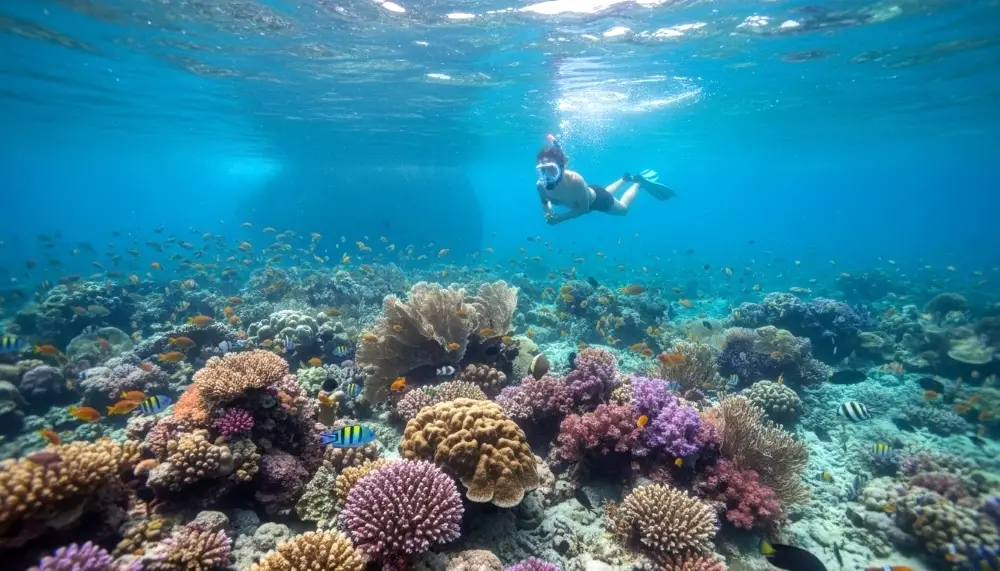
Railay is perfectly located for exploring nearby islands. Popular destinations include Chicken Island, Poda Island, Koh Hong (300 THB / ~$8.55 national park entry), and snorkelling spots in the Andaman Sea. These trips offer some of the clearest water and most beautiful scenery in Thailand.
Group four-island tours depart from Railay East at 800 to 1,200 THB (~$22.85 to $34.30) per person including national park entry and lunch. Private longtail charters cost 2,000 to 4,000 THB (~$57.15 to $114) per boat for a half-day, split across your group. Book through Klook for verified operators or arrange directly with longtail captains at the Railay East pier.
Where to Stay on Railay Beach:

Your choice of base on Railay has a significant impact on the experience. The four areas each suit a different type of traveler.
Railay West is the best address on the peninsula for beach access, sunsets, and mid-range to luxury accommodation. Beachfront resorts run 3,500 to 12,000 THB (~$100 to $342.85) per night. Arrive on the west side if the beach is your priority. Railay East is the budget and activity hub with the most guesthouses at 800 to 2,500 THB (~$22.85 to $71.40) per night, plus the restaurants, climbing schools, and ATMs. Not swimmable, but a 3-minute walk through the peninsula reaches Railay West beach. Tonsai Beach is the cheapest area with bungalows from 500 to 1,200 THB (~$14.30 to $34.30) per night and the most committed climbing community. Access from Ao Nang requires a longer boat ride or a jungle hike over the headland from Railay East. Near Phra Nang Cave has the fewest options (one resort) at 6,000 to 15,000 THB (~$171 to $428.55) per night but waking up steps from the most beautiful beach in Krabi is a unique experience. Book through Agoda for the widest Railay selection and mobile-only deals.
A Railay Beach Budget Guide:
Railay runs 20 to 30% more expensive than mainland Krabi due to the logistics of boat supply. Here is what to expect across three spending levels per person per day.
Budget (Tonsai or Railay East guesthouse): Bungalow 500 to 1,200 THB (~$14.30 to $34.30) per night, beach restaurant meal 100 to 200 THB (~$2.85 to $5.70) per dish, boat transfer 100 THB (~$2.85) each way. Total daily budget: 1,500 to 2,500 THB (~$42.85 to $71.40) per person.
Mid-range (Railay East or West hotel): Hotel 1,500 to 4,000 THB (~$42.85 to $114) per night, meals at sit-down restaurants 200 to 400 THB (~$5.70 to $11.40) per dish, half-day climbing course 1,500 THB (~$42.85), island boat tour 800 to 1,200 THB (~$22.85 to $34.30). Total daily budget: 3,500 to 6,000 THB (~$100 to $171) per person.
Luxury (Railay West beachfront): Resort 5,000 to 12,000 THB (~$142.85 to $342.85) per night, poolside dining with Plus Plus charges at 600 to 1,500 THB (~$17.15 to $42.85) per meal, private longtail charter 3,000 to 4,000 THB (~$85.70 to $114) per boat. Total daily budget: 8,000 to 18,000 THB (~$229 to $514) per person.
Best Time to Visit Railay Beach:
Thailand’s southern coast has a tropical climate so weather varies by season. November to April is the best time to visit. Expect sunny days, calm seas, and excellent beach weather. Hotel prices peak in December to January; book Railay West resorts 4 to 6 weeks in advance during this period. May to October is the rainy season. Showers are more frequent, but the scenery remains lush and beautiful, crowds are significantly smaller, and hotel prices drop 20 to 30%. Rock climbing is still possible on many protected walls, but check conditions with operators as wet limestone is dangerous.
For first-time travelers planning a classic Thailand trip that includes Bangkok, Chiang Mai, and the southern islands, the November to March window is often ideal. Monkey tip: the Macaques near the viewpoint are habituated to humans. Keep all food and loose items inside zipped bags to prevent aggressive encounters. Tickets: purchase at the kiosks at Ao Nang or Ao Nam Mao piers. Beach attire is fine on the sand but cover up when walking through the Walking Street or dining on Railay East.
Is Railay Beach for First-Timers?
Absolutely. Railay is one of the easiest places in Thailand to fall in love with the country’s natural beauty. It is safe, walkable, friendly, and compact enough that you never feel overwhelmed. No motorbikes, no tuk-tuks, no road traffic of any kind. A fresh coconut on the beach costs 60 to 80 THB (~$1.71 to $2.30), a beachside pad Thai runs 80 to 150 THB (~$2.30 to $4.30), and a Thai massage at 250 to 400 THB (~$7.15 to $11.40) per hour is available throughout the Walking Street.
Many first-time visitors worry about navigating a new country, but places like Railay make the experience incredibly comfortable. English is widely spoken in tourist areas and locals are used to helping travelers find their way. The mix of adventure, scenery, and relaxed beach life is exactly what many people imagine when dreaming about Thailand. Tourist Police are reachable on 1155 if any assistance is needed.

Why Railay Beach Is Worth Visiting

Thailand is filled with incredible destinations, from the temples of Chiang Mai to the energy of Bangkok and the famous islands of Phuket. But Railay offers something special: a feeling of discovery.
The towering cliffs, jungle paths, warm ocean water, and golden sunsets combine to create one of the most beautiful landscapes in the country. For many travelers, stepping onto the sand at Railay feels like arriving in the Thailand they imagined before their trip began. And once you see those cliffs rising above the Andaman Sea, it is easy to understand why so many people consider Railay Beach one of Thailand’s true coastal treasures.
FAQ: Railay Beach
How do I get to Railay Beach?
Railay Beach is accessible only by boat. The most reliable option is a 100 THB (~$2.85) longtail boat transfer from Ao Nang (to Railay West) or Ao Nam Mao (to the Railay East floating pier). Boats run from approximately 07:00 to 22:00; nighttime boats charge 200 THB (~$5.70) per person. From Phuket or Phi Phi, speedboats cost 800 to 1,200 THB (~$22.85 to $34.30) per person.
Do I need cash for the boats to Railay Beach?
Yes. The longtail boat cooperatives are strictly cash-only. Have physical 100 THB (~$2.85) notes ready for each leg of your journey. Restaurants and climbing schools on Railay accept PromptPay digital payments, but boat captains and beach vendors do not. Withdraw sufficient cash from Ao Nang before the boat to avoid the 220 THB (~$6.30) ATM fee on Railay East.
When is the best time to visit the Railay Hidden Lagoon?
The Princess Lagoon is tidal and only suitable for swimming during high tide. Check local tide tables before starting the scramble. Avoid the trail during or immediately after rain as the red clay becomes dangerously slick. Depart from the trailhead no later than 14:00 to ensure you are back before fading light makes the descent unsafe.
Is rock climbing in Railay suitable for beginners?
Absolutely. Railay has over 700 routes and half-day introductory courses start at 1,500 THB (~$42.85) per person, including certified gear and professional instruction on basic top-rope safety and movement at the 1-2-3 Wall on Railay East. Full-day courses cost 2,500 to 3,500 THB (~$71.40 to $100) per person.
Which part of Railay Beach should I stay in?
Railay West is best for luxury beachfront resorts at 3,500 to 12,000 THB (~$100 to $342.85) per night and the most beautiful sunsets. Railay East suits budget travelers at 800 to 2,500 THB (~$22.85 to $71.40) per night and is the logistical hub for nightlife and climbing schools. Tonsai Beach is best for climbers and backpackers at 500 to 1,200 THB (~$14.30 to $34.30) per night.
Can you walk between all the beaches in Railay?
Yes. Railay West, Railay East, and Phra Nang Beach are connected by paved or dirt footpaths (3 to 10 minutes between each). Tonsai Beach is accessible via a jungle hike (20 minutes from Railay East) or by walking around the rocky point during low tide. No transport is needed or available between the beaches.
Are there cars on Railay Beach?
No. There are no cars or motorbikes on the peninsula. The only transport consists of a few service tractors used by resorts to move luggage and supplies along the narrow concrete paths of Railay East. The entire peninsula is walkable in under 20 minutes.
Where is the best sunset spot on Railay?
Railay West is the premier sunset location, where the sun dips directly behind the Andaman horizon. For a more rugged experience, the bars at Tonsai offer a spectacular view with a bohemian atmosphere. Sundowners at a Railay West beach bar cost 150 to 300 THB (~$4.30 to $8.55) per cocktail.
How many days should I spend at Railay Beach?
Most travelers spend 2 to 3 nights. Day 1 covers arrival and Railay West beach. Day 2 covers the Viewpoint and Lagoon trek plus Phra Nang Cave Beach. Day 3 is ideal for an island boat tour to Chicken Island, Poda Island, or Koh Hong at 800 to 1,200 THB (~$22.85 to $34.30) per person. Rock climbers typically stay 5 to 10 nights to work through the routes on multiple walls.
Is Railay Beach safe for solo travelers?
Yes. Railay is one of the safest areas in southern Thailand for solo travelers. The peninsula is car-free, compact, and well-lit along the main paths at night. The climbing community and backpacker scene makes it easy to meet other travelers. Keep valuables in your accommodation safe (most guesthouses provide one), avoid the Lagoon trail alone after rain, and store food in sealed bags around the monkey zones near the viewpoint.