Thailand Budget Travel Guide
This site contains affiliate links. We may earn a commission at no extra cost to you.
One of the best things about Thailand is that it can be enjoyed on almost any budget. Whether you are a backpacker watching every baht or simply looking to travel comfortably without overspending, Thailand offers outstanding value compared to almost every other destination of comparable quality in the world. The food is extraordinary, the transport is efficient, and the culture is free to explore. This guide will walk you through exactly how to make your money go further, from the first night in a Bangkok hostel to a week of island-hopping in the south.
Is Thailand Good for Budget Travel?
Yes. Thailand is one of the best budget travel destinations in the world.
With careful planning, travellers can comfortably explore the country for far less than they might expect. Affordable accommodation, delicious street food, inexpensive transportation, and countless low-cost activities make it possible to travel well without spending a fortune.
Typical daily budget ranges:
- Daily Survival Budget: 1,080 THB ($30) covers a hostel dorm, three street food meals, and public transit.
- Optimal Regions: Northern Thailand (Chiang Mai, Chiang Rai) offers the highest value; Southern islands require a 30% buffer.
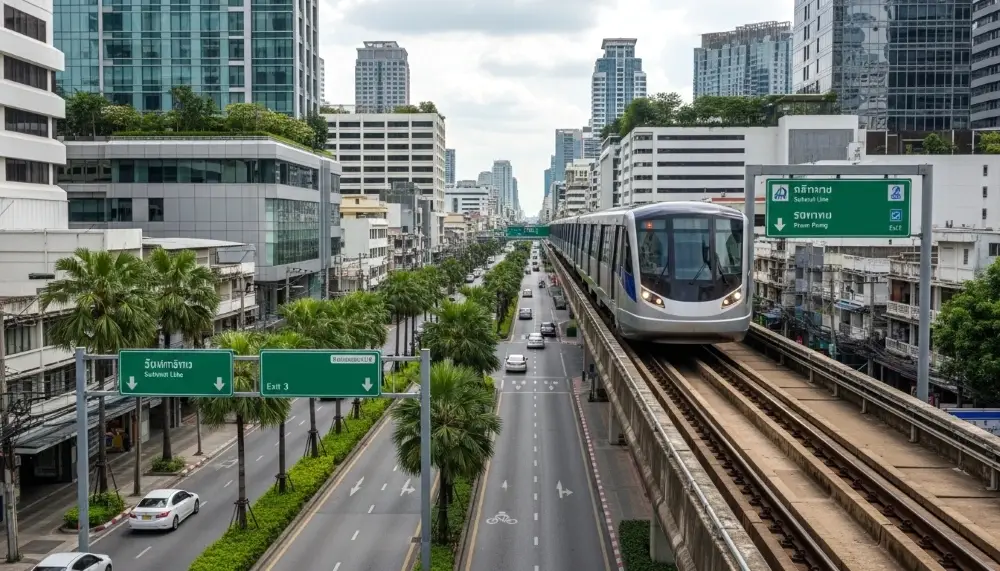
- Transport Hack: Prioritise the MRT/BTS in Bangkok and orange local buses or songthaews for intercity travel.
- Mid-range traveller: $50 to $120 per day.
- Comfort traveller: $120+ per day.
Even on a modest budget, visitors can enjoy beautiful beaches, cultural temples, bustling markets, and unforgettable adventures.

From boutique guesthouses to five-star
resorts, Agoda has Thailand covered.
Strong Asia inventory means deeper
discounts than you’d find elsewhere.
Daily Cost Comparison:
| Category | Budget Survivor ($30) | Mid-Range Explorer ($70) | Premium Adventurer ($150+) |
|---|---|---|---|
| Accommodation | 400 to 500 THB (Dorm) | 1,500 to 2,200 THB (Boutique) | 5,000+ THB (Luxury Resort) |
| Daily Meals | 350 to 450 THB (Street Food) | 800 to 1,200 THB (Cafes) | 3,000+ THB (Fine Dining) |
| Transport | 100 to 150 THB (Public/Bus) | 300 to 500 THB (Grab/Bolt) | 1,500+ THB (Private Car) |
| Activities | 0 to 100 THB (Temples, Markets) | 500 to 1,500 THB (Tours, Kayak) | 3,000+ THB (Private Excursions) |
Why Thailand Is So Budget Friendly:
Thailand has built a vast tourism infrastructure over decades, which means travellers benefit from intense competition among hotels, transport providers, and tour companies. The result is excellent value for money at every tier of the market.
Several factors make Thailand particularly affordable. The street food culture alone is transformative for budget travellers: a full, flavourful meal costs the same as a coffee back home. The public transport networks in Bangkok are genuinely world-class and cost a fraction of equivalent systems in Europe or North America. And the sheer density of guesthouses, hostels, and budget hotels in every tourist zone keeps accommodation prices competitive year-round.
- A huge range of accommodation options at every price point
- Cheap and delicious street food across all regions
- Efficient and inexpensive public transport networks
- Low-cost domestic flights connecting all major regions
- Many free or very low-cost temples, markets, and natural attractions
This combination makes it easy for travellers to adjust their spending based on their comfort level without ever feeling like they are compromising on the quality of the experience.

From temples to island tours, Klook
covers Thailand’s best experiences.
Hotel pickup is often included and
prices beat the pier walk-in rate.
Budget Accommodation Options:
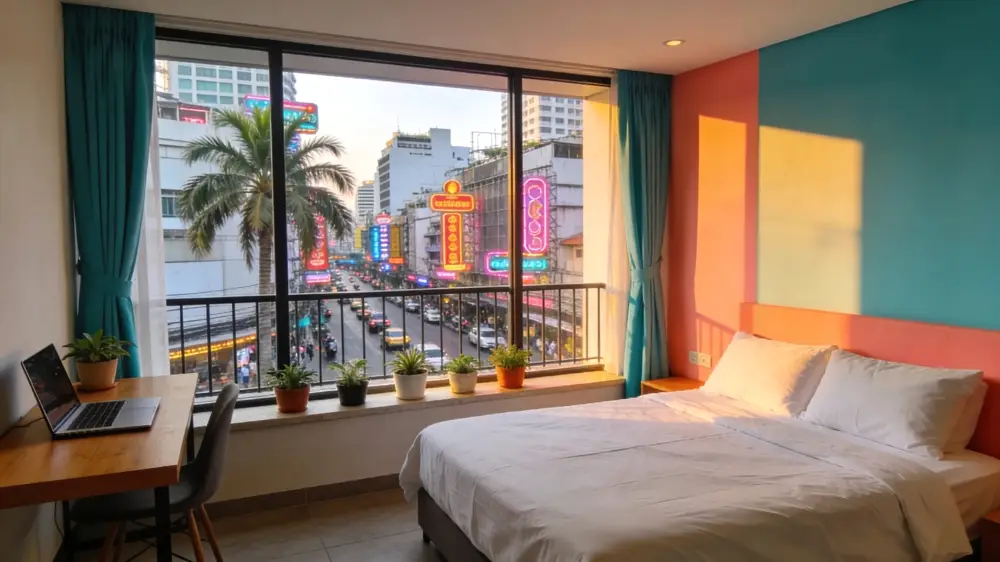
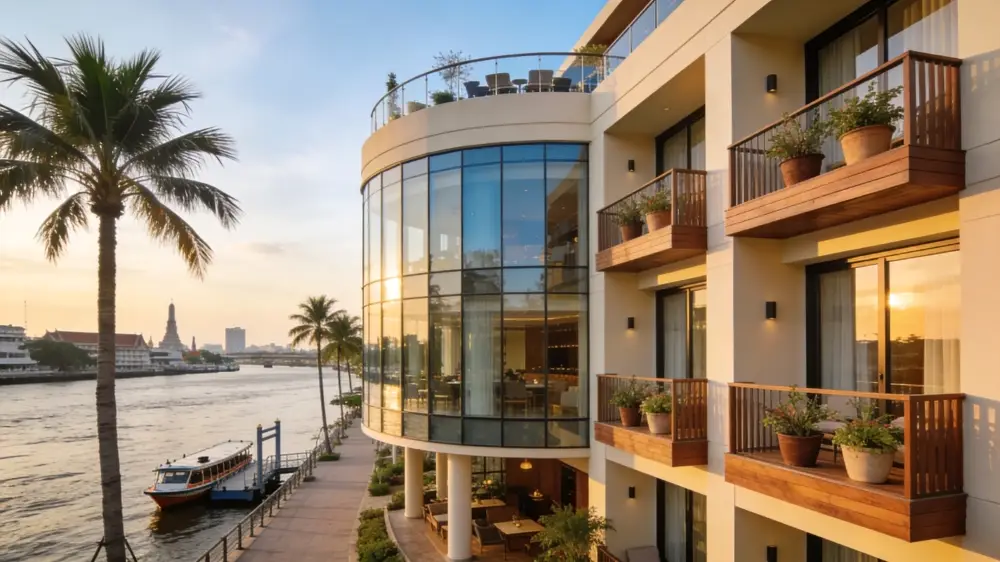
Thailand offers accommodation for every type of traveller, from backpacker hostels to luxury resorts. If you are travelling on a tight budget, the hostel scene in Thailand is genuinely impressive: many Bangkok hostels in the 400 to 600 THB per night range include air conditioning, free Wi-Fi, rooftop common areas, and organised social activities.
- Hostels: $6 to $15 per night for dorm beds
- Budget guesthouses: $15 to $30 for private rooms
- Simple hotels: $25 to $50 for comfortable stays
Hostels in cities like Bangkok and Chiang Mai are modern, social, and very traveller-friendly. Guesthouses are particularly popular on the islands and in smaller towns, offering a relaxed, locally-run atmosphere that adds real character to a trip.
For booking, Agoda consistently offers the lowest prices on Thai guesthouses and budget hotels, particularly with its “Secret Deals” for app users. Booking.com is useful for properties with free cancellation policies, which is worth prioritising during the wet season when plans can shift at short notice. Both platforms allow filtering by price per night, making it straightforward to stay within a daily target.

Lock in top-rated Thailand tours with
GetYourGuide’s free cancellation
up to 24 hours before. Reserve now
and pay later if dates aren’t set.
Pro Tips For Stress-Free Travel:

Grab & Bolt: Essential for getting around without overpaying. Bolt is often 20% cheaper in Phuket, while Grab is more reliable in Koh Samui and Chiang Mai. Both require SMS verification on first install, so activate your eSIM before landing: get your Airalo, Yesim, or Saily data plan set up at home so the network code arrives the moment you clear customs.
Klook & Get Your Guide: Use these for day trips, snorkelling excursions, cooking classes, and elephant sanctuaries. Both platforms aggregate verified operators and show live availability, which is useful when you want to book a tour the morning of rather than committing weeks in advance.
NordVPN: Vital for booking through 12GO or Agoda on public hostel or cafe Wi-Fi. On a budget trip you will spend a lot of time on open networks; a VPN keeps your banking sessions and card details protected. It also unlocks the SRT D-Ticket portal if you encounter geo-blocking when trying to book train tickets from abroad.
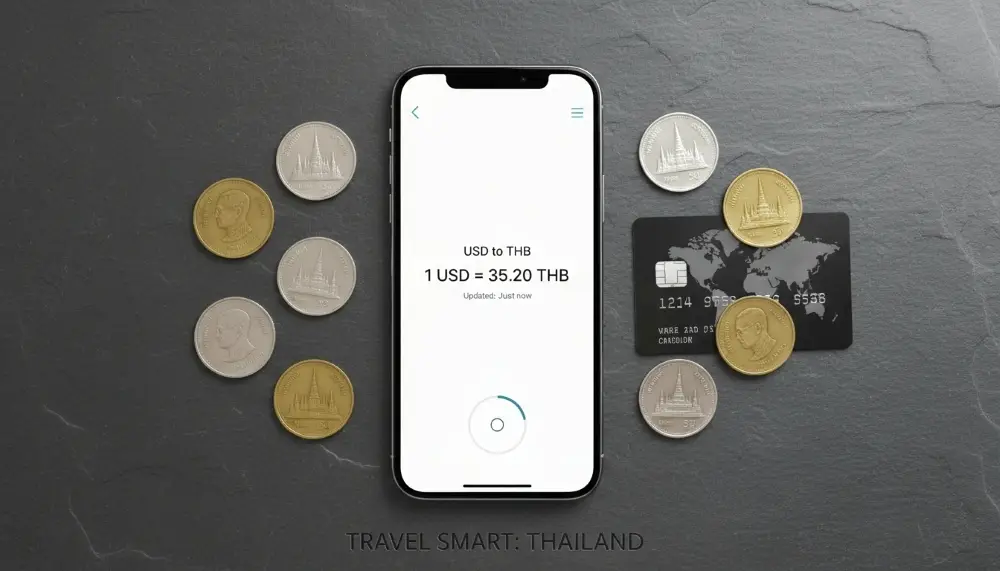
Currency (THB): Always keep 500 THB in small notes (20s and 100s). Many smaller guesthouses, island ferries, temple entry points, and market stalls are cash-only, and change for large notes is often unavailable. ATMs charge foreign card fees of around 220 THB per withdrawal, so withdraw larger amounts less frequently rather than small amounts daily.
Intercity bookings: Use 12GO to lock in sleeper train and overnight bus seats well ahead of travel during Songkran (April) and the festive period (late December). Prices and availability shift fast during these windows, and scrambling for transport at short notice always costs more.

Stay online in Thailand without the
daily data limits of tourist SIMs.
Yesim’s eSIM offers unlimited 5G
from around $10 for the whole trip.
Eating Well Without Spending Much:
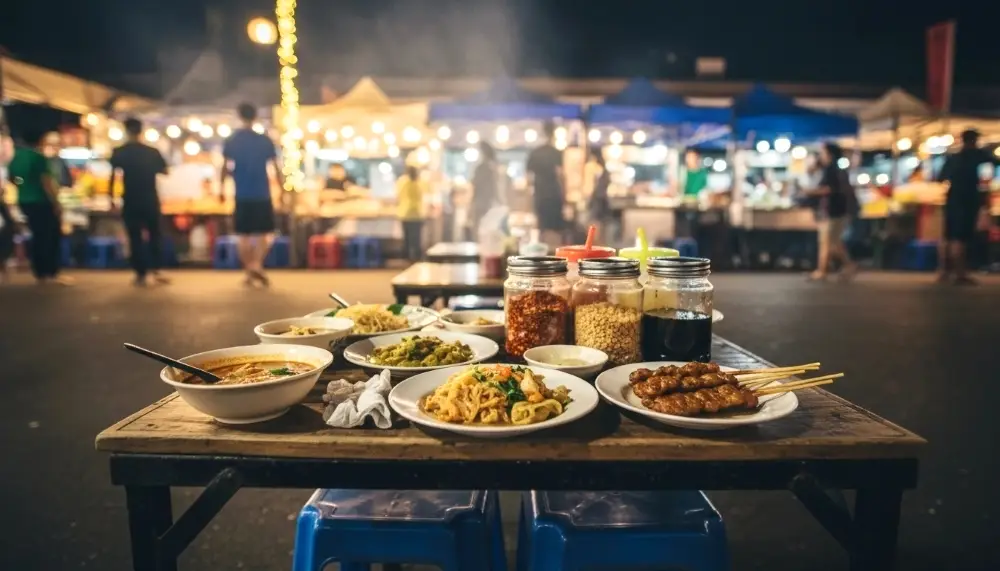
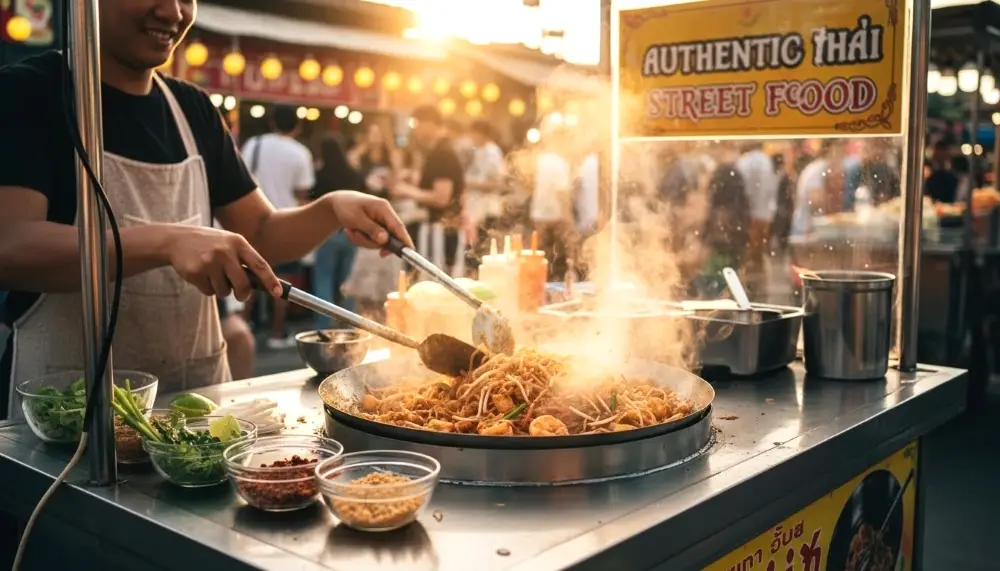
Food is one of Thailand’s greatest joys, and thankfully it is also incredibly affordable. Street food stalls and small local restaurants serve fresh, authentic dishes at prices that genuinely feel unreal the first time you sit down with a plate of Pad Kra Pao and a bowl of rice and see the bill.
The golden rule is simple: eat where Thai people eat. If there are plastic stools, a handwritten menu, and a wok on full flame, the food is almost certainly excellent and the prices are honest. Tourist-zone restaurants with laminated photo menus typically charge two to three times as much for an inferior version of the same dish.
- Pad Thai: $1.50 to $3
- Fried rice: $1.50 to $3
- Mango sticky rice: $2 to $3
- Fresh fruit smoothies: $1 to $2
- Bowl of noodle soup: $1 to $2
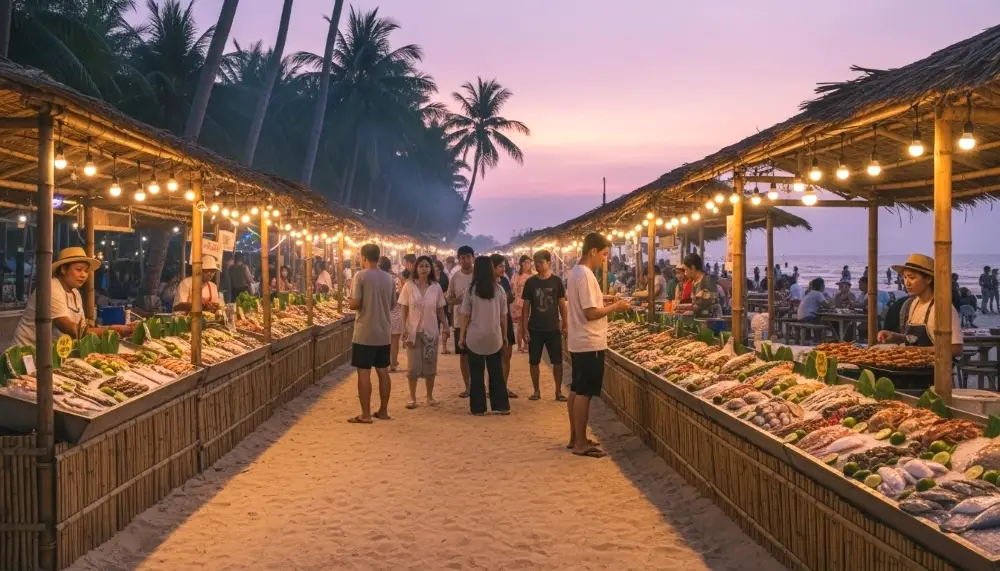
Night markets are especially great places to sample a wide variety of dishes cheaply. Chiang Mai’s Saturday and Sunday Walking Streets, Bangkok’s Talad Rot Fai, and the night market at Hua Hin are all worth a full evening with an empty stomach and a flexible budget. Not only are they affordable, they are vibrant cultural experiences filled with locals and travellers in equal measure.
Cheap and Easy Transportation:
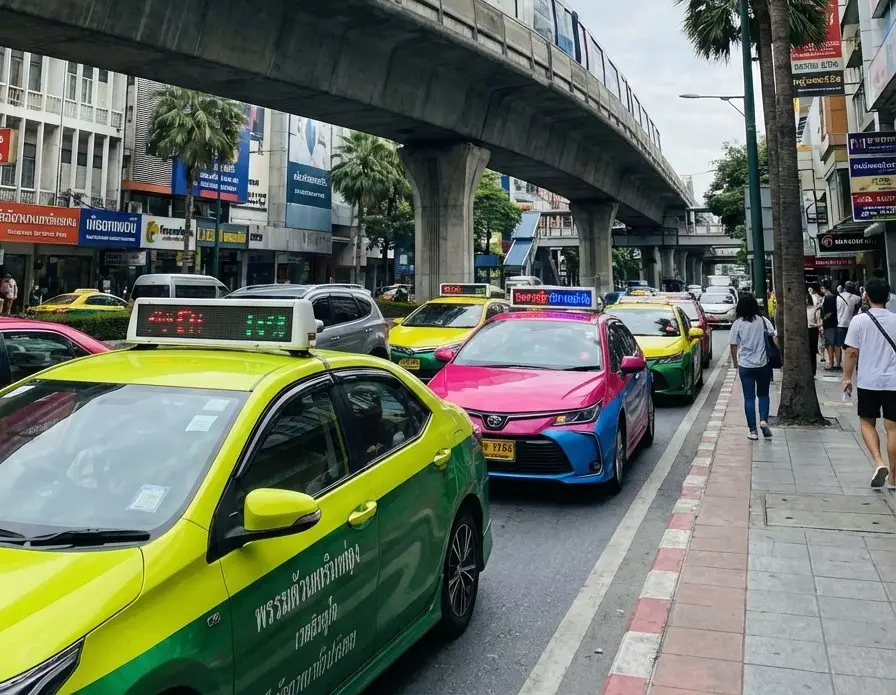
Getting around Thailand is simple and surprisingly inexpensive. Long-distance buses and trains connect most major destinations, while domestic flights on carriers like AirAsia, Nok Air, and Thai Lion Air make it easy to cover long distances without eating into the budget.
- Sleeper trains for overnight city-to-city travel, saving a night’s accommodation
- Budget airlines for cheap domestic flights on longer routes
- Minivans and buses connecting towns and tourist areas
- Tuk-tuks and motorbike taxis for short inner-city rides
- Songthaews (shared pick-up trucks) for island and provincial travel
The overnight sleeper train is the ultimate budget hack: the #9 CNR service from Bangkok to Chiang Mai costs around 900 THB for a second-class berth, which effectively replaces both a transport cost and a hotel night in a single booking. For inter-island travel and bus routes, 12GO is the most reliable platform for comparing schedules, operators, and prices without arriving at a bus station and negotiating blind.
Budget Destinations Worth Exploring:
Bangkok
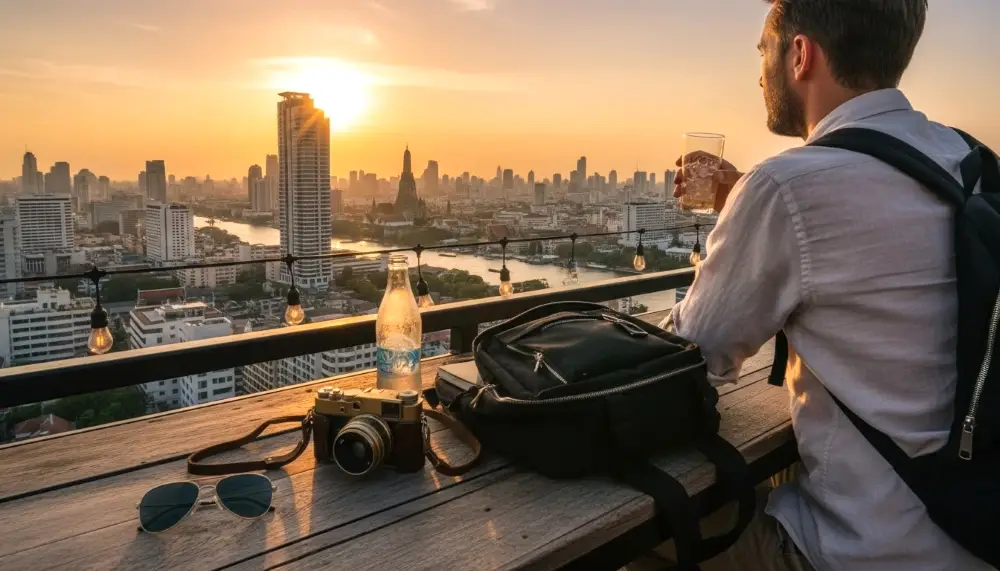
Thailand’s capital is a fascinating mix of ancient temples, sprawling street markets, glamorous rooftop bars, and historic neighbourhoods. While the city offers world-class luxury, many of its best experiences remain incredibly affordable for those on a budget. Grand Palace entry is 500 THB, but dozens of neighbourhood temples charge nothing at all. The BTS and MRT networks cost 15 to 45 THB per journey. A bowl of boat noodles in a riverside market runs 30 THB.
Bangkok serves as the primary hub for all onward travel in Thailand, and for budget travellers the density of cheap food, free-to-enter attractions, and competitive hostel pricing makes it an exceptional value city to base yourself for two or three nights before heading north or south.
Chiang Mai
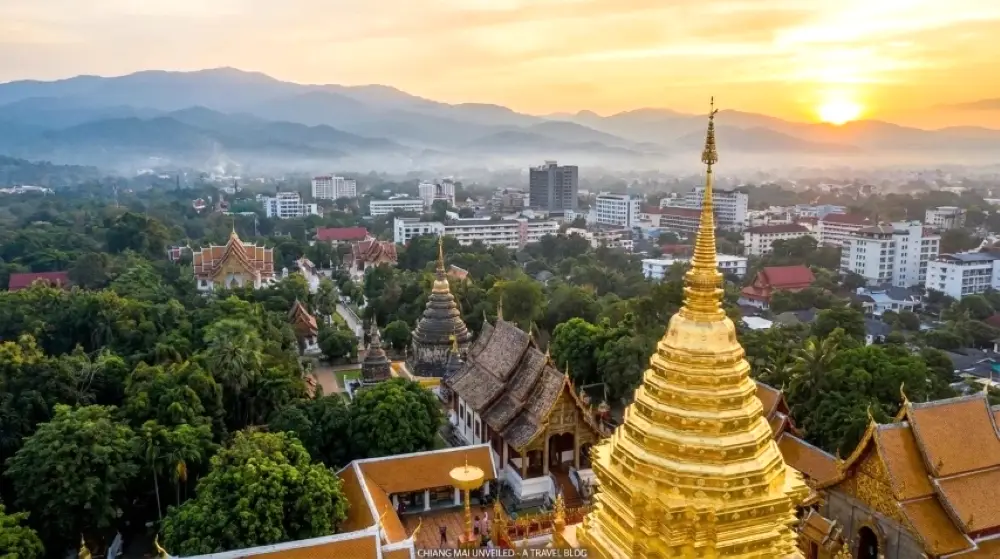
Located in the mountainous highlands of northern Thailand, Chiang Mai is famous for its relaxed atmosphere, ancient temples, and vibrant night markets. It has long been a favourite for budget travellers and digital nomads because it remains one of the most cost-effective cities in the entire country, with private rooms available for 400 to 700 THB per night in the old city area.
Beyond the city walls, stunning mountain scenery and jungle trails offer adventure at minimal cost. A day trek with a local guide, lunch included, typically runs 800 to 1,200 THB. Ethical elephant sanctuary day visits, bookable through Get Your Guide or Klook, start at around 1,500 THB and represent genuinely meaningful experiences at a fraction of what equivalent conservation encounters cost in Africa or Latin America.
Southern Islands
The tropical islands of southern Thailand attract travellers from all over the world with their white sand beaches and turquoise waters. While some exclusive resort pockets can be expensive, budget travellers can still find affordable guesthouses and local eateries if they know which islands to target.
Koh Lanta, Koh Tao, and Koh Phangan (outside the Full Moon Party period) remain genuinely budget-friendly compared to Phuket or Koh Samui. Travelling during the green season (May to October on the Andaman side) cuts accommodation prices by 30 to 50% at the same properties. The ocean is still warm, the beaches are quieter, and the food stalls along the beachfront are cheaper and better than the tourist menus in peak season.
Free and Low-Cost Things to Do:
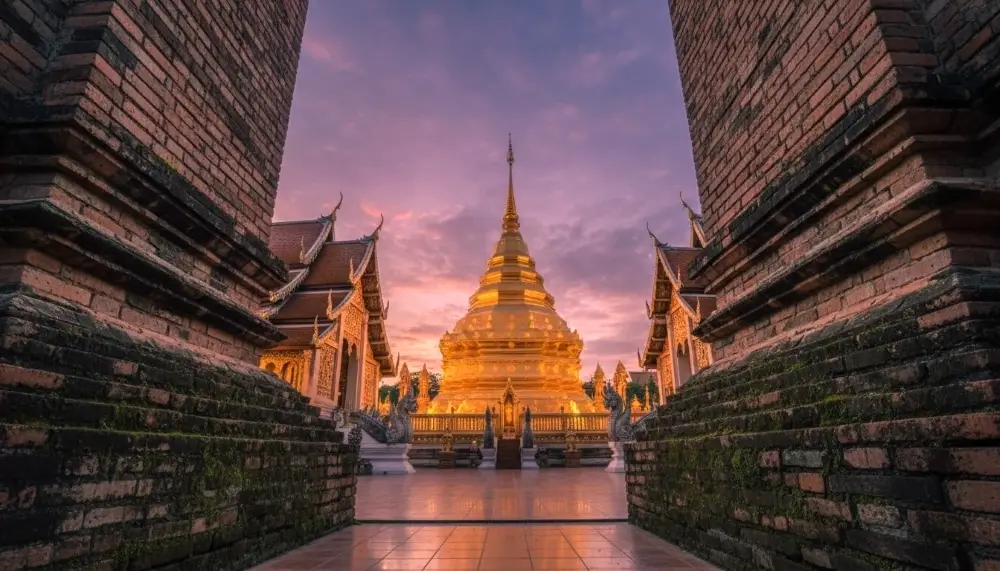
Not every experience in Thailand requires spending money. In fact, many of the most memorable moments are completely free, and the country rewards slow, curious travellers who are willing to wander without a set agenda.
- Visiting Buddhist temples (most neighbourhood temples are free)
- Exploring local night markets
- Relaxing on tropical beaches
- Hiking in national parks (entry fees are modest, typically 200 to 300 THB)
- Watching sunsets over the ocean
- Wandering through historic old towns
Simply walking through a bustling Thai morning market, watching monks collect alms at sunrise, or sitting by a canal in Amphawa with a bag of grilled corn costs nothing and stays with you long after the trip ends.
Tips for Saving Money in Thailand:
Even though Thailand is affordable, a few simple strategies can help stretch your budget even further. These are not compromises; they are the choices that often lead to the most authentic experiences.
- Eat where locals eat. Street stalls are usually the cheapest and the best.
- Use public transport instead of taxis whenever possible, particularly in Bangkok.
- Book accommodation early during peak season to lock in the best rates before they sell.
- Travel during shoulder seasons for better prices and thinner crowds.
- Negotiate politely in markets where pricing is clearly flexible.
- Use an eSIM rather than buying a local SIM at the airport, which typically costs more. Airalo, Yesim, and Saily all offer better daily rates.
Most importantly, travel slowly. Staying longer in one place reduces transport costs, gives you time to discover the cheapest local spots, and allows you to experience destinations more deeply than a whistle-stop itinerary ever could.
The Adventure Awaits:
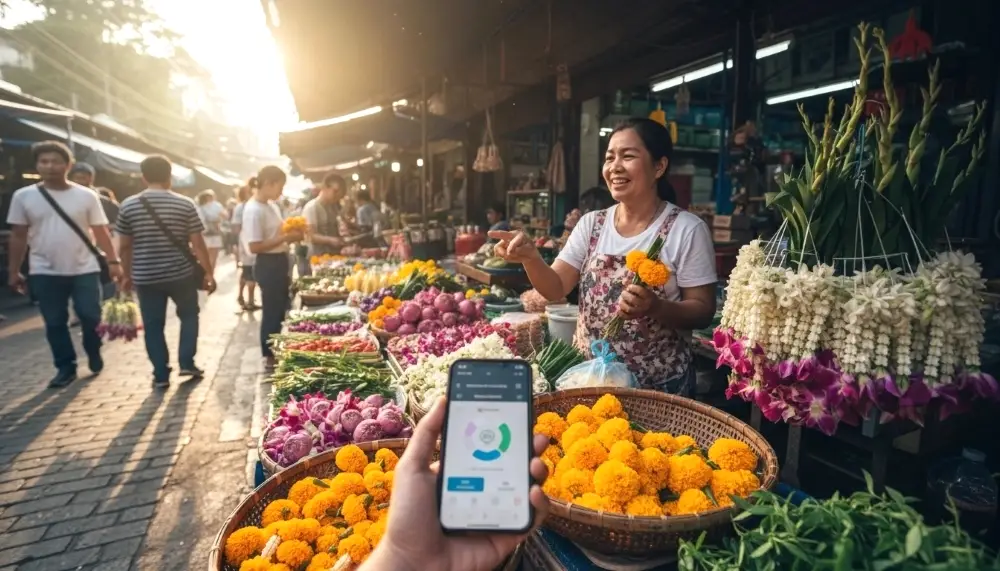
Travelling Thailand on a budget does not mean missing out. It often means experiencing the country more authentically. The best meals, the most memorable conversations, and the genuinely unexpected moments almost always happen away from the tourist-priced restaurants and the packaged tour itineraries.
From the energy of Bangkok’s markets to the peaceful temples of northern Thailand and the turquoise waters of the southern islands, adventure is waiting everywhere you go. The country has a way of delivering exactly what you need, regardless of how much or how little you have in your wallet.
With a little planning and an open mind, Thailand can offer incredible experiences without stretching your budget. And for many travellers, it is just the beginning of a lifelong connection with this remarkable country.
Frequently Asked Questions:
Is 1,000 THB enough for a day in Bangkok?
Yes, 1,000 THB is sufficient for a traveller staying in hostels and eating street food. This covers a dorm bed (450 THB), three local meals (200 THB), BTS/MRT travel (150 THB), and leaves 200 THB for water, snacks, or a temple entry fee. With careful choices you can come in under budget and roll the surplus into the next day.
How much does a meal cost in Thailand in 2026?
A standard street food meal such as Pad Thai, Som Tam, or Fried Rice costs between 40 THB and 70 THB from a local stall. In a food court inside a shopping mall like Terminal 21, prices range from 50 THB to 100 THB. Sit-down air-conditioned restaurants typically start at 250 THB per person. Beachside tourist restaurants on popular islands regularly charge 300 to 500 THB for the same dish available two streets back for 80 THB.
Do I need to tip my Grab driver?
Tipping is not required for Grab or Bolt drivers. However, rounding up the fare to the nearest 20 THB or 50 THB is a common and appreciated gesture if the driver navigated heavy traffic or helped with luggage. For metered taxis, rounding up to avoid asking for small change is the standard local courtesy.
Can I use my credit card at local markets?
Most small vendors and market stalls are cash-only or accept local QR payments via PromptPay. Credit cards are generally accepted in 7-Eleven for purchases over 200 THB, in shopping malls, and at larger hotels. Always carry 500 to 1,000 THB in small notes for daily transactions, particularly on islands and in rural areas where ATMs may be scarce.
Which regions of Thailand offer the best value for budget travellers?
Northern Thailand (Chiang Mai, Chiang Rai, Pai, Mae Hong Son) consistently offers the best value. Accommodation, food, and transport are all significantly cheaper than in the south, and the density of free cultural attractions (temples, markets, national parks) is exceptional. The southern Gulf islands (Koh Phangan, Koh Tao) are good value outside the Full Moon Party period. Phuket and Koh Samui are the most expensive island destinations and require a higher daily budget.
What is the cheapest way to get from Bangkok to Chiang Mai?
The overnight sleeper train (the #9 CNR service from Krung Thep Aphiwat Terminal) costs around 900 THB for a second-class berth and effectively replaces both your transport and accommodation for that night. An overnight VIP bus costs roughly 600 to 800 THB. Budget domestic flights with AirAsia or Nok Air can be found for 800 to 1,500 THB when booked in advance, though you then need to budget for airport transfers and a separate accommodation night. The sleeper train is the most cost-effective all-in option for most budget travellers.
How much does accommodation cost on a Thai island on a budget?
On accessible islands (Koh Samui, Koh Phangan, Koh Tao, Koh Lanta), basic guesthouses with a fan room and shared bathroom start at around 300 to 500 THB per night. A private air-conditioned room with an en-suite runs 600 to 1,200 THB. During peak season (December to February on the Andaman side), prices rise sharply and availability on Agoda or Booking.com can drop fast. Travelling shoulder season (May to October on the Andaman, October to December on the Gulf side) cuts these prices by 30 to 50%.
Is it safe to use ATMs in Thailand as a budget traveller?
Yes, but be aware of the costs. Thai ATMs charge foreign cards a flat withdrawal fee of around 220 THB per transaction, regardless of the amount. Minimise this by withdrawing larger amounts less frequently. Use your bank’s ATM fee reimbursement programme if available, or consider a Wise or Revolut card, which typically offers better exchange rates and lower fees than standard bank debit cards. Avoid airport ATMs for your first withdrawal; rates are worse and fees apply identically.
Do I need travel insurance as a budget traveller in Thailand?
Yes, absolutely. Medical care in Thailand is excellent but private hospital treatment can be expensive without insurance, particularly for emergencies, dental issues, or motorbike accidents (the most common tourist injury in Thailand). For budget-conscious travellers and longer stays, SafetyWing offers month-to-month nomad insurance at a flat rate that covers emergency hospitalisation, evacuation, and travel disruption. It is one of the most cost-effective options on the market for those spending extended time in Southeast Asia.
What hidden costs should budget travellers watch out for in Thailand?
The most common budget surprises include: ATM foreign transaction fees (220 THB per withdrawal), temple dress codes requiring sarong rental (20 to 50 THB), mandatory island or national park entry fees (100 to 300 THB), motorbike hire deposits (often 2,000 to 5,000 THB held on a debit card), and tourist restaurant pricing in heavily visited areas, which can be three times the local equivalent. Budget for these in advance and they will not catch you out.