Bangkok Day Trips
This site contains affiliate links. We may earn a commission at no extra cost to you.
Bangkok is the exciting starting point of the journey. The city is energetic, colorful, and packed with culture, but it can also feel intense after a few days of exploring temples, markets, and street food stalls. That is where Bangkok day trips come in. All prices in this guide use a rate of 35 THB = $1 USD.
Quick Summary:
- Budget: Expect daily trip costs between 1,500 and 3,500 THB (~$43 to $100) depending on private versus group transport.
- Transit: Utilize the SRT Dark Red Line or Ekkamai Eastern Bus Terminal for budget-friendly departures.
- Timing: Depart Bangkok by 07:00 to avoid metropolitan gridlock and peak humidity.

From temples to island tours, Klook
covers Bangkok’s best experiences.
Hotel pickup is often included and
prices beat the pier walk-in rate.
Are Day Trips Worth It?
Absolutely. Bangkok is surrounded by fascinating destinations that can be reached within one to three hours. That means you can leave the city in the morning, explore somewhere incredible, and return by evening.
- Strategic Logistics: PromptPay QR payments are now widely accepted for tourists via the TAGTHAi app, reducing the need for physical cash in rural markets.
- Ayutthaya (The Historical Core): Best accessed via the 08:30 SRT express for a 75-minute transit. Site entry fees are 50 THB (~$1.43) per temple or 220 THB (~$6.30) for a multi-pass.
- Maeklong and Markets: The railway market is best paired with Amphawa (weekends) or Damnoen Saduak (daily) to maximise transit time from Bangkok.
- Kanchanaburi (The Frontier): A minimum 12-hour day is required for Erawan Falls and the Death Railway. Private transport is highly recommended for families or groups.

Compare every route to Bangkok:
sleeper bus, train, or ferry, all
priced and reviewed in one place.
No guessing which operator is safe.
Perfect for First-Time Visitors:
Thailand looks small on a map, but planning a multi-stop itinerary can feel overwhelming on a first visit.
Day trips solve that problem beautifully. Instead of constantly packing bags and moving hotels, you can base yourself in Bangkok and explore the surrounding region with ease. Many tours include transport, guides, and entry tickets, making everything simple and stress-free.
Most travelers will find Thailand’s trains, buses, and private drivers easy to use. Budget-friendly SRT trains to Ayutthaya cost as little as 15 to 65 THB (~$0.43 to $1.85) for third or second class seats. Guided group tours from Bangkok start from 800 to 1,200 THB (~$22.85 to $34.30) per person and handle all logistics.
Best of all, day trips reveal a quieter, more traditional side of Thai life that you might miss if you only stay in the capital.
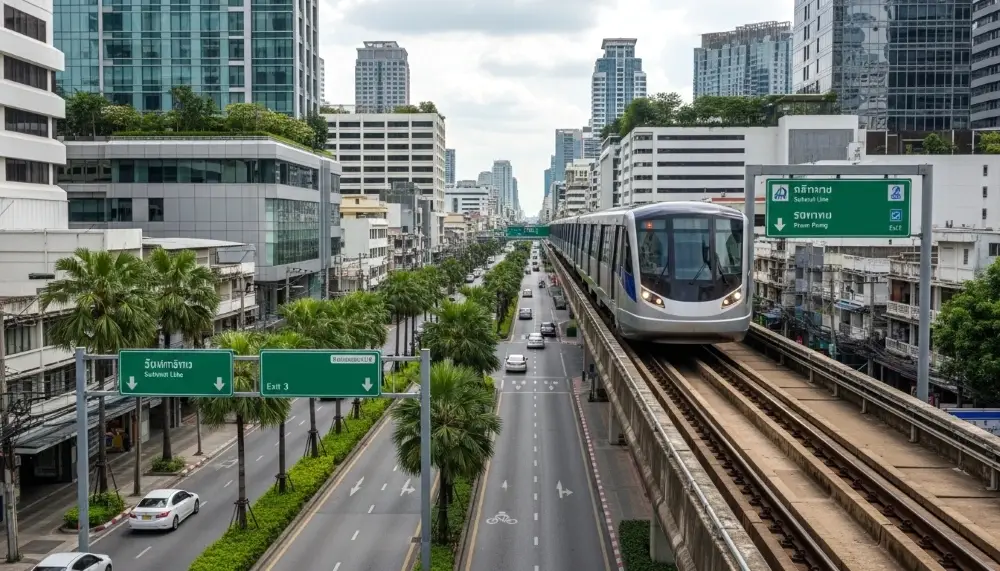

Stay closer to the action in Bangkok.
Agoda lists guesthouses to resorts
with verified reviews and instant
booking at competitive rates.
Ayutthaya: The Ancient Capital
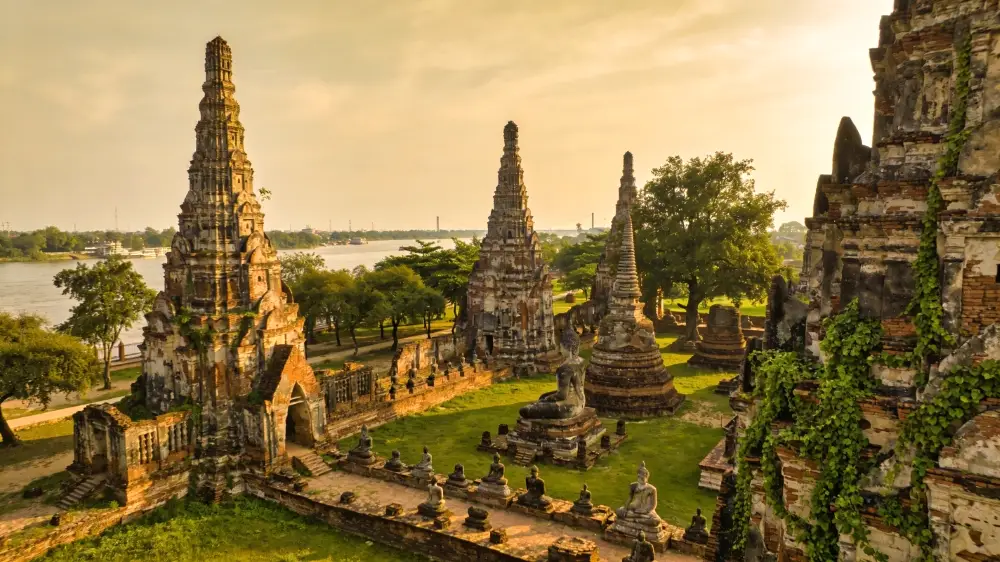
Ayutthaya is the former capital of the Kingdom of Siam, located 80 kilometers north of Bangkok. It is best accessed via the SRT train from Krung Thep Aphiwat Central Terminal, a 75-minute journey. Visitors should prioritize Wat Mahathat and Wat Chaiwatthanaram to witness 14th-century Khmer-style architecture and iconic Buddha imagery.
Once the largest city in the world, the UNESCO World Heritage site serves as a graveyard of empires. To navigate this expanse, avoid the overpriced tuk-tuks at the train station. Instead, rent a bicycle for 50 to 80 THB (~$1.43 to $2.30) or hire a licensed guide through Klook for a structured historical deep dive.
Tiered Service Recommendations
The Budget Option: SRT train (3rd class, 15 THB / ~$0.43) plus bicycle rental at Ayutthaya station (50 to 80 THB / ~$1.43 to $2.30). Total day cost under 500 THB (~$14.30) including temple entry.
The Mid-Range Option: Book a small group tour through Klook or Get Your Guide at approximately 1,200 THB (~$34.30), which includes air-conditioned van transport and a licensed historian.
The Luxury Option: Secure a private chauffeur-driven SUV from Bangkok at approximately 3,500 THB (~$100) for a 10-hour day, allowing for a sunset boat cruise around the island at an additional 300 to 600 THB (~$8.60 to $17).

No taxi haggling at Bangkok airport.
Welcome Pickups dispatch a vetted
local driver who knows the city,
fare confirmed before you fly.
Pro Tips For Stress Free Travel:
A seamless day trip relies on the right digital infrastructure. Connectivity is non-negotiable for navigating rural districts.
Currency: Always carry THB. While malls use credit cards, local markets and temple entry fees are strictly cash. Thai ATMs charge a flat 220 THB (~$6.30) per foreign card withdrawal, so withdraw the maximum in a single transaction.
Connectivity: Download a Yesim or Airalo eSIM before landing. Use NordVPN to maintain secure access to banking apps.
Navigation and Transport: Grab is the primary ride-hailing app. Bolt often offers lower rates in Samut Songkhram and Kanchanaburi. A Grab ride from central Bangkok to the main SRT terminal costs 100 to 200 THB (~$2.85 to $5.70).
Booking: Use Agoda for local guesthouses if deciding to stay overnight, and Klook for specialised tours. 12GO is excellent for booking train and bus tickets in advance with transparent pricing.


Maps, Grab, translation apps all need
data in Bangkok. Yesim’s eSIM installs
in a minute and gives you reliable
5G from the moment you arrive.
The Essential Temple Circuit:
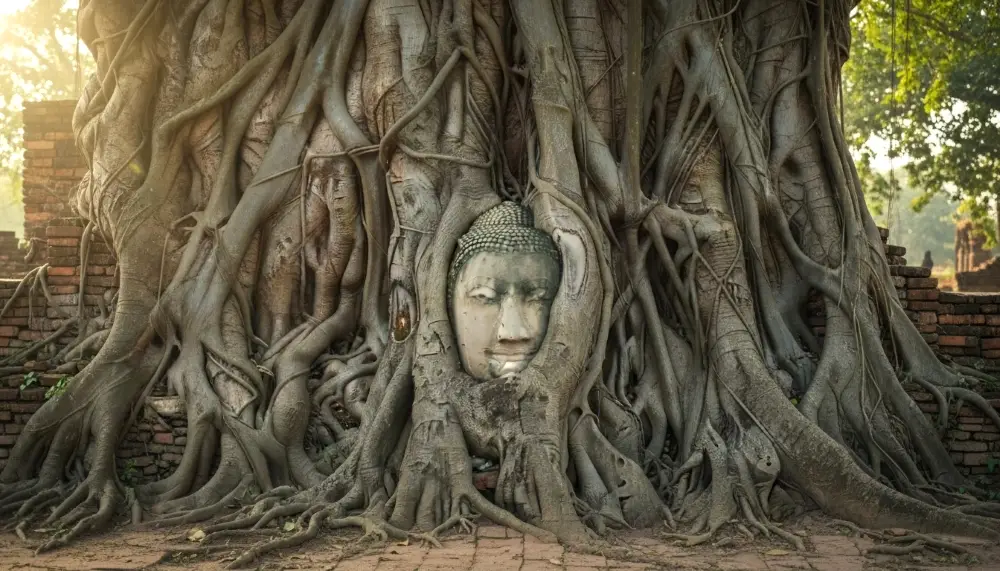
Wat Mahathat (50 THB / ~$1.43): Famous for the sandstone Buddha head entwined in Bodhi tree roots. Cultural etiquette dictates that one must never stand higher than the Buddha. Crouch when taking photos.
Wat Chaiwatthanaram (50 THB / ~$1.43): A stunning example of the mountain-temple concept, particularly evocative at sunset. Located on the river’s west bank, best reached by bicycle or tuk-tuk at 100 to 200 THB (~$2.85 to $5.70) return.
Wat Lokayasutharam (free): Home to a massive reclining Buddha draped in saffron cloth. One of the most photographed images in Ayutthaya and free to enter.
When dining, ignore the tourist stalls near the entrance of Wat Phra Si Sanphet. Head toward the river for Ayutthaya Giant River Prawns, priced by weight and typically starting at 800 THB (~$22.85) per kilo. The creamy tom luey (head fat) is a local delicacy that defines the regional palate.
Floating Markets:
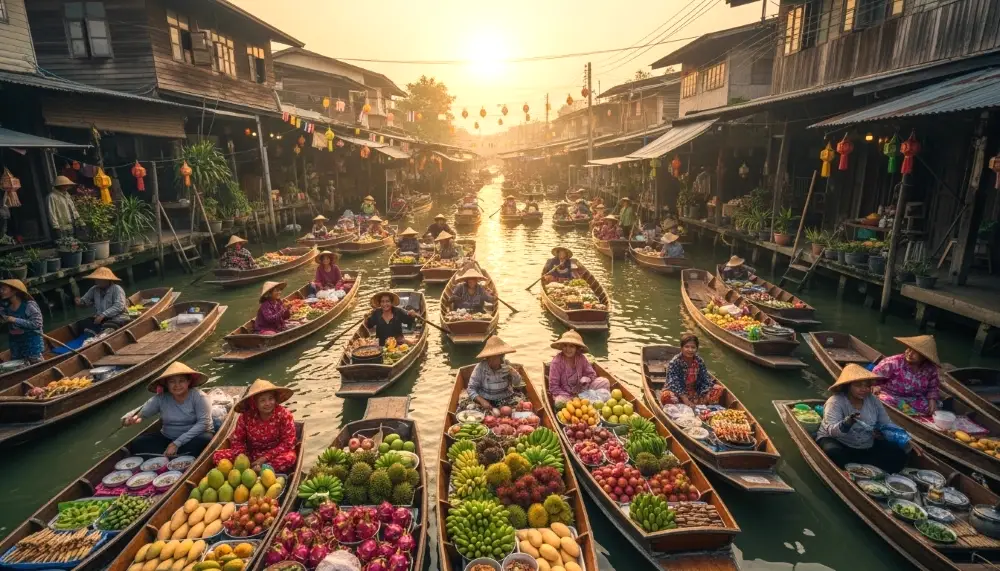
While Damnoen Saduak is the most famous floating market, it suffers from aggressive pricing. For a superior alternative, visit Tha Kha Floating Market on weekends. It remains a community-focused hub where elders trade coconut sugar and pomelo from wooden skiffs. Food here costs 40 to 100 THB (~$1.15 to $2.85) per item.
Transport: Use the Bolt app to book a private driver for the day at around 2,000 to 2,500 THB (~$57 to $71). Etiquette: Tipping is not mandatory but rounding up the bill or providing a 50 THB (~$1.43) tip for exceptional service is appreciated in rural provinces.
If your trip falls on a Friday, Saturday, or Sunday, try the Amphawa Floating Market. It is more authentic, less congested, and offers superior atmosphere through riverside dining and evening firefly tours at 200 to 400 THB (~$5.70 to $11.40) per person. Most tourists flock to Damnoen Saduak (daily, from 07:00). It is worth visiting if you want the classic postcard image, but Amphawa is a better all-round experience for food and atmosphere.
Maeklong Railway Market:
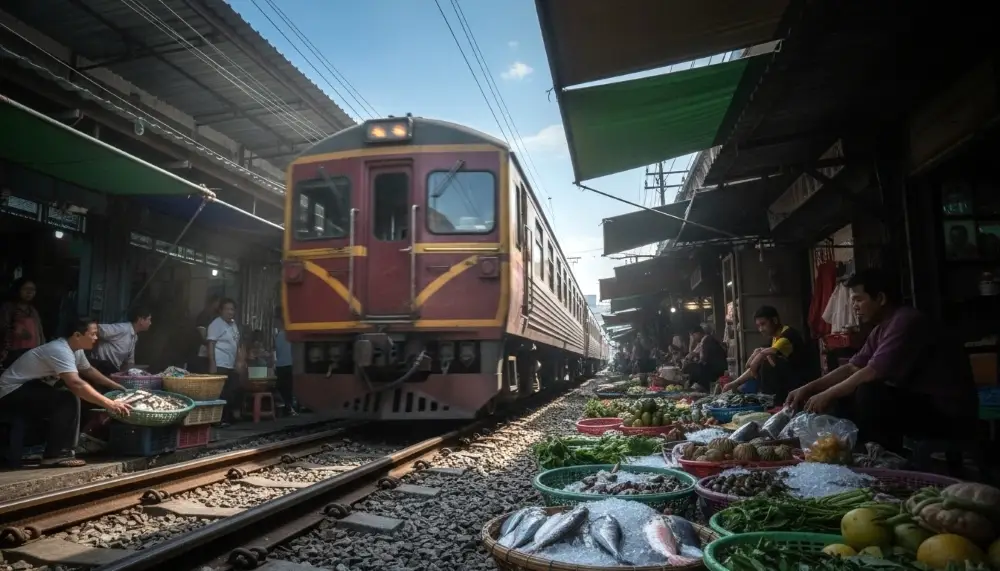
The Maeklong Railway Market is a functional wet market located on active train tracks in Samut Songkhram, about 80 kilometers west of Bangkok. The most authentic experience involves arriving at Maeklong by 08:30 to witness the folding umbrellas before the train passes.
As the train horn blasts, vendors calmly retract their awnings (the talat rom hup) and move baskets of mackerel and dragonfruit mere centimetres from the tracks. This is not a performance. It is a daily reality of Thai life.
Train schedules are consistent: arrivals at 08:30, 11:10, 14:30, and 17:40. The spectacle of vendors retracting awnings is impressive, but the stronger move is to pair this with a floating market visit on the same day. A Grab ride between Maeklong and Amphawa costs 80 to 150 THB (~$2.30 to $4.30).
Kanchanaburi: History Along the River Kwai:
Kanchanaburi lies 130 kilometers west of Bangkok and is defined by its World War II history and Erawan National Park. The primary sites include the Death Railway Bridge and the Hellfire Pass Interpretive Centre. Entry to Erawan Falls costs 300 THB (~$8.55) for foreigners. It offers a somber, reflective contrast to the frenetic energy of Bangkok.
The Bridge Over the River Kwai remains the focal point, but the true depth of the region is found at Hellfire Pass (Konyu Cutting). Walking through the hand-hewn rock provides a visceral understanding of the sacrifices made by Allied POWs and Asian romusha laborers. The Hellfire Pass Interpretive Centre is free to enter.
A private driver for the day costs 3,000 to 5,000 THB (~$86 to $143) and is strongly recommended. The public bus from Ekkamai terminal (130 THB / ~$3.70) takes 2.5 to 3 hours but limits your time at Erawan Falls significantly. Allow a minimum of 12 hours from Bangkok for a satisfying visit.
Day Trip Cost Comparison:
| Destination | Distance | Key Focus | Mode | Cost (THB) | Cost (USD) |
|---|---|---|---|---|---|
| Ayutthaya | 80 km | Ancient Temples | Train / Private Car | 500 to 2,500 THB | ~$14 to $71 |
| Maeklong | 80 km | Rail Market | Guided Tour / Van | 800 to 2,000 THB | ~$23 to $57 |
| Kanchanaburi | 130 km | WWII History | Private Driver | 3,000 to 5,000 THB | ~$86 to $143 |
| Khao Yai | 200 km | Wildlife and Jungle | Guided Tour | 1,800 to 3,500 THB | ~$51 to $100 |
| Hua Hin | 200 km | Beach and Coast | Bus / Train | 600 to 2,000 THB | ~$17 to $57 |
Nature Escapes Near Bangkok:
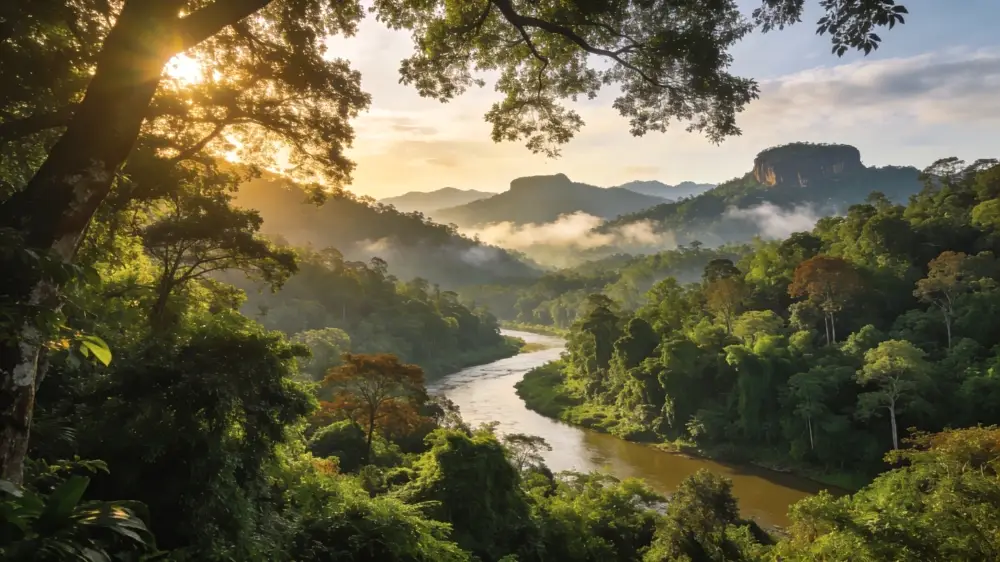
Thailand is not only about cities and temples. The countryside around Bangkok also offers beautiful natural scenery for travelers craving fresh air and greenery.
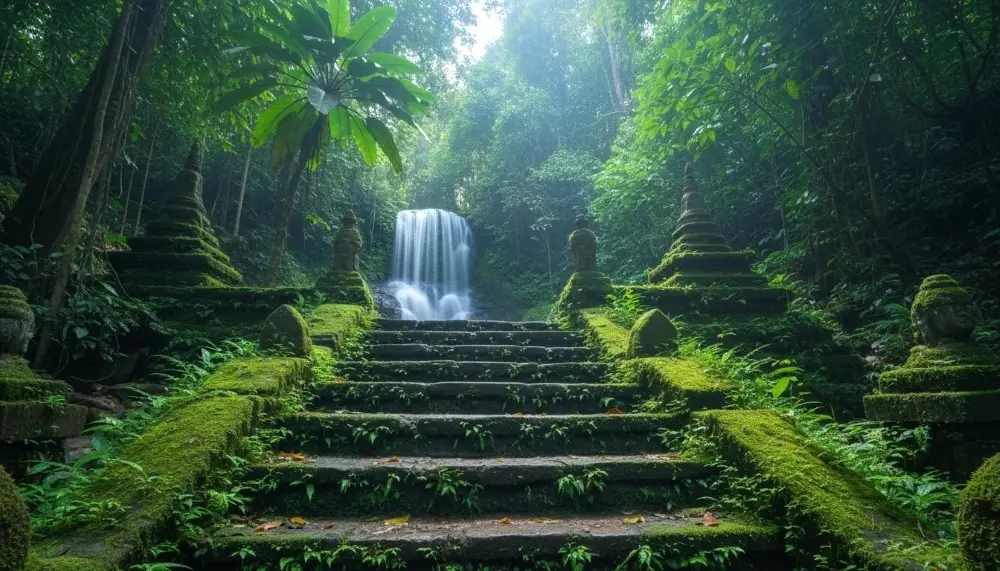
Popular nature day trips include Erawan Falls in Kanchanaburi (300 THB / ~$8.55 entry for foreigners), a seven-tiered turquoise waterfall requiring a moderate hike. Plastic bottles are tracked at the entrance with a small deposit returned once the bottle is brought back down. Sai Yok waterfalls near the River Kwai region (100 to 200 THB / ~$2.85 to $5.70) offer a more accessible half-day option.
These destinations offer hiking, swimming, wildlife spotting, and a refreshing break from city life. They are especially rewarding for travelers who want to experience Thailand’s natural beauty beyond the temple circuit.
Khao Yai National Park:
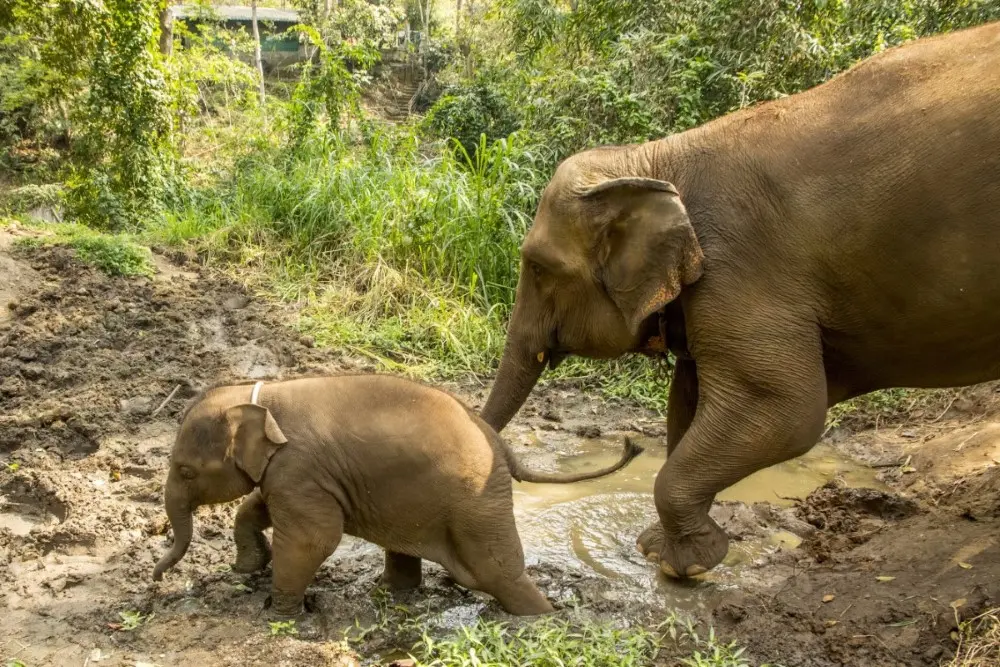
Khao Yai is one of Thailand’s most celebrated national parks and a UNESCO World Heritage site, located approximately 200 kilometers northeast of Bangkok. It is home to wild elephants, gibbons, hornbills, and one of the largest tiger populations in Southeast Asia. Entry costs 400 THB (~$11.40) for foreigners.
The park covers over 2,000 square kilometers of jungle and highland terrain. Guided day tours from Bangkok operate year-round and cost 1,800 to 3,500 THB (~$51 to $100) per person including transport, a park guide, and park entry. Self-drive is possible but the three-hour journey each way makes a guided tour the smarter option for a single day.
The best wildlife viewing is at dawn (06:00 to 08:00) and dusk (16:00 to 18:00). Morning tours departing Bangkok at 05:00 to 06:00 are available through Klook and Get Your Guide. Combining the park with the Mittraphap Road winery route on the return journey is a popular upgrade that adds 500 to 800 THB (~$14.30 to $22.85) per person.
Travel Time Comparison:
| Destination | Travel Time | Primary Vibe | Best Mode |
|---|---|---|---|
| Ayutthaya | 1.5 hours | Archaeological and Sacred | SRT Train (Third Class) |
| Maeklong | 2 hours | Chaotic and Kinetic | Private Car or Bolt |
| Kanchanaburi | 2.5 hours | Somber and Natural | Van from Ekkamai |
| Khao Yai | 3 hours | Wildlife and Jungle | Guided Tour Van |
| Hua Hin | 3 to 3.5 hours | Relaxed and Coastal | Bus or SRT Train |
Coastal Trips from Bangkok:
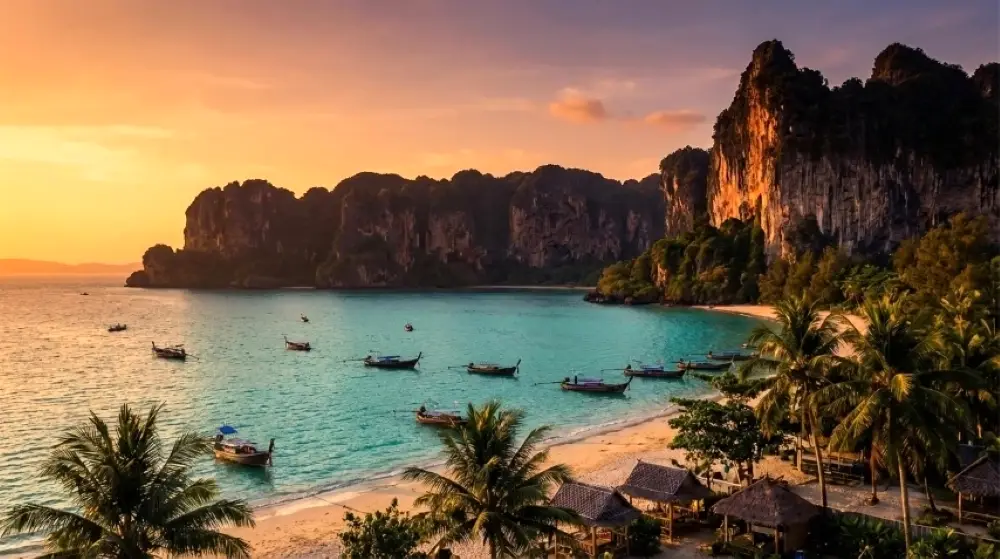
Many travelers do not realise that the sea is surprisingly close to Bangkok. Within a couple of hours, you can reach charming coastal towns and beach destinations that feel worlds away from the city.
Some popular options include Hua Hin, a relaxed seaside resort town about 200 kilometers south with a direct SRT train service from Bangkok at 130 to 360 THB (~$3.70 to $10.30) depending on class. Bang Saen Beach is a favourite with local Thai travelers, reachable by bus from Ekkamai for around 90 THB (~$2.55). Koh Si Chang is a peaceful island escape near Pattaya accessible by ferry from Si Racha at 50 THB (~$1.43) each way.
While Thailand’s famous southern islands are still the ultimate beach destinations, these coastal day trips offer a lovely taste of seaside life without needing a flight.
Tips for Planning Day Trips:
Planning your first Bangkok day trip is easier than you might think. Here are a few helpful tips:
- Start early (07:00 departure or earlier) to avoid traffic and the worst of the midday heat
- Bring water, sunscreen, and comfortable shoes. A refillable water bottle saves 15 to 20 THB (~$0.43 to $0.57) per bottle throughout the day.
- Check travel times carefully before leaving. Maeklong and Ayutthaya are in opposite directions and should not be combined in a single day.
- Consider guided tours for complex routes. Tours via Klook or Get Your Guide handle all logistics at 800 to 2,500 THB (~$22.85 to $71.40) per person.
- Use trains when possible for a scenic and relaxing journey. The SRT rail network covers Ayutthaya, Kanchanaburi, and Hua Hin at affordable prices.
Thailand’s hospitality industry is extremely traveler-friendly, so even spontaneous trips usually work out smoothly.
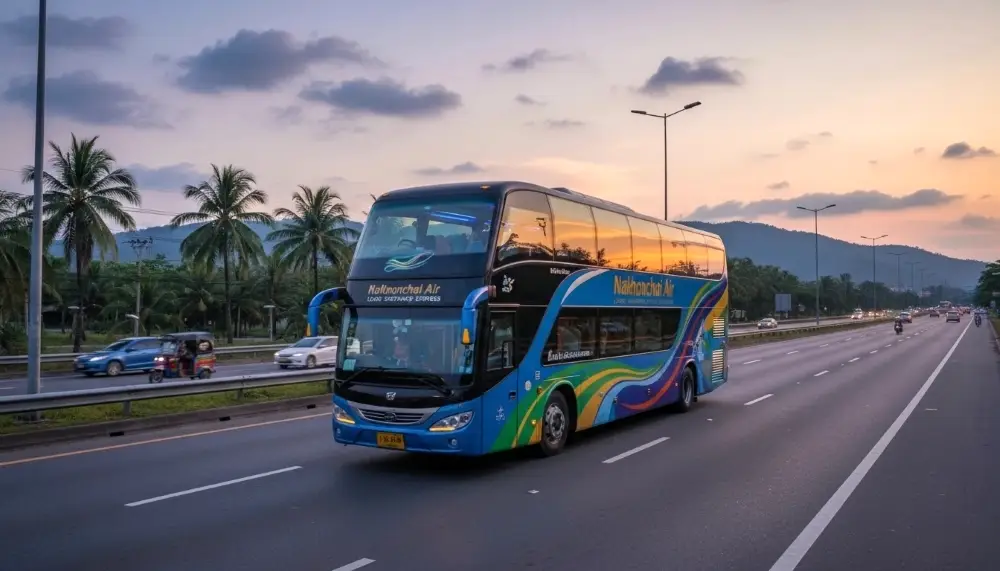
Experience More of Thailand:
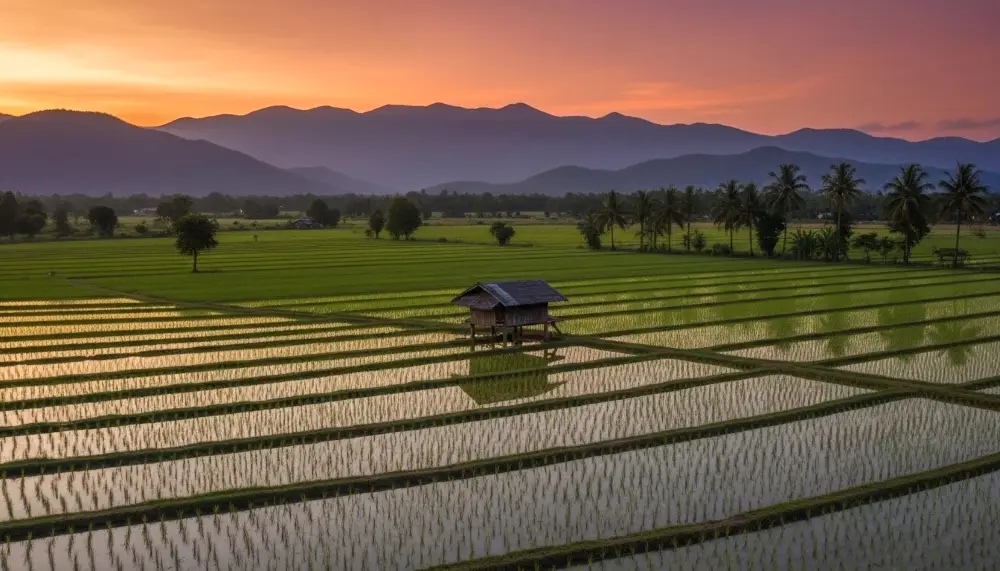
Bangkok is an incredible city, but Thailand has so much more to offer just beyond its skyline.
Ancient temples, floating markets, jungle waterfalls, and coastal towns are all within easy reach. With just a little planning, you can experience a completely different side of the country in a single day.
Bangkok (Central): The focus remains on heritage, urban-rural contrast, and river-based commerce.
Chiang Mai: Day trips focus on mountain sanctuaries and the Doi Inthanon summit.
Phuket and Gulf Islands: Excursions are almost exclusively maritime, to islands like Phi Phi or Koh Tao.
Frequently Asked Questions:
What is the best way to pay at markets like Maeklong in 2026?
PromptPay QR payments are now widely accepted at the Maeklong Railway Market and Ayutthaya street stalls. You can use this via the TAGTHAi app or travel-friendly wallets like Wise or Revolut. That said, always carry physical THB in small denominations (20s and 50s) as a backup for older vendors and temple ticket booths that remain strictly cash-only.
How do I get from Bangkok to Ayutthaya in 2026?
The most efficient and scenic method is the SRT express train from Krung Thep Aphiwat Central Terminal, a 75-minute journey. Second class AC seats cost around 65 THB (~$1.85). For a more comfortable day, hire a private SUV for approximately 3,500 THB (~$100) for a 10-hour trip including a sunset boat cruise. Group tours from Klook or Get Your Guide cost 1,200 THB (~$34.30) per person.
Can I visit the Maeklong Railway Market and a floating market in one day?
Yes. Visit Maeklong for the 08:30 or 11:10 train arrival and then proceed to a floating market. Amphawa Floating Market on weekends (Friday to Sunday) is the recommended pairing. A Grab ride between Maeklong and Amphawa costs 80 to 150 THB (~$2.30 to $4.30). Do not attempt to combine Maeklong with Ayutthaya as they are in opposite directions.
How much are entrance fees for Ayutthaya temples in 2026?
Individual entry for the major temples (Wat Mahathat, Wat Chaiwatthanaram) is 50 THB (~$1.43) per site. The multi-site pass for 220 THB (~$6.30) is available at the entrance of any major temple and covers the Big Five ruins. Wat Lokayasutharam (the Reclining Buddha) is free.
Is a day trip to Kanchanaburi from Bangkok worth it?
Yes, but it requires careful planning. Allow a minimum of 12 hours from Bangkok. A private driver or guided van tour at 3,000 to 5,000 THB (~$86 to $143) saves roughly 4 hours of transit time compared to public buses. The Death Railway Bridge, Hellfire Pass, and Erawan Falls (300 THB / ~$8.55 entry) are the three non-negotiable stops.
What is the best time of year for day trips from Bangkok?
The cool season from November to February offers the most manageable temperatures (25 to 32°C). March through May is excessively hot, often exceeding 38°C at outdoor ruins and waterfalls. The shoulder months of October and November after the rains end offer excellent conditions with lower crowds.
Is there a dress code for Thai temples?
Yes. Shoulders and knees must be covered at all wats. Carrying a lightweight linen sarong is the most practical solution for hot days. Most major temple sites sell or loan cover-ups at the gate, though having your own saves time. Sandals that slip off easily are recommended as you will remove shoes frequently.
Can I do Maeklong and Ayutthaya in the same day?
This is not recommended. They are in opposite directions from Bangkok. Maeklong is 80 kilometers west of the city while Ayutthaya is 80 kilometers north. Attempting both results in six or more hours of transit and very limited time at the actual sites. Pick one and pair it with something nearby instead.
Are there ‘Plus Plus’ charges on tours?
‘Plus Plus’ (++) refers to the 10% service charge and 7% VAT added to restaurant bills. This is standard in high-end establishments but rarely applied at street stalls or local markets on day trips. Day tour prices from Klook and Get Your Guide are typically all-inclusive with no additional fees beyond personal purchases and tips.
Is Khao Yai worth doing as a day trip from Bangkok?
Yes, though it is a long day. The three-hour journey each way means a guided tour departing Bangkok at 05:00 to 06:00 is the most practical approach. Park entry costs 400 THB (~$11.40) for foreigners. Guided day tours cost 1,800 to 3,500 THB (~$51 to $100) per person including transport, guide, and entry. Wildlife sightings of elephants, gibbons, and hornbills are common and the UNESCO-listed forest is genuinely impressive.