Thailand Snorkeling
This site contains affiliate links. We may earn a commission at no extra cost to you.
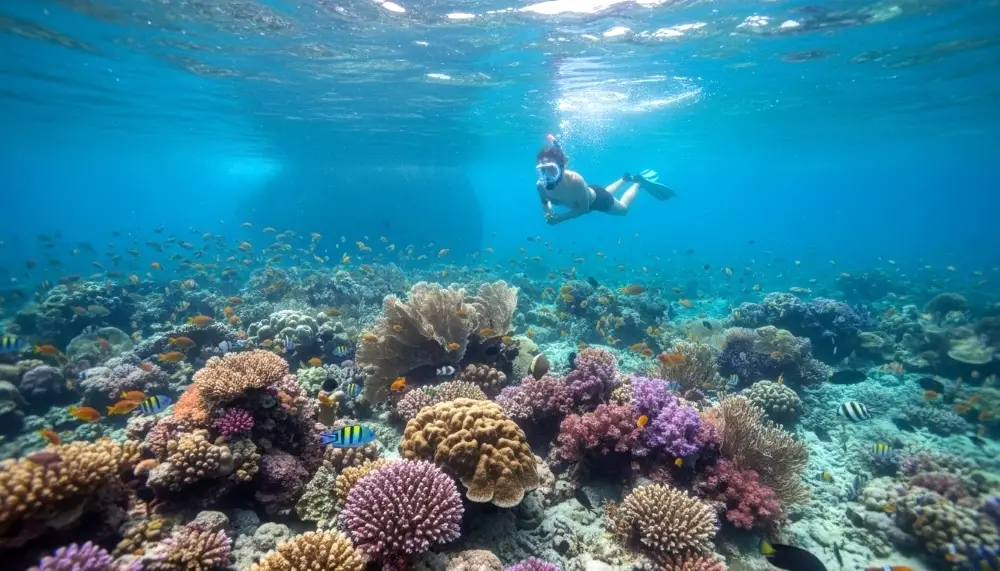
Whether you’re relaxing on the famous southern islands or taking a boat trip for the day, snorkeling in Thailand offers an accessible and unforgettable adventure. Even beginners can quickly find themselves floating above coral gardens filled with tropical fish.
Thailand’s underwater world is one of those travel surprises that catches people completely off guard. You might arrive expecting a pleasant paddle in warm water, and within minutes you’re face to face with a green sea turtle gliding calmly beneath you. The country’s position at the convergence of two distinct marine environments, the Andaman Sea and the Gulf of Thailand, means the sheer variety of snorkeling experiences available here is genuinely hard to match anywhere else in Southeast Asia.
Is Snorkeling Good in Thailand?
Yes. Thailand is one of Southeast Asia’s top snorkeling destinations.
Crystal-clear waters, warm temperatures year-round, and easily accessible reefs make it ideal for beginners and experienced snorkelers alike. The best snorkeling spots are mostly found around Thailand’s southern islands in the Andaman Sea and the Gulf of Thailand.
Popular snorkeling areas include:
- The Phi Phi Islands
- Koh Tao
- Koh Lipe
- The Similan Islands
- Koh Phi Phi Leh
- Koh Rok
Many of these locations are reachable by simple boat tours, making snorkeling one of the easiest adventures to add to a Thailand itinerary. The country’s infrastructure for water-based tourism is exceptionally mature. Organised tours depart daily from almost every major island, quality rental equipment is widely available, and the sheer number of experienced local guides means you’re rarely more than a short boat ride from something remarkable.

Skip the planning headache in Thailand.
Klook offers day tours, tickets, and
experiences from around $25, with
instant confirmation to your phone.
Why Thailand Is Perfect for First-Timers:
One of the best things about snorkeling in Thailand is how beginner-friendly it is. You don’t need special certification, expensive training, or advanced swimming skills to enjoy it.
Most tours provide all the equipment you need:
- Mask and snorkel
- Life jackets
- Fins
- Safety briefings from guides
The water temperature usually sits between 27 to 30°C (80 to 86°F), meaning you can comfortably snorkel for long periods without a wetsuit. Many reefs are also located close to the surface, allowing you to see colourful marine life just by floating and breathing through your snorkel.
The confidence curve for new snorkelers in Thailand is noticeably shorter than in cooler, choppier destinations. Within ten minutes of entering the water at a sheltered bay like Aow Leuk on Koh Tao or the shallows off Sunrise Beach on Koh Lipe, most nervous first-timers settle into a relaxed rhythm. The warmth, the clarity, and the sheer quantity of visible life just beneath the surface do most of the work for you. Book your first experience through Klook or Get Your Guide to ensure you’re with a guide who specialises in beginner introductions and uses quality, well-fitting equipment rather than the worn-out sets sometimes handed out by budget beach rental shacks.

Skip-the-line tickets and guided walks
in Thailand with English-speaking
guides. Read real traveller reviews
before committing to a single one.
Best Places to Go Snorkeling in Thailand:
Koh Tao
Koh Tao serves as the primary destination for shore-accessible snorkeling in the Gulf of Thailand due to its fringing reefs and sheltered bays. Ao Tanote and Shark Bay provide immediate encounters with blacktip reef sharks and sea turtles, while Aow Leuk offers shallow coral nurseries perfect for independent explorers without the need for boat transfers.
The granite boulders of Koh Tao create a unique underwater topography. Unlike the deep drop-offs of the Similan Islands, the reefs here begin in waist-deep water. At Ao Tanote, the reef extends directly from the centre of the bay. Large table corals and brain corals dominate the landscape, providing shelter for territorial damselfish and schools of yellowtail barracuda.
Shark Bay (Thian Og) is the local authority for megafauna sightings from shore. To avoid the heat and the crowds, enter the water before 08:00. Blacktip reef sharks, typically between one and two metres in length, frequent the shallow flats. For the best visibility, swim toward the rocky outcrops near the Sai Daeng Resort side of the bay.
Aow Leuk remains a high-value site for its ease of entry. The beach is wide and sandy, but the northern and southern fringes house dense coral colonies. Expect to pay a 100 THB entry fee, which usually includes a cold drink and use of a sun lounger. This bay is a genuine standout for seeing juvenile sharks in the shallows, often just three metres from the shoreline. Getting to Koh Tao is straightforward via the Lomprayah High-Speed Catamaran service from Koh Samui or Chumphon. Book your combined ferry ticket through 12GO to lock in your seat, especially during the June to August peak when the Gulf circuit fills up fast.
Koh Lipe
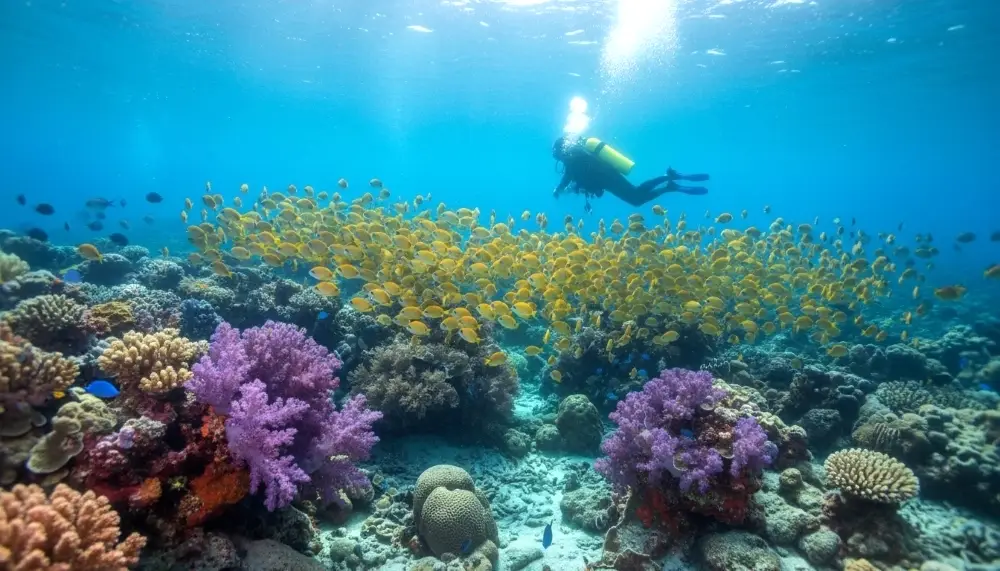
Koh Lipe is the premier destination for shore snorkeling in the deep south, with Sunrise Beach and North Point offering direct access to the Tarutao National Marine Park’s biodiversity. The reefs here are characterised by vibrant soft corals and clownfish sightings, accessible within a five-minute swim from the shoreline resorts.
At Sunrise Beach, the reef runs almost the entire length of the shore. The standout spot for enthusiasts is the area surrounding the two small islands, Koh Kra and Koh Usen, visible from the beach. You can swim to these islets during low tide, but the current can be strong. Always check with local dive shops about the tidal pull before attempting the crossing.
Ao Niang, located on the southern tip of the neighbouring Koh Adang, is accessible via a ten-minute longtail trip but is technically a shore-entry site once you land. The water here is untouched, offering some of the most pristine hard coral structures in Satun province.
Koh Lipe is only accessible by speedboat, typically from Pak Bara pier or via a connection from Langkawi in Malaysia. The journey time from Pak Bara is roughly 90 minutes, and services operate seasonally. Activate your Airalo or Yesim eSIM before departure so you have navigation and communication from the moment you step off the boat, as Koh Lipe has no official taxi or rideshare system and you’ll be relying on GPS to find your accommodation along the island’s sandy walking track.

Compare hotel prices across Thailand’s
best areas and book with confidence.
Filter by budget, location, or score
to find the right stay for your trip.
Comparison of Shore Snorkeling Sites:
| Location | Primary Marine Life | Entry Fee / Access | Best Skill Level |
|---|---|---|---|
| Shark Bay (Koh Tao) | Blacktip Reef Sharks, Green Turtles | Free (via public path) | Intermediate |
| Ao Tanote (Koh Tao) | Butterflyfish, Hawksbill Turtles | Free | Beginner |
| Freedom Beach (Phuket) | Soft Corals, Parrotfish | 200 THB (land access) | Intermediate |
| Sunrise Beach (Koh Lipe) | Clownfish, Giant Clams | Free | Beginner |
| Aow Leuk (Koh Tao) | Juvenile Sharks, Brain Coral | 100 THB | Beginner |
Phi Phi Islands
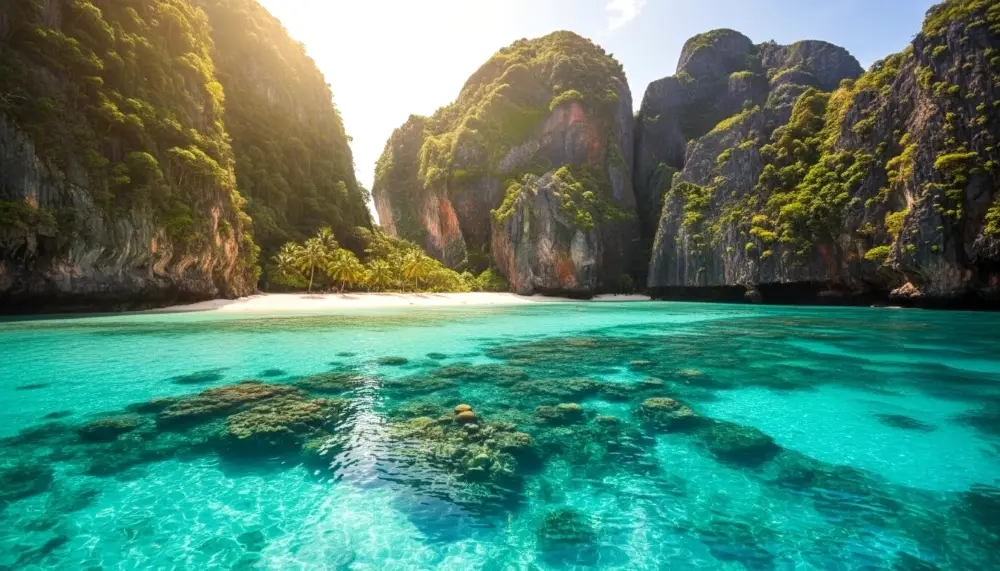
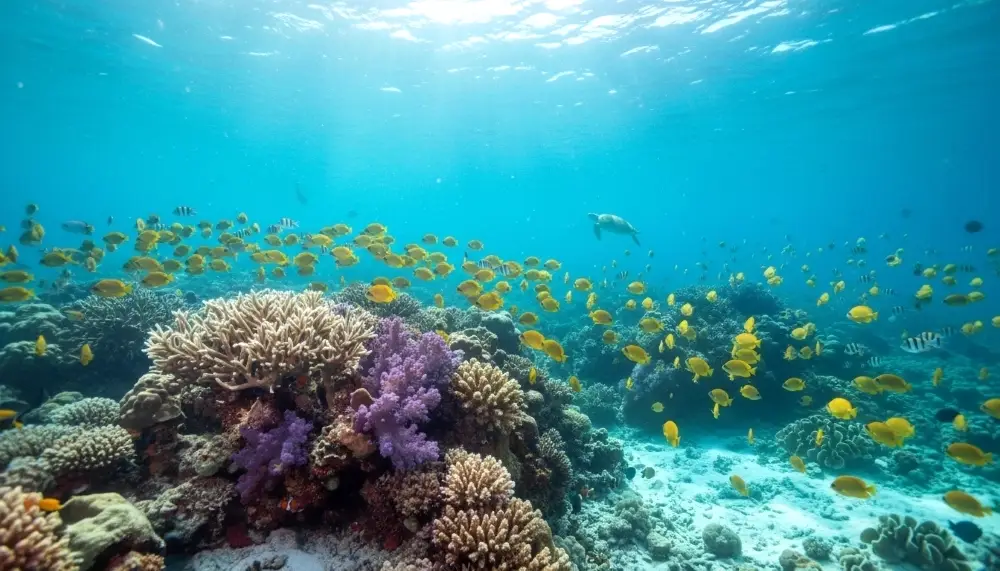
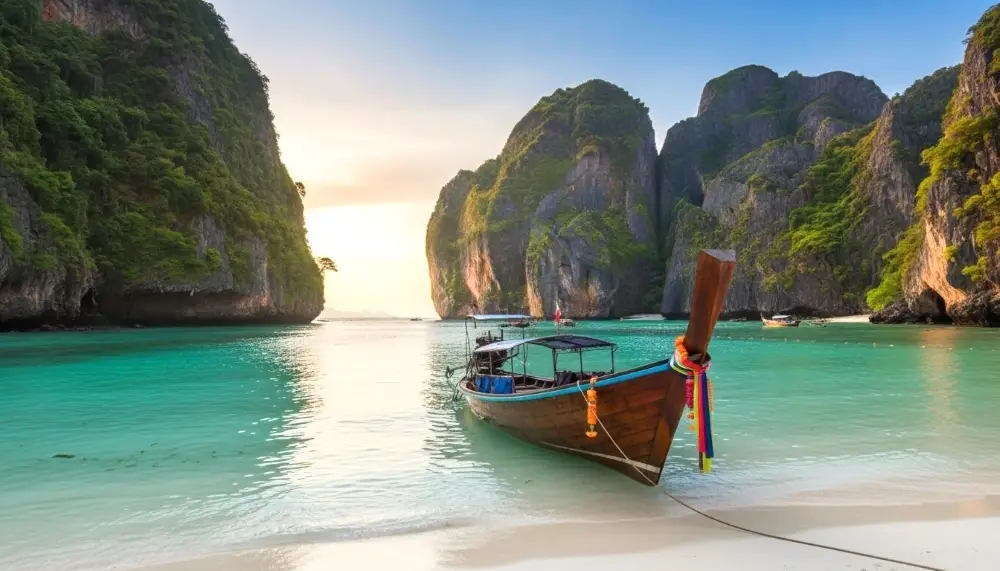
Located near the Andaman coast, the Phi Phi Islands are world-famous for their dramatic limestone cliffs that plunge into brilliant turquoise water. This archipelago is a cornerstone of any snorkeling itinerary, as the shallow reefs are teeming with vibrant marine life including parrotfish, clownfish, and sea anemones.
Because of their central location, boat tours from both Phuket and Krabi regularly stop at several high-quality snorkeling locations throughout the day. Visitors can expect to explore a variety of underwater environments, from sheltered emerald lagoons to reef edges that offer visibility well over fifteen metres during the dry season.
The snorkeling around Phi Phi Leh specifically, the uninhabited island that contains the famous Maya Bay, has been carefully managed since Thailand’s authorities implemented strict access controls following years of reef damage from overtourism. Entry to Maya Bay now costs 400 THB and is capped at a limited number of visitors per day. Book your Phi Phi snorkeling day trip through Klook well in advance during peak season (December to February) to avoid disappointment. Early departure times of 07:00 to 08:00 consistently deliver the best underwater visibility before the afternoon winds stir up sediment.
The Similan Islands
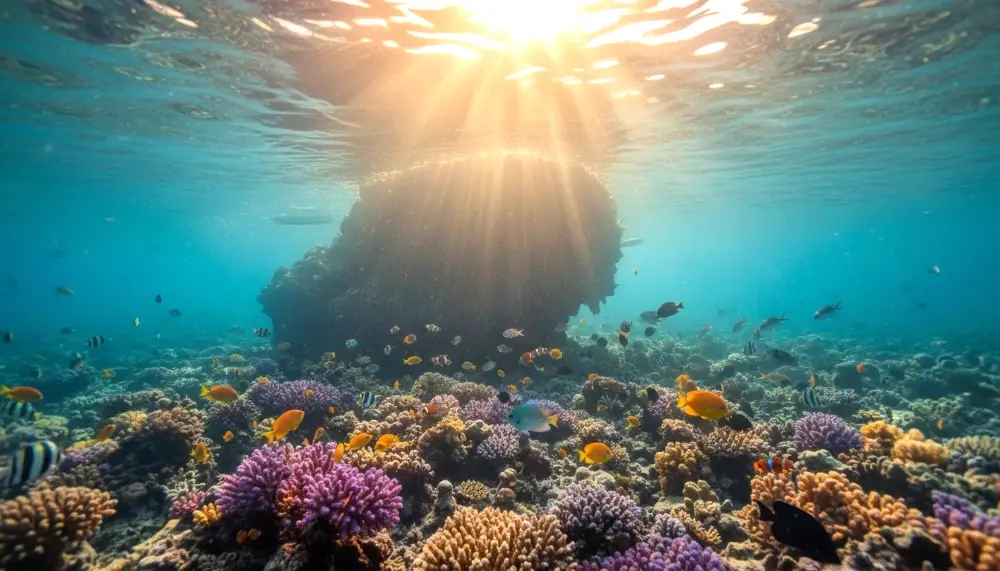
For truly spectacular underwater scenery and world-class snorkeling, the Similan Islands are exceptionally hard to beat. These protected islands are renowned for their incredibly clear visibility and a level of marine biodiversity that is among the highest in Southeast Asia.
As part of a strictly regulated national park, visitor numbers are carefully controlled to preserve the delicate coral ecosystems and surrounding wildlife. The islands are only open seasonally, typically from October to May, to allow the environment to recover during the monsoon months. This seasonal closure ensures that when the park does open, travellers are greeted by pristine white sands and untouched aquatic landscapes.
The Similan Islands are best visited on a liveaboard or multi-day tour departing from Khao Lak. Day trips from Phuket are technically possible but the four-hour return boat journey eats significantly into your time in the water. Snorkeling at sites like Donald Duck Bay (Island 4) and Princess Bay (Island 7) consistently ranks among the most memorable underwater experiences that Thailand offers. The underwater visibility here regularly exceeds 30 metres during the dry season, and the sheer density of fish life on these reefs is unlike anything you’ll encounter on the mainland coast. Search Agoda for liveaboard-adjacent accommodation in Khao Lak to use as a base for your Similan departure.

From short trips to long stays in Thailand,
Airalo has flexible eSIM data plans
you install in minutes. Top up
remotely if you need more data.
Koh Rok and the Outer Krabi Islands:
Koh Rok, a pair of uninhabited islands located about two hours by speedboat south of Koh Lanta, is consistently voted one of the most beautiful snorkeling destinations in the entire country by operators and returning visitors. The reef that rings both islands is shallow, extensive, and staggeringly colourful, with visibility that regularly exceeds twenty metres during the dry season.
Unlike the more heavily visited sites around Phi Phi, Koh Rok still has the feeling of genuine discovery. Moray eels emerge from coral crevices at the reef edge, giant pufferfish cruise the sandy channels between the two islands, and the density of butterflyfish here is remarkable. Because access requires a national park permit (400 THB for foreigners, included in most tour prices), the visitor numbers are manageable even during peak season.
The outer Krabi islands including Koh Ha, a five-submerged-cavern system popular with both snorkelers and divers, round out what is arguably the most underrated snorkeling cluster in Thailand. Day trips from Koh Lanta or Krabi to these outer islands are bookable through Get Your Guide with 24-hour free cancellation, which is worth using given how frequently sea conditions dictate last-minute itinerary changes in this part of the Andaman.

Saily’s Thailand eSIM costs less than
most tourist SIMs charge per day.
Easy install, transparent pricing,
and solid NordVPN infrastructure.
Pro Tips For Stress Free Travel:

Transport: Use Grab or Bolt for transparent pricing to beach drop-off points. Both apps require an active data connection at the moment of booking, so activate your eSIM before landing rather than relying on airport Wi-Fi for initial setup.
Booking: Agoda often has the best rates for beachfront “Snorkel-In” bungalows. Cross-check with Booking.com for longer stays as pricing can vary significantly depending on the season and island.
Connectivity: Use Yesim or an eSIM for constant GPS access in remote bays. Signal drops off significantly once you’re in the water, but having a working connection on the boat for tide tables, weather apps, and emergency contact is essential. Airalo and Saily are equally reliable alternatives.
Logistics: Klook or Get Your Guide are useful for renting high-end gear if your hotel equipment is subpar. Both platforms also list certified snorkeling guides who speak English, which makes a meaningful difference when identifying specific marine species.
Safety: Nord VPN is recommended when using public Wi-Fi at beachfront cafes to check tide tables or make any financial transactions. Island resort Wi-Fi is frequently unencrypted and shared across dozens of devices.
Insurance: Ensure your travel insurance explicitly covers snorkeling and water-based activities. Standard policies often exclude these. If you’re spending extended time around water sports, look into SafetyWing for supplementary coverage that handles medical scenarios specific to active travel.

Stay online in Thailand without the
daily data limits of tourist SIMs.
Yesim’s eSIM offers unlimited 5G
from around $10 for the whole trip.
What Marine Life Can You See?
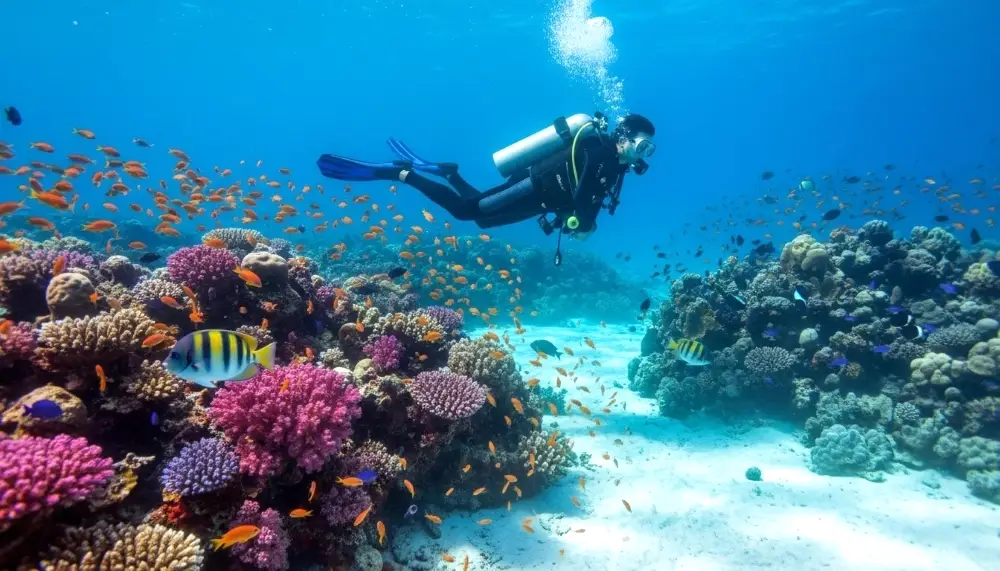
Thailand’s tropical waters are full of fascinating sea creatures. Even during a short snorkeling trip, it’s common to see dozens of species.
Typical marine life includes:
- Clownfish (like the famous “Nemo”)
- Parrotfish
- Butterflyfish
- Angelfish
- Sea turtles
- Blue starfish
- Moray eels
- Small reef sharks
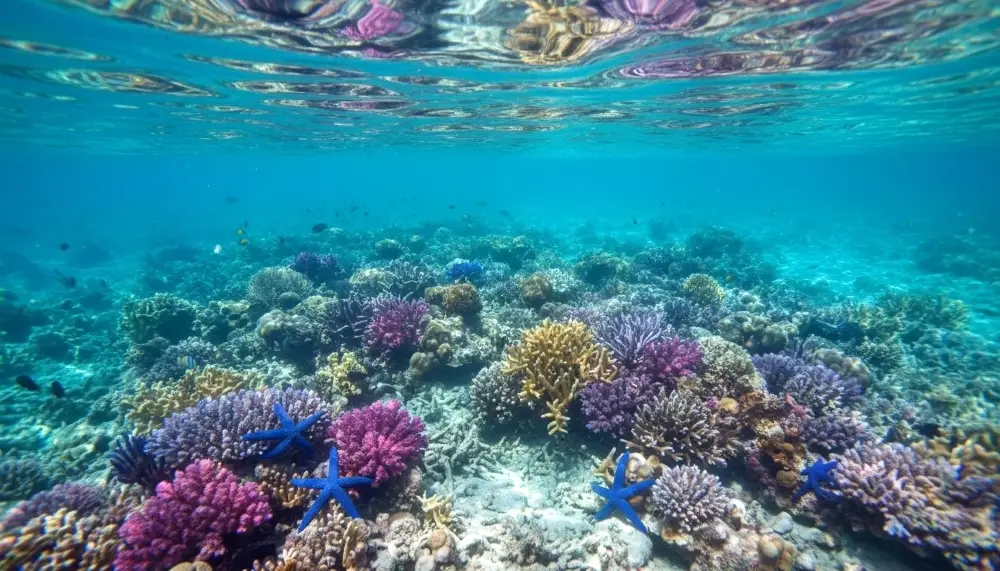
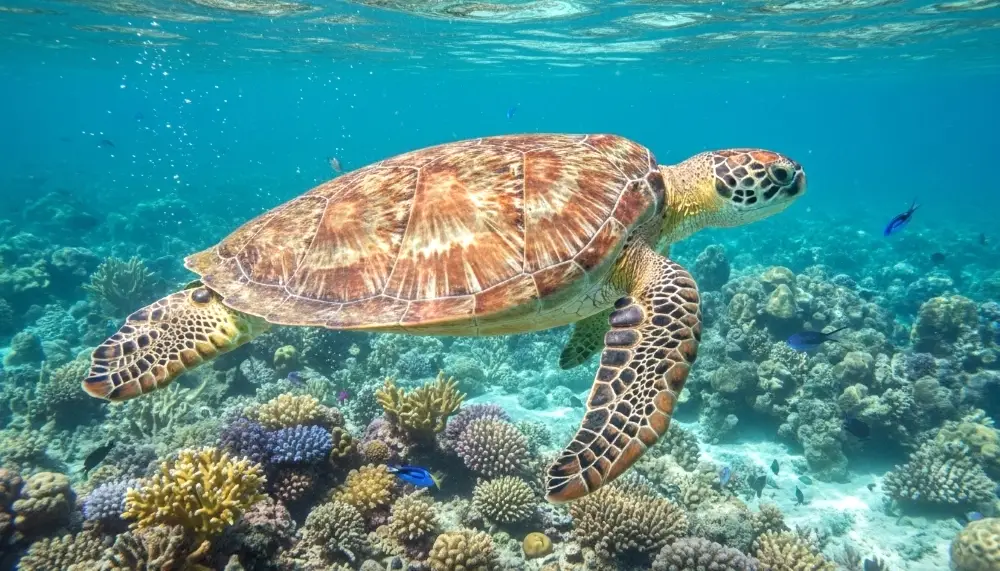
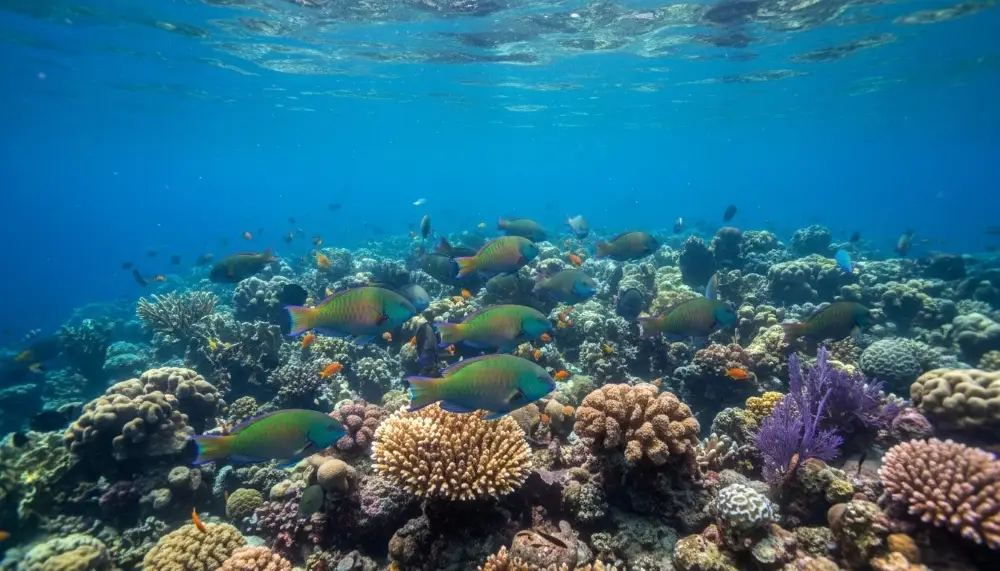
Coral reefs themselves are equally stunning, with branching coral formations, giant sea fans, and colourful soft corals swaying in the current. At sites like Ao Tanote on Koh Tao, hawksbill turtles graze on sponges growing on the large boulders. At the Similan Islands, the sheer number of species visible on a single ninety-minute snorkel can exceed forty, ranging from tiny juvenile damselfish sheltering in coral heads to large Napoleon wrasse cruising the edges of the reef wall. Sea turtle encounters are remarkably common at Koh Tao’s Shark Bay and at various snorkel stops along the Phi Phi archipelago, particularly in the early morning when the water is undisturbed.
Best Time of Year for Snorkeling:
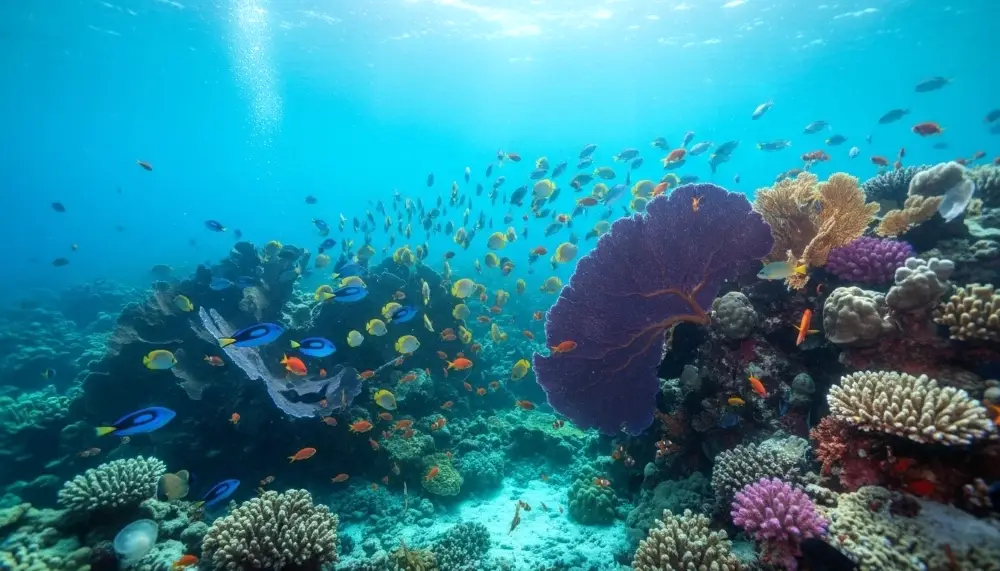
Thailand’s snorkeling conditions depend on the region and season. The two coastlines operate on different monsoon cycles, which means that with some planning you can find excellent conditions almost year-round by choosing the right coast for your travel window.
November to April: Best for the Andaman Sea (Phuket, Krabi, Phi Phi, Similan Islands). Visibility peaks between January and March, often exceeding 20 to 30 metres on the best days. Sea conditions are calm, afternoon winds are light, and the marine park at the Similans is fully open.
May to September: Better for Gulf of Thailand islands like Koh Tao and Koh Samui. The Gulf’s sheltered geography means conditions here are manageable even during the months when the Andaman Sea becomes choppy. June, July, and August are particularly reliable on the Gulf side and coincide with the European summer holiday window.
Water visibility is consistently best during calm weather when the sea is clear and gentle. If snorkeling is a priority in your itinerary, check the specific forecast for your chosen destination in the week before you travel. Wind direction and strength matter far more than the calendar month for day-to-day visibility.
Snorkeling Tours: What to Expect
Most visitors experience snorkeling through half-day or full-day boat tours. This is genuinely the best approach for first-timers and casual visitors, as it takes all of the logistical uncertainty out of the equation.
A typical snorkeling tour includes:
- Hotel pickup (in tourist areas)
- Boat transport to several reef locations
- Snorkeling equipment
- Lunch or snacks
- Professional guides
Tours usually visit 3 to 5 snorkeling spots throughout the day, giving you plenty of time to explore different reefs. Guides also help keep everyone safe and point out interesting marine life you might otherwise miss. There is a meaningful difference in quality between budget group speedboat tours (typically 1,200 to 1,800 THB per person including lunch) and private chartered longtail or speedboat experiences (4,000 to 8,000 THB for the boat). For families or groups of four or more, a private charter often works out at a similar cost per head and gives you complete control over which sites you visit and how long you spend at each one. Both Klook and Get Your Guide list vetted private charter options alongside the standard group tours, with clear photos and verified reviews to help you make the right call for your group.
Tips for First-Timers:
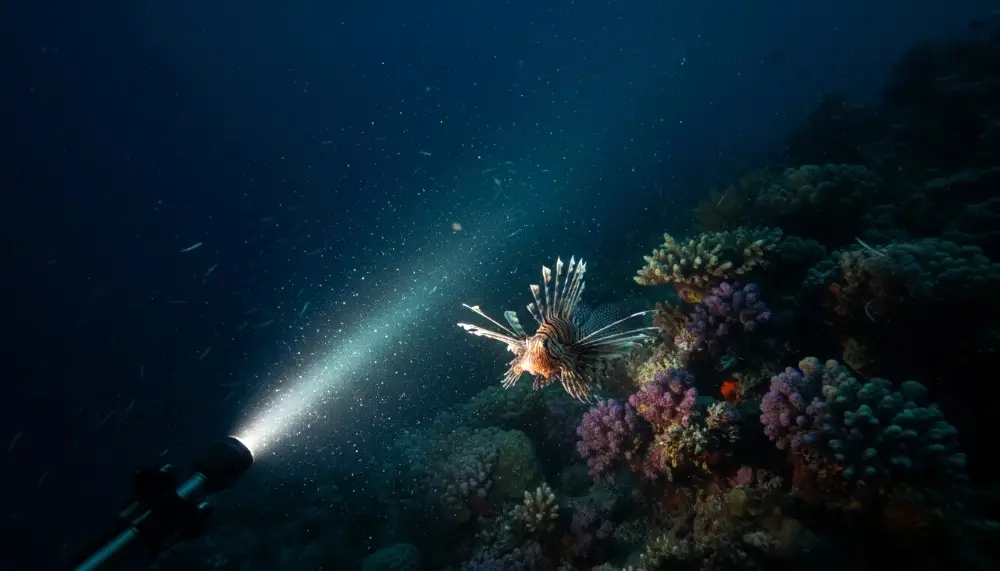
If this will be your first snorkeling experience, a few simple tips can make it much more enjoyable.
Practice breathing slowly through the snorkel before swimming too far. Most guides will spend five minutes at the boat stern helping nervous first-timers get comfortable with the mask seal and the breathing rhythm before anyone enters the open water.
Use reef-safe sunscreen to protect both your skin and the coral ecosystem. Chemical sunscreens containing oxybenzone and octinoxate are now banned in many Thai marine national parks and for good reason: they bleach coral at concentrations as low as 62 parts per trillion. Mineral-based sunscreens using zinc oxide are the recommended alternative.
Avoid touching coral or marine life. Even a light brush from a fin tip can kill coral polyps that have taken decades to grow. Practise a horizontal body position and keep your fins well above the reef surface at all times.
Wear a life jacket if you’re not a confident swimmer. Many tours provide them automatically and there is absolutely no stigma attached to wearing one in Thailand’s snorkeling culture. A good vest adds buoyancy that lets you relax completely, which in turn makes the experience significantly more enjoyable.
Floating calmly almost always attracts more fish than splashing around. Slow, deliberate fin kicks and steady breathing are the two things that separate a forgettable experience from one that stays with you for years.
A Note on Respecting Thailand’s Reefs:
Thailand has been working hard to protect its coral reefs from over-tourism and environmental damage. The temporary closure of Maya Bay between 2018 and 2022 was the most high-profile example of the country’s willingness to prioritise reef recovery over short-term tourism revenue, and the results were genuinely encouraging for conservationists.
Visitors can help by following a few simple guidelines:
- Never stand on coral
- Avoid feeding fish
- Do not collect shells or marine life
- Use eco-friendly sunscreen
Responsible snorkeling helps ensure these underwater ecosystems remain healthy for future travellers. Choosing tour operators that observe mooring buoy protocols (rather than dropping anchor on reef), limit group sizes to fifteen or fewer, and brief participants on environmental conduct before entering the water makes a tangible difference at a cumulative level. When in doubt, choose a licensed operator over a cheap beach walk-up, as licensed guides are required to follow national park environmental codes and typically carry more accountability for how their guests behave in the water.
If You’re Nervous About Snorkeling:
Many first-time travellers worry about snorkeling, especially if they haven’t spent much time in the ocean before. The good news is that Thailand is one of the easiest places in the world to try it for the first time.
The water is warm, most snorkeling locations are calm, and guides are used to helping beginners feel comfortable in the water. You can also stay close to the boat or beach while you gain confidence. Many people who feel nervous at first end up loving the experience within minutes.
A practical approach for genuinely nervous swimmers is to start with a calm, shore-entry site like Aow Leuk on Koh Tao or the northern end of Sunrise Beach on Koh Lipe, where the water is shallow enough to stand and the current is minimal. Spending thirty minutes here before committing to a full boat tour gives you a sense of how comfortable the equipment feels, how your body behaves in salt water, and how close the fish actually are. The majority of people who take this approach arrive at a snorkeling tour the following day feeling relaxed and genuinely excited rather than anxious.
Children from around eight years old typically take to snorkeling in Thailand immediately. The warm water, the abundance of visible life near the surface, and the manageable equipment sizes available at most tour operators make it an ideal family activity. Look for tours that specifically mention child-sized gear and shallow reef visits in their listings on Klook or Get Your Guide to ensure the experience is calibrated properly for younger participants.
Frequently Asked Questions:
What is the best month for snorkeling in Thailand?
The peak window for the Andaman Sea is November to April. January through March delivers the clearest conditions, with visibility often exceeding 20 to 30 metres at premium sites like the Similan Islands and around Koh Phi Phi. For the Gulf of Thailand, February to August offers the calmest seas and highest visibility, with June, July, and August being particularly reliable for Koh Tao and Koh Samui. Koh Lipe and the Tarutao National Marine Park in the far south follow the Andaman pattern and are closed to visitors between mid-May and mid-October.
Do I need to pay to snorkel on public beaches?
Access to the water itself on Thai public beaches is free, but reaching some of the best snorkeling sites involves fees. National marine park entry for foreigners typically costs 200 to 400 THB per visit (the Similan Islands charge 500 THB as of 2026). Certain beaches accessible only via private land require a 100 to 200 THB access fee. These costs are almost always included in the price of organised tours booked through platforms like Klook or Get Your Guide, so check the inclusions carefully before comparing tour prices.
Are there sea urchins in the shallow reefs?
Yes, long-spined sea urchins are common in shallow Thai reefs, particularly in rocky areas at depths of one to five metres. They are most active at night, but clusters can be found in shaded crevices during the day. Wearing fins with a closed-toe design significantly reduces the risk of contact, and maintaining horizontal buoyancy (keeping your legs and fins elevated rather than dangling vertically) is the single most important habit to develop. Water shoes are useful at rocky entry points but offer limited protection in open water snorkeling.
Can I rent snorkeling gear on the beach?
Yes. Most popular shore-entry sites including Ao Tanote and Shark Bay on Koh Tao, and the main beaches on Koh Lipe, have rental shacks offering a mask, snorkel, and fins for approximately 100 to 150 THB per day. The quality of rental gear varies significantly. If you plan to snorkel regularly across a multi-week trip, investing in your own mask (available in Phuket or Koh Samui dive shops from around 500 to 1,200 THB) almost always delivers a better seal, better visibility, and a more comfortable experience than the standard rental equipment.
Is it safe to snorkel alone in Thailand?
Shore snorkeling at calm, popular beaches like Aow Leuk on Koh Tao or the northern end of Sunrise Beach on Koh Lipe is considered safe for confident swimmers who inform their accommodation of their plans before entering the water. Open water snorkeling from boats should never be done alone. Strong tidal currents, particularly around island headlands, can overpower even experienced swimmers quickly. The essential rule is simple: never snorkel alone in open water, always have a surface marker buoy (SMB) in your pocket when exploring away from the main group, and check current conditions with local dive shops before any unguided session.
What is the difference between snorkeling and freediving in Thailand?
Snorkeling involves floating on the surface and breathing continuously through a snorkel tube while observing what lies below. Freediving involves breath-hold diving to depth without any breathing apparatus, typically reaching 5 to 30 metres or more. Thailand, and Koh Tao in particular, has a thriving freediving scene with certified courses available from around 8,000 to 12,000 THB for a two-day AIDA 2 qualification. Snorkeling requires no training, while competitive freediving requires significant instruction and progressive depth practice. Many enthusiastic snorkelers naturally transition to freediving after visiting Thailand, as the warm clear water provides ideal learning conditions.
Can children snorkel in Thailand?
Yes, and Thailand is genuinely one of the best destinations in the world for introducing children to snorkeling. Children from around seven to eight years old typically adapt quickly, particularly at shallow, calm sites with abundant visible marine life. The key is choosing the right site and tour operator. Look for tours on Klook or Get Your Guide that specifically mention child-sized equipment, shallow reef visits, and life vests as standard inclusions. Koh Samui’s northern bays, the Aow Leuk site on Koh Tao, and the resort-adjacent sections of Sunrise Beach on Koh Lipe are all ideal first experiences for children.
Do I need to know how to swim to snorkel in Thailand?
You do not need to be a strong swimmer to enjoy snorkeling in Thailand, but a basic level of water comfort is important. Non-swimmers can snorkel safely with a full life vest that keeps them buoyant on the surface without any active effort. Many tour operators on Koh Samui and in the Phi Phi area specifically accommodate non-swimmers with pool noodles and additional guide support at snorkeling stops. If you are genuinely uncomfortable in the water, consider a glass-bottom boat tour as an alternative, which provides a clear view of the reef without requiring water entry at all.
What happens if a snorkeling tour gets cancelled due to weather?
Tour operators in Thailand generally reschedule or refund snorkeling tours cancelled due to weather, but the policies vary between operators. Tours booked through platforms like Klook and Get Your Guide typically include 24-hour free cancellation policies, which means you can cancel or reschedule without penalty if conditions deteriorate before your departure time. For tours booked directly with local operators, confirm the weather cancellation and refund policy in writing before paying. During the Andaman monsoon season (May to October), some operators offer partial refunds for shortened tours due to sea conditions rather than full cancellations, so reading the small print matters.
What should I bring on a snorkeling day trip in Thailand?
The essentials for a comfortable snorkeling day trip are: reef-safe mineral sunscreen, a rash guard or lightweight wetsuit top for sun protection during long surface sessions, a waterproof phone case or small underwater camera, a microfibre towel (quick-drying and compact), cash in THB for national park entry fees if not included in your tour price, and a dry bag for your phone and valuables on the boat. Water shoes are useful for rocky beach entries. A small first aid kit with antiseptic spray is worth carrying for any superficial coral scratches. Most snorkeling day trips include lunch, but carrying extra snacks and a full water bottle ensures you don’t flag energy mid-afternoon when you’re still several reef stops from the return journey.