Thailand Island Hopping
This site contains affiliate links. We may earn a commission at no extra cost to you.
Thailand is famous for its tropical islands, turquoise water, limestone cliffs, and beaches that look like they belong on a postcard. For many first-time visitors, island hopping becomes the highlight of their entire trip. It’s where Thailand’s natural beauty, relaxed atmosphere, and adventurous spirit truly shine.
Whether you’re dreaming of swimming in clear blue lagoons, exploring hidden beaches, or watching fiery sunsets with your feet in the sand, Thailand offers some of the best island hopping experiences in the world. The remarkable thing is just how accessible all of it is. You don’t need to be an experienced traveller or carry a bulging itinerary. A rough plan, a light bag, and a sense of curiosity are genuinely enough.
What is Thailand Island Hopping?
Thailand island hopping simply means visiting multiple islands during your trip rather than staying in just one place. Because many Thai islands are close together, it’s easy to travel between them by ferry, speedboat, or organised tour.
Most travellers choose one island group as their base and then explore nearby islands over several days. The rhythm becomes surprisingly natural: a morning crossing, an afternoon settling in, and an evening discovering a new beach bar or night market.
Popular island hopping regions include:
- The Andaman Sea on Thailand’s west coast
- The Gulf of Thailand on the east side of the peninsula
Both offer stunning beaches, crystal-clear water, and unforgettable scenery. The two regions do have different personalities, different weather patterns, and even different traveller demographics, so choosing the right one for your travel style makes a meaningful difference to your experience.


Book Thailand day trips, attractions,
and activities in one place. Check
real reviews and lock in your spot
before the popular slots go.
The Two Main Island Regions in Thailand:

The Andaman Sea Islands (West Coast)
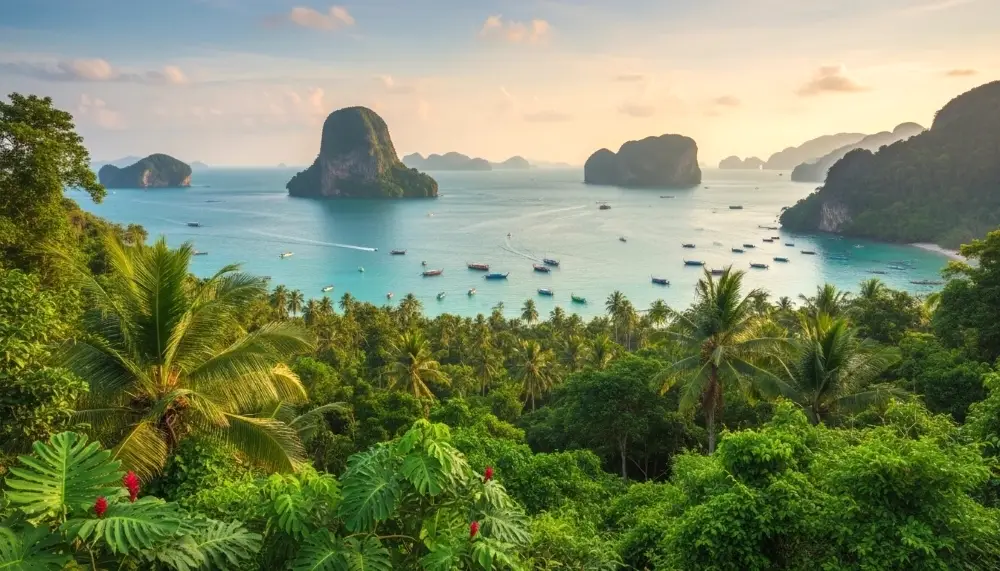
The Andaman route is the premier choice for dramatic limestone cliffs and turquoise waters, best explored between November and April. Start in Phuket for logistics, transit through Koh Phi Phi for social energy, and conclude in Krabi (Ao Nang or Railay) for world-class rock climbing and mainland jungle access.
The journey typically begins at Phuket International Airport (HKT). To reach the pier, skip the aggressive touts and head to the official Grab booth at Gate 8. A private car to Rassada Pier costs approximately 850 THB. From here, large ferries to Koh Phi Phi Don take roughly two hours and cost 600 THB. Before you land, activate an Airalo or Yesim eSIM on your device. Grab and other local apps require an SMS verification code the moment you open them, and airport Wi-Fi is rarely reliable enough to complete registration smoothly.
While Phi Phi is famous for Maya Bay, the contrarian choice is a sunrise private longtail hire (1,500 to 2,500 THB) to beat the 9:00 AM speedboat crowds from Phuket. After the social buzz of Phi Phi, take a speedboat to Ao Nang, Krabi (900 THB). Avoid the overpriced tourist vans at the pier; use the Bolt app to secure a ride to your resort for roughly 300 THB.
The Gulf of Thailand Islands (East Coast):
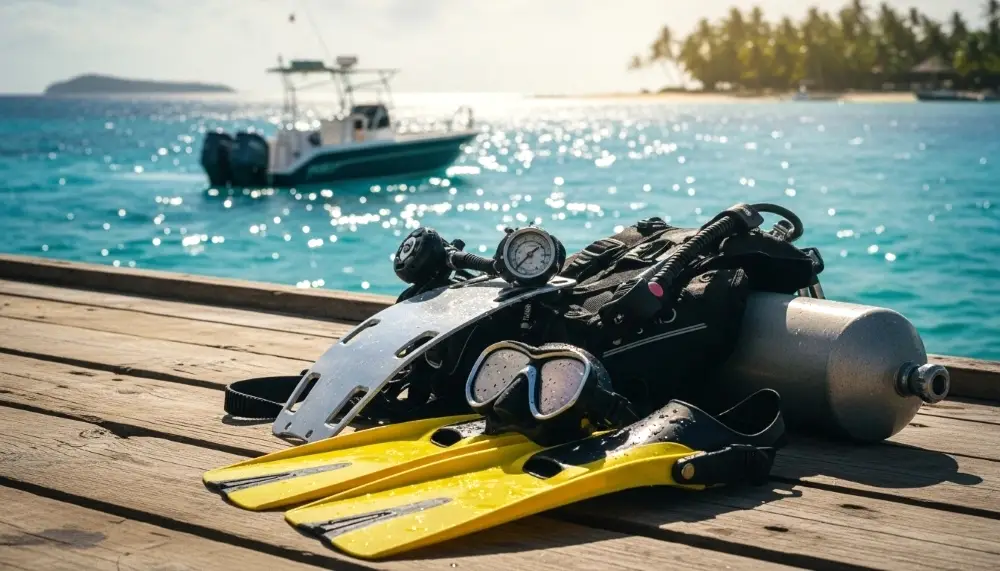
The Gulf of Thailand circuit offers a sheltered microclimate ideal for summer travel (June to August). Koh Samui serves as the luxury hub, Koh Phangan as the wellness and event epicenter, and Koh Tao as the global capital for affordable PADI diving certifications and vibrant coral reefs.
This route is powered by the Lomprayah High-Speed Catamaran service. A combined ticket from Koh Samui to Koh Tao costs roughly 700 THB. Samui is the only island here with an airport (USM), but it is a private monopoly, making flights expensive. For a budget alternative, fly into Surat Thani (URT) and take the bus-and-ferry combo for 500 THB. Lock in your Lomprayah tickets in advance through 12GO, especially around Thai public holidays when ferries sell out days ahead.
Koh Tao is often misrepresented as only for divers. In reality, the island’s hiking trails to John-Suwan Viewpoint offer some of the most spectacular vistas in the country for a 50 THB entry fee. When on Koh Phangan, look beyond the Full Moon Party. The northern coast around Chaloklum provides a quiet, sophisticated escape with high-end villas and artisan cafes.

From classic Thailand highlights to
hidden-gem private tours. Cancel
free up to a day before your
start time if plans change.
Why Island Hopping is Perfect:

One of the best things about Thailand is how easy it is to explore multiple destinations in a single trip. Island hopping allows you to experience different styles of islands without needing complicated travel plans.
For example, during one island-hopping route you might:
- Snorkel in coral reefs in the morning
- Relax on a quiet beach in the afternoon
- Watch a sunset from a beach bar in the evening
Each island has its own personality, so hopping between them keeps the journey exciting. Phuket delivers the infrastructure and nightlife of a major resort destination. Koh Phi Phi offers raw cinematic beauty. Railay Beach, accessible only by boat despite being on the mainland, feels genuinely remote. Koh Lanta is where families and digital nomads go to decompress properly. No single island gives you all of this, which is precisely why moving between them is so rewarding.

Pick a Thailand eSIM plan that matches
your trip length on Airalo’s global
marketplace. Install before departure
and you’re online the moment you land.
Cost Comparison:
Detailed planning ensures expectations meet reality regarding travel times and financial outlays.
| Route Feature | Andaman Odyssey | Gulf Trinity | The Deep South (Lipe) |
|---|---|---|---|
| Primary Vibe | Cinematic & Dramatic | Social & Wellness | Remote & Pristine |
| Peak Season | Nov – April | Jan – August | Dec – March |
| Ferry Cost (Avg) | 600 – 1,000 THB | 400 – 700 THB | 1,200 – 1,800 THB |
| Daily Spend | 3,500 THB | 2,800 THB | 4,000 THB |

From boutique guesthouses to five-star
resorts, Agoda has Thailand covered.
Strong Asia inventory means deeper
discounts than you’d find elsewhere.
Popular Thailand Island Hopping Routes:
Phuket – Phi Phi – Krabi Route
This is one of the most famous island hopping routes in Thailand and for good reason. The journey from the urban energy of Phuket to the dramatic twin-peaked silhouette of Koh Phi Phi Don to the karst-framed calm of Krabi hits every note perfectly.
Typical stops include:
- Phuket as your starting point
- Koh Phi Phi for dramatic cliffs and boat tours
- Krabi or Railay Beach for stunning scenery and climbing cliffs
This route offers the classic Thailand island experience. Budget 5 to 7 days minimum to appreciate each stop without feeling rushed. Families tend to love this circuit because the ferries are large, comfortable, and run on a reliable schedule. Adventurous couples and solo travellers thrive here too, particularly those who want to mix diving, rock climbing, and nightlife into the same trip. Book your day tours through Get Your Guide or Klook to lock in prices and avoid the over-charging that can hit walk-ins at popular Phi Phi departure points.


Koh Samui – Koh Phangan – Koh Tao Route
Another fantastic route runs through the Gulf of Thailand. Travellers usually start in Koh Samui and then move between nearby islands using regular ferries.
Highlights include:
- Koh Samui‘s beaches and temples
- Koh Phangan‘s mix of nightlife and quiet bays
- Koh Tao‘s world-class snorkelling and diving
Because the islands are so close together, the journey between them is quick and easy. Samui makes an excellent base for families, with its international-standard resorts, airport access, and well-developed infrastructure. From there, Koh Phangan is a 30-minute crossing, and Koh Tao adds another 90 minutes north. The Lomprayah catamaran is comfortable, punctual, and the single best way to link these three islands. For accommodation, Agoda consistently delivers better regional rates than international booking platforms, particularly for mid-range resorts on Samui and beachfront bungalows on Koh Tao.

Saily’s Thailand eSIM costs less than
most tourist SIMs charge per day.
Easy install, transparent pricing,
and solid NordVPN infrastructure.
The Deep South: Koh Lipe and the Tarutao Archipelago
Seasoned island hoppers who have already done the Andaman classics tend to gravitate south towards Koh Lipe, a tiny island that sits just a few kilometres from the Malaysian border. The journey itself is part of the magic: a speedboat from Pak Bara pier or a connection from Langkawi across the border.
Koh Lipe’s three main beaches, Sunrise, Sunset, and Pattaya, are genuinely among the most beautiful in the entire country. The water here has a clarity and colour that regularly leaves first-timers speechless. The surrounding Tarutao Marine National Park protects the reefs, which means the snorkelling is exceptional and the underwater world feels distinctly untouched compared to the busier Andaman spots further north.
The trade-off is access. Getting here requires either a long overland journey to Pak Bara or a flight into Hat Yai followed by a transfer. Ferry costs between 1,200 and 1,800 THB reflect the remoteness. Daily spend runs higher at around 4,000 THB because supply chains to this small island make fresh produce and imported goods more expensive. That said, the quality of bungalow accommodation here, particularly the boutique options on Sunrise Beach, is exceptional. Search Booking.com alongside Agoda to compare; prices can vary noticeably between platforms for this destination.
Pro Tips For Stress Free Travel:

Booking a private boat in 2026 is streamlined via digital platforms. Use Grab or Bolt for transport to the pier to avoid the high taxi mafia rates at the docks. For pre-booked excursions, Klook and Get Your Guide offer verified reviews, while Agoda remains the gold standard for regional accommodation near the marinas.
Insurance: Ensure your travel insurance covers “boating activities,” as standard policies often exclude private charters. If you’re planning a longer stay or working remotely, SafetyWing’s Nomad Insurance is worth serious consideration as a secondary policy layer that covers remote work scenarios standard travel insurance rarely touches.
Essential Apps: Grab (Transport), Klook (Bookings), Yesim (eSIM), and Nord VPN (Secure Booking).
Currency: Always carry physical THB in 100 and 500 denominations. Island vendors rarely accept credit cards.
Connectivity: Marine signals are strong near Phuket, but a reliable eSIM ensures GPS tracking in remote bays. Using NordVPN when connecting to resort or cafe Wi-Fi adds an essential security layer, particularly when accessing banking apps or making bookings from shared networks.

Maps, Grab, translation apps all need
data in Thailand. Yesim’s eSIM installs
in a minute and gives you reliable
5G from the moment you arrive.
How to Travel Between Islands:
Thailand’s island transport system is surprisingly simple. Once you understand the basic hierarchy of vessels and know where to book, moving between destinations becomes second nature.
The most common ways to travel between islands include:
- Ferries – comfortable and affordable
- Speedboats – faster for shorter routes
- Organised boat tours – perfect for day trips
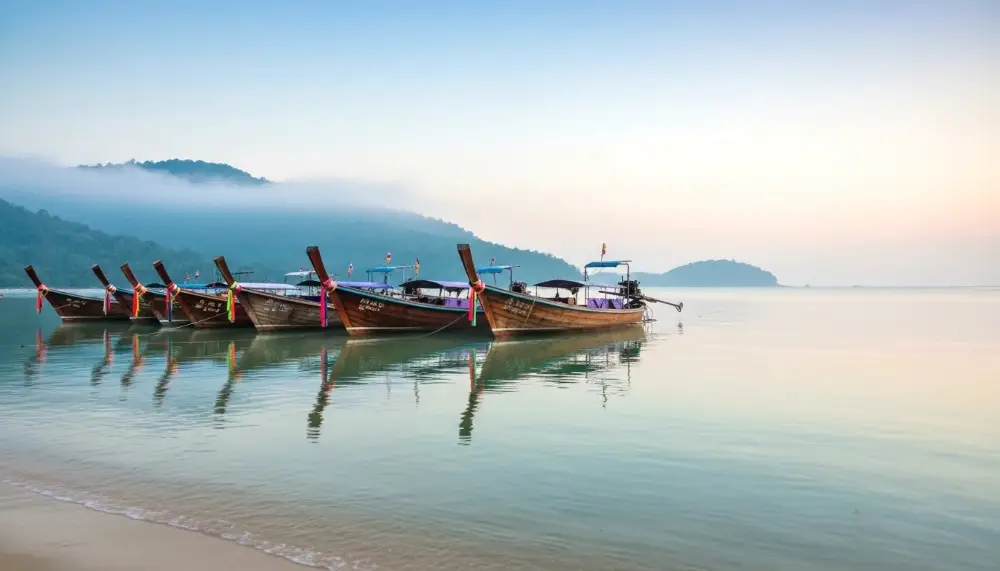
Tickets are easy to book online or through hotels and travel agencies once you arrive. Large catamaran ferries like those operated by Lomprayah and Seatran are the most comfortable option for longer crossings and handle moderate swell well. Speedboats cover distances faster but can be a bumpy ride in choppy conditions. For short hops within a bay or between nearby islands, longtail boats are an iconic and affordable option, though they are weather dependent.
Many travellers start their journey in Bangkok before flying south to the islands. Others combine island hopping with a northern adventure in Chiang Mai. Thailand’s domestic flights make it easy to move between these regions. If you experience a significant flight delay on the way in or between islands, AirHelp is worth knowing about as a service that handles compensation claims on your behalf, which many travellers successfully use for domestic Thai aviation disruptions.
Practical Tips for Island Hopping:
A little planning can make your island hopping adventure even smoother. Here are some helpful tips for first-time visitors:
Transport: Grab (Gold standard for safety), Bolt (Cheaper, but requires walking outside airport perimeters), and 12Go Asia (Inter-city bookings). For airport group arrivals with family, Welcome Pickups offers a stress-free alternative that pre-negotiates rates and sends a named driver, removing the usual pier-side chaos entirely.
Accommodation: Agoda (Often cheaper than Booking.com in Asia) and Klook (Best for discounted island day tours).
Connectivity: Yesim or Airalo for eSIMs; Nord VPN for secure banking.
Finance: Always choose “Continue Without Conversion” at ATMs to let your home bank handle the THB exchange rate. The standard ATM fee is 220 THB per withdrawal.
Pack light. Moving between islands is easier with a small suitcase or backpack. A 40-litre bag is the sweet spot for a two-week island circuit.
Check the seasons. The Andaman coast and Gulf islands have slightly different weather patterns, so choosing the right region for the time of year helps avoid heavy rain.
Book ferries in advance during busy periods. High season (December to March) can be very popular, and popular crossings sell out well ahead.
Stay at least two nights per island. This gives you time to relax rather than constantly travelling.
What to Eat While Island Hopping:
Food is one of the great underrated pleasures of the island circuit. Each stop offers its own culinary microclimate. Phuket’s Chinese Peranakan heritage means the food culture there is richer and more layered than most visitors expect. Koh Tao’s international dive community has seeded the island with excellent coffee shops, vegan cafes, and surprisingly good European food alongside the Thai staples.
A few things to keep in mind across all the islands:
- Fresh seafood grilled at beach shacks is almost always excellent and priced fairly. A whole grilled fish with rice and som tam rarely costs more than 200 to 300 THB.
- Night markets on larger islands like Samui and Phuket offer the best value meals and the widest variety. Budget around 60 to 120 THB per dish.
- Resort beachfront restaurants add a significant premium for the view. Save these for sunset cocktails rather than daily meals if you’re watching costs.
Cooking classes are one of the most memorable experiences you can book on the islands. Klook lists several well-reviewed options on Koh Samui and Phuket, usually running three to four hours in a morning session and covering four to five classic dishes.
Cultural Tips for Visiting Thai Islands:

Respecting Thai social hierarchies and financial norms is essential for a seamless experience. Always remove shoes before entering homes or shops, dress modestly at temples, and understand that listed prices in upscale restaurants often exclude a 10% service charge and 7% VAT (the “Plus Plus” system).
Tipping is not a traditional Thai custom, but in the 2026 tourism economy, it is appreciated. For a private longtail driver who provides exceptional service, a 100 to 200 THB tip is generous. In restaurants, rounding up to the nearest 20 or 50 THB is standard.
When visiting temples like Wat Chalong in Phuket, shoulders and knees must be covered. Carrying a light sarong is a practical expert move to avoid renting sweaty communal robes at the gate. Never point your feet at a Buddha image, and always step over temple thresholds rather than on them. These small gestures signal genuine respect and will earn you warmer interactions throughout your stay.
The Thai concept of “saving face” is deeply important in all interactions. If a vendor quotes a price that seems too high, negotiate gently and with a smile. Walking away abruptly or displaying frustration creates an awkward situation for everyone. A relaxed, cheerful approach to everything, from missed ferries to overcooked pad thai, will serve you infinitely better than any sense of entitlement.
Island Hopping for Digital Nomads and Remote Workers:
Thailand’s island circuit has evolved into one of the most compelling remote work destinations in Southeast Asia. Koh Samui, Koh Lanta, and the Chaloklum area of Koh Phangan now offer co-working spaces with reliable fibre connections, quiet beach cafe environments, and month-to-month villa rentals at rates that make long-term stays genuinely cost-effective.
For nomads planning stays of one month or more, a few essentials make the experience significantly smoother:
- A Saily or Airalo eSIM with a rolling data plan eliminates dependence on any single island’s broadband infrastructure.
- NordVPN running on all devices keeps banking, client portals, and sensitive communications secure on shared networks, which are the norm in island accommodation.
- SafetyWing’s Nomad Insurance is tailored specifically for people working while travelling, covering healthcare in Thailand for a fraction of standard expat medical plan costs.
Koh Lanta deserves a special mention for remote workers. The island’s laid-back pace, well-maintained roads, reliable electricity, and strong 4G coverage across most of the west coast make it an ideal base. Agoda offers some excellent long-stay rates for studios and one-bedroom apartments here, particularly outside the peak November to January window.
If You’re Nervous About Your First Trip:
Many first-time visitors worry that island hopping will be complicated or stressful. In reality, Thailand is one of the easiest countries in the world for independent travel. Tourism is well developed, transport is reliable, and locals are used to helping international visitors.
You’ll find:
- English widely spoken in tourist areas
- Clear travel routes between islands
- Plenty of travel agencies that can help organise transport
For most travellers, the biggest challenge isn’t getting around; it’s deciding which island to visit next. If the logistics feel overwhelming at the planning stage, remember that many people simply book their first two nights and figure the rest out on arrival. The island information offices and guesthouse front desks in Thailand are genuinely helpful, knowledgeable, and usually have up-to-date ferry information that surpasses anything you’ll find online.
Families travelling with young children will find the large Lomprayah and Seatran ferries well-suited to the journey. Life jackets are provided, crossing times are predictable, and most vessels have covered seating with air conditioning. Pre-book ferry tickets through 12GO to secure seats during school holiday periods when families travel in bulk.
The Magic of Thailand’s Islands:
Island hopping in Thailand is more than just moving between beaches. It’s about discovering hidden lagoons, swimming in warm tropical water, tasting fresh seafood, and watching sunsets that turn the sky orange and pink.
One day you might be kayaking past limestone cliffs. The next day you could be snorkelling above coral reefs filled with colourful fish.
It’s this sense of freedom and discovery that makes island hopping one of the most unforgettable travel experiences in Thailand. There’s a particular moment that almost every island hopper describes: standing on a ferry deck somewhere between two islands, the sea wind cutting through the heat, the outline of a new coastline growing sharper on the horizon. It’s the moment you understand why so many people come for two weeks and start looking for ways to stay for two months.

Start Your Thailand Island Adventure:

For many travellers, Thailand’s islands become the highlight of their journey. The combination of breathtaking scenery, welcoming culture, and easy travel makes exploring them both exciting and relaxing.
Whether you begin in Bangkok, explore the temples of Chiang Mai, or head straight to the southern beaches, island hopping adds an unforgettable tropical chapter to your Thailand adventure.
Once you experience your first Thai island sunset, it’s easy to understand why so many travellers fall in love with this beautiful country. The practical side of planning this trip is far simpler than most first-timers expect. Sort your eSIM before departure with Airalo or Yesim, lock in your first two nights on Agoda, browse day tours on Klook, and let Thailand do the rest. The islands have a way of revealing the best version of every trip they’re part of.
Frequently Asked Questions:
Which island is best for first-timers?
Phuket is the normal starting point due to its international airport and diverse infrastructure. It offers a soft landing with familiar amenities, reliable transport links, and a wide range of accommodation options before venturing to more remote islands like Koh Lipe or Koh Lanta. Families with younger children often find Koh Samui equally suitable as a first island base, given its airport, international-standard medical facilities, and calm beaches on the northern and eastern shores.
Is island hopping expensive in 2026?
Costs have risen roughly 15% since 2024. A mid-range traveller should budget 3,500 THB per day to cover boutique accommodation, two restaurant meals, and ferry transfers. Budget backpackers can comfortably manage on 1,800 to 2,200 THB per day by staying in fan-cooled bungalows, eating at local markets, and booking shared speedboat transfers rather than private longtails. Families and couples wanting air-conditioned resort rooms, daily activities, and occasional beach bar sundowners should plan for 5,000 to 7,000 THB per person per day. Using local markets and Bolt instead of Grab can reduce transport costs significantly across all budgets.
How do I book ferries between islands?
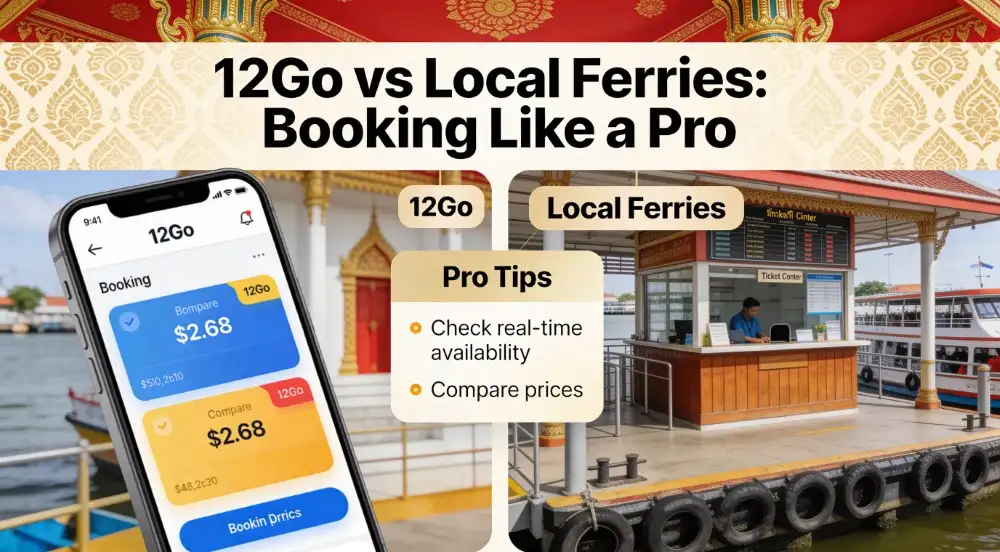
Use 12Go Asia or Klook for advance bookings to secure seats during peak season (December to February). Both platforms display multiple operators, compare journey times, and issue e-tickets that pier staff accept on arrival. For shorter hops, such as Phuket to Phi Phi, tickets can be purchased directly at the pier 30 minutes before departure for a slight discount. Avoid booking through accommodation touts at the ferry terminal as they typically charge a 100 to 200 THB premium on top of the standard fare.
Can I travel between islands during the monsoon season?
Yes, but with important caveats. The Andaman Sea can be rough from June to October, leading to frequent speedboat cancellations, particularly on shorter longtail routes. Large ferries operated by companies like Seatran and Lomprayah usually still run, but itineraries should remain flexible to account for weather delays. The Gulf of Thailand experiences its monsoon later, typically October to December, making it a smart alternative for travellers visiting during the European summer. Always check current sea conditions via the Thai Meteorological Department’s forecast page before booking speedboat tickets.
Do I need travel insurance for island hopping in Thailand?
Yes, without question. Standard travel insurance policies frequently exclude or limit coverage for water-based activities including speedboat transfers, longtail boat tours, snorkelling excursions, and scuba diving. Before purchasing, read the policy small print for specific exclusions around boating activities and any depth limits for diving coverage. Confirm that emergency medical evacuation is included, as the costs of airlifting from a remote island to a mainland hospital can reach hundreds of thousands of baht. Travellers planning extended stays or working remotely should look into SafetyWing as a supplementary option that handles longer-term health scenarios standard travel insurance policies do not typically cover.
What is the best time of year to visit the Thai islands?
The optimal timing depends on which coast you’re visiting. For the Andaman Sea islands including Phuket, Koh Phi Phi, Krabi, and Koh Lanta, November through April offers the calmest seas, clearest skies, and best visibility for diving and snorkelling. For the Gulf of Thailand circuit covering Koh Samui, Koh Phangan, and Koh Tao, January through August is generally reliable, with June to August representing excellent value outside the European peak holiday weeks. Koh Lipe in the deep south has the shortest reliable window, roughly December through March, and completely closes to tourism between mid-May and mid-October when speedboat services are suspended.
How many islands should I plan to visit in one trip?
For a 10-day trip, three islands is the sweet spot. Two weeks comfortably accommodates four to five islands if you’re moving efficiently and not spending long transit days. The temptation to pack too many destinations into a short window is common among first-timers and almost always results in a trip that feels more exhausting than relaxing. A far more satisfying approach is to choose two or three islands and give yourself three to four nights at each, allowing you to find your favourite beach, discover a good restaurant twice, and genuinely settle in rather than living out of a bag on the move every 48 hours.
Is it safe to island hop solo as a woman?
Thailand consistently ranks among the safest destinations for solo female travellers in Southeast Asia. The main island routes are well-worn, heavily touristed, and served by reliable public transport with established operators. Practical safety considerations include using Grab rather than unlicensed taxis when travelling alone at night, keeping your eSIM active for continuous connectivity (Airalo and Yesim both work reliably across the main islands), and booking accommodation in well-reviewed guesthouses rather than isolated bungalows if arriving alone for the first time. Many female solo travellers describe Koh Lanta and northern Koh Phangan as their favourite bases for combining a sense of safety with a genuine community of other independent travellers.
Can I bring children on a Thailand island hopping trip?
Absolutely, and families consistently rate Thailand island hopping as one of the best experiences they’ve had with children. The key is adjusting the route and pace to suit your family. Koh Samui’s large beach resorts offer swimming pools, kids’ clubs, and calm shallow bays ideal for young swimmers. Koh Lanta has a particularly laid-back energy that families find easy to settle into. Avoid cramming too many crossings into a single day with young children, as even calm seas can feel long on a speedboat. Book larger Lomprayah or Seatran catamaran services for the main crossings and reserve longtail hires for shorter bay hops in calm conditions. Pack reef-safe sunscreen, as many marine parks now prohibit chemical sunscreens near protected reefs.
What connectivity and data options work best across the islands?
The main islands including Phuket, Koh Samui, Koh Phi Phi, and Koh Tao have strong 4G coverage from the major Thai networks (AIS, DTAC, and True Move). Physical SIM cards purchased at the airport are perfectly functional but require a working local number for some app verifications. A better approach for most visitors is to activate an eSIM from Airalo, Yesim, or Saily before departure. These plans activate instantly, avoid the airport queue, and use the same underlying networks. More remote areas including parts of Koh Lipe and the Tarutao islands have weaker signals, so download offline maps and any necessary documents before departing the mainland. For digital nomads and anyone handling sensitive work or banking transactions, NordVPN running on all devices is strongly recommended whenever connecting to shared resort or cafe Wi-Fi networks.