First Time Visiting Thailand?
This site contains affiliate links. We may earn a commission at no extra cost to you.
Planning your first trip to Thailand in 2026 can feel both exciting and overwhelming. From the bustling streets of Bangkok to the serene temples of the north and the turquoise islands in the south, Thailand offers an incredible mix of culture, adventure, and relaxation.
If you’re visiting Thailand for the first time, this guide will help you understand what to expect, how to prepare, and how to make the most of your journey.
The Quick Summary
Payment Culture: Cash remains vital for markets, while QR payments and credit cards dominate malls and hotels.
Entry Requirements: Most nationalities receive a 60-day visa exemption on arrival, though passport validity must exceed six months.
Budgeting: Daily spends range from 1,000 THB (~$28 USD) for budget travelers to over 5,000 THB (~$140 USD) for luxury seekers.
Transport: Download Grab and Bolt; avoid unmetered tuk-tuks in tourist zones like Sukhumvit or Patong.
Connectivity: Local eSIMs or physical SIM cards are essential for navigation and ride-hailing apps.


Stay closer to the action in Thailand.
Agoda lists guesthouses to resorts
with verified reviews and instant
booking at competitive rates.
Why Is Thailand Special?
Thailand is unique because of its incredible diversity. It is one of the few places in the world where you can visit a world-class luxury shopping mall in the morning and find yourself exploring a 700-year-old temple by the afternoon.
What truly sets it apart, however, is the concept of Sanuk, the Thai philosophy of striving for joy and playfulness in everything you do. You will feel this in the warmth of the locals, the vibrant colors of the street markets, and the effortless way the country welcomes visitors. Whether you are looking for a spiritual retreat, an urban adventure, or a tropical escape, Thailand delivers it with a smile.

Lock in top-rated Thailand tours with
GetYourGuide’s free cancellation
up to 24 hours before. Reserve now
and pay later if dates aren’t set.
What to Expect?
The Heat and Humidity: Thailand is tropical year-round. Expect to sweat, and plan your days accordingly. Most travelers find the cool season (November to February) the most comfortable, when temperatures hover around 25-30°C (77-86°F). The hot season (March to May) can push above 35°C (95°F), while the rainy season (May to October) brings daily downpours but also lush landscapes and fewer crowds.
The Pace of Life: In cities like Bangkok, life is fast. Tuk-tuks zip through traffic, and street food vendors work with lightning speed. Conversely, in the islands or the rural north, time seems to slow down. This contrast between urban energy and rural serenity is part of Thailand’s magic.
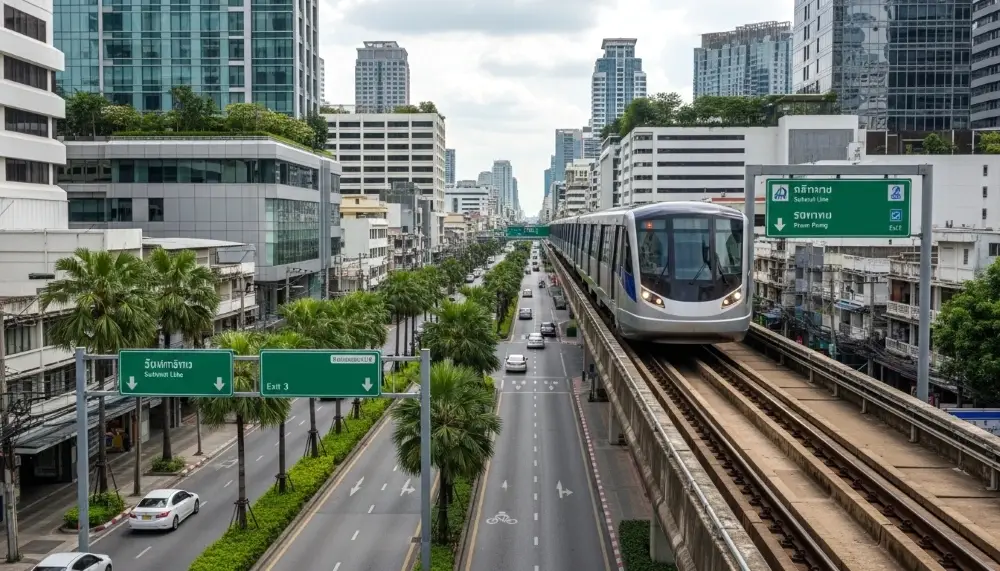
Transportation: Getting around is surprisingly easy. You can use the modern Skytrain (BTS) in Bangkok, or experience the iconic (and breezy) tuk-tuk for short hops. Domestic flights between regions are affordable and widely available.
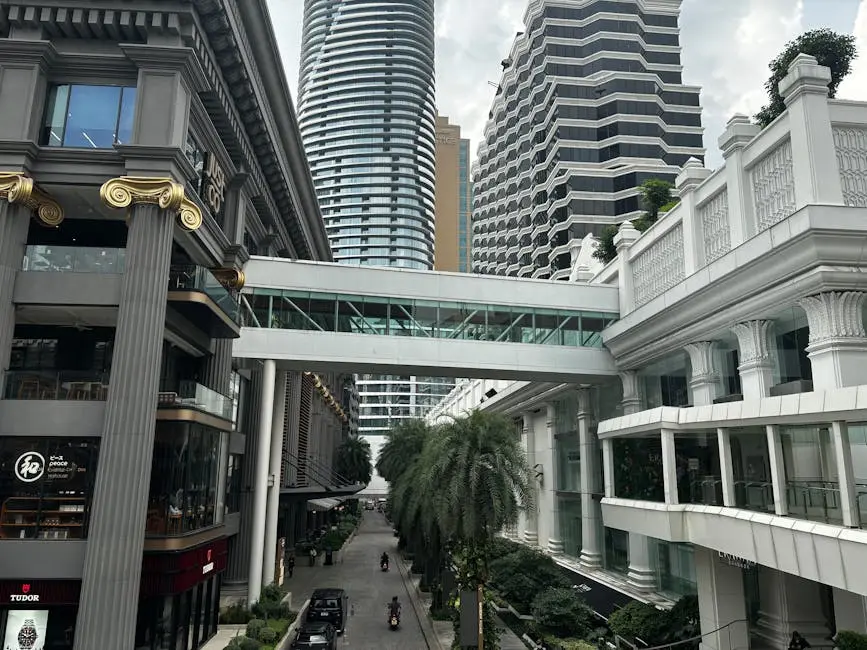
Modern Infrastructure: You are never far from a 7-Eleven or high-speed Wi-Fi. Thailand has invested heavily in infrastructure, and even small towns have ATMs, convenience stores, and cell coverage.
Daily Budget Breakdown
| Category | Budget (Local Style) | Mid-Range (Flashpacker) | Premium (Digital Nomad) |
|---|---|---|---|
| Meal | 50–80 THB (~$1.40–2.25) | 250–500 THB (~$7–14) | 1,200+ THB (~$34+) |
| Transport | 15–30 THB (~$0.42–0.85) BTS/MRT | 150–300 THB (~$4–8.50) Grab | 2,500 THB (~$70) Private Driver |
| Dorm/Room | 400–700 THB (~$11–20) | 1,500–3,000 THB (~$42–85) | 5,000+ THB (~$140+) |
| Daily Total | 1,000–1,200 THB (~$28–34) | 2,500–4,000 THB (~$70–113) | 7,000+ THB (~$196+) |

Free up your hands in Thailand from
the moment you land. Radical
Storage lets you book a secure
locker near your first stop online.
How Long Should You Stay?
First-time visitors often wonder how much time to allocate. The honest answer depends on your travel style, but here’s a framework to help you decide.
Five to Seven Days: This is ideal for a tight first visit. You can spend 3-4 days in Bangkok (temples, markets, night life), then fly north to Chiang Mai for 2-3 days of trekking, local markets, and elephant sanctuaries. You’ll get a taste of both urban Thailand and the serene north without exhaustion.
Ten to Fourteen Days: The sweet spot for most first-timers. Add a 3-4 day island stint to your Bangkok/Chiang Mai itinerary. Visit Phuket, Krabi, or the more laid-back Koh Samui, and you’ll experience mountains, cities, and tropical coastlines. This duration allows for a slower pace and genuine rest days.
Three Weeks or Longer: If you have the time, lean into it. You can island-hop (Phuket to Krabi to Koh Phangan), spend time volunteering at an ethical elephant sanctuary, explore lesser-known areas like Sukhothai or Nan Province, and genuinely absorb the rhythm of the country. Many first-time visitors who stay longer find themselves extending their trip.
A practical tip: arrive rested. If you’re crossing many time zones, add a buffer day in your first location before heavy sightseeing. Jet lag is real, and Thailand isn’t going anywhere.

Compare tours and tickets for Thailand
and book instantly on your phone.
Klook mobile vouchers mean no
printing, just turn up and go.
Essential Cultural Tips
The Wai Greeting
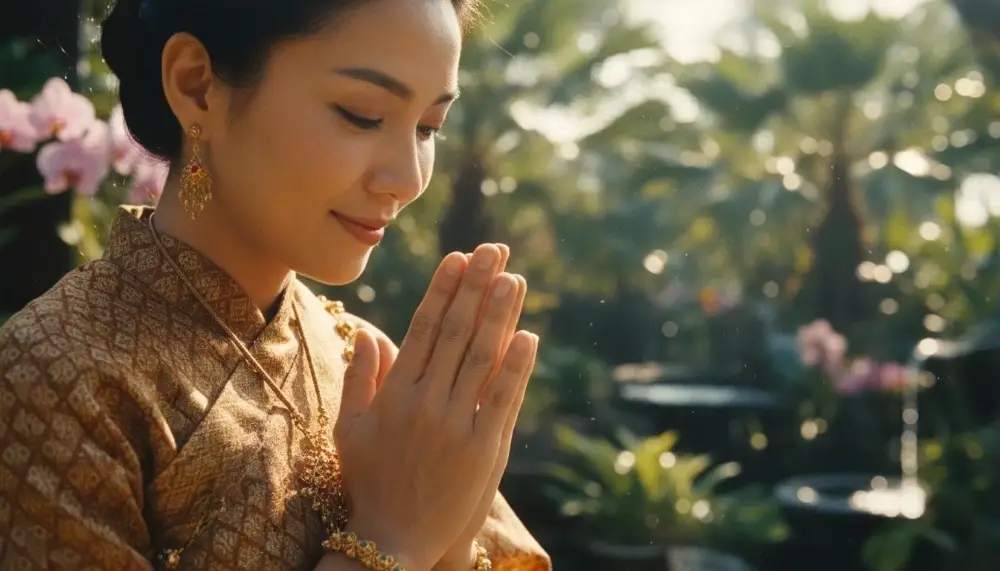
Instead of a handshake, Thais use the Wai to show respect and acknowledge others. It is a beautiful and versatile way to say hello, thank you, or goodbye.
When to Use: It is common practice to return a Wai if one is given to you, though Thais generally do not expect it from young children or service staff.
The Gesture: Place your palms together in a prayer-like gesture at chest height and give a slight bow of the head.
Social Nuance: The height of your hands often reflects the status of the person you are greeting. Generally, the higher the hands and lower the bow, the more respect is shown.
The Head and the Feet
In Thai culture, there is a distinct spiritual hierarchy regarding the human body.
Avoid Pointing: Take care to avoid pointing your feet at people, objects, or religious icons, such as Buddha statues. When sitting in a temple, it is respectful to tuck your feet behind you rather than pointing them toward the altar.
Sacred Head: The head is considered the most sacred part of the body. You should never touch someone’s head, even a child’s, as it is seen as a major sign of disrespect.
The Lowest Point: Conversely, the feet are regarded as the lowest and least clean part of the body.
Respect the Monarchy
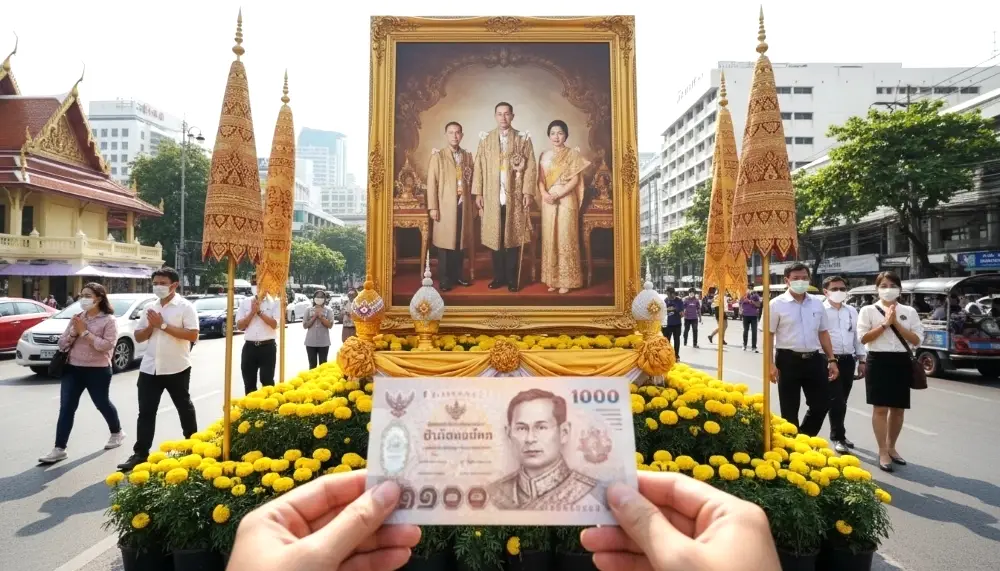
The Royal Family is deeply revered throughout Thailand, and their images are found in homes, businesses, and public spaces.
Currency Awareness: Be mindful when handling Thai currency, as it features portraits of the King. Dropping or stepping on a coin or note is considered a serious offense because you are stepping on the image of the monarch.
Reverence: It is important to remain respectful at all times when discussing the monarchy.
Public Behavior: Avoid any actions that could be seen as disrespectful to images of the King. This includes physical portraits and monuments found in cities.

From short trips to long stays in Thailand,
Airalo has flexible eSIM data plans
you install in minutes. Top up
remotely if you need more data.
Pro Tips For Stress-Free Travel
Transport: Download Grab and Bolt. These apps provide fixed pricing for cars and motorbikes, eliminating the need to negotiate with taxi drivers who refuse to use the meter.
Accommodation: Agoda often has deeper discounts in Asia compared to other platforms, while Booking.com remains reliable for flexible cancellations. Both platforms have strong reviews systems, so read feedback carefully.
Experiences: Use Klook or Get Your Guide to book ferry tickets, airport transfers, and day tours like the Ayutthaya Historical Park excursion or elephant sanctuary visits. Always ensure ethical operators with “no-riding” facilities for elephant experiences.
Connectivity: Airalo and Yesim both provide reliable eSIM data packages. Always use a NordVPN when connecting to public Wi-Fi in malls or airports to secure your personal data and banking information.
Currency: Exchange some cash at SuperRich (orange or green booths) for the best rates. Always carry 20 THB and 100 THB notes for small purchases and tipping. Most vendors in tourist areas accept cards, but rural destinations remain cash-only.
Luggage Storage: For layovers or if you want to explore en route between destinations, use verified luggage storage at train stations or hotels rather than dragging bags through temples or markets.


Skip the airport SIM queue in Thailand.
Yesim’s eSIM activates before takeoff
so you’re online the second your
plane touches the tarmac.
Food, Temples & Magic
The Food Scene
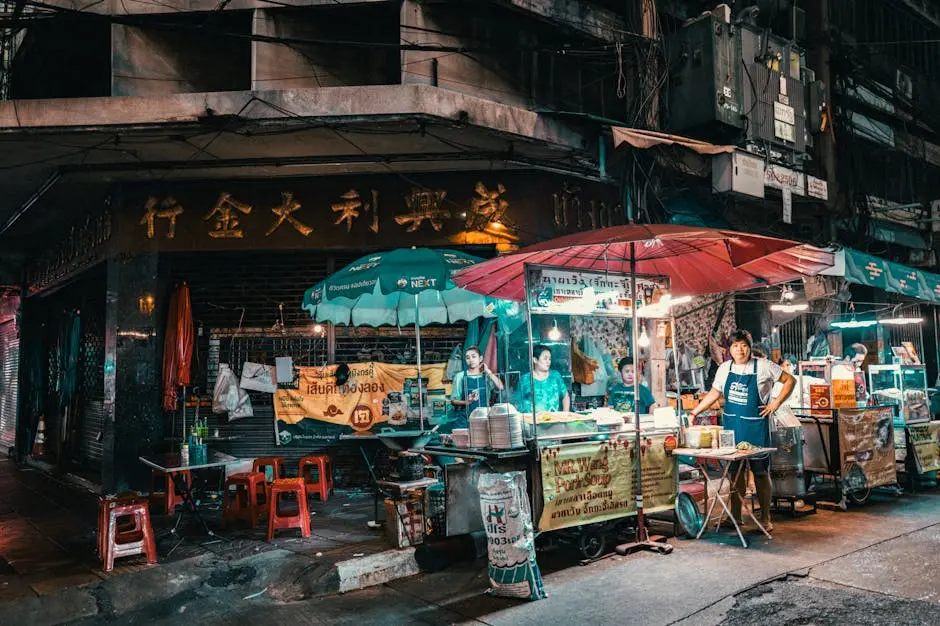
Thai food is world-famous for a reason, offering a balance of sweet, sour, salty, and spicy flavors. For your first trip, don’t be afraid of street food. Look for stalls with a high turnover of local customers, this is your guarantee of freshness. The busier the stall, the better the food.
Pro Tip: If you aren’t a fan of spice, say “mai phet” (not spicy), though keep in mind that “Thai mild” can still have a bit of a kick. If a dish is too hot, ask for a glass of milk or eat sticky rice to cool your mouth, water won’t help.
Must-Try Dishes: Start with classics like Pad Thai (stir-fried noodles), Tom Yum Goong (hot and sour shrimp soup), Gaeng Panang (rich coconut curry), and the legendary Mango Sticky Rice for dessert. Each region offers variations; what you eat in Chiang Mai will taste different from Bangkok or Phuket.
Regional Variety: As you travel from the creamy curries of the south to the herb-heavy salads and grilled meats of the northeast (Isan), and the milder dishes of the north, you’ll discover that every province has its own culinary identity. Food in Thailand is not just sustenance; it’s culture on a plate.
Visiting Temples (Wats)
Thai temples are architectural masterpieces and active centers of community life. When visiting, it is essential to follow proper etiquette to remain respectful of the local culture and religious practices. Many are free to enter, and locals appreciate visitors who make an effort to be respectful.
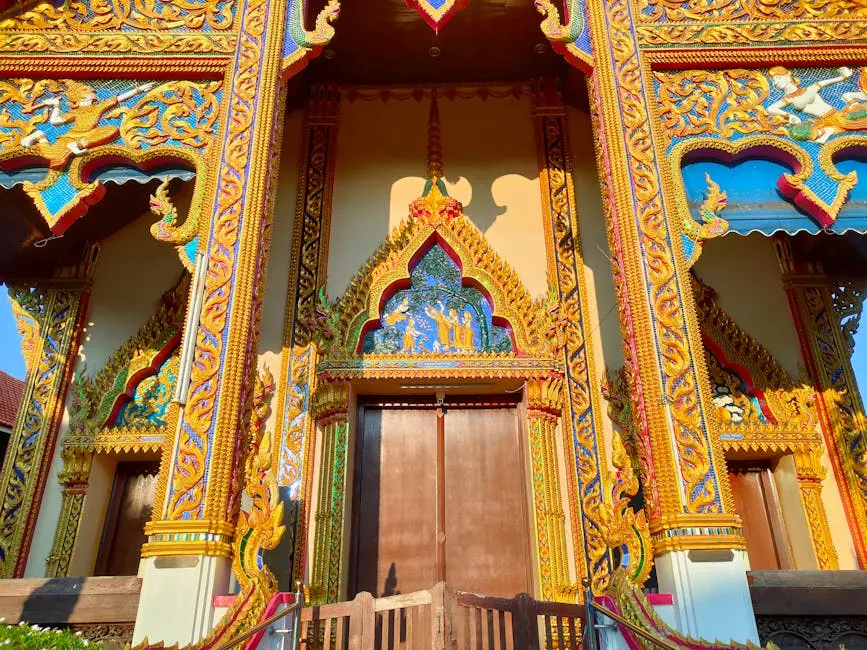
Thresholds: When entering, step over the wooden threshold rather than on it, as it is traditionally believed that a guardian spirit resides within the wood. This applies to temple buildings and many traditional homes.
Dress Code: Shoulders and knees must be covered for both men and women. It is a good idea to carry a lightweight sarong or scarf in your bag for this purpose. Many temples sell modest wraps near the entrance if needed.
Footwear: Always remove your shoes before entering a temple building. You will often see rows of sandals outside the entrance as a guide.

Everyday Experiences
While the major landmarks are impressive, some of your best memories will be the simple ones found in the daily rhythm of Thai life.
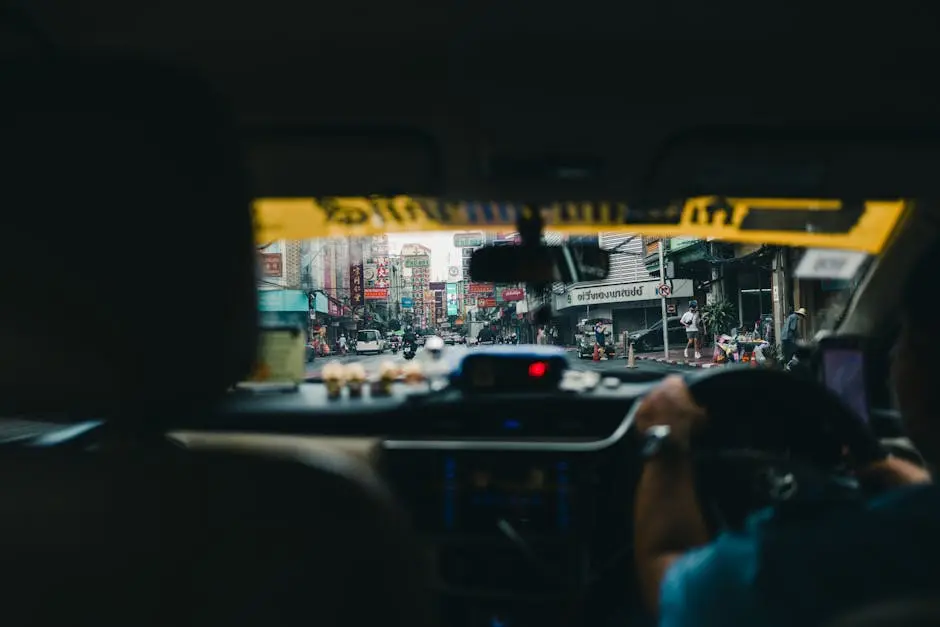
Atmosphere: From the high-energy night markets to the serene silence of a mountain retreat, the magic of Thailand is often found in the contrast between its vibrant cities and peaceful natural landscapes. Take time for both.
Take A Moment: Take a moment to appreciate the smell of jasmine garlands at a street corner, the sound of monks chanting in the early morning, or the feeling of a cold coconut in your hands on a white-sand beach. These sensory details are what make Thailand unforgettable.
Local Interaction: Whether it’s a quick smile shared with a vendor or a conversation with a local on a long-tail boat, these small interactions are what make the “Land of Smiles” feel like home. Don’t rush through moments; Thailand rewards those who linger.
A Note for the Nervous
If this is your first time visiting Thailand and you are feeling a little anxious about the long flight, the language barrier, or the cultural differences, take a deep breath. Thailand is one of the most tourist-friendly countries in the world. English is widely spoken in travel hubs, hotels, and restaurants. If you look confused, someone will likely step in to help you.
Safety is a common concern, but Thailand is generally very safe for travelers. Like any destination, use common sense with your belongings and stick to official transportation apps like Grab if you’re worried about navigating taxi fares. You are entering a country that has been welcoming guests for decades; you are in good hands.
Many nervous first-timers report that their anxiety completely evaporates once they arrive. The warmth, the food, and the sense of adventure tend to outweigh the nerves. Trust the process, stay flexible, and give yourself permission to take it slow.

Frequently Asked Questions
Is it expensive to visit Thailand?
Thailand remains one of the most cost-effective destinations globally. While luxury experiences are available at a fraction of Western prices, budget travelers can easily live comfortably on 1,200 THB (~$34 USD) per day by eating locally and using public transport. Mid-range travelers spend 2,500–4,000 THB (~$70–113) daily.
What is the best month to visit?
The “cool season” from November to February offers the most pleasant weather across the country. However, visiting during the shoulder seasons (May/June or October) can result in significant discounts on accommodation and fewer crowds at major sites like Railay Beach.
Do I need to speak Thai?
In tourist hubs, English is widely understood. However, learning basic phrases like “Sawadee-ka” (Hello/female) or “Sawadee-krub” (Hello/male) and “Khop-khun-ka/krub” (Thank you) opens doors and earns genuine smiles from locals who appreciate the effort.
How do I get around between cities?
The domestic flight network is extensive and affordable with carriers like AirAsia and Thai Lion Air. For a more scenic route, the overnight sleeper train from Bangkok to Chiang Mai is a classic experience that saves on a night’s accommodation. Buses are also reliable and budget-friendly.
Is the tap water safe?
No, do not drink the tap water. Use bottled water for drinking and brushing teeth if you have a sensitive stomach. Most hotels provide free bottled water daily. Ice in restaurants is generally safe as it’s made from purified water.
Is it safe to rent a scooter?
Only if you possess a valid International Driving Permit (IDP) with a motorcycle endorsement. Thai police frequently conduct checkpoints in Phuket and Chiang Mai; without the correct paperwork, insurance is voided. If you’re not an experienced rider, use Grab instead.
How long should I stay for my first visit?
Five to seven days works for a quick taste of Bangkok and Chiang Mai. Ten to fourteen days is the sweet spot, allowing you to experience cities, temples, and islands. If you have three weeks or longer, you can island-hop, explore lesser-known regions, and truly absorb Thai culture without rushing.
What islands should I visit as a first-timer?
Phuket and Krabi are popular and well-developed with excellent infrastructure. For a quieter vibe, try Koh Samui or Koh Phangan. Avoid overcrowded Koh Phi Phi unless you want party scenes. Most first-timers find Krabi ideal: stunning limestone cliffs, accessible nearby islands, and fewer backpacker crowds than Phuket.
Do I need travel insurance for Thailand?
Yes, strongly recommended. SafetyWing offers affordable coverage for travelers. Insurance covers medical emergencies, evacuation, and trip cancellations. Medical costs in private hospitals can be high, and insurance provides peace of mind for activities like scuba diving or hiking.
Can I get a visa on arrival?
Yes. Most nationalities receive a 60-day visa exemption on arrival (no visa needed). Your passport must be valid for at least six months beyond your stay. If you need longer or your country requires a visa, apply through the Thai embassy or e-visa online before travel. Arrival cards are free and straightforward.