Thailand Luxury Travel Guide
This site contains affiliate links. We may earn a commission at no extra cost to you.
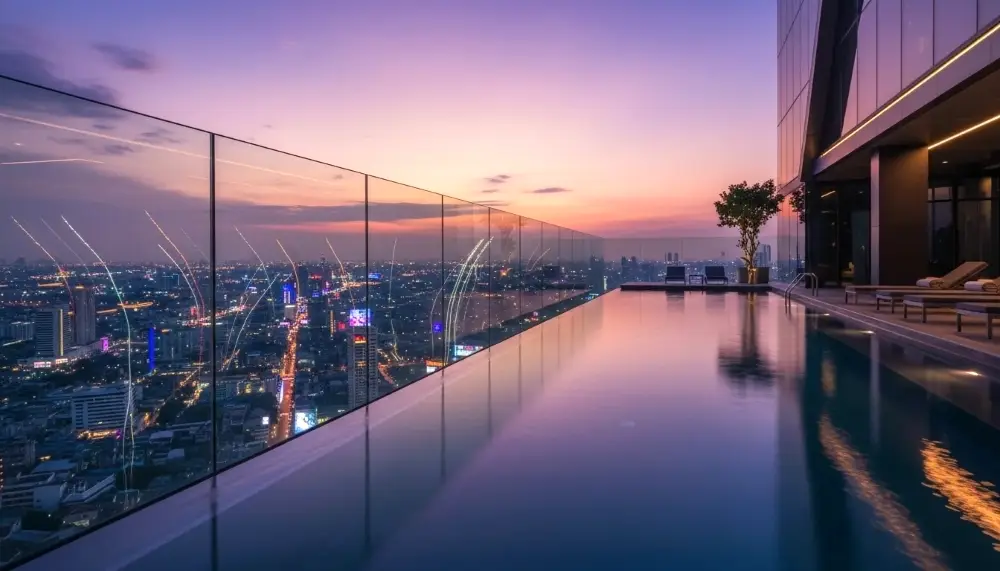
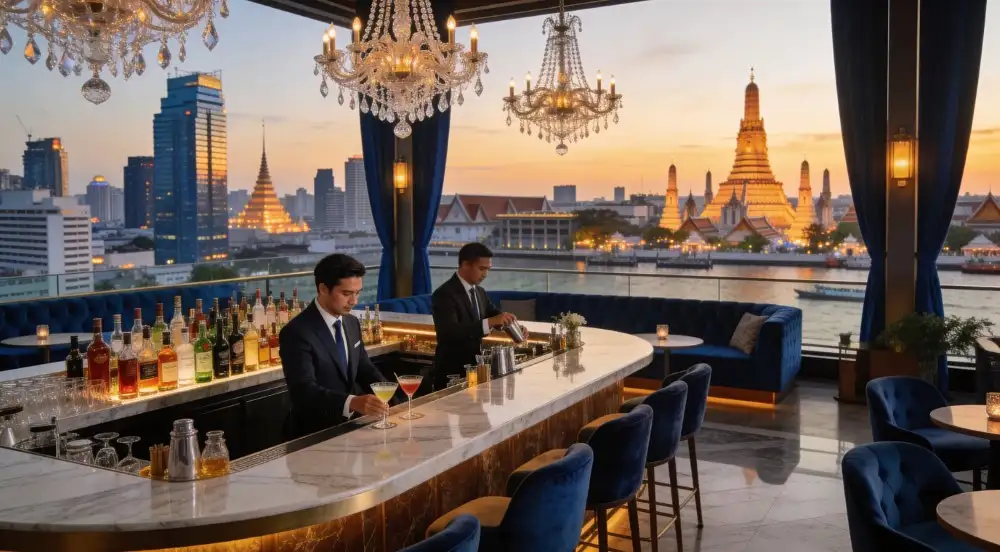
Whether you’re dreaming of island-hopping in the Andaman Sea, enjoying spa treatments in the mountains of northern Thailand, or sipping cocktails high above Bangkok’s skyline, luxury travel in Thailand blends comfort, culture, and adventure beautifully.
In this guide, you’ll discover what luxury travel in Thailand looks like, where to go, and how to plan an unforgettable high-end trip. Whether this is your first visit or your fifth, Thailand has a way of surprising you all over again.
The Quick Summary:
- Daily Luxury Budget: Expect to allocate 15,000 THB to 45,000 THB for high-end suites, private transport, and fine dining.
- Entry Requirements: Most luxury travelers utilise the 60-day visa exemption; however, the Destination Thailand Visa (DTV) offers a 5-year multi-entry option for long-stay residents.
- Regional Variance: Bangkok excels in urban opulence and Michelin dining, while Phuket and Koh Samui dominate the private pool villa and yachting sectors.
- Best Time to Visit: The peak luxury window spans November to February for optimal weather, though the “Green Season” (May to October) offers superior value at elite resorts.

Reserve your Thailand hotel with no
upfront payment on most rooms.
Free cancellation up to a day before
keeps your trip flexible if plans shift.
Why Thailand Is Perfect for Luxury Travel:
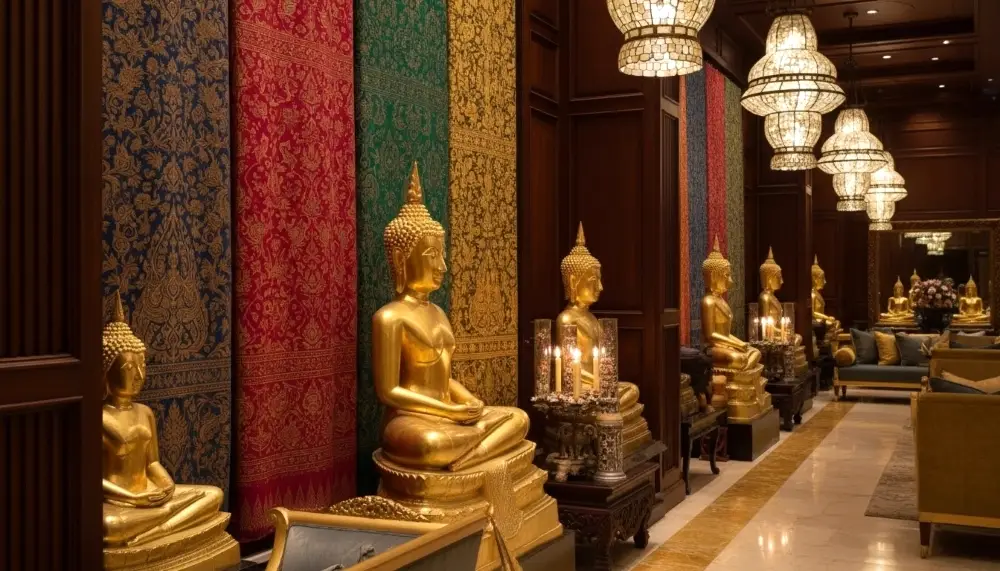
Thailand has built a global reputation for hospitality, and nowhere is this more noticeable than in its luxury tourism industry.
Service is often incredibly attentive, warm, and thoughtful. Staff remember your name, anticipate your needs, and genuinely want you to have an amazing experience. It is the kind of instinctive hospitality that cannot be trained into a person; it simply exists here as part of the cultural fabric.
Several factors make Thailand ideal for luxury travel:
- High-quality resorts across the country
- Stunning natural landscapes from jungle to coastline
- Exceptional food culture at every price point
- Highly trained hospitality professionals
- Excellent value for money compared with equivalent Western destinations
- A rich, living culture that adds meaning to every experience
For first-time travelers, this means you can enjoy an extraordinary trip without the stress often associated with luxury travel planning. The infrastructure is solid, English is widely spoken, and the country genuinely welcomes visitors at every level.

GetYourGuide has Thailand’s best
tours and experiences covered with
verified operators and instant
mobile vouchers on arrival.
Luxury Comparison: Top Tier Regional Experiences
| Experience Category | Recommended Location | Estimated Cost (THB) |
|---|---|---|
| Private Pool Villa | Banyan Tree Phuket | 25,000 to 60,000 per night |
| Michelin-Starred Dining | Sühring (Bangkok) | 8,000 to 12,000 per person |
| Private Yacht Charter | Phang Nga Bay (Half Day) | 45,000 to 110,000 total |
| Luxury Spa Day Package | Six Senses Samui | 6,000 to 15,000 per person |
| Sunrise Hot Air Balloon | Mae Rim Valley, Chiang Mai | 10,000 to 14,000 per person |
| Private Chef Dinner (Villa) | Koh Samui or Phuket | 8,000 to 20,000 total |
Bangkok: Sky Bars, Fine Dining, and 5-Star Hotels
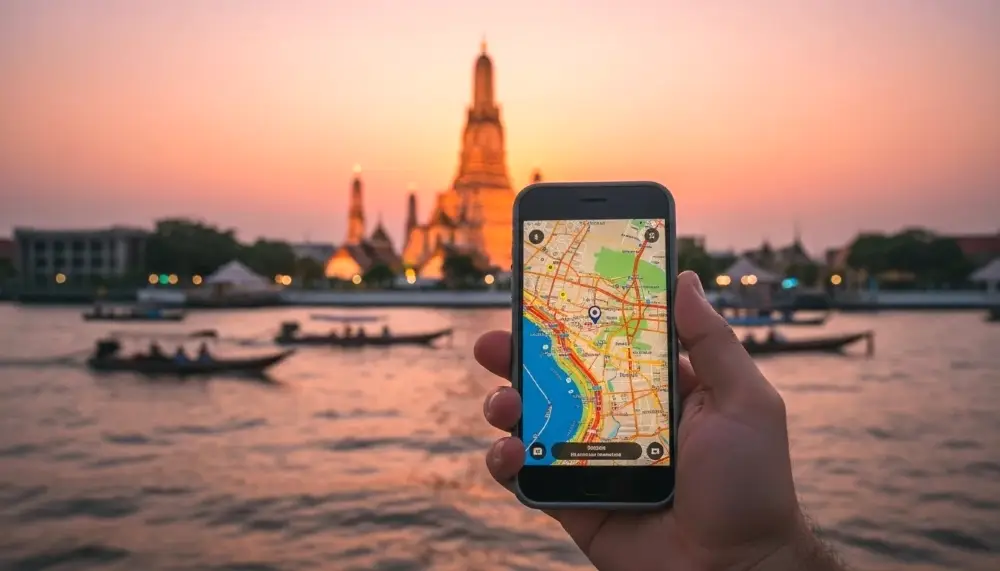
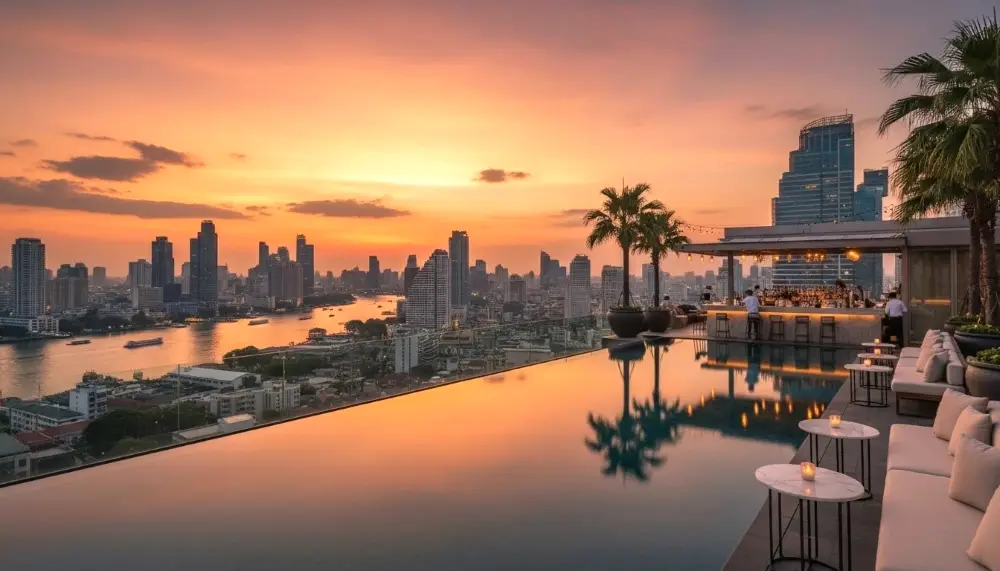
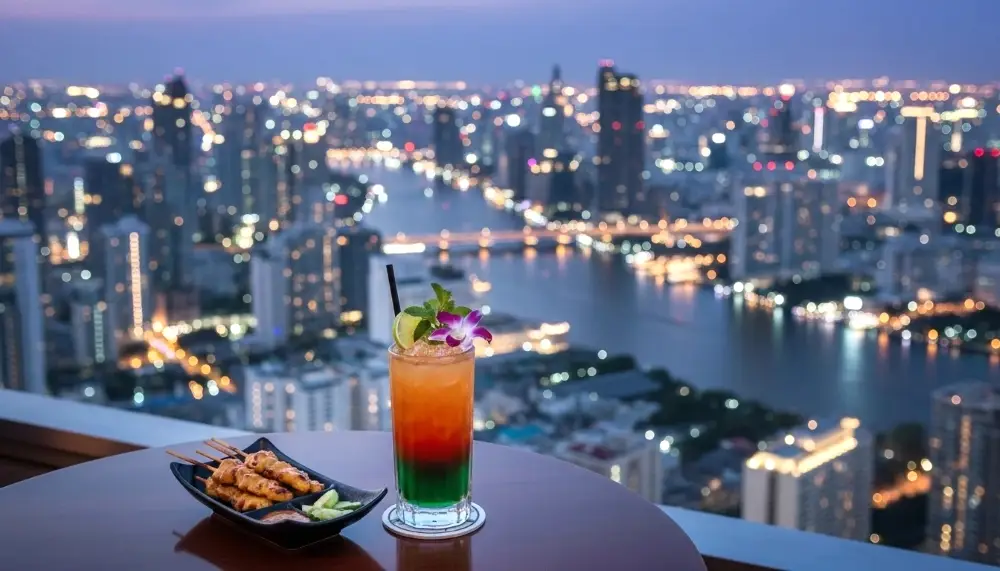
Bangkok luxury is defined by the Chao Phraya River, where historic grand dames like the Mandarin Oriental compete with modern icons like the Four Seasons at Chao Phraya Urban Resort. Expect personalised butler service, private boat transfers to luxury malls like ICONSIAM, and exclusive access to world-class rooftop mixology.
The riverside serves as the spiritual and logistical heart of Thai high society. Staying at the Mandarin Oriental Bangkok offers a connection to heritage: the Authors’ Lounge remains the most sophisticated venue for afternoon tea in the capital. For a contemporary shift, the Capella Bangkok provides riverside villas with private plunge pools, a rarity in the dense urban sprawl of Charoen Krung.
Movement through the city should be handled via private chauffeured vehicles. While the BTS Skytrain is efficient, the luxury traveller utilises services like Blacklane or hotel-specific limousines to navigate the humidity in climate-controlled comfort. Dining at Blue by Alain Ducasse or Sorn provides a systematic exploration of Thai ingredients elevated through French technique or southern spice, respectively.
Before you leave home, lock your Bangkok hotel through Agoda or Booking.com, both of which carry genuine last-room availability at the top-tier properties and often offer member rates unavailable at the front desk. For curated day experiences from the city including temple tours by longtail boat, rooftop photography sessions, or private Muay Thai tuition, Get Your Guide and Klook both carry well-vetted operators.
Getting There: Arrivals, Transfers, and First Impressions
Bangkok Suvarnabhumi (BKK) is the primary gateway for international luxury arrivals and offers the most comprehensive VIP fast-track immigration and baggage services in the country. Phuket International Airport (HKT) operates excellent private jet FBO facilities for those arriving directly into the islands. Chiang Mai’s smaller airport handles regional jets efficiently, with most luxury resorts offering dedicated meet-and-greet services.
For families and groups, Welcome Pickups is worth booking in advance. Their English-speaking drivers handle the chaos of busy arrival halls with calm efficiency, particularly useful if you are managing children, large luggage, or elderly family members arriving after a long-haul flight.
If your flight is disrupted before you even land, AirHelp is the service to have on your side. They handle compensation claims against airlines for delays and cancellations, and the process requires minimal effort on your part. Luxury travel should start from the moment you check in at your departure airport, not just when you land.
One genuinely useful habit: activate your Airalo, Yesim, or Saily eSIM data plan before your plane touches down. Both Grab and the hotel concierge apps need immediate connectivity at the baggage carousel to send SMS verification codes. Without a live data signal, you will be queueing for a SIM card in a busy arrivals hall. Avoid that entirely.

Pick a Thailand eSIM plan that matches
your trip length on Airalo’s global
marketplace. Install before departure
and you’re online the moment you land.
Northern Luxury: Chiang Mai and the Mountain Retreats
Northern luxury replaces ocean views with emerald rice paddies and mountain silhouettes. The Four Seasons Resort Chiang Mai and Anantara Golden Triangle Elephant Camp & Resort provide immersive nature experiences, featuring “Jungle Bubbles” for overnight stays and private ethical elephant encounters guided by professional mahouts.
In Chiang Mai, the luxury is quieter. It is found in the Lanna-style architecture of the Raya Heritage or the colonial elegance of The InterContinental Chiang Mai The Mae Ping. The focus here is on wellness and craft. A private tour of the San Kamphaeng silk workshops or a sunrise hot air balloon flight over the Mae Rim Valley offers a perspective far removed from the neon lights of the south.
The Golden Triangle region, where Thailand meets Laos and Myanmar, is one of Asia’s most underrated luxury destinations. The Anantara here provides private river cruises, opium museum tours, and border crossings by speedboat as part of genuinely exclusive itineraries. For these day experiences, Klook carries well-reviewed operators covering the region’s highlights.
Expect experiences such as:
- Boutique jungle resorts with panoramic mountain views
- Luxury spa retreats focused on wellness and relaxation
- Private temple tours and cultural experiences
- Ethical elephant sanctuary visits
- Farm-to-table dining featuring northern Thai cuisine
- Hot air ballooning over morning mist in the Mae Rim Valley
Island Luxury in Southern Thailand:
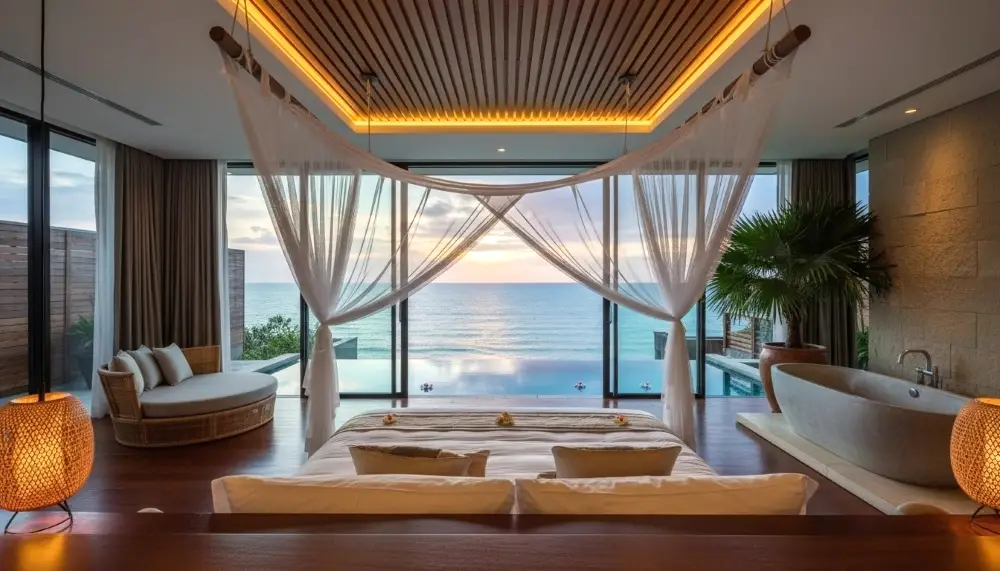
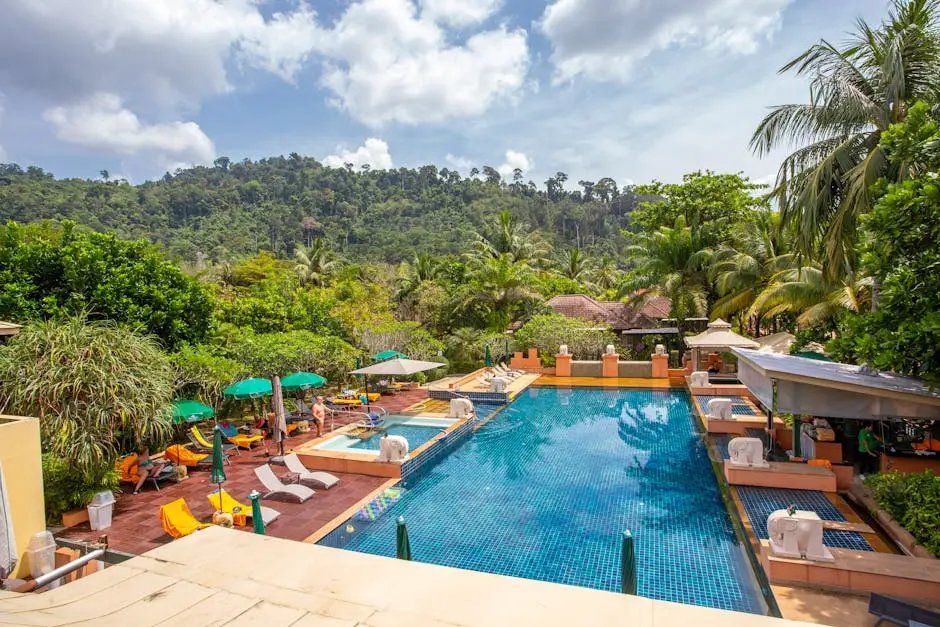
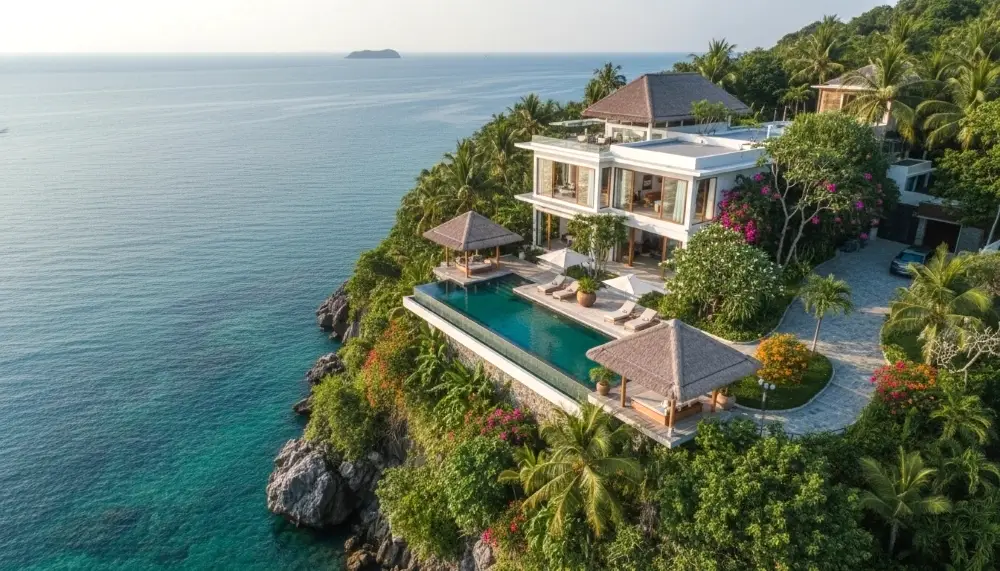
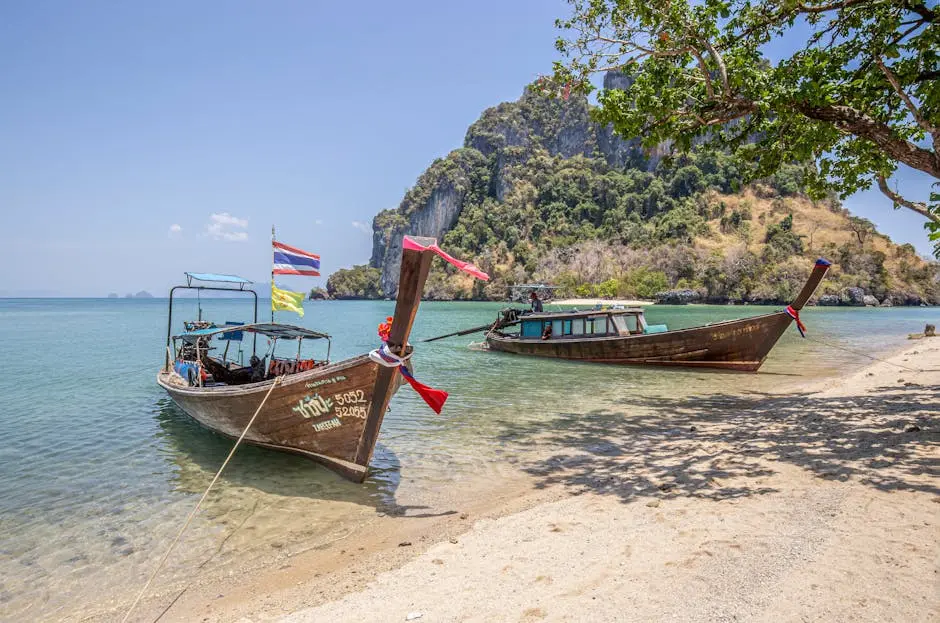
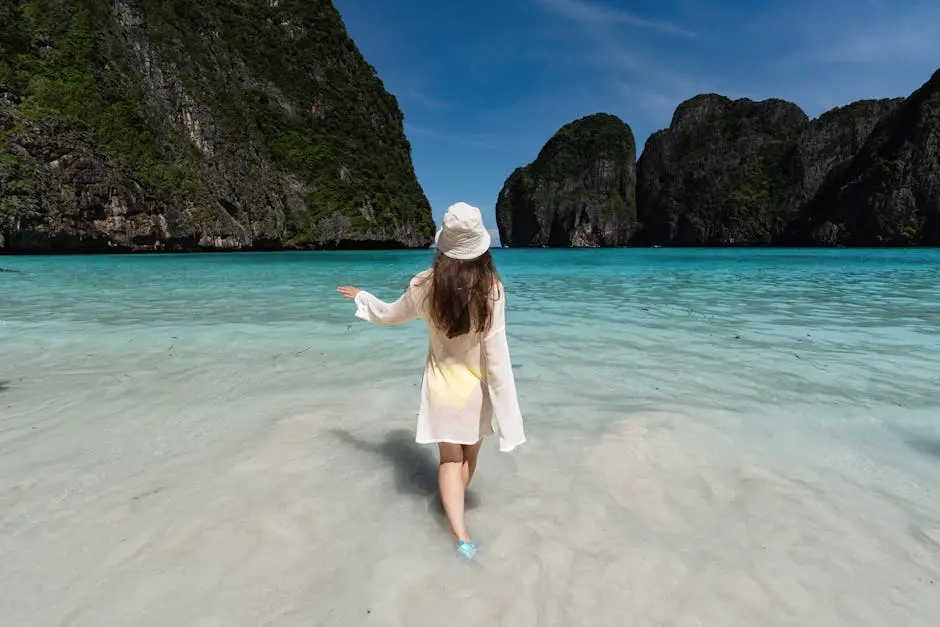
Island luxury in Thailand centres on Phuket, Koh Samui, and Koh Yao Noi, focusing on ultra-private pool villas and bespoke marine expeditions. These destinations prioritise seclusion, with resorts such as Amanpuri and Six Senses Yao Noi offering standalone pavilions that ensure zero visibility from neighbouring guests.
Phuket remains the primary hub for the yachting set. Departing from Royal Phuket Marina on a customised Ferretti or Sunseeker allows for an exploration of the limestone karsts of Phang Nga without the interference of crowded tour boats. In Koh Samui, the focus shifts to hillside retreats. The Conrad Koh Samui offers westward-facing villas where the sunset over the Five Islands becomes a private nightly ritual.
Koh Lanta and Koh Yao Noi deserve mention for the traveller who finds Phuket too busy. These quieter islands retain their natural character while still offering beautiful boutique resort experiences. Getting between islands is straightforward if you use 12GO to lock in ferry and speedboat tickets ahead of Thai public holidays, when crossings can sell out days in advance.
Cultural etiquette in these resorts is important. Despite the relaxed beach setting, “Plus Plus” charges (10% service charge and 7% VAT) are standard in high-end establishments and will be added to the listed price. Tipping is not strictly required but a gesture of 100 to 500 THB for exceptional personal service from villa hosts or spa therapists is highly regarded.

From temples to island tours, Klook
covers Thailand’s best experiences.
Hotel pickup is often included and
prices beat the pier walk-in rate.
World-Class Spa and Wellness Scene:
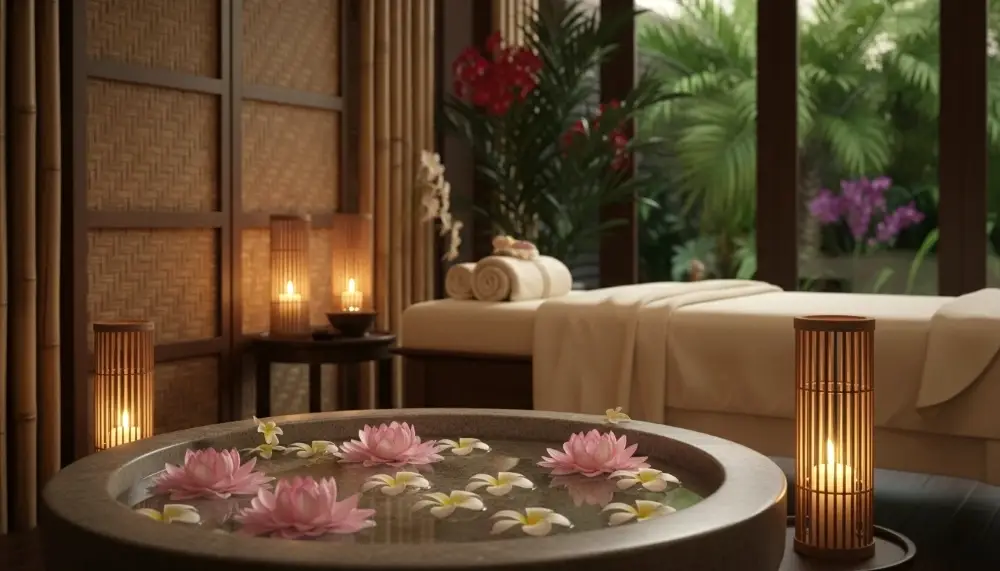
Thailand is one of the best places in the world for spa and wellness travel. Luxury resorts frequently feature award-winning spas where traditional Thai healing techniques meet modern wellness treatments.
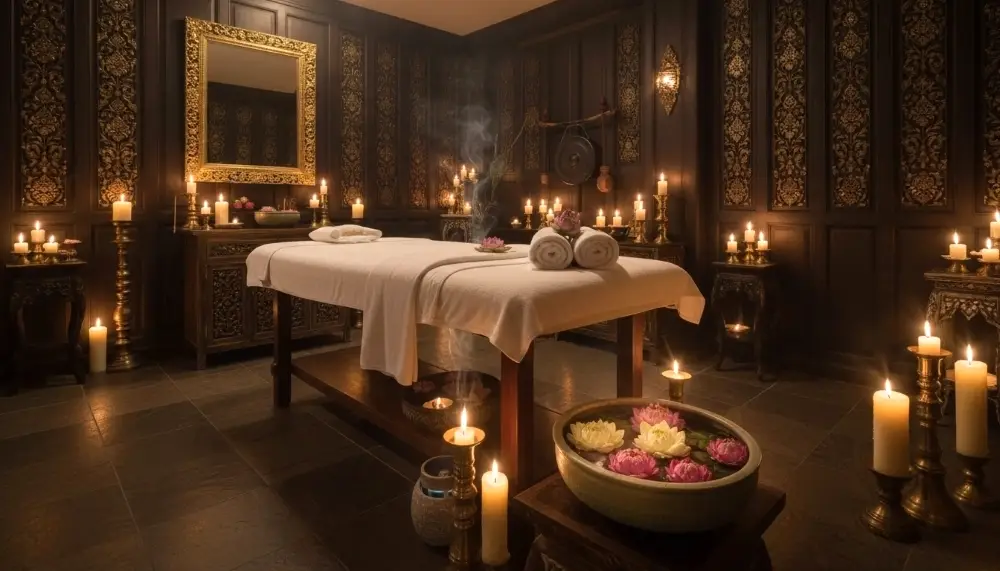
The tradition of Thai massage is one of the oldest healing systems in Southeast Asia, rooted in Ayurvedic principles and refined over centuries by Buddhist monks. At a five-star level, this translates to hour-long rituals involving heated herbal compresses, aromatic oils sourced from local botanicals, and therapists trained to read your body rather than follow a script.
Typical experiences include:
- Traditional Thai massage and stretch therapy
- Herbal steam therapies and ancient botanical treatments
- Multi-day detox and wellness programmes
- Yoga and meditation retreats in jungle or hillside settings
- Luxury beachfront spa pavilions open to the sea breeze
- Couples’ retreat packages at properties like Kamalaya on Koh Samui
For travelers seeking relaxation and rejuvenation, Thailand can easily become one of the most restorative destinations you will ever visit. If you plan to stay for an extended wellness retreat, SafetyWing is worth considering for remote-work-friendly health cover that travels with you across the region.

From boutique guesthouses to five-star
resorts, Agoda has Thailand covered.
Strong Asia inventory means deeper
discounts than you’d find elsewhere.
Thailand for Families: Luxury That Works for Everyone
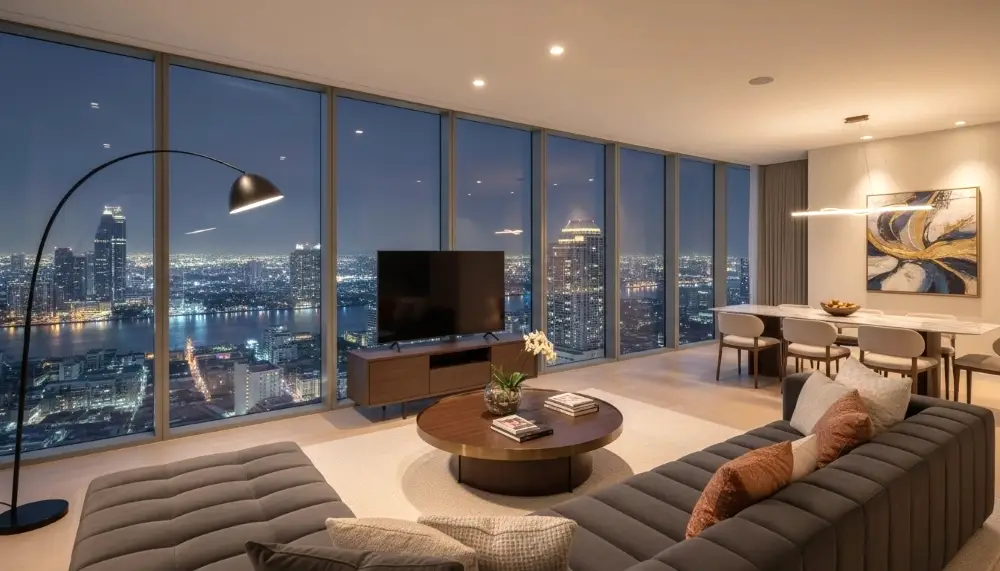
Thailand is one of the most welcoming countries in the world for families travelling with children. The culture is deeply child-friendly, staff at luxury resorts go out of their way to engage with younger guests, and the combination of beaches, elephants, and incredible food keeps children genuinely captivated.
Resorts such as the Anantara Mai Khao Phuket Villas offer dedicated kids’ clubs, shallow lagoon pools, and family butler services that handle everything from beach set-ups to in-villa cinema nights. Many properties offer connecting villas or multi-bedroom configurations that give parents their own space without anyone feeling far from the children.
Practical family tips for luxury travel:
- Book private airport transfers through Welcome Pickups rather than managing taxis with luggage and children
- Use Get Your Guide for vetted family excursions: elephant sanctuaries, cooking classes, and snorkel day trips
- Choose resorts with in-house dining rather than requiring restaurant transfers at night
- Activate eSIM data (Airalo or Saily) before arrival so maps and messaging work immediately on landing
Thailand for Remote Workers and Long-Stay Expats:
Thailand has quietly become one of the world’s top destinations for location-independent professionals and long-stay residents. The Destination Thailand Visa (DTV) is a five-year multi-entry option designed specifically for this audience, requiring proof of 500,000 THB in accessible funds. Once in country, it allows you to stay for extended periods without the cycle of border runs that defined earlier generations of expat life.
Chiang Mai is the most established hub, with a strong co-working infrastructure, fast internet in even mid-range cafes, and a cost of living that makes a luxury lifestyle genuinely achievable. Bangkok’s newer co-living spaces in Ari and Ekkamai attract a younger, more globally connected crowd. Phuket’s Boat Lagoon and Rawai areas have developed a year-round expat community with excellent schools, international supermarkets, and marina access.
For digital nomads working from cafes and co-working spaces, NordVPN is essential. Public Wi-Fi networks in Thailand are generally reliable but never truly secure for financial transactions, VoIP calls with clients, or accessing company servers. A reliable VPN removes that risk entirely and takes thirty seconds to activate.
Health cover is a genuine consideration for long stays. SafetyWing’s nomad-focused policies offer flexible monthly billing, solid regional hospital access, and genuine value for those spending more than a month at a time in Southeast Asia. This is worth having active before any serious medical issue arises, not after.
Michelin Dining and the Bangkok Food Scene:
Bangkok’s restaurant scene has spent the past decade establishing itself as one of Asia’s most exciting dining cities, and the Michelin Guide agrees. The city now holds more starred restaurants than most European capitals, covering everything from Thai-French fine dining to hyper-regional southern Thai kitchens that seat just twelve people.
Sühring, run by twin German chefs, delivers a personal interpretation of modern European cuisine using Thai produce with extraordinary precision. Sorn takes an equally rigorous approach to southern Thai ingredients, presenting dishes that most Bangkokians have never encountered in their own country. Le Du, consistently ranked among Asia’s best, bridges these two worlds with a seasonal Thai menu that changes to reflect whatever is arriving from the farms each week.
Beyond the starred restaurants, Bangkok offers some of the world’s finest street food at the other end of the spectrum. Part of the luxury of Thailand is being able to eat a world-class Michelin-bib bowl of boat noodles for under 100 THB at lunch, then sit down to a tasting menu for 10,000 THB that same evening. No other city in the world offers that range so naturally.
Reservations at the top tables fill months in advance during peak season. For day experiences that include cooking classes, food market tours, or private chef sessions, both Get Your Guide and Klook carry a strong selection of highly rated Bangkok culinary experiences.
Pro Tips For Stress Free Travel:
Grab & Bolt: Essential for getting to and from the piers without overpaying. Bolt is often 20% cheaper in Phuket, while Grab is more reliable in Koh Samui.
Yesim or Saily: Secure an eSIM before landing. Having 5G signal while crossing from Krabi to Koh Lanta allows for real-time tracking of the ferry’s progress and immediate access to your accommodation contacts.
Klook & Get Your Guide: Use these for day trip ferries where snorkelling gear and lunch are included, as well as temple tours, cooking classes, and elephant sanctuary visits.
Nord VPN: Vital for booking through 12Go or Agoda on public pier Wi-Fi to protect financial data. Also worth having active if you use any streaming services from home.
Currency (THB): Always keep 500 THB in small notes (20s and 100s). Many smaller piers in islands like Koh Kood do not accept cards for the mandatory cleaning fees.


Maps, Grab, translation apps all need
data in Thailand. Yesim’s eSIM installs
in a minute and gives you reliable
5G from the moment you arrive.
Practical Tips for Planning a Luxury Trip to Thailand:
Planning a luxury trip to Thailand is relatively simple, but a few tips can help make the experience even smoother.
Best time to visit
- November to April generally offers the best weather for most regions. The Gulf Coast (Koh Samui, Koh Phangan) peaks slightly differently, with the best conditions between February and July.
Book early for peak season
Luxury resorts in popular destinations fill quickly during Christmas, New Year, and February. The top-tier properties at Amanpuri and Six Senses can sell out six months ahead for the peak fortnight around Christmas. Lock in your dates through Agoda or Booking.com, then build your itinerary around confirmed accommodation.
Consider combining regions
A classic first-time itinerary might include:
- Bangkok (2 to 3 nights): city luxury, fine dining, rooftop bars
- Chiang Mai (3 to 4 nights): wellness, culture, and jungle retreats
- Southern islands (4 to 6 nights): private villas, yachting, marine experiences
Use hotel transfers and lock in intercity travel early
Many luxury resorts offer airport pickup and private transportation. For intercity legs by bus, train, or ferry, use 12GO to secure seats before national holiday blackout periods make availability disappear. This is particularly important for travel around Songkran (April) and the Christmas to New Year period.
Is Luxury Travel Safe?
Absolutely.
Thailand is one of the most visited countries in the world and is extremely well set up for tourism. Luxury hotels and resorts are especially experienced at welcoming international visitors and helping them feel comfortable.
If this is your first trip to Asia, you may find Thailand to be a wonderful introduction. English is widely spoken in tourist areas, infrastructure is strong, and hospitality is genuinely warm. Pharmacies are well-stocked, international hospitals in Bangkok (Bumrungrad, Bangkok Hospital) meet global standards, and travel insurance claims are processed efficiently.
The common sense rules apply anywhere: keep a copy of your passport secure, use hotel safes for valuables, and be aware of your surroundings in busy markets. Beyond that, Thailand is a country where luxury travel feels both adventurous and reassuring at the same time. That balance is genuinely rare, and it is one of the main reasons people keep returning.
Cultural Touches That Make Luxury Travel Special:
Luxury travel in Thailand is not only about beautiful hotels. It is also about cultural moments that make your trip meaningful and genuinely memorable long after you return home.
The Wai, Thailand’s gentle greeting of pressed palms and a slight bow, is one of the first things that strikes visitors. It communicates respect without physical contact and carries a warmth that no handshake can replicate. Understanding and returning it correctly will earn you genuine smiles throughout your stay.
Visitors often remember experiences such as:
- Offering alms to monks at sunrise in Chiang Mai’s Old City
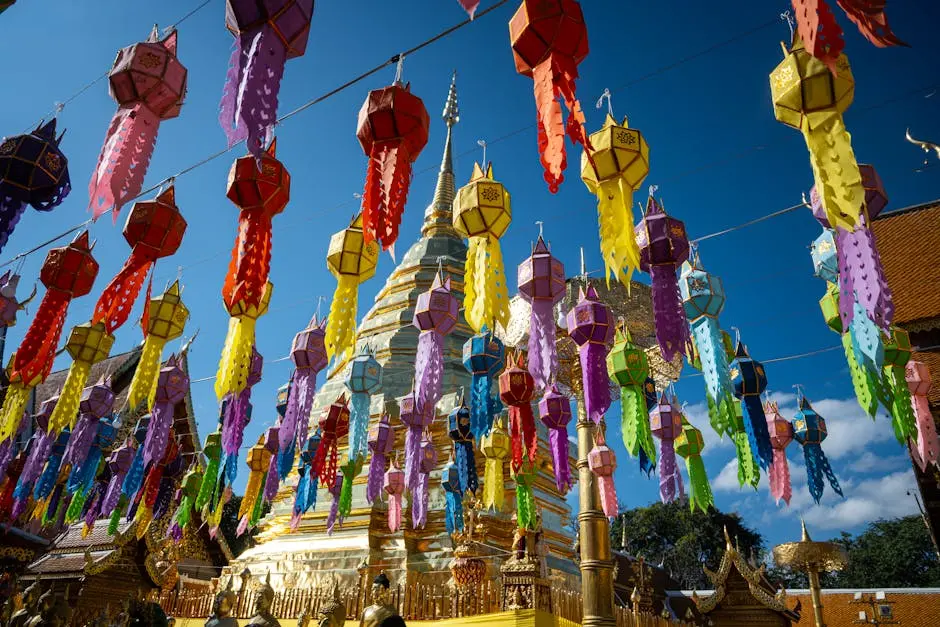
- Visiting golden temples and historic sites with a private guide
- Learning Thai cooking from local chefs in a resort kitchen garden
- Exploring floating markets by private longtail boat
- Watching traditional Khon mask dance performances
- Releasing a sky lantern at the Yi Peng Festival in November
These cultural touches add depth to the comfort and beauty of luxury travel in Thailand. Book curated cultural experiences through Get Your Guide or Klook to ensure your guide is genuinely knowledgeable and your visit is handled respectfully.
Your Thailand Adventure Starts Here:
Luxury travel in Thailand offers something truly special: world-class comfort surrounded by extraordinary culture and natural beauty.
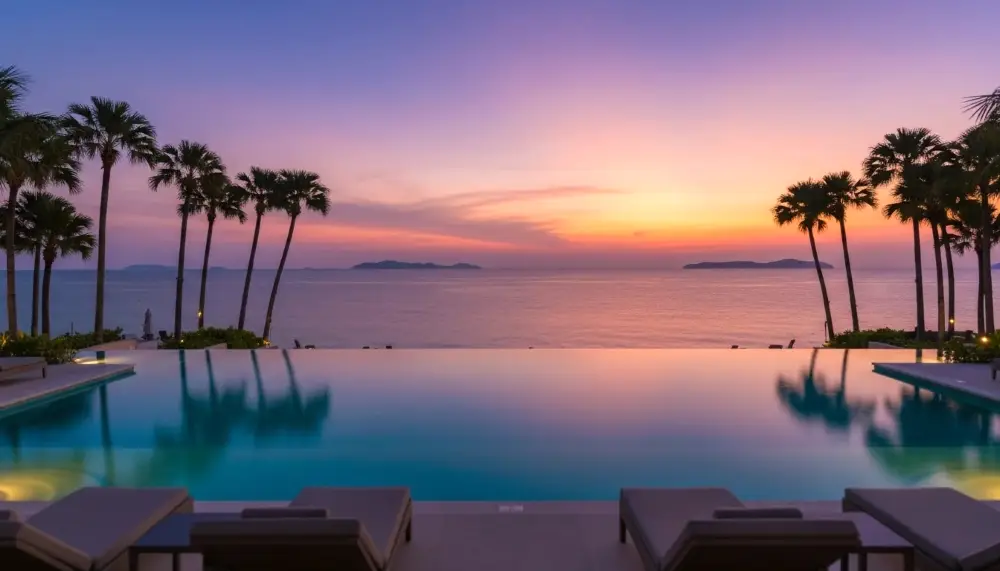
You can wake up in a beachfront villa, explore ancient temples in the afternoon, and enjoy sunset cocktails above a glowing city skyline in the evening. The variety of experiences available within a single two-week trip is genuinely hard to match anywhere else in the world at this price point.
For first-time visitors, Thailand provides the perfect balance of adventure, relaxation, and indulgence. The planning process is far less intimidating than it looks. The infrastructure is excellent, the hospitality industry is deeply professional, and the country has welcomed international visitors for decades with an openness that shows no sign of diminishing.
Once you experience it, you will quickly understand why so many travellers return again and again. And the best part? This incredible journey is only the beginning of everything Thailand has to offer.
Frequently Asked Questions:
What is the “Plus Plus” charge in Thai hotels and restaurants?
The “Plus Plus” refers to the 10% service charge and 7% government Value Added Tax (VAT) added to restaurant and hotel bills at most mid-range and all high-end establishments. When a menu price lists 1,000++, your final total will be 1,177 THB. This is not a tip and does not go directly to staff, so a personal gratuity for excellent service is still appreciated separately.
Can I use the DTV visa for a luxury sabbatical or remote work stay?
Yes. The Destination Thailand Visa (DTV) allows for five years of multi-entry access and is specifically designed for remote workers, long-stay tourists, and those on extended sabbaticals. You need to demonstrate 500,000 THB in accessible funds and provide proof of your remote work or freelance income. It is ideal for anyone wanting a permanent base in a luxury villa without the traditional expat visa structure.
Is tipping expected at five-star resorts?
While a 10% service charge is usually included in your bill, it is common practice to leave an additional 100 to 200 THB for porters who handle your luggage, or 500 to 1,000 THB for a private guide, boat captain, or villa host who provides exceptional personal service across your stay. Tipping in cash directly to the individual is always more meaningful than adding to a card payment.
Which airport is best for luxury arrivals into Thailand?
Bangkok Suvarnabhumi (BKK) offers the most comprehensive VIP fast-track immigration services, luxury lounge access, and a full range of limousine transfer options into the city. Phuket International Airport (HKT) provides excellent private jet FBO facilities for island-bound travellers arriving by charter. Chiang Mai Airport (CNX) is smaller but well-organised, with most luxury resorts offering direct meet-and-greet services at arrivals.
What is the best time of year to visit Thailand for luxury travel?
The peak luxury window runs from November to February, when the weather across most of Thailand is dry, sunny, and pleasantly cool by regional standards. This is also when resorts are at their most polished and fully staffed. The Green Season (May to October) offers significantly lower rates at elite properties, occasionally up to 40% off, and the landscape is lush and beautiful. The Gulf Coast islands (Koh Samui, Koh Tao) follow a different weather pattern and are often excellent from February through to July.
How do I get between Bangkok, Chiang Mai, and the southern islands?
The most efficient route is by domestic flight, with Bangkok Airways, Thai Airways, and AirAsia all operating frequent connections. Flights from Bangkok to Phuket or Koh Samui take around 1 hour 20 minutes. Bangkok to Chiang Mai is approximately 1 hour. For those who prefer a scenic overnight train, the Northern Line from Bangkok to Chiang Mai is comfortable in first-class sleeper and takes 12 to 13 hours. Lock in all domestic transport bookings through 12GO, particularly around Thai public holidays when seats disappear quickly.
Do I need travel insurance for a luxury trip to Thailand?
Yes, and it is worth investing in comprehensive cover rather than a basic policy. Bangkok’s private hospitals (Bumrungrad International, Bangkok Hospital) provide world-class care but costs can be significant without insurance. For short-stay luxury travellers, a standard international travel insurance policy with medical evacuation cover is recommended. For remote workers or long-stay residents spending months in the country, SafetyWing’s nomad health plan offers flexible monthly billing that is far more practical than annual policies.
What is the best way to access money in Thailand as a luxury traveller?
Most five-star resorts, fine dining restaurants, and high-end shops accept major credit cards (Visa and Mastercard most widely). American Express is accepted at the top tier but not universally. ATMs are widely available and dispense up to 20,000 THB per transaction, though a 220 THB foreign transaction fee applies at most machines. Notify your bank before travel to avoid card blocks. Carrying a supply of smaller THB notes (20s, 50s, and 100s) is useful for tips, market purchases, and smaller island piers that do not accept cards.
Are there luxury experiences suitable for families with young children?
Absolutely. Thailand is one of the most family-friendly luxury destinations in Asia. Resorts such as Anantara Mai Khao Phuket, Centara Grand Mirage Beach Pattaya, and Club Med Phuket all offer dedicated children’s programmes, family butler services, and facilities designed around younger guests. Ethical elephant sanctuary visits, private snorkelling trips, and Thai cooking classes for children are all available through Get Your Guide and Klook, with reputable operators who work with families regularly.
What cultural etiquette should luxury travellers be aware of in Thailand?
Thailand is a deeply respectful culture and a few simple behaviours go a long way. Always remove shoes before entering temples and many traditional homes. Dress modestly when visiting religious sites: shoulders and knees should be covered. Never touch anyone on the head, as it is considered the most sacred part of the body. The Thai Royal Family commands profound respect and any negative comment about the monarchy carries serious legal consequences. Learn a simple Wai (press palms together, slight bow) and use it when staff greet you: it will be noticed and genuinely appreciated.