Is Thailand Safe For Tourists?
This site contains affiliate links. We may earn a commission at no extra cost to you.
Thailand has been one of the world’s most beloved travel destinations for decades. With its golden temples, tropical islands, vibrant street food, and famously friendly locals, it attracts millions of visitors every year.
But if you’re planning your first trip, it’s completely natural to ask one important question before booking your flights:
Is Thailand safe for tourists?
The short answer is yes. Thailand is widely considered one of the safest and most welcoming countries for travelers in Southeast Asia. Like anywhere in the world, it has a few things visitors should be aware of, but with basic travel awareness, most trips to Thailand are smooth, enjoyable, and unforgettable.
Overall Safety: High. Thailand consistently ranks as a low-risk destination for violent crime.
Solo & Female Travel: Very Safe. A well-trodden tourist trail and respectful culture make solo exploration seamless.
Primary Risks: Road accidents (scooters), dehydration, and minor financial scams in high-traffic zones.
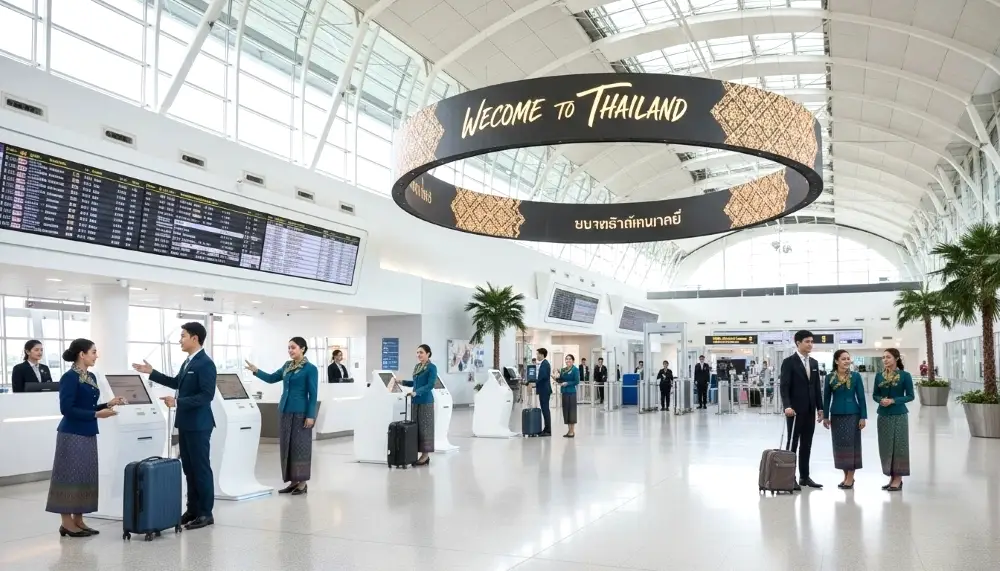

Lock in your Thailand accommodation
early and beat peak-season price hikes.
Agoda’s filters let you compare options
side by side before you commit.
Is Thailand Safe To Visit?

Millions of tourists visit every year and experience no serious issues. Thailand’s tourism industry is well developed, meaning travelers are well supported in most areas of the country.
Visitors will find modern hospitals, tourist police, reliable transport networks, and English widely spoken in major tourist areas.
The most common issues travelers face are usually minor, such as:
- Overpriced taxi fares
- Small tourist scams
- Lost belongings
- Occasional petty theft in crowded places

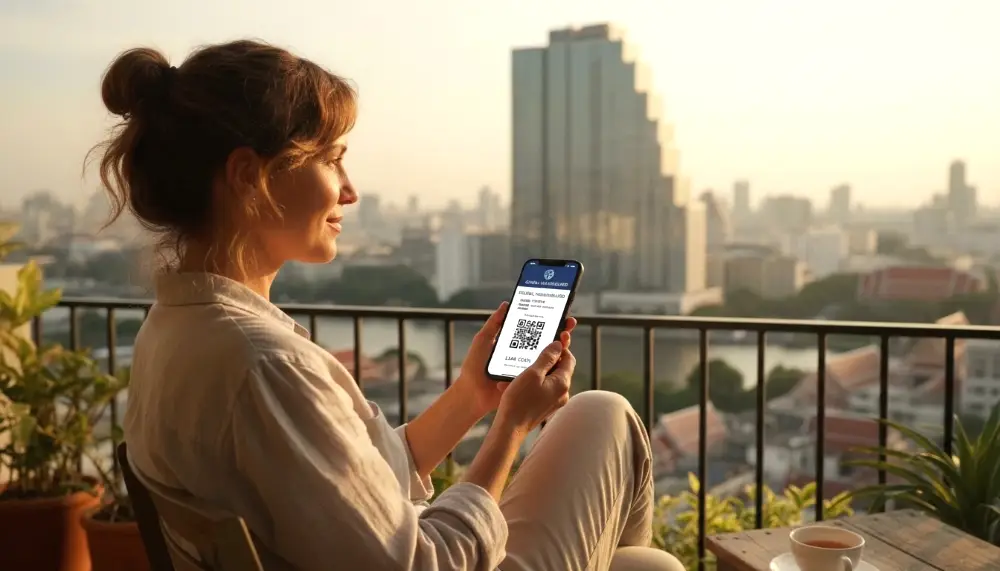
Compare tours and tickets for Thailand
and book instantly on your phone.
Klook mobile vouchers mean no
printing, just turn up and go.
Pro Tips For Stress Free Travel:
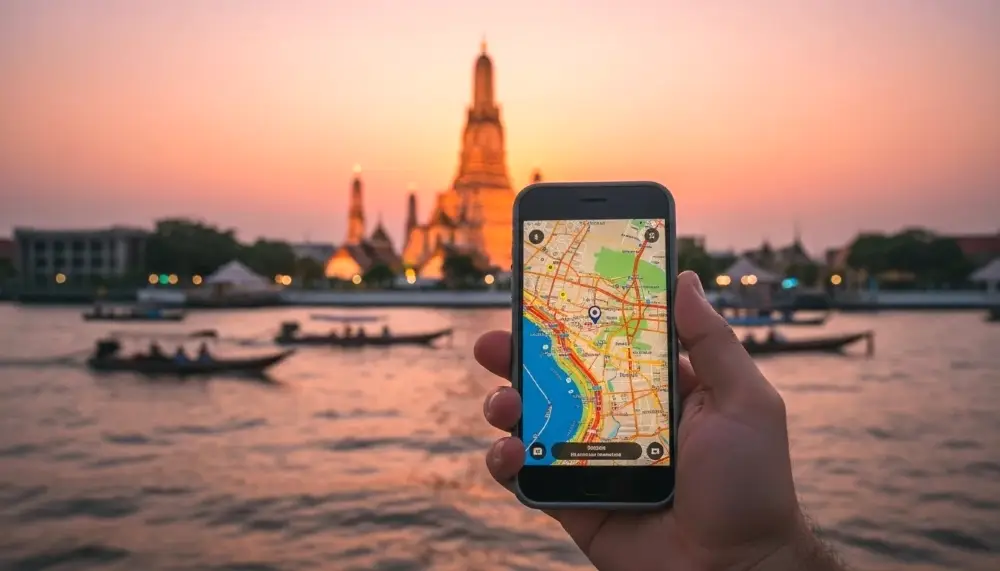
Navigation: Google Maps is remarkably accurate for BKK bus lines and walking routes.
Transport: Grab and Bolt. Grab is the “official” choice with higher prices; Bolt is the budget-friendly alternative often requiring a short walk to a pickup point.
Booking: Agoda frequently offers better rates in Asia than other platforms. Use Klook or Get Your Guide for vetted tours to avoid “street tout” scams.
Connectivity: Yesim for instant data. Use NordVPN if accessing banking apps on public Wi-Fi in malls like Siam Paragon.
Emergency: Dial 1155 for the Tourist Police. They speak English and are specifically tasked with assisting foreigners.
Storing Luggage? Use Radical Storage. Book storage online at verified local businesses near major train stations and landmarks, hotels, cafes, and shops. Straightforward, secure, and available across Bangkok.


Maps, Grab, translation apps all need
data in Thailand. Yesim’s eSIM installs
in a minute and gives you reliable
5G from the moment you arrive.
The Warmth Of Thai Culture:
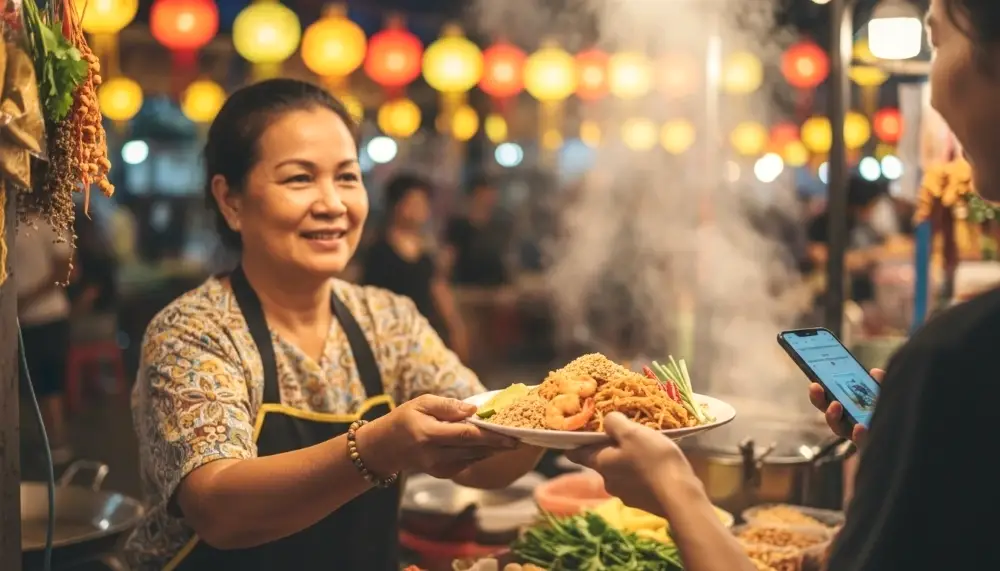
Thailand is often called “The Land of Smiles”, and that nickname exists for a reason. Thai culture places a strong emphasis on politeness, respect, and kindness toward others.
Visitors are usually treated warmly, especially when they show basic cultural respect.
A few simple cultural habits go a long way:
- Speak calmly and avoid confrontation
- Smile and stay polite in difficult situations
- Dress respectfully when visiting temples
- Remove shoes when entering homes or temples
Safety In Major Destinations:
Bangkok
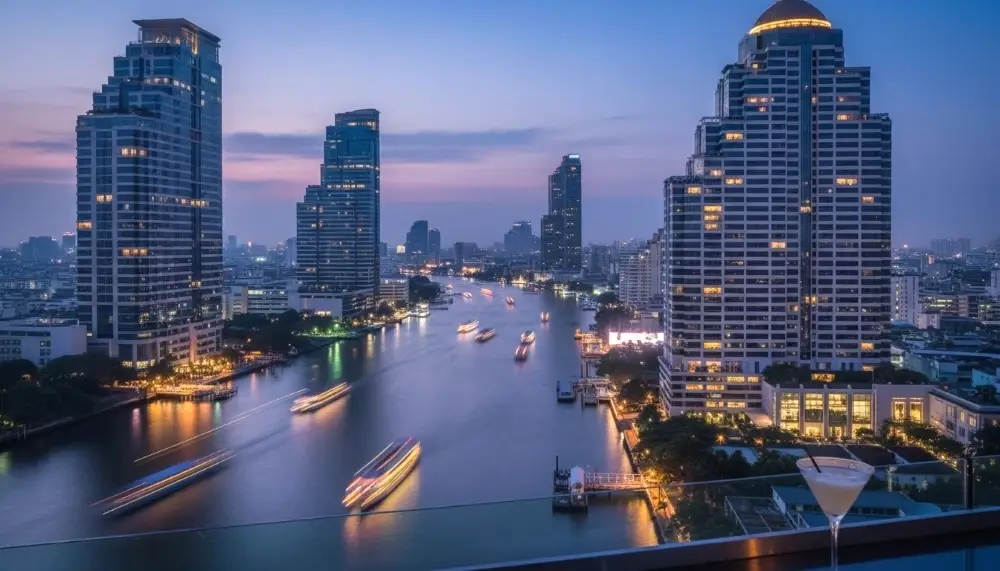
Thailand’s capital Bangkok is a huge city filled with temples, street food, markets, rooftop bars, and nightlife. It is generally very safe for tourists.
The biggest things to watch for are:
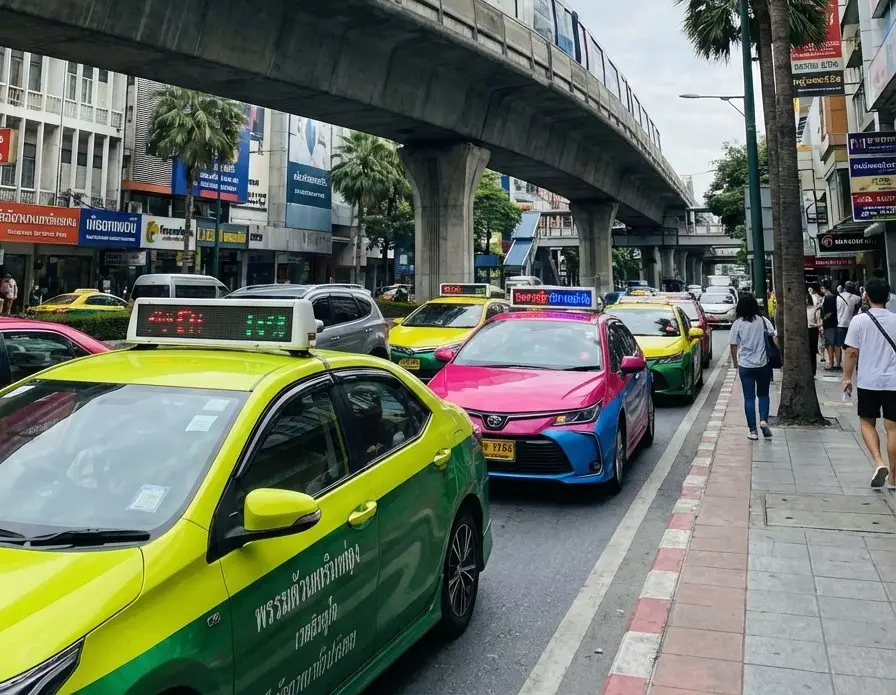
- Taxi drivers refusing to use the meter
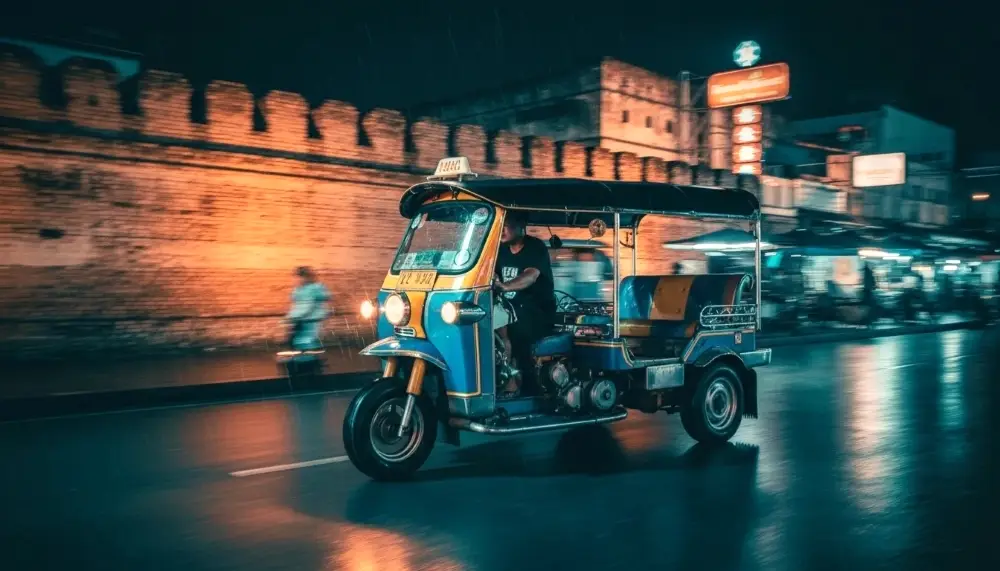
- Tuk-tuk drivers offering “special tours”
- Pickpocketing in crowded markets or train stations
Chiang Mai
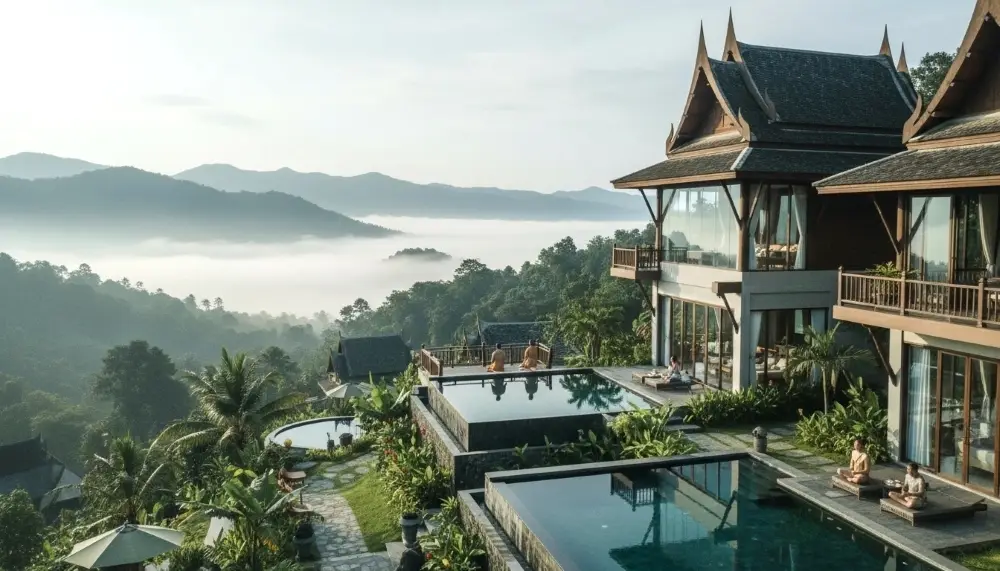
This is one of the most relaxed and welcoming cities in the country. It’s known for temples, mountain scenery, and incredible food.
Safety here is rarely a concern. Travelers often describe Chiang Mai as peaceful and easy to explore, even for solo visitors.
Just be cautious when riding scooters, as mountain roads can be winding. Note that the burning season (February to April) can significantly affect air quality, so travelers with respiratory conditions should check AQI levels before visiting during this period.
Southern Islands
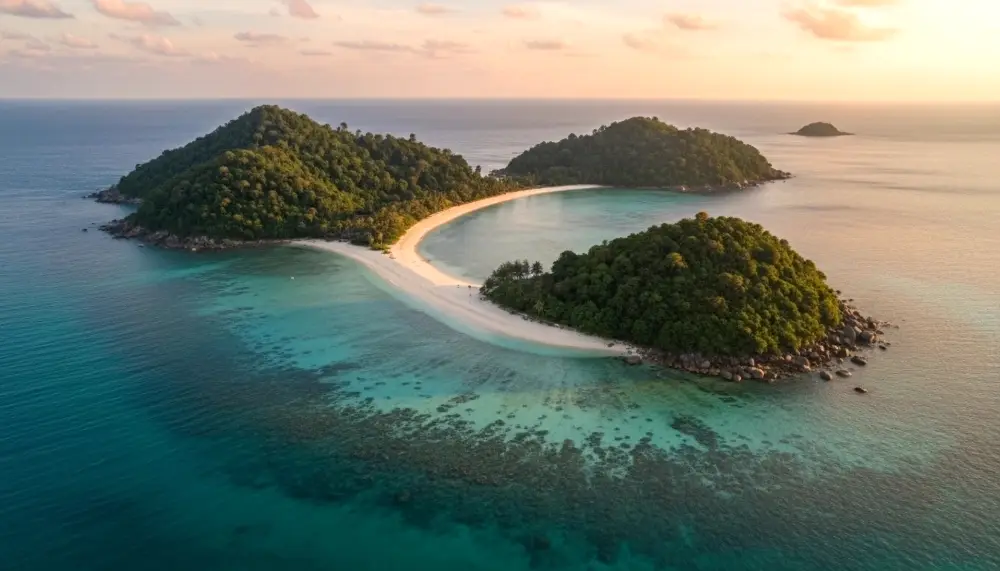
Popular islands like Phuket, Koh Samui, and Koh Phi Phi are well-developed tourist destinations with plenty of hotels, transport options, and international visitors.
Most safety issues here are related to:
- Alcohol and nightlife accidents
- Renting scooters without experience
- Occasional jet ski scams
Common Tourist Scams:
While Thailand is safe overall, there are a few classic tourist scams that travelers should know about.
The Grand Palace Is Closed Scam
Someone approaches you at a famous attraction, claims it’s closed, then offers to take you somewhere else. The attraction is usually open.
Gem Store Tours
Taxi or tuk-tuk drivers offer extremely cheap tours but include stops at jewellery shops where tourists are pressured to buy expensive items.
Jet Ski Damage Scams
Some renters claim you damaged the jet ski and demand payment. Always photograph the vehicle thoroughly before use, and ideally pay on a credit card rather than cash so you have some dispute recourse.
Taxi Meter Refusal
Drivers refuse to use the meter and quote an inflated price. A legitimate Bangkok metered taxi starts at 35 THB (~$1 USD) and most city journeys cost between 80 and 200 THB (~$2.30–$5.70 USD). Any quoted flat rate that is significantly higher is a red flag.
Simple ways to avoid scams:
- Use official taxis or ride apps
- Politely decline unexpected offers from strangers
- Research typical prices beforehand
- Rent vehicles only from reputable businesses
Most travelers never encounter these situations, but knowing about them gives you confidence.
| Category | Risk Level | Average Cost (THB / USD) | Recommended Tool |
|---|---|---|---|
| City Transport | Low | 80–300 THB (~$2.30–$8.60) | Grab / Bolt |
| Street Food | Low (Hygiene) | 50–150 THB (~$1.40–$4.30) | Google Maps Reviews |
| Inter-City Travel | Low | 600–1,200 THB (~$17–$34) | 12Go Asia |
| Emergency Care | Very Low | 2,000+ THB (~$57+) per consultation | Travel Insurance |
| Airport Transfer | Low | 600–1,500 THB (~$17–$43) | Welcome Pickups |
Health And Medical Safety:

Thailand has excellent healthcare, particularly in major cities. Private hospitals in Bangkok (Bumrungrad, Bangkok Hospital, Samitivej) are internationally accredited, and many doctors hold overseas qualifications and speak excellent English. A standard GP consultation typically costs 800–1,500 THB (~$23–$43 USD) before any tests or medication.
For travelers, it’s still wise to:
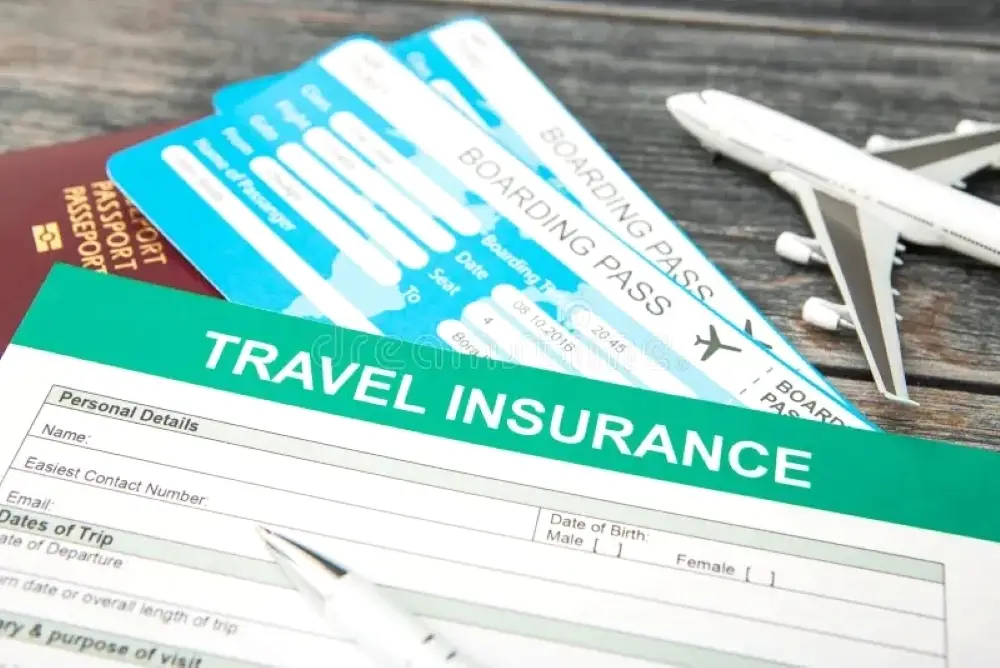
- Purchase travel insurance before departure
- Stay hydrated in the tropical heat
- Use DEET mosquito repellent in rural areas and at dusk
- Drink bottled or filtered water only
Travel Insurance: Why It’s Non-Negotiable
Thailand’s private hospitals are genuinely excellent, but they are not free, and costs can escalate quickly. A motorbike accident requiring surgery and a two-night hospital stay can easily run to 150,000–300,000 THB (~$4,300–$8,600 USD) without insurance. A medical evacuation flight adds six figures on top of that. Good travel insurance is not a luxury, for a country where scooter accidents are the most common tourist risk, it is essential.
SafetyWing is the most practical option for most travelers visiting Thailand, particularly for longer stays. It operates on a rolling monthly basis rather than a fixed-length policy, which suits the flexible timelines most Thailand visitors have. Cover starts from around 1,400 THB (~$40 USD) per month for under-40s.
Whatever policy you choose, make sure it explicitly covers motorbike riding if you plan to rent one, many standard policies exclude this without an upgrade, and check that adventure activities like rock climbing, zip-lining, and scuba diving are included if relevant to your itinerary.
Natural Hazards: Sun, Sea and Mosquitoes
Many of the safety issues tourists encounter in Thailand have nothing to do with crime and everything to do with the environment. The tropical climate is beautiful but demanding, and a little preparation goes a long way.
Sun and Heat: The Thai sun is significantly stronger than most visitors are used to. Apply SPF 50 before leaving your accommodation, reapply after swimming, and drink far more water than you think you need, at least 2–3 litres per day in the hot season. Heat exhaustion is one of the most common reasons tourists end up in a clinic. Sunscreen costs around 150–300 THB (~$4.30–$8.60 USD) at any 7-Eleven if you forget to pack it.
Riptides: Red flags on Thai beaches mean no swimming. This rule is enforced at larger resorts but often ignored by visitors at quieter beaches. Riptides are responsible for a number of tourist drownings each year, primarily on the Andaman coast during the monsoon season (May–October). If caught in a riptide, swim parallel to the shore rather than fighting it directly.
Mosquitoes and Dengue: Dengue fever is present year-round and there is no vaccine widely available to tourists. Use DEET-based repellent in the evenings, wear long sleeves at dusk near jungle or standing water, and see a doctor promptly if you develop a sudden high fever within two weeks of travel.
Transport Safety Tips:
The most common risk for tourists actually comes from motorbike accidents. Many visitors rent scooters without experience, especially on islands, where the combination of unfamiliar roads, loose gravel on corners, and holiday confidence creates a predictable outcome.
If you plan to rent one:
- Wear a helmet at all times
- Only ride if you are experienced
- Avoid riding at night
- Ensure your travel insurance covers motorbike use
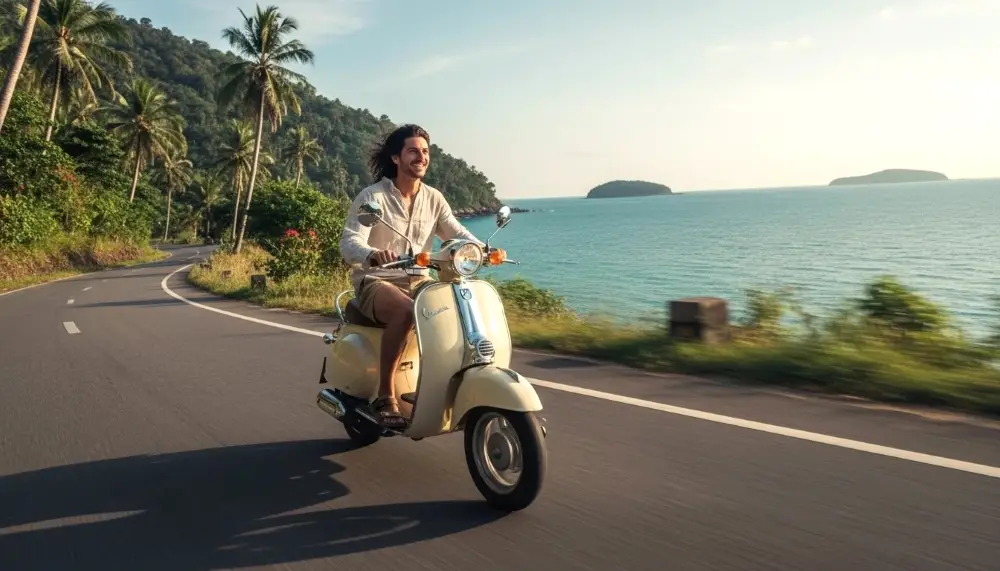
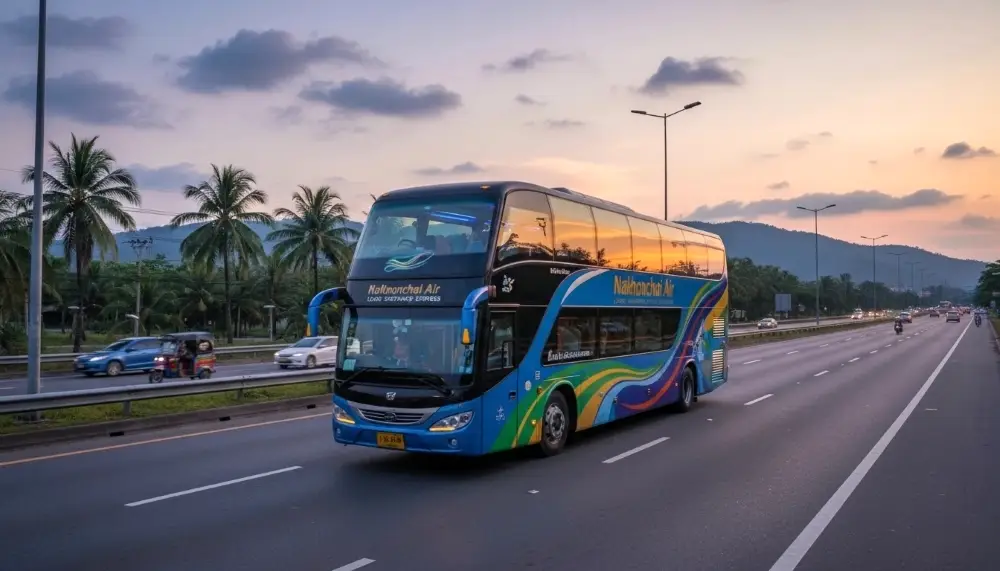
Getting around Thailand is easy, and if you’re not comfortable on a scooter, taxis and ride-hailing apps are inexpensive alternatives. A Grab car from central Bangkok to Suvarnabhumi Airport costs around 300–450 THB (~$8.60–$13 USD) and takes the guesswork out of metered fare disputes entirely.
Long-distance travel options, trains, government buses, and domestic flights, are generally very safe. For overnight buses and trains between Bangkok and the north or south, book in advance through 12GO to secure the better seats and avoid sold-out services during peak season.
Solo Travel In Thailand:
Thailand is widely considered one of the best countries in the world for solo travel. Backpackers, digital nomads, and solo adventurers have been visiting for decades, creating a well-established traveler community with hostels, group tours, and social activities that make it easy to connect with other visitors on the road.
Solo female travelers consistently rate Thailand as one of the most approachable solo destinations in Asia. The well-worn tourist trail means there are always other travelers nearby, and the generally respectful nature of Thai culture means unwanted harassment is far less common than in many other countries. Standard precautions still apply, stick to lit areas at night, share your location with someone, and use Grab rather than hailing unmarked taxis alone after dark.
As with any destination, basic awareness is always important. But for most visitors, the only real challenge in Thailand isn’t staying safe, it’s deciding where to go next.
A Safe And Incredible Destination

So, is Thailand safe for tourists?
Absolutely.
With its welcoming culture, well-developed tourism industry, and friendly locals, Thailand remains one of the most accessible and enjoyable destinations in the world.
A little travel awareness goes a long way, but for most visitors the biggest challenge isn’t safety, it’s deciding where to explore next.
From the buzzing streets of Bangkok to the temples of Chiang Mai and the turquoise waters of the southern islands, Thailand offers unforgettable experiences around every corner.
For first-time travelers, it’s not just a safe destination. It’s often the beginning of a lifelong love of travel.
Frequently Asked Questions:
Is the tap water safe to drink in Thailand?
No. Always consume bottled or filtered water. Most hotels provide free glass bottles daily. For ice, “tube ice” with a hole in the middle is factory-made with purified water and is safe for consumption.
Are taxis or ride-hailing apps safer?
Ride-hailing apps (Grab/Bolt) are superior for safety as they provide a digital paper trail, GPS tracking, and fixed pricing. If taking a street taxi, insist they use the “Meter.” If they refuse, exit the vehicle immediately.
What should I do if I am scammed?
Do not lose your temper, as this will result in a loss of “Face” and rarely resolves the issue. Contact the Tourist Police at 1155. They are stationed in major areas like Khao San Road and Patong Beach to mediate disputes between tourists and vendors.
Is it safe to rent a scooter in the islands?
Statistically, this is the most dangerous activity in Thailand. Unless you possess a valid motorcycle license and an International Driving Permit (IDP), your insurance will likely be void in the event of an accident. Always film the vehicle’s condition before departing to avoid “damage scams.”
Is Thailand safe for LGBTQ+ travelers?
Thailand is one of the most inclusive and progressive countries in Asia. While public displays of affection (regardless of orientation) are generally frowned upon in conservative areas, LGBTQ+ travelers will find a high level of social acceptance and a vibrant community in cities like Bangkok and Pattaya.
Do I need travel insurance for Thailand?
Yes, it is essential. Thailand’s private hospitals are excellent but expensive. A motorbike accident requiring surgery can cost 150,000–300,000 THB (~$4,300–$8,600 USD) without coverage. Make sure your policy covers motorbike riding and any adventure activities you plan. SafetyWing offers flexible monthly cover from around 1,400 THB (~$40 USD) per month.
Is Thailand safe for solo female travelers?
Yes. Thailand is consistently rated one of the best solo female travel destinations in Asia. The well-established tourist infrastructure, respectful culture, and large traveler community make it approachable and friendly. Standard precautions apply, use ride-hailing apps rather than unmarked taxis at night, keep your accommodation details private, and stay in well-reviewed areas.
What is the Tourist Police number in Thailand?
Dial 1155 for the Tourist Police. They operate 24 hours, speak English, and are stationed across major tourist areas including Bangkok, Phuket, Chiang Mai, Pattaya, and Koh Samui. For general emergencies, the national number is 191.