Thai Healthcare Guide
This site contains affiliate links. We may earn a commission at no extra cost to you.
Thailand has one of the best healthcare systems in Southeast Asia, and for most international visitors it comes as a genuine and pleasant surprise. World-class private hospitals in Bangkok rival the best facilities in Europe. Reliable clinics operate across the islands and in smaller towns. Pharmacies are everywhere. Costs are a fraction of Western equivalents. And English is spoken as standard across the private hospital system that most foreigners use.
Whether you are visiting for two weeks or planning a multi-year stay on a long-term visa, understanding how healthcare works in Thailand means you can travel with real confidence rather than vague reassurance. This guide covers everything: private vs public hospitals, costs by procedure, what to expect by region, insurance requirements, pharmacy access, and the practical steps that make a medical situation here manageable rather than stressful.
The Quick Summary
Budgets: Public hospital visits start at around 500 THB. High-end private consultations range from 2,000 to 4,500 THB. Procedures and hospitalisation at premium international facilities carry meaningful costs, which is why insurance is not optional for anyone staying long-term.
Service Speed: Private facilities offer near-instant walk-in specialist access. Public hospitals involve 4 to 6 hour wait times and early morning queueing that requires significant patience.
English Proficiency: Private international hospitals employ fully multilingual staff at all levels. Public hospitals may require a Thai speaker for complex navigation of the multi-window registration system.
Regional Variance: Top-tier specialised care is concentrated in Bangkok (Sukhumvit and Silom corridors) and Chiang Mai (Mueang district). Island destinations provide solid emergency and routine care but transfer serious cases to Bangkok.
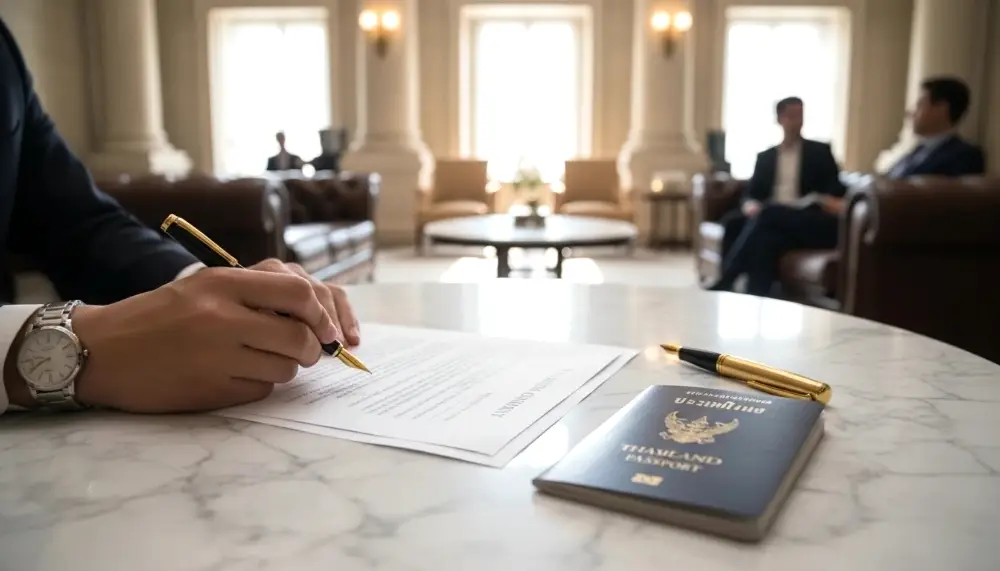
Entry Requirements: Foreigners on DTV or long-stay visas generally need insurance coverage of at least 1,800,000 THB (approximately $50,000 USD) for inpatient care. The O-A retirement visa mandates 3,000,000 THB in TGIA-approved coverage.


Travelling in Bangkok with work?
NordVPN keeps remote access secure
on any network, even dodgy hotel
wifi or shared co-working hotspots.
Is the Healthcare Actually Good?

Thailand offers genuinely excellent healthcare for international visitors, and the private hospital system in particular compares favourably with Western standards in ways that consistently surprise first-time visitors.
Private hospitals in Bangkok, Chiang Mai, Phuket, and the major tourist destinations are internationally accredited. Doctors at facilities like Bumrungrad International, Samitivej, and Bangkok Hospital Group typically hold postgraduate training from the UK, US, or Australia, and most speak fluent English. Treatment costs, even at the premium end of the private market, sit well below equivalent procedures in Western Europe or North America.
Here is what the experience at a Thai private hospital typically looks like for foreign patients:
- Modern facilities with advanced diagnostic equipment, often comparable to the best Western hospitals
- English-speaking doctors, nurses, and international patient coordinators throughout
- Short waiting times: walk-in specialist access is routine at major private facilities
- Direct insurance billing for most major international policies, removing the upfront payment and reimbursement cycle
- Pharmacies everywhere, stocked with a wide range of medications available without the prescription requirements common in the West
For most visitors, the genuine challenge is not finding healthcare when you need it. It is deciding which of the several excellent hospitals nearby to choose.
| Service Category | Public Hospital (THB) | Private Hospital (THB) | Premium International (THB) |
|---|---|---|---|
| Specialist Consultation | 500 to 1,200 | 1,500 to 3,000 | 3,000 to 5,500 |
| MRI Scan (One Area) | 6,000 to 10,000 | 12,000 to 18,000 | 18,000 to 25,000 |
| Single Room Per Night | 2,000 to 4,000 | 8,000 to 15,000 | 18,000 to 35,000 |
| Comprehensive Health Check | 3,000 to 7,000 | 10,000 to 25,000 | 30,000 to 60,000+ |

Skip-the-line tickets and guided walks
in Bangkok with English-speaking
guides. Read real traveller reviews
before committing to a single one.
Public vs Private Hospitals: What You Need to Know
Public Hospitals
Thailand’s public hospitals, including flagship institutions like King Chulalongkorn Memorial in Bangkok and Maharaj Nakorn Chiang Mai in the north, provide world-class medical expertise at a fraction of private costs. These are teaching hospitals connected to major universities, and the clinical skill on the wards is often exceptional, with senior professors and research-active specialists who see complex cases that private hospitals sometimes refer out.
The trade-off is significant. These facilities serve enormous patient volumes, and the experience for a foreign visitor without fluent Thai is challenging. Expect early morning queueing at 5:00 AM or before, multi-window bureaucratic registration processes, communal wards rather than private rooms, and total waits of 4 to 6 hours or more for non-emergency appointments. Navigating the system without a Thai-speaking companion is genuinely difficult.
For long-term residents on tight budgets who need complex chronic care, specialist surgery, or access to expert medical opinion, the public hospital system is genuinely unmatched for cost-effectiveness. One practical option worth knowing: many major public hospitals run After-Hours Premium Clinics in the evenings, where you can see the same senior professors for around 1,000 to 1,500 THB with significantly shorter queues. This is the best of both worlds for anyone who has the patience to research which specialist they need.
Private Hospitals
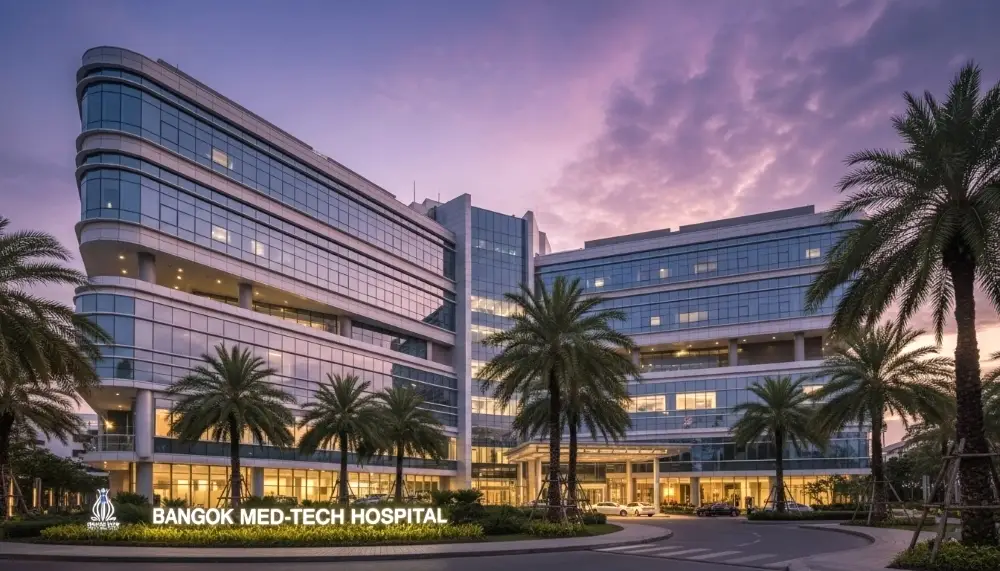
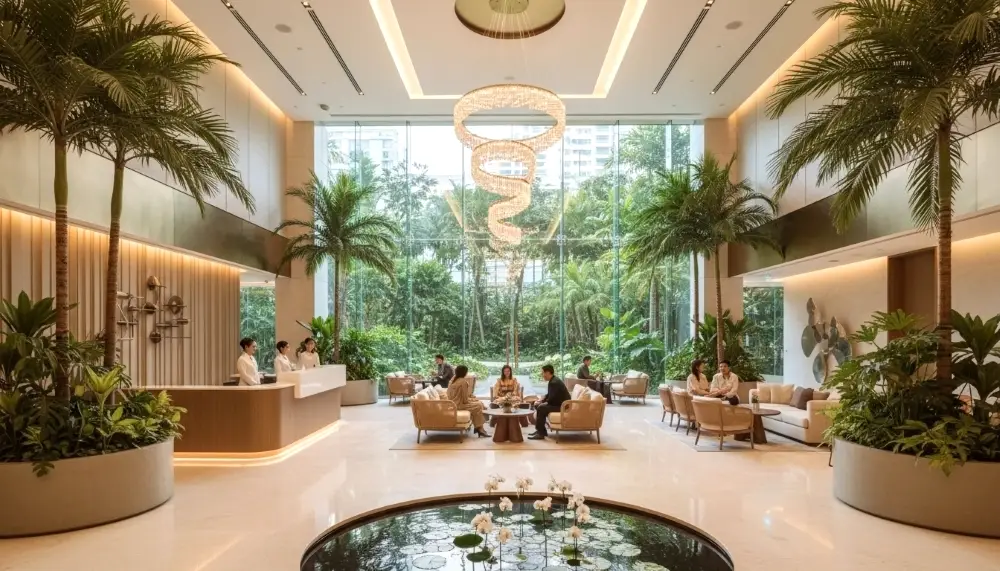
Private hospitals such as Bumrungrad International, Samitivej, and the Bangkok Hospital Group are the gold standard for expats, long-term visitors, and medical tourists. These institutions prioritise speed, English-speaking staff, hotel-standard room amenities, and seamless direct billing with the major international insurance providers.
The experience at a Bangkok private hospital’s international wing is genuinely impressive. In the Watthana or Pathum Wan districts, you can walk in, see a world-class cardiologist, receive an ECG, and have your prescription dispensed within two hours, without an appointment. Most consulting physicians have postgraduate training from the UK, US, or Australia. Communication is clear and culturally aligned. The diagnostic technology is current.
For those based in Chiang Mai, Bangkok Hospital Chiang Mai provides the same standard of care without the capital’s traffic. Phuket and Koh Samui each have Bangkok Hospital Group branches that handle the full range of procedures required by active travellers and retirees in those areas.
One important financial note: the “Plus Plus” billing structure applies at private hospitals just as it does at high-end restaurants. Hospital bills often include a 10% service charge and 7% VAT on certain line items. If you are using insurance, the direct billing arrangement handles this. If paying out of pocket, ask for an itemised estimate before any non-emergency procedure.
Healthcare in Major Destinations
Bangkok
Bangkok is a global hub for medical excellence and the undisputed centre of Thailand’s private healthcare system. Several of its hospitals rank among the best in Asia and actively attract medical tourists from across the region for procedures ranging from cardiac surgery to advanced cancer treatment to complex orthopaedic work.
For visitors and long-term residents, Bangkok’s healthcare infrastructure means:
- Large Private Hospitals: Multi-disciplinary facilities with every speciality under one roof, at technology standards that match top Western medical centres.
- Specialist Clinics: Focused centres for dental, fertility, dermatology, ophthalmology, and surgical procedures, many offering internationally competitive pricing.
- 24-Hour Emergency Departments: Fully equipped trauma and urgent care units that function around the clock across multiple facilities in every major district.
- English-Speaking Staff: International patient coordinators at every major private hospital who manage the entire appointment, admission, and billing process in English.
If something serious happens during your time in Thailand, Bangkok is arguably the best location in Southeast Asia to receive prompt, skilled, and well-communicated medical treatment.
Chiang Mai
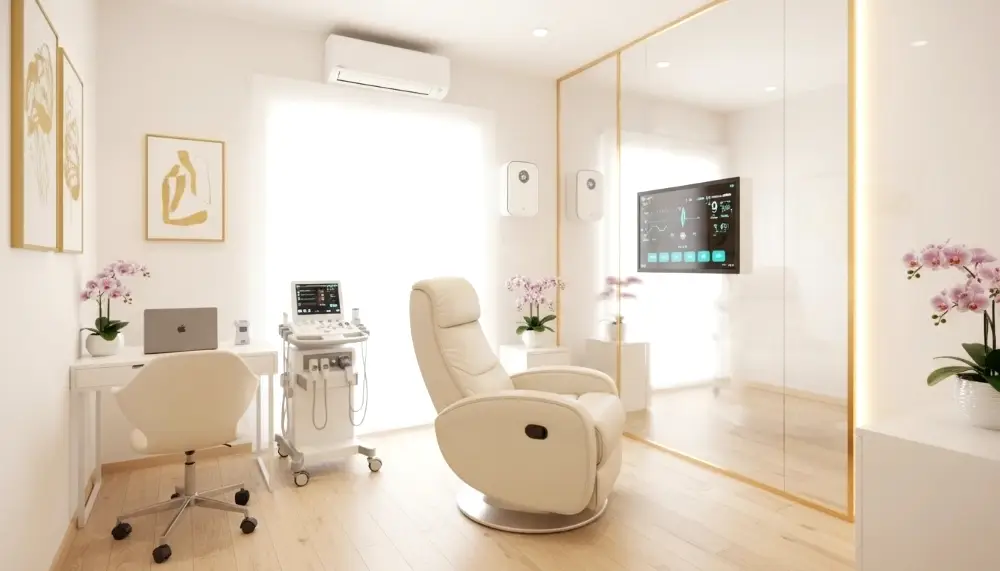
Chiang Mai is not just a destination for digital nomads and cultural explorers. It offers healthcare infrastructure that genuinely mirrors the quality available in the capital, without Bangkok’s distances and traffic.
The city’s main private facilities, including Bangkok Hospital Chiang Mai, Chiang Mai Ram Hospital, and Rajavej, are all geared towards international patients with English-speaking staff and direct billing arrangements with major insurers. For long-term residents in the north, these facilities cover the full range of routine and specialist needs without the need to travel south.
Whether you spend your days exploring ancient temples, hiking northern trails, or working from a Nimman cafe, high-quality medical care is centrally accessible and consistently well-regarded by the large expat community that has made Chiang Mai its permanent base.
Southern Islands
The southern islands have developed solid medical infrastructure to support the high volume of international visitors they receive year-round. In Phuket, Koh Samui, and Krabi, you will typically find:
- Private Hospitals on Larger Islands: Bangkok Hospital Phuket and Bangkok Hospital Samui are well-equipped for significant procedures including trauma, cardiac events, and surgical emergencies.
- Clinics in Tourist Areas: Conveniently located urgent care centres handling minor illnesses, dive injuries, sunstroke, and common travel ailments efficiently.
- Pharmacies in Nearly Every Town: Stocked comprehensively with both branded and generic medications and staffed by trained pharmacists who speak enough English for straightforward consultations.
Common medical issues are handled efficiently on the islands. Patients requiring highly specialised or prolonged treatment may be transferred to Bangkok facilities, which is why comprehensive insurance with medical evacuation coverage is particularly important for those staying on smaller or more remote islands.


Book Bangkok day trips, attractions,
and activities in one place. Check
real reviews and lock in your spot
before the popular slots go.
Pharmacies in Thailand
One of the most practically useful aspects of Thailand’s healthcare landscape is the sheer abundance and accessibility of pharmacies. They operate in major cities, tourist hubs, small towns, and on most inhabited islands. Chain pharmacies including Boots and Watsons are found in every major shopping centre. Independent local pharmacies, often staffed by a qualified pharmacist who also acts as a first-line medical adviser, are found on virtually every busy street.
Thai pharmacists are well-trained and genuinely helpful for a wide range of minor conditions. For most of what travellers need day-to-day, a good pharmacy visit is faster and simpler than a hospital appointment:
- Stomach and digestive issues: Rehydration salts, probiotics, and antispasmodics available immediately over the counter.
- Mild infections: Topical treatments and some oral medications for non-serious conditions.
- Allergies: A full range of antihistamines, including non-drowsy formulations.
- Colds and flu: Comprehensive symptom-relief options, including some not commonly available over the counter in the UK.
- Minor injuries: Full first-aid supplies, wound care products, and antiseptics.
- Sun and heat issues: Electrolyte products, cooling treatments, and sunburn remedies.
Many medications that require a strict prescription in Western countries are available directly over the counter in Thailand. That said, stronger antibiotics and controlled substances are now subject to tightened regulations and require a doctor’s note at reputable chain pharmacies. If you are prescribed specific ongoing medications at home, bring an adequate supply plus a written record of the generic names. Thai pharmacists can often source equivalents, but having the generic name rather than just the brand name makes that process significantly faster.

Lock in your Bangkok accommodation
early and beat peak-season price hikes.
Agoda’s filters let you compare options
side by side before you commit.
Do You Need Travel and Health Insurance?
Even though Thailand’s private healthcare is dramatically more affordable than Western equivalents, comprehensive insurance is strongly recommended for every visitor and non-negotiably necessary for anyone on a long-stay visa.
A routine GP consultation or pharmacy visit may cost almost nothing. But the financial exposure from a serious incident escalates quickly: a road accident requiring trauma surgery, a cardiac event, a serious infection requiring an ICU stay, or a medical evacuation back to your home country can each run into hundreds of thousands of baht without insurance in place.
Good travel or health insurance for Thailand should cover:
- Emergency hospital treatment: Access to private hospital care without financial strain at the moment it is most needed.
- Specialist consultations and doctor visits: Covering outpatient care for unexpected illness or injury.
- Prescription medication: Reimbursement for drugs prescribed during the stay.
- Medical evacuation: Critical coverage for transfer to a higher-care facility or repatriation to your home country if required. This is especially important for those staying on remote islands.
- Trip interruption: Protection if travel plans are cut short by a serious medical event.
For short-stay visitors, a standard travel insurance policy covering medical emergencies to at least 1,800,000 THB is a practical minimum. For digital nomads on the DTV, SafetyWing Nomad Insurance is the most widely used option in the expat community for its flexibility and monthly renewable structure. For O-A retirement visa holders, TGIA-approved policies with a minimum of 3,000,000 THB aggregate coverage are legally mandatory. For those planning longer stays with pre-existing conditions or significant age-related health considerations, comprehensive international policies from providers like Cigna Global or AXA offer broader coverage and generally smoother claims processes.
Dental Care in Thailand
Dental care deserves its own mention because it is one of the areas where Thailand’s healthcare affordability has the most dramatic impact for visitors from the UK, Europe, or Australia. Dental work that would involve months of waiting or thousands of pounds at home is available here at a fraction of the cost, with no waiting lists and with genuinely skilled practitioners.
A routine dental check-up and clean at a quality Bangkok or Chiang Mai clinic runs around 500 to 1,500 THB. A single porcelain crown costs approximately 5,000 to 10,000 THB. Full dental implants, which can exceed £3,000 per tooth in the UK, typically cost between 35,000 and 60,000 THB in Thailand, including the implant, abutment, and crown. Many long-stay visitors and retirees specifically plan dental work into their time in Thailand for precisely this reason.
Quality dental clinics with English-speaking staff are found throughout Bangkok, Chiang Mai, and Phuket. Look for clinics with visibly qualified practitioners and modern equipment. Major dental hospital groups like Dental World and Bangkok Smile have multiple branches and established reputations with the expat community.

From short trips to long stays in Bangkok,
Airalo has flexible eSIM data plans
you install in minutes. Top up
remotely if you need more data.
Practical Health Tips for Travellers
Staying healthy in Thailand is straightforward with a few simple precautions. Most visitors get through their entire trip without any medical issue more serious than mild stomach upset in the first few days. These are the things worth doing from the start:
Stay properly hydrated. Thailand’s tropical climate is hot and humid year-round, and dehydration sets in faster than most arrivals from cooler climates expect. Drink water consistently throughout the day, not just when you feel thirsty, and increase fluid intake during any physical activity or time on the beach.
Use sunscreen every day. The UV index in Thailand is high even on overcast days. Factor 50 is not overcaution here; it is appropriate for the actual conditions, particularly on beaches and during any outdoor activity between 10:00 AM and 4:00 PM.
Give your stomach a few days to adjust. Thai street food is delicious and generally very safe, but the combination of new bacteria, different spice levels, and heat can affect digestion in the first week. Eat from busy stalls with high turnover, avoid raw shellfish on the smaller islands, and carry rehydration salts as a precaution.
Use mosquito protection. Dengue fever is present in Thailand and carried by day-biting mosquitoes. DEET-based repellent, long sleeves at dusk in jungle areas, and a treated mosquito net if sleeping in budget accommodation are practical protections rather than excessive ones.
Carry a basic medical kit. Paracetamol, ibuprofen, rehydration salts, antihistamines, and a small selection of first-aid supplies covers the overwhelming majority of minor issues. Everything on this list is also available at any Thai pharmacy, but having it in your bag means not needing to find a pharmacy at 2:00 AM on an island.
Keep your insurance documents accessible. Store your policy number, the emergency contact number, and the direct billing hospital list in your phone and in a cloud document. In an emergency, having this information immediately to hand saves critical time.


Delayed or cancelled flight to or
from Bangkok? You may be owed
up to €600. AirHelp handles the
claim and only charges if you win.
Pro Tips for Stress-Free Medical Situations

Transport to hospital: Grab (choose GrabCar Premium for post-procedure comfort and more space) or Bolt for shorter budget hops. For genuine emergencies, dial 1669 for the national emergency medical service, or call the private hospital’s direct ambulance line, which is typically faster in urban areas.
Getting there efficiently: Google Maps is essential for navigating to specific hospital buildings and avoiding the gridlock that can add significant time to Bangkok journeys. Most major hospitals have multiple entrances and wings: knowing the specific entrance for the international patient centre or emergency department before you need it is worthwhile.
Accommodation near medical hubs: If you are in Bangkok for planned treatment or medical tourism, Agoda and Booking.com both carry serviced apartment listings near the major hospital corridors in Sukhumvit and Silom. Being within walking distance or a five-minute Grab ride of your treating facility makes the entire experience significantly easier.
Connectivity: A live data connection is essential for translation apps, maps, insurance app access, and communication. Activate a Yesim, Airalo, or Saily eSIM before departure so you are connected from the moment you land. For long-term stays, a physical AIS or TrueMove SIM at around 600 THB per month provides the most reliable 5G coverage.
Cash: Keep 2,000 to 5,000 THB available in cash. Smaller clinics, local pharmacies, and some smaller island facilities may not accept international cards without a surcharge. Wise and Revolut are the best tools for converting and withdrawing THB at minimal cost.
Flight disruptions on the way home: If a medical situation cuts your trip short and affects your return flight, AirHelp is the most practical tool for pursuing compensation on EU or UK-regulated routes. Claim processes require minimal effort and qualifying delays or cancellations can be worth several hundred pounds per passenger.
A Country That Welcomes Travellers
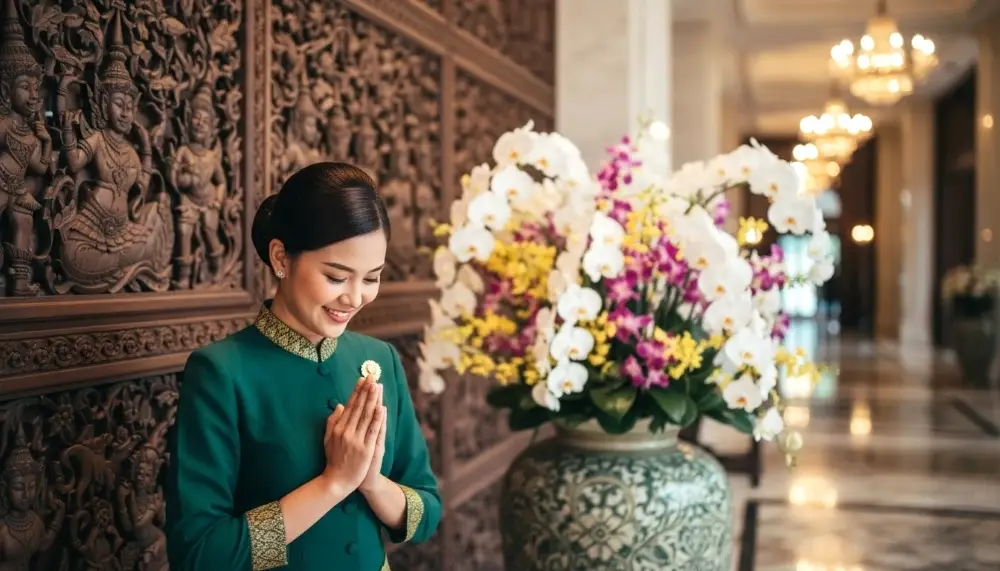
Thailand has built its reputation as one of the world’s most welcoming travel destinations over several decades, and that same spirit of genuine hospitality extends naturally into its healthcare system. International patient coordinators in private hospitals are not an afterthought: they are a central part of how these facilities operate, because foreign patients make up a significant and valued part of their business.
Whether you are wandering through golden temples, eating extraordinary street food at a night market, trekking through mountain villages in the north, or relaxing beside turquoise water in the south, it is genuinely reassuring to know that reliable, modern, affordable healthcare is accessible throughout the country.
For first-time visitors in particular, the quality and accessibility of healthcare here removes one of the most common sources of pre-trip anxiety about travelling in Asia. The reality consistently exceeds expectations. Plan your adventure, pack well, and travel with confidence.
Frequently Asked Questions
Do I need to tip doctors or nurses in Thailand?
Tipping is not expected or appropriate in Thai medical settings. A small token of appreciation such as a box of quality fruit or sweets is culturally acceptable for nursing staff during extended inpatient stays, and is warmly received. Cash tips, however, can feel awkward or inappropriate for professional medical staff and are not part of the cultural expectation.
Can I buy antibiotics over the counter at a Thai pharmacy?
Regulations have tightened in recent years. While a wide range of medications remain available without a prescription at reputable pharmacies including Boots and Watsons branches, stronger antibiotics and controlled substances now formally require a doctor’s note. In practice, smaller independent pharmacies are sometimes more flexible, but for anything requiring ongoing use or a specific antibiotic course, a brief consultation at a private clinic (typically 500 to 1,000 THB) is both safer and faster than pharmacy-hopping.
What should I do in a medical emergency in Thailand?
Dial 1669 for the national emergency medical service. In major cities, it is often faster to call the direct ambulance line of the nearest private hospital, most of which have 24-hour emergency dispatch. If the situation is stable enough for a car, Grab (GrabCar Premium for comfort and space) can reach most locations faster than a public ambulance in Bangkok traffic. Store the direct emergency number of your nearest private hospital in your phone before you need it.
Is the water safe to drink in Thai hospitals?
Private hospital rooms at all quality levels provide bottled or filtered water as standard, and it is the universal practice to drink only from this supply rather than tap water during any inpatient stay. In your accommodation generally, drinking bottled or filtered water is strongly recommended across Thailand regardless of location.
Which hospitals do most expats and long-term visitors use in Bangkok?
The three most consistently recommended private hospitals for foreign patients in Bangkok are Bumrungrad International (Sukhumvit Soi 3), Samitivej Sukhumvit (Sukhumvit Soi 49), and Bangkok Hospital (New Petchburi Road). All three offer internationally accredited care, English-speaking consultants across all specialities, walk-in specialist access, and direct billing with most major international insurers. Bumrungrad in particular sees the highest volume of international patients and has the most developed international patient infrastructure, including coordinators who speak over 30 languages.
How does direct insurance billing work at Thai private hospitals?
Most major Thai private hospitals have established direct billing arrangements with the leading international health insurers. When you arrive for treatment, you present your insurance card and policy details to the international patient centre. The hospital contacts your insurer directly, obtains pre-authorisation for the proposed treatment, and settles the bill with your insurer without requiring you to pay upfront and seek reimbursement afterwards. This arrangement covers the vast majority of planned and emergency treatments. Always carry your insurance card, policy number, and the insurer’s direct billing approval line with you.
Is dental work good in Thailand and is it worth doing while visiting?
Yes on both counts. Thai dental care is genuinely high quality at the major clinics in Bangkok, Chiang Mai, and Phuket, and costs a fraction of UK or Australian equivalents. A porcelain crown runs approximately 5,000 to 10,000 THB. A full dental implant including implant, abutment, and crown typically costs 35,000 to 60,000 THB, compared to over 3,000 GBP per tooth in the UK. Many long-stay visitors and retirees specifically plan dental procedures around their time in Thailand. Look for clinics with visibly qualified practitioners, modern equipment, and established reputations within the expat community.
What vaccinations do I need before travelling to Thailand?
The NHS and most travel medicine clinics recommend ensuring standard vaccinations are up to date before visiting Thailand: tetanus, diphtheria, hepatitis A, and typhoid are the most commonly advised. Hepatitis B vaccination is recommended for longer stays or anyone in a healthcare-adjacent context. Rabies vaccination is worth considering for those spending significant time in rural areas or with animals. Japanese encephalitis vaccination is recommended for longer rural stays during the wet season. Malaria prophylaxis is generally not required for the main tourist and expat destinations but is recommended for certain border regions. Consult a travel health clinic four to six weeks before departure for personalised advice.
What is the medical evacuation situation for remote islands?
Smaller and more remote islands in Thailand have limited on-site medical facilities, and serious cases require transfer to a larger island or to Bangkok. Medical evacuation by air or sea ambulance is available but expensive: a helicopter evacuation from a remote island to Bangkok can cost 200,000 THB or more. This is the specific scenario where comprehensive travel insurance with explicit medical evacuation coverage is most critical. Before travelling to or staying on a smaller island, confirm that your policy covers evacuation from that location and note the evacuation coordination number from your insurer.
What should I carry in a travel health kit for Thailand?
A practical travel health kit for Thailand should include: paracetamol and ibuprofen for pain and fever, oral rehydration salts for dehydration and stomach upsets, a non-drowsy antihistamine for allergic reactions and insect bites, DEET-based mosquito repellent (at least 30%), factor 50 sunscreen, a digital thermometer, antiseptic wipes and small plasters for minor wounds, and any prescription medication you use regularly with a supply of at least two weeks beyond your planned stay. If you take prescription medication, also carry a letter from your GP or prescribing doctor stating the medication, dosage, and medical reason, as customs occasionally queries prescription drugs on entry.