Koh Phi Phi Guide
This site contains affiliate links. We may earn a commission at no extra cost to you.
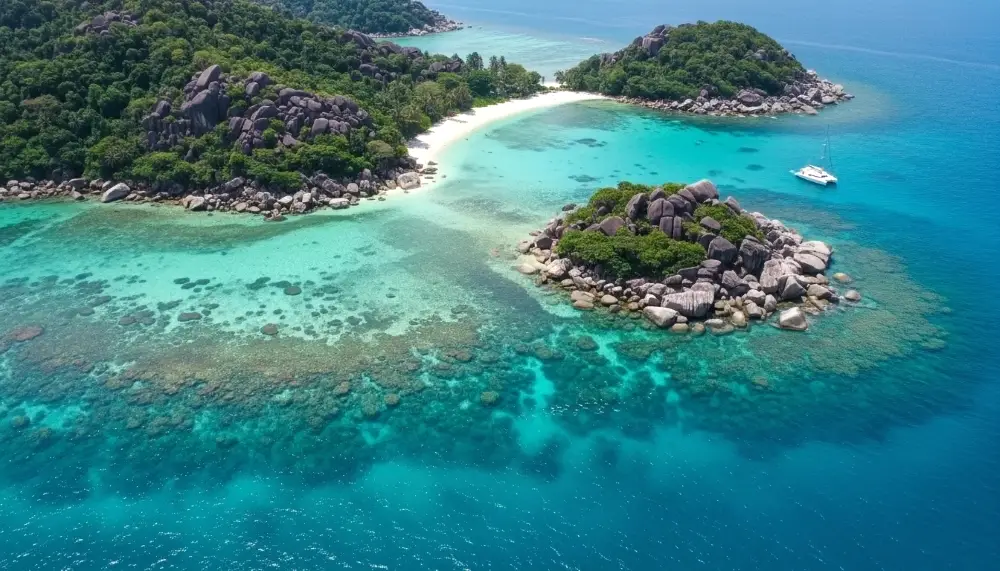
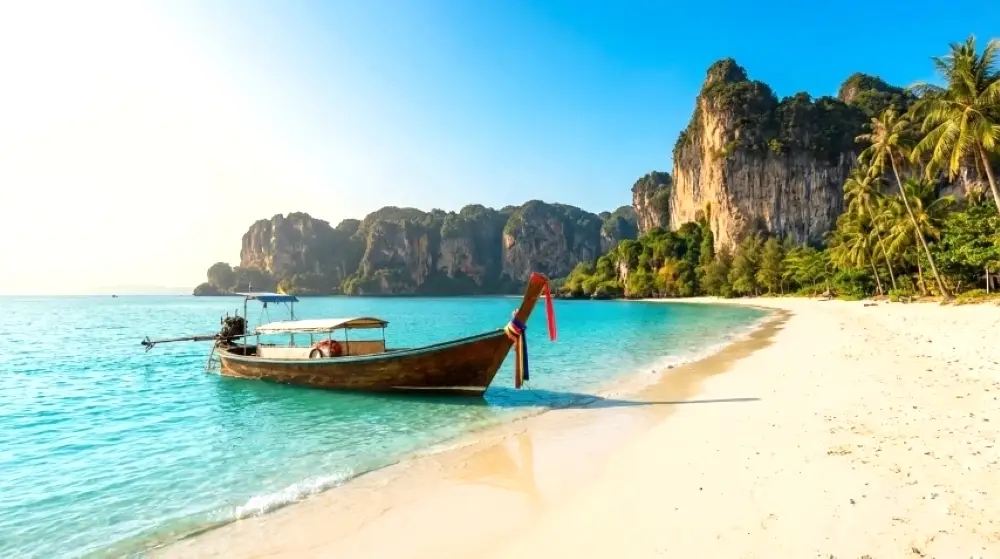
Located in the Andaman Sea between Phuket and Krabi, Koh Phi Phi is famous around the world for its dramatic scenery and laid-back island atmosphere. Whether you are looking for stunning beaches, boat adventures, or lively nightlife, this small island chain delivers an unforgettable experience. All prices in this guide use a rate of 35 THB = $1 USD.
For travelers exploring Thailand for the first time, Koh Phi Phi offers a perfect mix of natural beauty, social energy, and easy island exploration.
The Quick Summary:
Maya Bay Access: Entry is strictly regulated with a 400 THB (~$11.40) national park fee per person plus a 20 THB (~$0.57) pier fee. Seasonal closures occur from approximately August to September for ecological recovery.
Peak Viewpoint Timing: Arrival at Viewpoint 2 by 17:15 is essential to secure a vantage point before the 18:00 sunset. Viewpoint entry costs 50 THB (~$1.43) per person.
Transport: Longtail boats are the primary mode of inter-island transport. Private half-day charters cost 1,500 to 3,000 THB (~$42.85 to $85.70). Ferries and speedboats connect Tonsai Pier to Phuket and Krabi, with transit times ranging from 45 to 120 minutes and fares of 350 to 800 THB (~$10 to $22.85) per person.
Daily Budget: Budget travelers can manage on 1,500 to 2,500 THB (~$42.85 to $71.40) per day (guesthouse plus meals plus one activity). Expect prices 20 to 30% higher than mainland Krabi or Phuket due to boat transport of all goods.
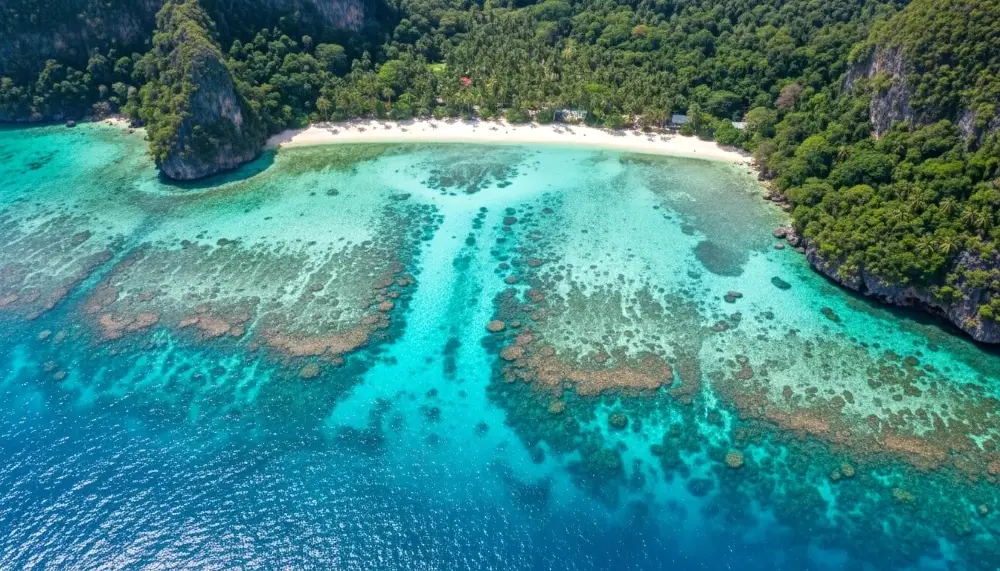

Compare hotel prices across Phi Phi’s
best areas and book with confidence.
Filter by budget, location, or score
to find the right stay for your trip.
What is Koh Phi Phi?
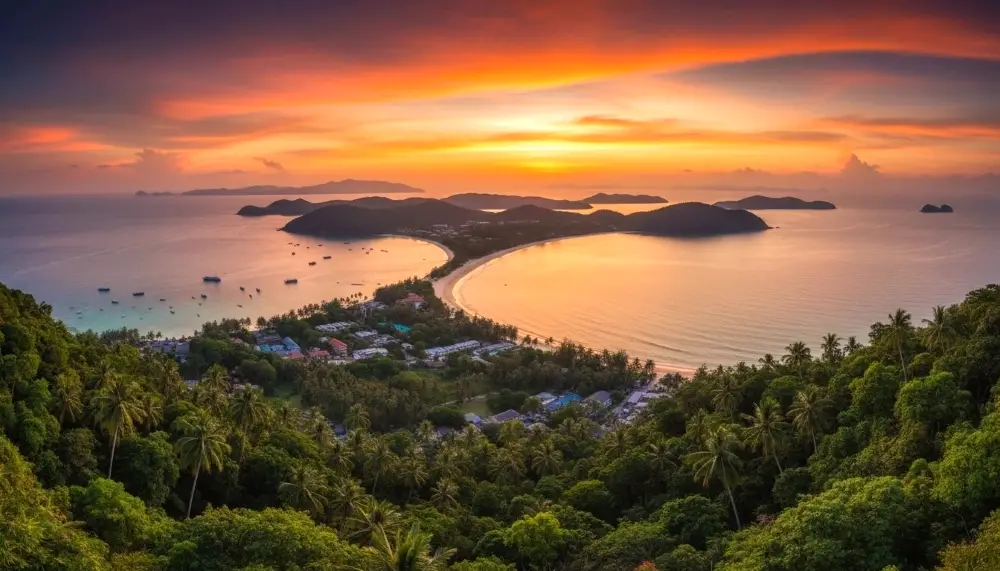
Koh Phi Phi (often written Phi Phi Islands) is a group of six islands in southern Thailand. The two main islands visitors talk about are Koh Phi Phi Don, the only island with hotels, restaurants, and nightlife, and Koh Phi Phi Leh, a protected national park home to the famous Maya Bay.
Most travelers stay on Koh Phi Phi Don and take boat trips to explore nearby beaches and hidden coves. Guesthouses on Phi Phi Don start from 600 to 1,500 THB (~$17.15 to $42.85) per night in Tonsai Village; mid-range beachfront resorts run 2,500 to 6,000 THB (~$71.40 to $171) per night. Despite its worldwide fame, Phi Phi remains relatively small and entirely car-free, which gives it a relaxed, walkable feel that many visitors love.

Lock in top-rated Phi Phi tours with
GetYourGuide’s free cancellation
up to 24 hours before. Reserve now
and pay later if dates aren’t set.
Why Koh Phi Phi is So Famous:
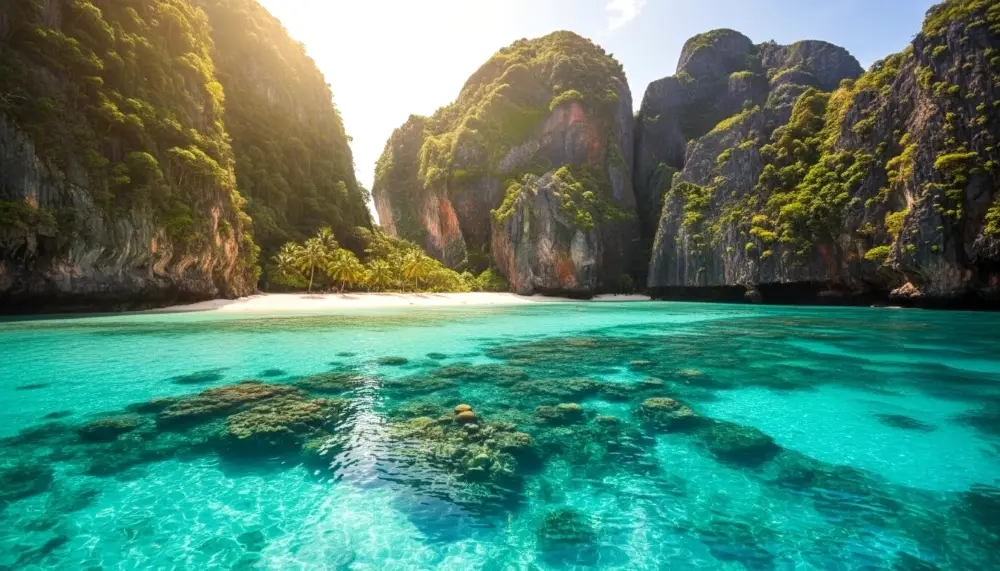
Koh Phi Phi gained international fame after the movie The Beach was filmed at Maya Bay. Since then, its towering limestone cliffs and glowing blue water have become some of the most recognizable tropical scenery in the world. Visitors come here for island-hopping boat tours at 1,500 to 2,500 THB (~$42.85 to $71.40) per person, snorkelling in crystal-clear water, viewpoints overlooking the entire bay (50 THB / ~$1.43 entry), beachfront nightlife and fire shows, and some of the most dramatic coastal scenery in Thailand.
For many travelers who start their journey in Bangkok or explore northern Thailand around Chiang Mai, Koh Phi Phi becomes the tropical highlight of the trip.
How to Get to Koh Phi Phi:
Because Koh Phi Phi has no airport, you must arrive by boat. Most travelers reach Phi Phi from Phuket by ferry (approximately 2 hours, 350 to 500 THB / ~$10 to $14.30 per person) or speedboat (approximately 1 hour, 600 to 800 THB / ~$17.15 to $22.85 per person), departing from Rassada Pier in Phuket Town. From Krabi (Ao Nang), ferries take approximately 90 minutes at 350 to 450 THB (~$10 to $12.85) and speedboats take 45 to 60 minutes at 500 to 700 THB (~$14.30 to $20) per person.
Both routes are easy to arrange; tickets can be booked online through Get Your Guide or Klook for verified operators with free cancellation, or through your hotel. Book at least 24 to 48 hours in advance during high season (November to April) as ferries sell out. Return transfers are equally straightforward to arrange on the island at the Tonsai Pier kiosks.

Pick a Phi Phi eSIM plan that matches
your trip length on Airalo’s global
marketplace. Install before departure
and you’re online the moment you land.
Travel Comparison:
| Feature | Longtail Boat (Private) | Speedboat (Group) | Ferry (Public) |
|---|---|---|---|
| Average Cost (THB) | 1,500 to 2,500 THB | 1,000 to 1,800 THB | 350 to 600 THB |
| Average Cost (USD) | ~$42.85 to $71.40 | ~$28.55 to $51.40 | ~$10 to $17.15 |
| Best For | Flexibility and Photography | Time Efficiency | Budget Travel |
| Passenger Capacity | 1 to 6 people | 15 to 30 people | 100+ people |
Best Things to Do in Koh Phi Phi:
Maya Bay: Everything You Need to Know
Maya Bay is open daily from approximately 06:00 to 17:00. Entry costs 400 THB (~$11.40) per adult for foreign nationals (the national park fee) plus a 20 THB (~$0.57) pier fee, payable in cash at the docking point. Keep your ticket as it may be checked at multiple locations. Seasonal closure: Maya Bay closes for approximately 4 months each year, traditionally mid-August to mid-October, to allow the reef and coral to recover. Check current closure status before booking any Phi Phi tour that includes Maya Bay.
Boat access: Boats must dock at Loh Samah Bay on the back side of Phi Phi Leh; no boats may anchor in Maya Bay itself. A wooden boardwalk path leads through jungle from the Loh Samah dock to reveal the iconic crescent of Maya Bay. Swimming is strictly prohibited in the main bay to protect resident blacktip reef sharks and ongoing coral restoration. Snorkelling is permitted in the designated areas at Loh Samah Bay (bring your own mask or rent from your tour operator at 100 to 200 THB / ~$2.85 to $5.70). Best timing: Depart Tonsai Pier no later than 06:30 to arrive before the main group tour fleet. By 10:00 the bay receives dozens of boats simultaneously. A full-day tour from Phi Phi Don including Maya Bay and Pileh Lagoon costs 800 to 1,500 THB (~$22.85 to $42.85) per person through pier kiosks, or book through Get Your Guide for verified operators with free cancellation.
Hike to the Phi Phi Viewpoint
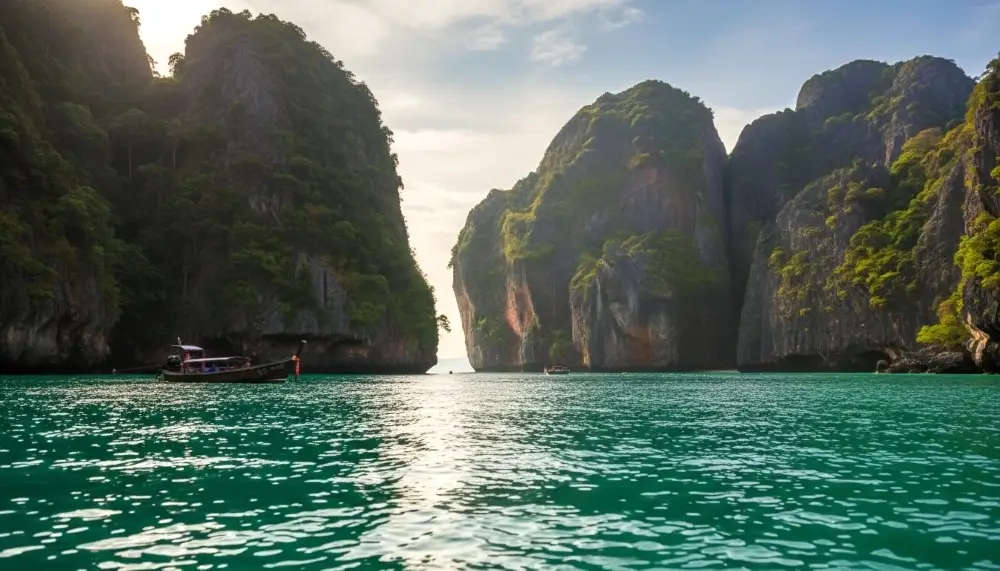
The Koh Phi Phi Viewpoint consists of three distinct levels accessible via a steep staircase starting from the north of Tonsai Village. Entry costs 50 THB (~$1.43) per person. Viewpoint 2 offers the classic panoramic vista of the twin bays, while Viewpoint 3 provides the highest elevation and more seclusion. Allow 20 to 30 minutes to reach Viewpoint 2 and 40 minutes to reach Viewpoint 3 from the village.
The ascent begins with a series of vertical concrete steps. As elevation increases, the sounds of the village fade. Viewpoint 1 features gardens and photo signage. Viewpoint 2 reveals the famous view: the thin strip of land separating Tonsai Bay from Dalum Bay, framed by monolithic limestone walls. Arrive by 17:15 to secure a good spot before the 18:00 sunset. Bring water at 20 to 30 THB (~$0.57 to $0.86) from shops at the base; no vendors operate at the summit.
Go Island Hopping
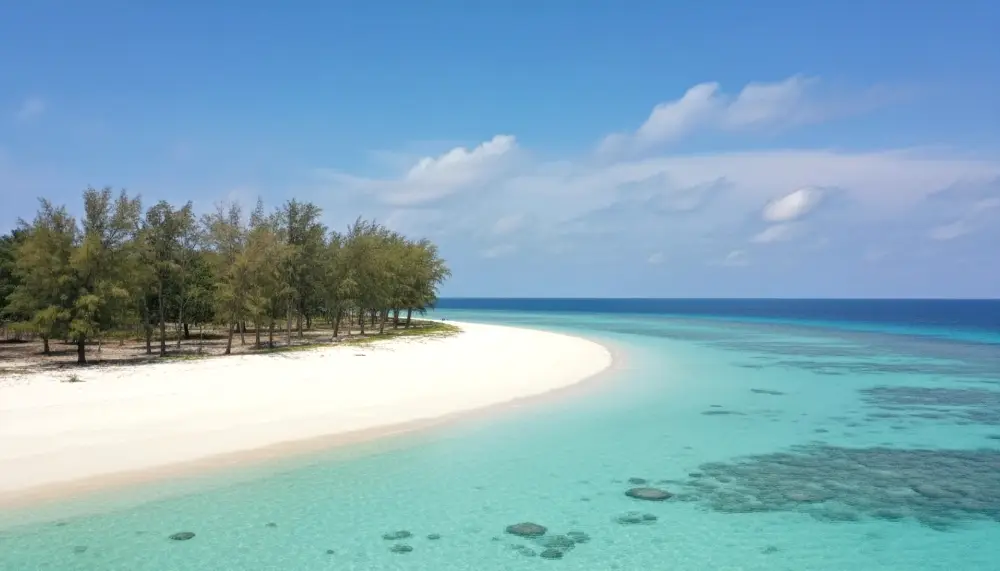
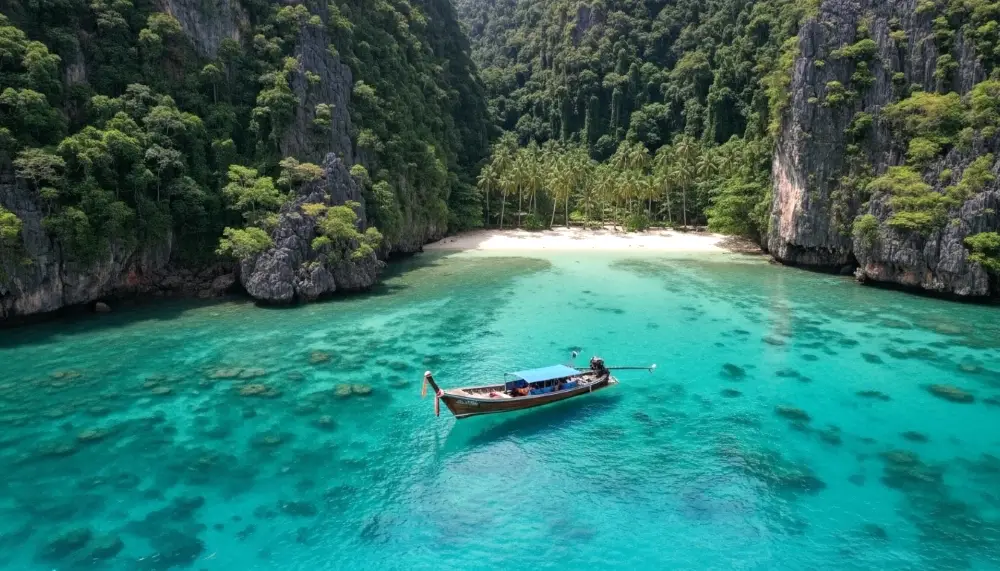
Boat tours are the undeniable pulse of life on the islands. Most tours are expertly curated to combine high-intensity snorkelling, scenic swimming spots, and geological sightseeing into a single seamless day at 800 to 1,800 THB (~$22.85 to $51.40) per person. Popular stops include Viking Cave (restricted interior, tours linger outside to view ancient wall paintings and bamboo harvesting scaffolding), Bamboo Island (Koh Mai Phai, encircled by powder-white sand and exceptionally clear shallow water; national park entry included in tour price), Monkey Beach (narrow sand strip home to wild macaques, keep distance and do not feed them), and Pileh Lagoon (an emerald lagoon carved into the cliffs of Phi Phi Leh, protected swimming in vibrant green water).
Snorkeling and Swimming
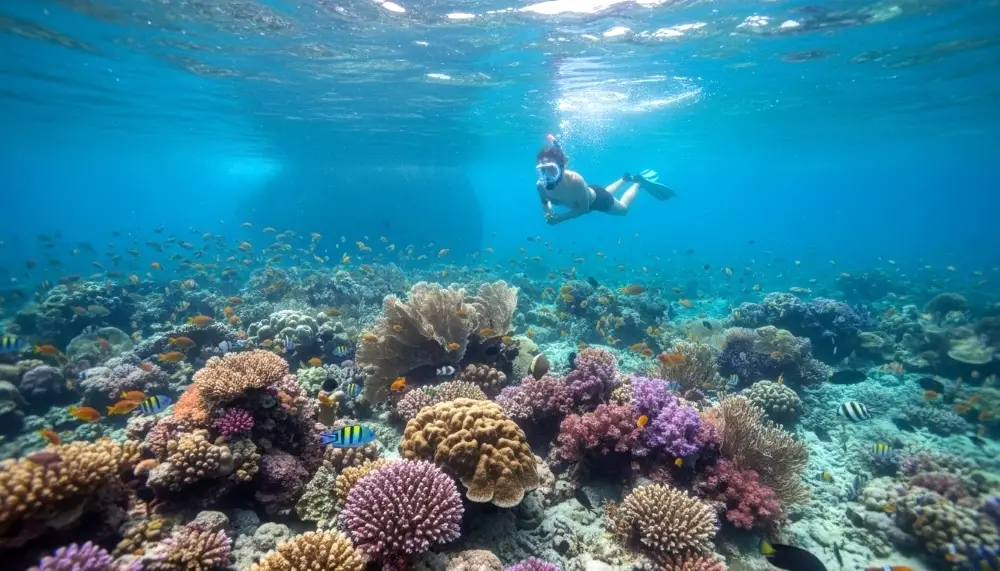
The Andaman Sea surrounding the Phi Phi archipelago is globally recognized for its vibrant marine life and coral health. The geography of the islands provides a natural barrier against heavy currents, creating sheltered bays where the water remains remarkably still. Even beginners can easily enjoy snorkelling here, as the most colorful reef activity often occurs just a few metres below the surface.
Many organised tours at 800 to 1,500 THB (~$22.85 to $42.85) per person provide masks and fins. On a single day it is common to encounter neon-colored parrotfish, clownfish, and the occasional harmless blacktip reef shark patrolling the deeper edges of the lagoons. Use reef-safe sunscreen (mandatory at all national park marine sites; available at Phi Phi pharmacies at 150 to 300 THB / ~$4.30 to $8.55 per tube). Standard oxybenzone-based sunscreens are banned throughout the national park waters.

Compare tours and tickets for Phi Phi
and book instantly on your phone.
Klook mobile vouchers mean no
printing, just turn up and go.
Where to Stay on Koh Phi Phi:
Accommodation on Koh Phi Phi Don ranges from budget-friendly beach bungalows to secluded luxury resorts. Because the island is car-free, your choice of location dictates your daily rhythm. Tonsai Village is the island’s primary tourism artery and central transit point: best for first-time visitors, it is steps away from the ferry pier, dive shops, and the highest density of restaurants and nightlife. Budget guesthouses start from 600 to 1,500 THB (~$17.15 to $42.85) per night.
Long Beach is a scenic 30-minute coastal walk or 10-minute longtail boat ride (100 to 150 THB / ~$2.85 to $4.30 per person) from Tonsai. It offers a quieter atmosphere with some of the best views on the island and excellent snorkelling at nearby Shark Point. Mid-range bungalows run 1,500 to 4,000 THB (~$42.85 to $114) per night. Laem Tong Beach on the northern tip is accessible only by boat and home to high-end resorts at 5,000 to 15,000 THB (~$142.85 to $428.55) per night; a peaceful, remote escape far from the social energy of the main village. Book all areas through Agoda for the widest Phi Phi inventory and mobile-only deals.
A Koh Phi Phi Budget Guide:
Everything on Koh Phi Phi arrives by boat, which pushes all prices 20 to 30% higher than the mainland. Here is what to budget across three spending levels per person per day.
Budget (Tonsai Village guesthouse): Guesthouse 600 to 1,200 THB (~$17.15 to $34.30) per night, beach restaurant meal 100 to 200 THB (~$2.85 to $5.70) per dish, full-day island tour from pier 800 to 1,200 THB (~$22.85 to $34.30) per person. Total daily budget: 1,500 to 2,500 THB (~$42.85 to $71.40) per person excluding accommodation.
Mid-range (Long Beach or Tonsai beachfront): Hotel 2,500 to 5,000 THB (~$71.40 to $142.85) per night, restaurant meals 200 to 500 THB (~$5.70 to $14.30) per dish, private longtail half-day charter 1,500 to 2,500 THB (~$42.85 to $71.40) per boat, Maya Bay tour 800 to 1,500 THB (~$22.85 to $42.85) per person, reef-safe sunscreen 150 to 300 THB (~$4.30 to $8.55). Total daily budget: 3,000 to 6,000 THB (~$85.70 to $171) per person excluding accommodation.
Luxury (Laem Tong or high-end beachfront): Resort 5,000 to 15,000 THB (~$142.85 to $428.55) per night, beachfront dining 400 to 1,000 THB (~$11.40 to $28.55) per dish (Plus Plus charges apply at resort restaurants at 17% total), private speedboat charter 8,000 to 18,000 THB (~$228.55 to $514) per boat. Total daily budget: 8,000 to 20,000+ THB (~$228.55 to $571+) per person all-in.

Affordable Phi Phi data without the
tourist SIM hassle. Saily’s eSIM
works on most modern phones and
tops up remotely whenever needed.
When is the Best Time to Visit?
Timing your trip is essential for maximizing your time in the water and ensuring smooth transit between islands. November to April (Dry Season) is widely considered the peak window. The northeast monsoon brings calm turquoise seas and consistent sunshine. Underwater visibility is at its absolute highest during January to March, ideal for snorkelling and diving. Hotel prices peak at high season rates during this period.
May to October (Green Season) sees occasional tropical rainfall but visiting is still very much possible and preferred by those seeking fewer crowds and hotel prices 20 to 30% lower than high season. Storms are typically short and intense, often followed by bright sunshine. Sea conditions can be choppier; if you are prone to motion sickness, check local weather reports before booking long-distance speedboat excursions. Note that Maya Bay closes for approximately 4 months during this period (typically mid-August to mid-October). The islands maintain their lush emerald beauty during the green season and offer a more tranquil perspective of this world-famous destination.
Pro Tips For Stress Free Travel:

Currency: All local transactions use Thai Baht (THB). ATMs are available in Tonsai Village but charge 220 THB (~$6.30) per foreign card withdrawal. Carrying sufficient cash is advisable as ATMs can run dry during busy periods.
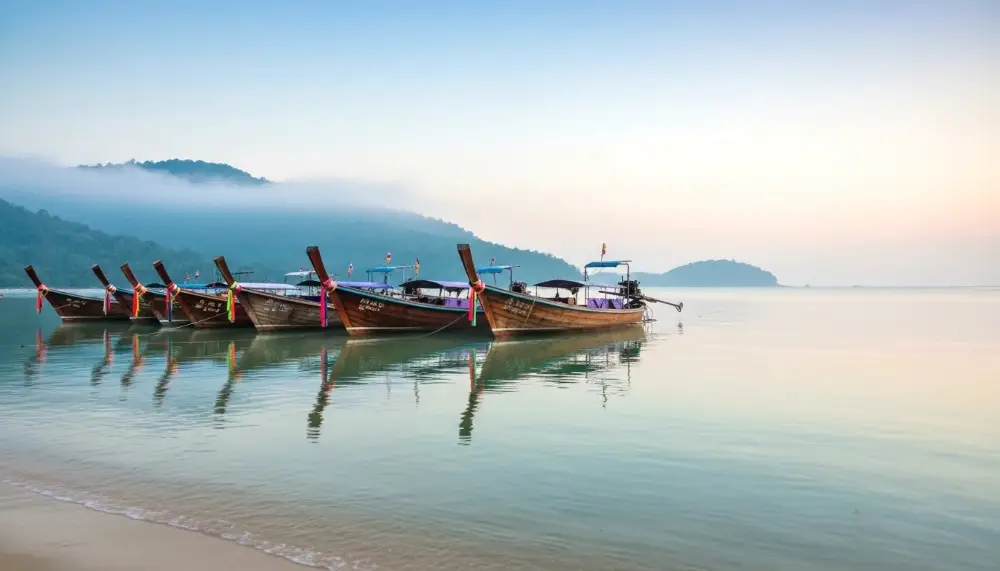
Transport Apps: While Grab and Bolt are essential in Phuket and Krabi, Koh Phi Phi is a walking island. No cars or motorbikes are available for rent. Longtail boat taxi within the island costs 100 to 200 THB (~$2.85 to $5.70) per trip.
National Park Payments: Keep your physical National Park ticket (400 THB / ~$11.40 per adult). It is valid for the entire day and may be checked at multiple locations including Bamboo Island and Pileh Lagoon. Pay in cash at the docking point; no card readers are available. Bring cash, pack light (you will likely walk from the pier to your hotel), book accommodation in advance during peak season, start tours early to avoid crowds, and use reef-safe sunscreen to protect marine life.

Stay online in Phi Phi without the
daily data limits of tourist SIMs.
Yesim’s eSIM offers unlimited 5G
from around $10 for the whole trip.
Is Koh Phi Phi Good for First-Timers?
Yes. Koh Phi Phi is one of the most popular destinations for people visiting Thailand for the first time. It offers the classic tropical island experience many travelers imagine before they arrive: dramatic cliffs, turquoise water, beach restaurants, and boat adventures. Because tourism is so well developed, it is easy to navigate even if you have never traveled in Southeast Asia before.
Many visitors combine Phi Phi with a few days exploring Bangkok, cultural experiences in Chiang Mai, and other southern islands like Phuket or Krabi. A one-way ferry from Phi Phi to Phuket costs 350 to 500 THB (~$10 to $14.30) and to Krabi costs 350 to 450 THB (~$10 to $12.85), making it easy to include in a larger southern Thailand route. Tourist Police are reachable on 1155 throughout the Phi Phi area.
Discover the Magic of The Islands:
Koh Phi Phi is one of those places that truly lives up to its reputation. The scenery is breathtaking, the atmosphere is vibrant, and the adventures are endless. For many travelers, this island becomes the moment when Thailand really starts to feel magical.
Whether you are island-hopping through the Andaman Sea, watching sunset from the viewpoint, or simply relaxing on a quiet beach, Koh Phi Phi is a destination you will never forget. And once you have experienced it, you will likely find yourself planning your next Thailand adventure long before you leave.
Frequently Asked Questions
What is the best time of year to visit Koh Phi Phi?
The peak season runs from November to April when the Andaman Sea is calm and skies are clear. This is when underwater visibility peaks, ideal for snorkelling and diving. May to October (Green Season) brings occasional tropical rain and rougher seas, but prices drop 20 to 30% and crowds are smaller. Note that Maya Bay closes for approximately 4 months (typically mid-August to mid-October) for ecological recovery.
Can you stay overnight on Maya Bay?
No, overnight stays on Maya Bay are prohibited. All visitors must depart by 17:00 (the bay closes at this time). Accommodation is concentrated on Phi Phi Don: Tonsai Village guesthouses from 600 to 1,500 THB (~$17.15 to $42.85) per night; Long Beach mid-range bungalows from 1,500 to 4,000 THB (~$42.85 to $114); Laem Tong luxury resorts from 5,000 THB (~$142.85) per night.
How do I get from Phuket to Koh Phi Phi?
Ferries depart from Rassada Pier in Phuket Town multiple times daily. A standard ferry takes approximately 2 hours and costs 350 to 500 THB (~$10 to $14.30) per person. Speedboats offer a faster 45 to 60-minute ride at 600 to 800 THB (~$17.15 to $22.85) but can be rough in choppy conditions. Book in advance during high season (November to April) through Get Your Guide or Klook.
Is Koh Phi Phi expensive compared to the mainland?
Prices are generally 20 to 30% higher than mainland Krabi or Phuket due to the cost of transporting goods by boat. Budget at least 1,500 to 2,500 THB (~$42.85 to $71.40) per day for food and basic activities excluding accommodation. A beach restaurant meal costs 150 to 300 THB (~$4.30 to $8.55); street food (limited on the island) costs 80 to 120 THB (~$2.30 to $3.43).
Is there a hospital on the island?
There is a small medical clinic on Phi Phi Don capable of handling minor injuries and stabilisation. Consultation fees run approximately 500 to 1,500 THB (~$14.30 to $42.85). For serious emergencies, a speedboat transfer to Phuket (1 hour) or Krabi (45 to 60 minutes) is required. Comprehensive travel insurance is essential. Tourist Police are reachable on 1155.
What is the entry fee for Maya Bay?
The national park entry fee is 400 THB (~$11.40) per adult for foreign nationals, plus a 20 THB (~$0.57) pier fee. Pay in cash at the docking point; no card readers are available. Keep your ticket as it may be checked at multiple locations throughout the day. Maya Bay closes annually for approximately 4 months (typically mid-August to mid-October) for ecological recovery; check current status before booking.
Can I swim at Maya Bay?
Swimming is strictly prohibited in the main Maya Bay cove to protect resident blacktip reef sharks and ongoing coral restoration. Snorkelling is permitted in the designated area at Loh Samah Bay where boats dock, on the back side of Phi Phi Leh. Bring reef-safe sunscreen (mandatory at all national park waters) and your own mask, or rent from your tour operator at 100 to 200 THB (~$2.85 to $5.70).
How long should I stay on Koh Phi Phi?
Two to three nights is sufficient to cover the key experiences: Maya Bay visit, Phi Phi Viewpoint sunset, a full-day island hopping tour (800 to 1,800 THB / ~$22.85 to $51.40 per person), and evenings on the Tonsai beach strip. Staying longer allows day trips to Bamboo Island, snorkelling at Shark Point off Long Beach, and a more relaxed pace without rushing between activities.
Are there ATMs on Koh Phi Phi?
Yes, ATMs are available in Tonsai Village. All charge the standard 220 THB (~$6.30) foreign card fee. ATMs can run out of cash during busy peak season periods, so withdraw sufficient cash in Phuket or Krabi before the ferry to cover your first day or two. Always choose ‘Without Conversion’ at ATMs to let your home bank handle the exchange rate.
Is reef-safe sunscreen required on Koh Phi Phi?
Yes. Standard sunscreens containing oxybenzone are banned at all national park marine sites throughout the Andaman, including all Phi Phi island waters. Reef-safe alternatives are available at pharmacies and dive shops in Tonsai Village at 150 to 300 THB (~$4.30 to $8.55) per tube. Bring your own from the mainland as availability can be limited and prices higher on the island.