Koh Tao vs Koh Lanta: The Definitive Guide
The scent of salt-crusted skin and the rhythmic hum of longtail boat engines define the sensory landscape of the Thai islands. For travellers seeking more than a fleeting holiday, the choice between the Gulf of Thailand’s granite-edged Koh Tao and the Andaman Sea’s sprawling Koh Lanta is a fundamental decision in lifestyle design. Get it right and you will spend weeks feeling like the luckiest person alive. Get it wrong and you will spend a fortune on transfers trying to undo it.
This is not a guide written from a hotel pool with a press-trip itinerary. This is a genuine, boots-on-the-ground breakdown of two of Thailand’s most compelling islands, built for every type of traveller: the budget backpacker counting baht on a beach bar stool, the comfort-seeking couple hunting for a boutique villa with proper Wi-Fi, the family that needs flat roads and a clinic within reach, and the remote worker who needs fibre broadband and a decent flat white. Both islands are magnificent. They are simply magnificent in entirely different ways, and the choice between them is deeply personal. Let’s get into it.
The Quick View
Koh Tao is a compact, rugged 21 km² island defined by steep hills and world-class diving clusters, ideal for social butterflies and underwater enthusiasts. In contrast, Koh Lanta is a vast 339 km² expanse of flat, accessible coastline and traditional villages, perfect for families, couples, and those prioritising physical space and a slower daily rhythm.
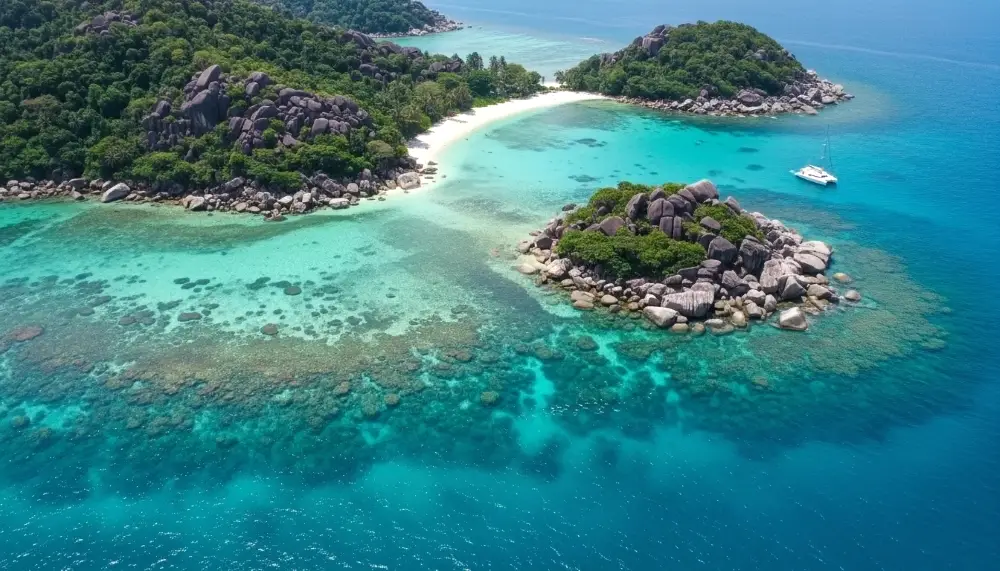
Koh Tao operates with a concentrated energy. In neighbourhoods like Sairee Beach, the density of cafes, dive centres, and beach bars creates a walkable “campus” feel. This is a place where you recognise faces within three days. The terrain is dramatic: sharp granite boulders tumble into turquoise bays like Tanote Bay and Shark Bay, and every sunset looks like it was specifically designed to make you cancel your onward ferry.
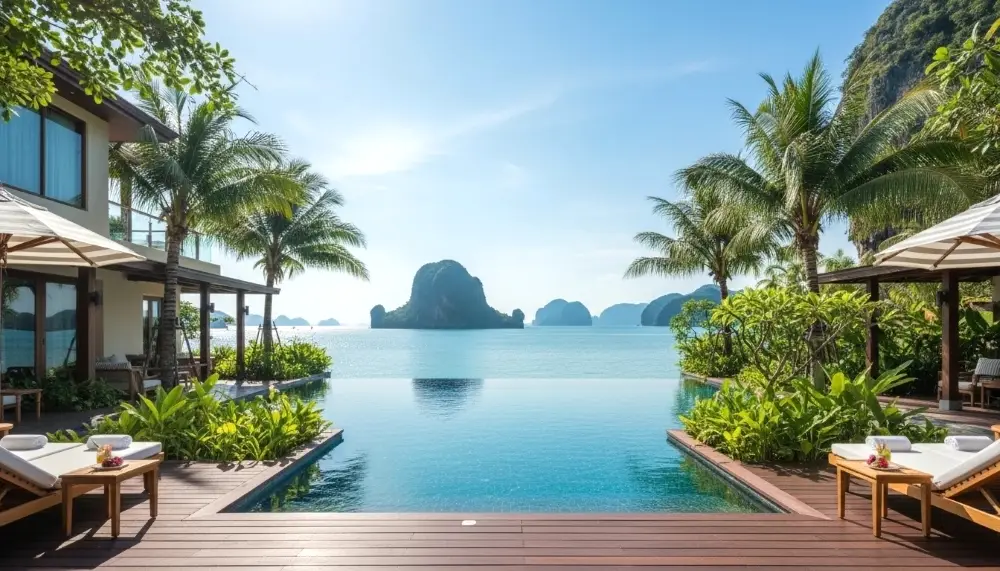
Koh Lanta exhales. It is an island of horizons. The western coastline is a continuous ribbon of sunset-facing beaches, from the family-friendly Klong Dao to the remote, jungle-fringed Bamboo Bay. The infrastructure here is more spread out, necessitating a scooter or car to truly appreciate the shift from the bustling Saladan Pier in the north to the serenity of Mu Ko Lanta National Park in the south. That distance is not a drawback. It is the whole point.


Compare hotel prices across Koh Lanta’s
best areas and book with confidence.
Filter by budget, location, or score
to find the right stay for your trip.
Getting There: Transfers, Ferries, and Not Losing Your Mind

The journey to either island is part of the experience, and it pays to plan it properly rather than discovering your options at Surat Thani bus station at midnight. Both islands require a combination of overland and sea transport from Bangkok or major hub airports, and the sequencing matters.
For Koh Tao, the classic route is a flight from Bangkok (Don Mueang or Suvarnabhumi) to Surat Thani, followed by a bus or van transfer to Chumphon or the Lomprayah pier, then a high-speed catamaran. Budget around 5 to 7 hours from touchdown to check-in on a good day. The alternative is the overnight train from Bangkok’s Hua Lamphong to Chumphon, a genuinely romantic option that saves a night’s accommodation. Lock in your ferry and train seats ahead of any national holiday through 12GO to avoid the very real possibility of being stranded on the mainland staring at a sold-out board. Prices for the full Bangkok-to-Koh Tao journey range from approximately 900 to 2,500 THB depending on class and speed.
For Koh Lanta, the natural gateway is Krabi International Airport. From there, a combination of minivan and ferry via Hua Hin Pier takes roughly 2 to 3 hours, making it significantly more accessible than Koh Tao for families with luggage, children, or anyone who finds multi-leg journeys stressful. If you are arriving with a group or travelling with young children, Welcome Pickups offers pre-arranged private transfers from Krabi that eliminate the chaos of negotiating with waiting touts at arrival. For families with car seats and specific needs, this convenience is worth every baht.
One practical point that catches many first-timers off guard: the moment you land, you will need mobile data to activate your ride-hailing app, confirm hotel bookings, or simply find out which pier your ferry departs from. Do not rely on airport Wi-Fi for this. Activate your Airalo, Yesim, or Saily eSIM data plan before you board your departure flight so that when you step off the plane in Thailand, you have instant working data. This is not optional admin. It is the difference between a smooth arrival and a genuinely sweaty 45-minute ordeal trying to get SMS verification codes through a patchy terminal connection.

Lock in top-rated Koh Lanta tours with
GetYourGuide’s free cancellation
up to 24 hours before. Reserve now
and pay later if dates aren’t set.
Cost Comparison: What Your Money Actually Buys
| Feature | Koh Tao (Monthly/Unit) | Koh Lanta (Monthly/Unit) |
|---|---|---|
| Studio Apartment Rent | 20,000 – 35,000 THB (~$555 – $970 USD) | 15,000 – 28,000 THB (~$415 – $775 USD) |
| Scooter Rental | 3,000 – 5,000 THB (~$83 – $140 USD) | 2,500 – 4,500 THB (~$70 – $125 USD) |
| High-End Dinner (2 pax) | 1,500++ THB (~$42++ USD) | 1,200++ THB (~$33++ USD) |
| Co-working Pass (Monthly) | 4,500 – 6,000 THB (~$125 – $165 USD) | 3,500 – 5,500 THB (~$97 – $152 USD) |
| Diving (2 Tanks) | 2,000 – 2,500 THB (~$55 – $70 USD) | 3,500 – 4,500 THB (~$97 – $125 USD) |
| Local Street Food Meal | 80 – 150 THB (~$2.20 – $4.15 USD) | 60 – 120 THB (~$1.65 – $3.33 USD) |
| Massage (1 hour, Thai) | 300 – 450 THB (~$8.30 – $12.50 USD) | 250 – 400 THB (~$6.95 – $11.10 USD) |
| Flat White / Coffee | 90 – 150 THB (~$2.50 – $4.15 USD) | 80 – 130 THB (~$2.20 – $3.60 USD) |
The headline takeaway: Koh Lanta is consistently 15 to 20% cheaper across most daily expenses. Over a month-long stay, that difference compounds meaningfully. A comfortable, mid-range solo slow traveller on Koh Tao might budget around 55,000 to 75,000 THB per month (~$1,525 to $2,080 USD), while the equivalent lifestyle on Koh Lanta sits closer to 42,000 to 62,000 THB per month (~$1,165 to $1,720 USD). The notable exception is diving, where Koh Tao’s extraordinarily competitive market means you will pay almost half the price per dive compared to anywhere on the Andaman side.
For accommodation, always book your first two or three nights through Agoda or Booking.com to secure a guaranteed base on arrival. Once you are on the island and have walked the streets, shift to Facebook Groups (“Koh Lanta Long Stay Rentals” or “Koh Tao Accommodation”) for monthly rates that are typically 30 to 40% below the listed online price. Landlords on both islands strongly prefer dealing with someone standing in front of them over a faceless online booking for extended stays.
Connectivity and Lifestyle for Remote Workers
Koh Tao offers a higher density of laptop-friendly cafes and a more established digital nomad social scene, though power outages can occur during monsoon peaks. The Sairee Beach strip is loaded with places that understand exactly what you need: reliable air conditioning, multiple power sockets, and the unspoken social contract of “yes, you can sit here for four hours with one coconut shake.”
Koh Lanta provides more stable landline infrastructure in the north and larger, air-conditioned co-working spaces like KoHub, which caters specifically to “deep work” professionals. KoHub is a genuinely world-class facility: private booths, hot desks, meeting rooms, and a community of productive, friendly long-termers who have clearly done their research. Monthly passes start at around 4,500 THB (~$125 USD), and the social infrastructure around it (yoga, hiking groups, community dinners) makes it extraordinarily easy to build a real routine here.
For the slow traveller, internet reliability is non-negotiable. While both islands now benefit from 5G coverage, Koh Lanta’s northern districts like Saladan and Long Beach feel more like a suburban extension of Krabi, offering consistent fibre-optic connections in most modern rentals. Koh Tao’s remote bays, such as Mango Bay or Sai Daeng, offer breathtaking views but may require a dedicated Yesim setup with a strong data plan. Wherever you are working from, running NordVPN is non-negotiable on public and shared Wi-Fi networks. Home country banking apps, corporate VPNs, and streaming services all behave inconsistently in Thailand without one, and the last thing you need is a locked bank account on payday.
The Diving Question: Where to Get Underwater
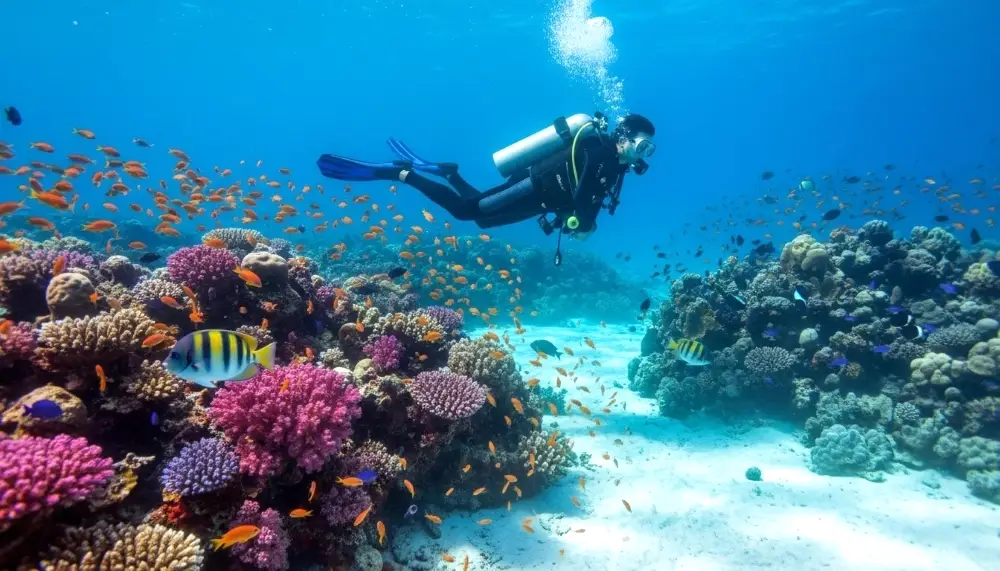
If underwater life is your primary reason for choosing a Thai island, this section settles the argument definitively: Koh Tao wins, and it is not particularly close. The island has earned its global reputation as one of the most affordable and accessible places on earth to learn to dive, and that reputation remains entirely justified. PADI Open Water courses are available from around 9,500 THB (~$265 USD), a price that would be considered extraordinary in virtually any other dive destination of comparable quality. The dive sites are genuinely excellent: Japanese Gardens, Chumphon Pinnacle, and Southwest Pinnacle regularly deliver encounters with whale sharks, reef sharks, and vast schools of chevron barracuda.
Two-tank fun dives on Koh Tao run 2,000 to 2,500 THB (~$55 to $70 USD). The same experience on Koh Lanta, accessed via liveaboard or day-trip boat to the Andaman’s premier sites like Koh Haa or Hin Daeng, will cost 3,500 to 4,500 THB (~$97 to $125 USD) per day. However, there is a counterargument for serious divers: the Andaman’s best sites are simply larger, deeper, and more dramatic. Koh Haa’s underwater cathedral and the pelagic action at Hin Daeng and Hin Muang (considered among the top dive sites in all of Southeast Asia) are in a different category entirely. Use Get Your Guide or Klook to book liveaboard day trips from Koh Lanta in advance, particularly during peak season (November to April), when boats fill up weeks ahead.
For snorkellers or those who simply want to swim in beautiful, clear water without a tank, both islands deliver brilliantly. Koh Tao’s Shark Bay is reliably excellent for blacktip reef shark sightings. Koh Lanta’s access to the Koh Rok islands (a 90-minute speedboat ride south) is simply staggering in its beauty, with visibility frequently exceeding 20 metres and coral gardens that look almost artificially perfect.

Compare tours and tickets for Koh Lanta
and book instantly on your phone.
Klook mobile vouchers mean no
printing, just turn up and go.
Food Culture: From Street Stalls to Sunset Restaurants
Neither island will leave you hungry or bored at dinner, but the food cultures are distinct. Koh Tao’s restaurant scene is deeply international, shaped by a decade of expat dive instructors and budget travellers. You will find excellent Italian, Indian, sushi, and loaded burger joints within a short walk of Sairee. The local Thai food is good but not the island’s strongest suit; look for the small, family-run restaurants just back from the beach strip where the pad krapow and khao man gai are cooked fast and eaten at plastic tables for around 80 to 120 THB (~$2.20 to $3.33 USD).
Koh Lanta’s food scene has a distinctly Southern Thai character that serious food lovers will find deeply rewarding. The island’s Muslim population means you have access to outstanding roti with massaman curry, fresh fish grilled simply with lemongrass, and exceptional seafood barbecue pits along the Long Beach road. Seek out the night market near Saladan for the island’s best street food concentration. Budget 60 to 150 THB (~$1.65 to $4.15 USD) for a proper local meal. The higher-end restaurants around Long Beach and Klong Dao are genuinely impressive, with several Scandinavian and Thai-French fusion spots that would not look out of place in a city food guide. A high-quality dinner for two with wine runs around 1,200++ THB (~$33++ USD).
For those interested in getting hands-on with Thai cuisine, Koh Lanta has several excellent cooking schools. Book through Klook for the best-priced, well-reviewed half-day classes that include a market visit. On Koh Tao, cooking classes are available but less established. The island’s real culinary highlight is its rooftop sundowner scene; the combination of fire-grilled food, cold Singha, and the Gulf horizon as the sun drops is genuinely hard to beat.

Pick a Koh Lanta eSIM plan that matches
your trip length on Airalo’s global
marketplace. Install before departure
and you’re online the moment you land.
Beaches and Day Trips: Getting Off the Main Strip
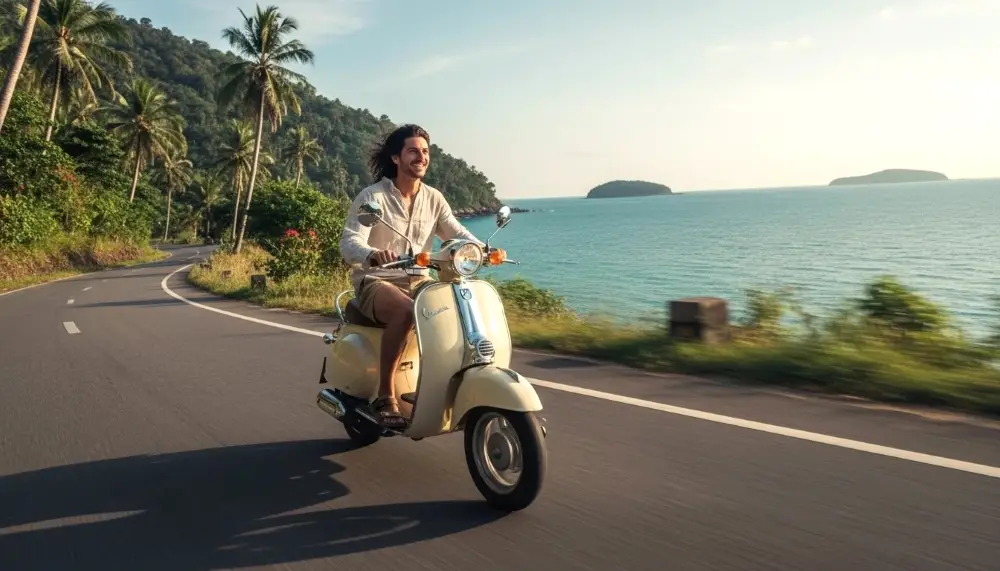
Koh Tao’s compact size is its greatest asset for beach exploration. You can circumnavigate the entire island on a scooter in a single morning, discovering hidden coves like Ao Leuk, the photogenic boulders of Tanote Bay, and the almost-secret Aow Leuk beach that sees a fraction of Sairee’s foot traffic. The island’s terrain rewards exploration but demands respect: the hills are genuinely steep, the roads narrow, and the loose gravel on bends has caught out more than a few overconfident riders. If you are not a confident scooter rider, hire a local taxi boat to hop between bays instead.
Koh Lanta’s beaches are a different proposition entirely. Klong Dao in the north is wide, safe, and ideal for families with children. Klong Khong, a little further south, draws a slightly more bohemian crowd with its laid-back beach bars and hammock cafes. Klong Nin feels quieter, more local. And then at the southern tip, the road through Mu Ko Lanta National Park (entry fee approximately 200 THB per person) delivers the kind of barely-touched, jungle-backed beach scenery that appears on travel magazine covers. Bamboo Bay is the headliner: a small, sheltered crescent of sand flanked by forest that feels genuinely remote even during high season.
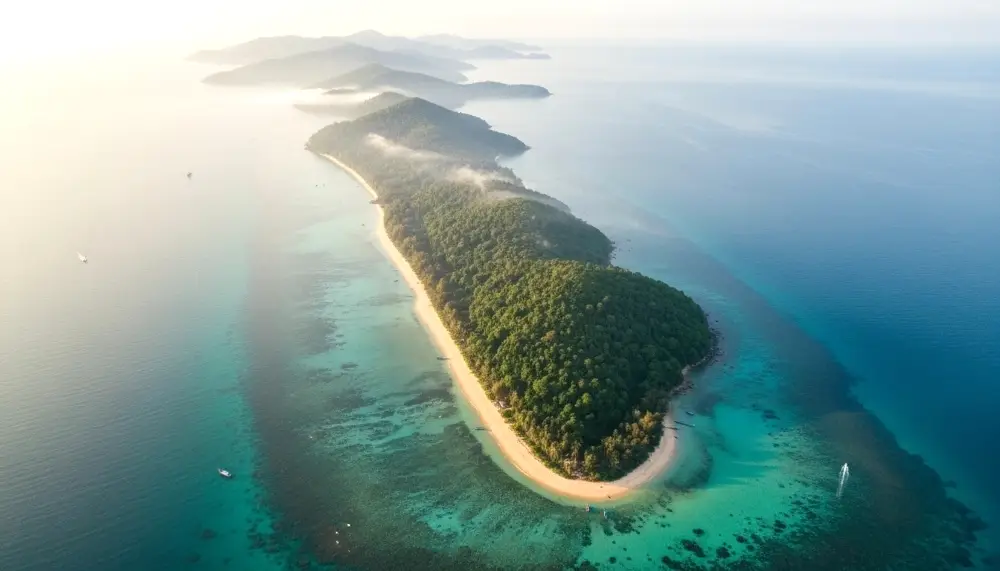
For day trips, Koh Lanta’s location is spectacular. Island-hopping to Koh Rok, Koh Ngai, or Koh Mook (home to the famous Emerald Cave, which you swim through at low tide into a secret beach) are all accessible via organised speedboat tours. Book through Get Your Guide or Klook for consolidated group tours that include snorkelling equipment, lunch, and a guide. Expect to pay 1,800 to 2,800 THB (~$50 to $78 USD) per person for a full-day multi-island trip. From Koh Tao, the classic day trip to Koh Nang Yuan (the iconic three-summit island connected by a sand bar) is essential. Entry costs 100 THB and the views from the summit hike are as good as anything in the Gulf of Thailand.
Seasonal Timing: When to Go and When to Stay Away
This is one of the most critically misunderstood aspects of the Koh Tao versus Koh Lanta decision, because the two islands sit in entirely different bodies of water and operate on opposite seasonal calendars.
Koh Tao (Gulf of Thailand) enjoys its best weather from March through to October, with the peak dry season sitting between April and September. The island does experience a shorter, less severe monsoon than the Andaman side, typically hitting hardest in November and December. Importantly, even during monsoon months, Koh Tao rarely shuts down entirely; the rain tends to arrive in concentrated afternoon squalls rather than week-long grey blankets, and diving conditions remain manageable.
Koh Lanta (Andaman Sea) operates on the inverse: peak season runs from November through April, when the northeast monsoon keeps the Andaman calm, clear, and utterly beautiful. The island essentially closes between May and October, with many restaurants and guesthouses shuttering entirely for the wet season. If you are planning a long stay, this calendar is critical. A slow-travel base on Koh Lanta works brilliantly from November to April. The same plan executed in August will find you in a ghost town with limited services and persistent heavy rain.
The practical implication for the indecisive traveller: if you are visiting between November and March, Koh Lanta is near-perfect. If you are coming between April and October, Koh Tao is the more reliable choice. If a flight delay or missed connection disrupts your journey, AirHelp is worth knowing about for claiming compensation on eligible routes.

Stay online in Koh Lanta without breaking
the budget. Saily offers flexible
eSIM plans with no contract and
no roaming charges going home.
Pro Tips for Stress-Free Travel

To navigate the islands with the precision of a local, utilise these essential tools and habits:
Currency: Always carry THB for local markets, street food, and taxis. Most “++” establishments accept credit cards, but smaller family-run shops are cash-only. ATMs on both islands are available but carry fees of around 220 THB per transaction for foreign cards. Withdraw in larger amounts less frequently.
Transport: Use Grab or Bolt in Krabi and Surat Thani on the mainland, but rely on local taxi cooperatives or independent scooter rentals on the islands themselves. Grab does not operate on either Koh Tao or Koh Lanta; the local “taxi mafia” pricing is fixed and widely understood, so simply confirm the price before getting in rather than arguing about it.
Accommodation: Agoda and Booking.com are best for short stays and initial arrivals. For monthly rates, use Facebook Groups directly (search “Koh Lanta Rentals” or “Koh Tao Long Stay”) for deals that are typically 30 to 40% cheaper than listed online rates.
Activities: Use Klook or Get Your Guide for island-hopping tours to Koh Rok or Koh Nang Yuan, cooking classes, and temple passes. Booking ahead secures the best prices and avoids the common experience of a sold-out boat on the morning you finally decide to go.
Security and Connectivity: Yesim for instant eSIM activation and Nord VPN to maintain access to home-country banking apps and streaming services on shared Wi-Fi. For remote workers on extended stays, SafetyWing’s Nomad Insurance provides solid medical coverage including emergency evacuation, which matters considerably when your nearest hospital-grade facility is a boat ride away.

Skip the airport SIM queue in Koh Lanta.
Yesim’s eSIM activates before takeoff
so you’re online the second your
plane touches the tarmac.
Etiquette and Local Customs
Respecting Thai culture involves understanding the “Plus Plus” (++) billing system, which adds 10% service charge and 7% VAT in established venues. This is standard, transparent, and non-negotiable. Tipping is voluntary but genuinely appreciated: 50 to 100 THB for a massage and rounding up the fare for Grab or Bolt drivers on the mainland is standard practice. If a bill already includes the 10% service charge, no additional tip is expected, though leaving the small change is a graceful gesture of Nam-Jai (generous spirit).
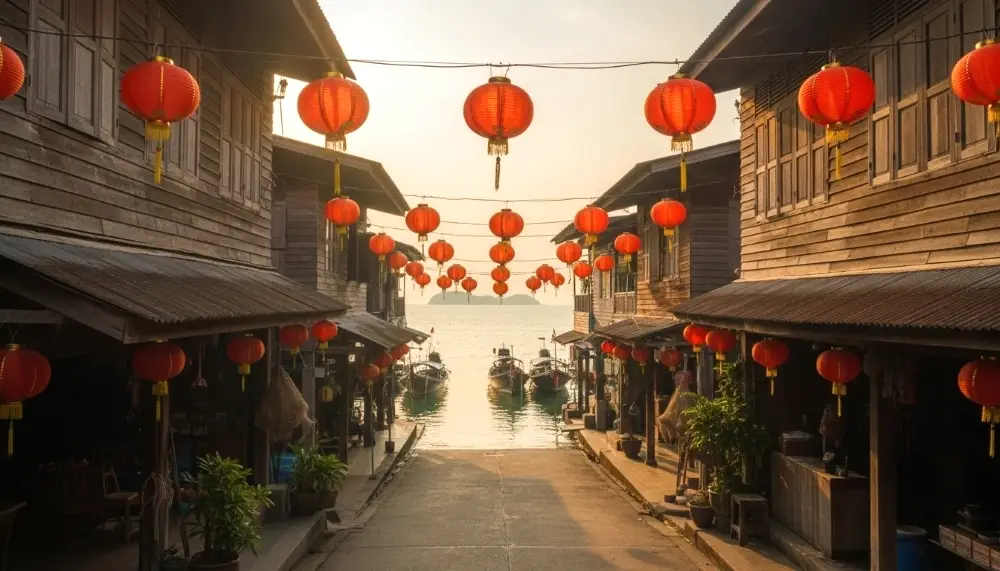
Navigating the local social fabric on each island requires a slightly different approach. In Koh Lanta, which has a significant Thai-Muslim population, dressing modestly when moving away from the beach is essential, particularly in Lanta Old Town, a beautifully preserved Chinese-Malay sea-trading village on the east coast. The stilted wooden shophouses, working temples, and mosques sitting side by side here reflect a genuinely multicultural community that deserves respectful engagement. Cover your shoulders and knees when walking through town. The effort is noticed and appreciated.
In Koh Tao, the culture is heavily influenced by what locals call the “Dive Tribe.” Sustainability is the local religion here. Do not touch the coral under any circumstances. Avoid single-use plastics wherever possible; most dive shops and beach bars on Koh Tao have moved to stainless steel straws and refillable water stations. The island has a notably strong environmental culture driven by the dive community, and new arrivals who demonstrate awareness of this earn immediate goodwill from both locals and long-term residents.
Beyond the Holiday: Long-Term Relocation and Family Moves
Long-term relocation to Thailand in 2026 is facilitated by the DTV Visa, requiring proof of 500,000 THB (~$13,890 USD) in savings. The DTV is valid for five years, allowing 180 days per entry with an extension available at the local immigration office for 1,900 THB (~$53 USD), effectively enabling a full year of stay before you must exit and re-enter. This is a genuinely transformative visa for remote workers and anyone seriously considering a longer chapter of life in Thailand.
Pet relocation involves a 15-digit microchip, rabies titer tests, and an import permit from the Department of Livestock Development, typically valid for a 60-day window upon issuance. Plan this process at least four to six months in advance. For those moving with a family, including the four-legged variety, Koh Lanta is the superior choice. The island’s flat roads are safer for walking and cycling with children and pets, and the Lanta Animal Welfare centre provides a cornerstone for the island’s active pet-loving community, including a volunteer programme, a shelter, and a network of expat families with well-established local knowledge.
If you are relocating with a family and need schooling options, Koh Lanta has basic Thai schooling infrastructure, but serious families tend to use Krabi as their mainland hub for international schooling, making Koh Lanta’s proximity to Krabi Town another genuine advantage. On Koh Tao, the expat family community exists but is smaller, and the steep terrain and limited road infrastructure make it a more challenging environment for young children on a daily basis. The space available in a Koh Lanta villa at 18,000 to 25,000 THB per month (~$500 to $695 USD) will far exceed what you can find for the same price on the cramped hillsides of Koh Tao, where equivalent money buys a compact studio.
Note for the Nervous Traveller
Thailand remains one of the safest destinations for solo travellers and families alike. The Thai people are genuinely warm and patient with foreign visitors, and the tourist infrastructure on both islands is sophisticated enough to handle most situations gracefully. The most significant “danger” on either island is the humble scooter.
If you are not an experienced rider, do not learn on the steep, sandy, poorly-lit hills of Koh Tao. This is not a guidebook warning to be ignored; the island’s steep gradient and gravel-strewn bends have caused serious injuries to confident riders who simply misjudged a corner. Use the local “taxi boats” to hop between bays or walk the Sairee strip. You will lose nothing but a few minutes.
In Koh Lanta, the roads are wider, flatter, and considerably more forgiving, making scooter travel genuinely accessible for beginner riders with appropriate caution. The main hazard here is not the road but the wildlife: the monkeys in the Mu Ko Lanta National Park are professional opportunists. Keep bags zipped at all times, never hold food visibly, and be particularly careful with sunglasses on your head. They have a well-documented obsession with sunglasses.
FAQ: Slow Travel in Thailand
Which island has better healthcare for long-term stays?
Koh Lanta has more accessible clinics and is a shorter distance to international-standard hospitals in Krabi Town, reachable in approximately 60 to 90 minutes by road and ferry. This proximity is a genuine advantage for anyone managing a chronic condition or travelling with children. Koh Tao has several high-quality clinics including Thai International Hospital, which handles dive-related injuries and general care competently. However, serious cases such as major trauma or surgery require a speedboat transfer to Koh Samui, which can add 45 to 90 minutes to emergency response time depending on sea conditions. For long-stay remote workers on either island, SafetyWing’s Nomad Insurance includes emergency evacuation cover, which is exactly the kind of policy that matters in this context.
Can I stay on the DTV Visa indefinitely?
The DTV is valid for 5 years, allowing 180 days per entry. You can extend this for another 180 days at a local immigration office for 1,900 THB (~$53 USD), effectively giving you one continuous year before you must exit Thailand and re-enter on a new entry stamp. This exit-and-re-enter process, known informally as a “border run,” is routine and well-organised from both Koh Tao (via Surat Thani) and Koh Lanta (via Krabi or Hat Yai). There is currently no official cap on the number of times you can re-enter on the DTV, but immigration officers retain discretion, and maintaining a clean, organised travel record is advisable.
Is the tap water safe to drink on the islands?
No. Tap water on both Koh Tao and Koh Lanta is not safe to drink without filtration. Always use filtered water or the widely available “blue bottle” 20-litre delivery services. Most long-term rentals include or arrange these jugs for a nominal fee of around 30 to 50 THB (~$0.85 to $1.40 USD) per refill. Avoid the environmental and cost impact of buying individual plastic bottles daily. Carry a stainless steel or filtered reusable bottle (brands like LifeStraw or Grayl are excellent) and refill from your accommodation’s filtered supply. Ice in restaurants is generally produced from filtered water and is considered safe at established venues.
What is the best way to travel between Koh Tao and Koh Lanta?
The most efficient route is the Lomprayah high-speed catamaran from Koh Tao to Tapee Pier (Surat Thani), followed by a private van or government bus transfer west to Krabi, and then a minivan and ferry combination south to Koh Lanta. Expect the total journey to take 7 to 9 hours on a good day with pre-booked connections. Book the full route through 12GO well in advance, particularly around national holidays like Songkran (April) and the New Year period, when seats across all transport modes sell out weeks ahead. Travelling with large bags or pets requires advance notification at the point of booking.
Which island is better for families with young children?
Koh Lanta is significantly more family-friendly for several practical reasons. The flat terrain makes it safe and easy to walk or cycle with children, pushchairs are viable on most main roads, and beaches like Klong Dao are wide, shallow, and sheltered with gentle surf. The island’s larger villas offer genuine space that cramped Koh Tao accommodation simply cannot match at similar prices. Koh Lanta also has the Lanta Animal Welfare centre, which families with children tend to love visiting. Koh Tao is better suited to older children (12+) and teenagers who are keen on diving or snorkelling and can navigate the island’s steep, uneven terrain independently.
Do I need travel insurance, and what should it cover?
Travel insurance is strongly recommended for both islands, and medical evacuation cover is not optional if you are staying longer than a few days. Standard travel insurance from home countries is frequently inadequate for Thailand, particularly regarding adventure activities like diving, scooter riding, and trekking. Make sure your policy explicitly covers scooter riding (with and without a licence, as Thai roads often require only a local permit), SCUBA diving to your certification depth, and emergency medical evacuation. For long-stay remote workers, SafetyWing offers monthly rolling coverage specifically designed for this lifestyle, with transparent pricing and broad geographic coverage that standard annual policies rarely match.
How does the monsoon season affect each island practically?
The two islands operate on opposite seasonal calendars because they sit in different bodies of water. Koh Tao (Gulf of Thailand) is at its best from March to October, with the Gulf monsoon arriving most intensely in November and December. Even during monsoon months, Koh Tao rarely shuts down; rain tends to arrive as afternoon squalls rather than sustained grey weather, and many dive sites remain accessible. Koh Lanta (Andaman Sea) has its peak season from November to April, and the island effectively closes between May and October, with many businesses shuttering for the wet season. If you are planning a long stay, this calendar difference is one of the single most important planning factors in the entire Koh Tao versus Koh Lanta decision.
Can I work legally in Thailand as a digital nomad?
Yes, subject to the correct visa. The DTV (Destination Thailand Visa) is the most relevant option for remote workers and digital nomads in 2026. It allows you to live in Thailand and work remotely for a foreign employer or your own overseas-registered business for up to 180 days per entry, renewable for another 180 days at local immigration. It does not permit you to work for or earn income from Thai companies or clients, which is a critical distinction. The DTV requires proof of 500,000 THB (~$13,890 USD) in accessible savings and a valid employment or freelance contract. Both Koh Tao and Koh Lanta have established nomad communities operating legally on this visa.
What currency should I use, and are ATMs reliable?
The Thai Baht (THB) is the only currency you need on either island. ATMs are available on both islands but carry a fee of approximately 220 THB (~$6.10 USD) per foreign card transaction, which adds up quickly if you withdraw frequently. Withdraw larger amounts less often to minimise fees. Most mid-range and high-end restaurants, dive centres, and shops accept Visa and Mastercard, but street food vendors, local markets, and independent taxi drivers are strictly cash-only. A Wise or Revolut card will save you significantly on exchange margins compared to standard high-street bank cards; both work reliably on Thai ATMs. Always carry at least 1,000 to 2,000 THB in cash for daily incidentals.
Is it possible to island-hop and experience both Koh Tao and Koh Lanta on a single trip?
Absolutely, and for a three-week or longer trip, doing both is a genuinely rewarding itinerary. The logistical challenge is that they sit on opposite sides of the Thai peninsula, so the transfer between them takes a full day (7 to 9 hours via the Lomprayah and Surat Thani connection). A sensible sequencing is to visit Koh Tao first (spending 5 to 7 days, completing your Open Water dive course if desired), transfer across to Koh Lanta, and then spend 10 to 14 days settling in, renting a scooter, and using it as a base for Andaman day trips. Doing this in reverse is equally valid. Book all ferry and transfer segments in advance through 12GO; the Koh Tao to Koh Lanta route is popular and frequently sold out during peak season.