Chiang Mai Coffee Culture
This site contains affiliate links. We may earn a commission at no extra cost to you.
This is not just a city with coffee shops. It is a global epicenter of bean innovation. From the high-altitude farms of Mae Jan and Doi Saket to the glass-fronted laboratories of the city centre, the scene has shifted from simple caffeine delivery to a complex, sensory performance. All prices in this guide use a rate of 35 THB = $1 USD.
Whether seeking a silent corner for deep work or a vibrant courtyard for social connection, the northern capital provides a diverse landscape of roasteries that define modern Thai hospitality.
A Warm Welcome to Thailand’s Coffee Capital:
For many first-time visitors to Thailand, the journey begins with vibrant street food, golden temples, and tropical beaches. But tucked away in the mountains of northern Thailand lies a completely different experience, one that surprises many travelers.
The city’s cafe scene blends artisan roasting, locally grown beans, creative spaces, and relaxed mountain-town energy. Whether you are a serious coffee lover or simply enjoy discovering cosy places to sit and watch the world go by, Chiang Mai offers a coffee culture that is welcoming, affordable, and incredibly memorable.
Average Budget: Specialty lattes range from 85 to 180 THB (~$2.43 to $5.15). Local shop filter coffee starts from 40 to 60 THB (~$1.15 to $1.71).
Best Neighbourhoods: Nimmanhaemin (high-density), Santitham (local value), and Wat Ket (riverside aesthetic).
Digital Nomad Infrastructure: Strong fibre-optic and 5G coverage (AIS/True) are standard in most urban cafes. Most boutique cafes in Nimman have speeds of 50 to 200 Mbps.
Local Etiquette: Tipping is not required but rounding up to the nearest 20 THB (~$0.57) is appreciated in boutique establishments.

Compare hotel prices across Chiang Mai’s
best areas and book with confidence.
Filter by budget, location, or score
to find the right stay for your trip.
Why Chiang Mai Is Famous for Coffee:
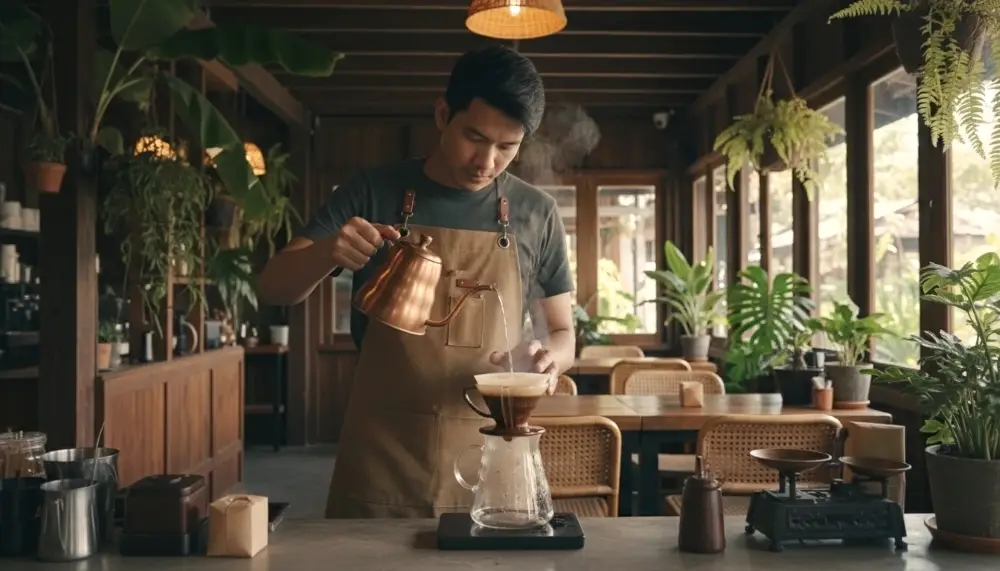
Chiang Mai coffee culture is built on a crop-to-cup philosophy, utilising high-altitude Arabica grown in the surrounding mountains like Doi Chang and Doi Inthanon. The focus has shifted toward experimental fermentation, specifically anaerobic and honey processing, delivered through high-end roasteries that prioritise direct trade with hill-tribe farmers.
The elevation of Northern Thailand provides the ideal microclimate for specialty grade Arabica. Producers in the region have moved beyond traditional washed processes, embracing techniques that yield complex notes of tropical fruit and floral tea. This evolution is visible in the city’s tasting rooms, where baristas treat beans with the same reverence as a sommelier treats a vintage.
Establishments such as Akha Ama Phrasingh exemplify this, operating as a social enterprise that connects Akha hill-tribe growers directly to the urban market. Single Origin labels here name not just the province, but the specific farmer and processing method. The result is a cup that tastes of its terroir: crisp, bright, and deeply rooted in the soil of the North.

From classic Chiang Mai highlights to
hidden-gem private tours. Cancel
free up to a day before your
start time if plans change.
Neighbourhood Guide: Where to Sip:
Nimmanhaemin: The Innovation Hub
This is the heart of the city’s specialty scene. Spaces like Ristr8to Original continue to dominate with world-class latte art. Specialty drinks cost 90 to 160 THB (~$2.57 to $4.57) and competition-grade espresso tasting flights run 200 to 350 THB (~$5.70 to $10).
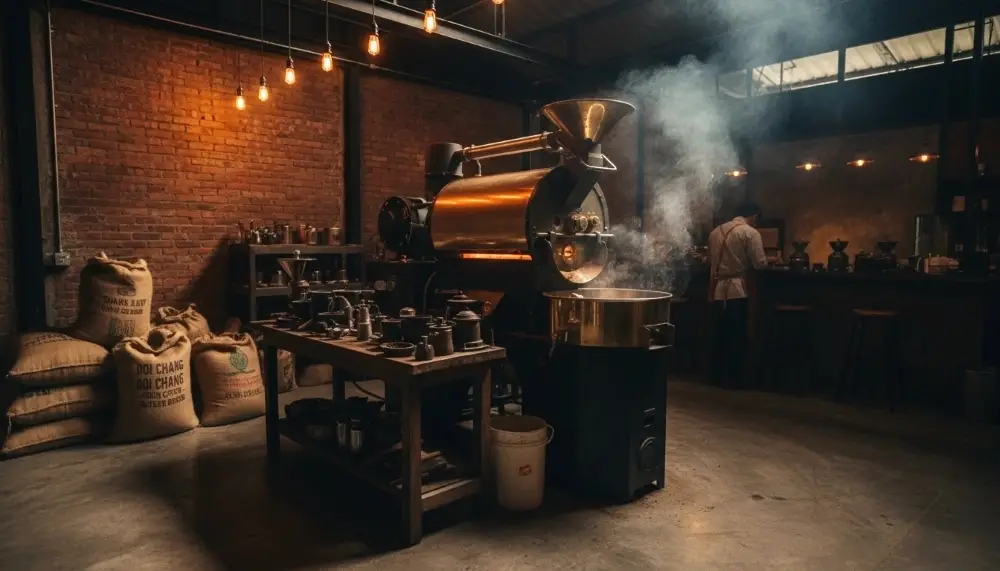
Roast8ry Lab: A high-energy environment focused on technical precision and competition-grade espresso.
Graph Quarter (Siri Mangkalajarn Road): Famous for cold brew concoctions mixed with nitrogen, fruit juices, or activated charcoal. Cold brew specials from 120 to 180 THB (~$3.43 to $5.15).
The Old City: Heritage and Atmosphere
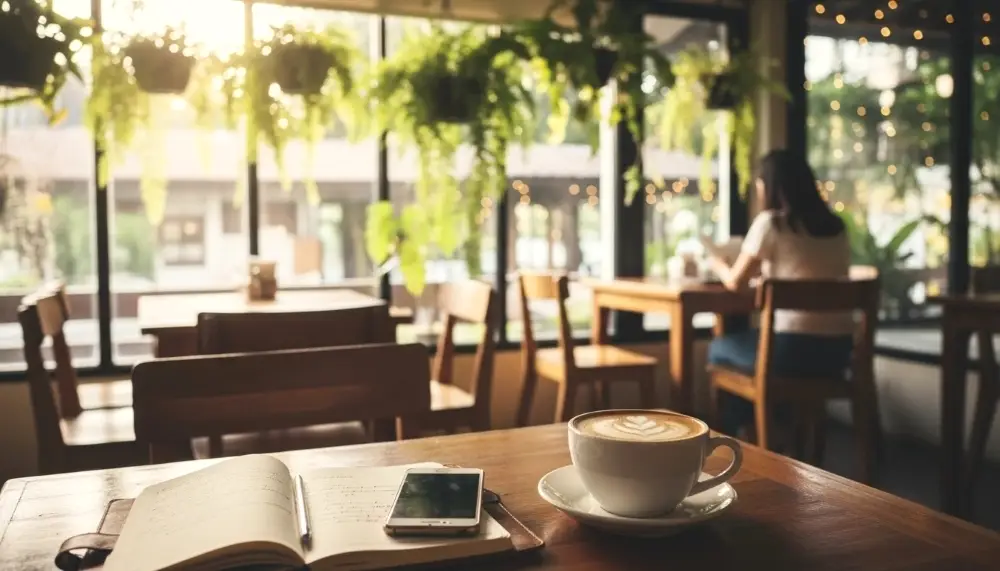
Walking within the moat reveals a more contemplative coffee experience. Most Old City cafes price drinks at 80 to 130 THB (~$2.30 to $3.71), reflecting lower rents compared to Nimman.
Clay Studio Coffee in the Garden: A sanctuary filled with terracotta statues and lush greenery, providing a cool escape from the tropical heat. Lattes from 90 to 120 THB (~$2.57 to $3.43).
Akha Ama Phrasingh: A masterclass in modern Thai architecture and sustainable sourcing. Single origin filter 85 to 110 THB (~$2.43 to $3.14).
Chang Moi and Wat Ket: The Aesthetic Frontier
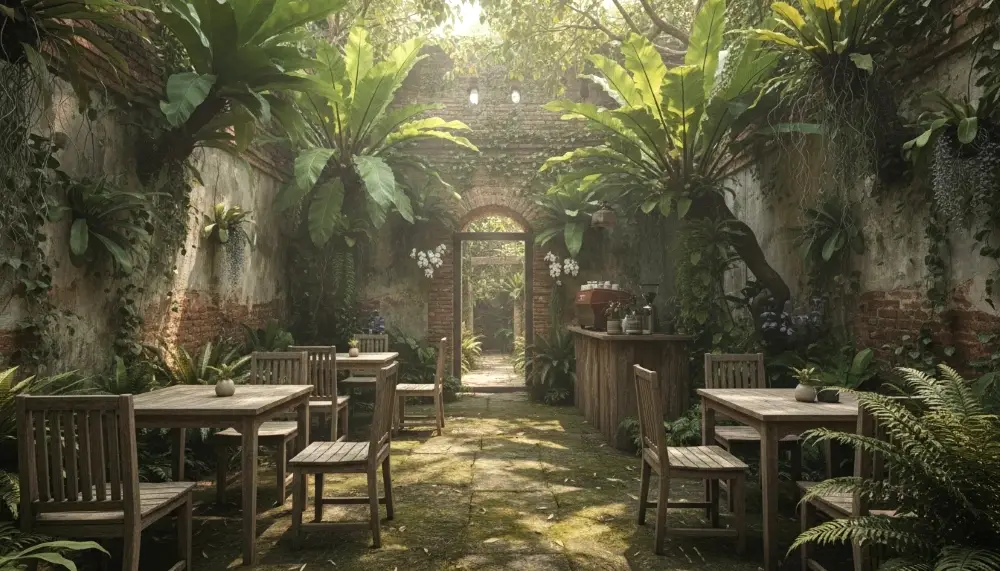
East of the moat, the vibe turns industrial and artistic. Drinks here are often 10 to 20 THB cheaper than Nimman for comparable quality.
Khagee: Situated near the Ping River, this Japanese-minimalist spot is renowned for natural yeast pastries and meticulous pour-overs at 90 to 130 THB (~$2.57 to $3.71).
Brewginning: Located in a refurbished wooden corner shop, it serves as a bridge between the traditional basket-weaving street and modern youth culture. Filter coffee from 60 to 90 THB (~$1.71 to $2.57).
Comparing the Chiang Mai Coffee Experience:
| Category | Local “Old School” Shop | Boutique Specialty Cafe | High-End “Lab” Roastery |
|---|---|---|---|
| Average Price | 40 to 60 THB (~$1.15 to $1.71) | 85 to 120 THB (~$2.43 to $3.43) | 150 to 350 THB (~$4.29 to $10) |
| Typical Bean | Dark Roast Robusta or Arabica | Single Origin Arabica | Experimental Micro-lots |
| Best For | Quick Caffeine Fix | Long Work Sessions | Sensory Tasting |
| Wi-Fi Quality | Basic or None | 50 to 100 Mbps | 100 to 200 Mbps |

Skip the planning headache in Chiang Mai.
Klook offers day tours, tickets, and
experiences from around $25, with
instant confirmation to your phone.
Café Hopping: A Chiang Mai Travel Ritual
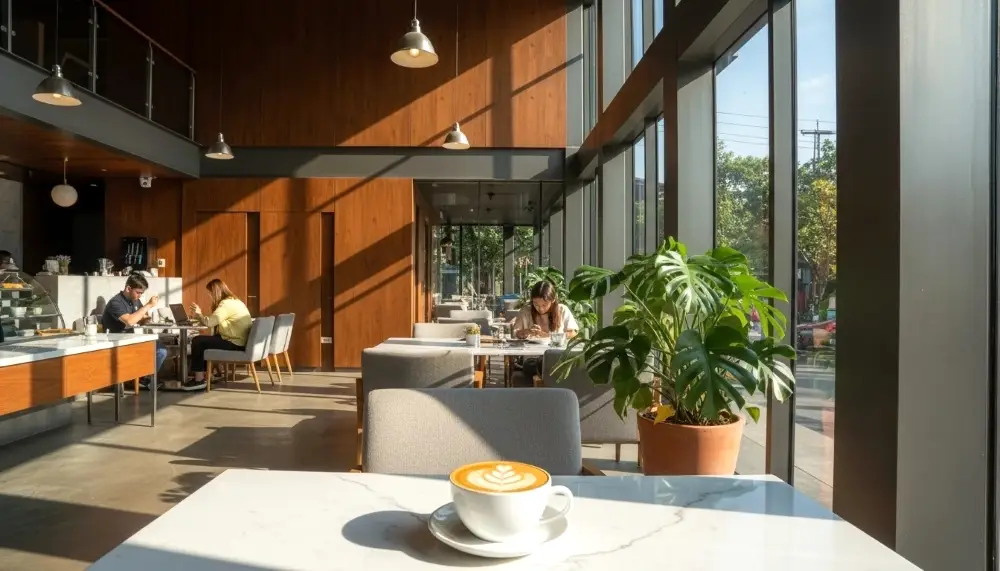
One of the most enjoyable things visitors do in Chiang Mai is cafe hopping. Because there are so many great cafes within short distances of each other, it is easy to spend a relaxed morning or afternoon exploring several spots. A full four-cafe day costs roughly 400 to 600 THB (~$11.40 to $17.15) per person in drinks and a light snack at each stop.
A typical cafe hopping day might look like this: morning espresso at a quiet neighbourhood cafe (40 to 60 THB / ~$1.15 to $1.71), midday brunch and iced latte in the Old City (150 to 250 THB / ~$4.30 to $7.15 including food), afternoon cold brew at a trendy Nimmanhaemin cafe (120 to 160 THB / ~$3.43 to $4.57), and sunset coffee with mountain views outside the city (80 to 130 THB / ~$2.30 to $3.71). This slower pace of exploration is one reason Chiang Mai feels so different from busy destinations like Bangkok.

Skip the airport kiosk queue in Chiang Mai.
Airalo eSIMs are pre-loaded before
you fly and ready the instant you
connect to the local network.
Coffee Origins: Visiting a Chiang Mai Coffee Farm
Chiang Mai is one of the few places in the world where you can drink a single-origin espresso in the city in the morning and stand on the farm where those beans were grown by the afternoon. The coffee farms of Doi Chang, Doi Inthanon, and Mae Rim are all within 60 to 120 kilometres of the city centre and accessible by Grab, rented motorbike, or organised day tour.
Doi Chang Village: The most famous coffee-producing village in Thailand, located about 100 kilometres north of Chiang Mai near Chiang Rai. Small-batch roasters at the village sell freshly roasted beans directly from 200 to 600 THB (~$5.70 to $17.15) per 200g bag. Day tours including transport cost 1,200 to 2,000 THB (~$34.30 to $57.15) per person. Book through Klook or Get Your Guide for guided farm visits with cupping sessions.
Mae Rim coffee farms: Closer to the city (30 to 40 minutes), several hill-tribe cooperatives near Mae Rim offer informal farm visits where you can see the full process from cherry to dried bean. Entry is typically free or 100 THB (~$2.85) with a cupping included. A rented motorbike from Nimman for the day costs 150 to 250 THB (~$4.30 to $7.15). For the coffee-focused traveler, a farm visit transforms every subsequent cup in the city from a drink into a story.
The Digital Nomad Café Circuit:
Chiang Mai has one of the best cafe-as-office cultures in Southeast Asia. The key distinction is between cafes that tolerate laptops and cafes designed around remote work. Nimman’s boutique cafes generally welcome nomads between 08:00 and 14:00, with many adopting an informal “one drink per two hours” understanding rather than a strict minimum spend.
Best for morning deep work (08:00 to 12:00): Ristr8to Original on Nimman Soi 3 has reliable 100 to 150 Mbps fibre, multiple power sockets, and a non-chat atmosphere. Specialty drinks 100 to 160 THB (~$2.85 to $4.57). Graph Quarter on Siri Mangkalajarn Road offers a similar setup with slightly more social energy. Budget 250 to 400 THB (~$7.15 to $11.40) for a productive half-day including one or two drinks and a light brunch.
Best for afternoon sessions (13:00 to 18:00): The Yellow Lane coworking cafe in Ari charges 200 to 350 THB (~$5.70 to $10) per day for a dedicated desk with guaranteed Wi-Fi and power. Clay Studio Coffee in the Garden in the Old City is quieter in the afternoon and ideal for video calls in a low-noise environment. A Yesim or AIS eSIM as a 5G backup is strongly recommended for calls, as cafe Wi-Fi can spike under heavy user load.

Affordable Chiang Mai data without the
tourist SIM hassle. Saily’s eSIM
works on most modern phones and
tops up remotely whenever needed.
Pro Tips For Stress Free Travel:
Transport: Use Grab or Bolt for predictable pricing between cafes and neighbourhoods. The Rod Daeng (Red Trucks) are a local staple at 30 to 40 THB (~$0.86 to $1.15) per person for short hops within the moat.
Connectivity: AIS and True offer 5G tourist SIMs at the airport. For eSIM convenience, Yesim activates instantly before you land. Use NordVPN for secure remote work on cafe public Wi-Fi. Monthly SIM plans cost 600 to 900 THB (~$17.15 to $25.70).
Bookings: Use Agoda for the best regional hotel rates and Klook for mountain coffee farm tours at 1,200 to 2,000 THB (~$34.30 to $57.15) per person.
Currency: THB (Thai Baht). Carry 100 THB notes for smaller cafes. High-end roasteries accept all major credit cards and PromptPay QR. Thai ATMs charge a flat 220 THB (~$6.30) per foreign card withdrawal.


Skip the airport SIM queue in Chiang Mai.
Yesim’s eSIM activates before takeoff
so you’re online the second your
plane touches the tarmac.
A Great City for First-Time Thailand Visitors:
For travelers visiting Thailand for the first time, Chiang Mai is often described as one of the easiest cities to enjoy. The pace is slower than Bangkok, the atmosphere is relaxed, and the locals are famously friendly.
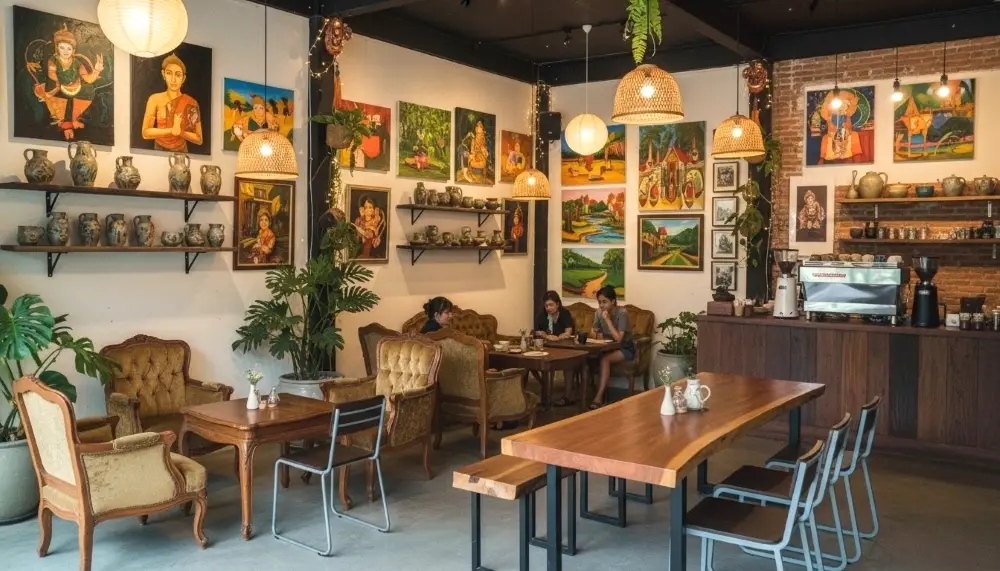
If you are feeling nervous about traveling in a new country, Chiang Mai’s cafe culture provides a comfortable starting point. Cafes offer air conditioning and comfortable seating, English-speaking staff, reliable Wi-Fi, and a calm place to recharge between adventures. Sometimes the best travel moments happen during these quiet breaks between exploring temples, markets, and mountains.
Affordable Luxury for Travelers:

One of the things that surprises many visitors is how affordable high-quality coffee is in Chiang Mai. Specialty coffee that might cost 200 to 300 THB (~$5.70 to $8.55) in Bangkok’s premium hotel cafes costs 85 to 130 THB (~$2.43 to $3.71) at equivalent quality Nimman roasteries. The equivalent in London or New York would be two to three times the price for the same calibre of bean and preparation.
Many cafes also serve excellent food including fresh pastries at 60 to 100 THB (~$1.71 to $2.85), homemade cakes at 80 to 120 THB (~$2.30 to $3.43), Thai fusion brunch plates at 120 to 200 THB (~$3.43 to $5.70), and healthy smoothie bowls at 100 to 160 THB (~$2.85 to $4.57). It is very easy to turn a quick coffee stop into a long, relaxing meal for under 300 THB (~$8.55) per person.
Coffee, Creativity, and Northern Thai Culture:
Thai cafe culture is polite and communal. Customers should avoid loud phone calls and be aware of the “Plus Plus” (++) pricing rule at upscale venues. If a menu lists a latte at 100 THB++, the final bill will be 117 THB (~$3.34). The first plus is the 10% service charge and the second is the 7% government tax. In smaller, locally-run shops in Santitham or outside the moat, the price listed is typically the price paid.
Many boutique cafes now utilise a self-service model for water, providing a complimentary carafe at a side station. When paying, look for the PromptPay QR code at the counter, the universal payment method across Thailand. Tipping is not standard practice, but rounding up a 95 THB (~$2.71) bill to 100 THB (~$2.85) is a kind gesture for excellent service.
Frequently Asked Questions:
What is the best time of day to go cafe hopping in Chiang Mai?
Morning hours between 08:00 and 10:30 are ideal for avoiding the afternoon heat and the nomad rush when seating becomes scarce in popular Nimman spots. By 14:00 most boutique cafes in Nimman are at full laptop capacity. If you prefer a quieter afternoon session, the Old City and Chang Moi cafes remain more available between 13:00 and 16:00.
Can I work from any cafe in Chiang Mai?
Most cafes offer free Wi-Fi, but not all are suitable for extended work sessions. Look for Work-Friendly signs or dedicated coworking zones. Ristr8to Original and Graph Quarter in Nimman are the most nomad-friendly for morning sessions. Smaller artisan roasteries may prefer customers not to linger with laptops during peak lunch hours (12:00 to 14:00). Dedicated coworking cafes like Yellow Lane charge 200 to 350 THB (~$5.70 to $10) per day for a guaranteed desk and power supply.
Is the tap water safe to drink in Chiang Mai cafes?
No. Always consume bottled or filtered water. Most reputable cafes provide free filtered water or sell high-quality bottled mineral water for 20 to 40 THB (~$0.57 to $1.15). Many boutique cafes place a complimentary water carafe at a self-service station near the counter.
Do I need to learn Thai to order coffee?
Not in the city centre. Most baristas in specialty shops speak excellent English. Saying Sawadee-ka (for women) or Sawadee-krap (for men) when entering goes a long way in establishing a friendly rapport. Showing the menu item on your phone is always a reliable backup at smaller local shops.
How much does coffee cost in Chiang Mai?
Local old-school filter coffee and basic lattes cost 40 to 60 THB (~$1.15 to $1.71). Specialty cafes in the Old City and Nimman charge 85 to 130 THB (~$2.43 to $3.71) for a well-made latte or pour-over. High-end lab roasteries charge 150 to 350 THB (~$4.29 to $10) for experimental micro-lot tasting flights. A typical cafe-hopping day budget is 400 to 600 THB (~$11.40 to $17.15) per person.
Can I visit a coffee farm near Chiang Mai?
Yes. Mae Rim coffee farms are 30 to 40 minutes from the city and offer informal visits with free or 100 THB (~$2.85) entry including a cupping session. Doi Chang Village (100 km north near Chiang Rai) is the most famous growing region and accessible on guided day tours at 1,200 to 2,000 THB (~$34.30 to $57.15) per person. Book through Klook or Get Your Guide for curated farm tours with English-speaking guides.
What is single origin coffee and why is it a big deal in Chiang Mai?
Single origin means the beans come from one specific farm or cooperative rather than a commercial blend. In Chiang Mai, single origin labels often name the specific hill-tribe farmer, the village, the altitude, and the processing method (washed, honey, or anaerobic). This traceability is unusual even by global specialty standards and reflects the direct trade relationships that define the city’s best roasteries. It also means the coffee you are tasting cannot be replicated elsewhere.
What is the best neighbourhood for cafe hopping in Chiang Mai?
Nimmanhaemin is the most concentrated area, with 30 to 40 specialty cafes within easy walking distance. The Old City is better for atmosphere and history, with prices 10 to 20 THB lower per drink. Chang Moi and Wat Ket near the Ping River offer the most photogenic settings at slightly lower prices. Santitham has the most authentic local cafes with drinks from 40 to 70 THB (~$1.15 to $2.00). A full circuit across all four areas covers the complete Chiang Mai coffee spectrum.
Are Chiang Mai cafes good for video calls?
Yes, with caveats. Boutique cafes in Nimman with fibre connections (50 to 200 Mbps) are generally reliable for video calls between 08:00 and 12:00. After 14:00 during peak coworking hours, speeds can drop under heavy load. A Yesim or AIS 5G eSIM as a mobile hotspot backup is strongly recommended for calls during peak hours. Dedicated coworking cafes like Yellow Lane guarantee connection speeds as part of their day pass.
Does Chiang Mai coffee use Thai-grown beans?
Yes, and this is what makes it distinctive. The high-altitude mountains surrounding Chiang Mai (Doi Chang, Doi Inthanon, Mae Salong) produce specialty-grade Arabica that rivals the best grown in Ethiopia or Colombia. Thai coffee was historically dominated by Robusta blends, but since the 2010s hill-tribe cooperatives have developed award-winning Arabica lots processed using anaerobic and honey techniques. Most specialty cafes in Chiang Mai source exclusively from these northern Thai producers.