Thai Spa & Massage Guide
If you are planning your first trip to Thailand, the world of Thai spas and massage shops can feel both exciting and a little mysterious. The good news is that massage culture here is deeply rooted in wellness and hospitality, and enjoying a treatment is one of the most accessible and affordable luxuries in the country. Whether you are a backpacker nursing aching feet after a long temple circuit, a family on a resort holiday looking for a sunset ritual, or a remote worker settling into a long-stay visa routine, there is a massage experience in Thailand that fits your life perfectly.
This guide will help you understand what to expect, how to choose a good spa, which treatment suits your body, and why Thai massage is such an essential part of the travel experience. Read it once and you will never walk past a glowing green sign the same way again.
Quick Overview: Thai Massage for First-Time Visitors
For travelers visiting Thailand for the first time, trying a Thai massage is not just recommended, it is practically a rite of passage.
In simple terms:
- Thai massage is a traditional healing practice that combines stretching, pressure points, and gentle body movement.
- Treatments are widely available across the country, from beach-town side streets to five-star hotel lobbies.
- Prices are surprisingly affordable compared to Western countries, even at the luxury end of the scale.
- Most places are professional, safe, and genuinely welcoming to tourists.
Budgeting: Local massage shops range from 200 THB to 400 THB per hour (roughly £4 to £8), while luxury spa treatments typically start at 2,500 THB and can exceed 10,000 THB for full-day packages.
Where Are They: Sukhumvit and Silom in Bangkok offer high-density luxury options, while Chiang Mai is the global hub for traditional Thai massage education and affordable wellness.
Cultural Etiquette: Tipping is not mandatory but 50 THB to 100 THB per hour is the standard gesture for exceptional service in local shops. In luxury spas, a service charge is often included in the bill already.
Booking: Use apps like Klook or Agoda for luxury bookings to secure discounts, while local neighbourhood shops operate primarily on a walk-in basis.

From boutique guesthouses to five-star
resorts, Agoda has Thailand covered.
Strong Asia inventory means deeper
discounts than you’d find elsewhere.
What Is Traditional Thai Massage?
Traditional Thai massage is very different from the oil-based massages many people are used to in Western spas. Its roots stretch back more than 2,500 years, drawing on Ayurvedic medicine, yogic traditions from India, and the folk healing practices of Southeast Asia. In Thailand it is formally known as Nuad Phaen Boran, meaning “ancient massage,” and it was recognised by UNESCO as an Intangible Cultural Heritage in 2019.
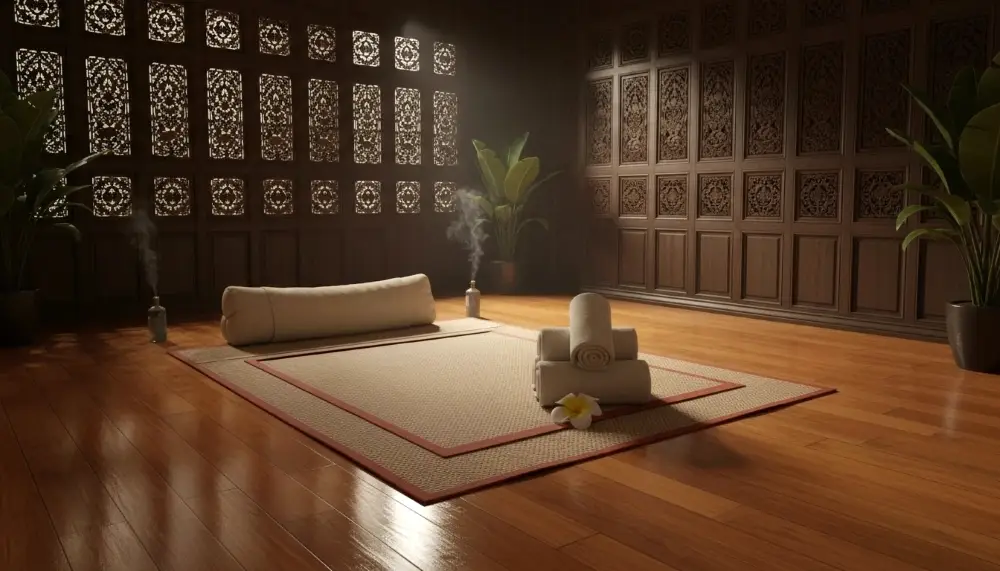
Instead of lying on a massage table, you typically lie on a firm floor mat while the therapist uses a combination of:
- Gentle stretching that guides your joints through their full range of movement
- Acupressure techniques applied along the body’s energy lines, called “Sen”
- Rhythmic compression using palms, thumbs, elbows, knees, and feet
- Guided body movements that feel like a slow, meditative form of partnered yoga
Some people describe it as a mix between massage, assisted yoga, and physical therapy. That description is remarkably accurate. The therapist may work your entire body from head to toe over a 90-minute session, adjusting pressure and pace based on what they find as they go. It can feel intense in moments, particularly around the hips and shoulders, but it is designed to release deep muscular tension and restore the natural flow of energy through the body.
Afterward, most people feel simultaneously lighter, looser, and deeply calm, a combination that is surprisingly hard to achieve through any other single treatment. Many travellers find they sleep better after a Thai massage than at any other point in their journey.

GetYourGuide has Thailand’s best
tours and experiences covered with
verified operators and instant
mobile vouchers on arrival.
Types of Massage You’ll Find in Thailand
One of the great things about Thailand’s spa culture is the sheer variety of treatments available. You are not limited to a single style, and most shops offer at least three or four options. Knowing what each one involves before you walk through the door saves you the awkward moment of trying to communicate preferences through a language barrier.
Traditional Thai Massage (Nuad Thai)
- Performed fully clothed in loose cotton pyjamas provided by the shop
- Focuses on stretching and Sen energy line pressure points
- Usually lasts 60 to 120 minutes and suits those with stiff joints or active travel fatigue
Thai Oil Massage (Nuad Nam Man)
- Closer in feel to a Western spa massage, performed directly on the skin
- Uses fragrant oils for a deeply relaxing, soothing experience
- Less stretching, more long gliding strokes and gentle kneading
The oil massage is often the preferred choice for first-timers who want a gentler introduction before graduating to the more active Thai style.
Foot Reflexology
- Enormously popular after long sightseeing days, particularly among families and older travellers
- Focuses on pressure points in the soles and arches of the feet that correspond to internal organs
- Typically includes a complementary shoulder and neck massage in the chair
Herbal Compress Massage (Luk Pra Kob)
- Uses steamed muslin bundles packed with lemongrass, turmeric, kaffir lime, and camphor
- The warm compresses are rhythmically pressed along the body to release muscle tension and open pores
- Most commonly offered in higher-end spas and wellness retreats
Many travellers end up trying several different styles across a single trip, particularly when they discover that a 90-minute treatment costs less than a sandwich back home. If you are planning a longer stay and want to book premium treatments in advance, Get Your Guide and Klook frequently list spa packages with significant discounts compared to walking in off the street.
Luxury Wellness vs Local Shops: The Comparison Table
| Feature | Local Street Shops | High-End Luxury Spas |
|---|---|---|
| Hourly Rate | 200 THB – 450 THB | 2,500 THB – 7,000 THB |
| Environment | Open floor plan, curtain dividers | Private suites, rainfall showers |
| Oil Quality | Mineral oil or generic balms | Cold-pressed organic essential oils |
| Booking Method | Walk-in or phone call | Online via Klook, Agoda, or website |
| Post-Treatment | Warm tea and quick exit | Tea service, fruit, and lounge time |
| Tip Expected | 50 THB to 100 THB per hour | Often included as service charge |
| Hidden Costs | Price on board is final price | Look for “++” (10% service, 7% VAT) |

Book Thailand day trips, attractions,
and activities in one place. Check
real reviews and lock in your spot
before the popular slots go.
Where to Get a Massage in Thailand
Local Thai massage shops are the beating heart of community wellness, providing affordable, accessible, and deeply authentic treatments to locals and travellers alike. These establishments focus on functional healing rather than aesthetic luxury, offering traditional Nuad Thai and foot reflexology in communal settings where the atmosphere is more honest workshop than polished boutique. They are ideal for daily recovery and maintaining physical flexibility during an active travel schedule.
Walking past a row of glowing green signs in Nimman, Chiang Mai, or through the bustling alleys of Bang Lamphu in Bangkok, the sight of therapists in matching uniforms is one of the most comforting and familiar constants of Thai life. These shops are where the local population goes to work out the knots of daily labour. The experience is visceral in the best possible way: the scent of Tiger Balm, the sound of rhythmic thumping on padded mats, and the sight of people reclining in enormous leather chairs with blissed-out expressions.
Authenticity is the primary draw. Many therapists in these shops have decades of experience, often trained at renowned institutions like Wat Pho. While the decor may be simple and the air conditioning occasionally set to Arctic levels, the technical skill often rivals anything you will find at a five-star resort. For a sign of genuine quality, look for shops that ask customers to wash their feet before entering. This is a marker of high hygiene standards and traditional respect for the practice.
When navigating to a specific local shop using Grab or Bolt, make sure your Airalo, Yesim, or Saily eSIM data plan is active before you land in Thailand. Ride-hailing apps and maps require instant data at the baggage carousel, and some require SMS verification codes that will not arrive on a foreign SIM.
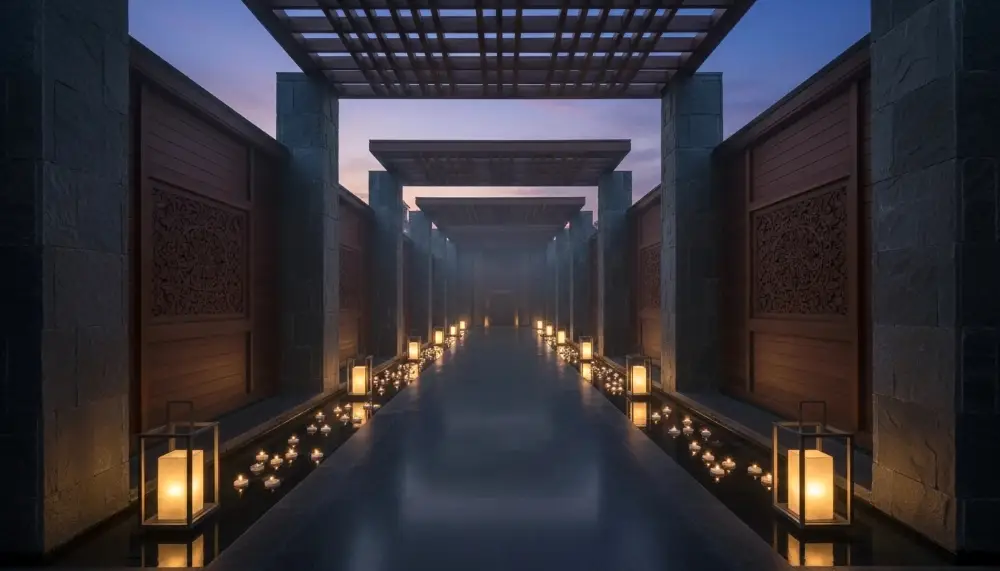
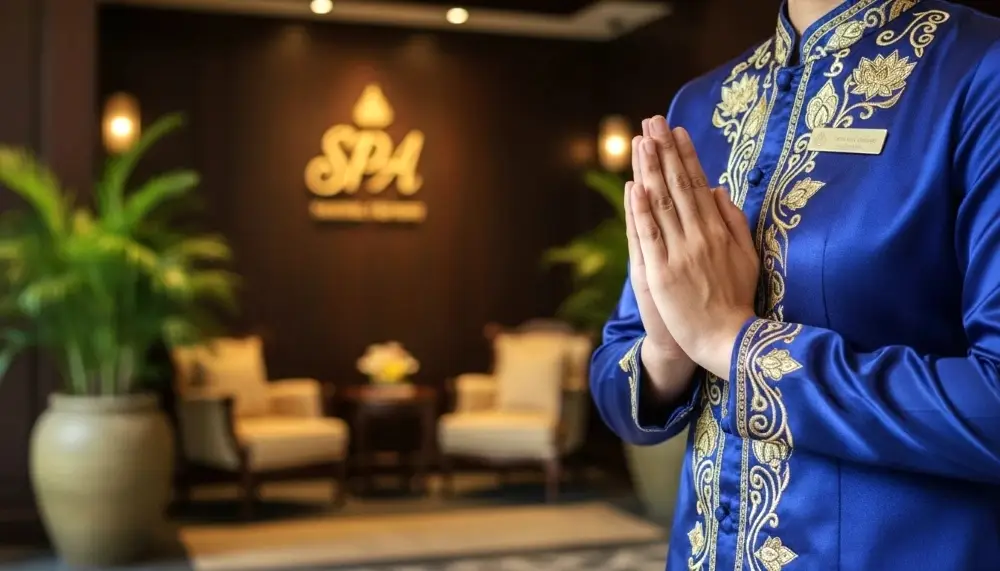
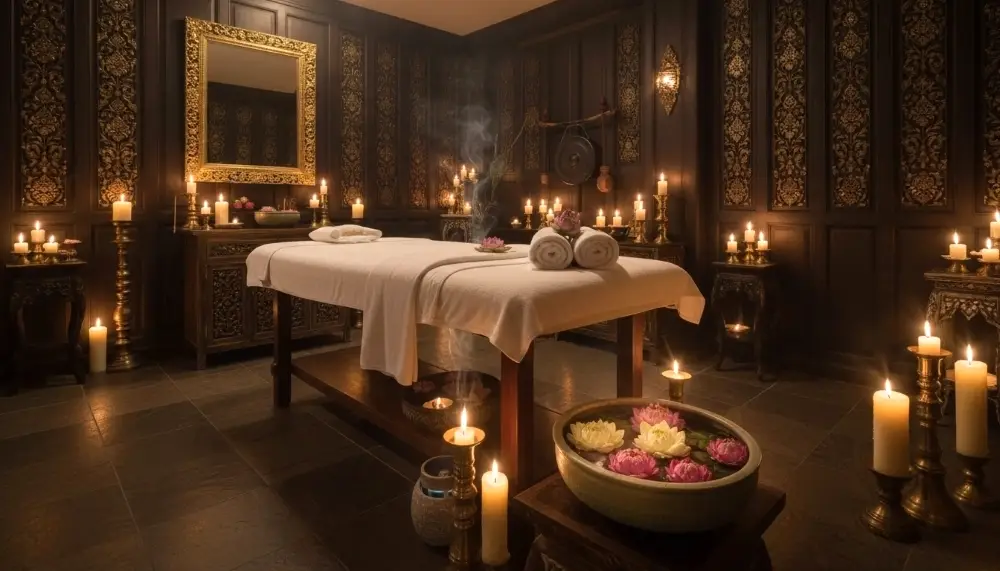
Luxury spas in Thailand operate as holistic sanctuaries that combine ancient herbal wisdom with modern dermatological science. These facilities prioritise privacy, atmosphere, and a fully multisensory journey, featuring customised oil blends, private hydrotherapy tubs, and specialised techniques like four-hand massages, hot stone therapy, or gold-leaf facials within premium architectural settings that feel a world apart from daily life.
Stepping into a sanctuary like the Siam Spa in Dusit or a hilltop retreat in Koh Samui is a genuinely transportive experience. The noise of the city or the humidity of the beach evaporates, replaced by cool marble, soft linen, and the gentle tinkling of Thai xylophones. Be aware that luxury establishments use “Plus Plus” pricing, meaning 10% service charge and 7% VAT are added on top of the listed menu price.
The distinction that separates a great luxury spa from a merely expensive one is customisation. Before a treatment begins, guests typically complete a health profile and select their preferred pressure levels, aromatic oil families, and any areas to avoid. Facilities such as the Banyan Tree or Anantara put their therapists through rigorous internal training programmes to ensure a consistently high standard. For better value and more creative treatments, seek out dedicated wellness chains like Oasis Spa or Divana rather than generic hotel-only spas that lack a distinct identity. Booking through Agoda or Booking.com in advance often unlocks member rates that are not available at the front desk.

Pick a Thailand eSIM plan that matches
your trip length on Airalo’s global
marketplace. Install before departure
and you’re online the moment you land.
How Much Does a Thai Massage Cost?
One of the most pleasantly surprising things for first-time visitors is just how affordable massages are in Thailand across every tier of quality. A basic foot massage on a Chiang Mai side street costs around 200 THB (roughly £4 to £5) and will leave your legs feeling genuinely renewed. A 90-minute full-body Thai massage at a reputable mid-range shop sits comfortably around 350 THB to 500 THB (£7 to £10). Even a well-regarded luxury spa offering aromatherapy oil massage with a sea view will rarely exceed £60 to £80, which compares extraordinarily favourably to prices you would encounter in London, Sydney, or New York.
Rough price benchmarks by tier:
- Street massage shops: £4 to £10 for one hour (200 THB to 450 THB)
- Mid-range spas: £10 to £25 for one hour (500 THB to 1,200 THB)
- Luxury resort spas: £40 to £120 and above, before service charge and VAT
Because of this accessible pricing, many visitors treat themselves to a massage every single day, something almost nobody does at home. Budget backpackers build a nightly foot massage into their routine. Families on a resort holiday book a couples’ treatment as a holiday highlight. Remote workers book a weekly deep-tissue session as part of their wellness routine, finding it far cheaper than any gym membership they have held back home.
One practical note on payment: local shops are almost always cash only. Always carry Thai Baht for neighbourhood massage shops, because even if your therapist does exceptional work, they cannot receive a digital tip. Luxury spas accept cards, but the individual therapists still prefer a cash tip given directly in person after the treatment.
Regional Highlights: Where to Go Across Thailand

Thailand’s spa culture does not look the same everywhere you go. Each region brings its own character to the experience, and knowing what to expect in each destination helps you choose the treatment that will suit you best.
Bangkok is the city for contrast. You can have a 200 THB massage on Khao San Road in the afternoon and check into a five-star spa in the Sukhumvit corridor that evening. The Health Land chain is the go-to recommendation for travellers who want consistent professional standards without paying luxury prices. Wat Pho, the historic temple complex in the old city, houses the country’s most prestigious massage school and is the single best place to experience an absolutely authentic Nuad Thai treatment delivered by formally certified graduates.
Chiang Mai is the wellness capital of the country. The northern city is home to dozens of certified massage schools, affordable day spas, and boutique retreat centres tucked into the forested hills outside the old city moat. The Nimman neighbourhood offers a dense concentration of excellent mid-range options. The Sunday Walking Street market is lined with foot massage stalls that are both fantastic value and a genuinely social experience.
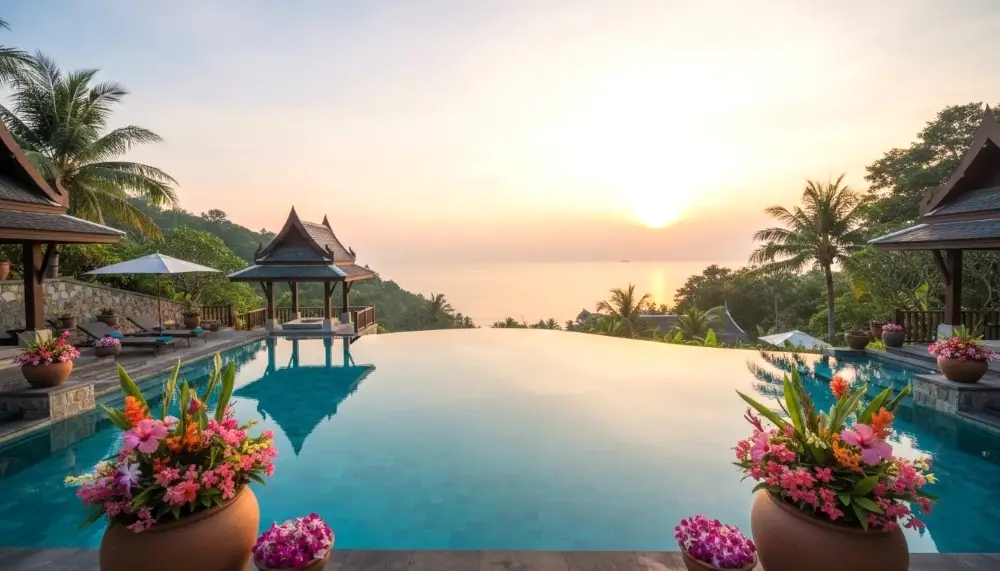
Koh Samui, Phuket, and the Islands offer the most scenically dramatic spa experiences. Hillside retreats with open-sided sala pavilions, salt-air ocean views, and bamboo treatment rooms make the setting as therapeutic as the treatment itself. Prices are generally higher than the mainland, particularly in peak season, so booking through Klook or Get Your Guide before you arrive can save a meaningful amount.

Saily’s Thailand eSIM costs less than
most tourist SIMs charge per day.
Easy install, transparent pricing,
and solid NordVPN infrastructure.
Pro Tips For Stress-Free Travel
Currency: Always carry cash in Thai Baht for local shops. While luxury spas accept credit cards, the therapists in small neighbourhood shops cannot receive digital tips, and many do not have card machines at all.
Apps: Use Grab or Bolt to navigate to specific spa locations. Both apps require active mobile data from the moment you land, so activate your Airalo, Yesim, or Saily eSIM data plan before you board your flight. Without mobile data at the baggage carousel, the SMS verification code these apps send will not arrive on your foreign SIM. Klook and Get Your Guide frequently offer 30 to 50 percent discounts on premium spa packages in Bangkok and Phuket.
Connectivity: Ensure your Yesim or local SIM is active before booking. Many high-end spas require a local phone number for booking confirmations and will not process international numbers through their online systems.
Security: Use NordVPN when booking spa packages or entering payment details through public Wi-Fi in shopping malls or hotel lobbies. It takes 30 seconds to activate and protects your card information from the kind of man-in-the-middle attacks that are surprisingly common on open networks in tourist areas.
Long-Stay Health Coverage: If you are working remotely from Thailand for a month or longer and using the spa circuit as part of a regular wellness routine, make sure your travel health insurance is adequate. SafetyWing is popular among digital nomads for exactly this kind of extended stay, covering medical treatment at a monthly cost that is a fraction of traditional travel insurance premiums.
Flight Disruptions: If your inbound flight is delayed and you miss a pre-paid spa reservation, check your entitlements through AirHelp. Significant EU-regulation delays can result in compensation that more than covers a rebooking fee.


Forget swapping physical SIMs in Thailand.
Yesim works on most modern phones,
activates remotely, and keeps your
home number live on WhatsApp too.
Spa Etiquette and Cultural Tips
Thai massage etiquette is rooted in mutual respect and Buddhist philosophy. The concept of Metta (loving-kindness) is the spiritual backbone of traditional Thai healing, and good conduct from the guest side involves modest dress, a quiet demeanour, and a clear understanding of what is and is not appropriate to request.
Traditional Thai massage is performed fully clothed in the loose-fitting cotton pyjamas provided by the shop. It is a dry massage involving stretching and compression, so there is no nudity involved at the standard local level. Always remove your shoes at the door. This is non-negotiable across every tier of establishment, from the most modest street shop to the grandest resort spa.
If a therapist performs a particularly effective treatment, a tip given directly into their hand at the end of the session is highly appreciated. While some travellers from high-tipping cultures feel the urge to give 20 percent or more, 50 THB to 100 THB per hour is a genuinely generous gesture that respects local economic scales and does not inflate prices for the residents who rely on these shops daily.
Communication during the treatment is not only acceptable, it is expected. If the pressure is too intense, say “bao bao” (softly, softly). If you want more, say “nak nak” (heavy, heavy). Most therapists will appreciate the guidance and adjust immediately. This simple two-phrase vocabulary will serve you across every massage shop in the country.
Choosing a Good Massage Shop
With so many massage shops around, first-time travellers sometimes feel overwhelmed by the choice. A few reliable signals will quickly separate the excellent from the mediocre, without needing to read dozens of reviews before every visit.
Look for places that are clean, well-lit, and professional. A shop where the mats and linens are visibly fresh, where the floor is clean, and where the reception area is tidy is almost always a good sign regardless of the price bracket.
Check whether staff are wearing matching uniforms and whether prices are clearly displayed outside the entrance. Reputable shops never negotiate or hide their rates. If you have to ask what a treatment costs, walk on.
Avoid places where staff stand outside and aggressively solicit customers. The best neighbourhood shops in Thailand are busy enough that they do not need to do this. A gentle invitation is fine; repeated calls and physical gestures to pull you inside are a red flag.
For your first visit in a new city, ask your hotel or guesthouse for a recommendation. The front desk staff know exactly which local shops are trusted by the community and which ones have a problematic reputation. This single question can save you a mediocre experience and direct you to something genuinely memorable. If you are staying in a property booked through Agoda or Booking.com, the guest reviews often include specific spa recommendations from previous guests who have already done the legwork.
Why Thai Massage Is Part of the Thailand Experience
Travelling in Thailand can be wonderfully, exhaustingly exciting. Between exploring temples, navigating markets, hiking jungle viewpoints, and island hopping by longtail boat, your body gets a real workout. The combination of heat, humidity, unfamiliar food schedules, and long days on your feet adds up faster than most people expect.
That is precisely why massage fits so naturally into the rhythm of travel here. It is not a luxury add-on or an optional treat. It is a practical, affordable, culturally embedded way to reset your body each evening so you can show up fully for the following day. Most long-term travellers in Thailand naturally fall into a routine of a foot massage after dinner, treating it the way they might treat a hot shower at home.
Imagine finishing a day exploring Bangkok’s bustling streets, wandering through Chiang Mai’s old city temples, or watching the sunset on a southern island, and then sinking into a mat while someone skilled and unhurried works out every knot you have accumulated. That combination of physical relief, genuine human care, and extraordinary affordability is something you simply cannot replicate anywhere else in the world for the same price.
It is one of those small travel rituals that turns a great trip into an unforgettable one, and one of the things returning visitors miss most acutely when they are back home.
Final Thoughts
Thailand’s spa and massage culture is one of the country’s greatest everyday pleasures. It is affordable, deeply rooted in tradition, scientifically recognised for its physical benefits, and available almost everywhere you go, from a side street in a small northern town to a clifftop retreat overlooking the Andaman Sea.
For first-time visitors it is also one of the easiest ways to relax, physically recover from travel, and genuinely connect with Thai culture. The act of receiving a traditional massage with gratitude and respect is a small but meaningful form of cultural exchange that leaves both parties better for it.
So when you see a welcoming spa sign during your travels, step inside and give it a try. The experience costs very little, takes no planning, and rewards you with something that is genuinely hard to put into words until you have felt it yourself.
You may arrive curious and a little stiff. Chances are you’ll leave feeling completely renewed.
Frequently Asked Questions
What is the difference between Thai massage and oil massage?
Thai massage is a dry treatment performed fully clothed in loose cotton pyjamas. It uses yoga-like stretching, acupressure along the body’s Sen energy lines, and guided body movements. There is no oil and no skin-to-skin contact in the traditional form. Oil massage, by contrast, is performed directly on bare skin using fragrant vegetable or essential oils and focuses on long, rhythmic strokes and gentle kneading rather than stretching. Guests typically wear disposable underwear provided by the spa. Thai massage tends to feel more active and intense, while oil massage is more deeply relaxing and soothing. Both are excellent choices depending on what your body needs that day.
Is it safe to get a Thai massage every day?
Yes, and many long-term travellers and local residents do exactly that, particularly with lighter treatments like foot reflexology or a standard 60-minute Thai massage. These gentler sessions are low-impact and beneficial for circulation, flexibility, and stress reduction. For more intense deep-tissue or sports massage work, it is sensible to give your muscles 24 to 48 hours to recover between sessions. If you have a specific injury, chronic condition, or are pregnant, always tell the therapist before the treatment begins so they can adjust their technique or recommend a more suitable treatment style.
Are there hidden costs I should watch out for in Thai spas?
In local neighbourhood shops, the price displayed on the board outside is the price you pay. There are no hidden extras. In luxury spas and hotel wellness centres, look carefully for the ‘++’ symbol next to any price on the menu. This indicates that a 10% service charge and 7% government VAT will be added to your total at checkout, which can increase the final bill noticeably on longer or more elaborate packages. Always confirm the all-inclusive total before booking a luxury treatment to avoid any surprise at the cashier. Some hotel spas also charge a facility fee for use of steam rooms, pools, or relaxation lounges beyond your treatment time.
Where is the best place in Thailand for a traditional Thai massage?
Wat Pho in Bangkok is the historic heart of Thai medicine and the most prestigious location for a certified traditional Nuad Thai massage. The therapists here are formally trained at one of the country’s oldest and most respected massage schools, and the setting inside the temple complex adds a genuinely spiritual dimension to the experience. For those who want consistent quality at an accessible price across multiple cities, the Health Land chain offers an excellent middle ground between a local shop and a luxury spa. In Chiang Mai, the Old Medicine Hospital and Lanna Traditional Home Massage are both highly regarded institutions for authentic northern-style treatments.
What should I wear to a Thai massage appointment?
For a traditional Thai massage, wear nothing special. The shop will provide loose-fitting cotton pyjamas or shorts that you change into before the treatment. Avoid wearing heavy perfume or cologne, as therapists work in close proximity and strong scents can be overwhelming for both parties. For an oil massage at a mid-range or luxury spa, you will be given disposable underwear and will be professionally draped throughout the treatment. At luxury spas, you may also be given a robe and slippers on arrival and invited to use steam or relaxation facilities before your treatment begins.
How much should I tip a Thai massage therapist?
In local neighbourhood shops, 50 THB to 100 THB per hour of treatment is a very generous and culturally appropriate tip that the therapist will genuinely appreciate. There is no expectation to tip at the Western rate of 15 to 20 percent, and doing so can unintentionally create pricing pressure that affects local residents who rely on these shops. Always tip in cash and hand it directly to the therapist, not to the front desk, to ensure they receive it personally. In luxury spas where a service charge is already included in the bill, an additional cash tip of 100 THB to 200 THB is a thoughtful gesture for an outstanding treatment but is never obligatory.
Can I book a Thai spa or massage in advance online?
For local neighbourhood shops, walk-in is the norm and advance booking is rarely necessary or even possible. Most good local shops have a short waiting time at most. For mid-range and luxury spas, particularly in popular tourist destinations like Bangkok, Phuket, and Koh Samui, advance booking is strongly recommended during peak season (November to February and during Thai public holidays). Klook and Get Your Guide both list curated spa packages with verified reviews and often significant discounts compared to the walk-in rate. For luxury resort spas, booking directly through the resort website or via Agoda sometimes unlocks exclusive member rates.
What is herbal compress massage and is it worth trying?
Herbal compress massage, known in Thai as Luk Pra Kob, uses steamed muslin bundles packed with a blend of traditional Thai herbs including lemongrass, turmeric, kaffir lime peel, camphor, and plai root. The warm compresses are pressed and rolled rhythmically along the body’s energy lines, combining heat therapy with the anti-inflammatory and aromatic benefits of the herbs. The result is a deeply warming, muscle-relaxing experience that is particularly effective for chronic tension, joint stiffness, and post-activity recovery. It is most commonly found in mid-range and luxury spas rather than local street shops, and it is absolutely worth trying at least once, especially during the cooler months when the heat from the compresses feels particularly wonderful.
Are Thai massage shops safe for solo female travellers?
Yes. The vast majority of Thai massage shops are professional, respectful, and welcoming to solo female travellers. Traditional Thai massage is a clothed treatment and the therapeutic context is very clearly established. For extra peace of mind, choose shops that are busy, well-lit, and clearly visible from the street, and look for establishments with female therapists if that makes you more comfortable. Reading recent Google or TripAdvisor reviews before visiting a new shop takes only a few minutes and gives you a reliable sense of other travellers’ experiences. Avoid any shop that makes you feel uncomfortable during the consultation or that is located in an isolated or poorly lit area.
Can digital nomads and remote workers benefit from regular Thai massage?
Enormously. Sitting at a laptop for long hours creates exactly the kind of postural tension (tight hip flexors, rounded shoulders, compressed cervical spine) that Thai massage addresses directly. Many remote workers living in Thailand on long-stay visas or digital nomad visas build a weekly or twice-weekly massage into their wellness budget as a non-negotiable routine. At local shop prices of 200 THB to 400 THB per hour, the monthly cost of two 90-minute sessions per week is less than a single massage in most European or North American cities. For those working across public networks in co-working spaces and cafes, NordVPN keeps booking transactions and remote work sessions secure. For health coverage during extended stays, SafetyWing offers affordable monthly medical insurance designed specifically for the remote work lifestyle.