Mae Hong Son Guide
This site contains affiliate links. We may earn a commission at no extra cost to you.
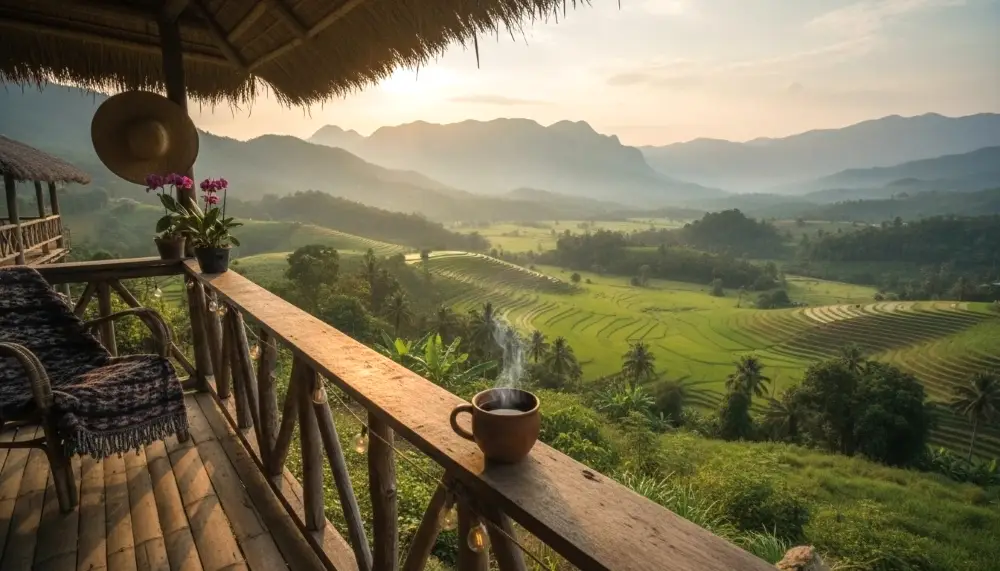
Mae Hong Son is the kind of place that rewards travellers who make the effort to get there. Tucked into a misty mountain valley near the Myanmar border, this small provincial capital feels genuinely removed from the rhythm of mainstream Thai tourism. The scenery is dramatic, the temples carry architectural influences you will not find anywhere else in the country, and the pace of life here is quietly extraordinary.
For first-time visitors to Thailand, Mae Hong Son offers a glimpse of the country’s natural landscapes and hill-tribe culture that most itineraries simply never reach. Those who make it this far are rarely disappointed.
Quick Overview: Why Visit Mae Hong Son?
Mae Hong Son is a mountainous province in northern Thailand known for its quiet charm, winding roads, and scenery that genuinely stops people mid-sentence. The area is shaped by Thai, Shan, and Burmese influences, and that cultural layering shows in everything from the temple rooflines to the food in the market stalls.
Visitors typically come here for:
- Mountain landscapes and some of Thailand’s most scenic drives
- Traditional Thai, Shan, and hill-tribe culture
- Peaceful lakeside temples and dramatic hilltop viewpoints
- Trekking, caves, waterfalls, and jungle adventures
- A genuinely authentic northern Thai atmosphere
If you are looking for a quieter and more authentic side of Thailand, Mae Hong Son belongs on your itinerary.

Hotels and guesthouses across Mae Hong Son
on one platform. Filter by free
cancellation, breakfast included,
or pool and book in under a minute.
Where Is Mae Hong Son?
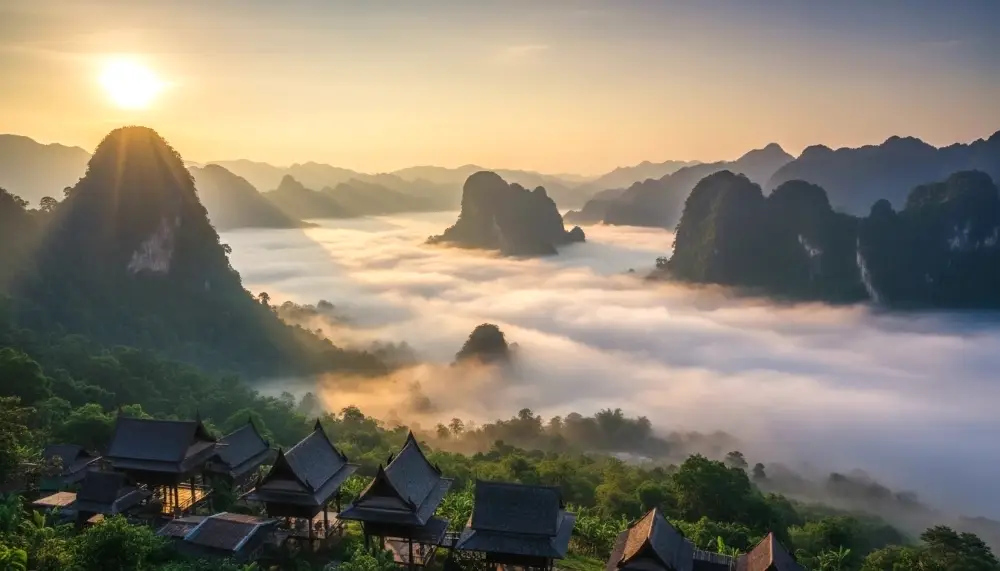
Mae Hong Son sits in the far northwest of Thailand, close to the border with Myanmar. The province is part of Thailand’s mountainous north and lies roughly 300 kilometres from Chiang Mai, though the road makes it feel considerably further in the best possible way.
Most travellers reach Mae Hong Son from Chiang Mai, which serves as the main northern gateway. Bangkok is Thailand’s international arrival hub, but virtually everyone heading this far north passes through Chiang Mai first.
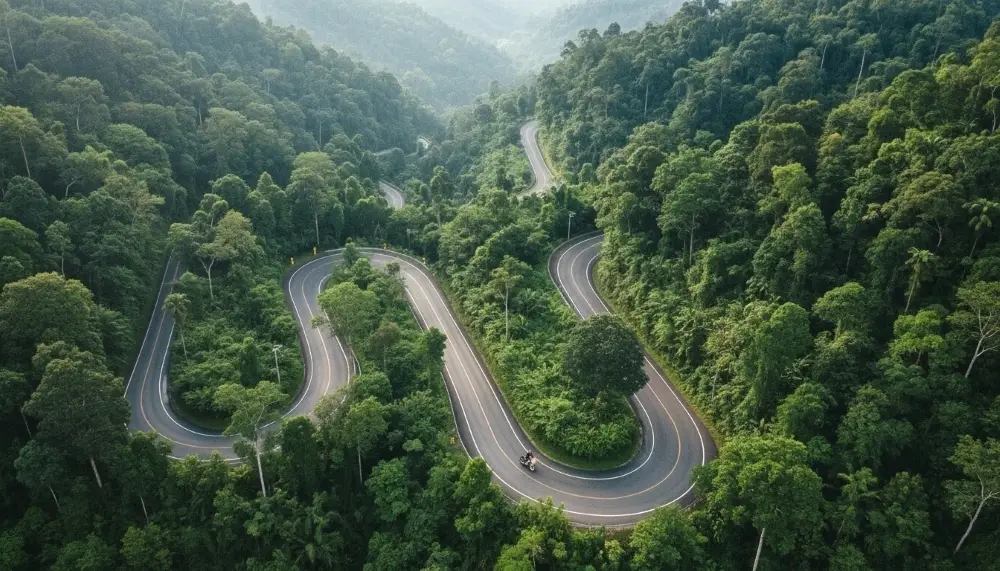
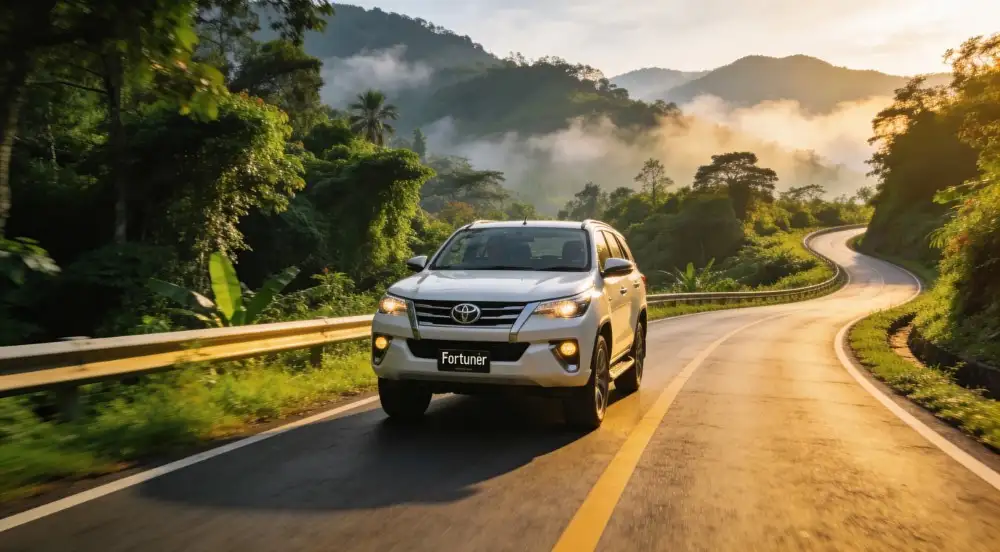
The journey itself is part of the experience. Winding mountain roads, jungle canopy, misty valleys, and roadside viewpoints that demand you pull over: the drive to Mae Hong Son is not merely transport, it is the beginning of the adventure.

From classic Mae Hong Son highlights to
hidden-gem private tours. Cancel
free up to a day before your
start time if plans change.
The Famous Mae Hong Son Loop
One of the most celebrated road trips in Southeast Asia, the Mae Hong Son Loop is a circular mountain route that starts and ends in Chiang Mai, taking in some of the finest scenery in the entire country along the way.
The route passes through several charming towns, including:
- Pai
- Mae Hong Son town
- Mae Sariang
- Doi Inthanon National Park
The full loop covers over 1,800 curves and most riders and drivers complete it over three to five days, stopping wherever the scenery demands it. Many travellers rent a car or motorbike in Chiang Mai specifically for this route. Use 12GO to pre-book intercity transfers or minivan legs if you prefer not to ride the full loop yourself.
Even completing just a section of the loop, such as the Chiang Mai to Pai stretch or the run south through Mae Sariang, delivers scenery that stays with you long after the trip ends.
Exploring Mae Hong Son Town
Mae Hong Son town is small, walkable, and wonderfully unhurried. Nestled in a narrow valley with mountains pressing in from all sides, it feels genuinely removed from the pace of Thailand’s larger cities. You can cover the centre on foot in under twenty minutes, yet it rewards days of slower exploration.
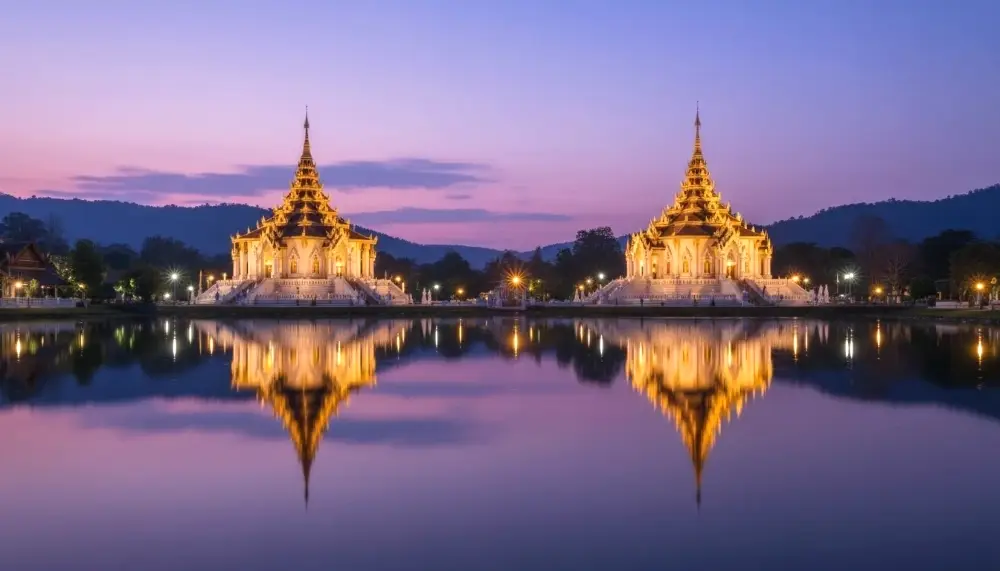
The town’s most iconic sight is Jong Kham Lake, right in the centre. In the early morning, mist drifts across the water and the twin temples on its bank reflect perfectly in the stillness. At sunset, the same view turns golden. It is one of the most photogenic spots in all of northern Thailand and it costs nothing to stand there and take it in.
Top highlights in the town include:
- Wat Chong Kham and Wat Chong Klang temples on the lakeside
- Jong Kham Lake at sunrise and sunset
- The local morning and evening markets
- Scenic valley viewpoints from the surrounding hillsides
The atmosphere here makes it a natural place to extend your stay by a day or two beyond what you originally planned.

From temples to island tours, Klook
covers Mae Hong Son’s best experiences.
Hotel pickup is often included and
prices beat the pier walk-in rate.
Temples and Culture
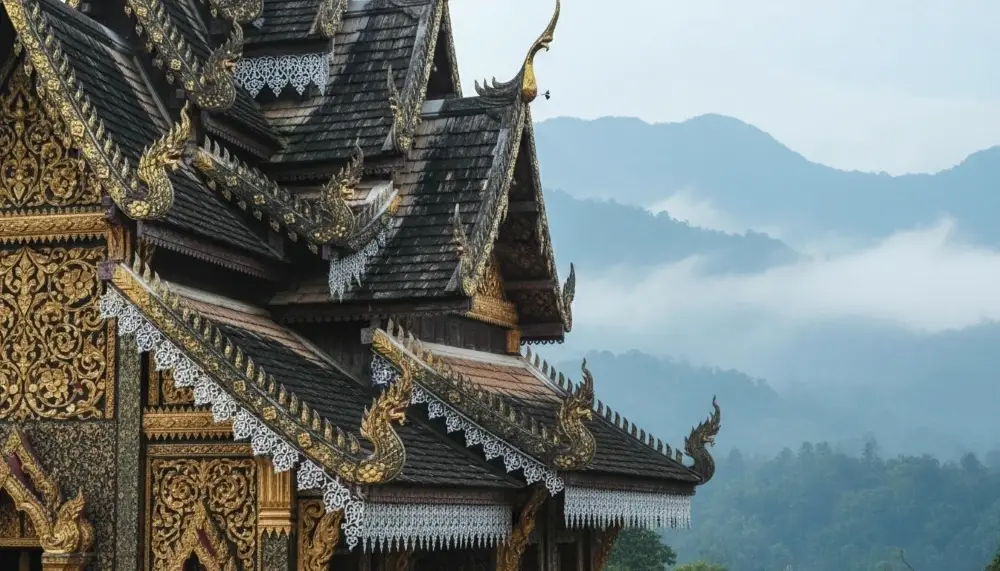
Mae Hong Son’s cultural identity is unlike anything else in Thailand. Centuries of Shan and Burmese influence sit alongside Thai Buddhist tradition, producing a blend that is visible in the temple architecture, the local dress worn at festivals, and the languages spoken in the market.
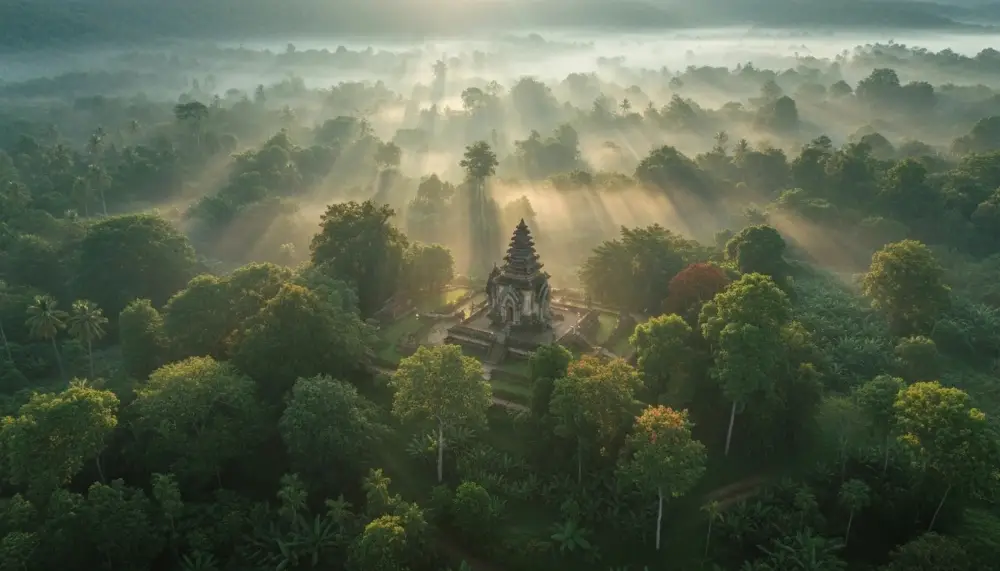
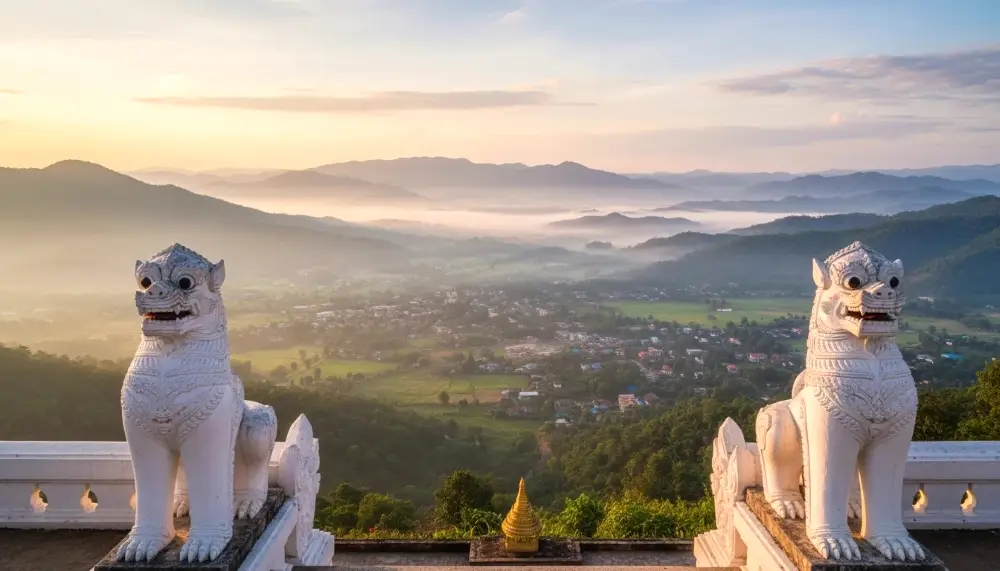
The most striking single sight is Wat Phra That Doi Kong Mu, a hilltop temple perched above the town with panoramic views stretching across the valley and into the mountains beyond. The climb is short, the views are exceptional, and the early morning light here is extraordinary.
Throughout the surrounding countryside, hill-tribe communities maintain traditions that predate modern Thai tourism entirely. Trekking with a local guide is one of the most respectful and rewarding ways to engage with these communities. Both Get Your Guide and Klook list vetted trekking and cultural day-trip operators based in Mae Hong Son.
Dress modestly when visiting temples: shoulders and knees covered is the standard. Remove shoes before entering any temple building and follow the lead of locals around you.

Skip the airport kiosk queue in Mae Hong Son.
Airalo eSIMs are pre-loaded before
you fly and ready the instant you
connect to the local network.
Nature and Outdoor Adventures
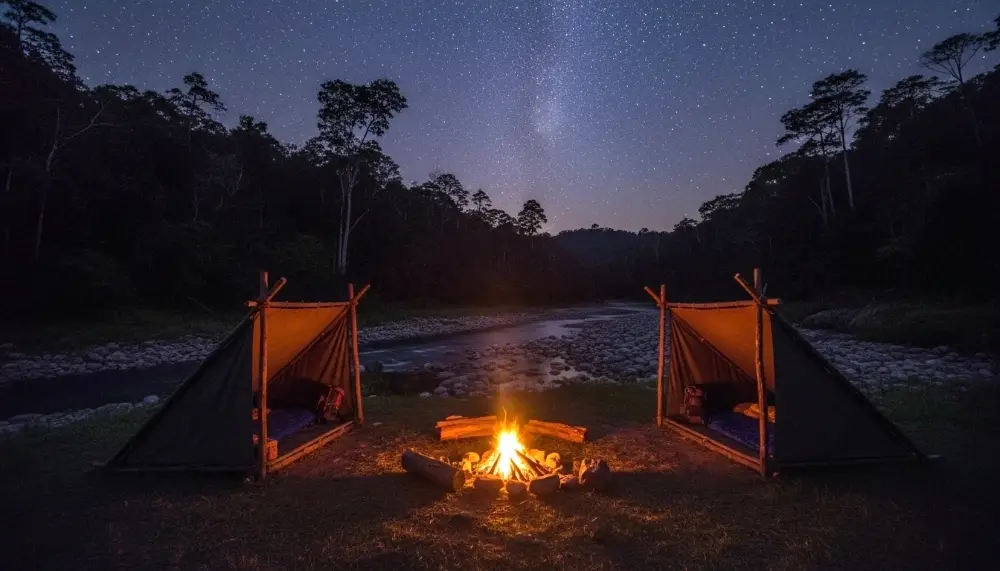
The province is a genuine playground for anyone who loves being outdoors. Forests, waterfalls, cave systems, and mountain viewpoints are spread across a landscape that still feels largely untouched. The cooler mountain climate makes physical activity genuinely enjoyable, which is a welcome change from the heat further south.
Popular outdoor activities include:
- Jungle trekking with local hill-tribe guides
- Pha Suea Waterfall, one of the largest in northern Thailand
- Tham Lod Cave near Pai, explored by bamboo raft with a lantern guide
- Sunrise viewpoints from the hilltops surrounding the valley
For multi-day treks into the hills, always go with a licensed local guide. Beyond safety, a good guide transforms the experience entirely, opening conversations and encounters that independent travel simply cannot replicate.
Food and Local Flavours
Northern Thailand has a distinct culinary identity, and Mae Hong Son is one of the best places to explore it. The Shan influence here adds an extra layer of flavour and variety you will not find easily elsewhere in the country.
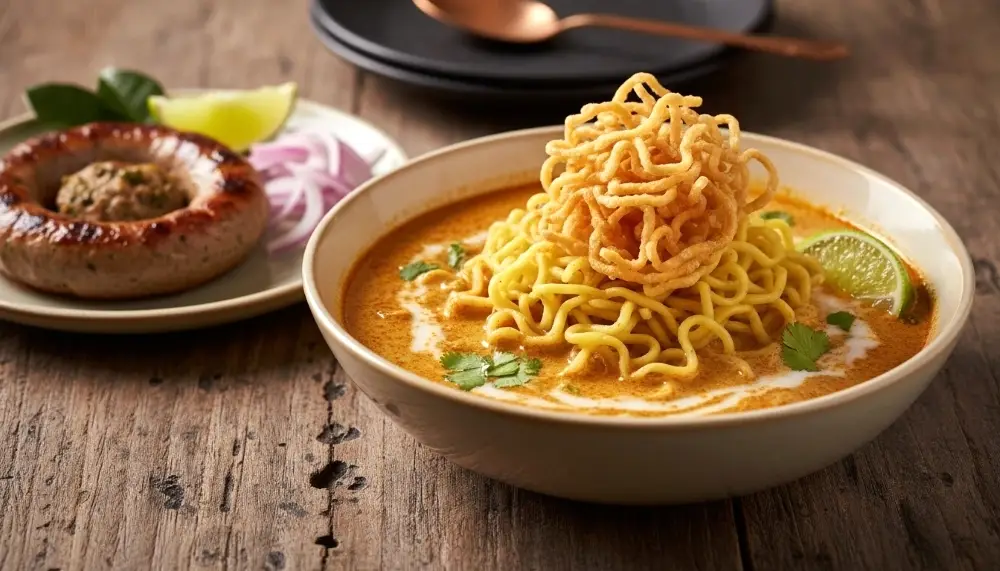
The dish to start with is Khao Soi: a rich coconut curry noodle soup topped with crispy fried noodles and served with pickled mustard greens and shallots on the side. It is widely available across northern Thailand but tastes especially good in the small family-run spots around Mae Hong Son’s morning market.
Other dishes worth seeking out include:
- Sai Ua, northern Thai herbal sausage grilled over charcoal
- Nam Prik Ong, a rich tomato and minced pork dip served with fresh vegetables and pork rinds
- Shan-style noodle soups with lighter, cleaner broths than central Thai versions
The morning market near Jong Kham Lake is one of the best places in Mae Hong Son to eat like a local. Arrive early, follow the crowds, and point at whatever looks good. A full breakfast rarely costs more than 60 to 100 THB (~2 to 3 USD).

Saily’s Mae Hong Son eSIM costs less than
most tourist SIMs charge per day.
Easy install, transparent pricing,
and solid NordVPN infrastructure.
Pro Tips For Stress-Free Travel

Transport: Grab is the primary choice, but Bolt often offers lower rates for car and motorbike taxis in larger towns. In Mae Hong Son itself, songthaews (shared pick-up trucks) and local motorbike taxis handle most short trips.
Booking: Agoda frequently secures better inventory and “Mobile Only” deals for Thailand compared to western competitors. Booking.com is worth cross-checking for boutique guesthouses in smaller towns.
Connectivity: Use Yesim for instant eSIM activation before you fly, or pick up a local AIS SIM for the best mobile coverage in the northern hills. Signal thins out in the valleys between towns, so download offline maps before leaving Chiang Mai.
Navigation: Google Maps is highly accurate for street-level navigation throughout Mae Hong Son. Use Klook to book fixed-price airport transfers or guided day trips if arriving without a vehicle.
Security on Public Wi-Fi: Guesthouse and cafe networks in smaller towns are convenient but open. Run NordVPN whenever you are working remotely or accessing banking from shared connections.
Long-Stay Health Cover: For digital nomads or anyone spending extended time in the region, SafetyWing offers flexible rolling travel medical insurance with no fixed return date required.

Stay online in Mae Hong Son without the
daily data limits of tourist SIMs.
Yesim’s eSIM offers unlimited 5G
from around $10 for the whole trip.
Practical Travel Tips
A few things to know before you travel:
Getting there:
- Fly direct from Bangkok or Chiang Mai to Mae Hong Son Airport (flights are short but scenic)
- Drive or ride the Mae Hong Son Loop from Chiang Mai over several days
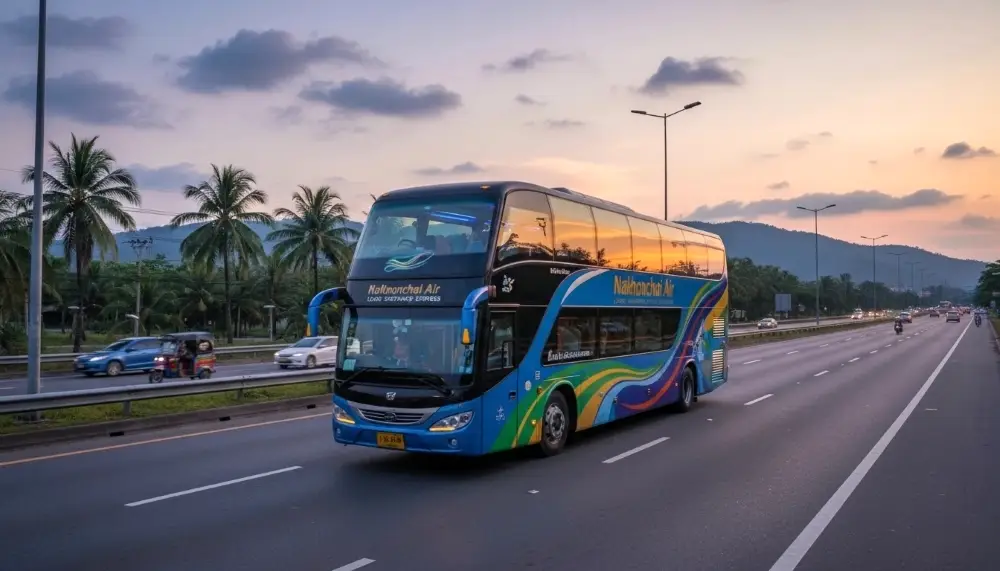
- Book intercity minivan or bus seats in advance through 12GO, especially during Thai public holidays
Best time to visit:
- November to February: cool, clear, and the most popular season
- March to April: warm and dry but haze from agricultural burning can obscure the mountain views
- June to October: lush green landscapes, fewer tourists, but roads can be affected by heavy rain
How long to stay: Most travellers find two to four days ideal for Mae Hong Son town and its immediate surroundings. Add extra days if you plan to trek or explore Mae Sariang to the south.
A Great Destination for First-Time Visitors
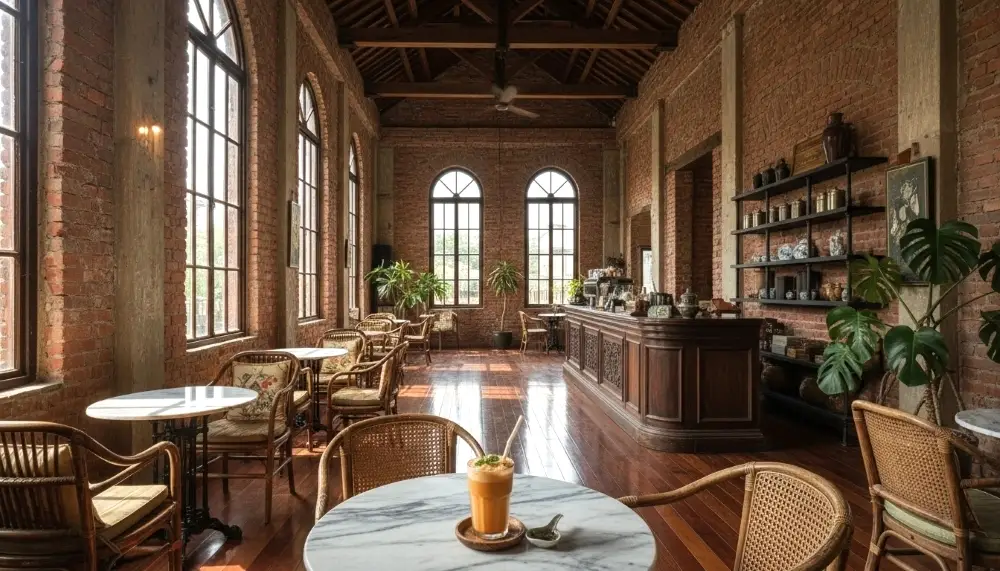
Some first-time visitors worry that a quieter, more remote province might be complicated to navigate. In practice, northern Thailand is one of the most straightforward and welcoming parts of the country for independent travellers at every level of experience.
Thailand’s tourism infrastructure is genuinely excellent even in smaller towns. You will find helpful guesthouses, family restaurants, local tour operators, and English-speaking staff in hospitality settings throughout Mae Hong Son. The town is compact, low-traffic, and easy to navigate on foot.
A natural progression is to begin your Thailand trip in Bangkok, continue north to Chiang Mai, and then head into Mae Hong Son province. By the time you arrive here, you will have found your feet and can enjoy the quieter pace with confidence.
Why Mae Hong Son Is Worth the Journey
Thailand is famous for its tropical islands, vibrant cities, and golden temples. But places like Mae Hong Son reveal a completely different version of the country: peaceful, forested, steeped in a quieter kind of cultural history, and largely free of the crowds that gather further south.
For travellers willing to venture beyond the well-worn path, this region offers landscapes and encounters that stay with you long after you leave. Whether you are riding the legendary mountain loop, sitting with a coffee beside Jong Kham Lake at dawn, or following a forest trail into the hills with a local guide, Mae Hong Son has a rare quality: it feels like somewhere you discovered rather than somewhere you were sent.
For many visitors, it becomes the part of Thailand they talk about most when they get home.
Frequently Asked Questions
How do I get from Chiang Mai to Mae Hong Son?
There are three main options. The quickest is a short domestic flight from Chiang Mai Airport, which takes around 35 minutes and offers spectacular aerial views of the mountains on clear days. The most adventurous option is riding or driving the Mae Hong Son Loop yourself, a multi-day circular route covering over 1,800 curves through some of Thailand’s finest mountain scenery. The third option is a shared minivan or public bus, which takes around six to eight hours depending on stops. Pre-book minivan and bus seats through 12GO during Thai public holidays when seats sell out quickly.
What is the best time of year to visit Mae Hong Son?
The cool season from November through February is the most popular and comfortable time to visit. Daytime temperatures are pleasant and evenings can be genuinely cold in the valley, sometimes requiring a jacket. The landscape is at its most vivid and clear skies make the mountain views outstanding. March to April is dry but smoke from agricultural burning can create haze that obscures the hills. June through October brings lush green scenery and fewer tourists, though heavy rain can occasionally affect road conditions on the mountain passes.
How many days should I spend in Mae Hong Son?
Two to four days is the most common stay for Mae Hong Son town and its immediate surroundings. This gives you enough time to explore Jong Kham Lake, visit the key temples, eat your way through the morning market, and do at least one day trip into the countryside. If you plan to do a multi-day jungle trek, visit Mae Sariang to the south, or explore Tham Lod Cave near Pai, add two to three extra days to your plans.
Is Mae Hong Son safe for solo travellers?
Yes. Mae Hong Son is widely considered one of the safest provinces in Thailand. Crime targeting tourists is rare, the town is small and easy to navigate, and locals are genuinely welcoming. Solo travellers, including solo women travellers, report feeling very comfortable here. Standard precautions apply: keep bags secure, be aware of your surroundings at night, and use reputable guesthouses. For trekking in the hills, always go with a licensed local guide rather than heading out alone.
What is the Mae Hong Son Loop and how long does it take?
The Mae Hong Son Loop is a legendary circular road trip that begins and ends in Chiang Mai, passing through Pai, Mae Hong Son town, and Mae Sariang before returning via Doi Inthanon National Park. The full route covers roughly 600 kilometres and over 1,800 curves. Most riders and drivers complete it over three to five days, though some push it into a single fast two-day run. The loop can be ridden in either direction. Many travellers rent a motorbike or car in Chiang Mai specifically for this route.
What should I eat in Mae Hong Son?
Start with Khao Soi, the rich coconut curry noodle soup that is northern Thailand’s signature dish and tastes especially good in the small family-run spots near the morning market. Sai Ua (northern herbal sausage grilled over charcoal), Nam Prik Ong (a tomato and minced pork dip with fresh vegetables), and Shan-style noodle soups are all worth seeking out. The morning market near Jong Kham Lake is the best single spot for eating like a local. A full breakfast there rarely costs more than 60 to 100 THB (~2 to 3 USD).
Is there reliable mobile data and Wi-Fi in Mae Hong Son?
Mobile data coverage in Mae Hong Son town is reasonable on AIS and DTAC networks, with AIS providing the best rural coverage for day trips into the surrounding hills. Signal weakens noticeably between towns on the mountain roads, so download offline maps before leaving Chiang Mai. Most guesthouses and cafes offer free Wi-Fi. For digital nomads, activating an Airalo, Yesim, or Saily eSIM before departure ensures your apps and maps work immediately on arrival. If working from public cafe networks, NordVPN is worth running to keep your connections secure.
What currency is used and can I pay by card in Mae Hong Son?
The Thai Baht (THB) is the local currency. ATMs are available in Mae Hong Son town and accept most international cards, though a foreign transaction fee of around 220 THB (~6.50 USD) applies per withdrawal. Cash is essential for market stalls, street food vendors, smaller guesthouses, and local transport. Larger hotels and some restaurants accept cards, but always carry sufficient cash for at least two to three days. The ATMs in the town centre are the most reliable; if you are heading deep into the countryside, withdraw before you leave.
What temples should I visit in Mae Hong Son?
Wat Phra That Doi Kong Mu is the must-see: a hilltop temple above the town with sweeping valley views, particularly beautiful at sunrise and in the late afternoon light. In town, Wat Chong Kham and Wat Chong Klang sit side by side on the bank of Jong Kham Lake and are especially photogenic in the early morning when mist still sits on the water. Both temples feature distinctive Shan-Burmese architectural influences that set them apart from temples further south in Thailand. Entry to all three is free; modest dress covering shoulders and knees is expected.
Can Mae Hong Son work as a base for remote workers?
Yes, with some practical considerations. The town has cafes with reasonable Wi-Fi, a relaxed atmosphere, and accommodation rates that are very affordable on a monthly basis, with comfortable guesthouses available from around 7,000 to 12,000 THB per month (~210 to 360 USD). It works best as a remote base during the cool season from November to February, when the climate is ideal and the town is at its most lively. For longer stays, SafetyWing offers flexible rolling travel medical insurance suited to nomads without a fixed return date, and an AIS SIM gives the most reliable data connection in the region.