Cost Of Living In Thailand
This site contains affiliate links. We may earn a commission at no extra cost to you.
For visitors, one of the most common questions is simple: how expensive is Thailand really?
The good news is that Thailand remains one of the best-value destinations in the world. Whether you are planning a backpacking adventure, a comfortable family holiday, or a serious long-term relocation, your money stretches much further here than in Europe, North America, or Australia. The key is understanding where the genuine value lies, and where tourist premiums quietly push prices up.
Quick Summary: Is Thailand Expensive?
In short, Thailand is generally very affordable for travellers, but costs vary more than most guides admit.
A single person can live a basic local life in Thailand for 25,000 to 35,000 THB per month (~£580 to £810 / ~$750 to $1,060 USD). A comfortable mid-range lifestyle with a modern condo, regular dining out, and private health insurance requires 55,000 to 85,000 THB per month. Luxury living in premium Bangkok districts or beachfront properties in Phuket starts at around 120,000 THB and scales sharply from there.
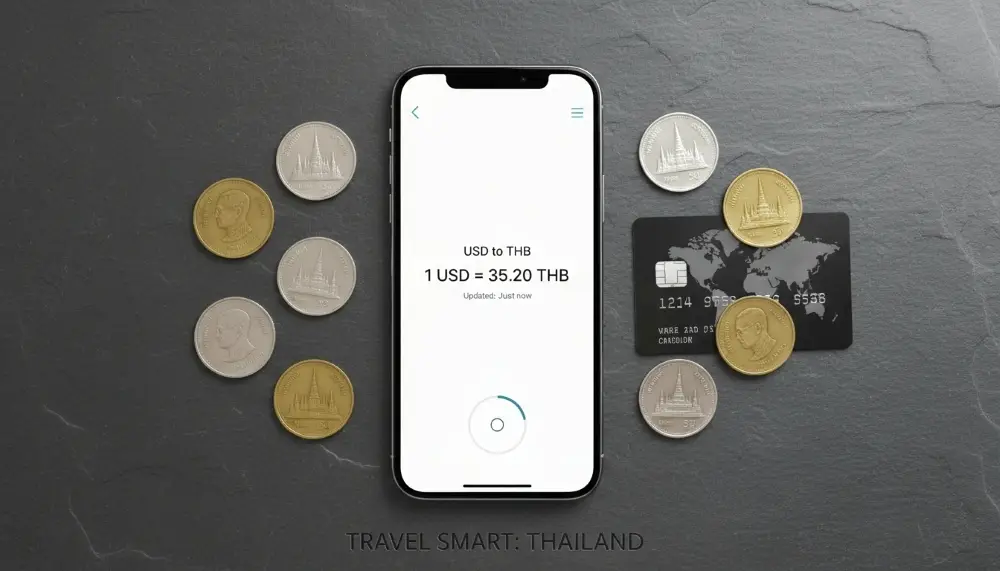
For reference, all prices in this guide are based on an approximate rate of 33 to 35 THB per 1 USD. Street food prices have risen 20 to 30 percent since 2021, but Thailand still ranks as one of the cheapest countries on earth for everyday eating. Imported goods, international supermarkets, and premium serviced apartments are where costs climb toward Western levels.
Typical daily travel costs break down roughly as follows:
- Budget travellers (street food, guesthouse, public transport): $30 to $50 per day
- Mid-range travellers (boutique hotel, mix of dining, taxis): $65 to $130 per day
- Luxury travellers (resort, premium restaurants, transfers): $180 per day and upward
Accommodation, food, and transport are the strongest value categories. Alcohol, imported groceries, and anything targeted at tourists carry significantly higher margins. Understanding the difference between a local soi noodle shop and a Sukhumvit rooftop bar is the key to controlling your spend.
| Expense Category | Budget (Local Focus) | Comfortable (Expat Standard) | Luxury (Premium) |
|---|---|---|---|
| Monthly Rent (1-Bed) | 10,000 – 14,000 THB | 18,000 – 35,000 THB | 60,000+ THB |
| Food & Groceries | 9,000 – 13,000 THB | 15,000 – 25,000 THB | 40,000+ THB |
| Utilities & 5G Data | 2,500 THB | 4,500 THB | 8,000+ THB |
| Transport (Public/Apps) | 2,000 THB | 5,000 THB | 15,000+ THB |
| Health Insurance | 1,500 – 2,500 THB | 3,500 – 5,000 THB | 8,000+ THB |
| Total Monthly | 25,000 – 35,000 THB | 46,000 – 74,500 THB | 131,000+ THB |

From boutique guesthouses to five-star
resorts, Agoda has Thailand covered.
Strong Asia inventory means deeper
discounts than you’d find elsewhere.
Accommodation Costs:

Accommodation is usually the biggest variable in your monthly budget, and the range is extraordinary. Backpackers and budget travellers can find hostels and guesthouses for as little as $8 to $15 per night in Bangkok and Chiang Mai. These are common in all major tourist areas and usually provide air conditioning, Wi-Fi, and a good social atmosphere.
Mid-range hotels and boutique guesthouses run approximately $30 to $70 per night, and long-stay monthly condo rentals represent the sharpest value for anyone staying beyond three weeks. In Bangkok, a furnished one-bedroom in a solid mid-range building runs 13,000 to 25,000 THB per month. In Chiang Mai, the same quality costs 10,000 to 16,000 THB. Phuket and the southern islands typically run 20 to 30 percent more than Bangkok for comparable quality, reflecting the higher cost of island logistics and the density of international demand.
Luxury resorts and beachfront villas range from $120 to several hundred dollars per night, with premium condos in Bangkok’s CBD districts like Thonglor, Ekkamai, and Asok starting at 60,000 THB monthly. Agoda and Booking.com are the most reliable platforms for short-stay pricing across all budget levels; for monthly rentals, Renthub and Facebook expat housing groups often surface better rates than international portals.
Key location notes: Bangkok offers everything from budget hostels to five-star skyline suites. Chiang Mai is renowned for affordable boutique stays and remains the best-value major city for long-term residents. Southern islands like Phuket and Krabi are more expensive near beaches, but stepping back one street from the sand can cut accommodation costs significantly.

From classic Thailand highlights to
hidden-gem private tours. Cancel
free up to a day before your
start time if plans change.
Food Costs:
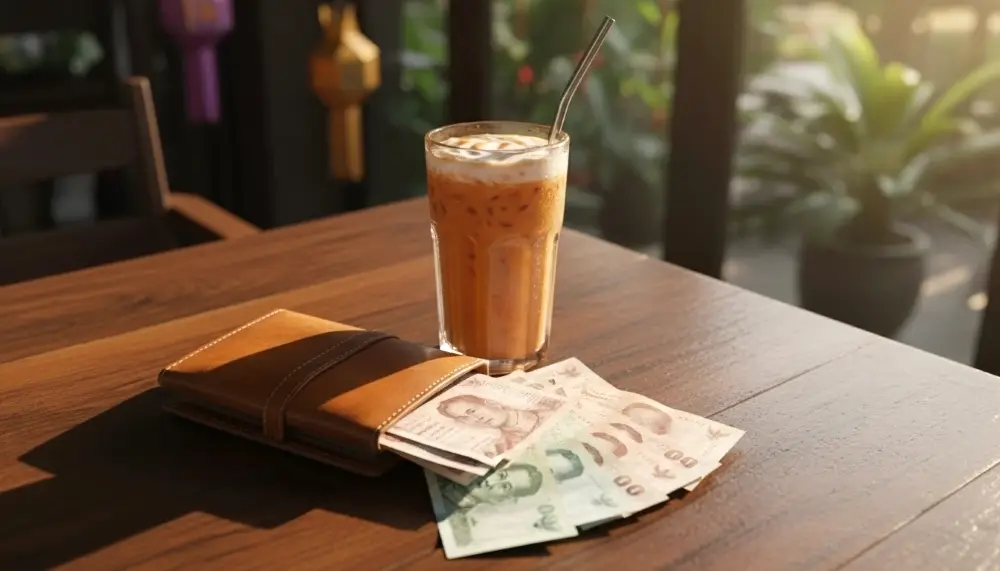
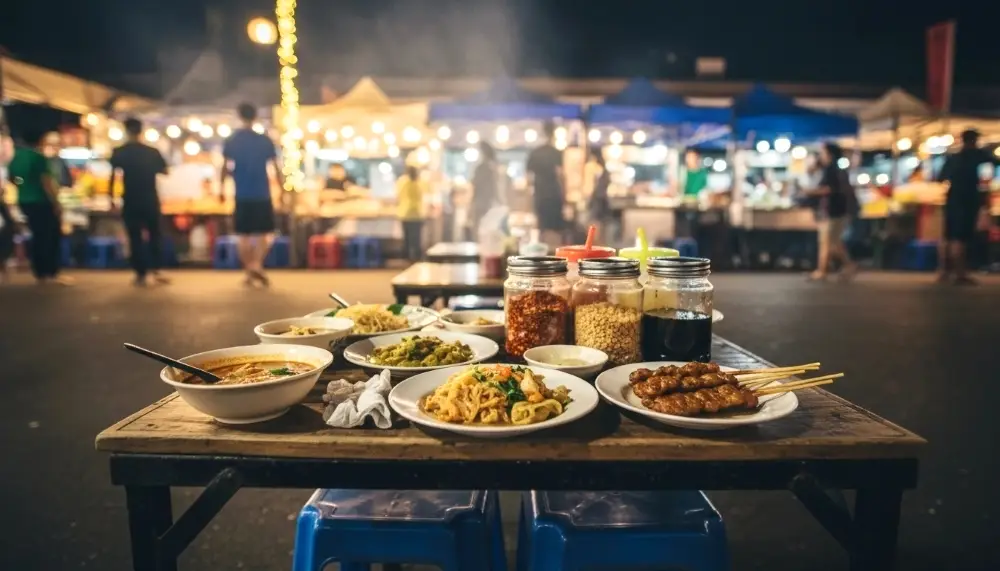
Food is the single greatest argument for Thailand as a destination, and it is still startlingly affordable if you eat where locals eat. Street food stalls and local markets serve dishes that would cost $15 to $20 in a Western Thai restaurant for between 50 and 100 THB ($1.50 to $3) on the street.
Realistic 2026 street food prices: a plate of pad krapao with a fried egg runs 50 to 70 THB in residential Bangkok or Chiang Mai, rising to 100 to 150 THB in tourist-heavy streets. Khao soi in Chiang Mai costs 60 to 80 THB. A bowl of boat noodles is 45 to 60 THB. Mango sticky rice at a local market stall is 45 to 80 THB depending on the area. A full day eating exclusively from street stalls typically costs 300 to 400 THB ($9 to $12).
Move up a level to casual sit-down restaurants and the range widens: a local Thai restaurant meal is 120 to 250 THB, a mid-range air-conditioned restaurant is 300 to 600 THB per person, and a Western-style restaurant in Bangkok’s dining districts costs 500 to 1,200 THB per person including a drink. Night markets are the sweet spot: dozens of small dishes at local prices, in a social atmosphere that is itself part of the experience.
One honest warning: wine is expensive everywhere in Thailand. As an imported luxury item subject to high duties, a mid-range bottle in a restaurant starts at 1,200 to 2,000 THB. Beer is the local choice. A large Chang or Singha at a neighbourhood restaurant or convenience store costs 60 to 80 THB; a hotel bar will charge 150 to 200 THB for something smaller.

From temples to island tours, Klook
covers Thailand’s best experiences.
Hotel pickup is often included and
prices beat the pier walk-in rate.
Getting Around:
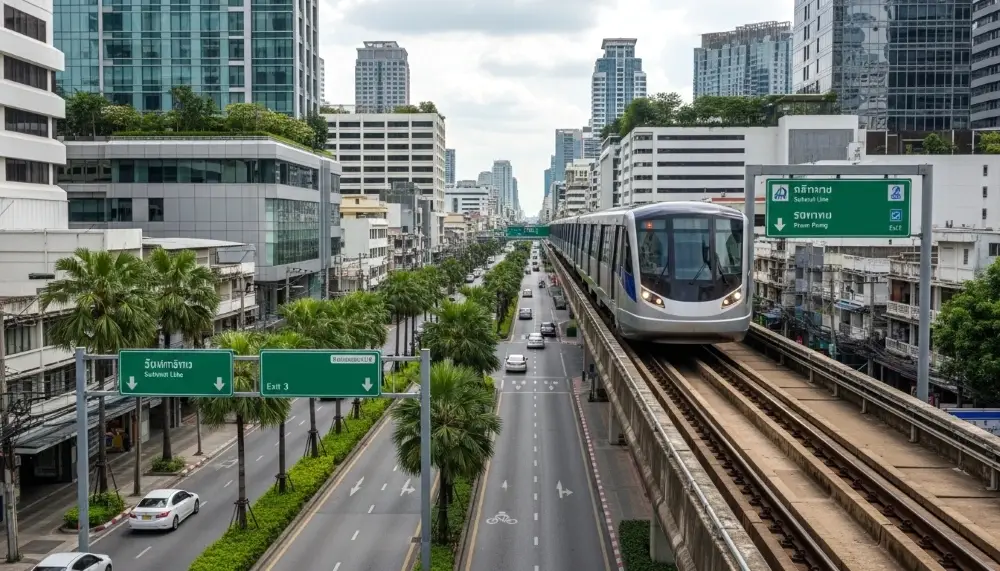
Getting around Thailand is both easy and affordable, with options ranging from excellent public transport in Bangkok to scenic overnight trains between cities.
In Bangkok, a BTS Skytrain or MRT metro ride costs 17 to 59 THB depending on distance. A Rabbit Card on the BTS or the equivalent on the MRT eliminates the need to queue for tickets and saves time every day. Grab and Bolt are essential apps for transparent taxi pricing; a cross-town Grab in Bangkok typically runs 100 to 250 THB. Motorbike taxi hops between 20 and 60 THB for short distances. For anyone staying long-term, a monthly scooter rental costs 3,000 to 5,000 THB and transforms your range dramatically in cities like Chiang Mai where the BTS equivalent does not exist.
For longer journeys, domestic flights on budget carriers like AirAsia, Nok Air, and Lion Air run $30 to $80 depending on the route and booking window. Overnight trains between Bangkok and Chiang Mai (sleeper class) cost $25 to $60 and are a genuinely pleasurable way to travel. Intercity buses are $10 to $25. For booking any intercity ticket, 12GO is worth using to lock in seats ahead of national holiday periods when demand peaks sharply.

Streaming and banking apps sometimes
geo-block from Thailand. NordVPN
gives you a home-country IP so
things work like they do at home.
Pro Tips For Stress-Free Travel:
Transport: Use Grab or Bolt for transparent pricing. For bikes, Indrive often offers the lowest rates. Both Grab and Bolt require SMS verification when you first set up the app, so activate your mobile data before you land. Airalo, Yesim, and Saily all offer eSIM plans that connect the moment your wheels touch down.
Stays: Agoda and Booking.com remain the gold standard for short-term stays, while Renthub is superior for monthly condo searches. For excursions and activities once you arrive, Get Your Guide and Klook carry well-curated options across all budget levels.
Connectivity: Secure a local SIM from AIS or TrueMove H for the best long-term data rates. For immediate data on arrival, Yesim or Airalo provide easy eSIM solutions.
Currency: Use Wise or Revolut to transfer funds into THB at close-to-market rates. Always choose “Continue without conversion” at Thai ATMs to avoid predatory dynamic conversion rates. A standard 220 THB fee applies to all foreign card withdrawals; AEON Bank ATMs charge a slightly lower 150 THB fee and are found in major shopping centres.
Digital Security: Use NordVPN to access home streaming services and secure public Wi-Fi connections in the thousands of cafes across the country.


Skip the airport SIM queue in Thailand.
Yesim’s eSIM activates before takeoff
so you’re online the second your
plane touches the tarmac.
Island Prices vs Mainland Prices:

One thing first-time travellers consistently notice is that Thailand’s islands cost noticeably more than mainland destinations. This is not accidental. Everything from building materials to produce arrives on a ferry or a small plane, and that logistics premium ends up in your bill.
In Phuket, Koh Phi Phi, and Koh Samui, beachfront accommodation runs 20 to 40 percent above equivalent mainland quality. Street food prices are similarly elevated: dishes that cost 60 THB in Chiang Mai can be 120 to 150 THB on a tourist beach strip. Boat tours and snorkelling day trips range from $25 to $90, with premium liveaboard diving packages considerably higher.
That said, affordable options still exist on every island. Moving one street back from the beach, eating at stalls where locals queue rather than those facing the sunset, and booking accommodation in low season (May to October) can bring island costs back toward mainland levels. Chiang Mai remains the undisputed best-value city for long-stay residents, running 10 to 20 percent cheaper than Bangkok across nearly every spending category.
Healthcare and Insurance:
Healthcare is one of Thailand’s strongest hidden value propositions. Private hospitals like Bumrungrad International, Samitivej, and Bangkok Hospital are JCI-accredited, fully English-language, and deliver care comparable to leading European facilities. A standard GP or specialist consultation at a private hospital costs 1,000 to 2,500 THB ($30 to $75). For comparison, the same consultation in the UK or Australia would cost multiples of that, and the waiting time is a fraction of any public system.
However, one serious emergency can still cost 100,000 THB or more without insurance, which is why private health cover is strongly recommended for any stay beyond a short holiday. Annual health insurance premiums for a healthy person aged 35 to 45 start from around 25,000 to 60,000 THB per year for a domestic Thai plan, rising to 45,000 to 80,000 THB for a comprehensive international plan. SafetyWing offers a more accessible entry-level option for remote workers and short-stay visitors. For long-stay DTV or LTR holders wanting comprehensive cover, SafetyWing Nomad Insurance or international providers like Cigna and IMG Global are worth comparing.
A traditional Thai massage at a local shop costs 250 to 350 THB per hour, rising to 600 to 1,200 THB at a spa or hotel facility. It remains one of the most remarkable everyday luxuries available at the budget level anywhere in the world.
Everyday Expenses To Expect:
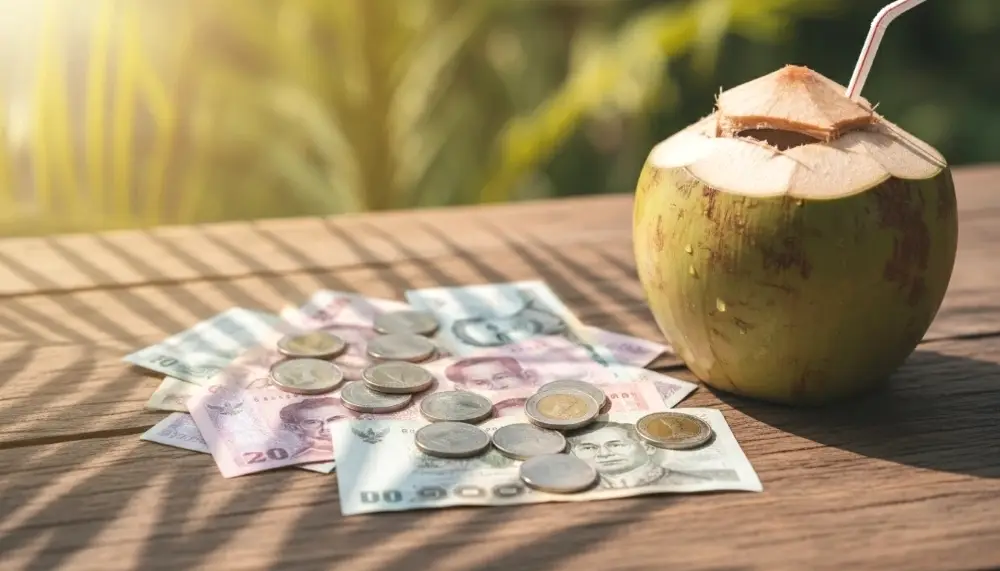
Beyond the headline categories, it helps to have a realistic picture of what small daily costs look like. Temple entrance fees run $1 to $10, though many temples charge foreigners more than locals (Wat Pho is 200 THB, the Grand Palace complex is 500 THB). Island boat tours and half-day excursions are typically $20 to $80. A fresh coconut on the beach is 30 to 50 THB. A cold brew coffee or specialty cafe drink in Bangkok or Chiang Mai is 80 to 150 THB, and the quality in both cities is genuinely excellent.
ATM fees are a recurring cost worth managing. Thai banks charge a flat 220 THB on every foreign card withdrawal. Across a month of daily withdrawals, that adds up fast. Consolidate withdrawals into larger amounts, and use Wise or Revolut to transfer funds and reduce the number of times you hit a machine. AEON Bank ATMs charge a lower 150 THB fee. Always decline the ATM’s own conversion offer and let your home bank handle the currency conversion at a far better rate.
Families considering international schooling should budget carefully. Annual tuition at Bangkok’s top international schools (Bangkok Patana, NIST, ISB) runs 500,000 to 1,200,000 THB per year. Strong mid-tier options exist in the 150,000 to 450,000 THB range, and both British-curriculum and IB-programme schools are available across Bangkok, Phuket, and Chiang Mai.
Cultural Tips That Save You Money:
Understanding a few local habits can stretch your budget while also deepening your experience of Thailand. Street food is not only cheaper but often more authentic and considerably more delicious than tourist-facing restaurants. The best indicator of quality and safety is a queue of locals. High turnover means fresh ingredients and a cook who knows what they are doing.
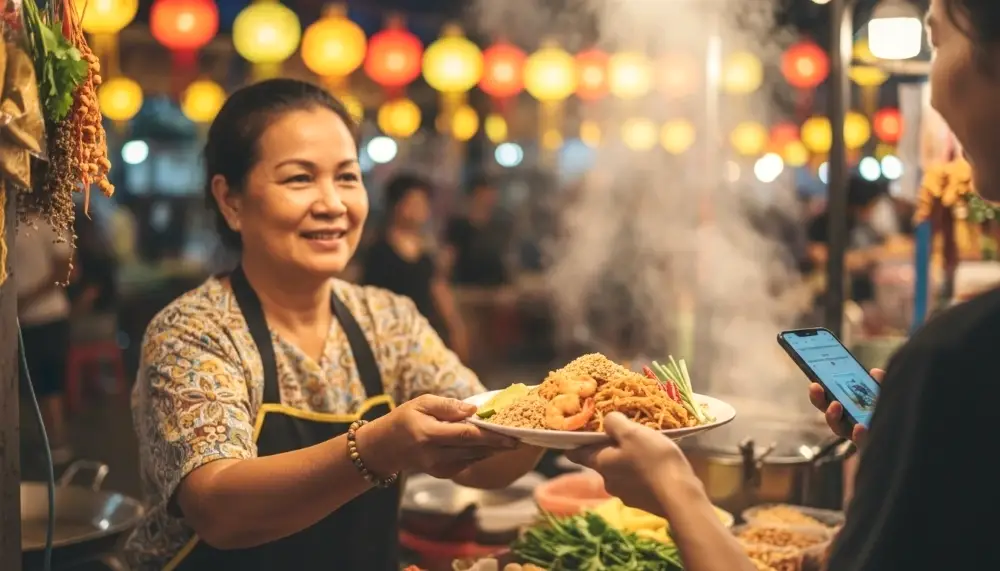
Bargaining is normal and expected at markets, though it should be friendly and light. A smile and a polite counteroffer works far better than aggressive negotiation. Small cash payments are preferred almost everywhere; Thailand’s QR-based PromptPay system is widely used for transfers, but street food vendors and market sellers still operate primarily in cash.
Learning a few simple Thai words (sawasdee for hello, khob khun for thank you, aroy for delicious) generates a warmth in daily interactions that is its own reward. Thailand is known as the Land of Smiles for a genuine reason, and a polite, curious visitor consistently gets a better price, better service, and a far more enjoyable trip than someone who treats the country as a transaction.

How To Travel On Any Budget:

Whether you are backpacking through the north or treating a family to a premium beach holiday, Thailand is extraordinarily good at accommodating every spending level with genuine quality at each tier. A few practical strategies make the most of whatever budget you bring.
Eat local food at non-tourist-facing stalls whenever possible. Use public transport in Bangkok (the BTS and MRT are fast, clean, and remarkably cheap). Travel slightly outside peak tourist areas for better prices on both accommodation and food. Book during the green season (May to October) for the lowest rates on accommodation and tours in the south. Use 12GO for intercity travel to lock in the best bus and train fares before national holidays sell out.
For long-stay residents, the most impactful budget lever is rent. The gap between a Sukhumvit central condo and an equivalent-quality unit 10 minutes further from the BTS can be 8,000 to 15,000 THB per month. Eat locally, live slightly away from the tourist core, and use Thai services rather than international equivalents for everything from haircuts to dry cleaning. Those three habits alone bring a Bangkok lifestyle budget down by 30 to 40 percent compared to a foreigner who stays entirely within the expat comfort zone.
Frequently Asked Questions:
How much money do I need per month to live comfortably in Thailand in 2026?
A single person can live comfortably in Bangkok on 55,000 to 75,000 THB per month (approximately $1,600 to $2,200 USD), covering a decent one-bedroom condo near transit, a mix of street food and restaurants, Grab and BTS for transport, a basic social life, and private health insurance. In Chiang Mai the same lifestyle costs 10 to 20 percent less, making it arguably the best-value city in Southeast Asia for long-term residents. Phuket runs approximately 20 percent more than Bangkok. Couples benefit from significant economies of scale, with shared rent and utilities typically reducing the per-person monthly cost by 30 to 40 percent.
Is street food safe to eat in Thailand?
Yes, with straightforward common sense applied. The most reliable indicator of safety is a queue of local customers and high turnover. Fresh ingredients do not sit around in a busy stall. Look for stalls where prices are clearly displayed in Thai and Arabic numerals, which typically indicates a local customer base rather than a tourist premium. Avoid stalls that have been sitting in full sun with no customers, and be slightly more cautious with shellfish at tourist beach markets during the hotter months. Beyond those basics, Thai street food is one of the genuine culinary highlights of Southeast Asia and should be eaten with enthusiasm.
How much does a 1-bedroom apartment cost in Bangkok vs Chiang Mai in 2026?
In Bangkok, a furnished one-bedroom condo in a good mid-range building (pool, gym, 10 to 15 minutes from BTS) runs 13,000 to 25,000 THB per month. In prime central districts like Thonglor, Asok, or Silom, expect 25,000 to 45,000 THB for comparable quality. In Chiang Mai, the equivalent in Nimman or the Old City area costs 10,000 to 16,000 THB per month. Phuket condos near beaches typically run 18,000 to 35,000 THB. For monthly searches, Renthub and local Facebook housing groups often surface better-priced listings than international booking platforms.
What is the cheapest city to live in Thailand?
Chiang Mai is consistently the best-value major city in Thailand for long-stay residents and remote workers, running 10 to 20 percent cheaper than Bangkok across rent, food, and daily costs. A comfortable single-person lifestyle is genuinely achievable for 35,000 to 45,000 THB per month. Smaller northern towns like Pai and Lampang are cheaper still, but with fewer international amenities and a smaller expat community. For those who do not need Bangkok’s infrastructure, Chiang Mai delivers the highest quality of life per baht of any significant Thai city.
Do I need health insurance in Thailand?
There is no public healthcare system for foreign nationals in Thailand: you pay full private rates out of pocket. While a routine GP visit at a good private hospital is only 1,000 to 2,500 THB, a serious emergency, surgery, or extended hospital stay can cost 100,000 THB or more. Private health insurance is strongly recommended for anyone staying longer than a short tourist visit. Annual premiums for a healthy person aged 35 to 45 start from around 25,000 THB for a Thai domestic plan and 45,000 to 80,000 THB for a comprehensive international plan. SafetyWing is a practical and affordable option for digital nomads and remote workers. The LTR visa requires proof of health cover with a minimum of USD 50,000 in medical coverage.
How much do ATM withdrawals cost in Thailand?
Thai banks charge a flat 220 THB fee on every foreign card withdrawal, regardless of the amount. AEON Bank ATMs (found in major shopping centres) charge a slightly lower 150 THB per transaction. Always decline the ATM’s dynamic currency conversion offer and let your home bank handle the conversion at a far better rate. To minimise fees, consolidate withdrawals into larger amounts and use Wise or Revolut to transfer funds into THB at close-to-interbank rates before withdrawing.
Is Thailand more expensive than Vietnam or Bali for long-term living?
Vietnam undercuts Thai prices by roughly 10 to 25 percent across most cost categories, making cities like Hanoi and Da Nang cheaper for long-stay residents. Bali is broadly comparable to Chiang Mai for mid-range living, though Seminyak and Canggu can exceed Bangkok prices for premium rentals. Thailand’s advantages over both are its infrastructure quality (especially Bangkok), its healthcare network, the availability of the DTV and LTR visa frameworks, and the depth and quality of its food scene at every price point. For pure affordability, Vietnam edges ahead; for infrastructure, visa stability, and overall quality of life, Thailand remains the regional benchmark.
How much does a digital nomad need to live in Thailand in 2026?
A single remote worker can live comfortably in Chiang Mai on $1,800 to $2,500 USD per month, covering a private condo, coworking space access, regular dining out, everyday transport, and basic health insurance. Bangkok runs $2,000 to $3,000 for the same standard. Those who eat primarily street food, share accommodation, and use public transport rather than Grab can come in considerably lower. The DTV (Destination Thailand Visa) is the correct visa framework for remote workers; it requires 500,000 THB in a seasoned bank account (held for at least three months) and proof of employment or freelance income from outside Thailand.
How much do international schools cost in Thailand?
Annual tuition at Bangkok’s top international schools (Bangkok Patana, NIST, ISB) runs 500,000 to 1,200,000 THB per year per child. Strong mid-tier options across Bangkok, Phuket, and Chiang Mai are available in the 150,000 to 450,000 THB per year range. Both British-curriculum and IB-programme schools are well represented across all major expat locations. Families should factor tuition costs carefully into relocation budgets; at the top end, international school fees alone can exceed many adults’ entire monthly living costs.
Is tipping expected in Thailand?
Tipping is not mandatory in the way it is in North America, but it is appreciated and increasingly common in tourist-facing settings. For restaurant dining where no service charge is included, rounding up the bill or leaving 20 to 50 THB for good service at a casual restaurant is considered gracious. Upscale restaurants and hotel restaurants typically add a 10% service charge and 7% VAT (shown as ++ on the menu), which removes the need for additional tipping. Traditional Thai massage therapists appreciate 50 to 100 THB on top of the session fee. Street food vendors do not expect tips; leaving small change is appreciated but entirely optional. Grab drivers appreciate the in-app rating more than cash tips.