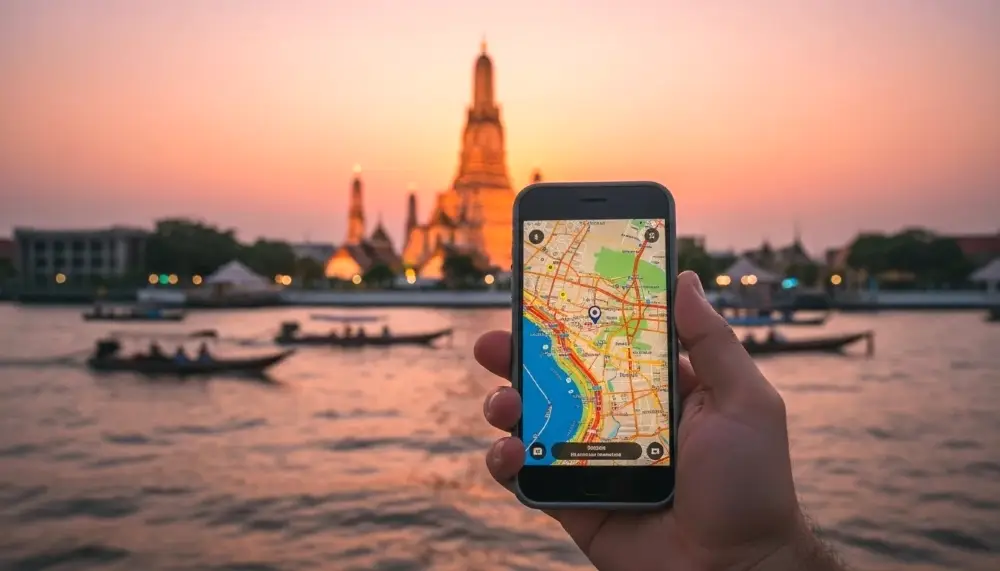
Thailand Travel Tips
This site contains affiliate links. We may earn a commission at no extra cost to you.
Thailand has a way of getting under your skin. The temples are golden, the food is extraordinary, the islands are every bit as beautiful as the photos suggest, and the people are some of the warmest you’ll encounter anywhere in the world. It’s no surprise it’s where so many travellers choose to begin their Southeast Asia story.
But like anywhere new, a little preparation goes a long way. These tips will help you navigate the practicalities, respect the culture, and spend less time worrying, so you can focus on actually enjoying it. All prices in this guide use a rate of 35 THB = $1 USD.
The Quick Summary:
- Thailand is very welcoming and easy to travel around.
- Respect local culture, especially at temples.
- Dress for the tropical climate but pack modest clothing for religious sites.
- Street food is safe and delicious if you choose busy stalls.
- Learn a few basic Thai phrases, locals appreciate the effort.
- Entry Requirements: Travelers must complete the free Thailand Digital Arrival Card (TDAC) within 72 hours before arrival. Visa exemptions for most nations are currently 60 days.
- Daily Budget: Expect to spend 1,500–3,500 THB (~$43–$100) per day for a comfortable mid-range experience including boutique stays and local dining.
- Connectivity: Secure a physical AIS or TrueMove SIM at the airport or use a digital eSIM for immediate data upon landing.
- Payment Culture: Cash (THB) is king for street markets, but QR-based PromptPay is the dominant digital method used by locals and expats.

Reserve your Thailand hotel with no
upfront payment on most rooms.
Free cancellation up to a day before
keeps your trip flexible if plans shift.
Pro Tips For Stress Free Travel:

Modern Thai travel relies on a specific digital stack: Grab for transport and food delivery, Agoda for regional hotel deals, and Klook for activity bookings. A reliable NordVPN is essential for secure banking on public Wi-Fi, while Yesim provides seamless cellular data across provinces.
Daily Life: Download Line, the primary communication app in Thailand. Many local businesses use it for reservations and customer service rather than email.
Transport: Grab is the reliable standard, but Bolt often offers cheaper rates in Phuket and Chiang Mai. InDrive is a strong alternative for long-distance city-to-city transfers.
Accommodation: Use Agoda for Secret Deals often unavailable on other platforms. For free-cancellation flexibility, Booking.com remains a strong secondary choice.
Connectivity: Do not rely on hotel Wi-Fi for critical tasks. An AIS 5G SIM card provides the most comprehensive coverage, even in remote islands like Koh Lipe.
Storing Luggage? Use Radical Storage. Book online at verified local businesses near major train stations and landmarks. Straightforward, secure, and available across Bangkok.

Forget swapping physical SIMs in Thailand.
Yesim works on most modern phones,
activates remotely, and keeps your
home number live on WhatsApp too.
Your Adventure of a Lifetime:
Planning your first trip to Thailand is an exciting moment. The country is famous for its golden temples, tropical islands, buzzing cities, incredible food, and some of the warmest hospitality in the world.
For many first-time visitors, Thailand is the gateway to Southeast Asia. It’s vibrant, affordable, relatively easy to navigate, and packed with unforgettable experiences, from exploring Bangkok’s markets to watching sunsets on southern islands.
If you’re feeling a mix of excitement and uncertainty, that’s completely normal. The good news is that with a few helpful Thailand travel tips, your first visit can be smooth, safe, and absolutely unforgettable.
Easier to Travel Than You Think:
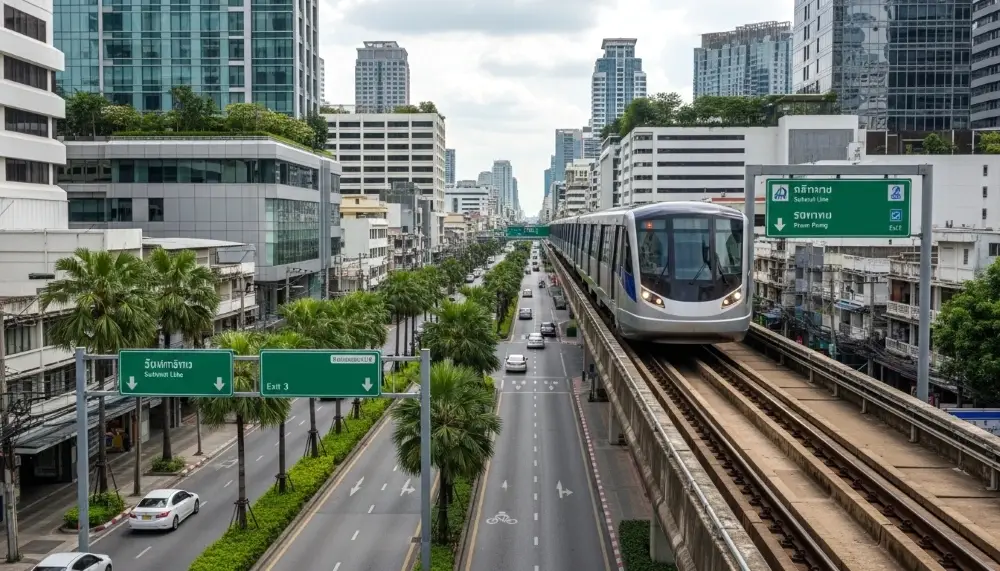
Major cities have excellent infrastructure, and popular tourist areas are well set up for international visitors. English is widely spoken in hotels, restaurants, and tourist services, especially in major destinations.
Transportation is also relatively straightforward:
- Domestic flights connect cities and islands quickly
- Trains offer scenic routes across the country
- Buses are affordable and reliable
- Ride-hailing apps and taxis are common in large cities
For many travelers, Thailand becomes the perfect introduction to Asian travel.
| Expense Category | Typical Cost (THB) | Approx. USD | Recommended Payment |
|---|---|---|---|
| Street Food Meal | 50–120 THB | ~$1.40–$3.40 | Cash Only |
| Mid-range Dinner | 400–900++ THB | ~$11–$26 | Credit Card / PromptPay |
| 1-Hour Thai Massage | 300–600 THB | ~$8.60–$17 | Cash (hand tip directly) |
| Inner-city Transport | 20–150 THB | ~$0.60–$4.30 | Rabbit Card / Cash |
| ATM Withdrawal Fee | 220 THB flat | ~$6.30 | Withdraw max (20,000–30,000 THB) |
| Bottled Water (1.5L) | 10–15 THB | ~$0.30–$0.45 | Cash |
Money, ATMs and Getting the Best Rate:
Getting your money sorted before or on arrival saves a surprising amount of friction across the trip. Thailand is a largely cash-based economy for anything below mid-range, and understanding how currency works here protects you from quietly expensive mistakes.
SuperRich exchange booths (look for the orange or green branches near BTS stations and shopping centres like CentralWorld) consistently offer the best rates for physical currency in Bangkok, significantly better than airport counters or hotel desks. Exchange what you need for the first few days on arrival, then find a SuperRich booth once you reach the city.
ATMs: Every Thai ATM charges a flat 220 THB (~$6.30) fee per foreign card withdrawal regardless of amount. Always withdraw the maximum in a single transaction (usually 20,000–30,000 THB / ~$571–$857) rather than making multiple smaller withdrawals. AEON bank ATMs found in major shopping centres add no additional conversion fee on top of the flat charge, making them the most cost-effective option.
Cards: Visa and Mastercard are accepted at malls, hotels, and most mid-range restaurants. Always carry at least 1,000–2,000 THB (~$29–$57) in cash for street food, local markets, tuk-tuks, and temple entrance fees. Notify your bank of your travel dates before departure to prevent automatic card blocks on overseas transactions.

Understanding Thai Culture:
Thailand’s culture is deeply rooted in respect, kindness, and tradition. Taking a little time to understand local customs will make your trip smoother and more rewarding.
A few cultural basics to remember:
- Always remove your shoes before entering temples or someone’s home.
- Dress modestly when visiting temples (covered shoulders and knees).
- Avoid touching someone’s head, as it is considered sacred.
- Never point your feet at people or religious objects.
The Thai concept of sanuk, meaning to enjoy life and have fun, is part of daily life. You’ll notice smiles everywhere, and visitors who show respect are usually welcomed warmly.
Visiting Famous Destinations:
Thailand offers an incredible range of experiences, which is one reason travelers fall in love with the country. Most first-time itineraries include a mix of city exploration, cultural sites, and beach relaxation.
Bangkok
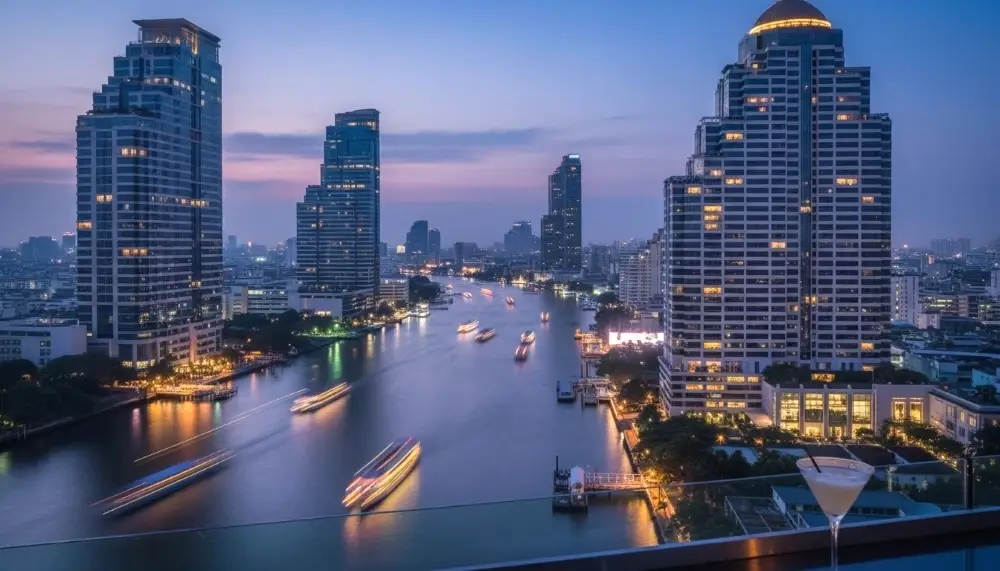
Bangkok is a thrilling introduction to Thailand. The city is full of contrasts: glittering temples, street food markets, luxury malls, and vibrant nightlife all exist side by side.
- The Grand Palace and Wat Phra Kaew (500 THB / ~$14 entry)
- Wat Pho and the Reclining Buddha (200 THB / ~$5.70 entry)
- Floating markets outside the city
- Street food in Chinatown
Chiang Mai
In northern Thailand, Chiang Mai offers a completely different atmosphere.
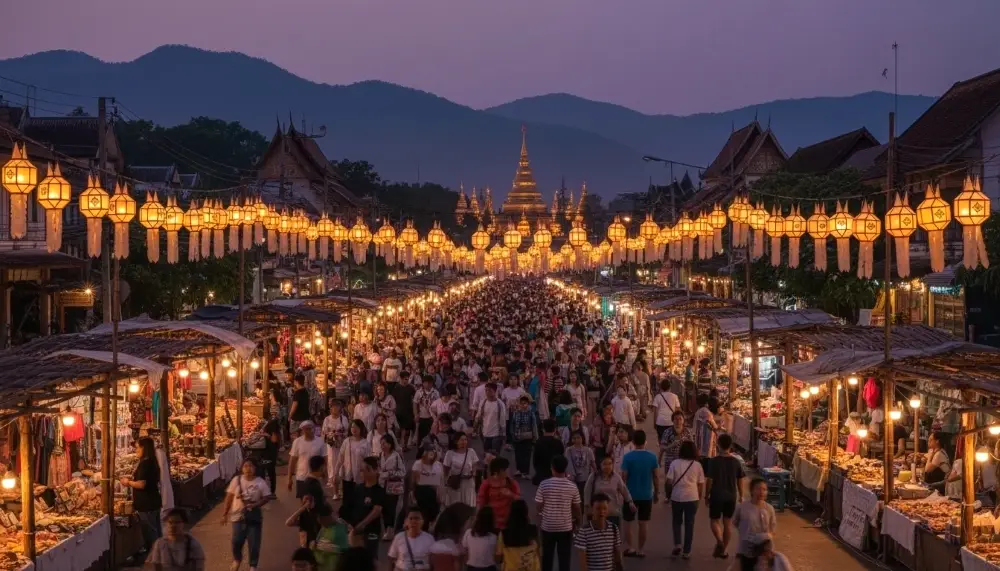
Surrounded by mountains and temples, the city is known for its relaxed pace, cultural heritage, and night markets. It’s also a popular base for visiting ethical elephant sanctuaries and exploring nearby national parks.
Many travelers find Chiang Mai to be one of the most charming places in Thailand.
The Southern Islands
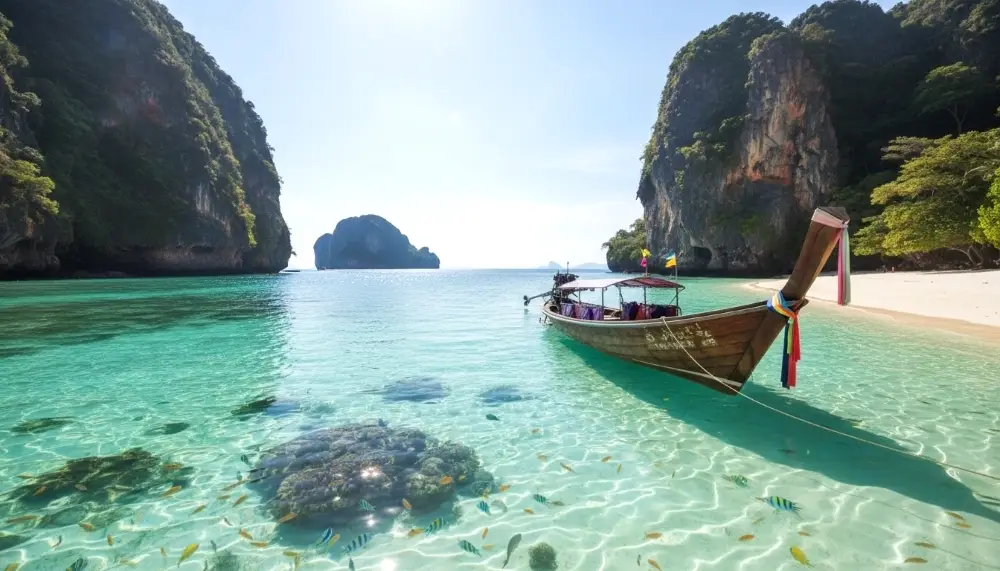
White sand beaches, turquoise water, and dramatic limestone cliffs create some of the most beautiful scenery in Southeast Asia.
Popular islands include:
- Phuket for a mix of beaches and nightlife
- Koh Samui for luxury resorts and palm-lined beaches
- Koh Phi Phi for dramatic landscapes and boat trips
- Koh Tao for scuba diving and snorkelling
Each island has its own personality, so your perfect one awaits.
Food Is One of The Adventures:
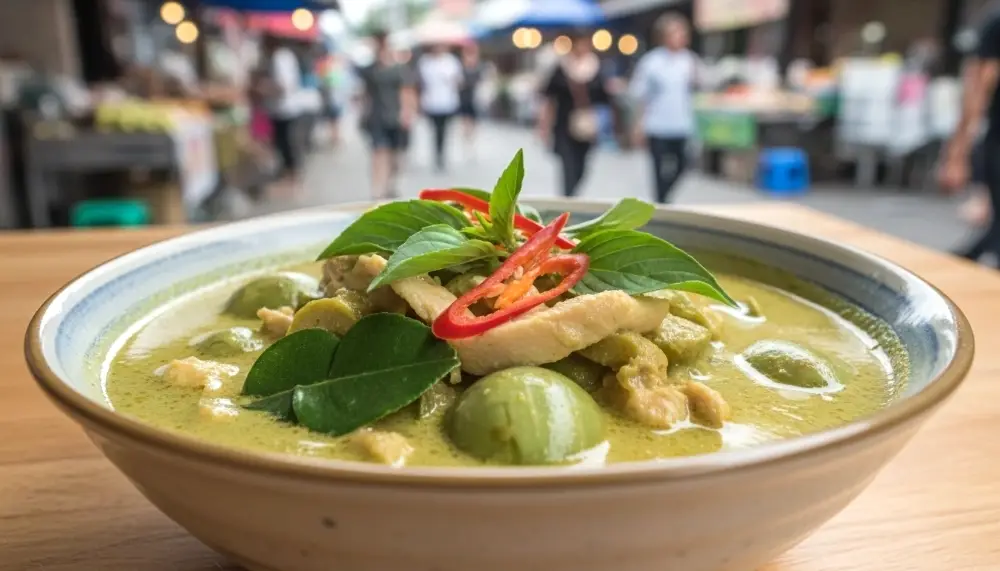
Thai cuisine is legendary for good reason. Fresh ingredients, bold flavors, and incredible variety make eating in Thailand an adventure in itself.
Some dishes to try include:
- Pad Thai (stir-fried rice noodles, 60–120 THB / ~$1.70–$3.40 at street stalls)
- Green curry (from 80 THB / ~$2.30 at local restaurants)
- Mango sticky rice (50–80 THB / ~$1.40–$2.30)
- Tom Yum soup (80–150 THB / ~$2.30–$4.30)
- Papaya salad (50–80 THB / ~$1.40–$2.30)
A good rule of thumb is to eat where locals are eating. Busy food stalls usually mean fresh ingredients and delicious meals. Say “mai phet” (not spicy) if you are sensitive to chilli, even mild Thai food can surprise unaccustomed palates.
Weather and Packing
Thailand has a tropical climate, meaning it’s warm year-round.
Lightweight clothing is ideal, but remember to pack:
- Comfortable walking shoes
- SPF 50 sunscreen (the Thai sun is significantly stronger than northern Europe or North America)
- A light rain jacket or packable poncho (7-Eleven sells these for 60–100 THB / ~$1.70–$2.90)
- Modest clothing for temples (a sarong or lightweight scarf covers both shoulders and knees)
If you’re visiting multiple regions, you may experience different weather patterns. Chiang Mai in the cool season (November to February) can drop to 10–15°C at night, one mid-layer is worth packing.
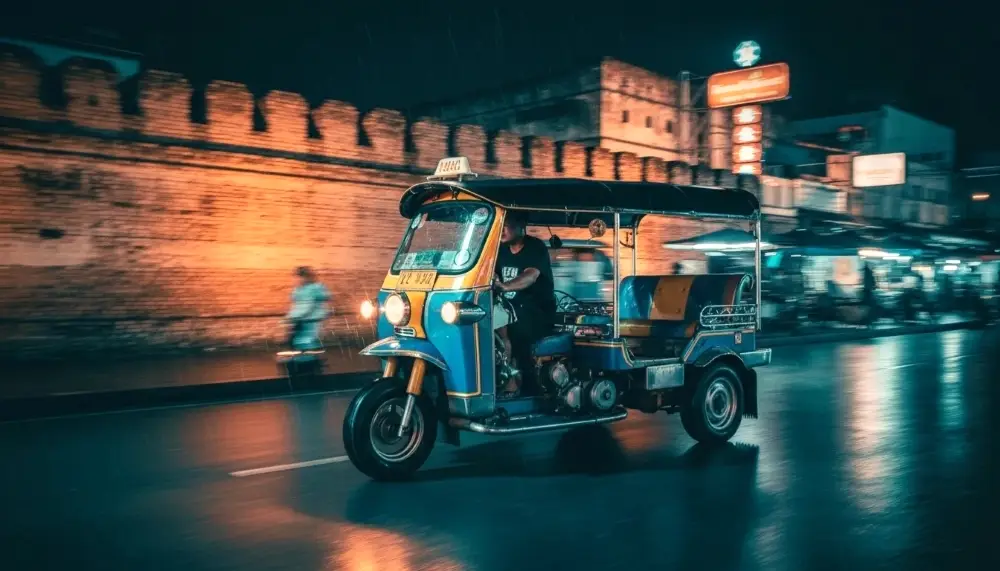
Transportation
Getting around Thailand is surprisingly easy.
- Tuk-tuks offer short rides in many cities, always agree a price before starting
- Songthaews (shared trucks) are common in smaller towns and islands (50–100 THB / ~$1.40–$2.90 per person)
- Domestic flights are affordable for longer distances (1,200–2,500 THB / ~$34–$71 booked in advance)
- Use Grab or Bolt to pre-book with transparent fixed prices
Health, Vaccinations and Staying Well:
Thailand has excellent private hospitals in Bangkok (Bumrungrad, Samitivej, Bangkok Hospital) and in major resort towns. A standard GP consultation costs 800–1,500 THB (~$23–$43) at a private hospital, which is why travel insurance covering medical costs is essential. SafetyWing offers rolling monthly cover from around 1,400 THB (~$40) per month, making it the most practical option for flexible trip lengths.
Vaccinations: Visit your GP or a travel clinic at least four to six weeks before departure. Hepatitis A, Typhoid, and a Tetanus booster are commonly recommended. Rabies vaccination is worth considering if you plan to spend time in rural areas or interact with animals.
Mosquitoes: Dengue fever is present year-round across Thailand. Use DEET-based repellent in the evenings, particularly near jungle or standing water. Dengue has no tourist vaccine widely available, so prevention is the only protection.
Sun and heat: Heat exhaustion catches more first-timers than any illness. Drink two to three litres of water per day minimum, apply SPF 50 before leaving your room, and carry oral rehydration salts (available at any 7-Eleven for 30–50 THB / ~$0.85–$1.40) for days spent fully outdoors.
Common Scams and How to Avoid Them:
Thailand is not unusually scammy, but a handful of classic tourist traps catch first-timers every year. Knowing they exist is almost all the protection you need.
The Closed Attraction Scam: A helpful stranger tells you the temple or attraction you’re heading to is closed today for a special ceremony. It isn’t. Verify opening hours on Google before leaving your hotel and decline offers of alternative sightseeing.
Gem Store Tours: A tuk-tuk driver offers a suspiciously cheap day tour that includes a stop at a “government gem store.” There is no government gem store. The gems are overpriced and the driver earns commission on anything you buy. Decline and move on.
Taxi Meter Refusal: A legitimate Bangkok taxi starts the meter at 35 THB (~$1 USD) and most journeys cost 80–200 THB (~$2.30–$5.70). Any driver who refuses to use the meter or quotes a flat rate significantly higher is overcharging. Use Grab or Bolt instead and avoid the negotiation entirely.
Jet Ski Damage Claims: On islands, some jet ski renters photograph pre-existing damage and claim it as new on return. Always photograph the entire vehicle before riding and pay by card where possible so you have a dispute mechanism.
Is Thailand Safe for First-Timers?
One of the most common concerns travelers have is safety.
Fortunately, Thailand is widely considered one of the safest countries in Southeast Asia for tourists. Millions of visitors travel here every year without issues.
As with any destination, basic travel awareness is important:
- Watch your belongings in crowded areas
- Avoid unlicensed tour operators
- Be cautious with nightlife scams in busy areas
Overall, most visitors find Thailand welcoming, safe, and easy to explore.
If You’re Feeling Nervous:
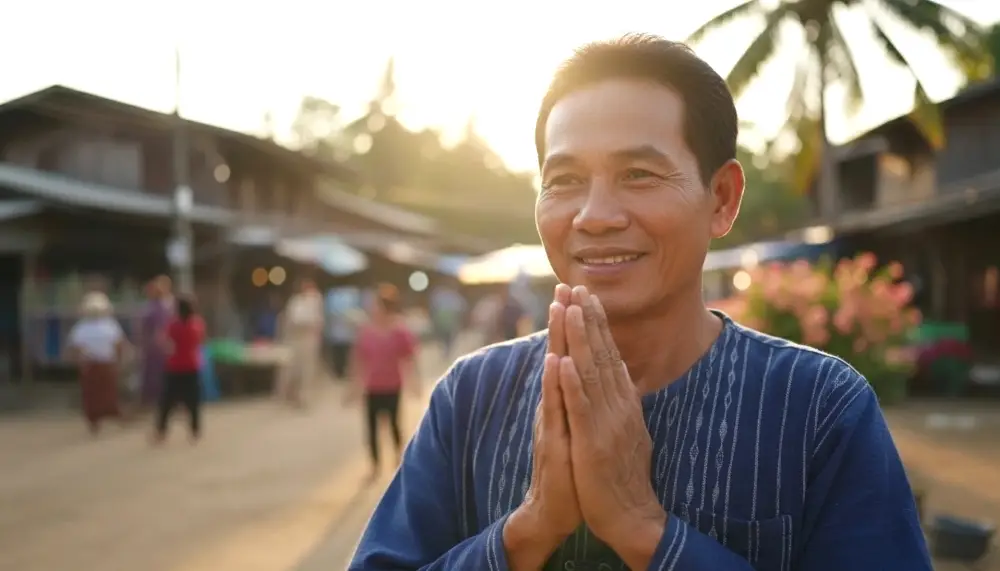
It’s completely normal to feel a little nervous before visiting a new country, especially one with a different language and culture.
But Thailand has a long history of welcoming travelers from around the world. Tourism is a major part of the economy, and locals are used to helping visitors.
Many first-time travelers arrive feeling uncertain and leave wondering why they didn’t visit sooner.
Once you experience Thailand’s friendly atmosphere, incredible food, and breathtaking scenery, it’s easy to understand why so many people return again and again.
FAQ: Essential Knowledge
What is the best way to pay for things in Thailand?
While cash is essential for street food, most established vendors use QR codes linked to PromptPay. As a tourist, you can often use your banking app if it supports international QR standards, or use cash for simplicity. Always carry at least 1,000–2,000 THB (~$29–$57) in cash for markets, temples, and smaller islands.
Is the water safe to drink?
No. Tap water is not for drinking. Use the filtered water machines found across cities (1 THB / ~$0.03 per litre) or buy bottled water from 7-Eleven (10–15 THB / ~$0.30–$0.45 per 1.5 litre bottle). Use tap water only for brushing teeth.
How much should I tip my guide?
For a full-day private tour booked through Get Your Guide or Klook, a tip of 300–500 THB (~$8.60–$14) per group is a generous and appropriate gesture. For group tours, 100 THB (~$2.90) per person is a good baseline.
What should I do if I lose my TDAC QR code?
Keep a digital screenshot and a printed backup. If lost, you can usually retrieve it through the official Thai Immigration portal using your passport number and email.
Do I need travel insurance for Thailand?
Yes. Travel insurance is essential. Thailand’s private hospitals are excellent but expensive. A motorbike accident requiring surgery can cost 150,000–300,000 THB (~$4,300–$8,600) without coverage. SafetyWing offers rolling monthly cover from around 1,400 THB (~$40) per month. Make sure your policy covers motorbike riding if you plan to rent one, and check that adventure activities are included.
What are the best apps to download before visiting Thailand?
Download before you land: Grab (transport and food delivery), Bolt (cheaper ride alternative), Google Maps with offline Thailand map, Google Translate with Thai language downloaded for offline use, and Line (local messaging app used by Thai businesses). For booking, Agoda has the deepest accommodation inventory in Asia. For tours, Klook or Get Your Guide for vetted operators.
How much cash should I bring to Thailand?
A good starting amount is 5,000–10,000 THB (~$143–$286) in physical cash, enough to cover your first day or two before you can exchange more at a SuperRich booth. Exchange at the airport if necessary for immediate needs but do not exchange large amounts there as the rates are worse. Thai ATMs charge a flat 220 THB fee per withdrawal from foreign cards, so withdraw the maximum (20,000–30,000 THB) in each transaction to minimise charges.