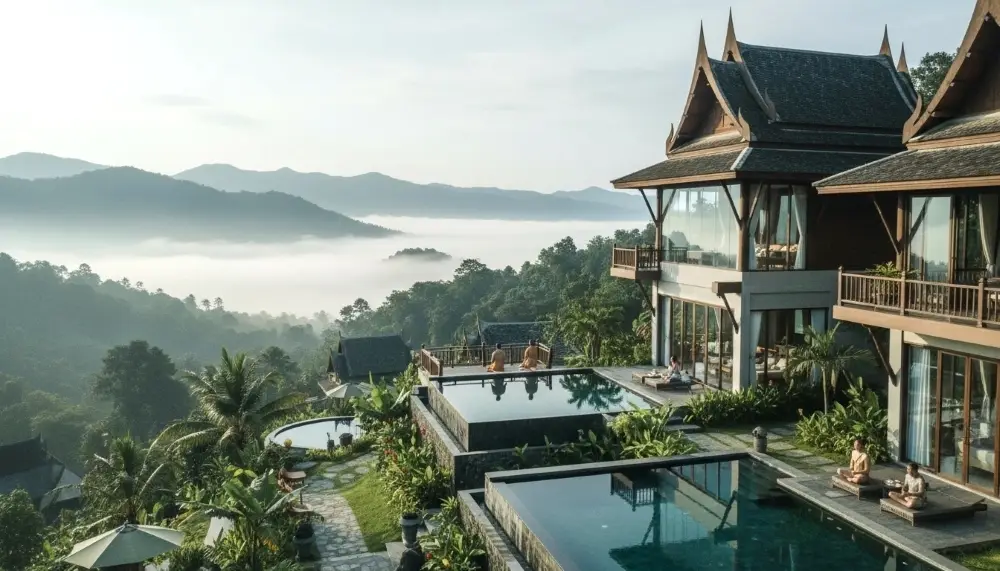
Retiring In Thailand
This site contains affiliate links. We may earn a commission at no extra cost to you.
For many first-time visitors, Thailand starts as a holiday destination. The golden temples, tropical beaches, vibrant street markets, and welcoming culture capture people’s hearts quickly and completely. But for a growing number of travellers, that first trip sparks a larger and more serious question: what if you could actually live here?
Retiring in Thailand is not a fantasy reserved for the very wealthy or the very adventurous. It is something thousands of people from the UK, Europe, Australia, and North America do every year, across every budget level, in every corner of the country. The combination of a low cost of living, genuinely excellent healthcare, warm tropical weather, extraordinary food, and a mature international expat community has made Thailand one of the world’s most consistently chosen retirement destinations for more than two decades. This guide covers the real details: the visas, the costs, the healthcare, the culture, and the practicalities of making it work.
The Quick Summary
O-A Retirement Visa: The traditional route for those aged 50 and above. Requires 800,000 THB deposited in a Thai bank account and mandatory health insurance with a minimum of 3,000,000 THB coverage. Offers a renewable one-year continuous stay with no need to leave the country.
DTV (Destination Thailand Visa): Ideal for active retirees, younger early retirees, or anyone still doing part-time consulting work. Open from age 20, requires only 500,000 THB in any global bank account, and offers up to 180 days per entry across a 5-year multi-entry permit.
Financial Key Difference: The O-A requires funds to be held and “seasoned” in a Thai bank for a minimum of two months before renewal. The DTV accepts a global bank statement showing the balance, with no Thai account required.
Medical Mandate: O-A applicants must maintain TGIA-approved health insurance with a specific minimum of 3,000,000 THB coverage. The DTV currently has more flexible insurance requirements that vary by consulate, though coverage of at least 50,000 USD is typically expected.

Stay closer to the action in Thailand.
Agoda lists guesthouses to resorts
with verified reviews and instant
booking at competitive rates.
Can You Really Retire In Thailand?

Yes, and thousands of people do it every year across every budget level.
Thailand offers dedicated retirement visa options for older visitors who want to live in the country long-term, alongside newer pathways that suit early retirees and those who have not yet hit the traditional age threshold. Combined with a genuinely low cost of living, an exceptional food culture, a strong international expat network, and healthcare that is both high quality and affordable, the country has become one of the most consistently popular retirement destinations in the world.
For most people, the journey towards retiring here follows a recognisable pattern:
- A first trip to explore and get a feel for the country
- Multiple return visits to specific regions that resonate personally
- A period of researching visa options, living costs, and healthcare practicalities
- A trial extended stay of three to six months before any permanent commitment
- Eventually transitioning from visitor to long-term resident
None of those steps need to happen quickly. Thailand is patient with people who take their time deciding. The country has been welcoming retirees for long enough that the infrastructure around that transition, the advisors, the communities, the visa agents, the property managers, is genuinely well-developed.

Lock in top-rated Thailand tours with
GetYourGuide’s free cancellation
up to 24 hours before. Reserve now
and pay later if dates aren’t set.
Why Thailand Is So Popular for Retirement
Retirees from expensive Western countries consistently discover that their pension or savings stretches significantly further here. Dining out multiple times a day is entirely normal and inexpensive. Private transport, whether a scooter, hired car, or regular use of Grab taxis, costs a fraction of home equivalents. Housing options range from modest city apartments to beachfront villas, all at prices that would be unimaginable for comparable quality back home.
But the appeal goes beyond pure economics. Small everyday pleasures that would be occasional luxuries at home become part of ordinary daily life: fresh tropical fruit at the morning market, a proper massage for 300 THB, a freshly made coffee overlooking a rice paddy or the sea. There is a texture to daily life in Thailand that is difficult to replicate elsewhere.
Incredible Variety of Places to Live
One of Thailand’s greatest practical strengths as a retirement destination is its diversity. Every region offers a genuinely different lifestyle, climate, and pace of life. There is no single “Thailand experience” for retirees: the country accommodates radically different preferences.
- Bangkok: a lively, modern international city with world-class hospitals, great transport links, and every urban convenience imaginable
- Chiang Mai: relaxed northern culture in a cooler mountain setting, with an enormous expat community and excellent value living costs
- Phuket and the southern islands: tropical beach living with international school access, luxury villa options, and a year-round social scene
- Hua Hin: a peaceful, established coastal town with a particularly strong retiree community, excellent golf courses, and a calmer pace than the major tourist centres
Most experienced advisors recommend spending at least a month in any area you are seriously considering before committing to a long-term rental. The difference between visiting somewhere and actually living there is always more significant than it appears from a holiday perspective.
The Non-Immigrant O-A Visa: The Traditional Retirement Route

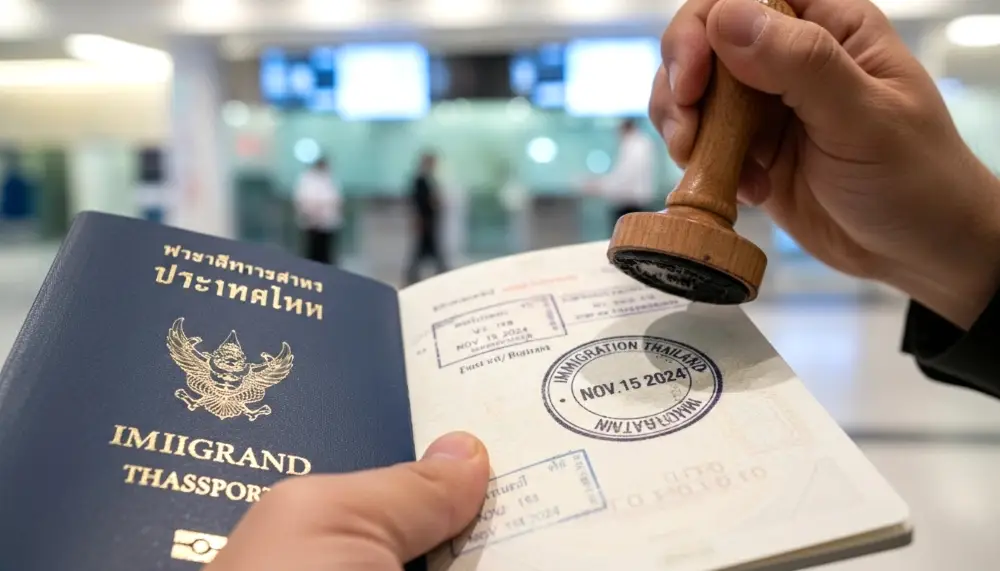
The Non-Immigrant O-A Visa is a long-stay retirement permit for foreigners aged 50 and above. It requires either 800,000 THB held in a Thai bank account or a monthly pension/income of at least 65,000 THB. It offers a renewable one-year continuous stay in Thailand without any requirement to leave the country, making it the most stable long-term option for those who want to plant roots and stay put.
For decades, the O-A has been the bedrock visa for the expat retirement community in places like Jomtien, Hua Hin, Chiang Mai, and Phuket. It is designed for those who intend to make Thailand their primary home. The application process begins at a Thai Embassy in your home country and requires a clean criminal record certificate and a medical certificate confirming you are free from certain prohibited conditions.
Annual renewal happens at local immigration offices across Thailand. The 800,000 THB must remain in your Thai bank account continuously, with two months of “seasoning” before the application and three months after renewal. This capital is effectively static, which is a meaningful consideration for those who prefer their savings to remain in active investments rather than sitting in a low-interest Thai savings account.
The mandatory health insurance requirement is the other significant ongoing cost. You must use an insurer approved by the Thai General Insurance Association (TGIA), and premiums increase with age. For retirees moving past 70, this cost can become a substantial annual line item. Shopping around among TGIA-approved providers before renewal each year is worthwhile.
The 90-day reporting requirement, a mandatory notification to immigration of your current address, applies to all O-A holders staying continuously in Thailand. It can be done online through the official immigration portal, via post, or in person. Many retirees find a visa agent worth the modest fee for handling these administrative requirements so they can focus on actually enjoying retirement.

Airalo covers Thailand with a range of
data plans from days to a month.
No physical SIM swap, no roaming
bill shock when you get back home.
The DTV Visa: The Modern Alternative
The Destination Thailand Visa (DTV) is a five-year multiple-entry visa allowing stays of 180 days per entry, extendable once for a further 180 days at a cost of 1,900 THB. It requires proof of 500,000 THB in liquid assets held in any global bank account, and allows remote work, soft power activities, and medical or wellness stays without any age restriction above 20.
Originally designed to attract the remote working generation, the DTV has become a genuine favourite for younger retirees (those under 50), early semi-retirees still doing part-time consulting, and those not yet ready or willing to lock 800,000 THB into a Thai savings account. If you are 52, still managing a small client portfolio remotely, or 47 taking an extended sabbatical to study Thai cooking in Samui or learn to sail in Phuket, the DTV is the cleaner and more flexible path.
The administrative burden is lighter than the O-A in several respects. There is no mandatory seasoning of funds in a Thai bank: a bank statement from your home country showing the 500,000 THB balance is typically sufficient. The 90-day reporting obligation only applies if your stay exceeds 90 days, rather than being continuous.
The main practical consideration is the exit requirement. The DTV does not allow continuous indefinite stays: after 180 days (plus the one available 180-day extension), you must leave Thailand and re-enter to reset the clock. For many retirees, this is not a hardship: a long weekend in Penang, a week in Singapore, or a quick hop to Vietnam becomes a built-in feature of the lifestyle. For those with mobility issues or medical conditions that make travel difficult, however, the O-A’s continuous stay permission is a meaningful advantage.

| Feature | Non-Immigrant O-A (Retirement) | Destination Thailand Visa (DTV) |
|---|---|---|
| Minimum Age | 50 Years Old | 20 Years Old |
| Financial Proof | 800,000 THB (Thai Bank) | 500,000 THB (Global Bank) |
| Validity | 1 Year (Renewable) | 5 Years (Multiple Entry) |
| Maximum Stay | 365 Days (Continuous) | 180 Days per entry (+180 extension) |
| Health Insurance | Mandatory 3,000,000 THB Coverage | Recommended / Consulate Dependent |
| 90-Day Reporting | Yes | Only if staying over 90 days |
| Work Rights | Strictly Prohibited | Remote Work for foreign clients allowed |
Healthcare for Retirees in Thailand

For most people considering retiring abroad, healthcare quality and cost is the single most important practical consideration. Thailand performs well on both counts, and this is one of the genuine structural advantages the country holds over many competing retirement destinations.
Thailand’s private hospital network, particularly in Bangkok, Chiang Mai, Phuket, and Pattaya, is internationally accredited and widely regarded as excellent. Bangkok Hospital Group, Bumrungrad International, and Samitivej are among the most cited names, and they regularly attract medical tourists from across Asia precisely because the standard of care is high and the costs are a fraction of equivalent treatment in Western countries. English is spoken as standard by medical staff across these facilities.
The practical healthcare planning for retirees breaks down into two tiers:
O-A visa holders are legally required to maintain TGIA-approved health insurance with at least 3,000,000 THB of coverage. Premiums increase with age and can become significant after 70. Annual renewal requires presenting your current policy certificate to immigration. Lapses in coverage cause visa complications, so ensuring renewals are processed well ahead of expiry is important.
DTV holders are not subject to the same mandatory structure, but comprehensive coverage is strongly recommended regardless. SafetyWing’s Nomad Insurance is popular among younger retirees and those on the DTV for its flexibility and monthly renewable structure. For older retirees or those with pre-existing conditions, a dedicated international health policy from providers like Cigna Global or AXA offers broader coverage and typically smoother claims processes. Whichever route you take, do not arrive in Thailand without meaningful coverage. A routine hospitalisation without insurance can cost well into six figures of baht.

Need budget data in Thailand? Saily’s
eSIM plans start cheap and install
in a couple of minutes. Built by
the NordVPN team, security is solid.
What Daily Life Feels Like
Retiring in Thailand is not just about sunshine and beaches. It is about the rhythm of everyday life, and that rhythm is genuinely different from anything most Western retirees have experienced before.
A typical morning might begin with coffee at a neighbourhood cafe where the owner knows your order, followed by a walk through the local market where the produce is fresh, cheap, and extraordinary in variety. Grilled meats and noodles share stall space with tropical fruits, fresh flowers, and household goods at prices that remain quietly astonishing to arrivals from the UK or Australia even after years of living here.
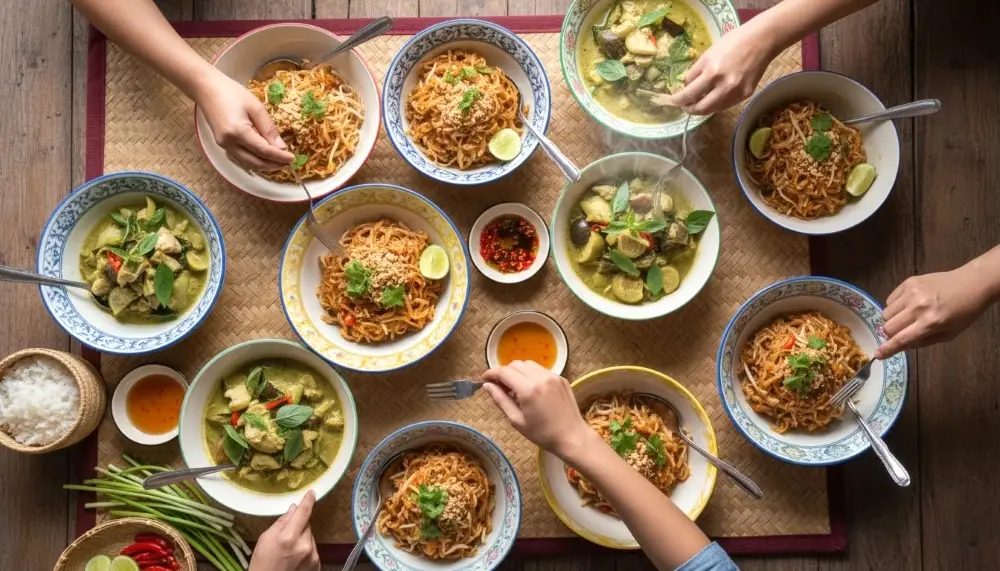
Afternoons carry possibilities that were unavailable in a working life: a visit to a temple complex that takes two hours to explore properly, a swim at a beach that is genuinely quiet on a Tuesday in February, a Thai massage for 300 THB from a therapist who is simply exceptional at their work. Evening brings Thailand’s best quality: the food. From simple roadside noodles eaten on a plastic stool to proper seafood restaurants with the catch from that morning, the culinary standard of daily life here is one of the things that long-term retirees consistently describe as the single detail they would never give up.
For many retirees, the most transformative change is simply having time. Time to eat properly, to explore, to build friendships, to learn the language a little, to travel within the region when the mood takes them. That shift from the compressed schedule of a working life to the open calendar of retirement is felt more vividly here than almost anywhere else.


From temples to island tours, Klook
covers Thailand’s best experiences.
Hotel pickup is often included and
prices beat the pier walk-in rate.
Cost of Retiring in Thailand: What to Budget

The honest answer is that Thailand accommodates a very wide range of retirement budgets, and the right number for you depends heavily on where you choose to live and what kind of lifestyle you want to maintain.
Modest retirement (40,000 to 55,000 THB/month): A comfortable one-bedroom apartment in Chiang Mai or an inland area, eating mostly local food, using a scooter for transport, and maintaining a simple but genuinely pleasant lifestyle. This level is achievable and comfortable, not austere.
Mid-range retirement (60,000 to 90,000 THB/month): A quality two-bedroom apartment or small house in a good residential area, a mix of local and international dining, regular activities and day trips, and occasional travel within the region. This is the comfortable sweet spot for most retirees moving from Western Europe or Australia.
Comfortable retirement (90,000 THB+ per month): A private pool villa in a desirable area, regular restaurant dining, car hire or a personal vehicle, frequent regional travel, and maintaining the kind of lifestyle that would require a considerably larger income at home. Fully achievable on a good UK or Australian pension supplemented by modest savings.
The biggest budget variables are accommodation and healthcare insurance. Both are worth researching in detail before finalising any location decision. For accommodation searches, both Agoda and Booking.com carry long-stay listings that give a useful benchmark before you arrive and start viewing properties in person.
A Welcoming Expat Community
One of the most reassuring aspects of retiring to Thailand, particularly for those doing it alone, is the scale and quality of the international expat community already living here. In the major retirement destinations, Bangkok, Chiang Mai, Phuket, Hua Hin, and Pattaya, the infrastructure built around the needs of long-term foreign residents is genuinely extensive.
In these areas you will find:
- International social clubs, sports clubs, and interest groups across almost every activity imaginable
- English-speaking legal advisors, visa agents, and financial consultants who specialise in the needs of foreign retirees
- Foreign-friendly private hospitals and specialist clinics with English-speaking consultants
- Active online communities on Facebook and local forums offering practical advice, local recommendations, and a social entry point for newcomers
Many retirees build their most significant friendships in Thailand within the first three months: the community is unusually welcoming to newcomers because everyone has been the newcomer themselves at some point. Thai culture reinforces this openness: the warmth and patience of local people towards respectful foreigners creates a social environment that is genuinely easier to settle into than many alternative retirement destinations.
Cultural Insights for New Arrivals
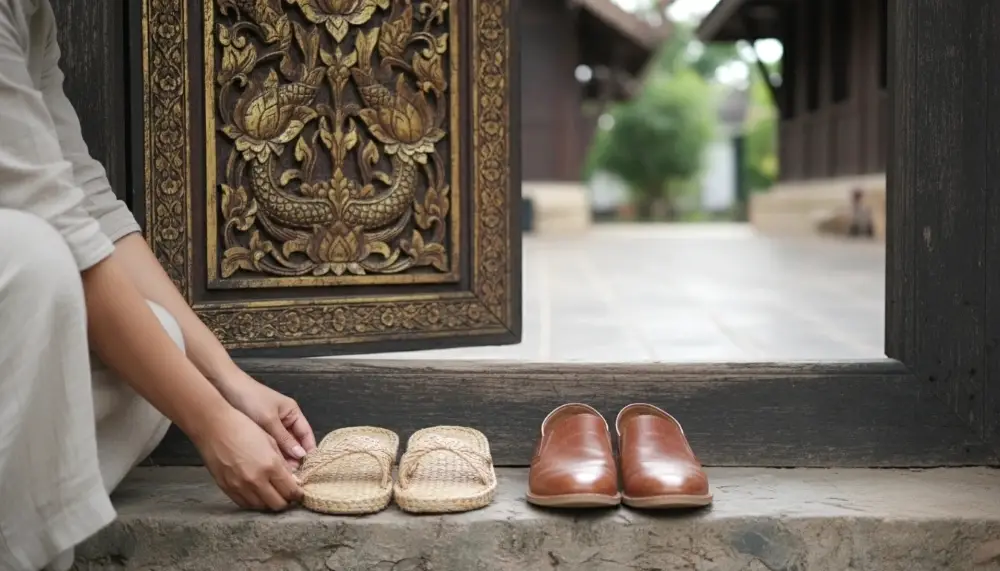
Understanding a few aspects of Thai culture makes the transition to life here considerably smoother and more enjoyable. Thai society places a strong emphasis on respect, politeness, and social harmony. Visitors and residents who approach the culture with genuine curiosity and consideration are almost universally welcomed warmly.
A few cultural norms that are worth understanding properly from the start:
- Speak politely and calmly: losing your temper or raising your voice in public causes genuine social discomfort and achieves nothing. Patience and a smile resolve far more
- Dress respectfully when visiting temples: shoulders and knees covered, shoes removed before entering
- Show genuine respect towards the monarchy and national symbols: lese-majeste laws are real and enforced
- Learn a few basic Thai phrases: even a handful of polite greetings and numbers is received with disproportionate warmth and opens doors that English alone does not
- Be patient and flexible when things move at a slower pace: the Thai approach to time and bureaucracy is different from Western norms, and fighting it creates unnecessary stress
Many long-term retirees describe the process of genuinely learning Thai culture, not just tolerating it but engaging with it, as one of the most unexpectedly rewarding parts of retirement here. The country has depth that reveals itself slowly to those who are interested in it.
Is Thailand Safe for Retirees?
Safety is one of the most common concerns raised by people considering retirement abroad for the first time, and it is worth addressing honestly rather than with blanket reassurance.
Overall, Thailand is widely regarded as a safe country for visitors and long-term residents. Millions of tourists visit annually and a large proportion of the foreign retiree community has lived here comfortably for many years. Violent crime against foreigners is rare. The day-to-day experience of life in the main expat areas is genuinely safe and comfortable.
The areas that deserve specific and honest attention for retirees:
- Road safety: traffic accidents are the most significant cause of injury among foreign residents. Use reputable transport, wear a helmet on scooters, and if your mobility or reaction times are not what they were, a car is always the safer option
- Financial scams: a small number of common scams target older foreign residents. Being cautious with anyone offering extraordinary investment returns or rushed financial decisions is simply good practice
- Digital security: use NordVPN when accessing home-country banking apps and any sensitive accounts on public networks. Thai IP addresses trigger security flags on many UK and Australian banking platforms, and a VPN resolves this entirely
- Healthcare access: maintain comprehensive insurance, know which hospital you would use in an emergency before you need it, and keep a basic list of your current medications and their generic names for any medical appointments
Most retirees who have been here a while will tell you that within a few months the country stops feeling foreign and starts feeling like home. The concerns that seemed significant before arrival tend to diminish rapidly once you are actually living in a neighbourhood, building routines, and establishing the networks that make daily life feel settled.
Pro Tips for Stress-Free Arrival and Daily Life

Activate your data before you land. Grab and Bolt, the apps you will use for taxis and food delivery from day one, require SMS verification on a Thai network before they function. An Airalo, Yesim, or Saily eSIM activated before boarding means you step out of arrivals connected, verified, and ready rather than fumbling with a SIM card tray at the airport. For long-term stays, switch to a physical AIS or TrueMove SIM after arrival for better 5G speeds at around 600 THB per month.
Transport: Grab and Bolt give you metered, fair-priced transport without negotiation. Avoid unmetered taxis in tourist areas, particularly in Sukhumvit and around airports where overcharging is still common.
Accommodation research: Use Agoda for the best local rates on boutique hotels and serviced apartments during your initial scouting stay. Their long-stay filter is particularly useful for comparing monthly-rate options before committing to a lease.
Activities and logistics: Klook is excellent for booking transfers, day excursions, and practical services like the Green Bus to Chiang Rai or private airport transfers. Get Your Guide covers a wider range of cultural experiences and cooking classes across the country.
Intercity travel: For booking buses, trains, and ferry connections in advance, particularly around Thai national holidays when seats disappear quickly, 12GO is the most reliable platform. Book ahead for Songkran in April and the Christmas and New Year window.
Online security: NordVPN is a practical necessity rather than an optional extra for anyone managing UK, Australian, or European financial accounts from Thailand. Home country banking apps frequently block Thai IP addresses as a fraud prevention measure, and NordVPN resolves this by routing your connection through your home country. It also protects you on cafe and coworking Wi-Fi networks.
Flight disruptions: For any long-haul journeys back home on EU or UK-regulated routes, AirHelp is worth having bookmarked. Compensation claims for qualifying delays or cancellations can be worth several hundred pounds per passenger and require very little effort to submit.

Skip the airport SIM queue in Thailand.
Yesim’s eSIM activates before takeoff
so you’re online the second your
plane touches the tarmac.
Thailand Might Surprise You
Retiring in Thailand is not just about affordability or sunshine, though both are genuinely present in abundance. It is about a quality of daily life that most people do not find they can easily articulate until they have experienced it for themselves.
It is the morning market visit that becomes a daily ritual. The evening spent at a waterfront restaurant with new friends from five different countries. The afternoon that gets spontaneously rerouted to a temple that turns out to be one of the most beautiful places you have ever seen. The feeling that the world is bigger and more interesting than a working life allowed you to notice.
For many first-time visitors, Thailand becomes a country that draws them back again and again. What starts as curiosity becomes familiarity, and what starts as familiarity becomes something that feels very much like belonging. Not everyone makes the permanent move. But those who do rarely regret it, and those who spend extended time here almost universally describe it as one of the better decisions they have made.
If you are planning your first visit with retirement somewhere in the back of your mind, explore widely, stay curious, and let the country reveal itself at its own pace. You may arrive as a traveller and leave planning a return with a very different purpose.

Frequently Asked Questions
Can I change from a Tourist Visa to a DTV inside Thailand?
No. The DTV must be applied for while you are physically outside of Thailand, either via the official Thai e-visa portal or in person at a Thai Embassy or Consulate in a neighbouring country such as Vientiane, Ho Chi Minh City, or Kuala Lumpur. The application cannot be processed from within Thailand regardless of your current visa status.
Is the 800,000 THB for the O-A visa a one-time payment?
No. This is not a fee: it is a deposit that remains yours throughout. The money must stay in a Thai bank account and meet the seasoning requirements for your annual extension: present for two months before you apply and for three months after renewal is granted. The funds cannot be withdrawn during those periods without jeopardising your visa status.
Does the DTV allow me to work for a Thai company?
Absolutely not. The DTV permits remote work exclusively for employers and clients located outside Thailand. Working for a Thai company, taking local employment, or selling goods and services within Thailand requires a separate Non-Immigrant B visa and a formal Work Permit issued through an employer. The distinction is enforced.
What happens if I forget my 90-day report?
Late reporting usually results in a fine of 2,000 THB. Most immigration offices across Thailand now allow the 90-day report to be submitted online through the official immigration portal or via post, though the online system has a reputation for occasional technical issues. In-person submission at your local immigration office is the most reliable method if the online route proves temperamental.
Which visa is better for active retirees over 50?
The DTV is generally superior for active retirees over 50 who are comfortable with occasional border exits every six to twelve months. It avoids the 800,000 THB Thai bank lock-in, removes the expensive mandatory TGIA-approved insurance obligation, and offers five years of flexibility on a single application. The O-A is the better choice for those who want continuous uninterrupted stays and prefer the administrative stability of an annual renewal cycle.
What is the genuine monthly cost of retirement in Thailand?
It varies significantly by location and lifestyle. A comfortable single-person retirement in Chiang Mai is achievable for 45,000 to 60,000 THB per month including accommodation, food, transport, and entertainment. In coastal areas like Phuket or Koh Samui, a similar lifestyle runs closer to 65,000 to 90,000 THB monthly. Couples generally find the per-person cost reduces once accommodation is shared. The biggest variables are rental costs, healthcare insurance premiums, and how frequently you travel within the region.
Can foreigners buy property in Thailand?
Foreign nationals cannot own land outright in Thailand. The two common routes are freehold ownership of a condominium unit (permissible provided foreign ownership within the building does not exceed 49% of total floor space) or long-term leasehold agreements on houses and villas, typically structured as 30-year leases with renewal options. Some retirees use a Thai Limited Company structure for villa ownership, though this requires careful legal advice to ensure it is set up correctly. Always use an independent property lawyer rather than relying on a developer’s in-house legal team.
Is health insurance mandatory and what level of coverage do I need?
For O-A retirement visa holders, health insurance is legally mandatory. You must maintain TGIA-approved coverage with a minimum of 40,000 THB for outpatient treatment and 400,000 THB for inpatient treatment per policy year, totalling at least 3,000,000 THB aggregate coverage. For DTV holders, insurance requirements vary by consulate but most expect a minimum of 50,000 USD coverage. In practical terms, comprehensive international health insurance is strongly advisable for all retirees regardless of visa type. SafetyWing is widely used by those on the DTV for its flexibility, while Cigna Global and AXA are the most common choices for those wanting full international coverage.
How do I access my UK or Australian bank account from Thailand?
Many home-country banking apps flag Thai IP addresses as suspicious and block access as a fraud prevention measure. The practical solution used by the overwhelming majority of long-term foreign residents is a VPN such as NordVPN, which routes your connection through your home country and restores normal banking access. Services like Wise and Revolut are also popular for day-to-day transfers and ATM withdrawals, with significantly lower fees than standard foreign card transactions at Thai ATMs (which carry a 220 THB fee per withdrawal).
What do long-term retirees wish they had known before moving to Thailand?
The most consistent advice from those who have been here for years covers a handful of themes. First, location scouting matters enormously: spend at least a month in any area before signing a long lease. Second, find a good visa agent early: the administrative requirements of both the O-A and DTV are manageable but tedious, and a reliable local agent is worth the modest annual fee. Third, build your healthcare plan before you arrive, not after: know which hospital you would use, have your insurance sorted, and carry a list of your medications. Fourth, engage with the expat community early: friendships here build quickly if you put yourself in the right environments. And fifth: the food really is as good as everyone says. Embrace eating locally and your daily quality of life improves immediately.