Best Things To Do In Bangkok
This site contains affiliate links. We may earn a commission at no extra cost to you.
Bangkok is one of those cities that hits you all at once, the neon, the noise, the smell of street food mixing with incense from a temple you almost walked past. It’s chaotic in the best possible way, and once you stop trying to make sense of it and just go with it, something clicks.
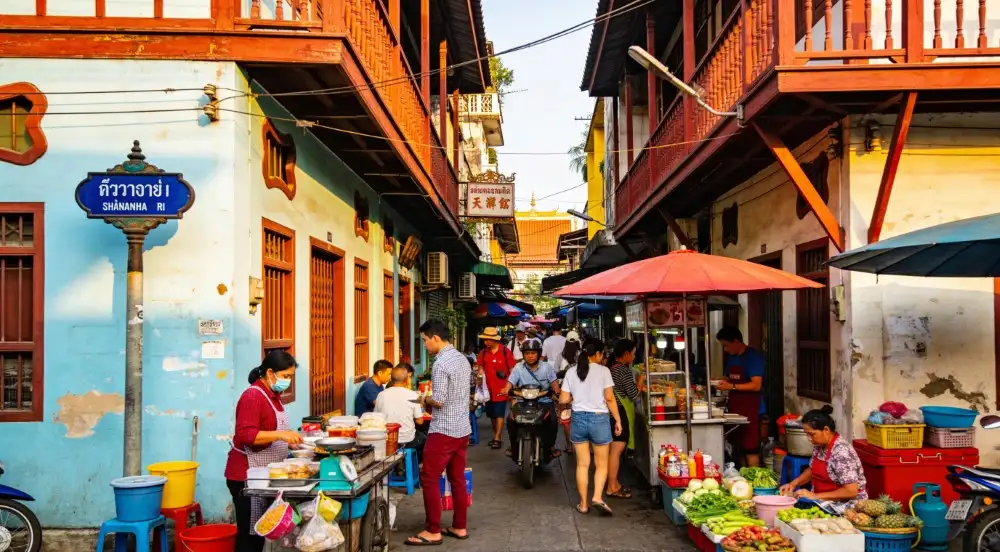
The city has changed fast. New MRT lines have made getting around easier than ever, but duck into the right alley in Talat Noi and you will find a Bangkok that feels completely untouched by all of it, soot-stained walls, old shophouses, locals going about their day with zero interest in the tourist trail. All prices in this guide use a rate of 35 THB = $1 USD.
Quick Answer: Best Things To Do?
If it’s your first visit, the best things to do in Bangkok include:
- Visiting the Grand Palace and Wat Phra Kaew
- Navigate the Creative Lanes of Talat Noi
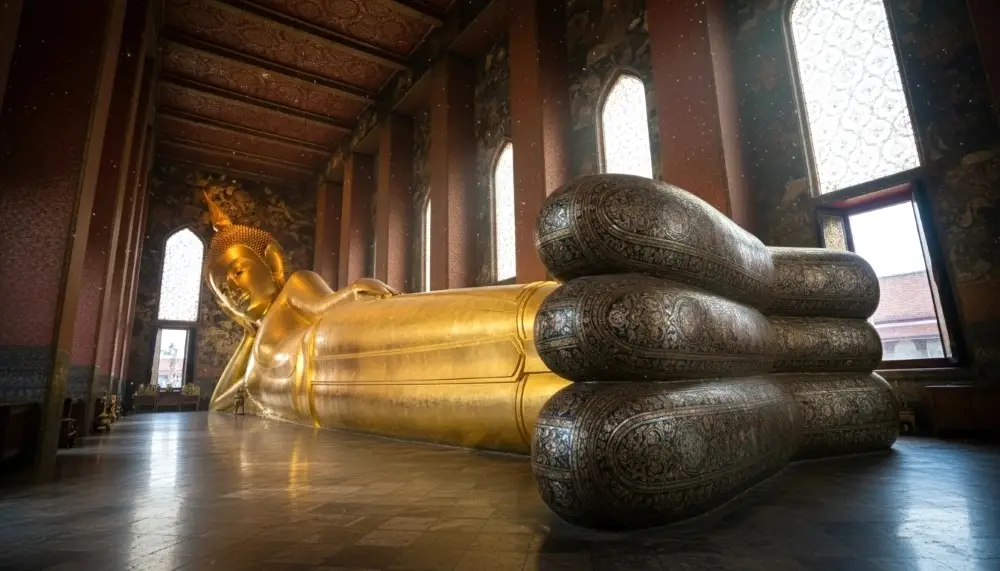
- Seeing the giant reclining Buddha at Wat Pho
- Taking a boat along the Chao Phraya River
- Exploring Bangkok’s famous street food scene
- Shopping at Chatuchak Weekend Market
- Visiting Wat Arun at sunset
- Experiencing Bangkok’s night markets
- Enjoying the view from a rooftop bar
To be honest, those are just the tip of the iceberg. Go at your own pace, relax, and have fun.
Budgeting: Allocate 1,500 to 3,000 THB (~$43 to $86) per day for a mid-range experience, including dining, transit, and modest entrance fees.

Compare tours and tickets for Bangkok
and book instantly on your phone.
Klook mobile vouchers mean no
printing, just turn up and go.
The Grand Palace & Wat Phra Kaew:
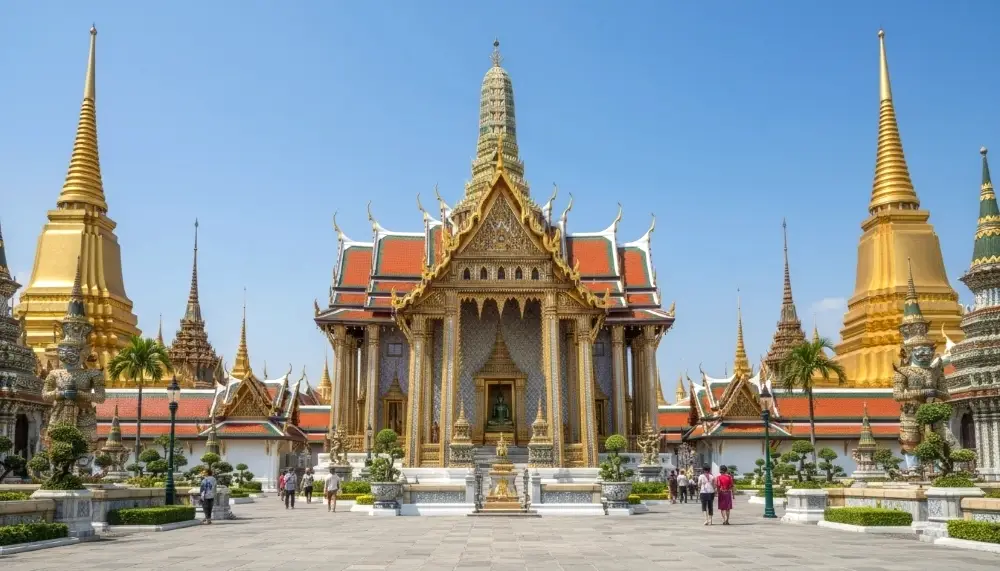
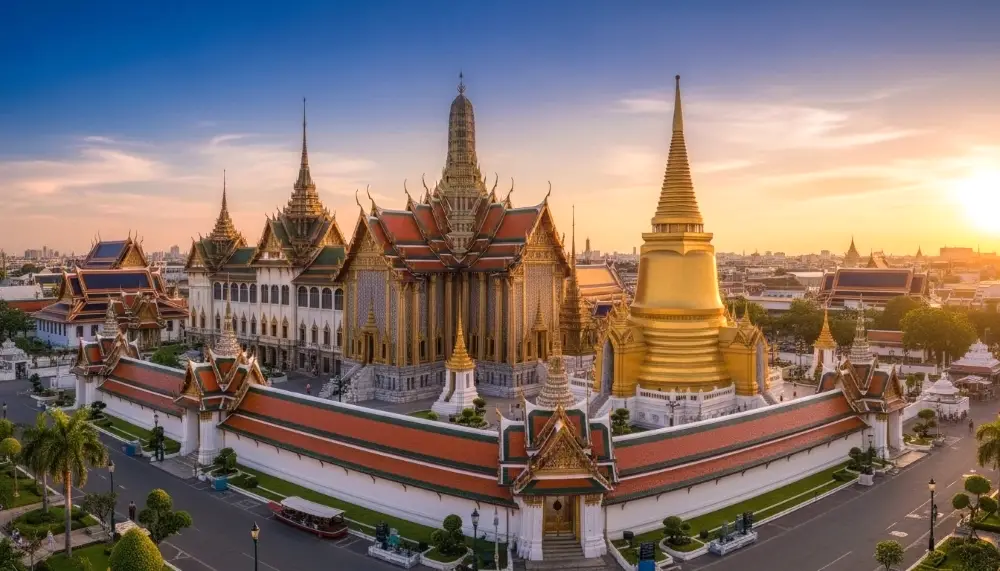
The Grand Palace and Wat Phra Kaew represent the spiritual and historical epicentre of Thailand, housing the revered Emerald Buddha. Open daily from 08:30 to 15:30, the entrance fee is 500 THB (~$14). Strict dress codes apply: shoulders and ankles must be covered. Sarongs are available to borrow at the gate.
The scale of the craftsmanship is staggering. Gold leaf flickers against intricate glass mosaics under the unrelenting Thai sun. While the Emerald Buddha is the primary draw, the Ramakien murals lining the outer cloisters offer a silent, cinematic history of Thai folklore. Avoid any individual outside the gates claiming the palace is “closed for a holiday.” This is a persistent scam. The palace rarely closes.
Travel tips:
- Arrive at 08:30 opening to avoid the worst of the crowds and midday heat
- Dress respectfully or borrow a sarong at the gate
- Allow at least 1 to 2 hours to explore the complex
Skip-the-line tickets and guided walks
in Bangkok with English-speaking
guides. Read real traveller reviews
before committing to a single one.
Bangkok Activities Comparison:
| Activity | Cost (THB) | Cost (USD) | Best Time | Vibe |
|---|---|---|---|---|
| Grand Palace | 500 THB | ~$14 | 08:30 (Opening) | Regal / Historical |
| Chatuchak Market | Free entry | Free | Sat/Sun 09:00 to 18:00 | Chaotic / Retail |
| Mahanakhon Skywalk | 850 to 1,100 THB | ~$24 to $31 | 17:30 (Sunset) | Modern / Thrilling |
| Wat Saket (Golden Mount) | 100 THB | ~$2.85 | Late afternoon | Panoramic / Peaceful |
| Thonburi Canal Boat (private) | 1,000 to 1,500 THB/hr | ~$29 to $43/hr | Morning or late afternoon | Historic / Local |
| Ayutthaya Day Trip | From 1,200 THB | ~$34+ | Full day, early start | Ancient / Cultural |

Lock in your Bangkok accommodation
early and beat peak-season price hikes.
Agoda’s filters let you compare options
side by side before you commit.
Navigate the Lanes of Talat Noi:
Talat Noi is Bangkok’s oldest residential neighbourhood, a labyrinth of narrow sois connecting Chinatown to the riverfront. It is the city’s premier zone for street art, heritage coffee shops, and industrial relics. Entry is free. It provides the most authentic glimpse into the city’s Chinese-Thai mechanical and maritime history.
Scrap engine parts are stacked like sculptures in front of centuries-old homes. Modernity has crept in via So Heng Tai, a 200-year-old Chinese mansion that now doubles as a diving school and cafe. Walk the riverfront path to find murals that tell the story of the community, away from the commercial gloss of nearby shopping districts. Coffee at one of the heritage shophouse cafes costs 80 to 150 THB (~$2.30 to $4.30).

Airalo covers Bangkok with a range of
data plans from days to a month.
No physical SIM swap, no roaming
bill shock when you get back home.
Pro Tips For Stress Free Travel:

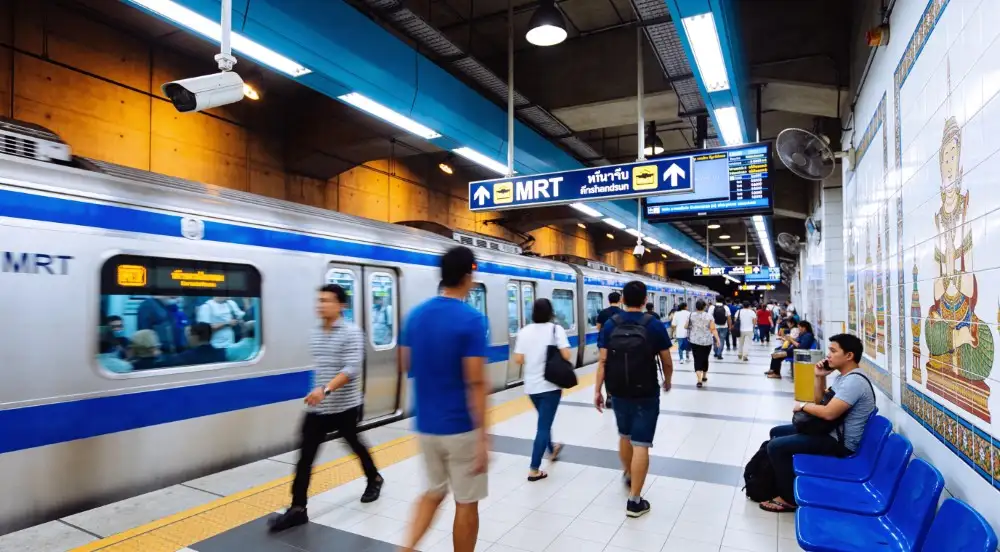
Navigation: Google Maps is accurate for the BTS/MRT, but use Grab or Bolt for ride-hailing to avoid fare negotiations. BTS single journeys cost 20 to 65 THB (~$0.60 to $1.85).
Connectivity: Download Yesim for eSIM data or pick up a physical SIM at the airport. Use NordVPN to maintain access to home banking and streaming services on public Wi-Fi.
Finances: Use Agoda for the best local hotel rates. Keep THB cash on hand for street markets as many small vendors do not accept international cards. Thai ATMs charge a flat 220 THB (~$6.30) fee per foreign card withdrawal.
Booking: Use Klook or Get Your Guide for temple tours and day trips to Ayutthaya to lock in vetted operators and skip the pier-side haggling.

Maps, Grab, translation apps all need
data in Bangkok. Yesim’s eSIM installs
in a minute and gives you reliable
5G from the moment you arrive.
The Reclining Buddha At Wat Pho:
Just a short walk from the Grand Palace is Wat Pho, another must-see temple. Entry costs 200 THB (~$5.70).
The highlight here is the massive Reclining Buddha, stretching an incredible 46 metres long and covered in gold leaf. It is one of the most photographed sights in Bangkok.
Wat Pho is also known as the birthplace of traditional Thai massage. After exploring the temple, many visitors enjoy a 30-minute traditional massage at the on-site school, one of the most authentic in the city, for 260 THB (~$7.40).
Chatuchak Weekend Market:
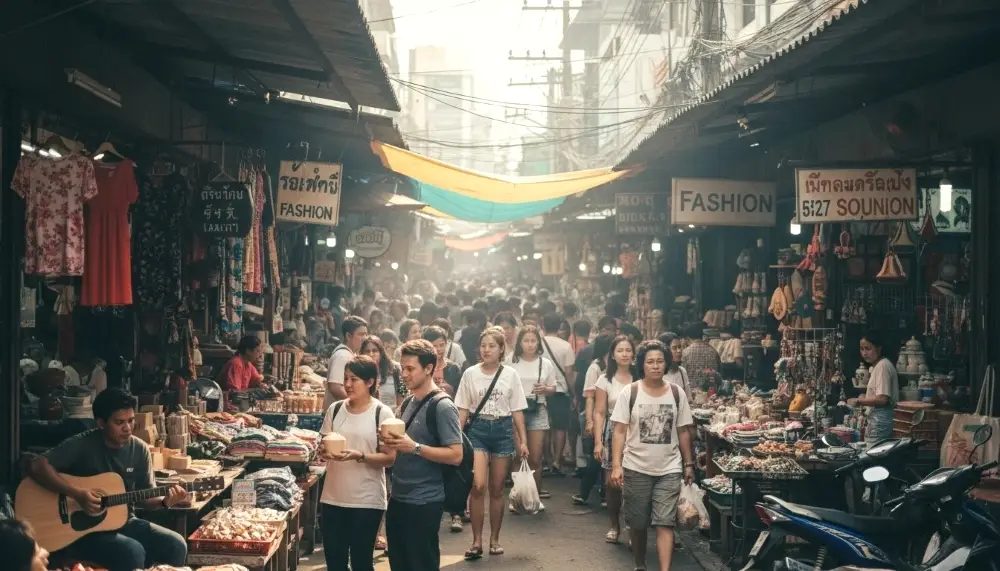
Chatuchak Weekend Market (JJ Market) spans over 35 acres with 15,000+ stalls divided into 27 sections. Operating Saturdays and Sundays (09:00 to 18:00, free entry), it is the global benchmark for open-air retail, selling everything from vintage denim to rare succulents. It serves as the primary distribution hub for independent Thai designers and artisans.
The heat inside the narrow aisles is legendary. Navigate by the Clock Tower to keep your bearings. While the home decor and clothing sections offer incredible value, the real magic is found in the plant markets that take over on Wednesday and Thursday. For the best experience, arrive by 09:30 before the humidity peaks. A meal at a stall inside costs 80 to 150 THB (~$2.30 to $4.30). The nearest BTS is Mo Chit.
Scale the Golden Mount at Wat Saket:
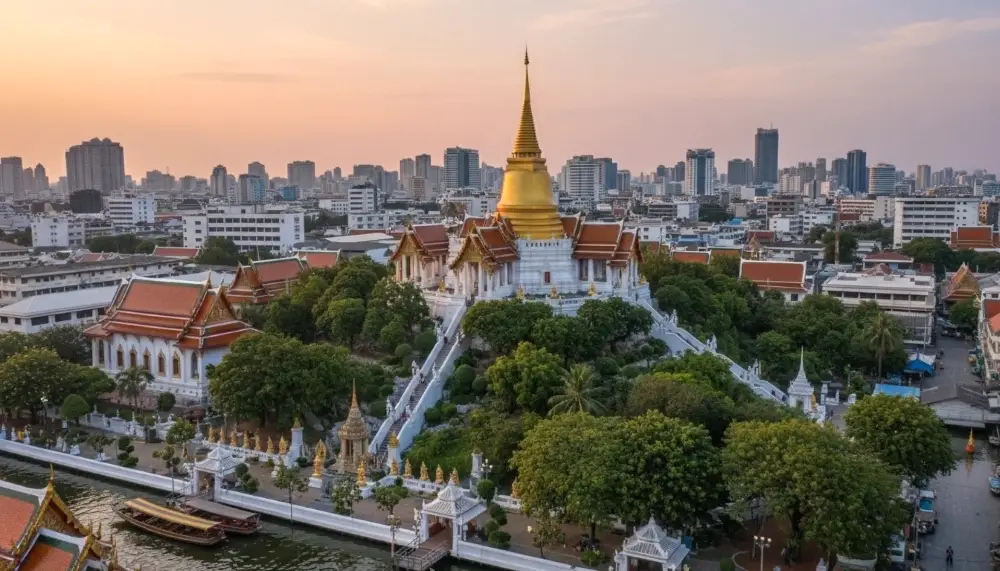
Wat Saket, or the Golden Mount, is an artificial hill topped with a gleaming gold chedi offering 360-degree panoramic views of Bangkok’s Old City. Entry is 100 THB (~$2.85). It serves as a superior, low-cost alternative to expensive rooftop bars for sunset viewing, requiring a 344-step climb through misting gardens.
The ascent is lined with bells and prayer wheels, providing a rhythmic soundtrack to the climb. At the summit, the wind picks up and the scent of incense hangs in the air, creating a tranquil bubble above the traffic of Boriphat Road. The view captures the stark line where the low-slung shophouses of the historic district meet the glass giants of Siam and Silom.
Watch Sunset At Wat Arun:
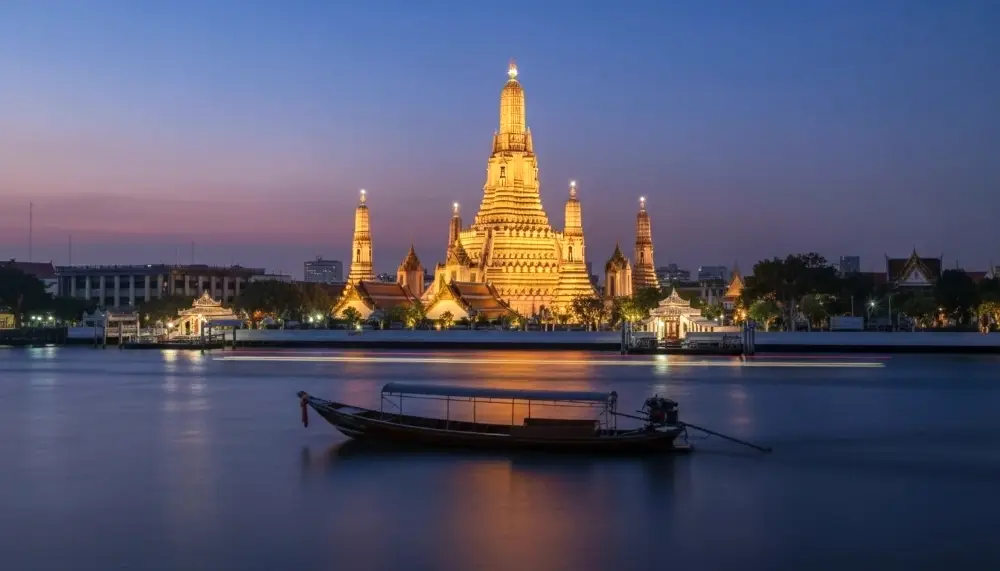
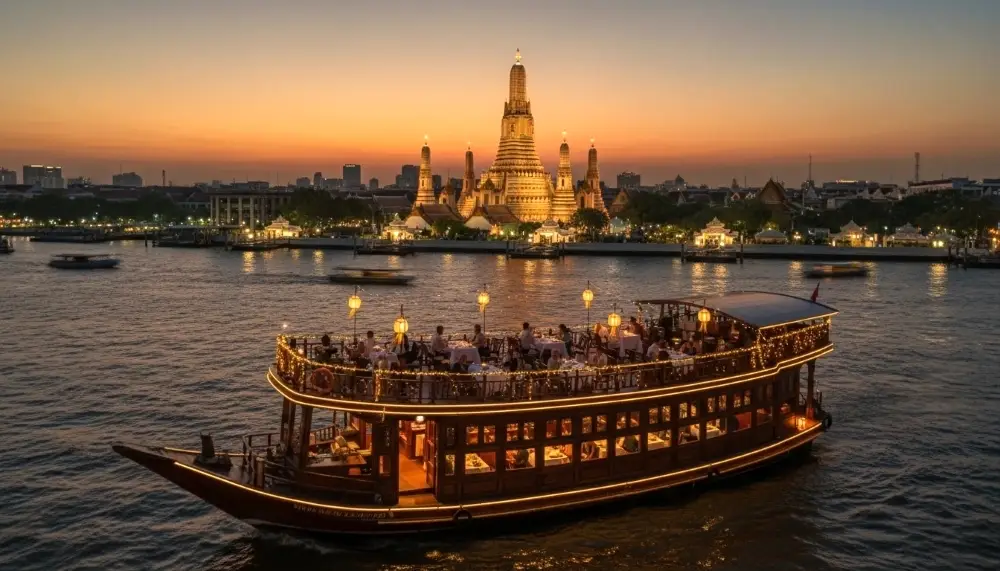
Wat Arun, the Temple of Dawn, sits on the west bank of the Chao Phraya River. Entry costs 100 THB (~$2.85). Its tall central tower is decorated with colourful porcelain tiles that sparkle in the sunlight. The temple is impressive during the day but becomes truly magical at sunset when the light reflects across the river.
Take a short 5 THB (~$0.15) cross-river ferry from the Wat Pho pier (Tha Tien) to reach Wat Arun directly. Combining the Grand Palace, Wat Pho, and Wat Arun on the same day is Bangkok’s classic riverside temple circuit and costs under 900 THB (~$26) total in entry fees including the ferry.
Boat Along The Chao Phraya River:
While public ferries (16 to 30 THB / ~$0.45 to $0.85) are efficient for transport, hiring a private longtail for a Khlong (canal) tour provides access to the hidden wooden stilt houses of Thonburi.
From the water, you will see:
- Historic temples rising from the riverbank
- Riverside luxury hotels and rice barges
- Traditional wooden stilt houses on the Thonburi canals
- Modern skyscrapers framing the skyline
You can take a public river boat, a longtail canal tour, or a dinner cruise in the evening. The Blue Flag tourist boat day pass costs 150 THB (~$4.30) and covers all major riverside stops. It is a relaxing way to experience the city from a completely different perspective.
Experience Yaowarat (Chinatown):
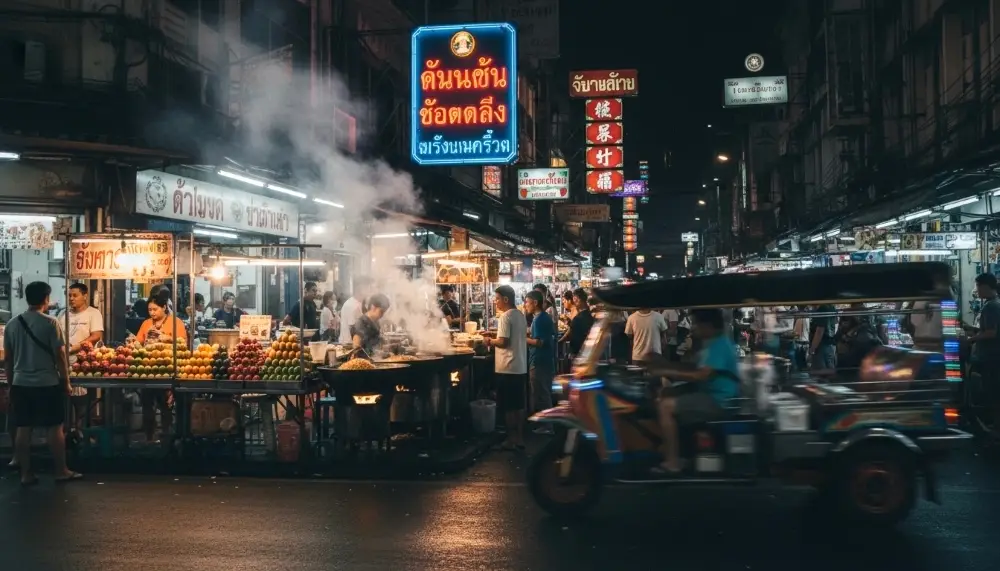
Yaowarat Road is the world’s most vibrant Chinatown, transforming nightly into a massive open-air street food theatre. It is the definitive location for high-density culinary exploration. Peak hours are 18:00 to 22:00, Tuesday through Sunday.
Skip the restaurants with white tablecloths. Look for the stalls with the longest queues of locals. This is where Guay Jab (rolled rice noodles in peppery broth, 60 to 80 THB / ~$1.70 to $2.30) and charcoal-toasted buns are perfected. The sensory blitz of flickering neon, shouting vendors, and the roar of tuk-tuks creates an energy unmatched elsewhere in the capital.
Some amazing dishes to try include:
- Pad Thai (60 to 120 THB / ~$1.70 to $3.40 at street stalls)
- Mango sticky rice (50 to 80 THB / ~$1.40 to $2.30)
- Thai iced tea (25 to 40 THB / ~$0.70 to $1.15)
- Grilled satay skewers (10 to 20 THB / ~$0.30 to $0.57 each)
- Som tam papaya salad (50 to 80 THB / ~$1.40 to $2.30)
Experience Bangkok’s Night Markets:
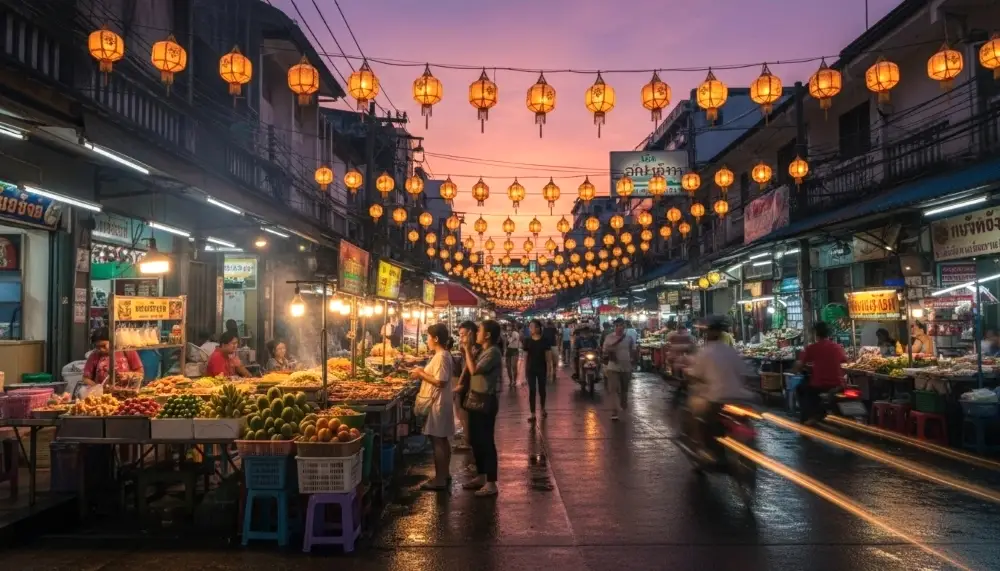
Night markets are a huge part of the city’s culture and a fantastic place to explore during the evening. Many markets combine food stalls, live music, bars, and shopping all in one lively atmosphere.
Popular options include:
- Train Night Market (Ratchada), the most photogenic, large Ferris wheel backdrop
- Asiatique The Riverfront, upscale, riverside setting with live shows
- Jodd Fairs Night Market, newer, local favourite near the city centre
It is the perfect way to spend an evening tasting Thai food and enjoying the city’s nightlife. Budget around 400 to 800 THB (~$11 to $23) for food and drinks across an evening.
Gliding the Khlongs of Thonburi:
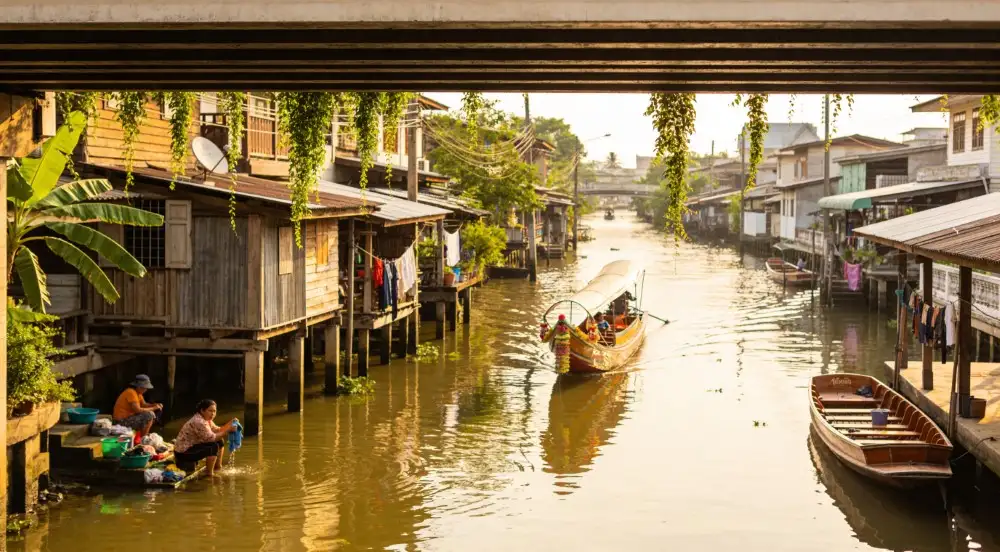
The Thonburi canals (khlongs) offer a view of the Venice of the East, showcasing traditional wooden stilt houses and hidden water-level temples. Hiring a private long-tail boat from Sathorn Pier costs roughly 1,000 to 1,500 THB (~$29 to $43) per hour. This is the primary way to observe the city’s historic aquatic lifestyle.
As the boat leaves the wake of the massive ferries on the Chao Phraya, the city slows down. Monitor lizards bask on piers, and elderly residents tend to orchid gardens hanging over the water. It is a sharp, necessary contrast to the frenetic pace of the Skytrain lines just a few kilometres away.
See The City From A Rooftop Bar:
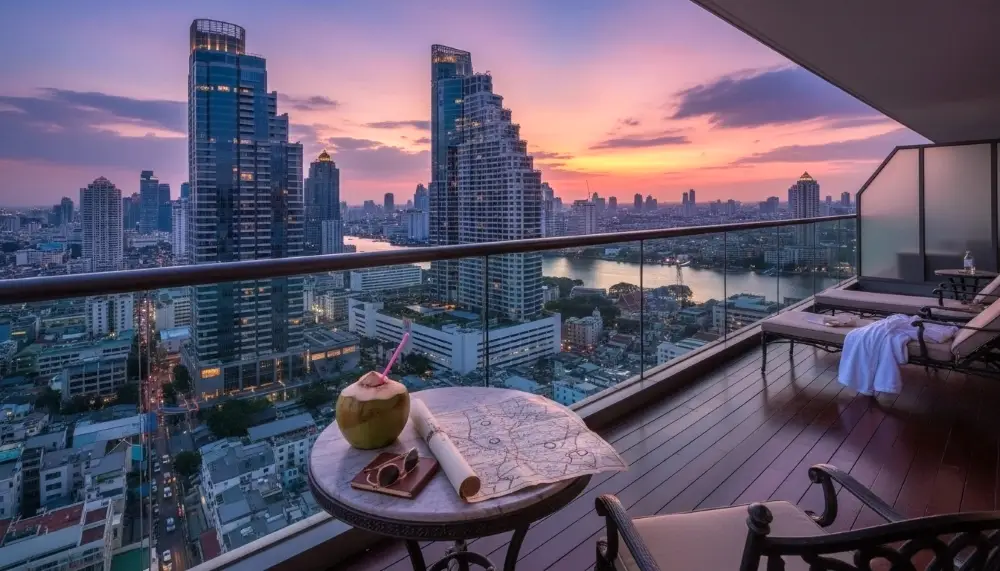
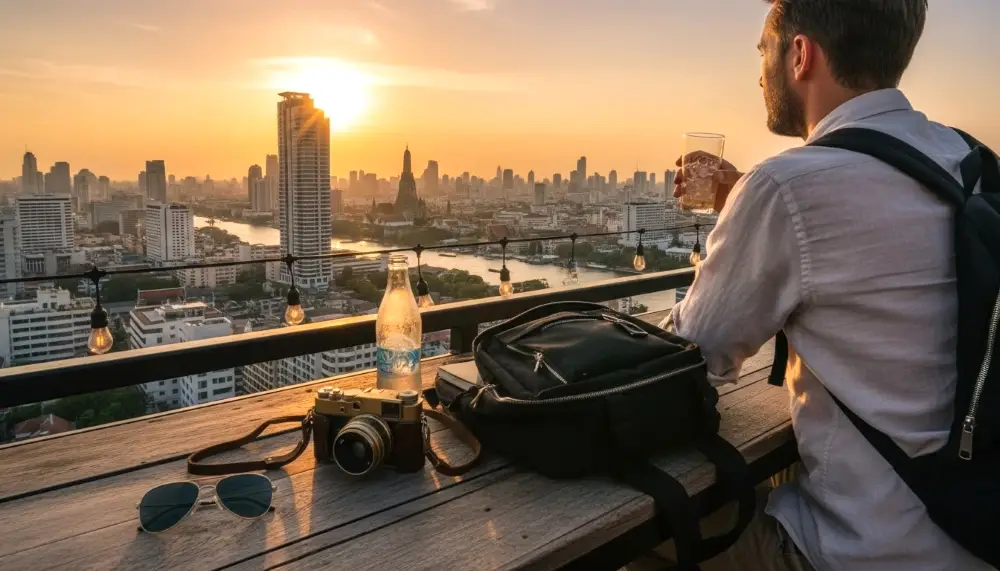
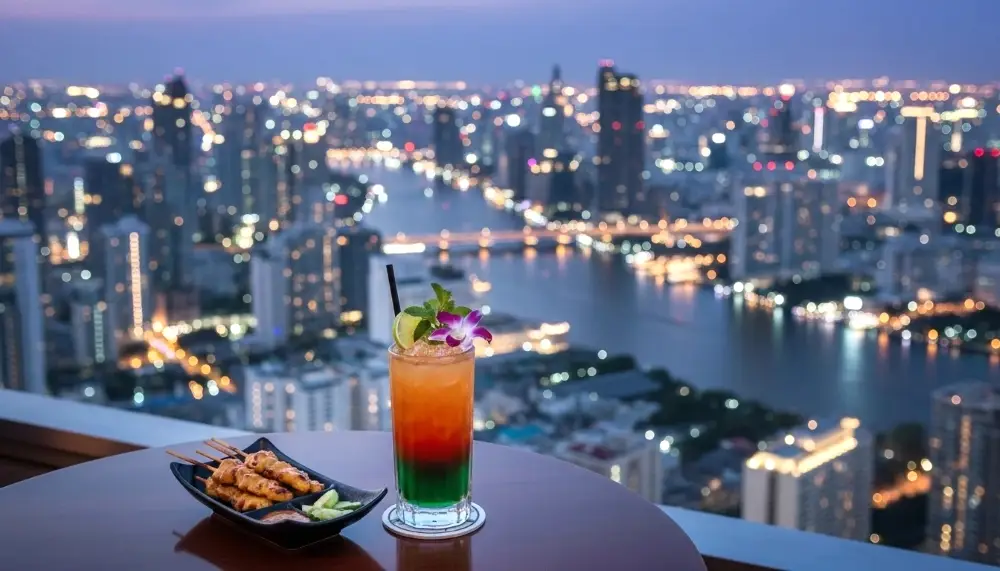
Bangkok’s skyline is spectacular, and one of the best ways to enjoy it is from a rooftop bar. Many buildings have rooftop restaurants or lounges where you can relax with a drink while watching the sunset over the city.
Expect cocktails at well-known spots like Lebua at State Tower (Sirocco) or Octave at Marriott Sukhumvit to cost 450 to 700 THB (~$13 to $20) each, often with a minimum spend at the door. Sky Bar at Lebua is the most iconic with direct Chao Phraya views. For a lower-cost alternative, Wat Saket (100 THB entry) offers a genuinely comparable panorama without the dress code or cocktail bill.
Muay Thai at Rajadamnern Stadium:
Experience the national sport at its most prestigious venue. The 2026 schedule at Rajadamnern and Lumpinee stadiums regularly features international title bouts. Buying tickets through Klook guarantees a genuine seat and avoids inflated prices from hotel concierges.
| Tier | Cost (THB) | Cost (USD) | Best For |
|---|---|---|---|
| Budget | 1,000 to 1,500 THB | ~$29 to $43 | Club Class (upper levels, authentic atmosphere) |
| Mid-Range | 2,500 THB | ~$71 | Ringside (close to action, clear views) |
| Luxury | 4,000+ THB | ~$114+ | VIP Lounge (catering, AC, and fighter meet-greets) |
Day Trip to Ayutthaya:
Ayutthaya is one of the most rewarding day trips from Bangkok and the most commonly overlooked by first-time visitors who stay only in the city. Located 80 kilometres north, Ayutthaya was the capital of Siam for over 400 years and is now a UNESCO World Heritage Site of magnificent ruined temples and towering brick chedis.
Getting there is straightforward. A train from Hua Lamphong station costs 15 to 30 THB (~$0.43 to $0.85) and takes around 1.5 hours. On arrival, rent a bicycle for 60 to 100 THB (~$1.70 to $2.85) per day to cover the main temple park at your own pace. Individual temple entry fees are 50 THB (~$1.40) each. A full day combining train, bicycle, and three to four temples costs under 500 THB (~$14) per person excluding food.
Alternatively, guided day tours from Bangkok start from 1,200 THB (~$34) per person on Klook and include transport, a guide, and some temple entries. These are worth considering if you want context on the history rather than self-guided exploration.
Etiquette & Customs:
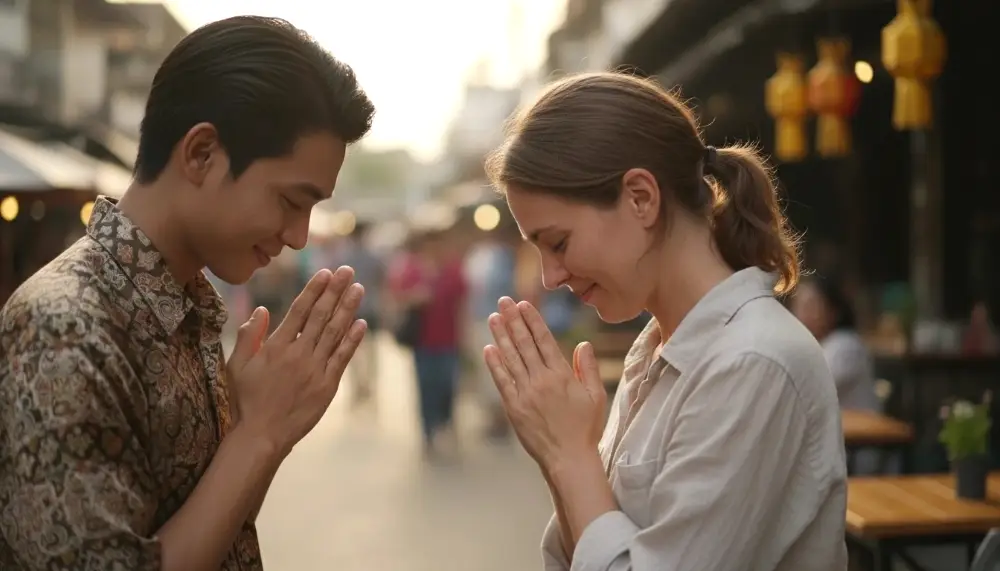
When entering a temple or a private home, shoes must be removed.
Tipping has become more formalised in urban centres: round up the change for taxis, and leave 20 to 50 THB (~$0.57 to $1.40) for hotel porters.
In restaurants, check your bill for “++” symbols. This indicates a 10% service charge and 7% VAT are not yet included in the displayed price. If the service charge is present, an additional tip is appreciated but not mandatory.
Tips For First-Timers:
Bangkok is an exciting place, but a few simple tips can make your visit much easier.
- Use the BTS Skytrain or MRT subway to avoid traffic. Single journeys cost 20 to 65 THB (~$0.60 to $1.85).
- Carry small cash for street food and markets. Most stalls do not take cards.
- Stay hydrated. Bangkok is hot year-round, typically 30 to 35°C. Bottled water costs 10 to 15 THB (~$0.30 to $0.43) at any 7-Eleven.
- Download Grab for easy taxi rides at transparent fixed prices.
- Respect temple dress codes. Shorts and sleeveless tops are not permitted inside temples.
Once you learn how to get around, Bangkok becomes much easier to explore.
Is Bangkok Safe For First-Timers?
Bangkok is remarkably safe for a metropolis of its size. Violent crime against tourists is extremely rare.
Your primary concerns are uneven sidewalks and the heat. Street food is generally safe if you follow the crowds. High turnover equals fresh ingredients.
If a stranger approaches you with excessive friendliness or special gems for sale, offer a polite “Mai Pen Rai” (no worries) and keep walking.
As with any major city, follow common-sense precautions:
- Keep an eye on your belongings in crowded markets
- Use official taxis or ride apps rather than unlicensed drivers
- Avoid overly pushy individuals around major attractions
With basic awareness, most travelers quickly feel comfortable exploring the city. Tourist Police number: 1155.
Bangkok Is Just The Beginning:
Bangkok is an unforgettable place to start your Thailand adventure, but it is only the beginning.
From here, many travelers continue north to the temples and mountains of Chiang Mai, or head south to Thailand’s famous tropical islands.
Each region offers something different: peaceful beaches, jungle landscapes, historic temples, and vibrant local culture.
Frequently Asked Questions:
Is the tap water safe to drink in Bangkok?
No. While the water is treated at the source, the aging pipe infrastructure makes it unsafe for consumption. Stick to bottled water, available at any 7-Eleven for 10 to 15 THB (~$0.30 to $0.43) per 1.5 litre bottle, or use the 1 THB per litre filtered water machines found across the city.
What is the best way to get from Suvarnabhumi Airport to the city?
The Airport Rail Link (ARL) is the fastest and cheapest method, costing 45 THB (~$1.30) to Phaya Thai station and taking around 30 minutes. For door-to-door service, follow the signs to the official taxi queue on Level 1. A metered taxi to central Bangkok costs 300 to 400 THB (~$8.60 to $11.40) including the expressway toll of around 75 THB (~$2.15). Avoid unlicensed touts in the arrivals hall.
When is the best time of year to visit Bangkok?
The Cool Season from November to February offers the most pleasant temperatures (25 to 30°C). April is famous for Songkran, the Thai New Year water festival, which provides a unique cultural experience. June to October is the wet season with heavy afternoon downpours but lower accommodation prices.
Are there any dress codes for rooftop bars?
Most high-end bars like Lebua or Octave enforce a smart casual code. This means no flip-flops, athletic singlets, or torn denim. When in doubt, dress as if attending a professional dinner. Cocktails at top bars cost 450 to 700 THB (~$13 to $20) each. For a budget alternative with comparable views, Wat Saket costs only 100 THB (~$2.85) entry.
How much does a day in Bangkok cost?
A budget traveler can cover the city’s main attractions for 500 to 800 THB (~$14 to $23) per day including temple entries, street food, and public transport. A mid-range traveler spending on restaurant meals, Grab rides, and paid attractions can expect 1,500 to 3,000 THB (~$43 to $86) per day. A single day combining the Grand Palace (500 THB), Wat Pho (200 THB), Wat Arun (100 THB), ferry (5 THB), and street food dinner in Chinatown (200 to 300 THB) totals around 1,100 to 1,200 THB (~$31 to $34).
What is the best way to get around Bangkok?
The BTS Skytrain and MRT subway are the fastest and most reliable options for crossing the city (20 to 65 THB / ~$0.60 to $1.85 per journey). Download Grab for ride-hailing with transparent fixed prices. For the riverside and Old City area, the Chao Phraya Tourist Boat (Blue Flag) day pass costs 150 THB (~$4.30) and covers all major stops. Avoid metered taxis that refuse to run the meter.
Is Ayutthaya worth a day trip from Bangkok?
Yes, absolutely. Ayutthaya is one of the most spectacular historical sites in Southeast Asia and is only 80 kilometres north of Bangkok. A train from Hua Lamphong costs 15 to 30 THB (~$0.43 to $0.85), a bicycle rental on arrival costs 60 to 100 THB (~$1.70 to $2.85), and individual temple entries are 50 THB (~$1.40) each. A full day including transport and three temples costs well under 500 THB (~$14) per person. Guided tours from Bangkok start from 1,200 THB (~$34) on Klook.
Is it safe to eat street food in Bangkok?
Yes, with common sense. Eat at busy stalls with high turnover as this guarantees fresh ingredients. Yaowarat (Chinatown) and Or Tor Kor market are among the safest and most celebrated street food destinations in the city. Avoid anything that has been sitting out in the heat for extended periods. Most stomach issues among tourists are caused by ice or unfiltered water rather than the food itself.
What neighbourhoods are best to stay in for first-time visitors?
Sukhumvit (particularly around BTS Asok, Nana, or Phrom Phong) offers the most convenient combination of transport links, restaurants, and international amenities. The Riverside area (around Saphan Taksin BTS) is better for temple access and a quieter atmosphere. Silom is good for business travelers and has strong transport links. Avoid booking near Khao San Road unless the backpacker atmosphere is specifically what you are looking for.
How do I get from Bangkok to Chiang Mai or the islands?
Fly for the islands and Chiang Mai if time is limited. Budget airlines (AirAsia, Thai Lion Air) run Bangkok to Chiang Mai for 1,200 to 2,500 THB (~$34 to $71) booked in advance, and Bangkok to Phuket or Koh Samui for similar prices. The overnight sleeper train from Bangkok to Chiang Mai costs around 1,000 THB (~$29) and saves a night’s accommodation. Book all long-distance transport through 12GO to compare options.
What is the Grand Palace entry fee and how do I book?
The Grand Palace and Wat Phra Kaew entry fee is 500 THB (~$14) and is paid at the official ticket counter on-site. No advance booking is required. Opening hours are 08:30 to 15:30 daily. Dress code is strictly enforced: covered shoulders and ankles. Sarongs are available to borrow at the gate. Book a guided tour through Klook or Get Your Guide if you want commentary on the Ramakien murals and temple history.