The #9 CNR Sleeper Train: Bangkok to Chiang Mai
This site contains affiliate links. We may earn a commission at no extra cost to you.
While the aging fleet of the State Railway of Thailand (SRT) continues its loyal service across the kingdom, the #9 Special Express represents a shift toward modern, efficient, and sophisticated overland travel. This is not merely a transit option; it is a ritual of passage for those seeking the transition from the vertical steel of Bangkok to the misty peaks of the North. Wake up somewhere completely different from where you fell asleep, with the entire journey costing less than a single night in a mid-range Bangkok hotel room.
The Quick View:
- Budget: Second-class sleeper berths start at 900 THB; first-class private cabins average 1,500 to 2,500 THB.
- Booking: Tickets open 30 to 90 days in advance via the D-Ticket portal and sell out instantly for peak dates.
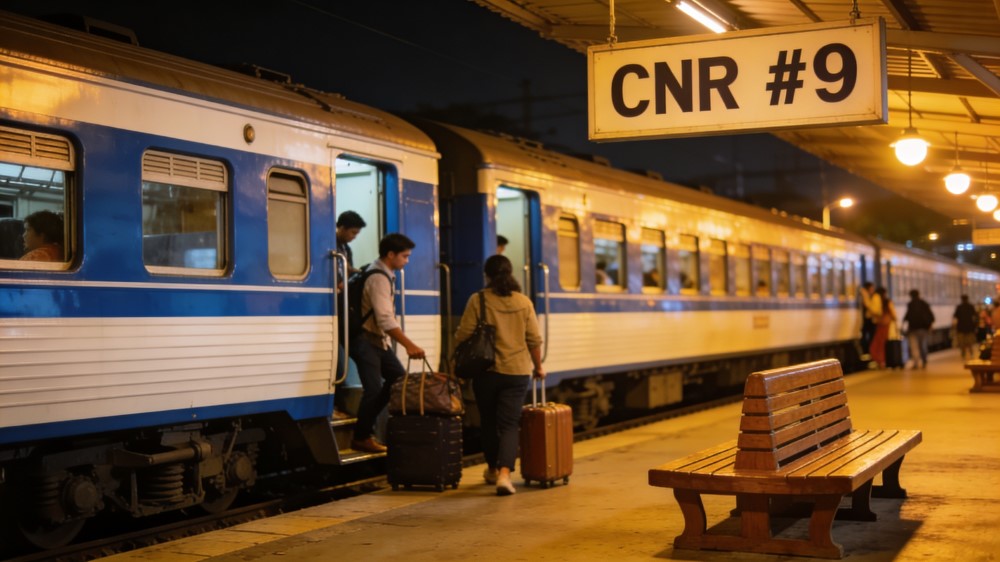
- Route: The #9 train departs Krung Thep Aphiwat Central Terminal (Bang Sue) at 18:40 and arrives in Chiang Mai at 07:15.
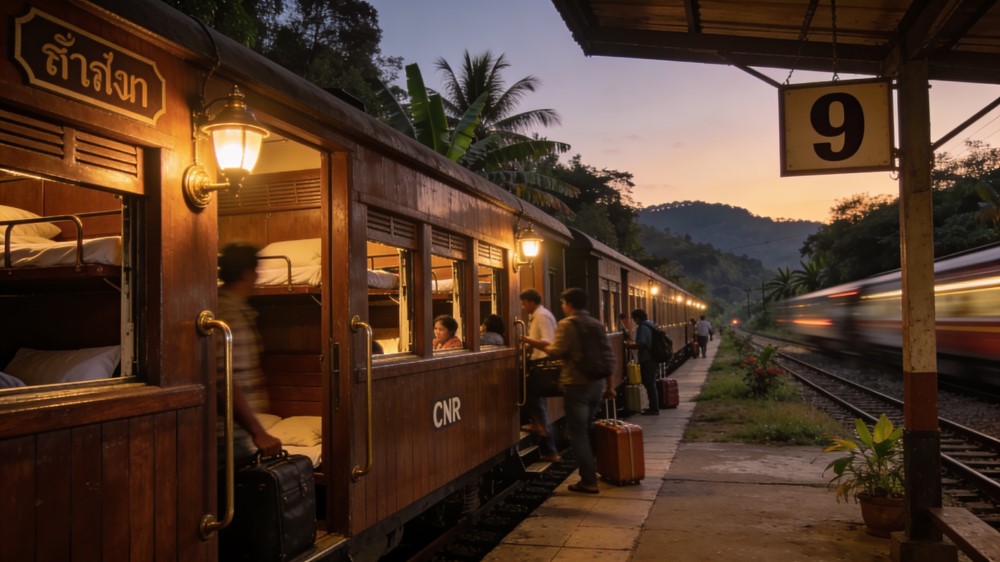
- Amenities: Features modern Chinese-made CNR carriages with USB ports, vacuum toilets, and a dedicated dining car.
- Journey Time: Approximately 12 hours 35 minutes, overnight. You depart in the evening and arrive refreshed for a full day in Chiang Mai.
- Safety: Dedicated Ladies and Children Only carriage, onboard security personnel, and a full CCTV system throughout.

12Go takes the guesswork out of
Chiang Mai transport. Check real-time
availability and book in your own
language and currency in minutes.
Why the #9 CNR Train is the Superior Choice:
The #9 Special Express utilises modern Chinese-built CNR (CRRC Changchun Railway Vehicles) carriages, providing a quieter, smoother, and more hygienic experience than older rapid or express trains. It offers superior climate control, reliable power outlets at every seat, and enhanced safety features including CCTV and female-only carriages.
For those comparing train options, the differences are meaningful. The older #13 service uses gravity-drop toilets, has no seat power, and the carriages rattle with decades of use. The #9 feels genuinely modern: the doors seal properly, the air conditioning is consistent, and the berths fold with precision. For a family, a solo female traveller, or a remote worker who needs to arrive in Chiang Mai ready to function, the #9 is the obvious choice.
There is also a carbon argument for the slow traveller. The overnight train eliminates a domestic flight, a city hotel night, and an airport transfer in a single booking. For those travelling on a DTV visa or building an extended Thai itinerary, the #9 fits neatly into a sustainable, low-footprint approach to moving through the country.
| Feature | #9 Special Express (CNR) | #7 Special Express (Diesel) | #13 Special Express (Old Sleeper) |
|---|---|---|---|
| Carriage Age | Modern (Post-2016) | Mid-range (Refurbished) | Vintage (Classic) |
| Seat Power | USB + Universal Socket | None / Limited | Limited |
| Toilet Type | Vacuum System (Aviation Style) | Gravity Drop | Gravity Drop |
| Female-Only Carriage | Yes | No | No |
| Average 2nd Class Price | 900 to 1,100 THB | 650 THB | 850 THB |

Skip the rank queue in Chiang Mai.
Welcome Pickups confirm in advance,
track your flight, and meet you
at arrivals with a name sign.
How to Book Your Ticket:
The official booking channel is the SRT D-Ticket portal (dticket.railway.co.th). Tickets are released on a rolling window of 30 to 90 days before departure. The site accepts Visa, Mastercard, and select Thai payment methods. For international travellers, occasional geo-blocking of the D-Ticket portal has been reported; using NordVPN with a Thai or Singapore server resolves this in most cases.
Klook also lists the #9 service as a bookable product, with an English-language interface, instant confirmation, and mobile vouchers. This is the most frictionless option for first-time users who find the D-Ticket portal confusing.
Seat selection strategy: When booking on D-Ticket, lower berths in carriages 2 through 5 offer the best combination of proximity to the dining car and distance from the toilets at either end. Berth numbers 1 to 4 in any second-class carriage are the first to sell out. Book the moment the window opens for travel during Songkran (April), the Loy Krathong and Yi Peng lantern festivals (November), and the Christmas to New Year period.
For intercity transport in general, 12GO is the most comprehensive platform for comparing sleeper trains, night buses, and domestic flights on the Bangkok to Chiang Mai corridor. It is particularly useful when the #9 is sold out and you need to find the next best alternative quickly, or when building a multi-leg northern loop involving Lampang, Chiang Rai, or Pai.
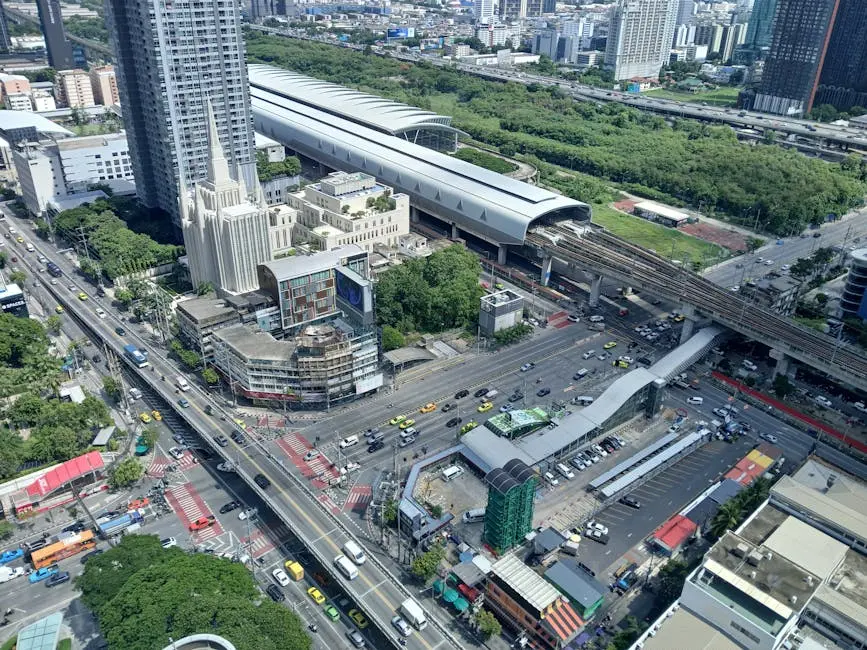
Navigating Krung Thep Aphiwat Central Terminal:
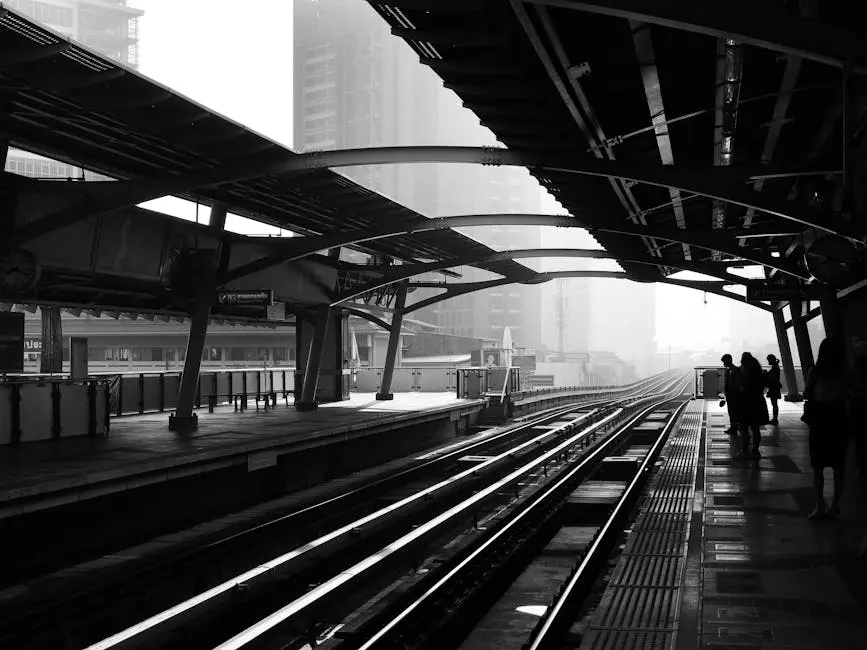
Krung Thep Aphiwat Central Terminal, located in the Chatuchak district, serves as Thailand’s primary rail hub for all long-distance services. The station opened in 2021 as part of a sweeping modernisation of Bangkok’s transport infrastructure, and it shows: the concourse is vast, well-lit, and genuinely intuitive to navigate.
Passengers should arrive at least 45 minutes before the 18:40 departure to navigate the concourse, use the modern luggage storage facilities, or stock up on supplies at the food court. The station has a solid selection of convenience stores, hot food stalls, and a pharmacy on the ground level.
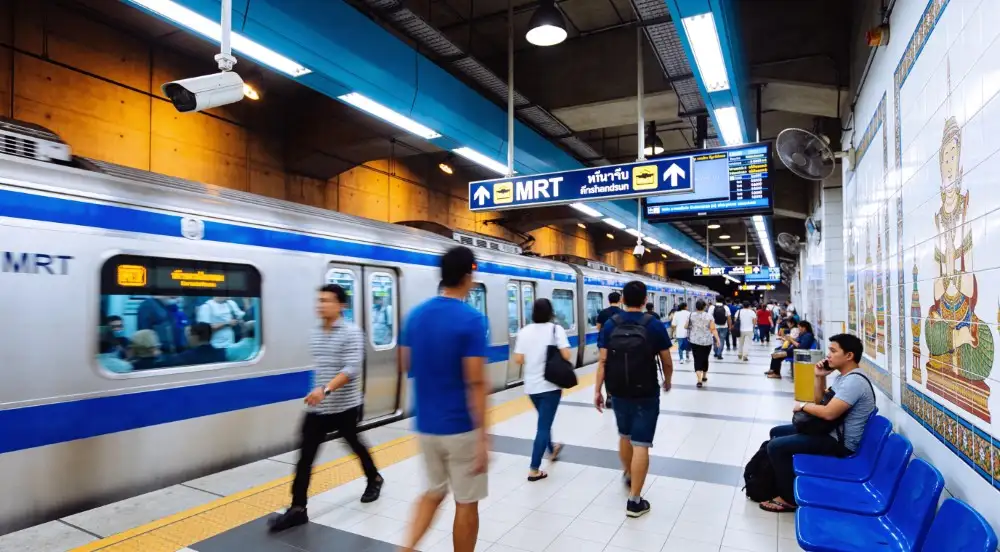
The transition from the MRT Blue Line at Bang Sue Station to the main rail terminal is seamless, connected by a covered walkway. Upon entry, look for the digital departure boards to locate the correct platform gate. Staff are positioned at every turn to assist with QR code ticket scanning, and the process moves considerably faster than the old Hua Lamphong experience.
Getting to the station: Grab and Bolt both serve the terminal reliably from central Bangkok, with fares from Sukhumvit typically running 120 to 200 THB depending on traffic. The MRT Blue Line (Bang Sue Grand Station stop) is the fastest option from the city centre during peak hours, avoiding surface traffic entirely. If you are arriving from Suvarnabhumi Airport earlier in the day, the Airport Rail Link connects to Makkasan, from where the MRT is a short interchange.

Stay closer to the action in Chiang Mai.
Agoda lists guesthouses to resorts
with verified reviews and instant
booking at competitive rates.
Life on Board: The Sleeper Experience:
The second-class sleeper on the #9 CNR train consists of open-plan carriages with berths that convert from daytime seating to evening beds with fresh linens and privacy curtains. Upper berths are slightly narrower and cheaper, while lower berths offer more space, a larger window view, and a more stable sleeping platform.
As the train clears the outskirts of Don Mueang, the attendants begin their orchestrated transformation of the carriage. Each pair of wide, comfortable seats collapses into a sturdy bed. The lower berth is the strategic choice: it provides ample room to sit upright and grants exclusive access to the large viewing window during the early evening stretch through the central plains.
For those in first class, the experience shifts to a private two-person cabin with a personal washbasin and the option to connect adjacent cabins for families. This is the preferred option for couples, parents travelling with a young child, or anyone who values complete privacy throughout the night. First-class cabins on the #9 are bookable through D-Ticket and occasionally through Klook, and at 1,500 to 2,500 THB represent exceptional value compared to a Bangkok hotel room at equivalent comfort.
Packing for the berth: The air conditioning on the #9 is notoriously powerful, running at a level calibrated for Thai comfort in a tropical country. Bring a light jacket or a compact travel blanket regardless of the outdoor temperature. The provided blanket is adequate but thin. Noise-cancelling earbuds and a sleep mask will elevate the experience considerably, particularly if you are a light sleeper sensitive to station announcements during the night stops at Phitsanulok and Lampang.

From classic Chiang Mai highlights to
hidden-gem private tours. Cancel
free up to a day before your
start time if plans change.
The Dining Car:
The dining car on the #9 CNR train offers a variety of set meals typically priced between 150 THB and 250 THB, served in a bright, communal setting. While alcohol is strictly prohibited on all SRT trains, the menu provides reliable Thai staples such as Green Curry or Pad Kra Pao, alongside rice dishes, noodle soups, and breakfast sets timed for the morning arrival into Chiang Mai.
The dining car is also a social hub. It tends to fill with a mix of backpackers swapping route tips, Thai families sharing snacks, and the occasional expat nursing a coffee before the final stretch through the northern foothills. If you travel solo, it is genuinely one of the better places to have an unscripted conversation.
Cultural etiquette is straightforward here. Tipping is not expected, though rounding up the bill to the nearest 20 THB is a gracious gesture for attentive service. “Plus Plus” charges (VAT and service fee) are not added to train food prices; the price on the menu is the price you pay. Keep a few 20 and 50 THB notes in your pocket rather than handing over a 1,000 THB note for a bowl of noodles.
Practical note: The dining car closes around midnight and reopens from approximately 05:30 for breakfast. If you are a late sleeper and want morning coffee before Chiang Mai, set an alarm. The train arrives at 07:15, and the dining car can be busy in the final hour.
The Route: What You Pass Through:
The #9 traces the Northern Line of the SRT, a 751-kilometre route built in stages between 1895 and 1921. For much of the journey you are asleep, which is precisely the point; but the early evening stretch before sunset offers a window into the Central Plains that no tour bus or flight can replicate.
Departing Bangkok, the train passes through the industrial northern suburbs before the landscape opens into the flat rice paddies of Ayutthaya province. The illuminated ruins of Wat Phra Si Sanphet are sometimes visible from the right-hand side of the train around the 90-minute mark, roughly between 20:00 and 20:30. This is worth staying awake for.
The major intermediate stop is Phitsanulok (around 23:30), a regional hub where passengers board and the train takes on provisions. From Phitsanulok the terrain begins its gradual climb, and the air outside shifts perceptibly cooler. By the time the train reaches Lampang in the early morning hours, you are in the north proper: the vegetation is denser, the valleys narrower, and the sky on a clear night is extraordinary.
Arrival into Chiang Mai station is a low-key, intimate affair compared to Bangkok. The station is small and central, a 10-minute drive from the Old City moat. Grab and Bolt both operate here reliably from first light, and the accommodation hunt is straightforward on Agoda or Booking.com, with hundreds of guesthouses and boutique hotels concentrated within the moat and Nimmanhemin areas.

From temples to island tours, Klook
covers Chiang Mai’s best experiences.
Hotel pickup is often included and
prices beat the pier walk-in rate.
Pro Tips For Stress-Free Travel:

Successful navigation of Thai logistics requires a specific digital toolkit to manage bookings, transfers, and connectivity from the moment you land.
Currency: Always carry THB in small denominations (20, 50, 100) for station snacks, the dining car, and tuk-tuks at the Chiang Mai end. ATMs are available inside Krung Thep Aphiwat Terminal, but fees apply for foreign cards.
Transport to the Station: Use Grab or Bolt for reliable, fixed-price transfers to Krung Thep Aphiwat. Both apps require active mobile data and SMS verification, so activate your Airalo, Yesim, or Saily eSIM data plan before departure from home. This ensures the network verification code arrives the moment you land, not hours later at the baggage carousel.
Connectivity: Install Yesim for instant eSIM activation. Signal on the #9 route is strong through the central plains and in all major provincial towns. Expect occasional dropouts in the mountain stretches between Lampang and Chiang Mai during the early morning hours; download offline maps of the Chiang Mai area before boarding.
Security: Use NordVPN to access the D-Ticket booking site from abroad if you encounter geo-blocking, and to secure your banking sessions when using station or cafe Wi-Fi in Chiang Mai after arrival.
Booking: Klook or the official SRT D-Ticket app are the primary channels for securing berths. If the #9 is fully booked, use 12GO to compare the next available sleeper service or an overnight VIP bus on the same corridor.
Flight Disruptions: If a delayed inbound international flight threatens your connection to the 18:40 departure, AirHelp can pursue compensation on qualifying flights while you focus on rebooking logistics. Keep the D-Ticket cancellation and refund policy in mind: cancellations made more than 24 hours before departure receive a partial refund, minus a handling fee.
Long-Stay Health Cover: For remote workers and DTV visa holders building an extended northern Thailand base from Chiang Mai, SafetyWing provides month-to-month nomad medical insurance that covers emergency hospitalisation throughout Thailand, including in smaller provincial hospitals along the northern circuit.

Forget swapping physical SIMs in Chiang Mai.
Yesim works on most modern phones,
activates remotely, and keeps your
home number live on WhatsApp too.
Arriving in Chiang Mai: Your First Morning:
The #9 pulls into Chiang Mai Railway Station at 07:15, placing you in the heart of the north with the entire day ahead. The station sits on Charoen Muang Road, approximately 2.5 kilometres east of the Old City moat, and is well served by Grab, Bolt, red songthaew shared trucks (30 to 50 THB to most guesthouse areas), and licensed tuk-tuks.
If you have pre-booked accommodation via Agoda or Booking.com, most guesthouses within the moat, Nimmanhemin, and the Santitham neighbourhood allow early luggage drop even before standard check-in. This frees you for a first morning walk through the Sunday Walking Street market area (if timing aligns) or a visit to Wat Chedi Luang before the tour groups arrive.
For those who arrive and want to immediately plan excursions, the Chiang Mai area is one of the richest day-trip zones in Thailand. Get Your Guide and Klook both offer same-day availability for elephant sanctuary visits, Thai cooking classes in the old city, and trekking day tours into Doi Inthanon National Park. Booking via either platform takes minutes and confirmation is instant to your phone.
If you are continuing north or east (Chiang Rai, Pai, the Golden Triangle), Chiang Mai Arcade Bus Terminal is the main hub for onward connections. 12GO lists departures across all operators, including the popular Pai minivan service and the Chiang Rai bus routes, and allows booking from the same platform you used for the train.
Confidence Booster:
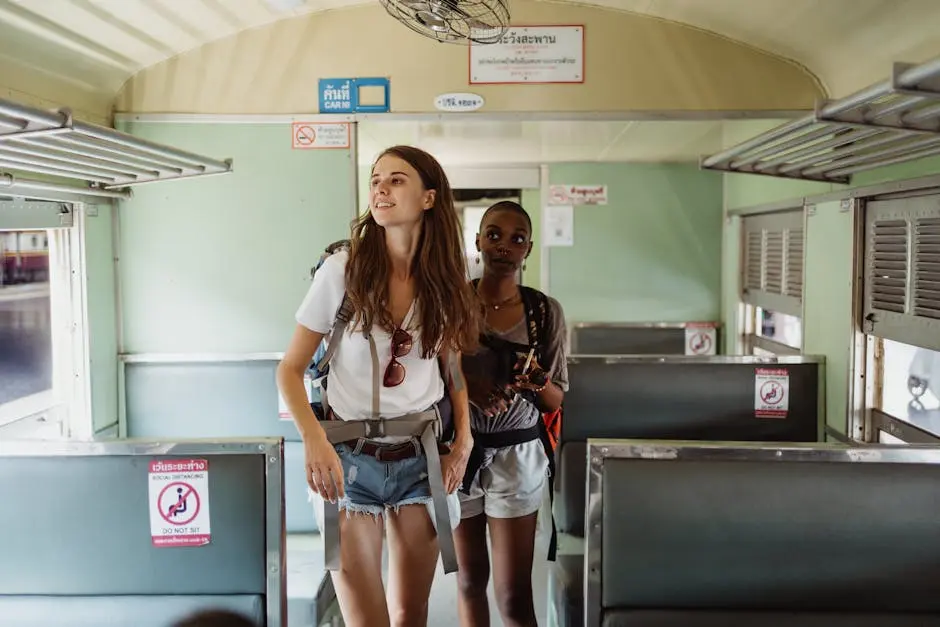
Thailand is consistently ranked as one of the safest destinations for solo travellers in Southeast Asia, and the #9 train reflects this. The dedicated Ladies and Children Only carriage provides an extra layer of security and peace of mind for solo female travellers. The presence of onboard security personnel and the modern CCTV system throughout the carriages ensures a controlled environment for the entire night.
The other passengers on the #9 are overwhelmingly Thai domestic travellers: families visiting relatives up north, university students returning to Chiang Mai, and a smattering of expats and tourists. The atmosphere is calm, quiet, and entirely unthreatening. By midnight, the vast majority of the carriage is asleep behind their privacy curtains.
If you are a first-time solo traveller to Thailand and the idea of an overnight train feels daunting, the #9 is exactly the right place to start. It is structured, staffed, air-conditioned, and far less chaotic than the arrivals hall at Suvarnabhumi at 2am. Trust the process, pack a jacket, and wake up in the north.
Frequently Asked Questions:
How far in advance should I book the #9 train?
Book as soon as the SRT booking window opens, which is 30 to 90 days before departure depending on the current schedule. During high season (November to February), Songkran in April, and the Loy Krathong period in November, lower berths on the #9 sell out within hours of going live. Set a calendar reminder for the exact opening date and have your D-Ticket account registered and payment details saved before the window opens.
Is there Wi-Fi on the #9 CNR train?
Consistent onboard Wi-Fi is not provided on the #9. Signal from a local Thai SIM or eSIM (Yesim, Airalo, AIS, or True) is strong for the majority of the central plains section of the route. Expect intermittent dropouts in the mountain passes between Lampang and Chiang Mai during the early morning hours. Download offline maps and any needed content before boarding at Bang Sue.
What should I pack for the overnight journey?
The air conditioning on the #9 is set cold by Thai standards. Pack a light jacket, hoodie, or compact travel blanket even if the temperature outside is 35 degrees Celsius. Bring noise-cancelling earbuds and a sleep mask if you are a light sleeper. A power bank is useful as backup, though each berth has a functional USB port. Keep small-denomination THB notes (20s and 50s) for the dining car and station snacks.
Can I buy tickets at the station on the day of departure?
It is possible in theory but highly unlikely in practice for the #9 CNR service. This is the most popular overnight train in Thailand. Walk-up tickets on the day are nearly non-existent during peak periods. Waiting until you arrive at Bang Sue will almost certainly result in being redirected to an older, less comfortable service or an overnight bus. Always book in advance through D-Ticket or Klook.
What is the difference between upper and lower berths?
Lower berths are wider, more stable, and have direct access to the window. They cost slightly more and are the first to sell out. Upper berths are narrower, positioned higher above the floor (which some people find disorienting at night), and have a small fold-down step for access. If you are a taller traveller or a light sleeper who values personal space and a window view, always book lower. If you are on a tight budget and a sound sleeper, upper berths are perfectly adequate.
Is the #9 train suitable for families with young children?
Yes, with some preparation. First-class cabins can be connected for families needing two adjacent private spaces. In second class, booking two lower berths facing each other gives parents and children a semi-private bay. The female-only carriage is available for mothers travelling with young children. The dining car is family-friendly and open for most of the evening. Bring snacks, a few activities for the early evening hours before the children sleep, and accept that the excitement of the train itself will do half the work for you.
What happens if the train is delayed?
SRT trains can and do run late, though the #9 is one of the more punctual services on the Northern Line. Delays of 30 to 60 minutes are not uncommon; delays beyond 90 minutes are rare but do occur after flooding events or track maintenance. The SRT does not offer compensation for delays. If a late arrival into Chiang Mai affects onward connections (a Pai minivan or a morning flight), build a buffer into your itinerary. Track live departure status on the D-Ticket app or via the 12GO platform.
Can I store large luggage on the train?
Yes. Each berth has under-seat storage for bags and a small overhead shelf for day packs. Large backpacks and wheeled suitcases fit under the lower berth or in the overhead rack above the aisle. The carriages are not designed for excess luggage, so if you are travelling with more than one large bag each, use the paid luggage storage at Krung Thep Aphiwat Terminal and travel with carry-on only, collecting the larger bags on your return leg or shipping them ahead via Kerry Express.
Are there any stops along the route where I can disembark?
Yes. The #9 makes scheduled stops at Don Mueang, Ayutthaya, Lopburi, Nakhon Sawan, Phitsanulok, Uttaradit, Den Chai, Lampang, and Lamphun before Chiang Mai. Phitsanulok is the largest intermediate stop and a practical starting point for travellers heading to Sukhothai Historical Park. Lopburi is famous for its monkey temple ruins and is reachable with a day trip from Bangkok on the same line. Book your ticket to the specific stop you require; all stations are selectable on D-Ticket.
Is alcohol allowed on the #9 train?
No. Alcohol is strictly prohibited on all State Railway of Thailand services, including the #9. This is actively enforced and applies to all carriages including the dining car. There are no exceptions. Stock up on snacks, soft drinks, and coffee at the terminal food court before boarding if you want a varied supply for the journey. The dining car sells juices, water, and Thai iced tea, along with hot meals and breakfast sets.