Bangkok Night Markets
This site contains affiliate links. We may earn a commission at no extra cost to you.
Night markets are one of the easiest and most exciting ways to experience Thailand’s culture. They combine street food, shopping, entertainment, and people-watching all in one place. Whether you are hunting for souvenirs, tasting Thai snacks for the first time, or simply soaking up the atmosphere, Bangkok night markets offer an unforgettable introduction to the country. All prices in this guide use a rate of 35 THB = $1 USD.
The Quick Summary:
Night markets in Bangkok typically operate from 17:00 to midnight, with peak energy occurring between 19:00 and 21:00.
Transportation via MRT Blue Line and BTS Skytrain provides the most reliable access to major hubs, bypassing heavy evening traffic. Single journeys cost 20 to 65 THB (~$0.60 to $1.85).
Budget expectations range from 150 to 300 THB (~$4.30 to $8.60) for a full street food evening including snacks and drinks. Seafood spreads at sit-down areas run 400 to 800 THB (~$11.40 to $22.90) per person.
Digital payments via Thai QR (PromptPay) are common, though physical THB remains essential for smaller vendors and older stalls. Carry small notes: 20, 50, and 100 THB.
Cultural etiquette requires modest dress when near temples and a gentle approach to price negotiations in non-tourist zones.

From temples to island tours, Klook
covers Bangkok’s best experiences.
Hotel pickup is often included and
prices beat the pier walk-in rate.
What Are Bangkok Night Markets?
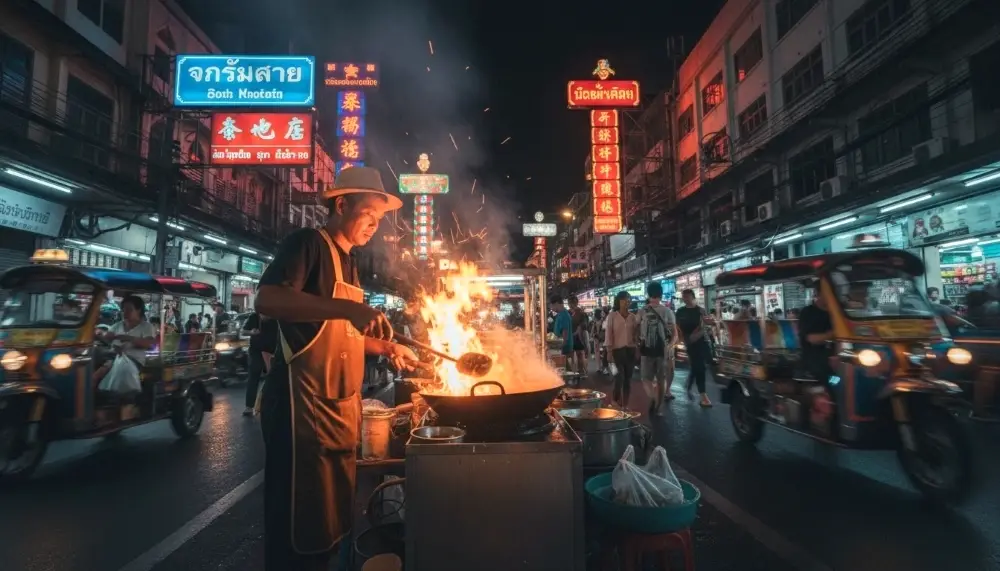
Bangkok night markets function on a system of shared plates and sensory exploration. Traditional favourites like Pad Thai and Green Curry are present, but the true draw lies in the snacks. Look for Moo Ping (grilled pork skewers, 15 to 25 THB / ~$0.43 to $0.70 each) and Khanom Buang (crispy crepes, 40 to 60 THB / ~$1.15 to $1.70 per portion).
Expect to pay between 40 and 120 THB (~$1.15 to $3.40) for most street food items. In larger sit-down areas, seafood is priced by weight at 200 to 600 THB (~$5.70 to $17) per 100 grams depending on the species.
Always check for the “Plus Plus” (10% service charge and 7% VAT) in established containers, though this is rare in open-air market stalls. Tipping is not a traditional Thai requirement, though rounding up to the nearest 20 or 50 THB is an appreciated gesture for exceptional service in seated restaurants.

From boutique guesthouses to five-star
resorts, Agoda has Bangkok covered.
Strong Asia inventory means deeper
discounts than you’d find elsewhere.
Pro Tips For Stress Free Travel:
Transport: Use Grab or Bolt for fixed-price rides. Always opt for the GrabCar or Bolt Economy option to avoid the uncertainty of unmetered street taxis.
Connectivity: Secure a local SIM or use Yesim for instant data. A NordVPN is recommended for secure browsing on public Wi-Fi networks at markets and surrounding cafes.
Booking: Klook and Get Your Guide provide streamlined access to river cruises and food tours that often terminate at these markets. Evening food tours cost 1,200 to 2,500 THB (~$34 to $71) per person.
Money: Carry THB in small denominations (20, 50, and 100 THB). Large 1,000 THB notes (~$29) can be difficult for small vendors to change. Thai ATMs charge a flat 220 THB (~$6.30) fee per foreign card withdrawal, so withdraw the maximum in a single transaction.


Forget swapping physical SIMs in Bangkok.
Yesim works on most modern phones,
activates remotely, and keeps your
home number live on WhatsApp too.
Why First-Timers Love Night Markets:
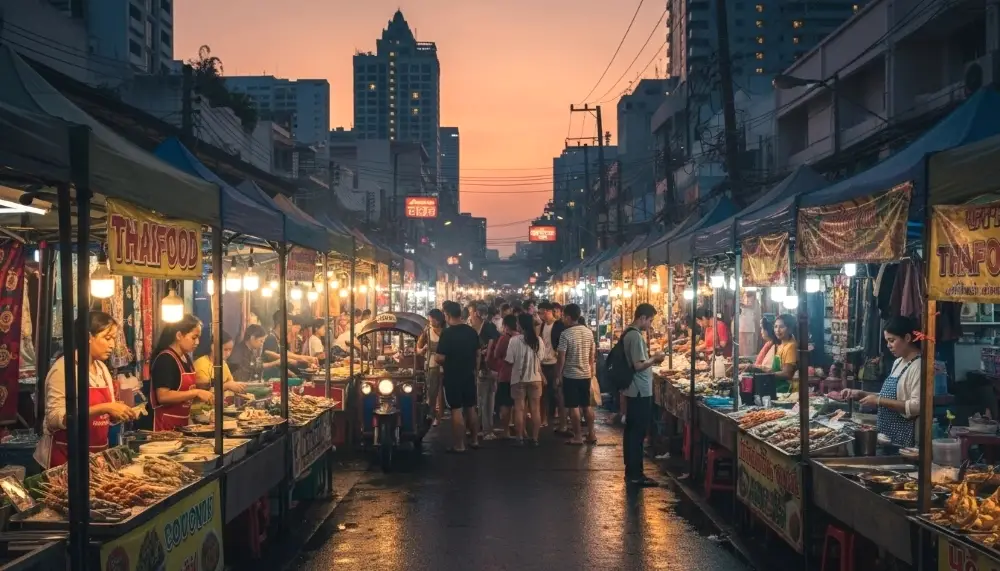
Unlike large shopping malls, night markets feel personal. You will interact with local vendors, see food being cooked right in front of you, and discover small treasures you might never find elsewhere.
They also give you the chance to sample many Thai dishes in one evening. Instead of committing to one restaurant, you can wander and try a little of everything.
Some popular street foods you might see include:
- Mango sticky rice (Khao Niao Mamuang), 60 to 100 THB (~$1.70 to $2.85)
- Pad Thai cooked in giant woks, 60 to 100 THB (~$1.70 to $2.85)
- Grilled seafood skewers (Moo Ping/Pla Pao), 15 to 60 THB (~$0.43 to $1.70) per piece
- Thai milk tea (Cha Yen), 30 to 50 THB (~$0.85 to $1.40)
- Coconut ice cream served in coconut shells, 60 to 80 THB (~$1.70 to $2.30)
Market Comparison: Finding the Right Vibe
| Market | Best For | Avg. Food Budget | Transport | Vibe |
|---|---|---|---|---|
| Jodd Fairs DanNeramit | Tourists and Youth | 200 to 400 THB (~$5.70 to $11.40) | BTS Ha Yaek Lat Phrao | Trendy / High Energy |
| Srinakarin Train Market | Locals and Collectors | 150 to 300 THB (~$4.30 to $8.60) | MRT Yellow Line Suan Luang Rama 9 | Retro / Industrial |
| Asiatique The Riverfront | Couples and Families | 300 to 600 THB (~$8.60 to $17) | BTS Saphan Taksin + free shuttle boat | Riverside / Polished |
| Chatuchak Friday Night | Fashion Seekers | 100 to 250 THB (~$2.85 to $7.15) | MRT Kamphaeng Phet | Fast-Paced / Wholesale |
Famous Night Markets in Bangkok:
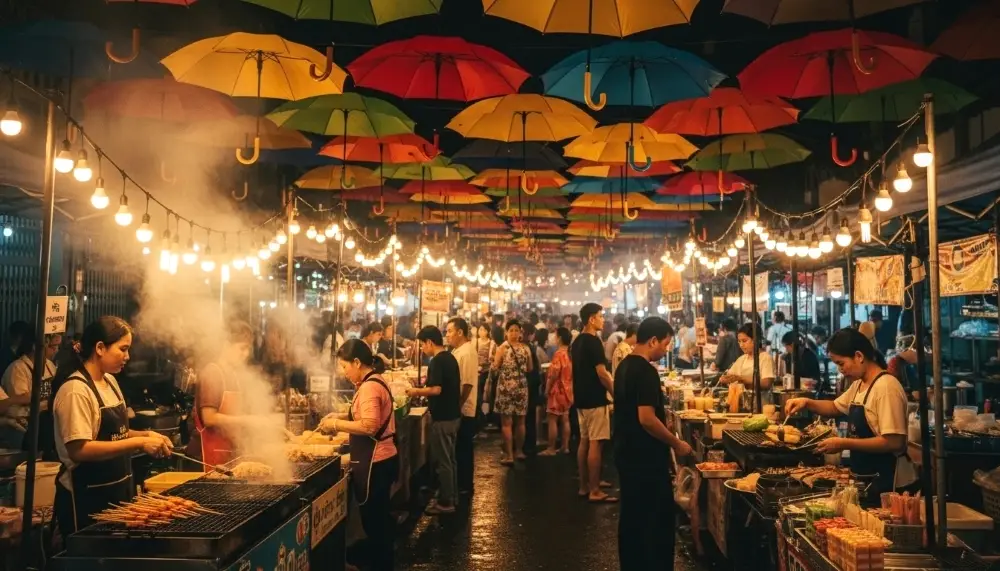
Srinakarin Train Market (Talad Rot Fai)
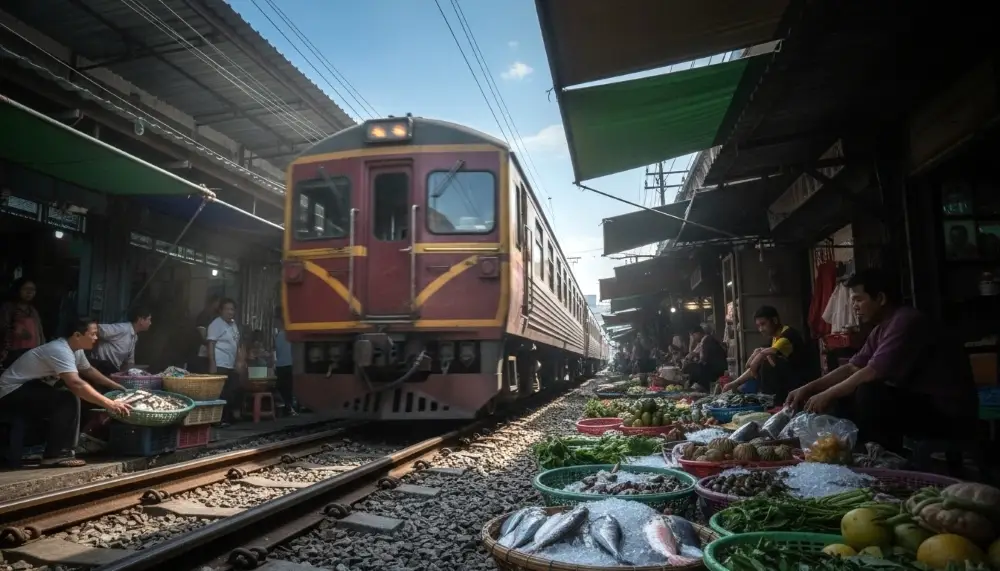
Srinakarin Train Market (Talad Rot Fai) is the ultimate destination for vintage enthusiasts, antique collectors, and those seeking an authentic local vibe. Situated behind Seacon Square, it features expansive open-air zones dedicated to classic cars, retro memorabilia, and budget-friendly Thai soul food.
This is where the scale of Bangkok’s market culture becomes apparent. Away from the central tourist corridors, Srinakarin serves as a massive cultural museum. The Warehouse Zone is a labyrinth of mid-century furniture and rare collectibles. Prices here are significantly lower than in Sukhumvit, reflecting the local customer base. It is a commitment to reach, requiring a taxi or a trip on the MRT Yellow Line to Suan Luang Rama 9, but the reward is an unfiltered look at Thai subcultures. Open Thursday to Sunday from around 17:00 to 01:00.
You will find:
- Vintage clothing at 150 to 500 THB (~$4.30 to $14.30) per item
- Retro collectibles and antique furniture
- Craft beer bars and live music zones
- Huge street food areas at 40 to 120 THB (~$1.15 to $3.40) per dish
It feels more like a festival than a typical market.
Jodd Fairs DanNeramit: The Modern Spectacle
Jodd Fairs DanNeramit is the premier contemporary night market in Bangkok, featuring a landmark fairytale castle and over 1,200 stalls. Located near the Ha Yaek Lat Phrao BTS station, it specialises in viral street food, trendy fashion, and vintage automobiles, catering to a younger, social-media-savvy demographic.
The atmosphere here is electric. Rows of white tents house everything from spicy “Mountain Volcano” pork ribs (150 to 250 THB / ~$4.30 to $7.15 per portion) to artisanal ice cream. Navigation is intuitive, designed for the heavy foot traffic that flows through the wide avenues. While the original Rama IX location remains popular, the DanNeramit site offers more space and the iconic castle backdrop for photography.
Highlights include:
- Giant seafood platters at 200 to 500 THB (~$5.70 to $14.30) per person
- Colourful dessert stalls and viral food displays
- Trendy clothing vendors at 150 to 600 THB (~$4.30 to $17) per item
- Instagram-worthy food and decor throughout
It is especially popular with younger locals and travelers. Open daily from 17:00 to midnight.
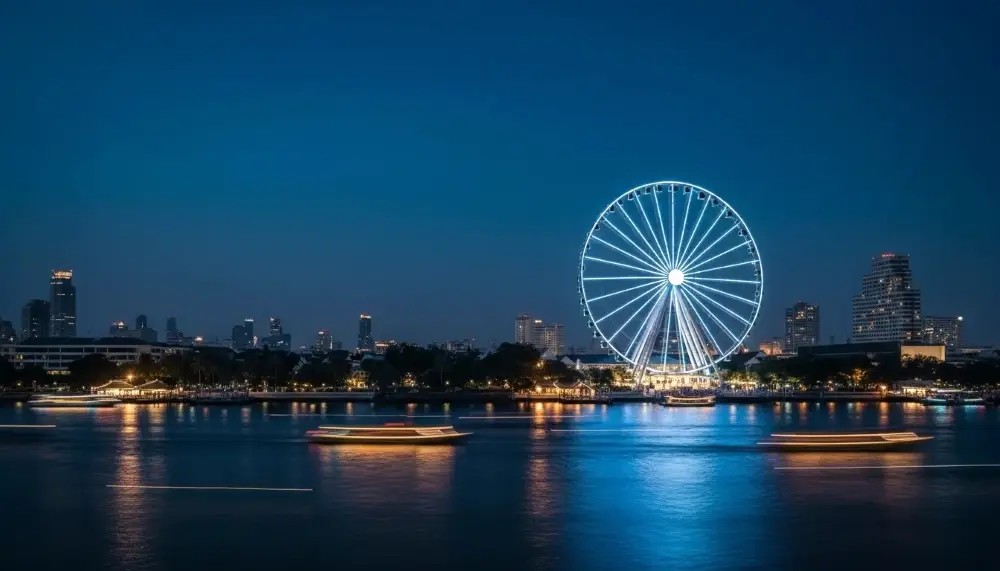
Asiatique The Riverfront
Asiatique effectively blends the open-air energy of a night market with the comfort of a modern shopping complex along the banks of the Chao Phraya River. This is the ideal destination for travelers who want a slightly more polished and organised experience than the chaotic street-side markets found in the city centre.
- Themed Districts: The site is divided into four distinct districts, Charoenkrung, Town Square, Factory, and Waterfront, housing over 1,500 boutiques and 40 restaurants.
- Skyline Landmark: It is home to the iconic Asiatique Sky Ferris wheel, which offers panoramic views of the river and the Bangkok skyline.
- Entertainment Hub: Beyond shopping, you will find the Calypso Cabaret and Muay Thai Live shows, making it a full evening destination.
- Visual Atmosphere: The river views at sunset are stunning, making it one of the most photogenic spots in the city.
Budgeting: Expect prices here to be slightly higher than at Jodd Fairs, reflecting the more polished, tourist-friendly environment. Budget 300 to 600 THB (~$8.60 to $17) per person for food and drinks.
Best Time to Visit: Stalls begin opening at 17:00, but it is best to arrive around 18:00 to catch the sunset over the river.
Getting There: Take the BTS Silom Line to Saphan Taksin Station. From there, board the free shuttle boat at the pier, which takes about 10 minutes.
Chatuchak: Bangkok’s Most Famous Market
No guide to Bangkok markets is complete without covering Chatuchak. With over 15,000 stalls across 35 acres, it is one of the largest markets in the world and the single most visited attraction in Bangkok after the Grand Palace. Entry is free.
The Weekend Market (JJ Market) operates Saturdays and Sundays from 09:00 to 18:00 and is the main event. It covers 27 distinct sections organized by product category: home decor, vintage clothing, plants, antiques, ceramics, food, and more. Navigate by the central Clock Tower to keep your bearings. Arrive by 09:30 before the humidity peaks.
The Friday Night Market operates every Friday from 18:00 to midnight in the adjacent Chatuchak Park area. It is smaller, cooler, and focuses heavily on fashion and contemporary street food. This is the version most relevant to this guide, combining a classic night market atmosphere with the scale only Chatuchak can offer.
Getting there: BTS Mo Chit or MRT Kamphaeng Phet. Both stations drop you at the market entrance. Meals inside the market run 60 to 150 THB (~$1.70 to $4.30) and clothing starts from 150 to 400 THB (~$4.30 to $11.40) per item at independent stalls.
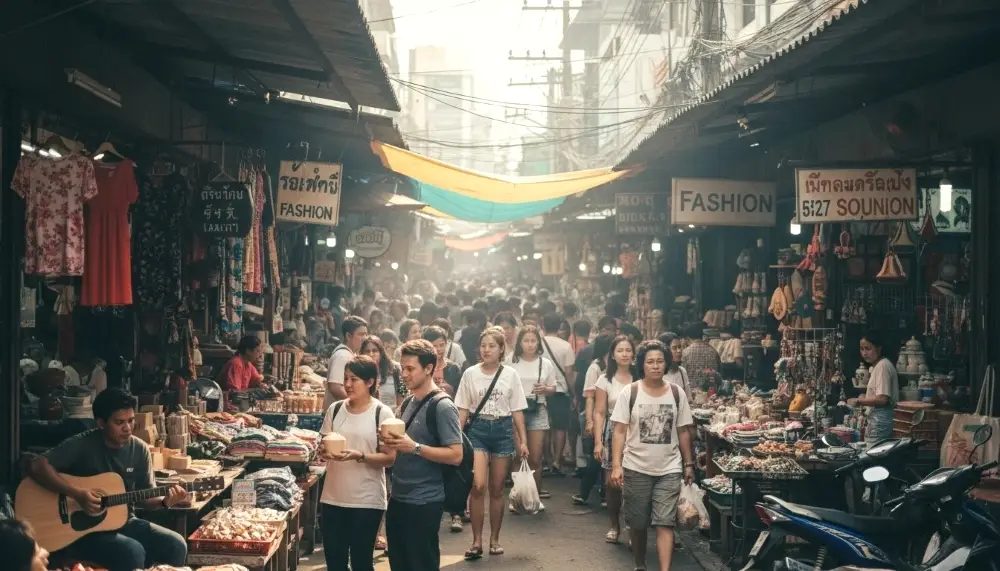
What to Expect When Visiting:
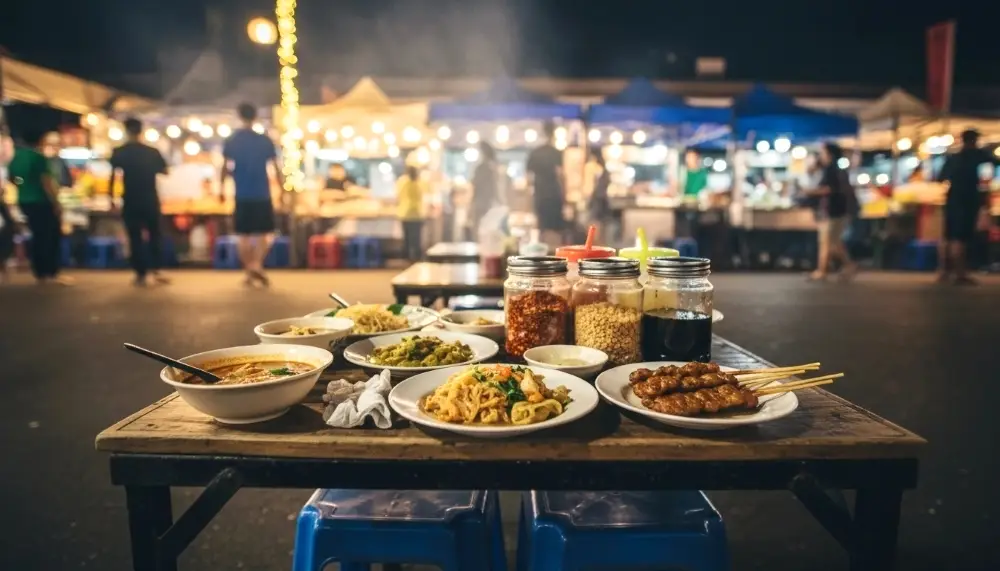
If you have never visited a night market before, the experience might feel a little overwhelming at first, but in the best possible way.
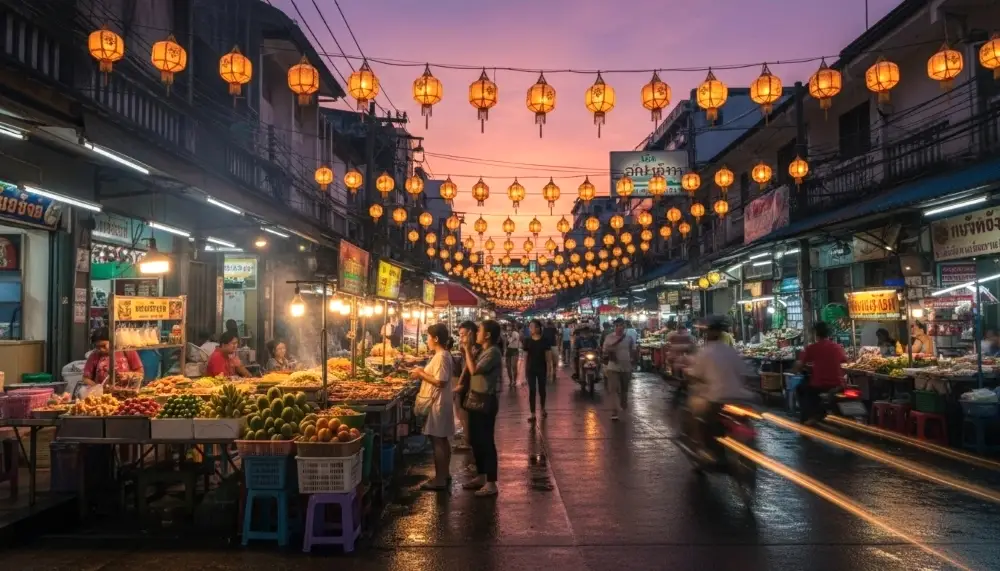
Bright lights, sizzling food, and music fill the air. Vendors greet customers with smiles while grills smoke with fresh seafood and meats.
The best way to explore is simply to wander. There is no strict route or order. Follow whatever catches your attention.
- Bring cash in small notes (20, 50, and 100 THB)
- Arrive around 18:00 to 19:00 for the best atmosphere and cooler temperatures
- Wear comfortable shoes for walking on uneven ground
- Come hungry so you can try multiple dishes across different stalls
Taking your time and experiencing new things is part of the fun.
Cultural Insights: Why They’re Important:
Night markets are more than just tourist attractions. They are an important part of everyday Thai life.
Thailand’s climate is hot during the day, so evenings are when people naturally gather outdoors. Families, couples, and groups of friends meet at markets to eat, shop, and socialise.
Street food culture is also deeply rooted in Thai society. Many locals eat outside the home regularly because the food is affordable (40 to 120 THB / ~$1.15 to $3.40 per dish), fresh, and delicious.
When you visit a night market, you are experiencing something authentic rather than something built purely for tourism.
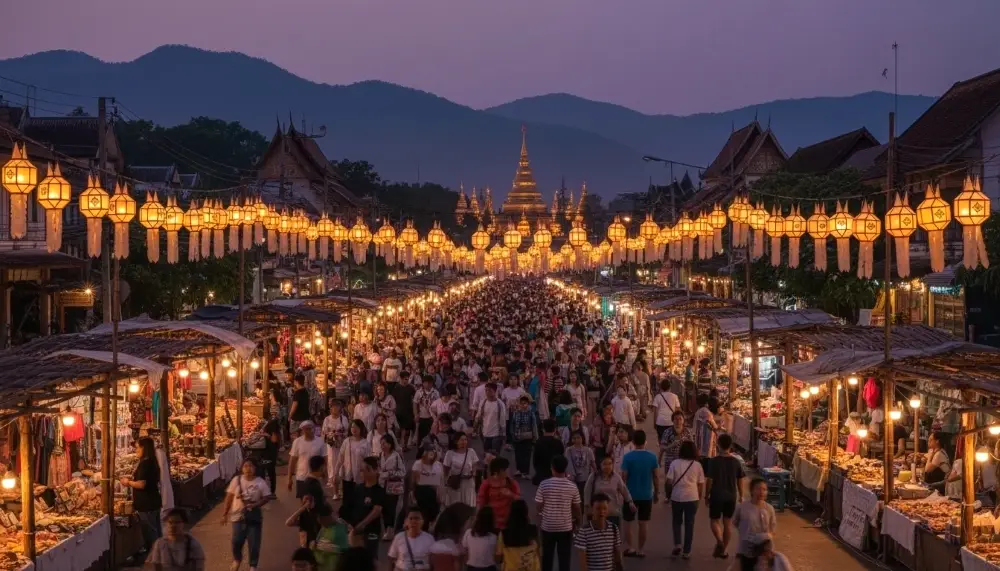
Night Markets Compared:
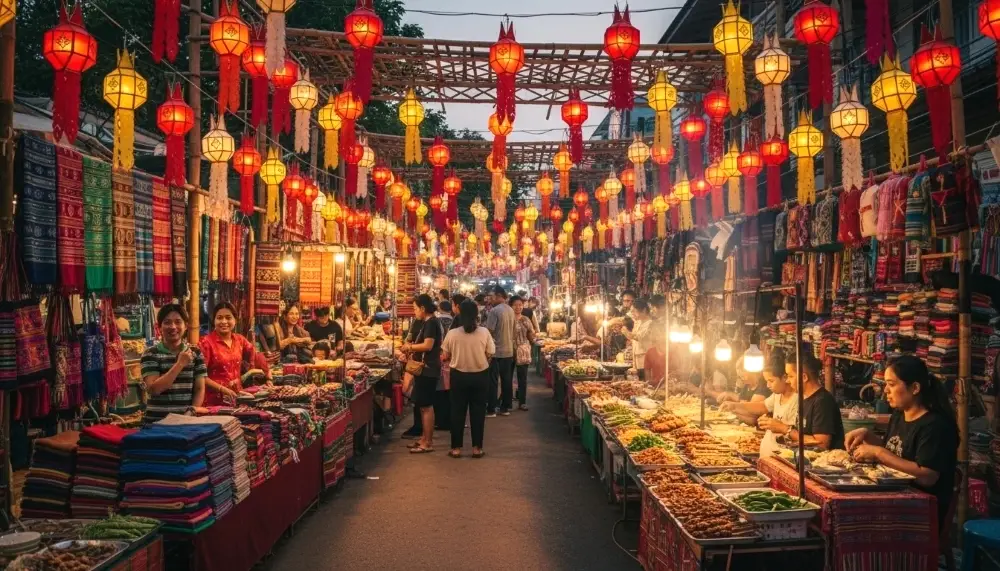
While Bangkok has some of the most famous night markets, they exist throughout Thailand.
In northern Thailand, Chiang Mai is known for its relaxed night bazaars filled with handmade crafts and local art. The Sunday Walking Street in the Old City runs from 16:00 to 22:00 and covers the full length of Wualai Road.
In the southern islands, such as Phuket or Koh Samui, night markets often combine beach-town energy with incredible seafood stalls. Grilled whole fish at a Krabi or Phuket market costs 150 to 350 THB (~$4.30 to $10) depending on size.
Each region adds its own personality, but Bangkok’s markets remain some of the most vibrant and exciting in the country.
If You’re Nervous About Visiting:
First-time travelers sometimes worry about navigating big cities like Bangkok, especially at night.
The good news is that night markets are among the most visitor-friendly places in the city. They are busy and well-lit, full of other travelers, easy to reach by taxi or public transport, and generally very safe environments.
Bangkok is consistently ranked as one of the safer capital cities for international visitors. The night markets are well-lit, family-friendly environments. Security personnel are often present at entrances, and the social energy of the crowd keeps petty crime low.
Standard urban precautions apply. Keep bags zipped and worn to the front in crowded aisles. If a driver refuses to use a meter or claims a market is “closed for a holiday,” politely decline and use a ride-sharing app. The Thai people are famously hospitable. A smile and a “Sawasdee Kha/Krap” go a long way in resolving any minor misunderstandings. Tourist Police number: 1155.
Frequently Asked Questions:
Which night market is best for clothes?
Jodd Fairs and the Friday night version of Chatuchak Market offer the highest density of contemporary fashion at 150 to 600 THB (~$4.30 to $17) per item. For vintage or second-hand items, Srinakarin Train Market is the undisputed leader with clothing starting from 150 THB (~$4.30).
Do I need cash at Bangkok night markets?
Yes. While many vendors now accept mobile payments via PromptPay, this requires a local Thai bank account. International travelers should carry physical THB for the majority of transactions. Carry small notes (20, 50, and 100 THB). Thai ATMs charge a flat 220 THB (~$6.30) per foreign card withdrawal, so withdraw the maximum in a single transaction.
How do I get to the Train Market?
The Srinakarin Train Market is best reached by taking the MRT Yellow Line to the Suan Luang Rama 9 station, followed by a short walk through the Seacon Square parking area. A Grab ride from central Bangkok costs 150 to 250 THB (~$4.30 to $7.15) depending on your starting point.
Are Bangkok night markets open every day?
Most major markets like Jodd Fairs operate daily from 17:00 to midnight. Srinakarin Train Market runs Thursday through Sunday only. Asiatique is open daily from 17:00. Chatuchak Weekend Market operates Saturday and Sunday from 09:00 to 18:00, with the adjacent Friday Night Market running Fridays from 18:00 to midnight.
Is the food safe for tourists?
Yes. High turnover at these markets ensures ingredients are fresh. Follow the local logic: eat where the queues are longest. This indicates both popularity and a high rate of food replacement. Avoid pre-cooked items that have been sitting out in the heat for extended periods.
How much should I budget for a night at Bangkok’s markets?
For a comfortable evening covering food, drinks, and a small purchase at Jodd Fairs or Asiatique, budget 400 to 700 THB (~$11.40 to $20) per person. At Srinakarin Train Market or Chatuchak Friday Night, 300 to 500 THB (~$8.60 to $14.30) per person covers a full evening comfortably. Add 150 to 250 THB (~$4.30 to $7.15) for a Grab ride each way if not using the BTS or MRT.
Which market is best for first-time visitors to Bangkok?
Jodd Fairs DanNeramit is the most accessible and photogenic for first-timers. It is close to a BTS station, well signposted in English, and has wide aisles that make navigating easy even in large crowds. Asiatique is the best choice for couples or families who want a more relaxed atmosphere with river views. Both are open daily.
What is Chatuchak Weekend Market and is it worth visiting?
Yes, absolutely. Chatuchak (JJ Market) is the largest market in Thailand with over 15,000 stalls across 35 acres. Entry is free. It operates Saturday and Sunday from 09:00 to 18:00. The scale is extraordinary but manageable if you navigate by the central Clock Tower and focus on two or three sections. Arrive before 10:00 to beat the humidity and the crowds. Meals inside cost 60 to 150 THB (~$1.70 to $4.30) and clothing starts from 150 THB (~$4.30).
Can I bargain at Bangkok night markets?
Gentle bargaining is acceptable at fixed-stall clothing and souvenir vendors in non-tourist-oriented markets like Srinakarin. A calm, friendly offer of 10 to 20% below the asking price is the standard approach. Do not bargain aggressively for food items. Prices at food stalls are fixed and very fair. Pushing back on a 60 THB (~$1.70) bowl of noodles is considered poor form and embarrassing for the vendor.
What is the best way to get home from a night market?
Use Grab or Bolt for a fixed-price ride. Both apps work reliably across Bangkok and provide transparent pricing before you confirm the booking. Avoid street taxis that refuse to use the meter. At Asiatique, take the free shuttle boat back to the BTS Saphan Taksin pier for the most scenic return. Most markets wind down by midnight, so booking a Grab 20 to 30 minutes before you want to leave avoids the rush.