Thailand Travel Mistakes
This site contains affiliate links. We may earn a commission at no extra cost to you.
Thailand remains one of the world’s most welcoming destinations, yet its popularity inevitably attracts sophisticated opportunistic fraud. As of 2026, scams have evolved from simple street-level tricks to complex digital and regulatory traps. Navigating the Kingdom with authority requires a blend of cultural awareness and modern logistical tools. All prices in this guide use a rate of 35 THB = $1 USD.
Quick Summary:
- Digital Payments: Download Grab or Bolt and use PromptPay QR codes for transparent pricing and to avoid the “no change” or “rigged meter” taxi scams.
- Temple Scams: Ignore anyone claiming a major attraction like Wat Phra Kaew is “closed for the day.” Verify hours only at the official gate.
- Rental Protection: Always photograph and video every angle of a jet ski or scooter before renting to prevent fraudulent “damage” claims.
- Law Enforcement: Real Thai Police do not collect cash fines on the street. If stopped, request to settle the matter at the nearest official station.
- Vaping Ban: E-cigarettes remain illegal in 2026; possession can lead to immediate extortion attempts or heavy official fines up to 30,000 THB (~$857).
- Carry physical copies of your passport and the TDAC (Thailand Digital Arrival Card) for official checks.
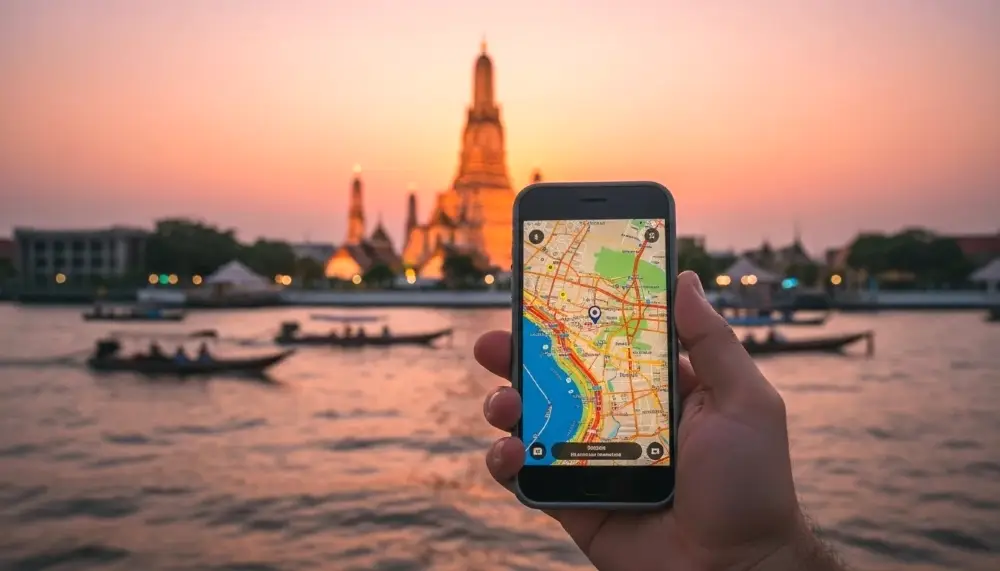
Avoiding scams requires real-time data to verify locations and prices. These are the 2026 tiered options for staying connected. We cover more in-depth in our Thailand SIM Cards & Internet page.
| Feature | The Budget Hero | The Mid-Range Choice | The Pro/Luxury Option |
|---|---|---|---|
| Service | Physical Tourist SIM | Regional eSIM (Yesim) | Starlink Mini / Local Postpaid |
| Best For | Short stays (7–15 days) | Digital Nomads / Multi-country | Remote Professionals / Families |
| 2026 Cost | 299–599 THB (~$8.50–$17) | 800–1,200 THB (~$23–$34) | 2,500+ THB (~$71+) |
| Primary Benefit | Instant local number | No physical swap needed | Guaranteed 5G in remote islands |

Compare hotel prices across Thailand’s
best areas and book with confidence.
Filter by budget, location, or score
to find the right stay for your trip.
Pro Tips For Stress Free Travel:

Currency: THB (Thai Baht) is king. While cards are accepted in resorts, carry cash for longtail boat captains and street food. The standard tip for a porter is 20–50 THB (~$0.60–$1.40), and for a full-day private boat guide, 200–400 THB (~$5.70–$11.40) is a gracious gesture.
Transport: Grab is essential for fixed-price cars. Bolt often offers cheaper rates for bikes.
Bookings: Use Agoda for the best regional discounts on hotels and Klook for island-hopping vouchers and tours.
Connectivity: Install Yesim or an Airalo eSIM before landing. For security on public hotel Wi-Fi, NordVPN is the industry standard.
Storing Luggage? Use Radical Storage. Book storage online at verified local businesses near major train stations and landmarks. The service is straightforward and secure.

Maps, Grab, translation apps all need
data in Thailand. Yesim’s eSIM installs
in a minute and gives you reliable
5G from the moment you arrive.
Common Scams:
The “Attraction is Closed” Scam
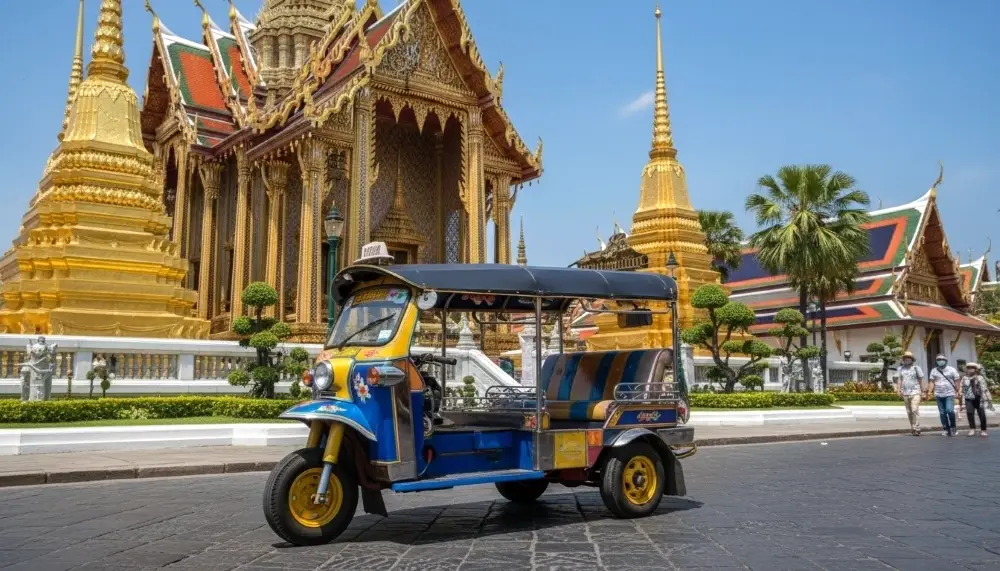
This is the most enduring scam in Bangkok. A well-dressed local or tuk-tuk driver will approach you near the Grand Palace or Wat Pho, claiming the site is closed for a “royal ceremony” or “cleaning day.” They will then offer a discounted tour to a “Lucky Buddha” or a “Government Export Center.”
The Counter: Politely ignore the suggestion and go directly to the official ticket counter. In 2026, major attractions have digital displays at the entrance showing real-time opening status. If you are redirected to a jewelry or tailor shop, realise that the driver is seeking a high commission or a percentage of your purchase. The Grand Palace entrance fee is 500 THB (~$14), paid only at the official counter, never to a stranger on the street.
The Rental Damage Extortion
Common in Phuket, Pattaya, and Koh Samui, this scam involves renting a jet ski or scooter and being charged 20,000–50,000 THB (~$571–$1,429) upon return for “new” scratches. These marks are often pre-existing or applied with water-soluble paint.
The Counter: Never leave your original passport as a deposit. A high-quality colour photocopy and a cash deposit (usually 3,000–5,000 THB / ~$86–$143) are fine for reputable operators. Take a continuous 60-second video of the entire vehicle, including underneath, in front of the owner before signing the contract. If a dispute arises regardless, call the Tourist Police on 1155 immediately rather than paying cash.

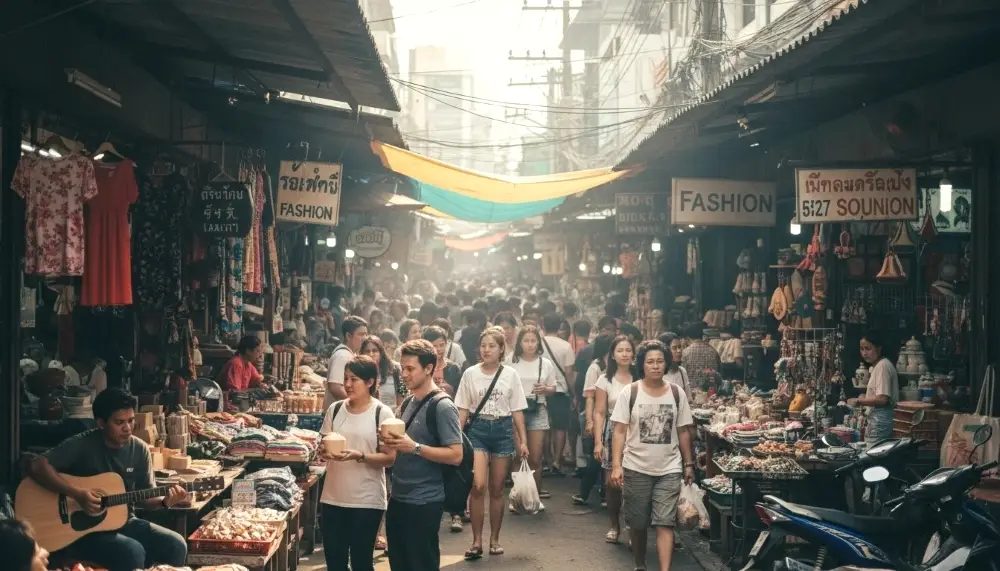
The “Fake Police” and Vaping Trap
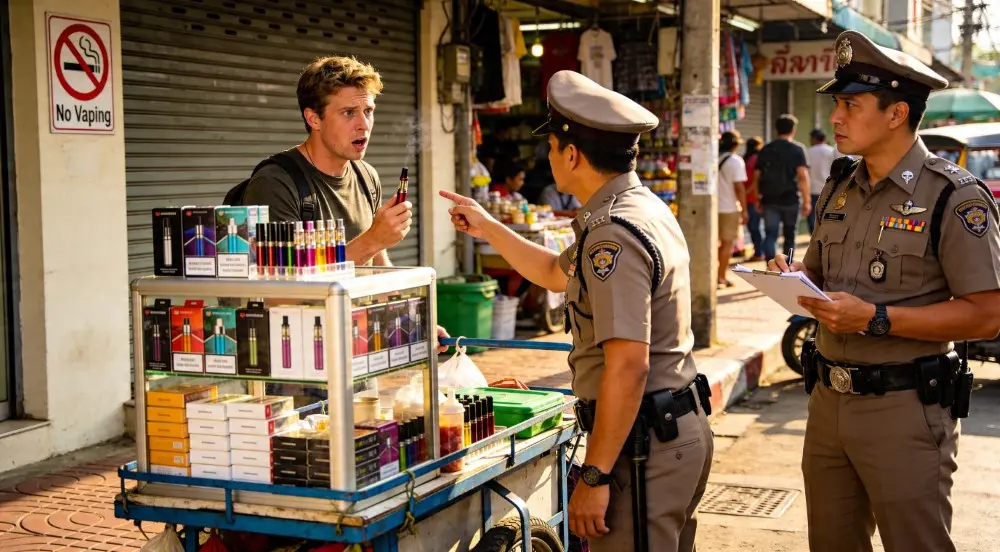
Vaping and e-cigarettes are illegal in Thailand. In 2026, spot checks in nightlife zones like Sukhumvit (Bangkok) or Bangla Road (Phuket) target tourists. Scammers posing as officers, or actual officers seeking on-the-spot fines, may demand up to 30,000 THB (~$857) to avoid arrest.
The Counter: Do not vape in public. If stopped by anyone claiming to be police, politely ask to see their badge. Under Thai law, you have the right to settle official fines at the police station, not on a street corner. Carrying a digital copy of your passport and 2026 entry stamp on your phone is mandatory for identification.
Cultural Context:
Understanding the Thai concept of “Sanuk” (the pursuit of pleasure and harmony) is essential for scam prevention. Thais generally avoid confrontation. If a situation feels like a scam, staying calm and smiling while firmly saying “Mai Pen Rai” (it’s okay/no thank you) is more effective than showing anger. Losing your temper causes “loss of face,” which can escalate a minor overcharging incident into a hostile confrontation.
- Bangkok: High density of “closed temple” and “gem store” scams.
- Chiang Mai: Generally safer, but be wary of overpriced “Elephant Sanctuaries” that do not meet ethical standards. Always verify through official 2026 sustainability registries.
- Phuket & Gulf Islands: High prevalence of transport cartels and rental scams. Prices for short taxi rides can be 3x higher than Bangkok (often 400–600 THB / ~$11–$17 minimum). Use the InDrive app here to negotiate fairer rates.
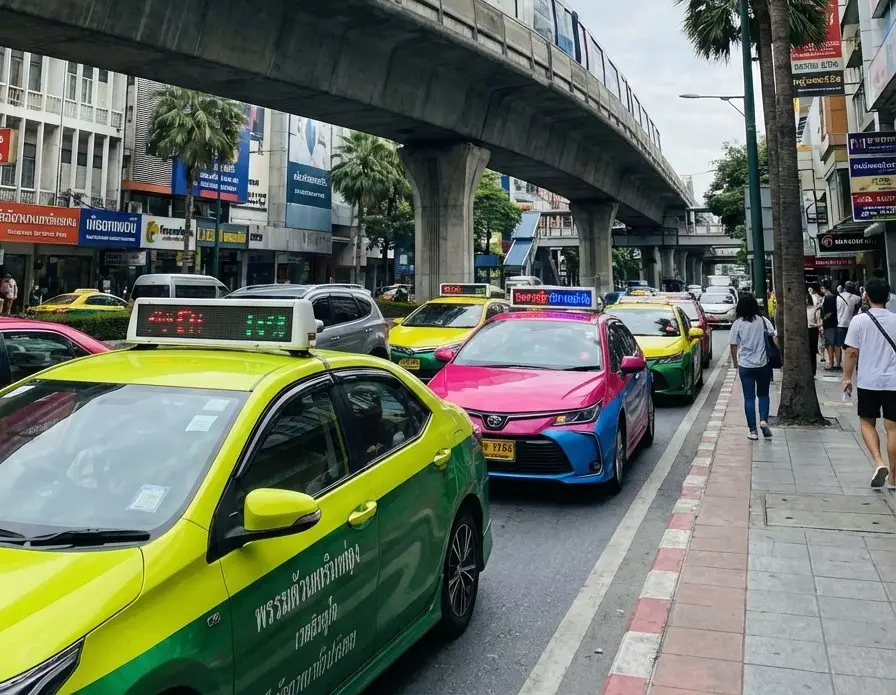
Transportation Price Comparison:
| Transport Type | Base Fare (THB) | 5km Est. Cost (THB) | 5km Est. Cost (USD) | Best For |
|---|---|---|---|---|
| Street Taxi (Metered) | 35–40 | 80–110 | ~$2.30–$3.15 | Spontaneous trips |
| Grab / Bolt App | 45–60 | 95–130 | ~$2.70–$3.70 | Safety and transparency |
| Tuk-Tuk (Negotiated) | 60–100 | 150–300 | ~$4.30–$8.60 | Short novelty rides only |
Trying to See Too Much:

Thailand looks small on a map, but it’s surprisingly large and diverse. A common mistake first-time visitors make is trying to fit too many destinations into one trip.
It’s tempting to plan Bangkok, Chiang Mai, Phuket, Krabi, and several islands all in two weeks. In reality, constant travel can leave you exhausted and rushing through places that deserve more time. Every domestic flight or overnight bus takes a half-day minimum, and that cost adds up fast.
A better approach is to focus on a few key regions. For example:
Giving yourself time to enjoy each destination leads to a far better experience and leaves something for the next trip.
Not Preparing for the Heat:
Thailand’s tropical climate surprises many travelers. Even experienced international visitors sometimes underestimate how hot and humid it can feel, particularly in Bangkok and the south between March and May when temperatures regularly exceed 35°C.
Walking around temples or city streets in the middle of the afternoon sun can quickly become exhausting and, at its worst, genuinely dangerous. Heat exhaustion is more common than illness among first-time visitors.
A few simple habits help enormously:
- Drink at least two to three litres of water per day, more if you are walking in the sun
- Carry oral rehydration salts, available at any 7-Eleven for 30–50 THB (~$0.85–$1.40)
- Take breaks in cafés or shopping malls during the 12–3pm peak heat window
- Wear light, breathable clothing and apply SPF 50 sunscreen before leaving your room
Many locals plan outdoor activities in the morning or evening, which is a great habit for travelers to adopt too.
Ignoring Cultural Etiquette:

Thailand is famously known as the “Land of Smiles,” and Thai people are incredibly welcoming. However, understanding a few cultural customs can help you avoid awkward situations and deepen connections with locals.
Some important etiquette tips include:
- Dress modestly when visiting temples (covered shoulders and knees, sarongs are often loaned at the gate)
- Remove shoes before entering temples and some homes
- Never touch someone’s head, it is considered the most sacred part of the body
- Avoid pointing your feet at people or sacred objects
- Show respect when discussing the royal family, the lèse-majesté law carries serious penalties
These customs aren’t difficult to follow, and Thai people deeply appreciate visitors who make an effort.
Overpacking Your Suitcase:
Many travelers arrive in Thailand with huge suitcases full of clothes and gear they never use.
Thailand is extremely traveler-friendly, and almost anything you need can be bought locally for a very affordable price. Night markets in Chiang Mai sell quality lightweight clothing for 200–500 THB (~$5.70–$14) per item. Laundry services are everywhere, even on small islands, at 40–80 THB (~$1.15–$2.30) per kilogram.
Instead of overpacking, bring:
- Lightweight clothing for 5–7 days and use laundry services for the rest
- Comfortable walking shoes and a pair of slip-on sandals
- A universal power adapter (Thailand uses Type A, B, and C sockets)
- Basic toiletries and medications, everything else is available at any 7-Eleven or Boots pharmacy
Packing light makes moving around the country significantly easier, especially when navigating ferries, sleeper trains, and budget airline baggage allowances.
Only Visiting the Tourist Areas:
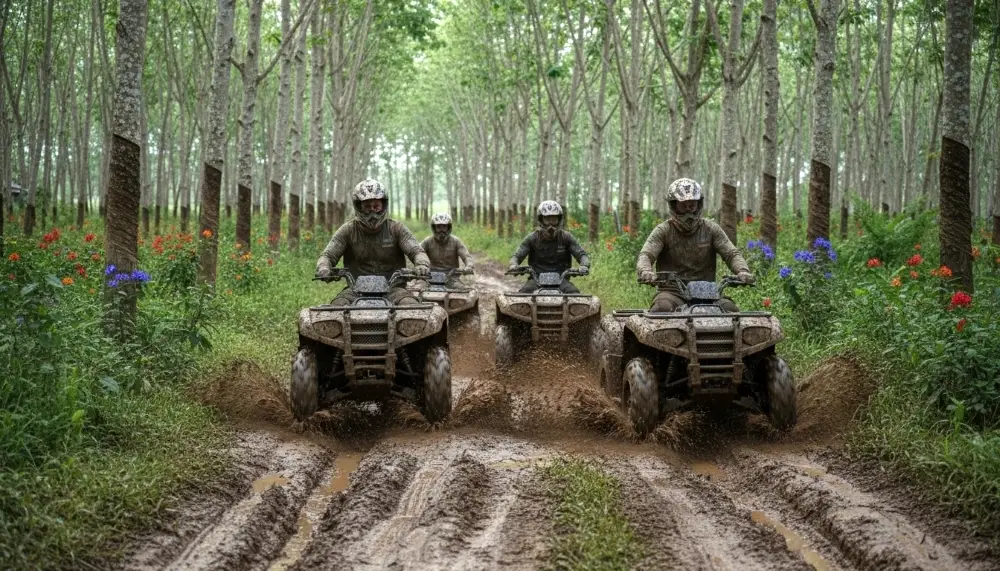
Thailand’s famous destinations are popular for good reason. Bangkok’s temples, Chiang Mai’s mountains, and the southern islands’ beaches are truly spectacular.
However, many travelers miss out on equally beautiful places simply because they stick to the most well-known routes. Prices in heavily tourist areas are also significantly inflated, a plate of Pad Thai on Khao San Road costs 150–200 THB (~$4.30–$5.70) where the identical dish costs 60–80 THB (~$1.70–$2.30) one street over.
Consider exploring places like:
- Smaller islands with fewer crowds (Koh Yao Yai, Koh Mak, Koh Kood)
- National parks and waterfalls (Erawan, Doi Inthanon, Khao Sok)
- Local night markets outside tourist zones (Or Tor Kor in Bangkok, Warorot in Chiang Mai)
- Quiet mountain towns in northern Thailand (Pai, Mae Hong Son, Chiang Rai)
Sometimes the most memorable experiences happen far away from the busiest attractions.
Not Booking Accommodation in Advance:
Thailand’s peak season (December to February) is genuinely competitive for accommodation, particularly in Chiang Mai during festivals like Yi Peng (November) and in the Andaman islands in January. Walking in without a booking and expecting to find something good at a reasonable price is a mistake that costs travelers both money and time.
Even mid-range guesthouses on Koh Lipe or Koh Tao sell out weeks ahead during the Christmas and New Year window. Last-minute availability tends to be either overpriced or in poor locations. The lesson is simple: decide your rough dates, then book.
Agoda has the deepest inventory for boutique guesthouses and island properties that don’t appear on global platforms. For stays where you want the flexibility to cancel, Booking.com has more free-cancellation options. Book at least two to four weeks ahead during peak season, and one week ahead in shoulder months. For the islands specifically, use Radical Storage on arrival days to drop your bag and check in properly once your room is ready.
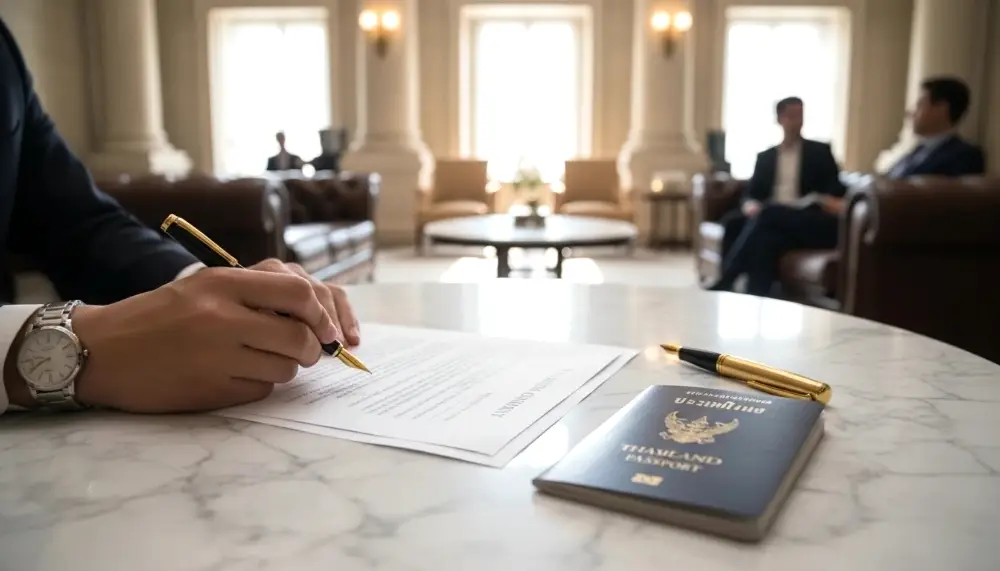
Ignoring the Shoulder Season:
One of the most financially and experientially significant mistakes is only visiting during the peak December to February window. Thailand’s shoulder season (April to June on the Andaman; October to November nationwide) offers the same country for dramatically less money with far fewer crowds.
A mid-range hotel room in Krabi that costs 3,500 THB (~$100) per night in January can drop to 1,800 THB (~$51) in May. Island boat tours go from fully booked to walk-on availability. The beaches are emptier, the operators are more attentive, and even the food stalls have shorter queues.
The key is understanding which coast has good weather when. The Andaman (Phuket, Krabi, Phi Phi) is best November to April. The Gulf (Koh Samui, Koh Phangan, Koh Tao) is sunny May to September. Bangkok and Chiang Mai are fine year-round, though Bangkok in April is extremely hot. A traveler who understands this can build a trip with near-perfect weather at half the peak price.
Forgetting Travel Insurance:
Travel insurance is one of the most commonly skipped items when planning a trip to Thailand, and one of the most regretted when something goes wrong.
Thailand’s private hospitals are excellent, but expensive without coverage. A motorbike accident requiring surgery can cost 150,000–300,000 THB (~$4,300–$8,600). A medical evacuation flight is even more. SafetyWing offers rolling monthly cover from around 1,400 THB (~$40) per month, one of the most cost-effective options for flexible-length stays.
Travel insurance can help cover:
- Medical treatment and hospital stays
- Lost or stolen luggage
- Trip cancellations and delays
- Emergency transport and repatriation
Check that your policy explicitly covers scooter and motorbike riding if you plan to rent one, as many standard policies exclude this. It’s a small expense that provides genuine peace of mind.
Tips for a Smooth Trip:
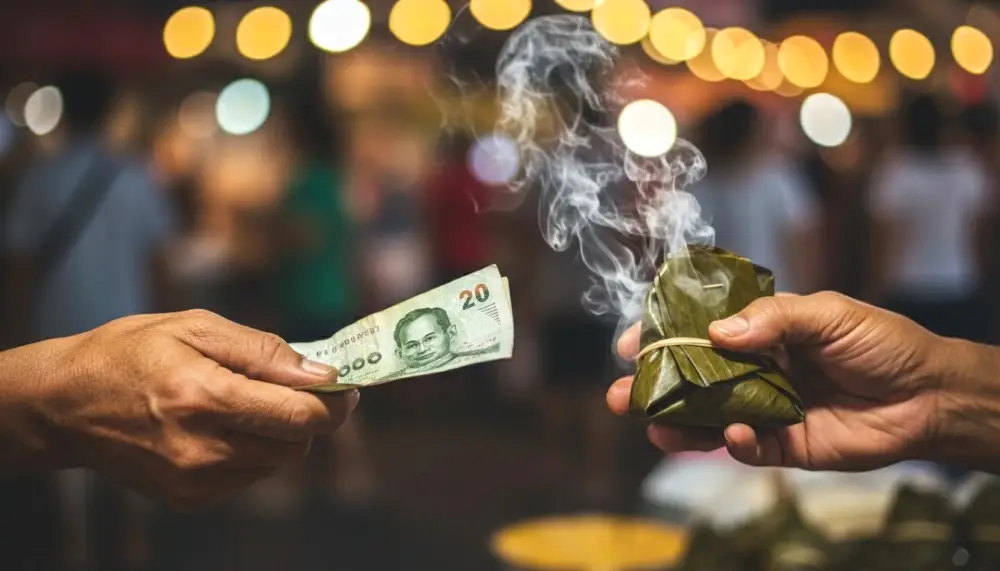
For first-time visitors, the fear of being scammed can create unnecessary anxiety. Thailand is significantly safer than many Western metropolitan areas. To ensure a smooth arrival:
Emergency Contact: Save “1155” in your phone. This is the Tourist Police, who speak English and are specifically trained to handle disputes between foreigners and locals.
Airport Arrival: At Suvarnabhumi (BKK), ignore touts in the arrivals hall. Use the official “Public Taxi” kiosks on Level 1 or book a GrabCar to the designated pickup zone on Level 2. A metered taxi to central Bangkok costs 300–400 THB (~$8.60–$11.40) including the expressway toll of around 75 THB (~$2.15).
Visa Entrance: As of 2026, many nationalities enjoy a 60-day visa exemption. Ensure you have proof of 20,000 THB (~$571) in funds (cash or digital statement) and an onward flight, as entry denial at land crossings is occasionally reported when documentation is incomplete.
FAQ’s
What are the most common scams in Thailand in 2026?
The most persistent scams include the “Attraction is Closed” scam, where drivers redirect tourists to jewelry stores, and the “Rental Damage Extortion” involving jet skis or scooters. In 2026, always check official digital displays at major sites like the Grand Palace for real-time opening hours, and always take a continuous 60-second video of any rental vehicle before signing a contract.
Is vaping legal in Thailand?
No, vaping and e-cigarettes remain strictly illegal in Thailand in 2026. Possession can lead to immediate fines of up to 30,000 THB (~$857), and in some cases, deportation. Police checkpoints are common in tourist hubs like Sukhumvit in Bangkok and Bangla Road in Phuket; it is best to leave all vaping equipment at home.
What is the best way to get around without being overcharged?
To avoid “tourist tax” or rigged meters, use registered ride-hailing apps like Grab, Bolt, or InDrive. These provide transparent, GPS-tracked pricing. For public transport in Bangkok, use the ViaBus app for real-time bus tracking or the BTS/MRT lines, which are clean, fast, and cost between 20–60 THB (~$0.60–$1.70) per trip.
Do I need to carry a lot of cash in Thailand?
While Thailand is increasingly cashless via PromptPay, cash is still essential for street food, local markets, and island hopping. Avoid carrying more than 10,000 THB (~$286) in cash for safety. Use a digital wallet or a prepaid PAY&TOUR card for daily expenses, and only withdraw large amounts (20,000+ THB) from ATMs to minimize the flat 220 THB (~$6.30) withdrawal fee.
What should I do if I have a problem with a vendor or taxi?
If you encounter a serious issue, contact the Tourist Police by dialing 1155. They are specifically trained to handle disputes between visitors and locals and usually speak excellent English. For minor transport issues, simply report the driver through the Grab or Bolt app interface.
Do I need to carry my physical passport everywhere?
While Thai law requires carrying identification, a high-quality colour photocopy or a clear digital scan on your phone is generally accepted by authorities. Keep the original in a secure hotel safe.
What should I do if a Jet Ski operator claims I damaged the craft?
Never hand over your passport as collateral for a rental. Before departing, take a high-resolution video of the craft, including the underside. If an issue arises, involve the Tourist Police (1155) immediately rather than paying cash on the spot.
Are there specific areas to avoid for safety?
Most of Thailand is exceptionally safe. However, exercise a higher degree of caution in the deep south provinces (Yala, Pattani, Narathiwat) due to ongoing regional instability.