Chiang Mai Jungle Treks
This site contains affiliate links. We may earn a commission at no extra cost to you.
Chiang Mai jungle treks offer travelers the chance to step into Thailand’s natural heart. Surrounded by misty forests and mountain landscapes, these treks combine adventure, culture, and unforgettable scenery. All prices in this guide use a rate of 35 THB = $1 USD.
If you are looking for an experience that feels authentic, exciting, and surprisingly accessible for beginners, a jungle trek in northern Thailand might become the highlight of your entire trip.
Quick Overview: Are Jungle Treks Worth It?
Yes. Chiang Mai jungle treks are one of the most rewarding activities in northern Thailand, especially for first-time visitors wanting to experience nature and local culture in a single trip.
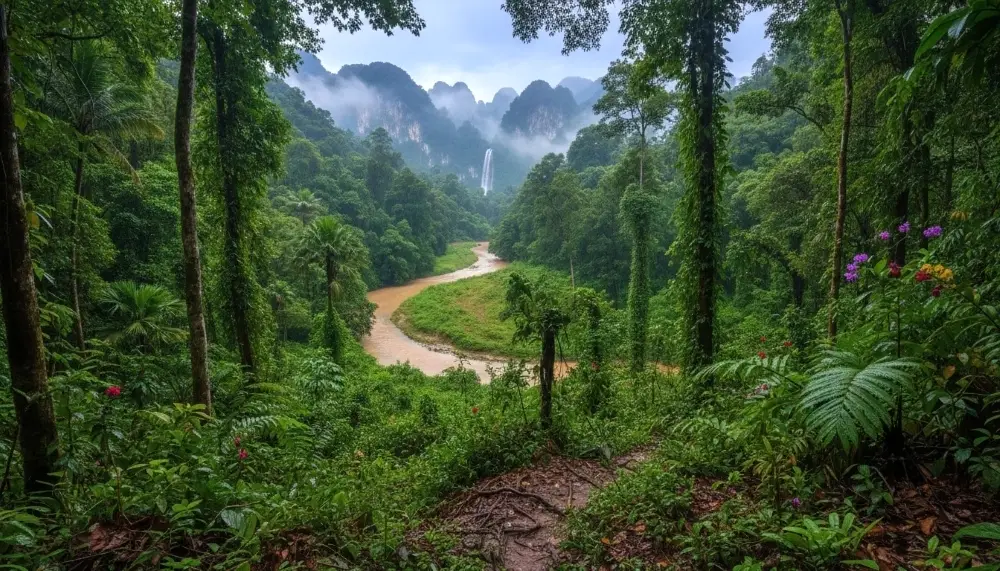
Typical jungle treks include guided hikes through tropical forest, visits to traditional hill tribe villages, swimming at jungle waterfalls, bamboo rafting along mountain rivers, and overnight stays in remote villages.
Daily Budget: Sustainable guided treks range from 1,500 to 3,500 THB (~$42.85 to $100) per day depending on group size and whether the trek is a day trip or overnight. See the comparison table below for a full breakdown by region.
Ethical Standards: Prioritise operators with certified TAT licenses and those who prohibit animal riding or exploitative village visits. Book through Klook or Get Your Guide for verified, reviewed operators with transparent cancellation policies.

Lock in your Chiang Mai accommodation
early and beat peak-season price hikes.
Agoda’s filters let you compare options
side by side before you commit.
The Most Sustainable Trekking Regions:
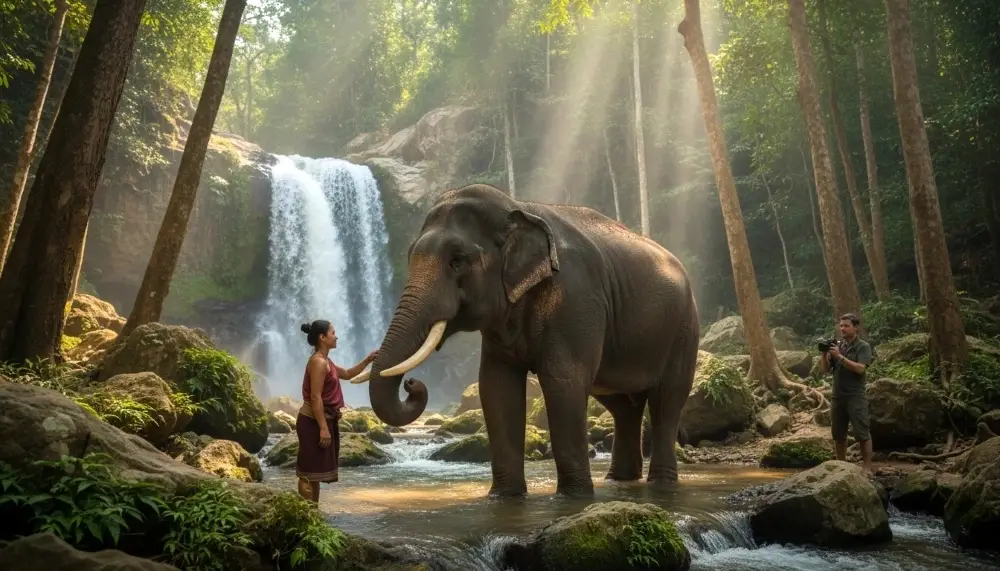
The most sustainable hiking routes in Chiang Mai are found within Doi Inthanon National Park, Mae Tang, and Mae Wang. These regions prioritise community-based tourism where trekking fees directly fund village infrastructure and conservation efforts. High-altitude trails like Kew Mae Pan offer protected boardwalks to prevent soil erosion and preserve rare alpine flora.
Choosing the right valley defines the experience. While Mae Tang is famous for its river rapids and dense forest cover at a cost of around 1,500 to 2,500 THB (~$42.85 to $71.40) per person per day, it can become crowded during peak season (November to February). For a more secluded encounter with nature, the rugged terrain of Chiang Dao offers a challenging ascent toward Thailand’s third-highest peak at around 2,000 to 3,200 THB (~$57.15 to $91.40) per person per day.

GetYourGuide has Chiang Mai’s best
tours and experiences covered with
verified operators and instant
mobile vouchers on arrival.
Comparative Trekking Overview:
| Region | Difficulty | Primary Terrain | Cost Per Day (THB) | Cost Per Day (USD) |
|---|---|---|---|---|
| Mae Wang | Easy to Moderate | Bamboo Forest and Waterfalls | 1,500 to 1,800 THB | ~$42.85 to $51.40 |
| Mae Tang | Easy to Moderate | River Valleys and Village Trails | 1,500 to 2,500 THB | ~$42.85 to $71.40 |
| Doi Inthanon | Moderate | Cloud Forest and Alpine | 2,000 to 2,500 THB | ~$57.15 to $71.40 |
| Chiang Dao | Challenging | Limestone Karst and Ridges | 2,500 to 3,500 THB | ~$71.40 to $100 |
Ethical Village Encounters:
Sustainable trekking relies on respectful engagement with indigenous hill tribes, including the Karen, Lahu, and Akha people. Authentic operators facilitate cultural exchanges that avoid exploitative dynamics. Success in these interactions requires adhering to local customs: modest dress, asking permission before photography, and supporting local artisans through direct purchases rather than buying from city intermediaries.
The Thai spirit is defined by “Kreng Jai,” a deep consideration for others. When entering a remote village, remove shoes before stepping into a home. While tipping is not a traditional Thai custom, a tip of 100 to 200 THB (~$2.85 to $5.70) per day for your guide is considered generous and directly supplements their income. Be aware of “Plus Plus” charges (written as ++) in high-end lodges, which indicate an additional 10% service charge and 7% VAT on the listed price.

Book Chiang Mai day trips, attractions,
and activities in one place. Check
real reviews and lock in your spot
before the popular slots go.
What You’ll See on a Jungle Trek:

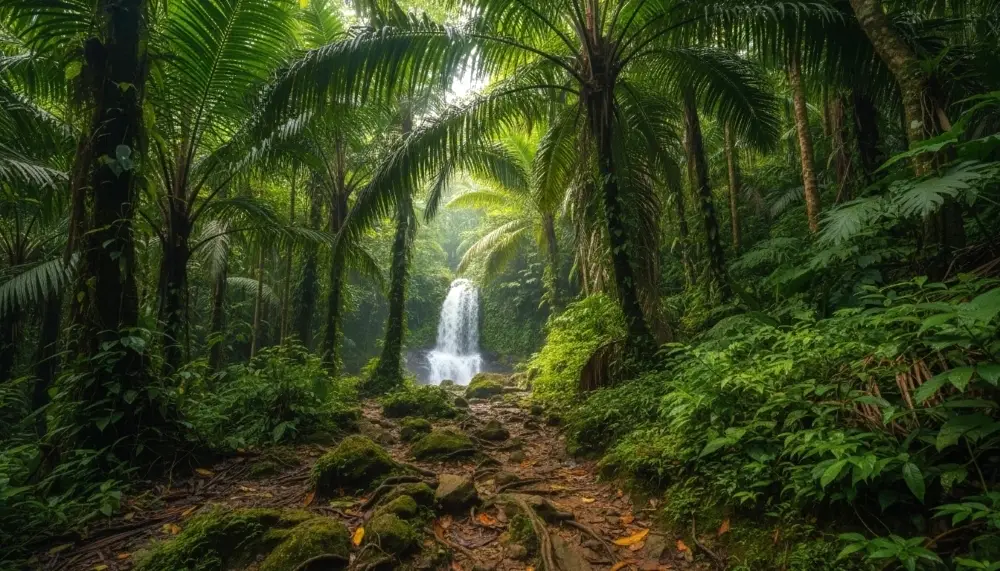
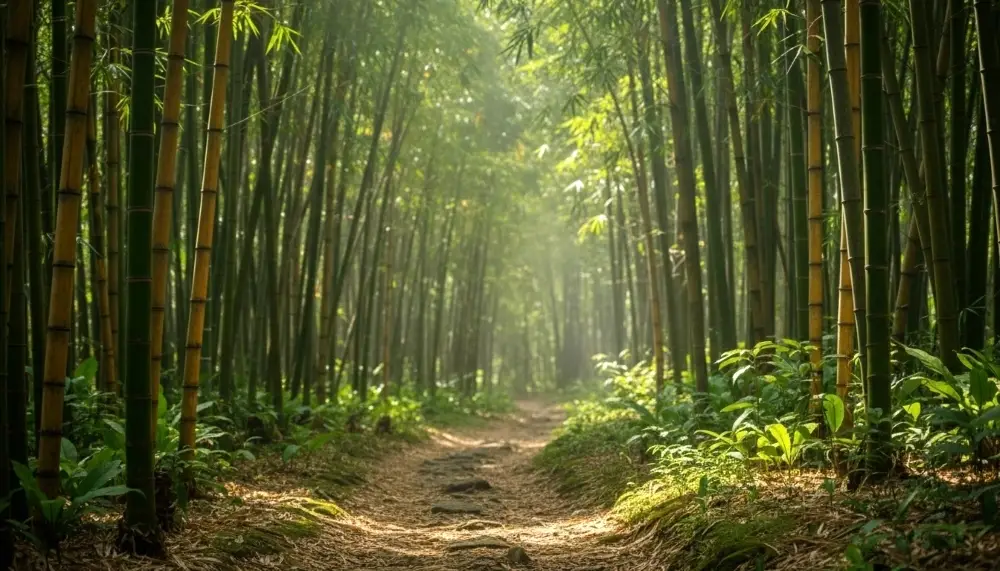
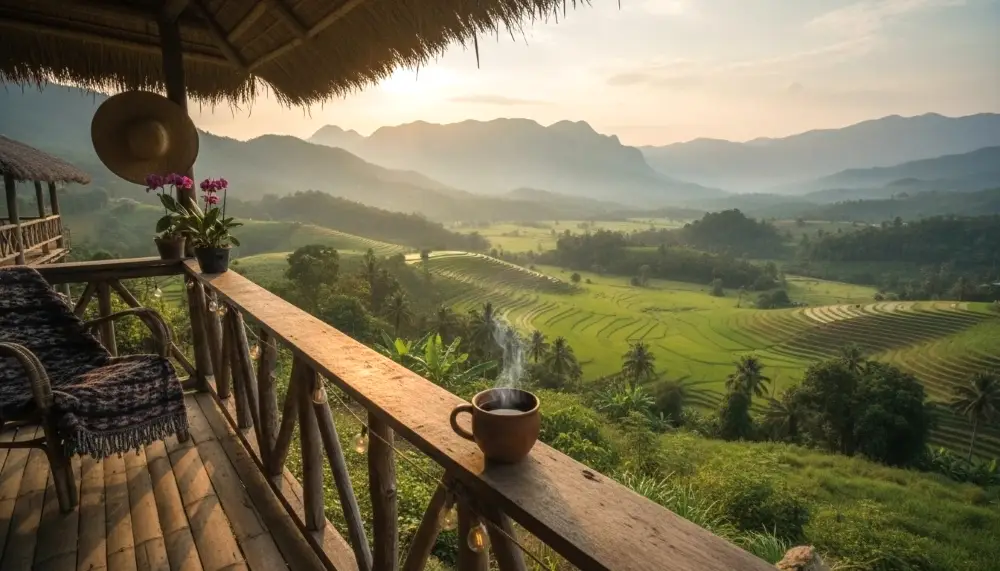
One of the most exciting parts of trekking around Chiang Mai is the variety of experiences packed into a single journey. As you hike through the jungle, you may encounter dense bamboo forests, huge tropical trees and jungle vines, hidden waterfalls perfect for swimming, mountain viewpoints over misty valleys, and small farms and rice terraces.
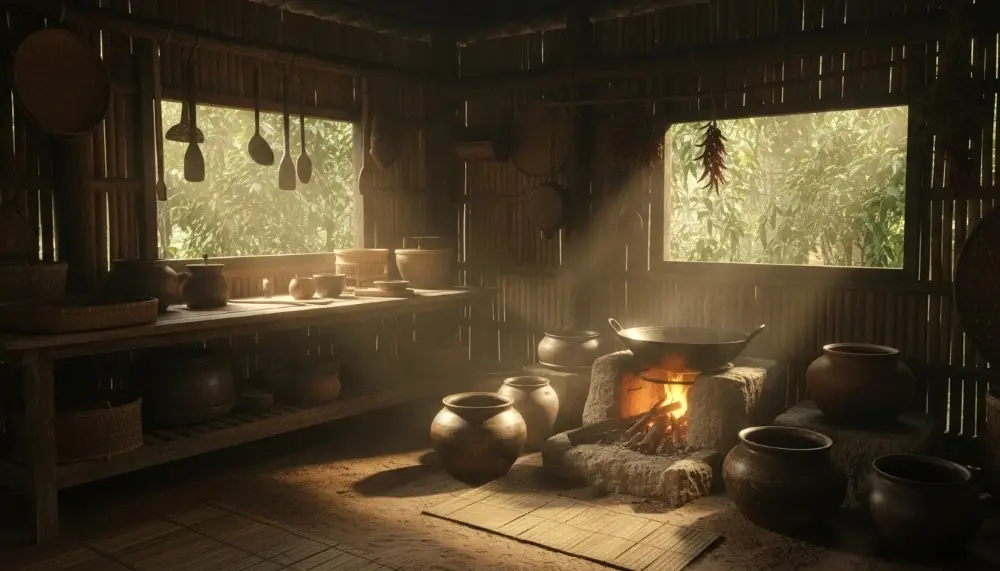
Many treks also visit hill tribe villages, home to communities such as the Karen, Hmong, and Lahu people. These visits offer a rare glimpse into rural mountain life in northern Thailand. Homes are often built from wood or bamboo, and daily life revolves around farming, cooking, and community. Responsible trekking tours treat these visits respectfully and support the villages economically through direct fee contributions typically of 200 to 500 THB (~$5.70 to $14.30) per group per village, paid directly to the community.

Airalo covers Chiang Mai with a range of
data plans from days to a month.
No physical SIM swap, no roaming
bill shock when you get back home.
Equipment and Gear for the Tropical Canopy:
Effective jungle trekking requires lightweight, moisture-wicking synthetic clothing to combat 80% humidity. Essential gear includes broken-in trail runners with high-grip lugs, a 20L waterproof dry bag for electronics, and DEET-free insect repellent. Sturdy trekking poles are recommended for navigating steep, muddy descents during the monsoon season (June to October).
Avoid the tourist trap of buying cheap plastic ponchos at convenience stores. These tear easily and contribute to plastic waste. Invest in a reusable, breathable rain shell. For those venturing into the Mae Sa Valley or deeper into the Omkoi District, leech socks at 100 to 200 THB (~$2.85 to $5.70) per pair are a practical addition during the wet months. Most reputable trek operators supply basic first aid kits, but carrying personal blister plasters and rehydration sachets for multi-day routes is advisable.

Affordable Chiang Mai data without the
tourist SIM hassle. Saily’s eSIM
works on most modern phones and
tops up remotely whenever needed.
Pro Tips For Stress Free Travel:

Transport: Use Grab for fixed-price transparency from your hotel to the trek departure point, or Red Songthaew truck taxis for short city hops at 30 to 40 THB (~$0.86 to $1.15) per person.
Finance: Withdraw cash in large amounts to minimise the 220 THB (~$6.30) ATM fee for foreign cards. Park fees, guide tips, and village contributions all require THB cash. Most trek operators accept card payment upfront but require cash for on-trail expenses.
Connectivity: NordVPN is essential for maintaining secure access to banking apps while using public Wi-Fi in Chiang Mai cafes before and after your trek. Download offline maps before departing as mobile signal is unreliable above 1,500 metres.
Booking: Agoda often provides the most competitive rates for regional boutique stays and eco-lodges in Mae Tang, Mae Wang, and Chiang Dao. Book accommodation the night before and after your trek to avoid same-day logistics stress.

Maps, Grab, translation apps all need
data in Chiang Mai. Yesim’s eSIM installs
in a minute and gives you reliable
5G from the moment you arrive.
What Jungle Trekking Is Actually Like:
Many first-time visitors imagine trekking through extremely difficult terrain, but most Chiang Mai jungle treks are designed to be enjoyable rather than exhausting. Guides set a relaxed pace with frequent breaks and adjust the route based on the group’s fitness level.
Typical trekking days include morning hiking through forest trails, lunch prepared by your guide (included in most tour packages), afternoon walks to waterfalls or villages, and evenings spent relaxing in a village or lodge. On overnight treks, accommodation in a Karen or Lahu village homestay costs approximately 300 to 500 THB (~$8.55 to $14.30) per person per night, usually included in the tour package price. It is more about the experience than intense physical challenge.
How to Book a Chiang Mai Jungle Trek:
The easiest and safest way to book is through Klook or Get Your Guide, both of which list verified operators with recent reviews, transparent itineraries, and free cancellation on most listings. This removes the guesswork of walking into a Tha Phae Gate guesthouse and handing cash to an unknown operator.
What a standard package includes: A reputable day trek package at 1,500 to 2,500 THB (~$42.85 to $71.40) per person should include hotel pickup, English-speaking guide, all transport, lunch, drinking water, national park entry fees where applicable, and bamboo rafting or waterfall swimming. An overnight package at 2,500 to 3,500 THB (~$71.40 to $100) per person adds village homestay accommodation and dinner and breakfast cooked by the guide.
Questions to ask before booking: Does the operator hold a valid TAT licence? Are any animals involved in the tour? What is the group size limit? (Fewer than 10 is ideal.) Does the tour include village contribution fees, or are these additional? Are guides from the communities they visit? Operators that answer these questions transparently are almost always the best choice regardless of price.
A Chiang Dao Trek: The Advanced Alternative
For travelers who have done the standard Mae Tang valley trek and want something more challenging, Chiang Dao is the answer. Located approximately 70 kilometres north of Chiang Mai, the Chiang Dao Wildlife Sanctuary sits at the base of Doi Chiang Dao, Thailand’s third-highest peak at 2,195 metres. The terrain is dramatically different from the bamboo forest treks: expect exposed limestone ridges, cave systems, and genuine altitude.
The cave system: The Chiang Dao Caves are one of the longest cave systems in Thailand and accessible with a local guide for 40 to 100 THB (~$1.15 to $2.85) per person depending on the route chosen. The cave entrance is free. The surrounding forest and limestone karst landscape makes even the approach trail scenic enough to justify the drive.
The summit trek: A guided summit attempt of Doi Chiang Dao requires a full day or overnight with a registered wildlife sanctuary guide, mandatory for all routes above the cave level. Costs run 2,500 to 3,500 THB (~$71.40 to $100) per person for a guided day summit or 3,000 to 4,500 THB (~$85.70 to $128.55) for an overnight with camping. The summit provides panoramic views over the Thai-Myanmar border ranges on clear mornings between November and January. This is not a beginner route. Reasonable fitness and appropriate footwear are essential. Book through Klook or directly with Chiang Dao guesthouses who maintain relationships with registered local guides.
What to Pack for a Jungle Trek:
Packing the right gear makes a significant difference in comfort. Essentials include lightweight hiking shoes or trainers with grip soles, breathable clothing in long sleeves and trousers for sun and insect protection, a rain jacket (especially June to October), DEET-free insect repellent, sunscreen and a hat, and a reusable water bottle.
If you are doing an overnight trek, most tours provide bedding and meals so you only need a small daypack of 20 to 30 litres with personal items. Your guide carries cooking equipment and supplies. For a Chiang Dao summit attempt, add a light fleece or thermal layer as temperatures above 1,800 metres drop to 10 to 15°C even in the dry season. Local Chiang Mai night markets sell trekking-appropriate trousers, hats, and lightweight rain shells at 150 to 400 THB (~$4.30 to $11.40) per item.
Understanding Hill Tribe Culture:
Many jungle treks involve visits to hill tribe villages, and it is important for travelers to approach these experiences respectfully. These communities have unique languages, traditions, and lifestyles shaped by the mountain environment. They are not tourist attractions and should not be treated as such.
A few helpful cultural tips: always ask before taking photos of people, dress modestly when visiting villages (covered shoulders and knees), support local crafts if you choose to buy souvenirs at 100 to 600 THB (~$2.85 to $17.15) per piece, and listen to your guide’s advice about cultural etiquette. Most villagers are welcoming and curious about visitors, especially when tourism helps support the local economy through direct contributions rather than being siphoned off by city operators.
Is Jungle Trekking Safe for First-Timers?
This is a common concern, especially for people visiting Thailand for the first time. The reassuring answer is that jungle treks around Chiang Mai are generally very safe when done with reputable, licensed guides. Professional trekking companies provide experienced local guides, clear routes on known trails, transportation to and from Chiang Mai, and food, water, and overnight arrangements on multi-day routes.
Thailand is one of the easiest countries in Southeast Asia for first-time travelers, and trekking tours are designed to be comfortable even for beginners. Tourist Police are reachable on 1155 throughout the northern region. For the more challenging Chiang Dao routes, operators will advise if a participant’s fitness level is unsuitable and most will offer alternative routes without pressure.
When Is the Best Time for Jungle Trekking?
Northern Thailand has three main seasons that affect trekking conditions.
Cool season (November to February): This is the most popular time for trekking, with temperatures of 15 to 25°C and clear skies. Book treks and accommodation at least one to two weeks in advance as popular Mae Tang and Chiang Dao operators fill quickly.
Hot season (March to May): Trails can be warm but jungle shade helps. Early morning departures at 07:00 are common. Avoid March to mid-April specifically as agricultural burning creates hazardous air quality across the entire north.
Green season (June to October): The forest becomes incredibly lush, and waterfalls are at their most powerful. Expect occasional rain showers and bring leech socks for low-lying trails. Many travelers find the green season trek more dramatic and atmospheric, and tour prices are typically 10 to 20% lower than peak season.

Why Jungle Treks Become a Highlight:
Many travelers come to Thailand expecting temples, markets, and beaches, and those experiences are wonderful. But a jungle trek offers something different. Walking through misty mountain forests, sharing meals with local families, and swimming in hidden waterfalls creates memories that feel far more personal than typical sightseeing.
It is an adventure that connects you with the natural and cultural side of Thailand. A standard two-day one-night trek from Chiang Mai at 2,500 to 3,000 THB (~$71.40 to $85.70) per person covering a hill tribe village visit, waterfall swim, bamboo rafting, and jungle hiking consistently ranks as the most memorable single experience in post-trip surveys of northern Thailand visitors.
FAQ: Frequently Asked Questions
What is the best month to hike in Chiang Mai?
November to February offers the best conditions with temperatures of 15 to 25°C and clear skies. Avoid the Burning Season from March to mid-April when air quality drops significantly due to agricultural fires across the north. The green season (June to October) is the most dramatic visually, with lush forest and powerful waterfalls, and trek prices are typically 10 to 20% lower than peak season.
Do I need a guide for Chiang Mai treks?
Short nature trails like the Monk’s Trail up Doi Suthep can be done solo. Deep jungle routes in Mae Tang, Mae Wang, and Chiang Dao require a licensed guide. It is a legal requirement in National Parks to ensure hiker safety and environmental protection. A qualified guide costs 800 to 1,500 THB (~$22.85 to $42.85) per day depending on the route.
How do I avoid greenwashed tours?
Look for operators who provide detailed information on waste management, community profit-sharing, and TAT licence numbers. Avoid any tour that includes elephant riding, circus shows, or ‘long-neck tribe’ photography sessions, as these are clear indicators of non-sustainable practices. Booking through Klook or Get Your Guide gives you access to verified operator reviews from recent visitors.
Is tap water safe to drink on the trail?
No. Always use filtered water or purification tablets. Most sustainable tours provide large refillable glass or stainless steel jugs to minimise single-use plastic bottles. Bring a personal 750ml to 1 litre reusable water bottle. Bottled water is available at trailhead villages for 15 to 25 THB (~$0.43 to $0.71) as a backup.
Are there leeches in the Chiang Mai mountains?
Leeches are common during the rainy season (June to October) in damp, low-lying areas near rivers and streams. They are harmless but can be startling. High-top socks and insect repellent are effective deterrents. Leech socks cost 100 to 200 THB (~$2.85 to $5.70) at Chiang Mai outdoor shops or night markets.
What does a typical jungle trek package include?
A standard day trek at 1,500 to 2,500 THB (~$42.85 to $71.40) per person should include hotel pickup, English-speaking guide, all transport, lunch, drinking water, national park entry fees, and one activity such as bamboo rafting or waterfall swimming. An overnight package at 2,500 to 3,500 THB (~$71.40 to $100) per person adds village homestay accommodation, dinner, and breakfast cooked by the guide.
What is the Chiang Dao trek and is it suitable for beginners?
The Chiang Dao trek involves the Chiang Dao Wildlife Sanctuary and Doi Chiang Dao, Thailand’s third-highest peak at 2,195 metres. The cave system entry is accessible to all ability levels for 40 to 100 THB (~$1.15 to $2.85) per person. The summit trek is a challenging full-day or overnight route (2,500 to 4,500 THB / ~$71.40 to $128.55 per person with a registered guide) and requires reasonable fitness. It is not recommended for complete beginners or those with knee problems.
How far in advance should I book a jungle trek?
During peak season (November to February), book at least 1 to 2 weeks in advance, especially for popular routes in Mae Tang and overnight village stays. During the green season (June to October), same-day or next-day bookings are often possible. Booking through Klook or Get Your Guide gives free cancellation on most listings, allowing flexibility if your plans change.
Can I do a jungle trek if I have never hiked before?
Yes. Most Chiang Mai jungle treks are designed for general fitness levels, not experienced hikers. Guides set a relaxed pace with frequent breaks. The standard Mae Wang or Mae Tang day trek covers 5 to 10 kilometres over 4 to 6 hours of walking. For beginners, choose a day trek at 1,500 to 2,000 THB (~$42.85 to $57.15) before committing to an overnight route.
Is travel insurance necessary for jungle trekking in Chiang Mai?
Yes, strongly recommended. Standard travel insurance covering medical evacuation is essential for overnight and summit treks in remote areas. Ensure the policy explicitly covers trekking at altitude. Emergency helicopter evacuation from Chiang Dao or Doi Inthanon costs significantly more than any insurance premium. Check that your policy covers medical costs of at least 1,000,000 THB (~$28,570) for hospitalisation.