Thailand Packing List
This site contains affiliate links. We may earn a commission at no extra cost to you.
Planning your first trip to Thailand is an exciting moment. Images of golden temples, bustling street markets, tropical beaches, and lush mountains start filling your mind. But before the adventure begins, there is one practical step that helps ensure a smooth journey: packing the right things. All prices in this guide use a rate of 35 THB = $1 USD.
Thailand is an easy country to travel in, and most items can be purchased locally if needed. Still, bringing a few essentials will make your first days far more comfortable, whether you are wandering through Bangkok’s lively streets, exploring Chiang Mai’s temples, or relaxing on the turquoise islands in the south.
The Quick Summary:
If you want the short answer: pack light, breathable clothing, comfortable walking shoes, sun protection, travel documents, and a few health essentials.
- Climate Strategy: Prioritize linen, silk, and quick-dry technical fabrics for 30°C humidity. Denim and heavy synthetics are a mistake.
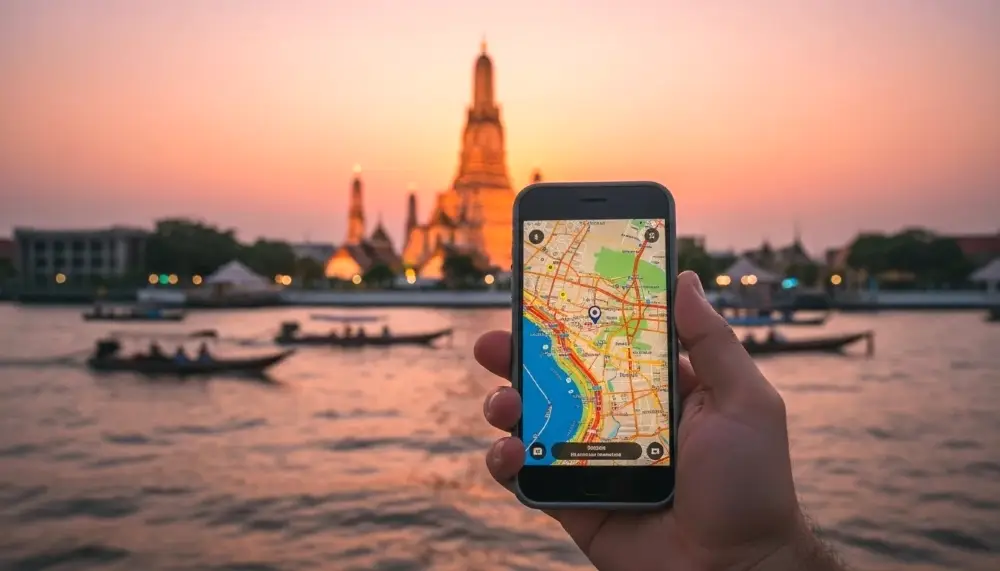
- Digital Essentials: Pre-load Grab, Bolt, and Yesim for seamless local navigation and data before landing.
- Cultural Must-Haves: Modest attire for temples is non-negotiable. Cover shoulders and knees.
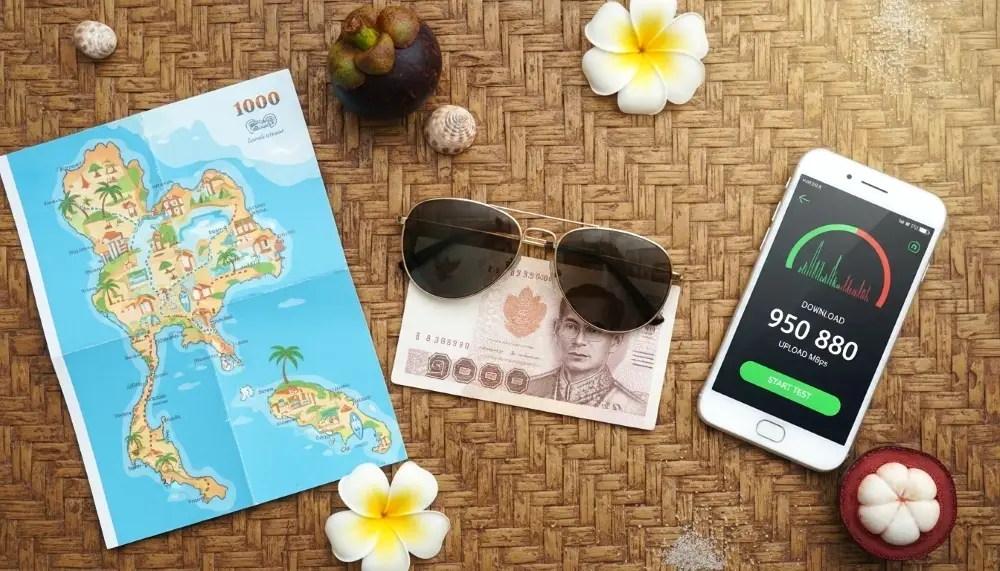
- Cash is King: Always carry small denominations of THB for street food and local markets. Thai ATMs charge 220 THB (~$6.30) per foreign card withdrawal.

Stay closer to the action in Thailand.
Agoda lists guesthouses to resorts
with verified reviews and instant
booking at competitive rates.
Documentation and Security:
Entry into Thailand in 2026 requires a passport with six months validity and proof of onward travel. Digital nomads should utilize the Destination Thailand Visa (DTV) for five-year flexibility, while tourists often enter under visa-exempt status. Maintain a digital backup of all documents on a secure cloud server and carry 20,000 THB (~$571) in cash to satisfy potential immigration spot checks.
The administrative landscape of Thailand has shifted toward digital integration. While physical passports remain the primary identity document, the Thai e-Visa system is now the standard for pre-arrival applications.
Essential Documents
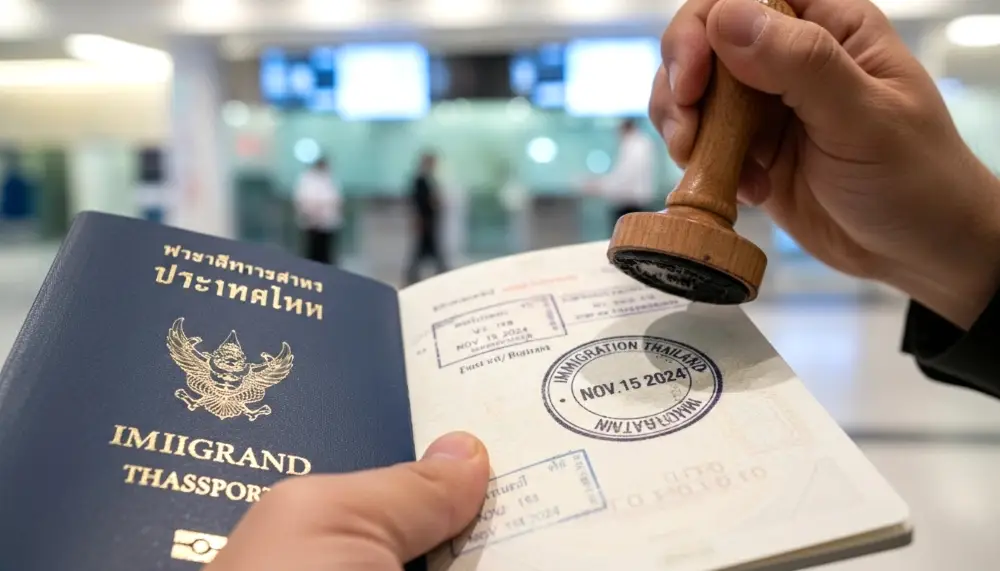
- Passport: Ensure at least two blank pages are available for the vivid red and blue entry stamps.
- DTV or Visa Paperwork: If staying long-term, carry a printed copy of your financial proof to avoid delays at Suvarnabhumi Airport.
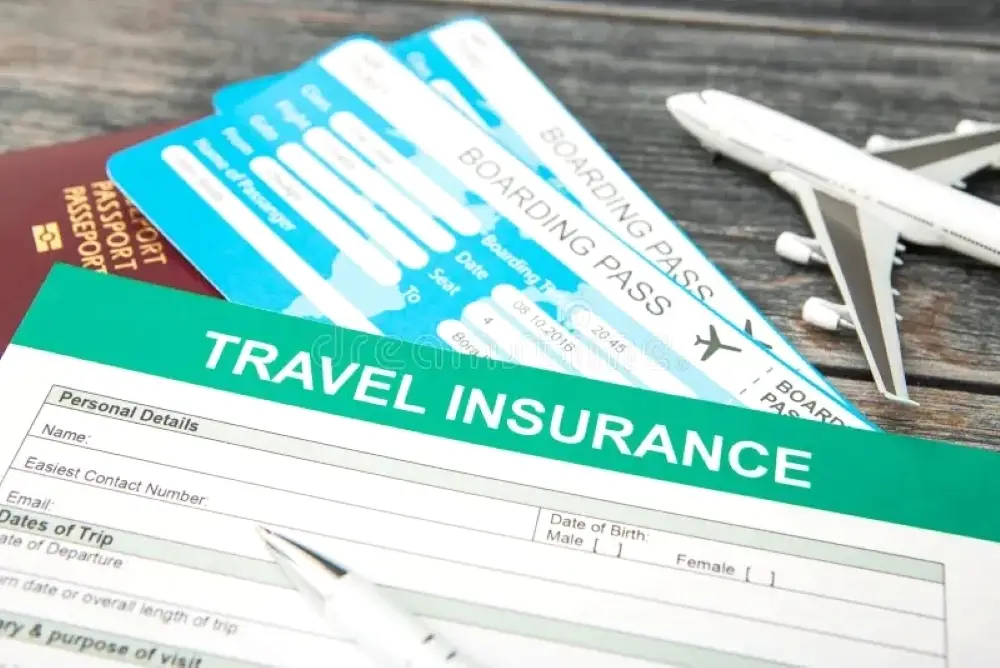
- Travel Insurance: Policies must explicitly cover medical evacuation and scooter accidents.
- International Driving Permit (IDP): Mandatory for legal scooter rental in Chiang Mai or Phuket.
A small travel document kit can save a lot of stress during your journey.
Before leaving home, make sure you have:
- Flight confirmations (screenshot to offline gallery, not just email)
- Hotel bookings for at least the first two nights
- Digital and physical copies of your passport photo page
- Debit or credit cards (notify your bank before travel)
- Some local currency (exchange a small amount at home or withdraw at airport)
Thailand is increasingly card-friendly in major areas, but cash is still essential for markets, street food, taxis, and smaller shops. Bottled water costs 10 to 15 THB (~$0.30 to $0.43) and a street food meal costs 60 to 120 THB (~$1.70 to $3.40), so small notes are used constantly.

From temples to island tours, Klook
covers Thailand’s best experiences.
Hotel pickup is often included and
prices beat the pier walk-in rate.
Practical Tips for Stress Free Travel:
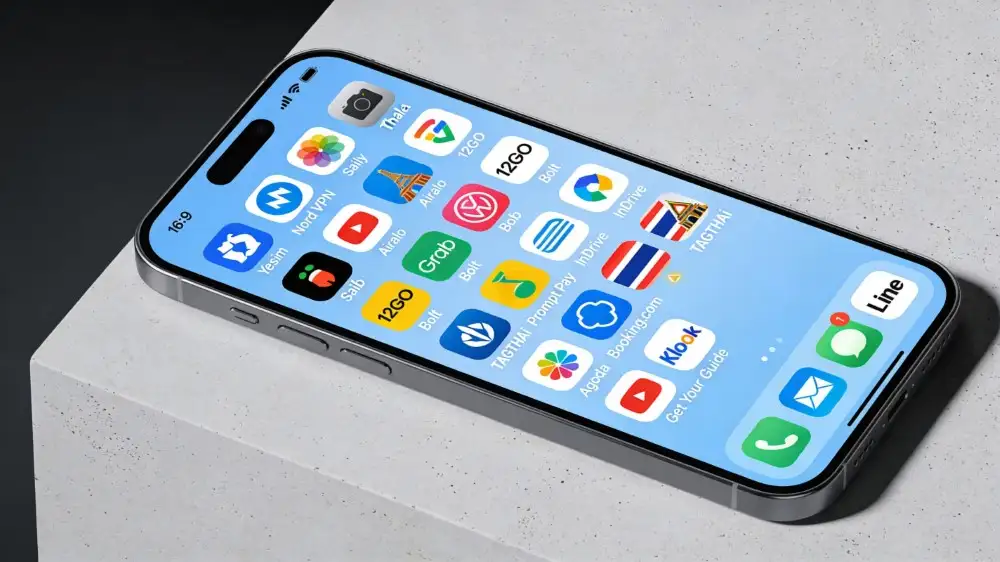
Essential Apps: Download Grab and Bolt for transparent transport pricing. Use Welcome Pickups for pre-booked airport transfer.
Connectivity: Pre-order a local eSIM via Yesim or pick up an AIS or DTAC tourist SIM at the airport (typically 299 THB / ~$8.55 for 8 days unlimited data).
Currency: All airports have ATMs and exchange booths. For the best rates, look for the SuperRich (orange or green) counters, usually located near rail links. Each ATM withdrawal from a foreign card carries a flat 220 THB (~$6.30) fee.
Security: Always use NordVPN when connecting to free airport Wi-Fi to protect personal banking data.
Accommodation: Use Agoda or Booking.com for last-minute airport hotel stays if you have a late arrival.
Storing Luggage? Use Radical Storage. Travelers can easily book storage online at verified local businesses near major train stations and landmarks. Book before arrival so the slot is confirmed when you land.

Maps, Grab, translation apps all need
data in Thailand. Yesim’s eSIM installs
in a minute and gives you reliable
5G from the moment you arrive.
Currency Comparison:
| Item | Cost (THB) | Cost (USD) | Payment Method |
|---|---|---|---|
| Street Food Meal | 60 to 120 THB | ~$1.70 to $3.40 | Cash Only |
| High-End Dinner | 1,500 to 3,500+ THB | ~$43 to $100+ | Credit Card / PromptPay |
| Grab Ride (City) | 150 to 300 THB | ~$4.30 to $8.60 | App (Linked Card) |
| 7-Eleven Essentials | 100 to 500 THB | ~$2.85 to $14.30 | Cash / TrueMoney |
| Bottled Water (1.5L) | 10 to 15 THB | ~$0.30 to $0.43 | Cash |
| Tourist SIM (8 days) | 299 THB | ~$8.55 | Cash / Card |
Clothing for Thailand’s Tropical Climate:
Thailand’s weather is warm and humid throughout most of the year. Even in the cooler months, temperatures rarely feel cold for visitors from Europe or North America.
- Breathable Bases: Five to seven lightweight cotton t-shirts or linen blends. Buy more on arrival at Chatuchak or Platinum Fashion Mall for 150 to 400 THB (~$4.30 to $11.40) per item.
- Versatile Bottoms: Two pairs of quick-dry shorts and one pair of loose-fitting linen trousers. The trousers double as temple attire.
- The Temple Kit: A high-quality sarong or zip-off travel pants to ensure knees and shoulders are covered. Sarongs cost 100 to 200 THB (~$2.85 to $5.70) at any market, so buying one on arrival is fine.
- Footwear: Robust walking sandals for city trekking and one pair of slip-on shoes for temple hopping, where shoes must be removed frequently. A compact pair of rubber flip-flops costs 150 to 350 THB (~$4.30 to $10) on arrival.
- Cool Season Layer (Chiang Mai): If visiting northern Thailand between November and February, pack one lightweight fleece or long-sleeve layer. Mornings can drop to 10 to 15°C in the hills.
Beach and Island Essentials:
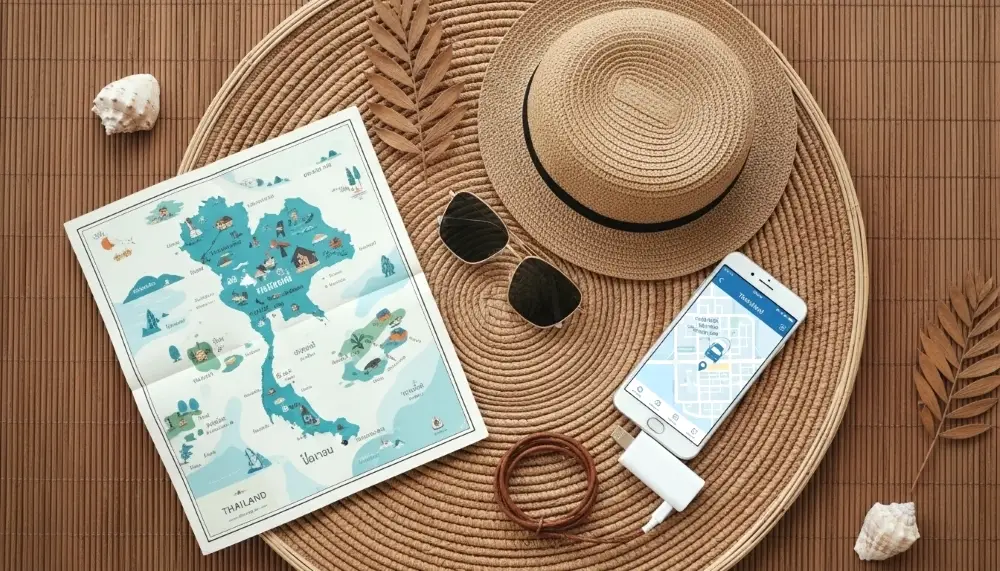
Places like Phuket, Krabi, Koh Samui, and Koh Phi Phi offer incredible beaches, snorkelling, and boat tours.
Consider packing or buying on arrival:
- Reef-safe mineral sunscreen (required in Thai national marine parks, buy before travel or at Watsons/Boots on arrival for 150 to 400 THB / ~$4.30 to $11.40)
- One or two swimsuits
- Quick-dry travel towel
- Waterproof phone pouch (available on any island for 400 to 900 THB / ~$11 to $26)
- Flip-flops or reef sandals
- Light beach cover-up or sarong (buy on arrival)
Sun protection is especially important. Thailand’s tropical sun is significantly stronger than in northern Europe or North America, particularly during boat trips or full beach days. Reapply every 90 minutes on the water.
Electronics and Travel Gadgets:
Most travelers bring only a few essential electronics when visiting Thailand. These items tend to be the most useful:
- Smartphone with Yesim eSIM pre-loaded. Get connected before you land.
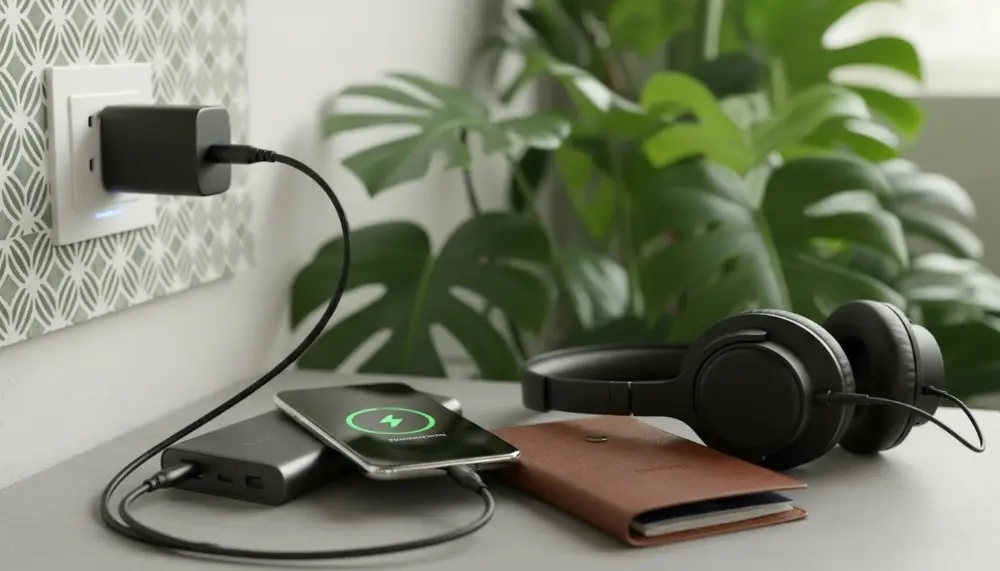
- GaN USB-C Charger capable of 65W minimum. Replaces multiple adapters. Available on Lazada Thailand for 800 to 2,000 THB (~$23 to $57) if needed on arrival.
- 20,000 mAh Power Bank: Essential for long island ferry crossings and overnight buses.
- Universal Adapter: Thailand uses Type A, B, and C plugs on 220V. A universal model with USB-C ports handles all combinations.
- Waterproof Dry Bag (10L): Vital for island hopping in the Andaman Sea or surviving Songkran. Buy on any island for 350 to 700 THB (~$10 to $20) if you prefer to travel light.
- Noise-Cancelling Headphones: Essential for overnight trains from Bangkok to Surat Thani and open-plan co-working cafes.
Thailand uses Type A, B, and C plugs and the voltage is 220V. Many hotels already provide convenient outlets or adapters, but bringing your own universal adapter is still wise for guesthouses outside the city.
Health and Personal Items:
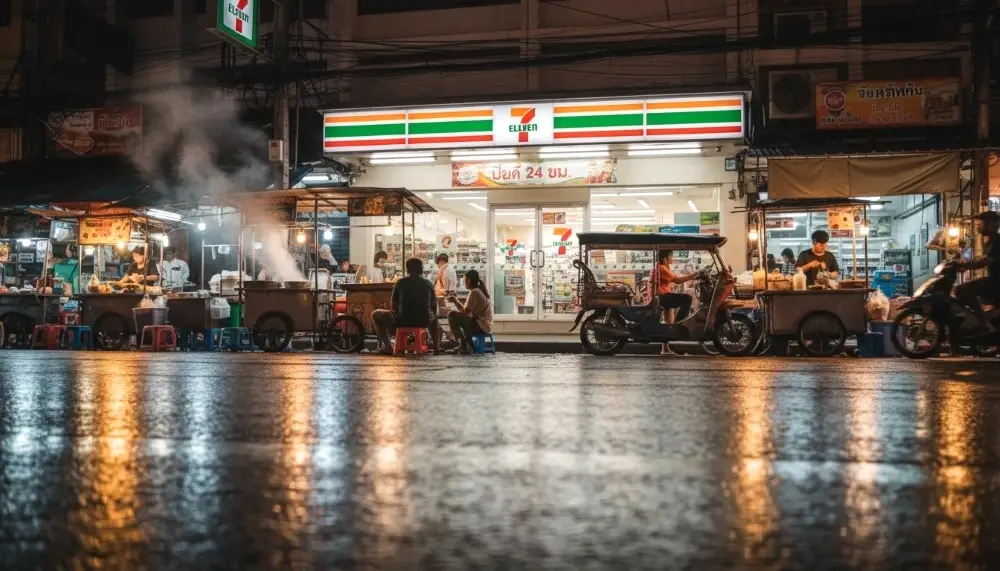
Pack a tropical first-aid kit containing high-DEET mosquito repellent (80 to 120 THB / ~$2.30 to $3.40 at 7-Eleven on arrival), rehydration salts (Royal-D ORS sachets, 5 to 10 THB / ~$0.15 to $0.30 each), and activated charcoal tablets. Having these immediately available for the first 48 hours of climate and culinary adjustment saves a pharmacy visit when you are jet-lagged.
Cultural etiquette is essential. The Wai (a slight bow with palms pressed together) remains the standard greeting. Tipping is not traditionally required but a 10% gesture in sit-down restaurants is increasingly common, though never expected at street stalls.
Many travelers include:
- Personal maintenance medications in original pharmacy packaging with doctor’s letter
- Basic pain relievers (Sara paracetamol is 20 to 40 THB / ~$0.57 to $1.15 at any pharmacy)
- Motion sickness tablets for island ferry crossings
- Hand sanitizer (small bottle for markets and street food)
- DEET insect repellent, especially for jungle areas and evening outdoor activities
- Small blister plasters for new sandals and temple walks
Convenience stores such as 7-Eleven are everywhere in Thailand and stock most everyday toiletries. Running out of something is rarely a problem for more than a few minutes’ walk.
The Master Packing Checklist:
Use this consolidated checklist before you close the bag. Items marked “BUY ON ARRIVAL” are cheaper or better sourced in Thailand and do not need to take up space in your carry-on.
Documents: Passport (6+ months validity), visa or DTV paperwork, travel insurance certificate, IDP (if renting), printed hotel bookings for first two nights, digital copies in cloud.
Clothing: 5 to 7 lightweight t-shirts or linen tops, 2 pairs quick-dry shorts, 1 pair linen trousers (temple-ready), 5 pairs moisture-wicking underwear, 3 pairs thin socks, 1 swimsuit. Cool season: add 1 lightweight fleece. BUY ON ARRIVAL: sarong (100 to 200 THB), flip-flops (150 to 350 THB).
Footwear (wear on flight): Sneakers or walking shoes.
Tech: Phone with eSIM pre-loaded, GaN USB-C charger, 20,000 mAh power bank, universal adapter (Type A/B/C, 220V), earphones or noise-cancelling headphones. BUY ON ARRIVAL: dry bag (350 to 700 THB), waterproof phone pouch (400 to 900 THB).
Toiletries (100ml liquids bag): Solid shampoo bar, solid deodorant, SPF 50 sunscreen (50ml travel size), lip balm with SPF, small hand sanitizer. BUY ON ARRIVAL: full-size sunscreen, DEET repellent, ORS sachets, Tiger Balm.
Health: Personal prescription medications in original packaging, doctor’s letter (if applicable), paracetamol, antihistamines, motion sickness tablets, blister plasters.
Bag target: Keep total packed weight under 5.5kg to stay within budget airline carry-on limits and leave 1.5kg buffer for purchases.
What NOT to Pack for Thailand:
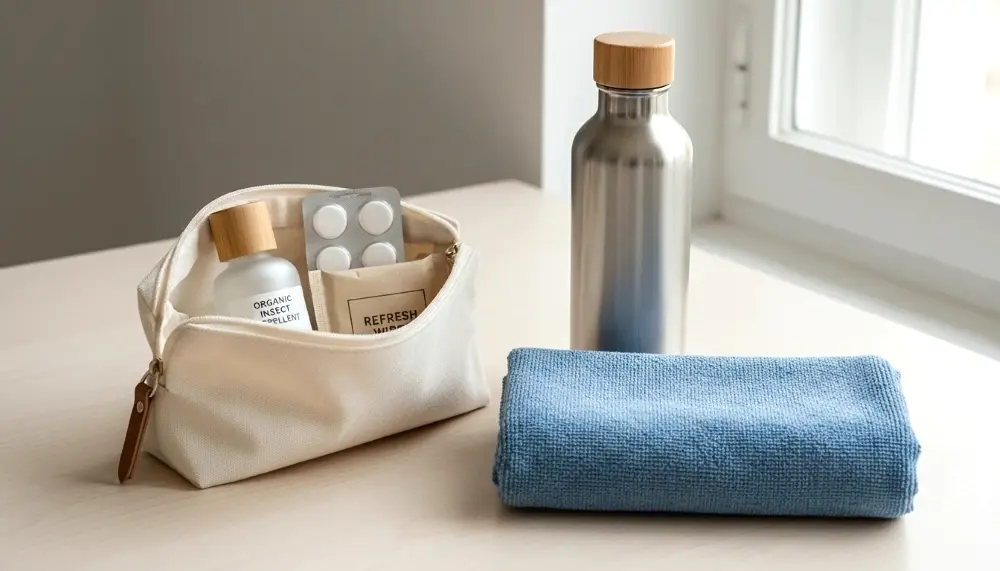
Knowing what to leave behind is just as important as knowing what to bring. The following items are common packing mistakes for Thailand that add weight without value.
Heavy jeans or denim: They take forever to dry in high humidity, add serious weight, and are far too hot for most of the country. Leave them at home.
Multiple pairs of shoes: Two pairs maximum. Wear your heaviest on the flight and pack only sandals or flip-flops. Extra shoes are the single biggest waste of carry-on weight.
Full-size toiletries: Shampoo, conditioner, body wash, sunscreen, DEET, and most pharmacy items are cheaper in Thailand than at home. Leave the 500ml bottles behind.
A thick bath towel: All accommodation from budget guesthouses upward provides towels. A lightweight quick-dry travel towel for the beach is all you need.
Formal clothing: Thailand is casual. Even Bangkok’s best rooftop bars ask only for smart-casual (no flip-flops or vest tops). A clean pair of chinos and a collared shirt covers every situation you are likely to encounter.
A full laptop setup (for short trips): If you are travelling for under two weeks and not working remotely, a phone and a small tablet or e-reader cover everything you need.
Cultural Considerations:
Thailand is known as the Land of Smiles, and Thai culture places a strong emphasis on respect and politeness.
When visiting temples or sacred sites, dressing modestly is important. Clothing that covers shoulders and knees is required at the Grand Palace (500 THB / ~$14 entry) and most major temples.
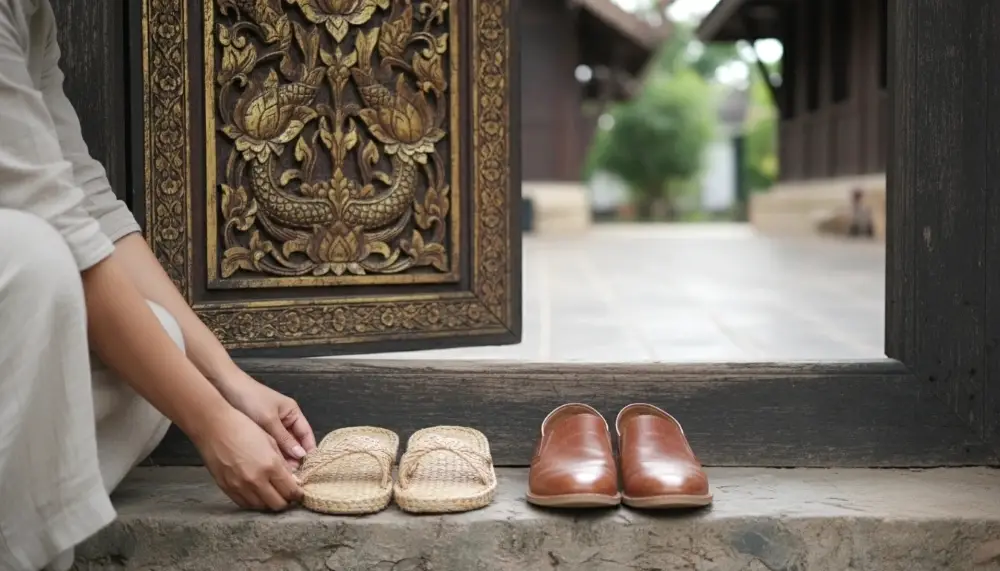
You do not need anything fancy. Simple lightweight trousers or a long skirt works perfectly. It is also customary to remove shoes before entering temples and sometimes homes, so easy-to-remove footwear makes the whole day smoother.
These small cultural gestures are appreciated and help travelers connect more respectfully with local traditions.
Packing for Different Regions:
Thailand offers incredible variety, and different regions may influence what you bring.
Bangkok is busy, vibrant, and hot (30 to 35°C year-round). Comfortable walking shoes and lightweight clothing are essential for exploring markets, temples, and rooftop bars.
Chiang Mai and Northern Thailand can feel slightly cooler in the evenings, especially during the cool season (November to February). Mornings in the hills can drop to 10 to 15°C. A lightweight fleece is worth adding.
Southern Islands mean beachwear, sunscreen, and light clothing dominate. Life is centred around the ocean, and most of the wardrobe you need can be bought cheaply on arrival.
The good news is that Thailand’s domestic flights and transport connections make moving around the country easy. Packing light keeps options open.
Don’t Worry if You Forget Something:
One of the most reassuring things for first-time visitors is how easy Thailand is for travelers.
Forgot sunscreen? There is a Watsons or Boots in every shopping mall. Need another shirt? Markets and malls sell affordable clothing everywhere. Running low on medication? Thailand’s pharmacies are world-class for OTC treatments at a fraction of home prices.
Thailand has been welcoming international visitors for decades, and the infrastructure reflects that. From 7-Eleven to Lazada next-day delivery, it is easy to find almost anything you need.
Packing well helps, but there is no need to stress about perfection.

Frequently Asked Questions:
Do I need a physical SIM card for Thailand in 2026?
No. Most travelers now use eSIMs via apps like Yesim or Airalo. Activate before landing to have data the moment you clear immigration. If you require a local Thai number for food delivery apps or banking, a physical SIM from AIS or DTAC can be purchased at any 7-Eleven for 299 THB (~$8.55) for 8 days of unlimited data.
What is the best way to pay for things in Thailand?
Cash is essential for street food stalls, markets, and smaller shops. Most charge 60 to 120 THB (~$1.70 to $3.40) per dish and do not take cards. PromptPay QR code payment is used at mid-range restaurants and convenience stores. Withdraw the maximum from ATMs in one transaction (20,000 to 30,000 THB / ~$571 to $857) to minimise the 220 THB (~$6.30) flat fee per foreign card withdrawal.
Can I bring my dog or cat to Thailand?
Yes, but it requires strict adherence to the 2026 pet import regulations, including a 15-digit ISO microchip and a valid rabies certificate. Most pets must arrive via manifest cargo at Suvarnabhumi (BKK). Start the process at least three months before your departure date.
Is the water safe to drink?
Never drink tap water in Thailand. Bottled water is cheap and available at every 7-Eleven for 10 to 15 THB (~$0.30 to $0.43) per 1.5 litre bottle. Many hotels now provide filtered water stations. The 1 THB per litre filtered water machines found on Bangkok streets are safe and drastically reduce plastic waste.
How much clothing should I pack for two weeks in Thailand?
Five to seven tops, two pairs of shorts, one pair of linen trousers, five pairs of underwear, and three pairs of socks is enough for two weeks with laundry every four to five days. Laundry services cost 40 to 60 THB (~$1.15 to $1.70) per kilogram across Thailand. Packing more than this adds unnecessary weight for no practical gain.
Do I need reef-safe sunscreen and where can I buy it?
Yes, reef-safe mineral sunscreen (zinc oxide or titanium dioxide as the active ingredient) is legally required in Thailand’s national marine parks including the Similan Islands, Ko Lipe, and Surin Islands. Non-compliant chemical sunscreens can result in a fine of up to 100,000 THB (~$2,857). Buy mineral SPF 50 at Watsons, Boots, or any island dive shop for 150 to 400 THB (~$4.30 to $11.40). Check the ingredient list: ‘reef-safe’ labels on the front are not always accurate.
Can I buy clothes in Thailand rather than packing them?
Yes, and it is often a better strategy for warm-weather items. Platinum Fashion Mall in Bangkok sells lightweight clothing at 150 to 400 THB (~$4.30 to $11.40) per item. Chatuchak Weekend Market and the Chiang Mai Night Bazaar offer quality linen and natural fabrics at 200 to 600 THB (~$5.70 to $17). A complete warm-weather wardrobe can be assembled for under 3,000 THB (~$86). This strategy works best if you arrive with fewer clothes and allow room in your bag for purchases.
What should I do with my luggage on arrival before hotel check-in?
Most Bangkok hotels hold bags at the bell desk if you have a confirmed booking, but call ahead to confirm. For guaranteed secure storage near any BTS or MRT station, Radical Storage operates a network of verified drop-off points across Bangkok and Chiang Mai. Book online before arrival so the slot is confirmed when you land and you can start exploring immediately.
Do I need travel insurance for Thailand?
Yes. A motorbike accident requiring surgery, a dengue fever hospitalisation, or a medical evacuation can cost 150,000 to 400,000 THB (~$4,286 to $11,429) without coverage. SafetyWing provides rolling monthly travel medical insurance from approximately 1,400 THB (~$40) per month, covering hospitalisation, emergency evacuation, and most adventure activities. Ensure the policy is active before you leave home and that it explicitly covers scooter riding and water activities.
What are the most common items people forget to pack for Thailand?
The most commonly forgotten items are: a universal travel adapter for Thailand’s Type A/B/C sockets on 220V, a physical photocopy of their passport separate from their wallet, offline maps downloaded to Google Maps before landing, ear plugs for overnight buses and trains, and a small packable rain poncho (available at 7-Eleven for 60 to 100 THB / ~$1.70 to $2.85 on arrival if forgotten).