Chiang Mai vs Chiang Rai: The Northern Thailand Comparison
In Northern Thailand, the choice is rarely about “better” or “worse,” but rather the specific frequency of your travel soul. Chiang Mai offers the electric hum of a creative capital, a fortress of history surrounded by a moat of modern comforts. Chiang Rai, in contrast, serves as the quiet, artistic frontier: a place of avant-garde architecture, deep mountain solitude, and a pace of life that feels genuinely unhurried. Both cities reward you differently, and understanding that difference is the whole game.
The Quick View:
The Vibe: Chiang Mai is a bustling cultural hub; Chiang Rai is a serene artistic retreat.
Ideal Duration: 4 to 7 days for Chiang Mai; 2 to 3 days for Chiang Rai.
Accessibility: Chiang Mai has an international airport (CNX); Chiang Rai (CEI) is primarily domestic or a 3.5-hour drive from its neighbour.
Budget: Chiang Rai is roughly 20% cheaper for accommodation and local dining.
Best For: Digital nomads and foodies (Chiang Mai) vs. photographers and slow-travellers (Chiang Rai).
Getting There: Before you land, activate an Airalo, Yesim, or Saily eSIM so your data is live the moment you clear customs. Ride-hailing apps require SMS verification at setup, and spotty airport Wi-Fi is not the moment to discover that.
Which City Fits Your Budget?
Chiang Rai offers superior value for budget travellers, with mid-range boutique stays averaging 1,200 to 1,800 THB per night. Chiang Mai, while affordable by global standards, commands higher prices in trendy districts like Nimman, where comparable quality costs 2,500 to 4,500 THB. Daily food costs remain genuinely low in both cities, averaging 400 to 700 THB for street-food enthusiasts who know where to look.
| Feature | Chiang Mai (Average Cost) | Chiang Rai (Average Cost) |
|---|---|---|
| Boutique Hotel | 2,500 THB / Night | 1,600 THB / Night |
| Street Food Meal | 50 to 80 THB | 40 to 70 THB |
| Scooter Rental | 250 THB / Day | 200 THB / Day |
| Private Driver (8 hrs) | 2,200 THB | 1,800 THB |
| Grab / Bolt (City Trip) | 80 to 150 THB | 60 to 120 THB |
| Craft Beer at a Bar | 180 to 250 THB | 120 to 180 THB |
| Traditional Thai Massage (1 hr) | 250 to 350 THB | 180 to 280 THB |
| Co-Working Day Pass | 200 to 400 THB | Rare / Limited |
For accommodation in both cities, search Agoda first for regional boutique properties that international platforms often miss entirely. Booking.com is worth a parallel search for larger properties with flexible cancellation, particularly if your travel dates are still in flux.

Compare hotel prices across Chiang Rai’s
best areas and book with confidence.
Filter by budget, location, or score
to find the right stay for your trip.
Where to Stay: Neighbourhoods Decoded
Chiang Mai: Picking Your Base
Chiang Mai has distinct neighbourhoods that suit completely different types of traveller, and choosing the wrong one can genuinely affect your experience.
The Old City (Inside the Moat): This is history in brick form. Guesthouses here are atmospheric and walkable to the major temples. It suits first-timers and culture seekers perfectly, though evening nightlife is quieter than other areas. Expect to pay 800 to 1,800 THB for a comfortable guesthouse.
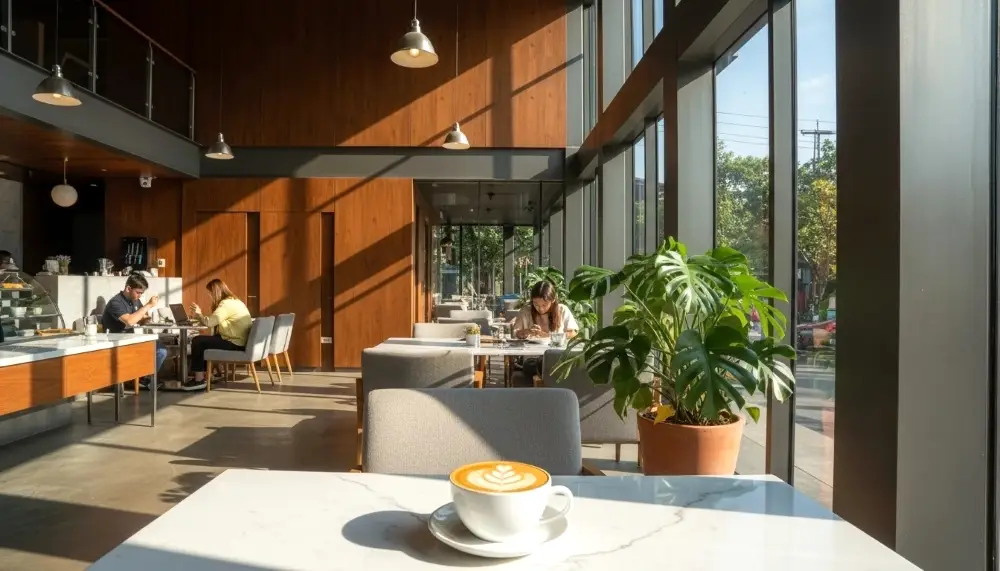
Nimmanhaemin (Nimman): The heartbeat of the creative class. Boutique hotels, specialty coffee roasters, Japanese restaurants, and co-working spaces are stacked on every soi (lane). This is unambiguously the best base for digital nomads and mid-range travellers who want the full contemporary Chiang Mai experience. Boutique hotels here run 2,000 to 4,500 THB per night.
Riverside: The quieter, more romantic option. Slower in pace, with excellent restaurants along the Ping River and a genuine neighbourhood feel. Good for couples and those on a longer stay. Prices sit comfortably between Old City and Nimman.
Chiang Rai: Where to Lay Your Head
Chiang Rai’s accommodation scene is compact, genuine, and excellent value. The city does not have distinct tourist zones in the way Chiang Mai does, which is part of its charm.
City Centre / Night Bazaar Area: The most convenient base, within walking distance of the Night Bazaar and easy reach of tuk-tuks heading to the temples. Budget guesthouses start around 400 THB; solid mid-range options run 1,200 to 2,000 THB.
Outside the City (Resort-Style): A handful of exceptional boutique resorts sit in the surrounding countryside, offering rice paddy views and genuine silence. These are the destination for honeymooners, slow-travellers, and families wanting space. Prices climb to 3,500 to 6,000 THB but the setting justifies every baht.
Lock in your Chiang Rai accommodation through Agoda early during peak season (November to February), as the best small properties sell out weeks in advance.


GetYourGuide has Chiang Rai’s best
tours and experiences covered with
verified operators and instant
mobile vouchers on arrival.
Exploring the Culture:

Chiang Mai: The Lanna Heartland
Chiang Mai is the soul of Lanna history, housing over 300 ancient temples including the magnificent Wat Chedi Luang. Walking through the Old City, the air feels heavy with centuries of prayer and craft.
Wat Phra Singh stands as a golden sentinel, its intricate woodcarvings reflecting the absolute peak of Lanna craftsmanship. Arrive before 8am to have the courtyard largely to yourself, the light at that hour is extraordinary.
For those seeking the high ground, a sunrise trip to Wat Phra That Doi Suthep is non-negotiable. The winding road up the mountain is lined with emerald ferns, and the view from the golden pagoda delivers a panoramic sweep of the entire valley below. Book a Get Your Guide sunrise tour if you want transport sorted and a guide who can provide genuine context, not just photo angles.
Beyond the temples, the Saturday and Sunday Walking Streets are where local craft culture truly comes alive. The Sunday market on Wualai Road is the more authentic of the two, where you will find hill tribe silver, hand-woven textiles, and local ceramics alongside plates of mango sticky rice that cost a fraction of what you would pay in Bangkok.
Chiang Rai: The Artistic Frontier
Chiang Rai does not compete with history; it reinterprets it entirely. The city’s signature trio of temples represents something genuinely unique in Southeast Asian travel: contemporary art installations that function as living religious sites.
Wat Rong Khun (The White Temple) is a shimmering, porcelain-clad fever dream of heaven and hell, designed by artist Chalermchai Kositpipat and still under active construction decades after it began. The bridge of hands reaching from below is one of the most arresting images you will see anywhere in Thailand.
Nearby, Wat Rong Suea Ten (The Blue Temple) radiates an electric sapphire hue at dusk that feels genuinely cinematic. Visit at golden hour specifically; the colour shift as the light drops is worth planning your entire afternoon around.
Baan Dam (The Black House) offers a darker, macabre collection of animal skins, bones, and traditional structures by artist Thawan Duchanee, representing the shadow side of human nature. It is unsettling in the best possible way, and unlike anything else in the region.
Book temple transport and combo day tours through Klook or Get Your Guide; both platforms offer well-reviewed half-day circuits that hit all three sites with a knowledgeable local driver.
Food and Drink: What to Eat and Where
Chiang Mai: A Serious Food City
Northern Thai cuisine is its own distinct culinary tradition, and Chiang Mai is the best place in the world to understand it properly. The food here is not the sweet, coconut-heavy cooking of the South or the fiery central Thai plates most people associate with the country. It is earthier, more complex, and built on fermented flavours.
Khao Soi is the dish that defines the North: a rich, slightly spicy coconut curry broth served over egg noodles with a tangle of crispy fried noodles on top, a squeeze of lime, and pickled mustard greens alongside. The best bowls in the city come from small, no-frills shophouses rather than tourist restaurants. Budget 60 to 90 THB per bowl.
Sai Ua (Northern pork sausage packed with lemongrass, kaffir lime, and galangal) and Nam Prik Noom (a smoky green chilli dip eaten with sticky rice and crispy pork rinds) are the other essential orders. Find both at any morning market.
The specialty coffee scene in Chiang Mai is legitimately world-class. The city sits within striking distance of Thailand’s best highland coffee farms, and the roasters in Nimman treat single-origin Thai arabica with the same seriousness you would find in Melbourne or Tokyo. A well-pulled espresso runs 80 to 120 THB.
Chiang Rai: Local Tables and Tea Country
Chiang Rai’s food scene is quieter but no less genuine. The Night Bazaar in the city centre is the obvious evening destination, a relaxed outdoor market where you can graze on grilled skewers, papaya salad, and fresh spring rolls while listening to live folk music. It is considerably less performative than its Chiang Mai equivalent.
The area around Chiang Rai is Thailand’s premier tea-growing region, with high-altitude plantations producing oolong and green tea that rivals anything from Taiwan or Japan. A visit to the Choui Fong Tea Plantation on the road to Mae Chan is one of the most underrated half-days in the entire North. The views across the terraced fields are staggering, and a pot of fresh-picked tea costs almost nothing. Book transport there through Klook if you do not have a scooter.
For a proper local meal, find a shophouse on the main market street early in the morning. A bowl of boat noodles, a plate of pad see ew, and two Thai iced teas will cost you under 150 THB combined. This is where Chiang Rai’s budget credentials genuinely shine.

Book Chiang Rai day trips, attractions,
and activities in one place. Check
real reviews and lock in your spot
before the popular slots go.
Nomads vs. Weekend Explorers:
The Nimman Lifestyle
Chiang Mai is the undisputed global capital for remote work, boasting world-class infrastructure, fibre-optic speeds, and hundreds of laptop-friendly cafes. In the Nimmanhaemin district, the infrastructure rivals any Western tech hub. High-speed 5G is ubiquitous, and cafes serve as informal offices for the “laptop class.” The density of networking events, yoga studios, and international grocery stores makes it a seamless transition for anyone moving to Thailand.
The co-working scene has matured significantly. Spaces like CAMP (inside Maya Mall, free with any food or drink purchase) and dedicated hubs such as Yellow and Alt_ChiangMai provide reliable gigabit connections, standing desks, and meeting rooms for 200 to 400 THB per day. Monthly passes at premium spaces run 3,000 to 5,000 THB, which represents extraordinary value against equivalent spaces in London or Berlin.
For security on public cafe Wi-Fi, NordVPN is genuinely useful here, not just for accessing home banking but for protecting against the credential-harvesting attacks that do occur on shared networks in tourist-heavy areas.
If you are planning a longer stay (3 months or more), SafetyWing travel medical insurance is worth considering seriously. It covers remote workers at a reasonable monthly rate and is designed specifically for people who do not fit the mould of a standard tourist policy.
Chiang Rai: The Deliberate Disconnection
Chiang Rai remains a destination for those actively seeking disconnection. Co-working spaces are limited to a handful of small cafes with decent Wi-Fi, and the infrastructure is simply not built for the laptop-all-day crowd. This is not a criticism; it is a feature for the right person.
For weekend explorers, slow-travellers, and those on a deliberate digital detox, Chiang Rai offers something Chiang Mai increasingly struggles to provide: genuine quiet. You can sit in a riverside cafe for three hours and nobody will look twice. There is no hustle here, no ambient pressure to be productive.
The surrounding mountain villages, hill tribe communities, and border areas near the Golden Triangle make Chiang Rai an extraordinary base for trekking and cultural immersion. Book multi-day trekking programs through Get Your Guide or Klook, both platforms list ethical operators who work directly with local guides from the Akha, Karen, and Lahu communities.

From short trips to long stays in Chiang Rai,
Airalo has flexible eSIM data plans
you install in minutes. Top up
remotely if you need more data.
Getting Around: Transport in the North
Chiang Mai: Getting Around the City
Within Chiang Mai, you have genuine options depending on your confidence level and budget.
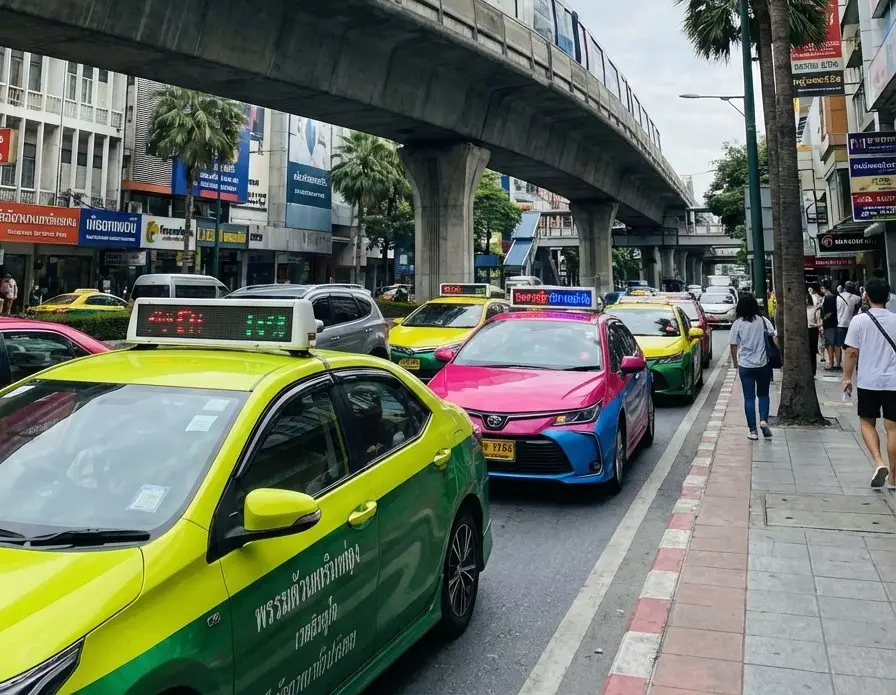
Red Songthaews are the lifeblood of the city: shared pickup trucks running fixed routes for a flat 30 THB per trip within the moat. Flag one down, tell the driver your destination, and if he is heading that way he will nod. If not, wait for the next one. It is a chaotic, endearing system that works.
Grab offers metered car rides with transparent pricing and no negotiation required. Use it whenever you have luggage, are travelling at night, or are heading somewhere outside the city centre. Bolt is the cheaper alternative for scooter-taxis within the city, particularly useful for solo travellers nipping between cafes in Nimman.
Scooter rental unlocks the real Chiang Mai, particularly for day trips to temples in the hills and villages outside the city. If you are comfortable on two wheels, 250 THB per day for a reliable Honda Click is exceptional value. Always wear a helmet; the mountain roads demand respect.
Travelling Between the Two Cities
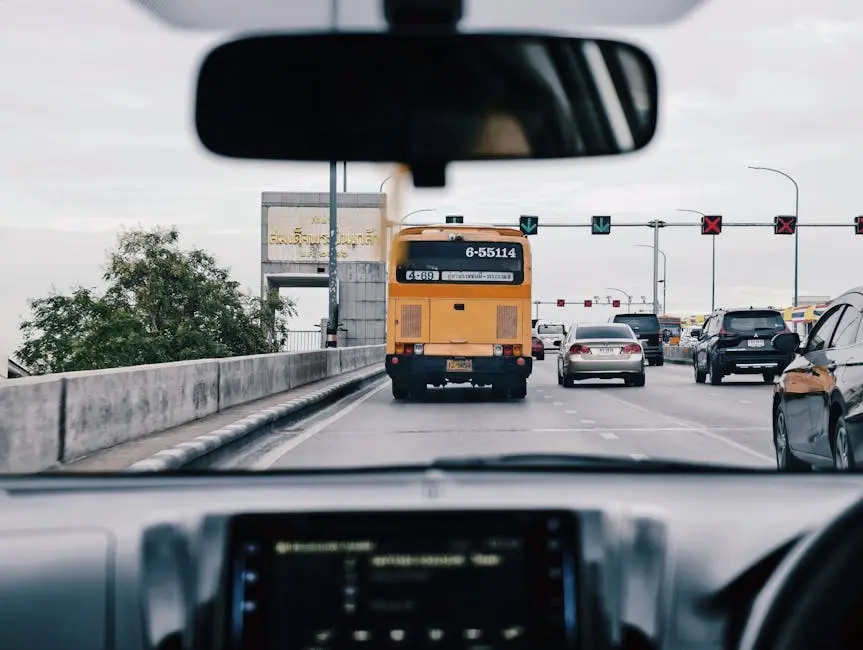
The Green Bus is the gold standard for the Chiang Mai to Chiang Rai route. Book a “VIP” or “A-Class” seat in advance via their app or at the Arcade Bus Terminal. The 3.5-hour journey via Highway 118 winds through genuine jungle-clad hills and is genuinely scenic. Tickets run 150 to 220 THB depending on the class, making it among the best-value long-distance routes in Thailand.
Book your seat in advance through 12GO, particularly around national holidays like Songkran (April) and the New Year period, when buses fill days ahead of departure and prices on remaining seats spike sharply.
If you are flying into Chiang Rai’s CEI airport from Bangkok, Welcome Pickups offers pre-booked airport transfers that eliminate the negotiation entirely, particularly useful for families arriving with young children and luggage.
For those with a flight delay or cancellation during their journey, AirHelp is the platform to know. They specialise in EU and international compensation claims and handle the paperwork on your behalf, worth bookmarking before you travel.
Day Trips and Surrounding Highlights

From Chiang Mai: The Day Trip Goldmine
Chiang Mai is surrounded by an extraordinary ring of day-trip options that most cities simply cannot match.
Doi Inthanon National Park is Thailand’s highest peak (2,565m) and sits just 80km south of the city. The twin Royal Pagodas are among the most photographed structures in the North, and the cloud forest trails are stunning. Go early; the summit clouds in by mid-morning. A full-day guided tour through Get Your Guide runs approximately 1,200 to 1,800 THB including transport and park entry.
Ethical Elephant Sanctuaries in the hills around Chiang Mai represent one of the most meaningful animal experiences in Asia, provided you choose a facility that prohibits riding and uses positive reinforcement only. Klook vets its operators and flags the ethical certifications clearly; use the platform’s filters to identify them quickly.
Thai Cooking Classes are a Chiang Mai institution. A half-day class that includes a market tour, four to five dishes, and a full feast at the end runs 1,000 to 1,400 THB and is consistently rated among the best half-days in Southeast Asia by travellers. Book through Get Your Guide for classes with a farm visit included.
From Chiang Rai: Border Country and Mountain Light
Chiang Rai’s surroundings are among the most dramatic in Thailand and are consistently underexplored by visitors who treat the city as a half-day stop.
The Golden Triangle (Sop Ruak) is where Thailand, Laos, and Myanmar meet at the confluence of the Mekong and Ruak rivers. The opium museum there is genuinely excellent and provides real historical context rather than sanitised tourism. It is a 90-minute drive from Chiang Rai; book a private driver through Klook for flexibility.
Phu Chi Fa is the experience that converts Chiang Rai sceptics. A mountain viewpoint at around 1,600m elevation, it produces a sea-of-clouds spectacle at dawn from October to February that is genuinely one of the most breathtaking natural sights in Southeast Asia. You need to leave Chiang Rai by 3am to make the sunrise. It is absolutely worth it.
Doi Mae Salong, a high-altitude village established by Kuomintang soldiers in the 1960s, has a distinctly Chinese character: Yunnanese food, tea houses on mountain terraces, and misty forest roads. It is one of those places that feels genuinely discovered rather than packaged.

Saily’s Chiang Rai eSIM costs less than
most tourist SIMs charge per day.
Easy install, transparent pricing,
and solid NordVPN infrastructure.
Pro Tips For Stress-Free Travel:

To move like a local, your smartphone is a must.
Connectivity: Install Airalo, Yesim, or Saily and activate your eSIM data plan before you board your departing flight. Grab and Bolt both require SMS verification when first set up, and you will not want to fumble with that at the baggage carousel after a long-haul. Yesim offers unlimited 5G plans from around 10 USD that cover Thailand seamlessly.
Booking: Use Agoda for the best regional rates on boutique guesthouses and Get Your Guide for booking day trips to the Golden Triangle or Doi Inthanon. Klook is equally strong for activity bookings with same-day confirmation.
Intercity Transport: Lock in Green Bus tickets through 12GO at least a week ahead during peak season (November to February and around Songkran). Seats fill and prices do not get cheaper by waiting.
City Transport: Use Grab for cars and Bolt for cheaper scooter-taxis. In Chiang Mai, the Red Songthaews (truck-taxis) are the lifeblood of the city; a trip within the moat should cost a flat 30 THB.
Security: NordVPN is essential for accessing home banking while on public Wi-Fi in cafes. It takes two minutes to set up and eliminates a genuine risk.

Forget swapping physical SIMs in Chiang Rai.
Yesim works on most modern phones,
activates remotely, and keeps your
home number live on WhatsApp too.
The Thai Spirit:

Navigating the North requires more than a map; it requires a genuine understanding of Greng Jai (social consideration) and the unwritten codes that govern daily life here.
Temple Dress: Shoulders and knees must be covered at every temple, without exception. Carry a light sarong in your daypack. It weighs nothing, takes 30 seconds to wrap, and is the single most practical item you can bring to Northern Thailand.
Tipping: While not mandatory, rounding up to the nearest 20 or 50 THB is appreciated and entirely normal. In restaurants marked with “++” (plus plus), a 10% service charge and 7% VAT are already factored into the bill.
The Head and Feet Rule: The head is considered the most sacred part of the body; never touch a Thai person’s head, even a child’s, however affectionate the impulse. Feet are the opposite: never point them toward a Buddha image, a monk, or another person. When sitting in a temple, tuck them behind you.
Monks and Women: Female travellers should never hand anything directly to a monk or make physical contact. If giving an offering, place it on the ground or a nearby surface and let the monk collect it.
The Wai: A gentle press of the palms together at chest level with a slight bow. You do not need to initiate a wai with street vendors or shopkeepers, but returning one given to you is always gracious. A smile covers the rest.
Note for the Nervous:
Northern Thailand is statistically safer than most major European or American cities. Violent crime against tourists is exceptionally rare, and solo travel (including solo female travel) is widely reported as comfortable and genuinely welcoming.
The primary risks are the winding mountain roads (drive slowly, wear your helmet) and the occasional “Tuk Tuk Detour” scam. If a driver offers a 20 THB sightseeing tour, he is taking you to a gem shop or tailor for a commission. Politely decline and open Grab instead. Transparent pricing is one of the best things that apps have done for travel here.
The local police are helpful, and the Tourist Police (1155) speak excellent English and are available 24 hours. If anything goes wrong, that is your first call.
One final note on health: Northern Thailand is not a malaria-risk area in the cities themselves, but if you are trekking into remote border villages, consult a travel health clinic before departure. Standard travel insurance does not always cover activities like elephant sanctuary visits or scooter riding; read your policy carefully and supplement with SafetyWing if needed.
FAQ: Common Northern Queries
Is Chiang Rai worth a day trip from Chiang Mai?
While possible via a 12-hour marathon tour, it is not recommended. The 3.5-hour drive each way via Highway 118 is genuinely gruelling, and you will arrive exhausted with only a few hours before having to turn back. Give Chiang Rai at least two nights to properly experience the Night Bazaar, the Blue and Black temples alongside the White, and ideally the sunrise at Phu Chi Fa. A rushed day trip wastes both cities.
What is the “Burning Season” and should I avoid it?
The Burning Season runs from roughly late February through to mid-April. Local agricultural burning creates a thick smog (called “haze season” locally) that settles heavily in the mountain valleys surrounding both cities. Air quality during peak burning weeks can reach genuinely unhealthy levels, mountain views are obscured, and outdoor activities become uncomfortable. If you are sensitive to air quality, have respiratory conditions, or are travelling with young children, avoid this window entirely. November through February is the sweet spot: cool, clear, and beautiful.
Can I use credit cards in Northern Thailand?
Major hotels, shopping centres like Central Festival and MAYA, and most mid-range restaurants accept cards, but the soul of the North runs on THB cash. Always carry cash for markets, smaller cafes, tuk-tuks, temple donations, and anywhere outside the city centres. ATMs are widely available in both cities (Kasikorn Bank and Bangkok Bank charge the lowest foreign fees). If you have a local bank account, PromptPay QR is accepted even at the smallest street stalls and is the fastest way to pay.
Which city is better for families with children?
Chiang Mai wins for family variety. Interactive museums, ethical elephant sanctuaries (ensure they are no-riding facilities with welfare certifications), the Grand Canyon Waterpark, cooking classes pitched at children, and a broader range of child-friendly restaurants make it the easier base. Chiang Rai’s art-temple focus appeals more to older children and teenagers with an interest in photography or contemporary art; younger children may find a full day of temple-hopping less engaging. A combined trip covering both works beautifully: start in Chiang Mai for activities, finish in Chiang Rai for atmosphere.
How do I get between Chiang Mai and Chiang Rai?
The Green Bus is the gold standard. Book a “VIP” or “A-Class” seat in advance through their app or at the Arcade Bus Terminal in Chiang Mai. The journey takes approximately 3.5 hours via Highway 118 and is affordable, punctual, and scenic. Book through 12GO if you want to secure seats online ahead of national holidays. Budget airlines including AirAsia and Nok Air offer direct flights between CNX and CEI in under 45 minutes, though airport transfer time on both ends often makes the bus comparable in total journey time unless you are travelling with significant luggage.
What is the best time of year to visit Northern Thailand?
November through February is the undisputed peak season: temperatures are genuinely cool (15 to 25 degrees Celsius in the city, colder in the mountains), skies are clear, and the landscape is lush from the preceding rainy season. This is when Phu Chi Fa produces its famous sea-of-clouds, and when the hiking conditions in Doi Inthanon are at their best. March and April bring the Burning Season and Songkran (the water festival in mid-April), which is extraordinary fun but means accommodation books out months in advance. May through October is the rainy season: green, dramatic, and considerably cheaper, though some mountain roads and trekking routes become inaccessible.
Is Northern Thailand safe for solo female travellers?
Northern Thailand, and Chiang Mai in particular, is consistently rated among the most welcoming destinations in Southeast Asia for solo female travellers. Violent crime is rare, locals are genuinely helpful rather than predatory, and the density of other solo travellers (particularly in Nimman) means you are never far from company if you want it. Standard precautions apply: use Grab rather than accepting rides from strangers at night, keep valuables out of sight in crowded markets, and trust your instincts. The Tourist Police (1155) speak good English and are responsive.
Do I need a visa to visit Thailand as a tourist?
As of 2025, citizens of over 60 countries including the UK, EU nations, USA, Canada, and Australia can enter Thailand visa-free for 60 days. This was extended from the previous 30-day allowance and can be extended once at an immigration office for an additional 30 days, giving a total potential stay of 90 days on a single entry. Always verify current visa rules through the Thai Embassy website or the official Thai immigration portal before travel, as policy can change. Digital nomads planning longer stays should investigate the Thailand LTR (Long Term Resident) Visa or the SMART Visa for qualifying remote workers.
Are the elephant sanctuaries near Chiang Mai actually ethical?
This question deserves a serious answer: not all of them, no. The ethical marker to look for is a strict no-riding policy combined with free-roaming enclosures, natural feeding programmes, and documented veterinary oversight. Facilities that offer riding, shows, or painting demonstrations are not operating ethically, regardless of the marketing language used. Platforms like Klook and Get Your Guide both filter for certified ethical operators and clearly label their listings. Elephant Nature Park, just north of Chiang Mai, is the most established ethical sanctuary and the standard against which others are measured. Book well in advance; places fill weeks ahead in peak season.
Can I combine Chiang Mai and Chiang Rai in one trip, and how should I structure it?
Absolutely, and this is the recommended approach for anyone with more than four days in the North. The most logical structure is to fly into Chiang Mai (CNX), spend 4 to 5 days there, then take the Green Bus to Chiang Rai for 2 to 3 nights, before flying out of Chiang Rai’s CEI airport back to Bangkok or onward. Alternatively, fly into Chiang Rai first, spend 2 to 3 days there, then bus to Chiang Mai for the bulk of your stay before flying home from CNX. The second option works well if you want to end your trip with Chiang Mai’s superior dining and nightlife scene. Book both accommodation legs on Agoda before you travel; the best small properties in Chiang Rai sell out quickly in high season.