Thailand Safety Guide
This site contains affiliate links. We may earn a commission at no extra cost to you.
Planning your first trip to Thailand is exciting. From vibrant cities and ancient temples to tropical islands and incredible food, the country offers an unforgettable travel experience. But like any international destination, it’s natural to wonder about safety before you arrive.
The short version: Thailand is one of the most visitor-friendly countries in Southeast Asia, and millions of travelers explore it every year without incident. What follows is the honest, detailed picture that helps you arrive informed, prepared, and ready to enjoy every moment.
Quick Answer: Is Thailand Safe?
General Safety: Thailand remains one of the safest destinations in Southeast Asia, though petty theft and financial scams are concentrated in high-traffic tourist hubs.
Emergency Contact: Dial 1155 for the Tourist Police, a dedicated English-speaking service designed to mediate disputes and handle traveller emergencies.
Regional Variance: Bangkok, Phuket, and Pattaya see higher frequencies of opportunistic scams compared to the cultural centres of Chiang Mai or Isan.
Entry Requirements: Standard tourist entries require 6 months of passport validity; long-term residents now utilise the 5-year DTV visa for remote work and extended stays.


Streaming and banking apps sometimes
geo-block from Thailand. NordVPN
gives you a home-country IP so
things work like they do at home.
Emergencies: Who to Call
If an incident occurs, knowing the specific agency to contact is vital. The General Police (191) may have language barriers; the Tourist Police are your primary advocates and the first number to reach for.
- Tourist Police (English/Multilingual): 1155
- Ambulance and Rescue (National): 1669
- Bangkok Medical Emergency: 1646
- Fire Services: 199
- Highway Police: 1193
- Cyber Crime/Fraud: 1441
Screenshot this list and save it to your phone before you land. Having it available offline means you are never searching for a number in a moment of stress.

GetYourGuide has Thailand’s best
tours and experiences covered with
verified operators and instant
mobile vouchers on arrival.
From Arrival to Exploration:
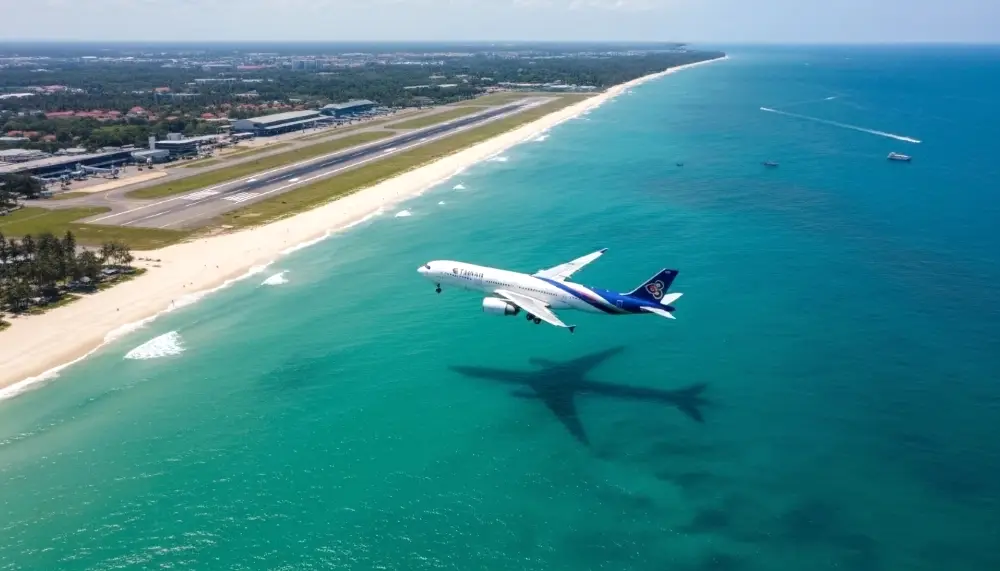
For those arriving in 2026, your safety journey begins at the airport. The decisions you make in the first thirty minutes of landing set the tone for your entire trip.
Money: Withdraw cash from ATMs inside bank branches rather than standalone machines on the street to avoid card skimmers. The 220 THB foreign transaction fee applies at most machines regardless, so withdraw larger amounts less frequently rather than small amounts repeatedly.
Transport: Ignore anyone in the arrivals hall offering “cheap” rides. Follow signs for the Public Taxi queue or use the Grab pickup point. For families or groups travelling with luggage, Welcome Pickups is worth booking in advance: English-speaking drivers with name boards, fixed prices, and no negotiation required.
Connectivity: Purchase an eSIM before you travel so you are connected the second you land. Airalo, Yesim, and Saily all offer reliable Thailand eSIM plans you can activate from home. Both Grab and your hotel’s WhatsApp line need instant data connectivity to send SMS verification codes at the baggage carousel. Without a live signal, you are queueing for a physical SIM in a crowded arrivals hall. Avoid it entirely by activating your eSIM before departure.

Compare hotel prices across Thailand’s
best areas and book with confidence.
Filter by budget, location, or score
to find the right stay for your trip.
Pro Tips For Stress Free Travel:

Grab & Bolt: Essential for getting to and from the piers without overpaying. Bolt is often 20% cheaper in Phuket, while Grab is more reliable in Koh Samui.
Yesim or Saily: Secure an eSIM before landing. Having 5G signal while crossing from Krabi to Koh Lanta allows for real-time tracking of the ferry’s progress and immediate access to your accommodation contacts on arrival.
Klook & Get Your Guide: Use these for day trip ferries where snorkelling gear and lunch are included. Booking through vetted platforms also removes the risk of handing cash to an unknown operator on a pier.
Nord VPN: Vital for booking through 12Go or Agoda on public pier Wi-Fi to protect financial data. Any café, airport lounge, or ferry terminal connection should be treated as unsecured.
Currency (THB): Always keep 500 THB in small notes (20s and 100s). Many smaller piers in islands like Koh Kood do not accept cards for the mandatory cleaning fees.

Stuck at an airport near Thailand?
Check your claim eligibility in
two minutes. AirHelp does the
legwork if you qualify for payout.
Safety in Tourist Areas:
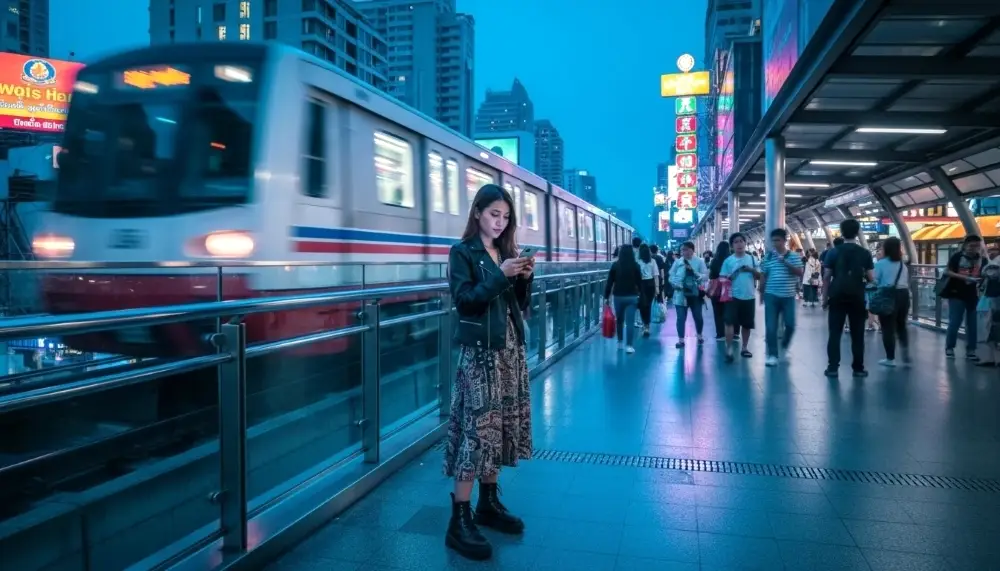
Thailand’s main tourist regions are used to hosting international visitors and are generally very safe. The country has hosted over 35 million international arrivals in a single year and the tourism infrastructure reflects that experience.
Bangkok, the capital city, is energetic and busy but also well organised for tourism. Areas like Sukhumvit, Silom, and the riverside are filled with hotels, restaurants, shopping, and public transport options. The BTS Skytrain runs until midnight and covers most areas visitors frequent.
Chiang Mai, in northern Thailand, is one of the most relaxed cities in the country. Its old town, night markets, and temples attract travellers from around the world and the atmosphere is welcoming and easygoing. Crime rates here are notably low even by Thai standards.
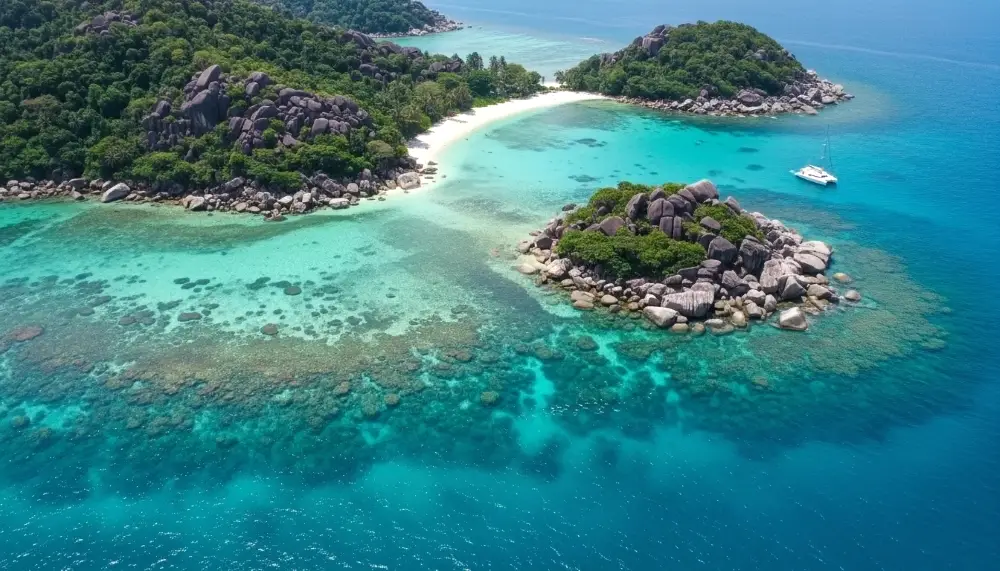
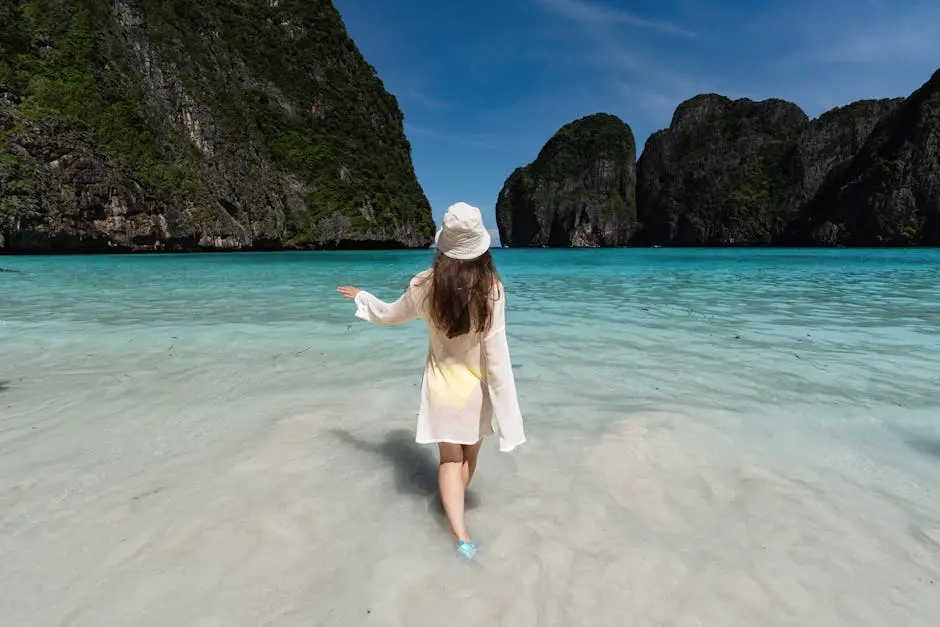
The southern islands, including Phuket, Koh Samui, and Krabi, are popular holiday destinations with strong tourism infrastructure. Resorts, ferries, and tour operators are accustomed to international visitors. Even in busier areas, most travellers feel comfortable exploring day and night.
Common Tourist Scams:
The “Grand Palace is Closed” Ruse
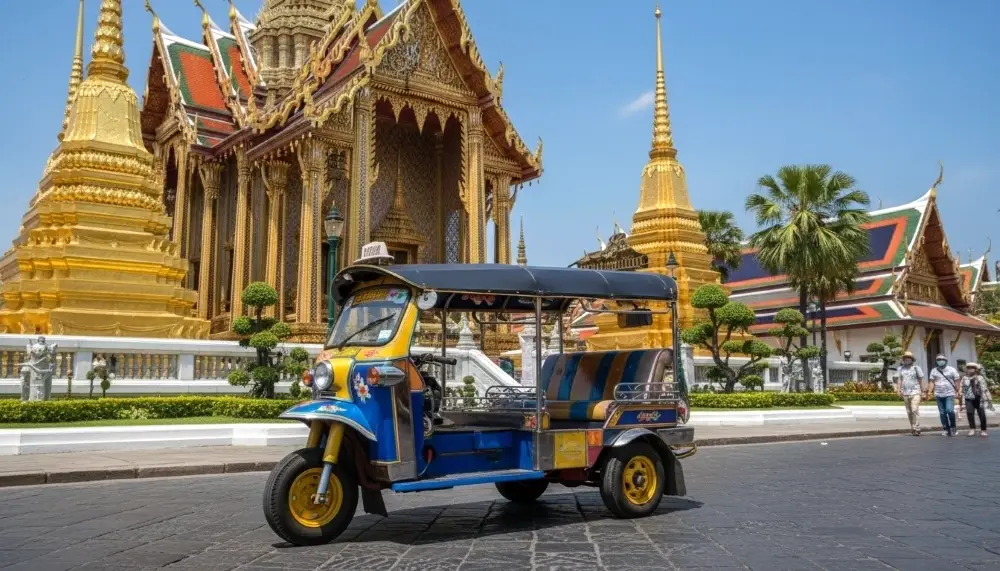
This classic persists in 2026. A well-dressed local may approach you near major landmarks claiming the site is closed for a Buddhist holiday or royal event. They will suggest an alternative tour via tuk-tuk that leads to high-pressure sales at gem “factories” or tailor shops.
Expert Tip: Walk to the entrance yourself. In Thailand, if a stranger approaches you with a “better plan” that involves a vehicle, it is almost certainly a commission-based detour. Politely decline, and go about your day.
The Rental Damage Trap
Common in Phuket and Koh Samui, this involves renting a scooter or jet ski and being charged for “new” scratches upon return. Scammers may demand 15,000 to 50,000 THB and threaten to withhold your passport.
Expert Tip: Use the “360-Degree Video Rule.” Film the entire vehicle in front of the owner before signing. In 2026, reputable shops prefer a 3,000 to 5,000 THB deposit over a physical passport.
If they insist on the passport, find a different vendor.
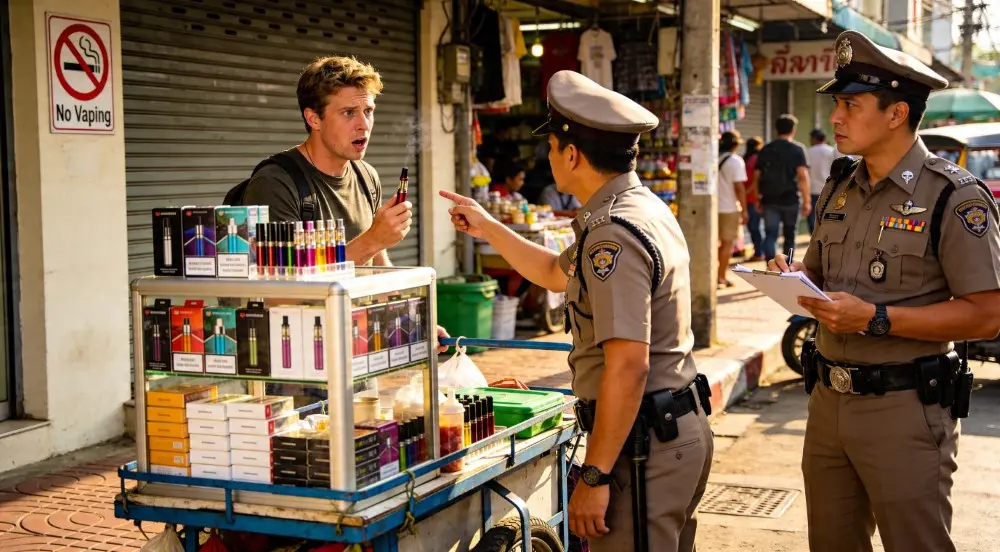
The E-Vape Extortion
Though vapes are sold openly on street corners, they are illegal. Corrupt or “fake” officers may target tourists vaping in public, demanding exorbitant on-the-spot fines to avoid “jail time.”
Expert Tip: Simply do not bring vapes into the country. If stopped, insist on going to the nearest police station rather than paying cash in an alleyway.
When dealing with a potential scammer or a firm official, maintain a calm, smiling demeanour. A respectful but firm “No, thank you” is more effective than an aggressive confrontation. Understanding that harmony is the highest social currency in Thailand allows you to navigate disputes without escalation.
Digital Safety: Protecting Your Data
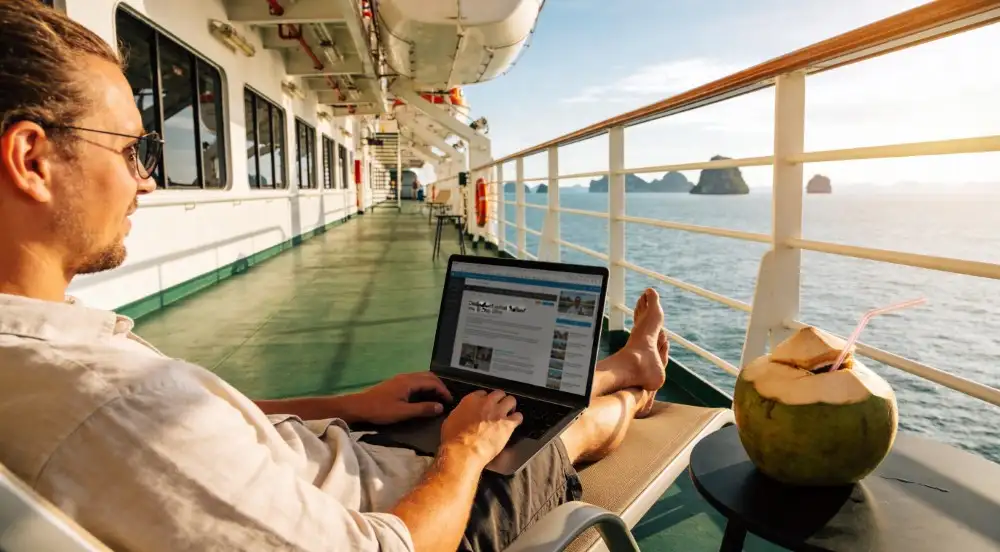
Physical scams get the headlines, but digital threats are an equally real concern for travellers in 2026. Thailand’s tourist hotspots are dense with public Wi-Fi networks at cafes, pier waiting areas, hotel lobbies, and co-working spaces. Connecting to these without protection exposes your banking apps, email, and booking accounts to interception.
NordVPN is the simplest solution. Install it before you leave home, activate it whenever you connect to a network you do not control, and your data is encrypted end-to-end regardless of where the signal comes from. This matters most when you are making accommodation bookings through Agoda or Booking.com, paying for tours via Klook, or checking your bank balance at a pier café in Koh Phi Phi.
Additional digital safety habits worth adopting:
- Enable two-factor authentication on all financial apps before travel
- Notify your bank of your travel dates to prevent card blocks
- Keep a photograph of your passport on a secure cloud drive
- Use a VPN any time you connect to a network you do not own
- Report any fraud immediately to the Cyber Crime hotline on 1441
Transportation Tips:
Getting around Thailand is generally easy, but transportation is where travellers should be most careful. Road accidents are one of the country’s biggest safety concerns, particularly those involving motorbikes.
Helpful tips include:
- Avoid renting a motorbike unless you are an experienced rider
- Always wear a helmet if you do ride, and have valid travel insurance
- Use ride-hailing apps or metered taxis when possible
- Be cautious when crossing busy streets: traffic does not always yield
- Lock in intercity bus, train, and ferry tickets through 12GO before national holidays when seats disappear fast
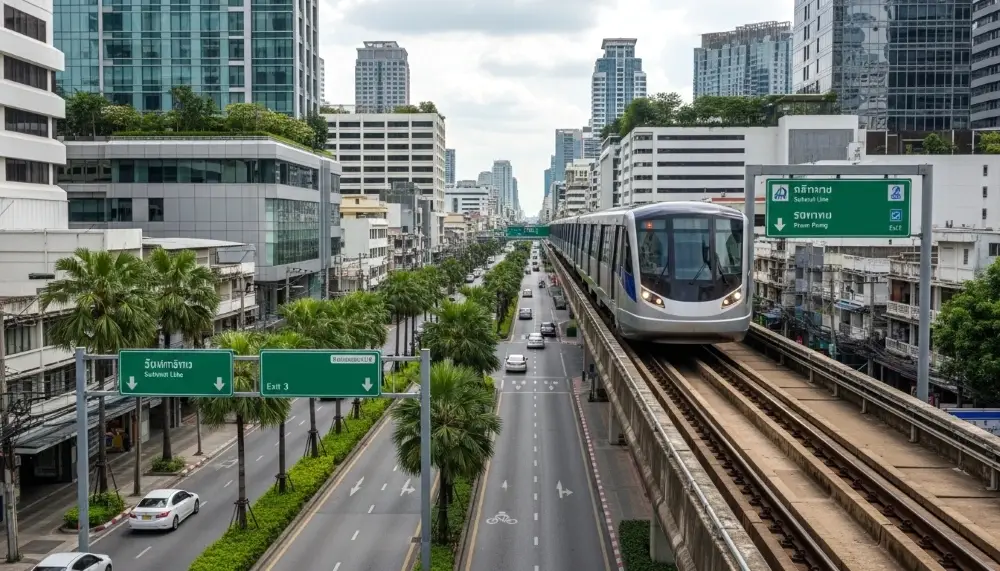
In cities like Bangkok, public transport such as the BTS Skytrain and MRT subway are safe, modern, and efficient. They are also considerably faster than road transport during peak hours and remove the risk of being caught in a meter dispute entirely.
Food, Health, and Hygiene:

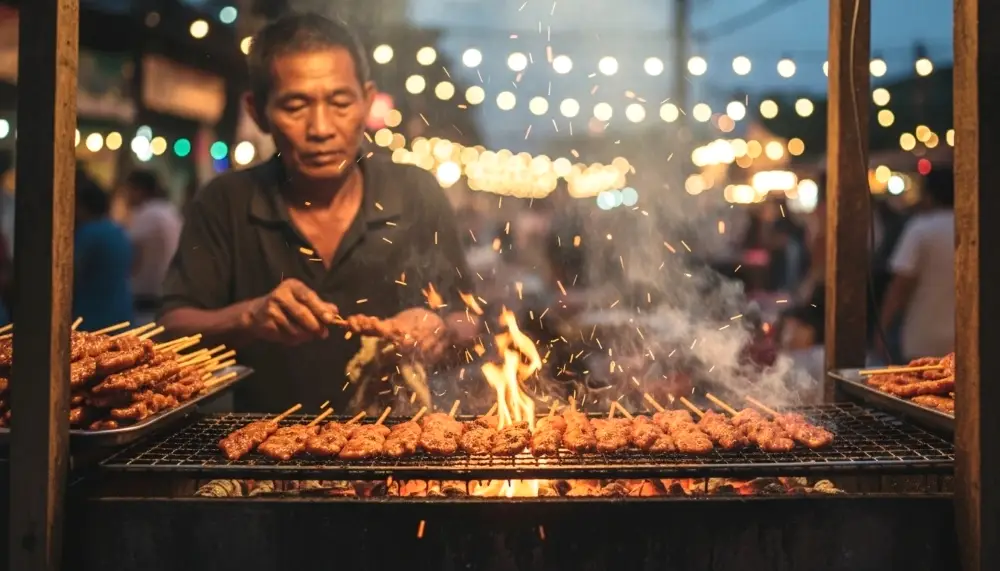
Thai food is one of the highlights of visiting the country, and street food is a huge part of the experience. Most travellers eat street food throughout their trip without any issues, especially at busy stalls where food is cooked fresh to order in front of you.
Simple precautions include:
- Choose stalls with high turnover: a busy queue is a quality signal
- Drink bottled water rather than tap water throughout your stay
- Wash or sanitise hands before eating, particularly at markets
- Introduce spicy foods gradually if you are not accustomed to them
Pharmacies are easy to find across Thailand, and many pharmacists speak functional English. They can handle most minor ailments: stomach upsets, heat rash, minor cuts, and mild infections. International hospitals in Bangkok (Bumrungrad, Bangkok Hospital), Chiang Mai, and Phuket meet global standards and are significantly more affordable than equivalent private care in the UK, Europe, or Australia. For long stays, SafetyWing offers nomad-friendly health cover with flexible monthly billing that travels with you.
Understanding Thai Culture:
One of the best ways to have a smooth trip in Thailand is simply respecting local culture. Thailand is known as the “Land of Smiles”, and kindness and politeness go a long way in every situation, from negotiating a fair price at a market to navigating a misunderstanding with a hotel.
A few cultural tips that help visitors blend in and stay out of trouble:
- Dress modestly when visiting temples: shoulders and knees covered
- Remove shoes when entering homes, temples, and many guesthouses
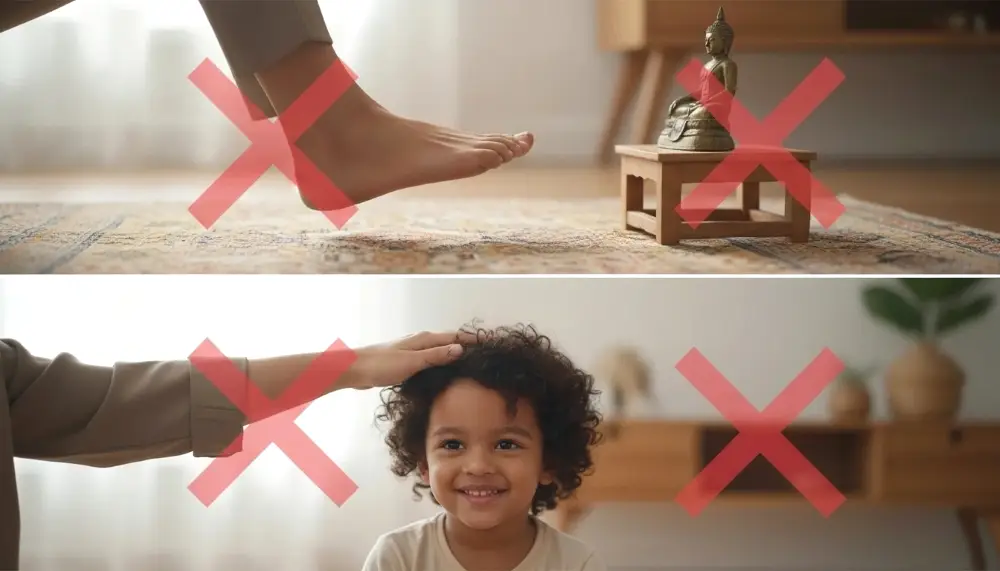
- Never touch someone’s head, including a child’s: it is considered sacred
- Never point your feet at people or religious images
- Do not disrespect the Thai royal family in any context, including on social media
- Keep your voice calm during disagreements: raising your voice causes immediate loss of goodwill
Thai people are generally very friendly and helpful toward visitors, especially those who show genuine respect for the culture. A simple Wai (pressed palms, slight bow) when greeting staff at a hotel or restaurant will be noticed and warmly received.
Safety for Solo Travelers:
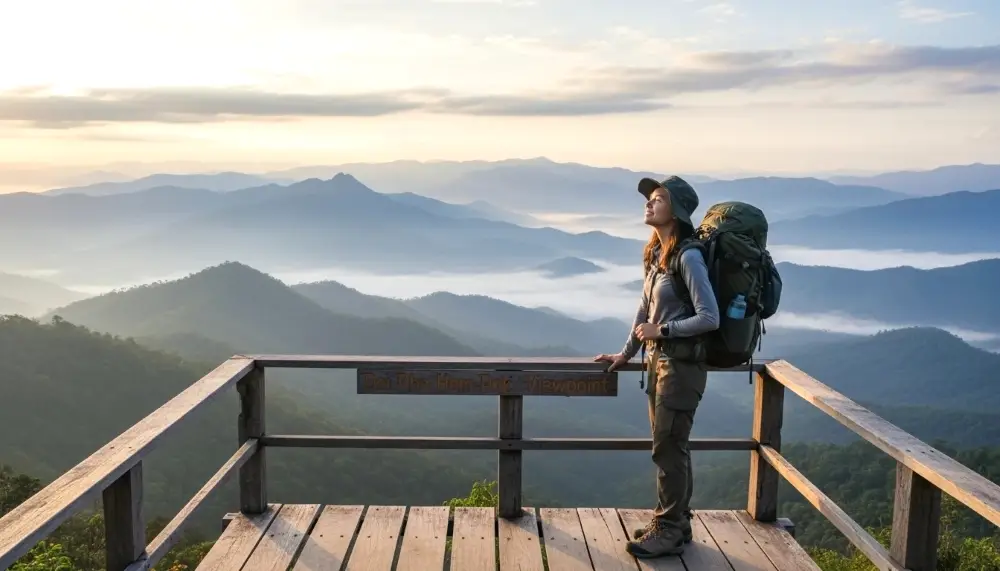
Thailand is one of the most popular destinations in the world for solo travellers, and for good reason. The social infrastructure around independent travel is genuinely excellent: hostels with common areas, group tours departing daily, and a community of like-minded people moving through the same routes makes meeting others effortless.
Hostels, group tours, and social travel communities make it easy to connect with other travellers along the way. Many visitors arrive solo and form lasting friendships within their first few days.
Solo travellers should follow basic precautions:
- Avoid poorly lit areas late at night, particularly in unfamiliar neighbourhoods
- Keep valuables secure and split cash across multiple locations
- Share your travel itinerary with someone at home
- Be mindful when accepting drinks from strangers in nightlife areas
- Make sure you have valid travel insurance before departure
Thousands of solo travellers explore Thailand every year and find it an incredibly rewarding destination. The combination of ease, warmth, and adventure makes it one of the best places in the world to travel independently.
Travel Insurance: The One Thing You Should Not Skip
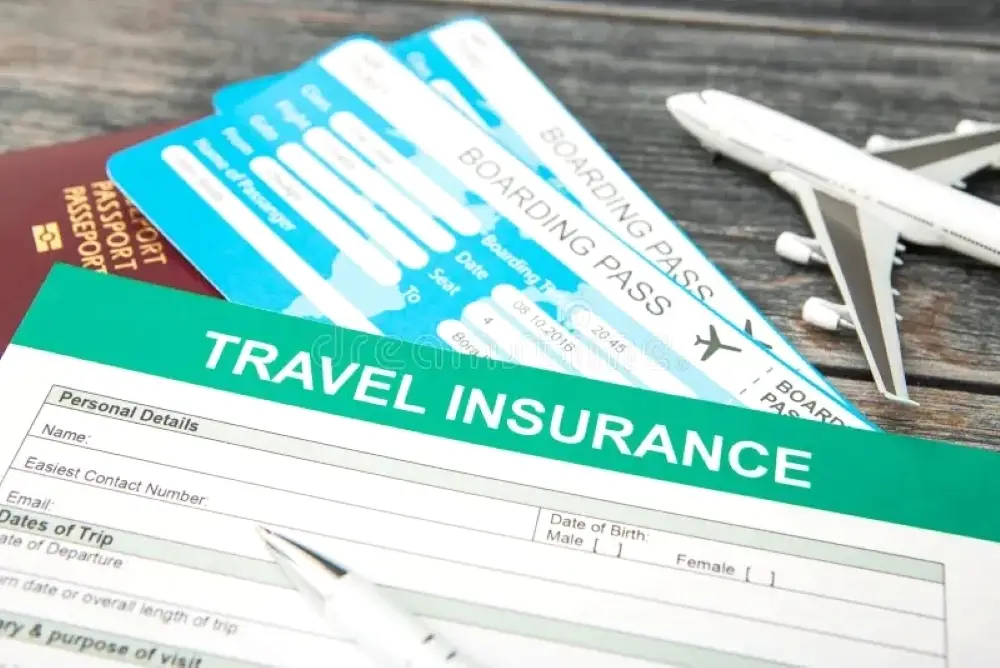
Travel insurance is the single most overlooked safety tool for Thailand visitors. Most incidents that cause genuine problems for travellers are not violent crimes: they are motorbike accidents, water sport injuries, sudden illness, lost luggage, or cancelled flights. A comprehensive policy covers all of these.
If your flight is disrupted before you even reach Thailand, AirHelp handles compensation claims against airlines for delays and cancellations with minimal effort on your part. It is worth having registered before you check in at your departure airport.
For travellers spending extended time in the country, whether on a DTV visa, a long holiday, or a remote work sabbatical, SafetyWing’s nomad health plan offers flexible monthly billing, real hospital access across Southeast Asia, and genuine value that annual policies cannot match for the mobile traveller.
Key things your policy should cover for Thailand:
- Medical treatment and hospitalisation, including private hospitals
- Emergency medical evacuation
- Motorbike and scooter riding (many policies exclude this by default)
- Adventure activities: scuba, rock climbing, white water rafting
- Trip cancellation and lost or stolen belongings
Reassurance for First-Timers:
If this is your first international trip, or your first time in Southeast Asia, it is completely normal to feel a little nervous before you go. Thailand is actually one of the easiest countries in the region for first-time travellers to navigate.
Reasons many beginners choose Thailand include:
- Strong tourism infrastructure built around international visitors
- English widely spoken in hotels, restaurants, and tourist areas
- Affordable accommodation and transport at every level
- Friendly locals who are genuinely accustomed to helping travellers
- Clear signage in tourist areas in both Thai and English
You will quickly discover that the country is far less intimidating than it might seem before arrival. Within twenty-four hours of landing, most first-timers feel surprisingly at ease.
Final Thoughts:
Thailand’s mix of culture, landscapes, and hospitality makes it one of the most exciting travel destinations in the world. The country is not without its quirks and challenges, but none of them should stop you from going.
By staying aware, respecting local customs, and using common sense, you can explore the country safely and confidently. Whether you are wandering through temples in Bangkok, trekking in the mountains around Chiang Mai, or watching the sun set over the Andaman Sea from a villa terrace in Phuket, Thailand rewards curious travellers with experiences that are genuinely hard to find elsewhere.
For most visitors, the biggest challenge is not staying safe. It is deciding where to go next in a country full of adventure.
Frequently Asked Questions:
Is Thailand safe for solo female travelers?
Yes. Thailand is consistently ranked as one of the safest destinations in Southeast Asia for women travelling alone. Standard precautions apply: use reputable transport apps like Grab after dark rather than flagging taxis on the street, keep a moderate eye on your drink in busy nightlife zones like Soi Cowboy or Bangla Road, and stick to well-lit areas when returning late. Thousands of solo female travellers visit every month without incident, and the local culture is generally respectful toward visitors.
What should I do if a taxi driver refuses the meter?
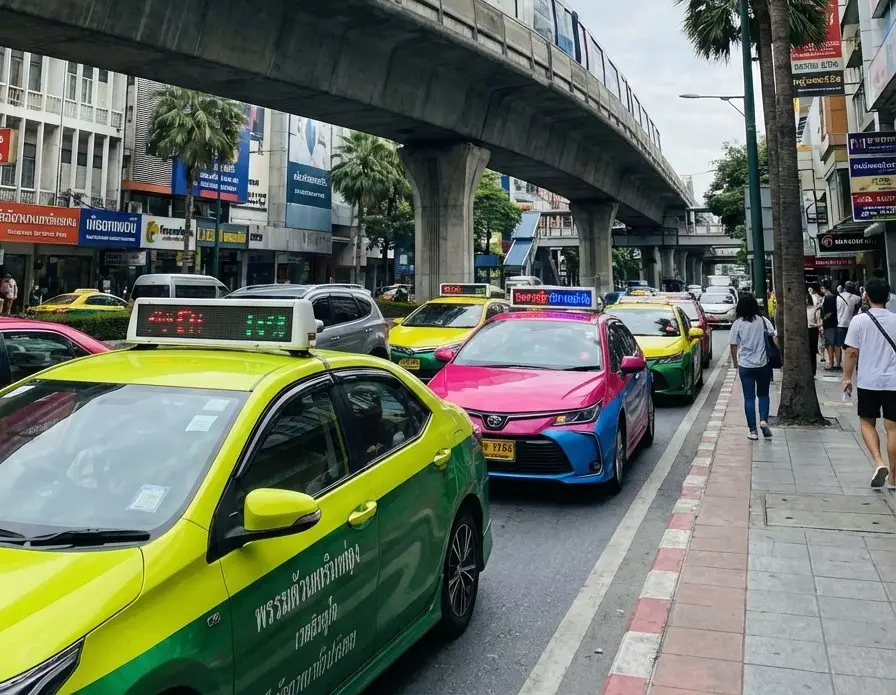
Politely decline the ride and look for another taxi. In high-traffic areas like CentralWorld or MBK, drivers often hold out for fixed prices that are two to three times the metered fare. Walking one block away from the main entrance usually yields a driver willing to use the meter. Alternatively, use Grab for a fixed, app-confirmed price with no negotiation required.
What is the emergency number for an ambulance in Thailand?
Dial 1669 for national emergency medical services. For English-language assistance during a medical crisis, calling the Tourist Police at 1155 is also a viable option as they can help bridge the communication gap with local ambulance and hospital staff. Save both numbers in your phone before you land.
Are there specific laws about the monarchy I should know?
Yes, and they are serious. Thailand’s lèse-majesté laws are among the strictest in the world. Avoid any criticism of the Royal Family in any setting: face-to-face conversations, social media posts, or even private messaging apps. The King’s image appears on all Thai baht banknotes, so never treat currency disrespectfully. Violations can result in criminal charges with significant prison sentences.
How do I avoid being overcharged for street food?
Most street food vendors in areas like Yaowarat (Chinatown) and Or Tor Kor Market display prices visibly. If no price is listed, ask “Tao Rai?” (How much?) before ordering. This signals that you are aware of the local price range. In tourist-heavy areas like Khao San Road, prices are naturally higher. Moving one or two streets off the main tourist strip typically brings you back to local pricing.
Is it safe to eat street food in Thailand?
Yes, for the vast majority of travellers. The key is choosing busy stalls where food is cooked fresh to order in front of you. High turnover is your best quality indicator. Drink bottled water throughout your stay rather than tap water, wash hands before eating, and introduce very spicy dishes gradually if your stomach is not used to Thai heat levels. Most minor stomach issues are caused by chilli overload rather than food safety problems.
What should I do if my passport is stolen in Thailand?
Contact the Tourist Police immediately on 1155 to file a report and obtain a police report number. This document is essential for your insurance claim and for your country’s embassy. Contact your nearest embassy or consulate to arrange an emergency travel document. Keep a digital photograph of your passport stored in a secure cloud account before you travel so the embassy process is faster. Never hand your physical passport to a rental operator as a deposit.
Is it safe to rent a scooter in Thailand?
It carries real risk, particularly for those without experience riding on the left side of the road in heavy traffic. If you are a confident and experienced rider, use the 360-degree video rule before signing any rental agreement: film the entire vehicle in detail in front of the owner to document pre-existing damage. Wear a helmet at all times, check that your travel insurance covers motorbike riding (many policies exclude it by default), and avoid riding at night or in wet conditions on unfamiliar roads.
Which areas of Thailand should I be more cautious in?
The far south, specifically the provinces of Pattani, Yala, Narathiwat, and Songkhla, have experienced ongoing civil unrest for many years and are not recommended for tourist visits. Check your government’s current travel advisory before finalising any itinerary that takes you close to the Malaysian border. Everywhere else in Thailand, including all the major tourist destinations from Bangkok to Chiang Mai and the southern islands, is considered safe for international visitors with normal travel precautions.
Do I need travel insurance for Thailand?
Yes, without question. Medical care at Bangkok’s top private hospitals (Bumrungrad International, Bangkok Hospital) is excellent but costs accumulate quickly without cover. More importantly, many of the activities that make Thailand exciting, including scuba diving, motorbike riding, island boat trips, and trekking, carry physical risks that basic policies may exclude. Read the fine print before purchasing. For short trips, a comprehensive single-trip policy with medical evacuation cover is essential. For longer stays or remote work periods, SafetyWing offers flexible monthly health cover designed specifically for travellers spending extended time in Southeast Asia.