
Travel Insurance Thailand
This site contains affiliate links. We may earn a commission at no extra cost to you.
Thailand is a genuinely brilliant destination. Safe, welcoming, affordable, and endlessly rewarding for every type of traveller. But it also has scooters, monsoon seasons, tropical illnesses, and the occasional flight disruption. Travel insurance is simply how you protect the investment you’ve made in your adventure, so you can focus on the parts that actually matter.
Do You Need Travel Insurance for Thailand?
In short: yes, travel insurance for Thailand is strongly recommended.
While it is not currently required for most tourists entering the country, having coverage protects you from potentially expensive medical bills, travel disruptions, and unexpected emergencies. The moment something goes wrong without it, you’ll understand exactly why it exists.
A good travel insurance policy typically covers:
- Emergency medical treatment
- Hospital stays
- Trip cancellations or delays
- Lost luggage
- Emergency evacuation
- Adventure activity coverage (depending on the policy)
SafetyWing is the superior choice for long-term digital nomads and budget-conscious travellers, offering a subscription model starting at approximately 2,150 THB per four weeks. You can start or stop the policy at any time, which makes it uniquely practical for open-ended travels.
World Nomads excels for high-intensity adventure seekers, providing robust coverage for over 200 activities including technical scuba diving and mountain trekking.
Entry Requirements: While most tourists enter visa-free, the Destination Thailand Visa (DTV) typically requires proof of 50,000 USD (approx. 1,800,000 THB) in medical coverage.


SafetyWing’s affordable, subscription-style
medical and travel insurance, that you can
start or stop at any time. It covers unexpected
illness, injury, and motor accidents, plus
travel essentials like lost luggage and
delays.

Public wifi in Thailand cafes is
convenient but rarely secure.
NordVPN encrypts everything so
passwords and card details stay safe.
Healthcare in Thailand: What Travellers Should Know

Thailand has some of the best healthcare facilities in Southeast Asia. Major cities such as Bangkok and Chiang Mai have modern hospitals that treat international patients every day, and the standard of care at leading private facilities genuinely rivals what you’d find in Western Europe or Australia.
Many doctors are internationally trained, and English is widely spoken in private hospitals. Bumrungrad International in Bangkok, for example, sees well over a million patients per year from around the world, and its facilities are genuinely world-class.
However, healthcare for tourists is not free. Private hospitals often require payment or proof of insurance before treatment begins, and costs accumulate quickly.
Typical costs without insurance may include:
- Minor treatment: £50 to £200
- Emergency room visits: £200 to £500
- Hospital stays: £1,000 and above, depending on treatment
Medical Standards: Private facilities like Bumrungrad International in Bangkok offer world-class care but require upfront payment or a direct billing guarantee from a reputable insurer. Without a recognised policy in hand, you’ll be paying at the desk before anyone examines you.

Skip-the-line tickets and guided walks
in Thailand with English-speaking
guides. Read real traveller reviews
before committing to a single one.
Arriving in Thailand: Getting Connected Before You Land
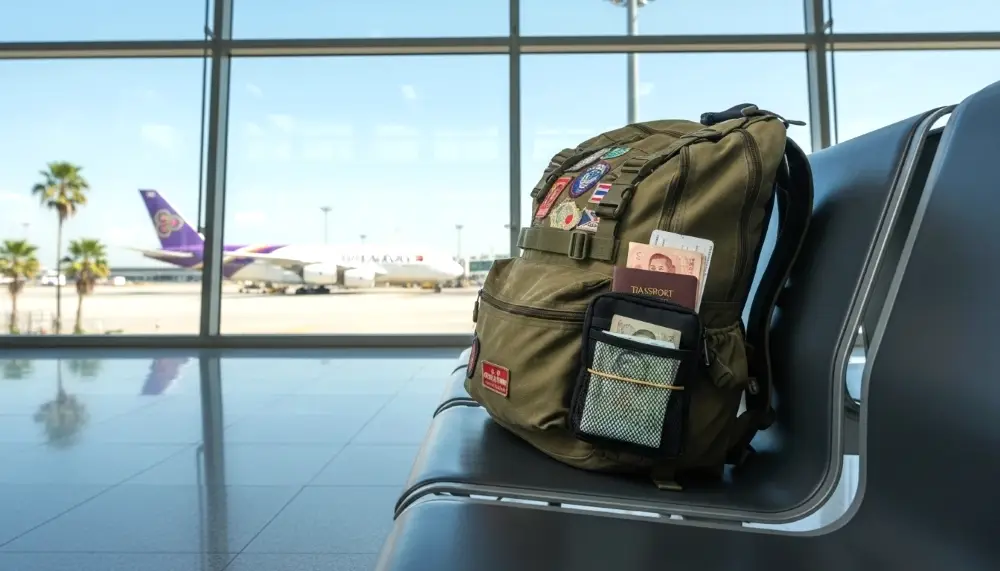
Your very first practical task after landing at Suvarnabhumi or Don Mueang is connectivity, and this matters more than most travellers realise before their first visit. Thailand’s dominant ride-hailing and local transport apps, including Grab, require SMS verification the moment you open them for the first time.
If your home SIM doesn’t have international roaming active, or if you’re planning to swap it out at the airport, that verification code has nowhere to land. You end up stuck at the baggage carousel trying to get Grab working while everyone else in the queue zooms off. It’s avoidable and slightly embarrassing.
The clean solution is to activate an eSIM data plan before you fly. Services like Airalo, Yesim, and Saily all offer Thailand-specific plans that switch on automatically when your plane lands. Your Thai number goes live the moment wheels hit the tarmac, verification codes arrive instantly, and you’re ordering your first Grab within minutes of clearing immigration.
For families travelling with a lot of bags and children in tow, Welcome Pickups offers pre-booked airport transfers with a fixed price, no surge pricing, and a professional driver holding your name at arrivals. After a long-haul flight, that kind of frictionless start to the trip is genuinely worth it.
And if your inbound flight was delayed or cancelled, it’s worth checking whether you’re owed compensation. AirHelp specialises in exactly this, recovering government-mandated payouts for eligible disruptions across international routes into Thailand.
| Feature | SafetyWing (Nomad Insurance) | World Nomads (Explorer Plan) |
|---|---|---|
| Price (4 Weeks, Age 30) | Approx. 2,150 THB | Approx. 5,800 THB |
| Medical Limit | 250,000 USD | 100,000 USD to Unlimited (varies) |
| Adventure Sports | Limited (Add-on required) | Extensive (200+ activities) |
| Electronics Theft | Limited Add-on | Included up to 3,000 USD |
| Home Country Cover | 30 days every 90 days | Generally none |
Common Situations Where Insurance Helps
Most trips to Thailand go smoothly, but travel insurance is designed for the unexpected. The vast majority of visitors never make a single claim, which is exactly the best possible outcome. But the scenarios where it makes a real difference are worth understanding before you arrive.
Here are some situations where it can make a huge difference:
- Scooter accidents – One of the most common travel incidents, particularly on islands
- Food-related illness – Usually mild but occasionally requires hospital assessment
- Lost or delayed luggage – Especially on multi-leg domestic routes
- Flight cancellations – More common during peak season and tropical storms
- Unexpected hospital visits – From heat stroke, water infections, or minor injuries
- Travel disruptions due to weather – Monsoon season affects the southern islands significantly
For example, travellers visiting the southern islands during monsoon season may face ferry cancellations or short-notice flight changes. Insurance can help recover those costs and covers any emergency accommodation needed while you wait for conditions to improve.

Book Thailand day trips, attractions,
and activities in one place. Check
real reviews and lock in your spot
before the popular slots go.
Getting Around Thailand: Intercity Travel and Booking Ahead
Thailand’s internal transport network is extensive and genuinely impressive. You can get from Bangkok to Chiang Mai on an overnight sleeper train, hop a budget domestic flight to Krabi for less than the price of a pub dinner, or ride a long-tail boat between islands that barely appear on Google Maps. The country rewards curious travellers who are willing to piece together their own route.
The catch is that popular routes fill up fast, particularly around Songkran in April, the Christmas and New Year period, and Chinese New Year. If you’re planning to travel between major destinations during these windows, booking your buses, trains, and ferries in advance is genuinely important. 12GO is the most reliable platform for locking in intercity tickets across Thailand, covering trains, buses, ferries, and airport transfers in a single booking flow. It removes the uncertainty of turning up at a bus terminal and discovering the next available seat is two days away.
For accommodation along the way, Agoda has excellent coverage of Thai hotels at every price point, from beachfront guesthouses at under 500 THB a night to luxury pool villas on Samui. Booking.com is equally strong for mid-range and boutique stays, and offers more flexible cancellation policies that suit itineraries that are still evolving.
Travel insurance plays a role here too. If a connecting ferry is cancelled due to weather, or a domestic flight is delayed and you miss an onward booking, a solid policy can cover the additional costs involved in rebooking.

Adventure Activities in Thailand
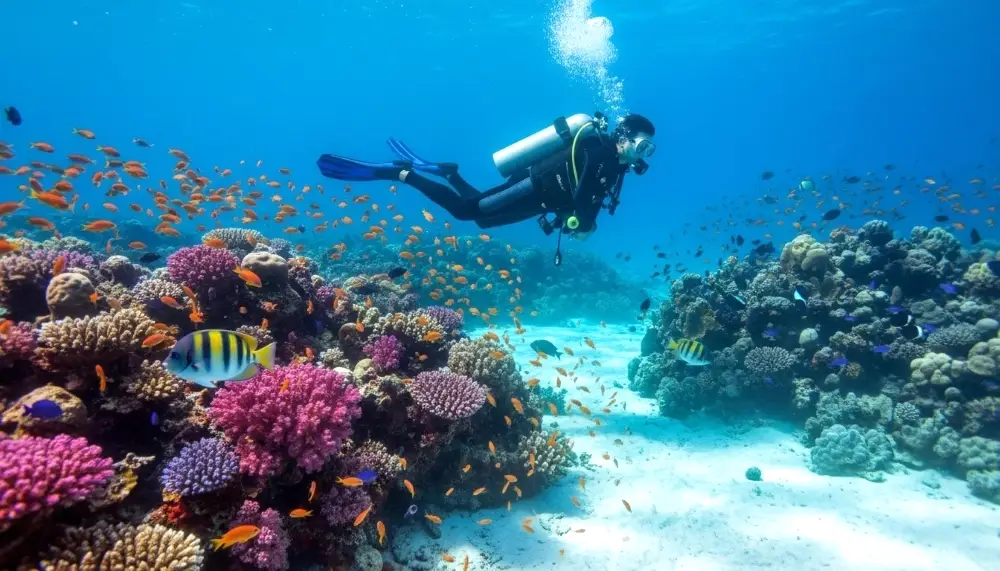
Thailand is an adventure lover’s dream, and this is one of the main reasons people keep coming back. The country offers an extraordinary variety of experiences, from underwater worlds to jungle canopies, all within a relatively compact geography that makes combining activities across a single trip entirely feasible.
Many visitors come specifically to experience activities such as:
- Scuba diving
- Snorkelling
- Island hopping
- Jungle trekking
- Rock climbing
- Ziplining
- Motorbike exploration
If you plan to do any of these activities, check your travel insurance policy carefully. Some policies exclude higher-risk activities unless you purchase an adventure sports add-on. World Nomads is particularly strong here, covering more than 200 specific activities including technical diving with tanks, multi-day treks, and motorised water sports.
For booking the actual experiences once you’re on the ground, Get Your Guide and Klook both have extensive Thailand listings covering everything from PADI dive courses in Koh Tao to cooking classes in Chiang Mai and elephant sanctuary visits in Chiang Rai. Booking through these platforms also provides a level of consumer protection that walking into a random beach shack does not.
It’s always better to confirm coverage before you arrive, rather than discovering a gap in your policy from a hospital bed.

Stay closer to the action in Thailand.
Agoda lists guesthouses to resorts
with verified reviews and instant
booking at competitive rates.
Travel Insurance and Scooter Rentals
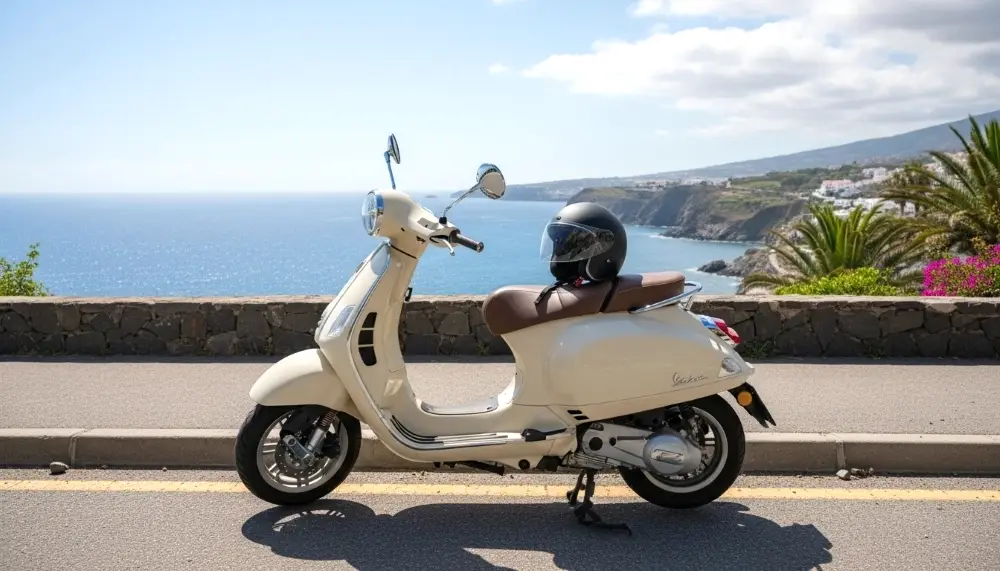
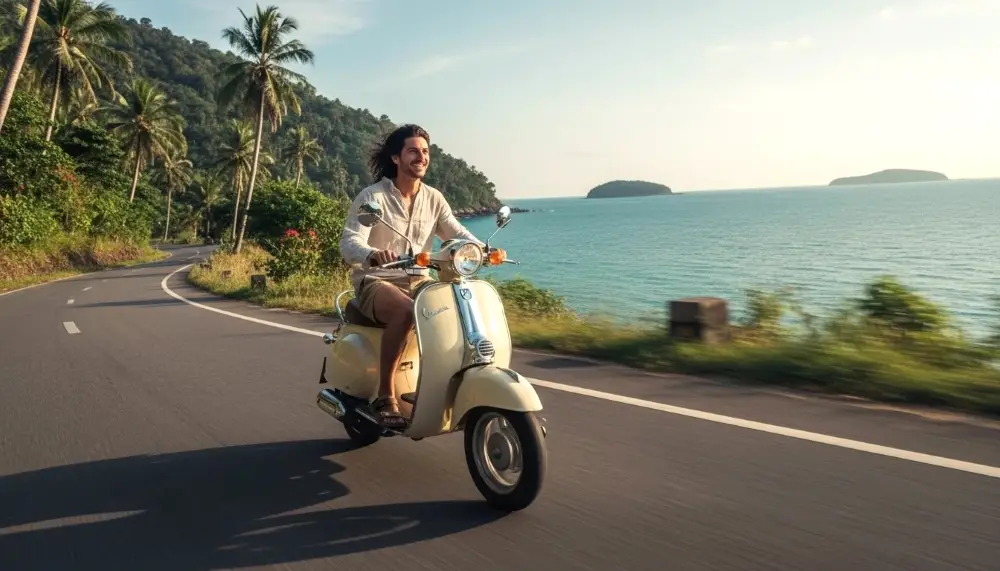
Renting a scooter is extremely common in Thailand, especially on islands and in smaller towns. Riding around Koh Phangan at sunrise, winding through the hills above Pai, or exploring the coastal roads of Koh Samui are some of the most memorable experiences the country offers. It’s also one of the biggest sources of travel injuries.
Thai roads can be chaotic compared to many Western countries. Traffic flows in unexpected ways, road surfaces vary wildly between routes, and dogs, chickens, and the occasional water buffalo have a habit of appearing from nowhere. Even experienced riders need to treat local roads with respect.
If you plan to ride a scooter, make sure your insurance policy:
- Covers motorbike accidents specifically
- Allows riding a scooter up to 125cc (some policies cap at 50cc)
- Notes whether an international driving permit is required for full coverage
Without proper coverage, medical claims from scooter accidents can be denied outright. This is one of the most common ways travellers find themselves with an unexpectedly large hospital bill that their insurer refuses to touch. Read the small print on this one before you pick up the keys.

Skip the airport kiosk queue in Thailand.
Airalo eSIMs are pre-loaded before
you fly and ready the instant you
connect to the local network.
Coverage for Islands and Remote Areas
Thailand’s famous southern islands are breathtaking but can be more remote than major cities. The moment you step off a ferry onto Koh Tao or take a longtail to a quiet bay on Koh Lanta, you’re somewhere genuinely beautiful and genuinely far from a major hospital.
Destinations such as island beaches or smaller diving locations may require transport by:
- Boat or longtail
- Ferry
- Small domestic aircraft
Travel insurance is particularly valuable in these situations because it may cover:
- Emergency medical evacuation to a mainland hospital
- Medical transport by air or speedboat
- Trip interruptions caused by severe weather
Storms or rough seas occasionally delay boats or flights, particularly during monsoon season between May and October on the western Gulf coast. Insurance makes these disruptions manageable rather than catastrophic, covering accommodation costs while you wait and any additional transport needed once conditions improve.
Digital Nomads and Remote Workers: Insurance That Keeps Up With You
Thailand has become one of the world’s most popular digital nomad destinations, and for obvious reasons. The cost of living is low, the food is extraordinary, co-working spaces are plentiful, and the quality of life on offer is genuinely hard to match anywhere in Asia. Cities like Chiang Mai, Bangkok, and Koh Lanta have well-established remote worker communities that make it easy to find your feet.
If you’re planning to work remotely from Thailand for more than a few weeks, your insurance needs are different from those of a short-term tourist. You need coverage that doesn’t expire after 30 days and doesn’t penalise you for staying in one country for an extended period. SafetyWing’s Nomad Insurance is purpose-built for exactly this situation, running on a subscription model that you can maintain month-by-month for as long as your stay lasts.
Security is another consideration that short-term tourists can overlook. When you’re working from cafes, co-working spaces, and hotel lobbies, you’re frequently on public Wi-Fi networks that are not secured. NordVPN is widely used among the nomad community in Thailand for precisely this reason. It encrypts your connection, protects any client data you’re handling, and keeps you safe on networks where you have no visibility over who else is connected.
For longer stays, accommodation worth checking includes the serviced apartment listings on Agoda, which often offer weekly and monthly rates significantly lower than nightly prices. Booking.com is also excellent for finding guesthouses that cater specifically to longer-term guests, with kitchen access and reliable Wi-Fi included.
How to Choose the Right Travel Insurance

Not all travel insurance policies are the same, and for Thailand specifically, the differences matter. A policy designed for a two-week European city break is not going to serve you well on a month-long trip that includes scuba diving, island-hopping by longtail, and renting a scooter on Koh Samui.
When choosing a plan for Thailand, look for coverage that includes:
- At least £1 million in medical coverage (emergency evacuation can alone exceed this figure)
- Emergency evacuation coverage to a facility capable of treating your condition
- Trip cancellation protection covering flights, accommodation, and pre-booked tours
- Lost or delayed luggage protection
- Adventure activity coverage specific to the activities you’re planning
- Scooter or motorbike coverage with a clear statement of engine size limits
It’s also worth checking the policy excess, which is the amount you must pay before the insurance covers the remainder. A policy with a very low premium but a £500 excess might feel less attractive after your first incident. Reading the small print is not the most exciting part of trip planning, but it is absolutely worth the hour it takes.
Tips for Using Travel Insurance in Thailand
Once you have travel insurance sorted, a few simple preparation steps make it significantly easier to use if something does happen. Most problems with insurance claims come not from the insurer refusing to pay, but from travellers not having the documentation they need to support the claim.
Before you travel:
- Save your policy number and all details on your phone, ideally in a notes app that works offline
- Keep your insurer’s 24-hour emergency contact number saved and accessible without internet
- Take clear photos of your passport, travel documents, and any pre-existing medical information
If something happens during your trip:
- Contact your insurer as soon as possible, before agreeing to any treatment where possible
- Keep every receipt, no matter how minor the amount
- Request a formal medical report from any hospital or clinic you visit
- For lost luggage, get a Property Irregularity Report from the airline before leaving the airport
These steps help ensure your claim process runs smoothly and without unnecessary back-and-forth.

Delayed or cancelled flight to or
from Thailand? You may be owed
up to €600. AirHelp handles the
claim and only charges if you win.
Reassurance for First-Time Travellers

If this is your first trip to Thailand, it’s completely natural to feel a little nervous about the unknown. Southeast Asia can seem overwhelming before you’ve experienced it firsthand. The maps look sprawling, the language looks impossibly unfamiliar, and the internet is full of horror stories that, in most cases, represent a tiny fraction of actual visitor experiences.
The reality is that Thailand has been welcoming international travellers for decades. Millions of visitors explore the country every year, from solo backpackers in their twenties to families with young children, retirees on extended holidays, and couples on honeymoon. The tourism infrastructure is well-developed, English is widely spoken in tourist areas, and Thai hospitality is genuine and warm.
Travel insurance simply adds an extra layer of reassurance. It allows you to try new experiences, venture slightly off the beaten path, and immerse yourself in the adventure without a background anxiety about what might go wrong. Once you arrive and start experiencing the food, culture, and scenery, those pre-trip nerves typically disappear within about 48 hours.
The combination of solid insurance, a working eSIM from Airalo or Saily, a few bookings locked in via Agoda, and a rough plan for getting around via 12GO is genuinely all you need to feel prepared. The rest, Thailand takes care of itself.
Final Thoughts: Travel With Confidence
Thailand is one of the most rewarding travel destinations in the world. Whether you’re wandering night markets in Chiang Mai, visiting ancient temples in Ayutthaya, relaxing on a white sand beach in the south, exploring mountain villages near the Myanmar border, or building a remote working life from a co-working space overlooking the sea, the experiences are genuinely unforgettable.
Travel insurance might feel like a small administrative detail in your planning process, but it plays an important role in ensuring your trip runs as smoothly as it should. Think of it as a safety net that lets you fully enjoy the journey, try the things that excite you, and handle the unexpected without panic.
Get your coverage sorted before you fly. Activate your eSIM before wheels-down. Book your first night’s accommodation somewhere you can properly unpack and sleep off the jet lag. And then let Thailand do what it does best.
With the right preparation in place, you can explore this remarkable country with genuine confidence, and focus entirely on what really matters: the adventure ahead.
SafetyWing’s affordable, subscription-style
medical and travel insurance, that you can
start or stop at any time. It covers unexpected
illness, injury, and motor accidents, plus
travel essentials like lost luggage and
delays.
Is travel insurance mandatory for visiting Thailand?
Travel insurance is not currently a legal requirement for most tourists visiting Thailand on a standard visa-exempt entry. However, it is very strongly recommended. Private hospitals in Thailand, including world-class facilities like Bumrungrad International in Bangkok, typically require upfront payment or a direct billing guarantee from a recognised insurer before treatment begins. Without insurance, even a relatively minor emergency room visit can cost between £200 and £500, while hospital stays or surgeries can reach into the thousands. The one significant exception is the Destination Thailand Visa (DTV), designed for digital nomads and long-stay remote workers, which typically requires applicants to show proof of at least 50,000 USD (approximately 1,800,000 THB) in medical insurance coverage as part of the application.
What does travel insurance for Thailand typically cover?
A comprehensive travel insurance policy for Thailand will generally cover emergency medical treatment and hospitalisation, emergency evacuation (particularly important if you are visiting a remote island or rural area far from a major hospital), trip cancellation and curtailment, flight delays and missed connections, lost or delayed baggage, and personal liability. Most standard policies do not automatically include adventure sports coverage, scooter or motorbike accidents, or high-risk activities like technical scuba diving and rock climbing. These typically require specific add-ons or a policy designed with adventure travel in mind, such as the World Nomads Explorer Plan, which covers more than 200 activities as standard.
Does travel insurance cover scooter accidents in Thailand?
Scooter coverage varies significantly between policies and is one of the most important things to verify before you rent a bike in Thailand. Many standard travel insurance policies exclude motorbike accidents entirely, or will only cover incidents if you were riding a bike under a specific engine size (often 125cc or less) and held a valid driving licence for that vehicle in your home country. Some insurers also require an International Driving Permit (IDP) to be in force. Scooter accidents are one of the most common reasons tourists end up in Thai hospitals, and discovering your policy does not cover the claim after the fact is an extremely stressful experience. Read the motorbike clause in your policy document carefully before you pick up the keys.
Which travel insurance is best for long-term stays and digital nomads in Thailand?
SafetyWing’s Nomad Insurance is widely regarded as the best option for digital nomads and long-term travellers based in Thailand. It operates on a subscription model that renews every 28 days, meaning you are never paying for coverage you do not need, and you can pause or cancel at any time. It provides medical coverage up to 250,000 USD, includes home country coverage for up to 30 days per 90-day period, and costs approximately 2,150 THB per four-week cycle for a 30-year-old. For remote workers handling sensitive client data on public Wi-Fi at cafes and co-working spaces, pairing SafetyWing with a NordVPN subscription adds an important additional layer of digital security.
How good is healthcare in Thailand for tourists?
Thailand has some of the best healthcare infrastructure in Southeast Asia, particularly in its major cities. Bangkok is home to internationally accredited hospitals including Bumrungrad International, Bangkok Hospital, and Samitivej, all of which offer a standard of care comparable to leading private hospitals in Western countries. Many doctors are internationally trained, and English is widely spoken in private medical facilities. However, quality and availability of care drops significantly once you move away from major urban centres into remote island or rural settings. This is precisely why emergency evacuation coverage is such an important element of any travel insurance policy for Thailand. If you are hospitalised on a small island, the cost of transferring you to a mainland facility with appropriate specialist care can be substantial.
Does travel insurance cover adventure activities like scuba diving and jungle trekking in Thailand?
Standard travel insurance policies often exclude or restrict coverage for activities classified as adventure sports or high-risk activities. In Thailand, where scuba diving, jungle trekking, rock climbing, ziplining, and white-water rafting are all popular, this matters considerably. World Nomads is the most commonly recommended option for travellers planning an activity-heavy itinerary, as its Explorer Plan covers more than 200 activities including technical scuba diving with tanks, multi-day trekking expeditions, motorised water sports, and mountain climbing. SafetyWing’s base policy is more limited on adventure sports but does offer add-ons. Whichever policy you choose, confirm which specific activities are covered before booking excursions. Get Your Guide and Klook both list reputable operators for most popular activities in Thailand.
What should I do if I need to make a travel insurance claim in Thailand?
The most important step is to contact your insurer as quickly as possible, ideally before agreeing to any significant medical treatment. Most insurers have a 24-hour emergency assistance line, and for large medical bills, hospitals will often deal directly with your insurer if you can provide the right contact details. For any claim, documentation is critical: keep every receipt from medical visits, pharmacies, or additional accommodation costs caused by a delay or disruption. Request a formal medical report from any hospital or clinic you attend, as this is almost always required by insurers. For lost or delayed luggage, obtain a Property Irregularity Report from the airline at the airport before leaving. Photographing important documents before you travel and storing them in cloud storage means you can access them even if your phone or bag is lost.
Is travel insurance more important during Thailand’s monsoon season?
Travel insurance is important year-round in Thailand, but certain types of coverage become particularly relevant during the monsoon season. Thailand has two distinct monsoon periods: the Gulf of Thailand coast (Koh Samui, Koh Phangan, Koh Tao) receives the heaviest rain between October and December, while the Andaman Sea coast (Phuket, Krabi, Koh Lanta) is most affected between May and October. During these periods, ferry services can be cancelled at short notice, flights are occasionally delayed, and outdoor activities may be suspended for safety reasons. Travel insurance with solid trip interruption and travel delay coverage means the additional accommodation and rebooking costs created by weather disruptions are recoverable. Booking intercity transport in advance through 12GO and securing accommodation via Agoda or Booking.com also reduces the stress of sudden plan changes.
Can I get travel insurance for Thailand after I have already departed?
Most traditional travel insurance providers require you to purchase a policy before your trip begins, and buying coverage after departure is either not permitted or comes with significant restrictions. There are, however, a small number of providers that specifically cater for travellers who are already abroad. SafetyWing is the most well-known example, allowing you to start a Nomad Insurance policy from anywhere in the world, including while you are already in Thailand. The policy activates two days after purchase, meaning there is a brief waiting period for new claims, but it is a genuine option for travellers who arrived without coverage or whose original policy has expired. Getting coverage sorted as soon as possible is strongly advisable rather than continuing to travel uninsured.
How much does travel insurance for Thailand typically cost?
The cost of travel insurance for Thailand depends on the type of policy, your age, the length of your trip, and the level of coverage you need. For a 30-year-old travelling for four weeks, SafetyWing’s Nomad Insurance costs approximately 2,150 THB (roughly £48) for the four-week period, making it one of the most affordable options available. World Nomads’ Explorer Plan, which includes comprehensive adventure sports coverage, costs approximately 5,800 THB (roughly £130) for the same period. Standard travel insurance from UK-based providers typically falls somewhere between these two figures depending on the excess level and add-ons included. As a general principle, the cost of a solid travel insurance policy for a month in Thailand is a fraction of what a single emergency room visit without coverage would cost.