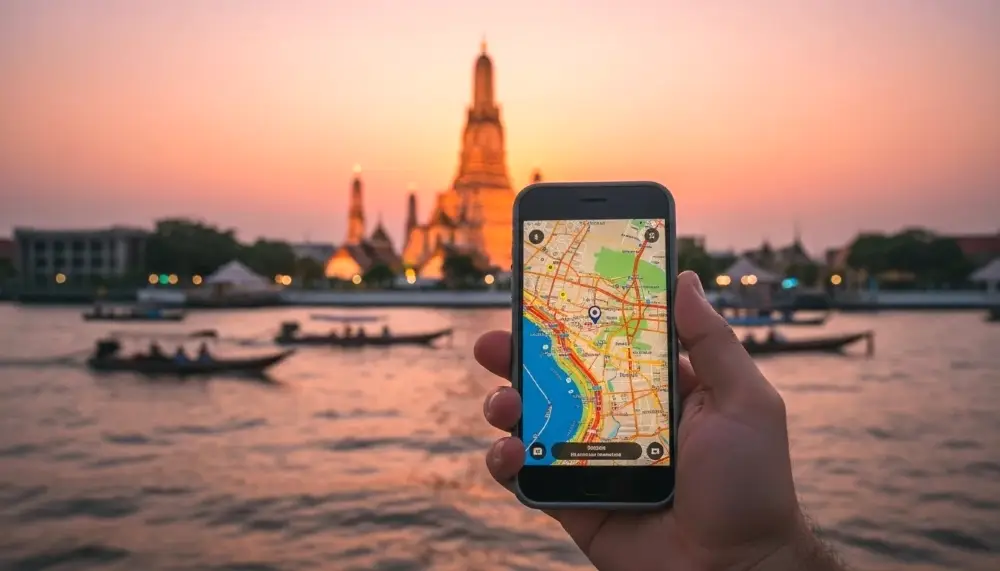
Island Hopping Essentials
This site contains affiliate links. We may earn a commission at no extra cost to you.
The salt spray of the Andaman Sea or the Gulf of Thailand is an unforgiving element for modern electronics. When moving from a sleek speedboat in the Similan Islands to a rustic longtail boat in Railay Beach, the line between a perfect digital memory and a destroyed device is often a few millimetres of PVC or TPU.
This guide covers the must-haves required to keep hardware safe, plan your route, and move between Thailand’s archipelagos with confidence. All prices use a rate of 35 THB = $1 USD.
The Quick Summary:
Get yourself a dry bag of at least 20 litres, big enough for your camera, power bank, and a change of clothes when transferring between boats.
Pair it with a waterproof phone pouch that has a clear window so you can still use your screen and take photos through it.
In places like Phuket or Koh Tao you will find decent ones for anywhere between 400 and 1,500 THB (~$11 to $43). During the monsoon transition months, double-bag anything you cannot afford to get wet. Squalls come out of nowhere.


From temples to island tours, Klook
covers Thailand’s best experiences.
Hotel pickup is often included and
prices beat the pier walk-in rate.
Selecting the Ultimate Dry Bag:
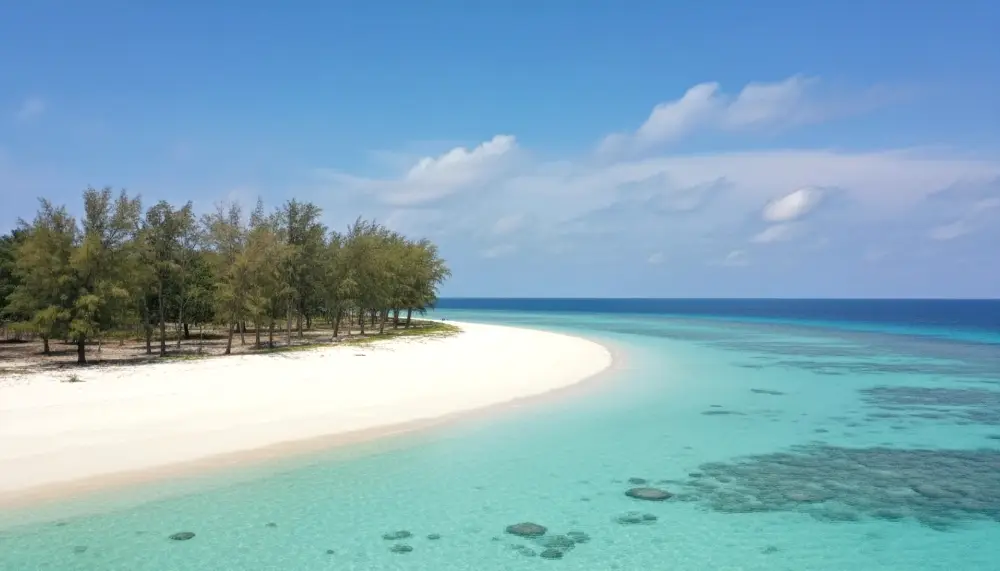
Not all dry bags are equal. Look for one made from heavy-duty PVC tarpaulin with heat-welded seams and a roll-top closure. That combination is what actually keeps water out.
A 20-litre bag hits the sweet spot between roomy and manageable, and a good one will float if it goes overboard, which is a more realistic scenario than you would hope.
A regular backpack will not cut it out here. Tropical squalls do not rain downward. They come at you sideways, and the bottom of a longtail boat is often sitting in bilge water.
In places like Ang Thong Marine Park or the Surin Islands, salt corrosion is a genuine threat to electronics. Go for a bag with dual shoulder straps too. You will thank yourself when wading through knee-deep water onto a beach.

GetYourGuide has Thailand’s best
tours and experiences covered with
verified operators and instant
mobile vouchers on arrival.
Dry Bag Capacity Comparison:
| Capacity | Best Use Case | Price (THB) | Price (USD) |
|---|---|---|---|
| 5L to 10L | Day trips for phone, wallet, and keys only | 350 to 600 THB | ~$10 to $17 |
| 20L | Standard island hopping with towels and camera | 700 to 1,200 THB | ~$20 to $34 |
| 30L+ | Multi-day expeditions or professional drone gear | 1,300 to 2,500 THB | ~$37 to $71 |
Waterproof Phone Pouches:
Look for an IPX8 rating, which means it is tested for continuous submersion beyond a metre, not just a splash. Dual-swivel locks are more reliable than simple zip-seals, and make sure the pouch material is clear enough for Face ID or fingerprint unlocking, and that the camera window does not blur your shots.
Here is something worth knowing. Even if your phone is marketed as water-resistant, saltwater is a different beast entirely. It acts as a conductor and speeds up corrosion in ports and seams.
Around the reefs of Koh Haa or the rock formations of Phang Nga Bay, a pouch is cheap insurance. Quality IPX8 pouches cost 400 to 900 THB (~$11 to $26) at dive shops on the main islands. Some of the better models have air-cushioned edges that make them float if dropped overboard.

The Full Island Hopping Packing List:
Beyond the dry bag and phone pouch, a complete island hopping kit covers sun protection, water, and practical island logistics. The following list is what experienced island hoppers carry on every boat transfer.
Sun and heat protection: SPF 50 mineral sunscreen (reef-safe, required in Thai national marine parks), a wide-brim hat or buff, UV-protective rash guard or lightweight long-sleeve shirt. Reapply sunscreen every 90 minutes on the water regardless of cloud cover. Oral rehydration sachets from 7-Eleven cost 30 to 50 THB (~$0.85 to $1.40) and are worth having in the bag on any full-day tour.
Water and food: A 1-litre reusable bottle and a minimum of two litres of water per person per day on the boat. Small island piers rarely have food stalls. Carry snacks for any trip over four hours.
Island logistics: Flip-flops or reef sandals (200 to 400 THB / ~$5.70 to $11.40 on any island), a lightweight sarong for temple visits and beach shade, a small roll of waterproof tape for emergency bag repairs, and a carabiner to clip the dry bag to boat railings during rough crossings.
Cash: Pier fees on smaller islands are almost always cash-only, typically 20 to 100 THB (~$0.60 to $2.90) per person. Most small island markets and beach bars do not take cards. Carry 1,000 to 2,000 THB (~$29 to $57) in small notes per person per day.

Stay closer to the action in Thailand.
Agoda lists guesthouses to resorts
with verified reviews and instant
booking at competitive rates.
Reef-Safe Sunscreen: The Legal Requirement:
Thailand has banned four chemical sunscreen ingredients in national marine parks: oxybenzone, octinoxate, 4-methylbenzylidene camphor, and butylparaben. The ban applies to all swimmers and snorkellers entering designated protected areas including the Similan Islands, Ko Lipe, Ko Chang, and the Surin Islands. Rangers enforce it at entry checkpoints and the fine for non-compliance can reach 100,000 THB (~$2,857).
Use mineral sunscreen with zinc oxide or titanium dioxide as the active ingredient. These are reef-safe, provide broad-spectrum UVA and UVB protection, and are available at Watsons, Boots, and most island dive shops for 150 to 400 THB (~$4.30 to $11.40) per tube. Check the label before buying. Phrases like “reef-safe” on the front do not always mean the ingredients comply with Thai regulations. Read the ingredient list and look for zinc oxide or titanium dioxide as the sole active UV filters.
Bring sunscreen from home if possible as quality mineral SPF 50 is significantly cheaper to buy before travel than at island dive shops, where prices run 350 to 600 THB (~$10 to $17) for a 100ml tube.


Skip the airport kiosk queue in Thailand.
Airalo eSIMs are pre-loaded before
you fly and ready the instant you
connect to the local network.
Booking Your Ferries and Tours:

Booking ahead makes a material difference to both price and availability during peak season (December to February) and the July to August holiday period. Walking up to a pier and buying a ticket is fine in the low season. In January it is a gamble.
12GO is the most reliable platform for comparing ferry operators, booking Lomprayah and Raja Ferry routes in the Gulf, and securing speedboat transfers on the Andaman side. It consolidates all major operators in one place, sends e-tickets directly to your phone, and allows cancellation and rescheduling. Book inter-island ferries at least three to five days ahead during peak periods.
For island-hopping day tours, snorkelling trips, and private longtail charters, Klook and Get Your Guide both offer vetted operators with clear pricing, insurance coverage, and 24-hour cancellation on most listings. A four-island tour from Krabi costs 1,200 to 1,800 THB (~$34 to $51) per person booked through either platform. Private longtail charters for a full day run 2,500 to 4,500 THB (~$71 to $129) depending on departure point and distance.
Always confirm the departure pier the night before. Phuket alone has multiple piers (Rassada, Chalong, Bang Rong, Ao Yon) and the wrong one adds an expensive taxi and a missed boat to your morning.
Etiquette and the “Plus Plus”:
If you are shopping for gear in somewhere like Central Phuket or IconSiam, keep the “++” system in mind. It means 7% VAT and a 10% service charge will be added on top of the displayed price. It is not a scam, just worth knowing before you reach the till.
On the etiquette side, tipping is not expected in Thailand but it is genuinely appreciated. If you are on a full-day private charter around Koh Phi Phi Le, leaving the captain 200 to 500 THB (~$5.70 to $14.30) at the end of the day is a kind acknowledgement of their work.
As a general rule, shoes off before entering any local shop or beachside home. It is a small thing that means a lot.


Need budget data in Thailand? Saily’s
eSIM plans start cheap and install
in a couple of minutes. Built by
the NordVPN team, security is solid.
Pro Tips For Stress Free Travel:

Effective island hopping requires a suite of digital tools to navigate the logistics of the Gulf and the Andaman.
Currency: Always carry THB for small island stalls. The exchange rate is generally better at local booths than at the airport. Thai ATMs charge a flat 220 THB (~$6.30) per foreign card withdrawal, so withdraw the maximum (20,000 to 30,000 THB / ~$571 to $857) in a single transaction.
Transport and Logistics: Grab and Bolt are essential for transparent pricing on land transfers in Phuket and Koh Samui. On smaller islands, agree on a price before boarding any shared truck or songthaew.
Bookings: Klook and Get Your Guide offer vetted snorkelling tours with insurance coverage and free cancellation on most listings.
Connectivity: Yesim or local providers like AIS provide consistent 5G coverage even on remote islands like Koh Lipe. Activate an eSIM before landing to have data from the moment you clear immigration.
Security: Use NordVPN when accessing public Wi-Fi in beach cafes to protect banking data.
Accommodation: Agoda remains the regional leader for competitive rates on beachfront bungalows and island guesthouses that do not appear on global platforms.

Skip the airport SIM queue in Thailand.
Yesim’s eSIM activates before takeoff
so you’re online the second your
plane touches the tarmac.
Note for the Nervous Traveler:
Thai waters are taken seriously. Marine authorities regularly issue no-sail warnings when conditions turn, and local captains will cancel the trip if they do not feel it is safe. Trust them on that. If they are not going out, the sea is genuinely dangerous and no excursion is worth it.
On modern speedboats, GPS and life vests are standard. The thing most likely to floor you is not a rough sea. It is sunstroke or dehydration. High-factor mineral sunscreen and two to three litres of water will do more for your safety out there than almost any piece of kit.
For medical emergencies at sea or on a remote island, the Tourist Police number is 1155. Save it before you leave the mainland.
Frequently Asked Questions:
Is it cheaper to buy dry bags in Bangkok or on the islands?
Mainland prices in Bangkok markets like Chatuchak are generally lower, often starting at 250 to 350 THB (~$7 to $10). However, the specialised marine shops in Phuket or Koh Tao offer higher-grade equipment designed for professional diving, which justifies the 800 to 1,200 THB (~$23 to $34) price point. If you are doing serious multi-day trips, buy before you leave the mainland.
Can I use a dry bag for snorkelling?
Dry bags are designed for surface splashes and brief immersion from the outside, not for diving. They are not intended to hold submerged devices. For underwater activities, use a dedicated hard-shell waterproof housing for your camera or an IPX8 pouch for your phone, keeping the dry bag secured on the boat.
How do I maintain gear after exposure to salt water?
Rinse all dry bags, zippers, and phone pouches in fresh water immediately after returning to your resort. Salt crystals act as abrasives that degrade heat-welded seams and jam plastic clips over time. Leave the dry bag open and inverted to dry fully before repacking.
What happens if my tech gets wet despite the bag?
Power down the device immediately and do not attempt to charge it. Place it in a bag of dry uncooked rice or silica gel packets if available, and leave it for at least 24 hours. Seek out a local repair shop in a major hub like Patong or Chaweng. These technicians deal with salt-damaged electronics regularly and are more effective than attempting a repair yourself.
Is reef-safe sunscreen required in Thailand?
Yes, in all national marine parks. Thailand bans four chemical UV filters: oxybenzone, octinoxate, 4-methylbenzylidene camphor, and butylparaben. Rangers enforce the ban at entry checkpoints. Use mineral sunscreen with zinc oxide or titanium dioxide as the active ingredient. The fine for non-compliance can reach 100,000 THB (~$2,857). Read the ingredient list carefully as ‘reef-safe’ labels on the front do not always mean the formula complies.
Should I book island-hopping tours in advance or buy at the pier?
During peak season (December to February and July to August), book in advance through Klook or Get Your Guide. Popular tours to the Similan Islands and four-island Krabi tours sell out weeks ahead. In low season, pier prices are often negotiable and comparable to online rates. The advantage of online booking is vetted operators, insurance coverage, and a paper trail if something goes wrong.
How much cash should I carry for a day of island hopping?
Carry 1,000 to 2,000 THB (~$29 to $57) per person in small notes. This covers pier entry fees (20 to 100 THB each), beach bar drinks and snacks (100 to 300 THB), longtail tips, and any unexpected purchases on the islands. Most small island beaches do not have card machines.
What is the best way to book ferries between islands?
12GO is the most reliable platform for comparing all ferry operators, booking Lomprayah and Raja Ferry routes in the Gulf, and securing speedboat transfers on the Andaman coast. It sends e-tickets to your phone and allows rescheduling. Book at least three to five days ahead during peak season to guarantee your seat and preferred departure time.
Are life vests provided on island-hopping boats?
Yes. Reputable licensed speedboat and catamaran operators are required to provide life vests for all passengers. On longtail boats, life vests may not always be offered proactively. Ask for one before departure, particularly on open-water crossings between islands. For children, bring a fitted life vest from the mainland as sizes on pier rental vests are often inconsistent.
What should I do if the boat captain cancels the trip?
Respect the decision. Thai captains and marine authorities take weather seriously and will cancel when conditions are genuinely unsafe. If a prepaid tour is cancelled due to weather, reputable operators booked through Klook or Get Your Guide will offer a rescheduled date or a full refund. If you booked directly at the pier, get a written receipt at time of payment and confirm the refund policy before you hand over cash.