Thai Pharmacy Guide:
This site contains affiliate links. We may earn a commission at no extra cost to you.
Those green-signed pharmacies are absolutely everywhere in Thailand, and they are one of the genuinely great things about travelling here. Staff are usually well-trained, often speak reasonable English, and can help with a surprising range of things that would require a doctor’s appointment back home.
Whether you have picked up a stomach bug, got a bit too much sun, or just need to manage something you brought medication for, the local pharmacy is almost always your quickest and easiest first stop. All prices in this guide use a rate of 35 THB = $1 USD.
The Quick View:
Availability: Over-the-counter (OTC) access is significantly broader in Thailand than in Europe or North America, including many antibiotics and specialised creams.
Restrictions: Strict regulations apply to psychotropic substances (ADHD medication, benzodiazepines) and narcotics, requiring pre-travel permits via the Thai FDA portal.
Pricing: Local generic brands like Sara (Paracetamol) or Hiruscar offer high efficacy at a fraction of Western costs, often starting at 20 THB (~$0.57).
Convenience: Pharmacies are ubiquitous in hubs like Sukhumvit, Nimman, and Old Town Phuket, often operating from 09:00 to 21:00. Chains like Boots and Watsons are in every major shopping mall.


Public wifi in Thailand cafes is
convenient but rarely secure.
NordVPN encrypts everything so
passwords and card details stay safe.
Navigating Thai FDA Rules:
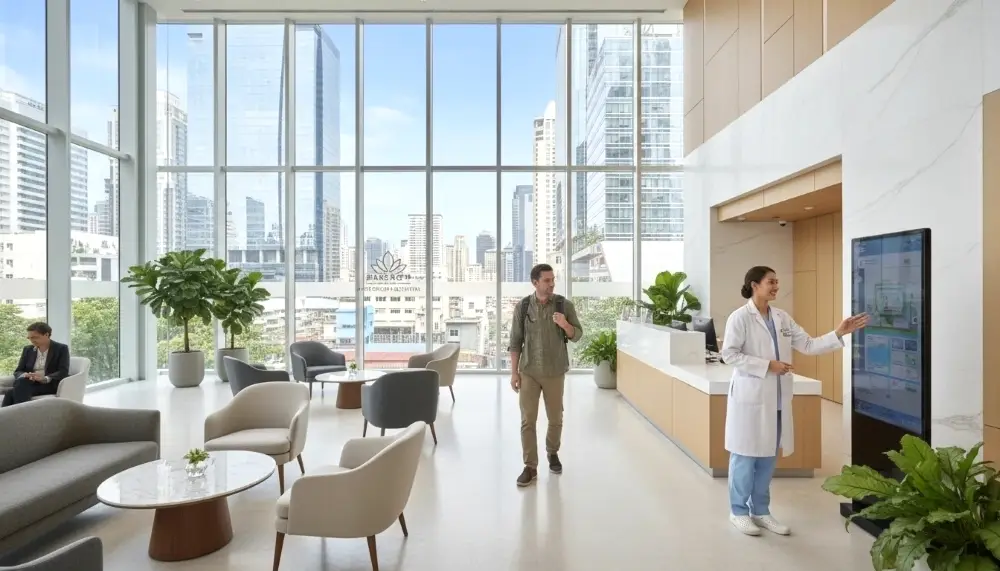
Thailand classifies medications into four tiers: Borderline (convenience stores), Non-Dangerous, Dangerous (pharmacist-dispensed), and Specially Controlled. While most common ailments are treated with OTC options, psychotropic and narcotic drugs require a formal permit from the Thai Food and Drug Administration (FDA) submitted at least 15 days before arrival to ensure legal entry.
The ease of walking into a Boots or Watsons in Siam Square can be deceptive. While you can purchase high-strength Ibuprofen (400mg to 600mg) or even certain antibiotics like Amoxicillin without a doctor’s note, the rules for Specially Controlled drugs are rigid. If a prescription involves substances like Codeine, Diazepam, or Methylphenidate (Ritalin), the traveller must navigate the digital pre-travel permit process.

From classic Thailand highlights to
hidden-gem private tours. Cancel
free up to a day before your
start time if plans change.
Controlled Substances Protocol:
For medications classified as Schedule II, III, or IV psychotropics, the quantity is strictly limited to a 30-day supply for personal use. If the stay exceeds this duration, a permit from the Thai FDA is mandatory. This permit must be presented at the Customs Red Channel upon landing at Suvarnabhumi (BKK) or Don Mueang (DMK).
The application process requires a completed Thai FDA import/export form, a copy of your valid prescription, a doctor’s letter on headed paper stating the condition and daily dosage in English, and your passport details. Submit via the Thai FDA e-Submission portal at least 15 working days before travel. Processing is free of charge.
Always carry controlled medications in their original pharmacy-labelled packaging. Never transfer pills to unlabelled organisers before passing through customs. A clearly labelled bottle with your name, the prescribing doctor’s name, and the generic drug name is your primary protection at the Red Channel.

Comparisons: International vs. Local
| Medication Type | Western Example | Thai Local Alternative | Price (THB) | Price (USD) |
|---|---|---|---|---|
| Pain Relief | Tylenol / Advil | Sara / Gofen 400 | 20 to 120 THB | ~$0.57 to $3.40 |
| Allergy Relief | Zyrtec / Claritin | Cetihis / Loratadine | 30 to 150 THB | ~$0.85 to $4.30 |
| Muscle Aches | Voltarol / IcyHot | Counterpain / Muay Cream | 60 to 180 THB | ~$1.70 to $5.15 |
| Antiseptic | Neosporin | Betadine / Bepanthen | 45 to 220 THB | ~$1.30 to $6.30 |
| Electrolytes (ORS) | Dioralyte / Pedialyte | Royal-D sachets | 5 to 10 THB each | ~$0.15 to $0.30 |
| Diarrhoea Relief | Imodium | Loperamide / Imodium local | 40 to 80 THB | ~$1.15 to $2.30 |
What to Bring:
Bring a 30-day supply of all life-critical maintenance medications in their original, clearly labelled pharmacy packaging, accompanied by a signed doctor’s letter in English. Specialised ADHD medications, specific contraceptive brands, and high-tier biologics should be imported as local equivalents may vary in formulation or require hospital-only dispensing.
Pack strategically for the flight and the first 48 hours. While Phuket and Chiang Mai have world-class facilities, finding a specific brand of specialised inhaler at 22:00 in a rural village is a challenge.
- Original Packaging: Never transfer pills to unlabelled organisers before passing through customs.
- Doctor’s Letter: Ensure it states the condition, the generic name of the drug, and the daily dosage.
- Birth Control: If a specific hormonal balance is required, bring your full supply. Thai pharmacies carry many brands (Yasmin, Diane-35), but subtle changes in generic fillers can affect some individuals.
- EpiPens: These are notoriously difficult to find in standard pharmacies and often require a trip to a major international hospital like Bumrungrad. Bring at least two with you.

Lock in your Thailand accommodation
early and beat peak-season price hikes.
Agoda’s filters let you compare options
side by side before you commit.
What to Buy:
Purchase your health kit locally. High-quality sunscreens, electrolyte salts (ORS), and the legendary “Ya Dom” nasal inhalers are all cheaper and more effective when bought in Thailand. Tropical-specific treatments for stomach bugs or mosquito-borne irritation are more appropriate when sourced from a local pharmacist who understands the regional bacteria and pests.
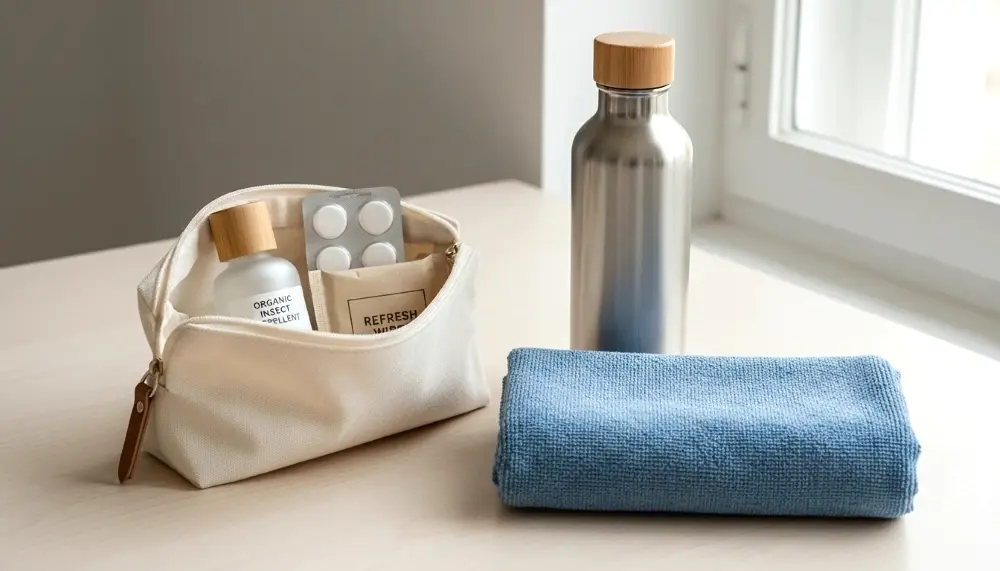
The Thai pharmacy is a treasure trove of affordable, high-efficacy self-care. It is often more practical to land with a near-empty toiletry bag and fill it at the nearest Watsons or independent pharmacy.
Local Products Worth Buying
- Electrolyte Salts (ORS): Essential for 35°C humidity. Look for Royal-D sachets at 5 to 10 THB (~$0.15 to $0.30) each at any 7-Eleven or pharmacy.
- Antihistamine Creams: Systral or local Fenistil equivalents work effectively on tropical insect bites that ignore Western balms. Cost: 80 to 150 THB (~$2.30 to $4.30).
- Tiger Balm: The white (cooling) version for headaches and the red (warming) version for muscle fatigue after trekking in Doi Inthanon. Cost: 60 to 120 THB (~$1.70 to $3.40).
- Nasal Inhalers (Ya Dom): Brands like Poy-Sian or Peppermint Field are a cultural staple. They provide instant relief from humidity and the overwhelming scents of street food markets. Cost: 30 to 60 THB (~$0.85 to $1.70).

Skip the planning headache in Thailand.
Klook offers day tours, tickets, and
experiences from around $25, with
instant confirmation to your phone.
Common Travel Illnesses and Pharmacy Treatments:
Most minor health issues in Thailand can be handled at the pharmacy without any need for a doctor. The following covers what most travellers encounter and what to ask for.
Bangkok Belly (traveller’s diarrhoea): More common in the first few days as your stomach adjusts. Ask for Loperamide (Imodium equivalent, 40 to 80 THB / ~$1.15 to $2.30) for symptom control and Royal-D electrolyte sachets (5 to 10 THB / ~$0.15 to $0.30 each) to stay hydrated. If symptoms persist beyond 48 hours or are accompanied by fever, go to a hospital rather than a pharmacy.
Heat exhaustion: The Thai sun is significantly stronger than in northern Europe or North America. Symptoms include dizziness, nausea, and heavy sweating. Ask for ORS sachets and antiemetic tablets (Metoclopramide, available OTC, 30 to 60 THB / ~$0.85 to $1.70). Rest in air conditioning and drink two to three litres of fluid. If symptoms include confusion or loss of consciousness, call emergency services.
Sunburn: Aftersun with aloe vera is available at every Boots and Watsons for 120 to 250 THB (~$3.40 to $7.15). For severe burning with blistering, a mild topical corticosteroid cream (hydrocortisone 1%, available OTC in Thailand, 80 to 150 THB / ~$2.30 to $4.30) reduces inflammation. Avoid further sun exposure until fully healed.
Insect bites and dengue awareness: Use DEET-based repellent (80 to 120 THB / ~$2.30 to $3.40 at any 7-Eleven) in the evenings, particularly near jungle or standing water. Dengue fever presents as high fever, severe headache, and joint pain around four to ten days after a bite. There is no OTC treatment for dengue. Go directly to a hospital if these symptoms appear. A dengue rapid antigen test at a Thai hospital costs 300 to 600 THB (~$8.60 to $17).
When to Go to a Hospital Instead:
Thai pharmacists are highly capable, but they are not a substitute for a doctor when the situation warrants one. Go directly to a hospital rather than a pharmacy for any of the following.
Go to a hospital if you have: a fever above 39°C lasting more than 24 hours, suspected dengue symptoms (high fever, severe headache, joint pain, rash), an animal bite of any kind (rabies post-exposure prophylaxis must start within 24 hours), a deep wound requiring stitches, symptoms of heat stroke (confusion, no sweating despite heat, loss of consciousness), chest pain or difficulty breathing, or severe abdominal pain lasting more than a few hours.
Thailand’s private hospitals are excellent. A standard consultation at Bumrungrad, Samitivej, or Bangkok Hospital costs 800 to 1,500 THB (~$23 to $43). This is where travel insurance becomes essential. A motorbike accident requiring surgery or a dengue hospitalisation can cost 150,000 to 400,000 THB (~$4,286 to $11,429) without coverage. SafetyWing provides rolling monthly travel medical insurance from approximately 1,400 THB (~$40) per month, with coverage for hospitalisation, emergency evacuation, and most adventure activities. Ensure your policy is active before you leave home.

From short trips to long stays in Thailand,
Airalo has flexible eSIM data plans
you install in minutes. Top up
remotely if you need more data.
Pro Tips For Stress Free Travel:

Transport: Download Grab and Bolt. These apps provide fixed pricing for cars and motorbikes, eliminating the need to negotiate with taxi drivers who refuse to use the meter. Useful for getting to hospitals or pharmacies at any hour.
Accommodation: Agoda often has deeper discounts in Asia compared to other platforms, while Booking.com remains reliable for flexible cancellations.
Experiences: Use Klook or Get Your Guide to book ferry tickets, airport transfers, and day tours including ethical elephant sanctuary visits.
Connectivity: Yesim provides reliable eSIM data packages. Always use a NordVPN when connecting to public Wi-Fi in malls or airports.
Currency: Exchange cash at SuperRich (orange or green booths) for the best rates. Thai ATMs charge a flat 220 THB (~$6.30) fee per foreign card withdrawal, so always withdraw the maximum (20,000 to 30,000 THB) in a single transaction.

AirHelp recover compensation from
airlines for delayed and cancelled
flights including Thailand routes.
No payout means no fee.
Etiquette and the “Plus Plus”:
Pharmacy prices in Thailand are typically fixed and displayed on the packaging, so haggling is inappropriate and unnecessary. While tipping is not expected for pharmaceutical transactions, rounding up the bill at a small independent chemist is a kind gesture. Be aware that hospital-based pharmacies often add a service fee and VAT on top of the drug price.
When speaking with a pharmacist, a Wai (the traditional slight bow with palms pressed together) is a sign of respect for their professional status. Thai pharmacists take their role seriously and appreciate being consulted as medical professionals rather than just shop assistants.
Describe your symptoms clearly and specifically. If you do not know the Thai name for something, the generic drug name in English is understood by most trained pharmacists, particularly at chain pharmacies like Boots, Watsons, and ICare which staff trained staff with English language requirements.

FAQ: Common Search Queries
Can I buy antibiotics over the counter in Thailand?
Yes, many common antibiotics like Amoxicillin or Azithromycin are available without a prescription at licensed pharmacies. Pharmacists are increasingly encouraged to ask about symptoms before dispensing to help prevent antibiotic resistance. Always complete the full course as directed.
Is Adderall or Ritalin legal in Thailand?
Ritalin (Methylphenidate) is legal but strictly controlled. You must have a Thai FDA permit and carry no more than a 30-day supply in original packaging with a doctor’s letter. Adderall (Amphetamine salts) is classified as a Category 1 Narcotic and is generally prohibited for importation. Consult the Thai Embassy before travel if you require Adderall for a medical condition.
How do I find a 24-hour pharmacy in Bangkok?
Most 24-hour pharmacies are located within or adjacent to international hospitals like Samitivej, BNH, or Bumrungrad. Some 7-Eleven locations carry basic Borderline medicines like Paracetamol and antacids around the clock. For anything beyond the basics, the hospital pharmacy is the most reliable 24-hour option.
Are Thai medications counterfeit?
Stick to reputable chains like Boots, Watsons, Pure, or ICare. Avoid buying medications from street stalls or souvenir shops at night markets as storage temperatures and authenticity cannot be guaranteed. Chain pharmacies in shopping malls are the safest option for anything beyond basic over-the-counter items.
What should I do if I get food poisoning in Thailand?
Most cases of Bangkok Belly are mild and self-resolving within 24 to 48 hours. Go to a pharmacy and ask for Loperamide (40 to 80 THB / ~$1.15 to $2.30) for symptom control and Royal-D electrolyte sachets (5 to 10 THB / ~$0.15 to $0.30 each) to prevent dehydration. If you develop a high fever, blood in stools, or symptoms do not improve after 48 hours, go to a hospital rather than continuing with OTC treatment.
Is malaria a risk in Thailand and do I need prophylaxis?
Malaria risk is low in most tourist areas of Thailand including Bangkok, Chiang Mai, and the main southern islands. Risk is higher in rural border areas near Myanmar, Cambodia, and Laos. Consult a travel medicine clinic before departure if you plan to spend time in border regions. Standard tourist itineraries covering Bangkok, Chiang Mai, and the southern islands generally do not require malaria prophylaxis, but dengue prevention through DEET repellent is recommended everywhere.
Do I need vaccinations before travelling to Thailand?
Visit a travel clinic at least four to six weeks before departure. Hepatitis A, Typhoid, and a Tetanus booster are commonly recommended. Rabies vaccination is worth considering if you plan to spend time in rural areas or interact with animals. Thai hospitals do not require proof of vaccination for entry, but being vaccinated protects you from illnesses that are genuinely prevalent in the region.
How much does a doctor’s consultation cost in Thailand?
A standard outpatient consultation at a private international hospital in Bangkok costs 800 to 1,500 THB (~$23 to $43) excluding tests and medication. At a local Thai government hospital the cost is much lower (100 to 300 THB / ~$2.85 to $8.60) but waiting times are longer and English is less consistently available. Travel insurance covering medical expenses is strongly recommended. SafetyWing provides monthly coverage from approximately 1,400 THB (~$40) per month.
Can I buy birth control pills in Thailand without a prescription?
Yes. Many common oral contraceptives including Yasmin, Diane-35, and Microgynon are available OTC at Thai pharmacies without a prescription. Prices are significantly lower than in Western countries, typically 150 to 400 THB (~$4.30 to $11.40) per monthly pack. If you use a specific formulation for medical reasons beyond contraception, bring your full supply as generic equivalents may use different filler ingredients.
What symptoms in Thailand mean I should go straight to a hospital?
Go directly to a hospital (not a pharmacy) for: fever above 39°C lasting more than 24 hours; suspected dengue symptoms (high fever, severe headache, pain behind the eyes, joint pain, possible rash); any animal bite regardless of severity; deep wounds requiring stitches; symptoms of heat stroke (confusion, not sweating despite heat); chest pain or breathing difficulty; severe abdominal pain; or any loss of consciousness. Emergency ambulance: dial 1669. Tourist Police: 1155.