Thailand Travel Costs: Budgets for 2026
This site contains affiliate links. We may earn a commission at no extra cost to you.
Thailand remains one of the most extraordinary value destinations on the planet. Whether you’re surviving on street food and overnight buses or splashing out on private pool villas and Michelin-starred tasting menus, your money goes further here than almost anywhere else in Asia. This guide breaks down exactly what to expect to pay in 2026, from the first meal off the plane to the last cocktail before departure.
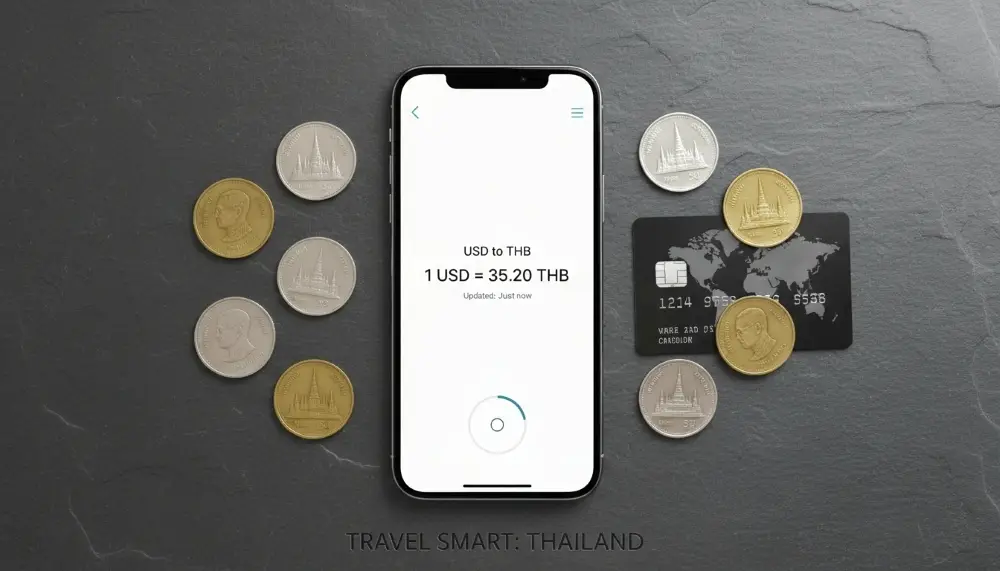
All prices use a rate of 35 THB = $1 USD. Exchange rates fluctuate daily, so check your bank’s rate before converting large amounts.
The Quick Summary:
- Daily Budgets: Plan for 1,500 THB (~$43) for high-value basics, 4,000 THB (~$114) for mid-range comfort, and 10,000+ THB (~$286+) for elite luxury experiences.
- Digital Payments: PromptPay is the national standard; tourists can now access this via the TAGTHAi app and a linked prepaid card.
- Entry Requirements: Most visitors enjoy a 60-day visa-exempt stay, though the Thailand Digital Arrival Card (TDAC) QR code is mandatory.
- Regional Variance: Chiang Mai remains roughly 20% more affordable than Bangkok, while Phuket and the Gulf Islands command a 30% premium.
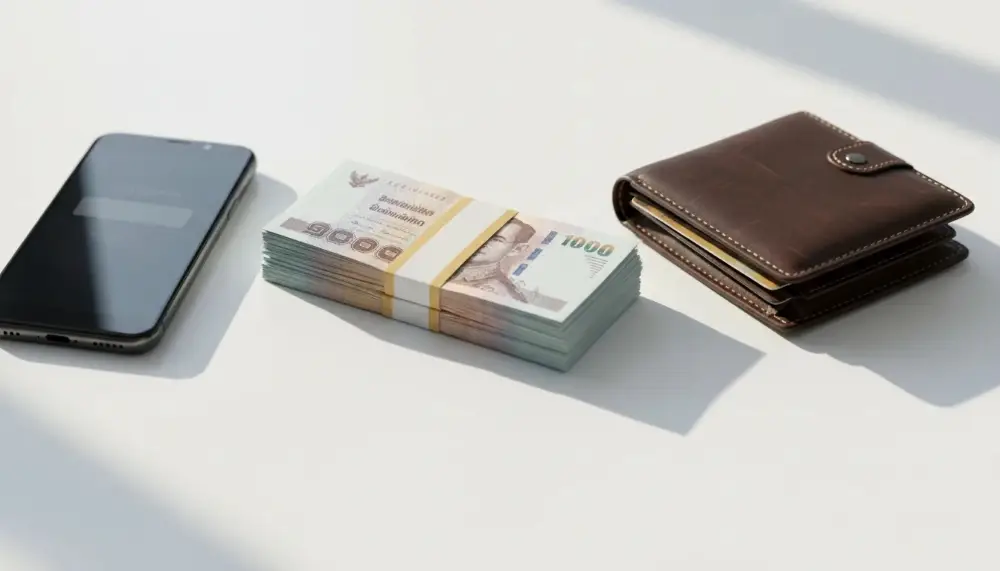

Lock in your Thailand accommodation
early and beat peak-season price hikes.
Agoda’s filters let you compare options
side by side before you commit.
Changes for 2026:
Thailand has transitioned into a nearly cashless society for locals. For the international visitor, navigating this requires specific tools to avoid the inconvenience of carrying large amounts of THB.
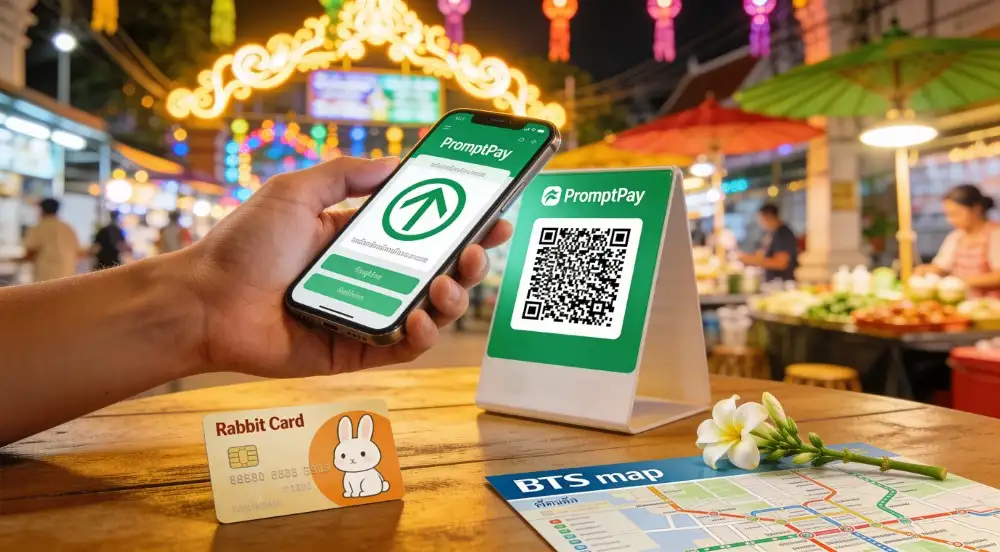
The Apps:
PromptPay and TAGTHAi: The most significant change in 2026 is the accessibility of PromptPay for short-term visitors. By downloading the TAGTHAi app and obtaining a PAY&TOUR prepaid card at any K-Bank booth (available at Suvarnabhumi Airport), tourists can scan QR codes at street food stalls and luxury boutiques alike. This eliminates the “tourist tax” often associated with cash transactions and small-change shortages.
Entry and Visas:
The TDAC Requirement: All arrivals must now complete the Thailand Digital Arrival Card (TDAC) via the official immigration portal within 72 hours of travel. While the 60-day visa exemption remains the standard for most Western nations, random financial checks (requiring proof of 10,000 THB (~$286) per person) are more frequent in 2026 to ensure visitors can support their stay.

Compare tours and tickets for Thailand
and book instantly on your phone.
Klook mobile vouchers mean no
printing, just turn up and go.
Pro Tips For Stress Free Travel:
Transport: Download Grab and Bolt. These apps provide fixed pricing for cars and motorbikes, eliminating the need to negotiate with taxi drivers who refuse to use the meter.
Accommodation: Agoda often has deeper discounts in Asia compared to other platforms, while Booking.com remains reliable for flexible cancellations.
Experiences: Use Klook or Get Your Guide to book ferry tickets, airport transfers, and day tours like the Ayutthaya Historical Park excursion or elephant sanctuary visits (ensure they are ethical, “no-riding” facilities).
Connectivity: Yesim provides reliable eSIM data packages. Always use NordVPN when connecting to public Wi-Fi in malls or airports to secure personal data.
Currency: Exchange some cash at SuperRich (orange or green booths) for the best rates. Always carry 20 and 100 THB notes for small purchases.
Storing Luggage? Use Radical Storage. Book storage online at verified local businesses near major train stations and landmarks. Straightforward, secure, and available across Bangkok.


Stay online in Thailand without the
daily data limits of tourist SIMs.
Yesim’s eSIM offers unlimited 5G
from around $10 for the whole trip.
Daily Budget Tiers for 2026:
Estimating costs depends heavily on your Sanuk factor, the Thai philosophy of striving for joy and pleasure in all things. Higher-end travelers find that a modest increase in THB often yields a disproportionate increase in quality and service.
| Category | Budget Hero (Daily) | Mid-Range Choice (Daily) | Pro/Luxury Option (Daily) |
|---|---|---|---|
| Accommodation | 800–1,200 THB (~$23–$34) | 2,500–4,500 THB (~$71–$129) | 12,000–35,000+ THB (~$343–$1,000+) |
| Dining | 400–600 THB (~$11–$17) | 1,200–2,200 THB (~$34–$63) | 5,000–10,000+ THB (~$143–$286+) |
| Transport | 200–400 THB (~$6–$11) | 600–1,200 THB (~$17–$34) | 3,000–6,000 THB (~$86–$171) |
| Activities | 300–700 THB (~$9–$20) | 1,500–3,000 THB (~$43–$86) | 8,000–15,000 THB (~$229–$429) |
| Total (Approx) | 1,700–2,900 THB (~$49–$83) | 5,800–10,900 THB (~$166–$311) | 28,000+ THB (~$800+) |
Where Will Your Money Go?
The Budget Option: High-quality guesthouses in Chiang Mai or flashpacker hostels in Bangkok. These offer clean, private rooms starting at 1,200 THB (~$34). Transport involves the BTS/MRT in Bangkok or shared Songthaews (red trucks) in the north for 30–50 THB (~$0.90–$1.40) per ride.
The Mid-Range Option: Boutique 4-star hotels with rooftop pools and localised service. Expect to pay 4,500 THB (~$129) for a central location. Use Grab or Bolt for door-to-door transport (150–300 THB, ~$4.30–$8.60 per trip) and enjoy air-conditioned local dining for around 500 THB (~$14) per meal.
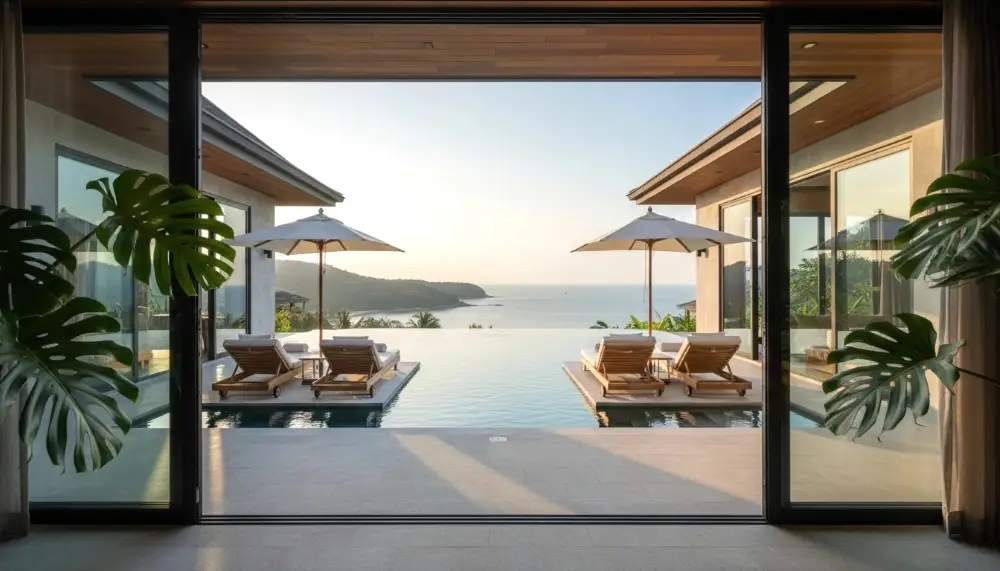
The Pro/Luxury Option: Riverside 5-star suites in Bangkok or private pool villas in Phuket starting at 20,000 THB (~$571). Add a private driver for the day (3,500 THB, ~$100) and a Michelin-recognised tasting menu at 4,000+ THB (~$114) per person, and you have a truly extraordinary day for a fraction of what the same experience would cost in London or New York.
Food and Drink:
A Dopamine Hit for Your Tastebuds
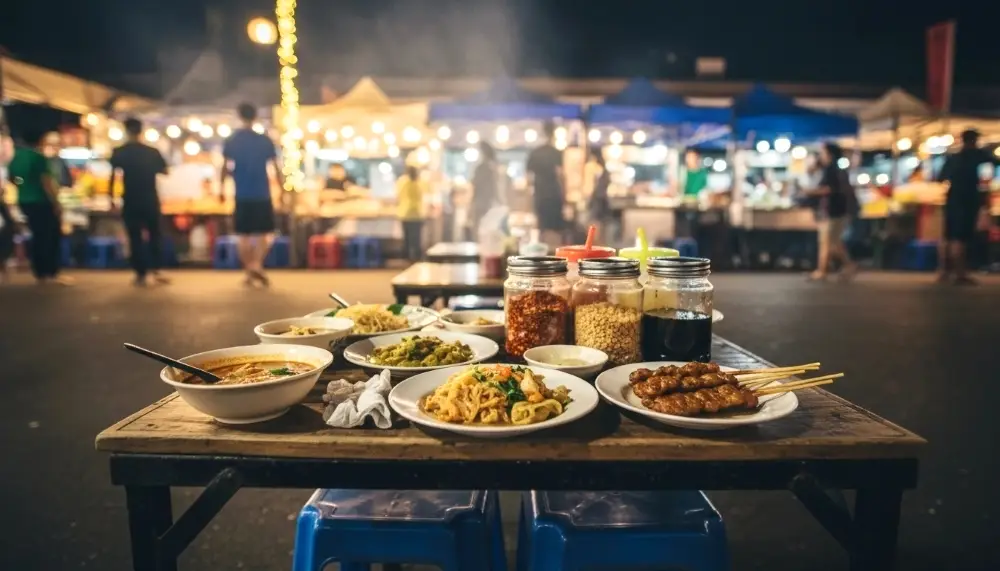
You can eat like royalty in Thailand for very little. Street food is the heart of the country, so don’t be afraid to try it.
- Street Food Meal: 50–100 THB (~$1.40–$2.90).
- Local Restaurant Meal: 150–300 THB (~$4.30–$8.60).
- Western-style Cafe/Restaurant: 350–600 THB (~$10–$17).
- Large Beer at a 7-Eleven: 60 THB (~$1.70).
- Cocktail at a Nice Bar: 200–400 THB (~$5.70–$11.40).
Activities and Sightseeing:
Experiences
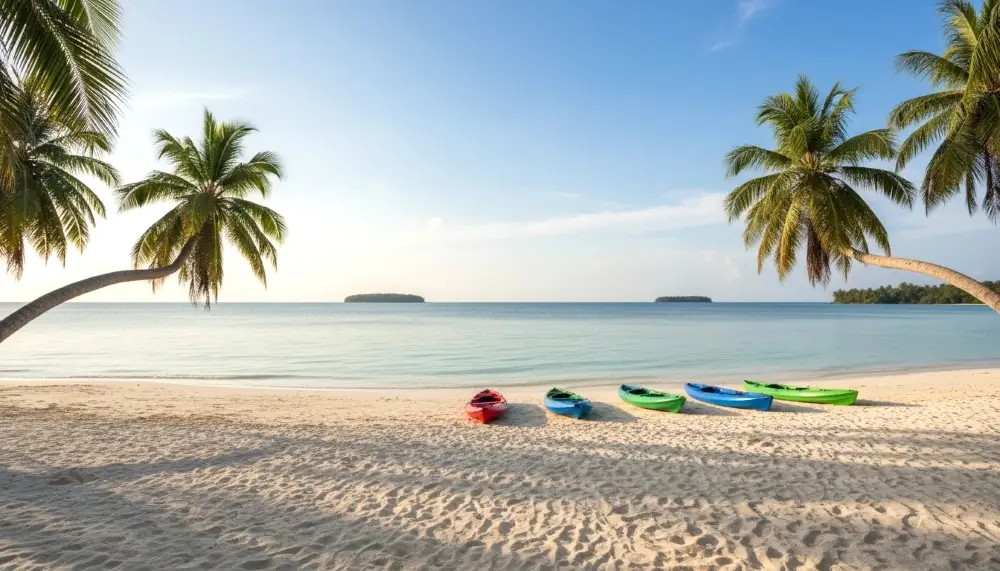
You’ll want to budget for the “big” experiences that make Thailand famous. Here are typical prices for popular activities:
- Grand Palace Entrance (Bangkok): 500 THB (~$14).
- Half-Day Island Hopping Tour: 1,200–2,000 THB (~$34–$57).
- Ethical Elephant Sanctuary Day Trip: 2,500–3,500 THB (~$71–$100).
- Thai Massage (1 hour): 250–500 THB (~$7–$14).
- Thai Cooking Class: 1,000–1,500 THB (~$29–$43).
For the best prices and verified operators, book tours and experiences through Klook or Get Your Guide rather than approaching tour agents on the street, where prices are negotiable but quality is not.
Getting Around:
Planes, Trains, and Tuk-Tuks
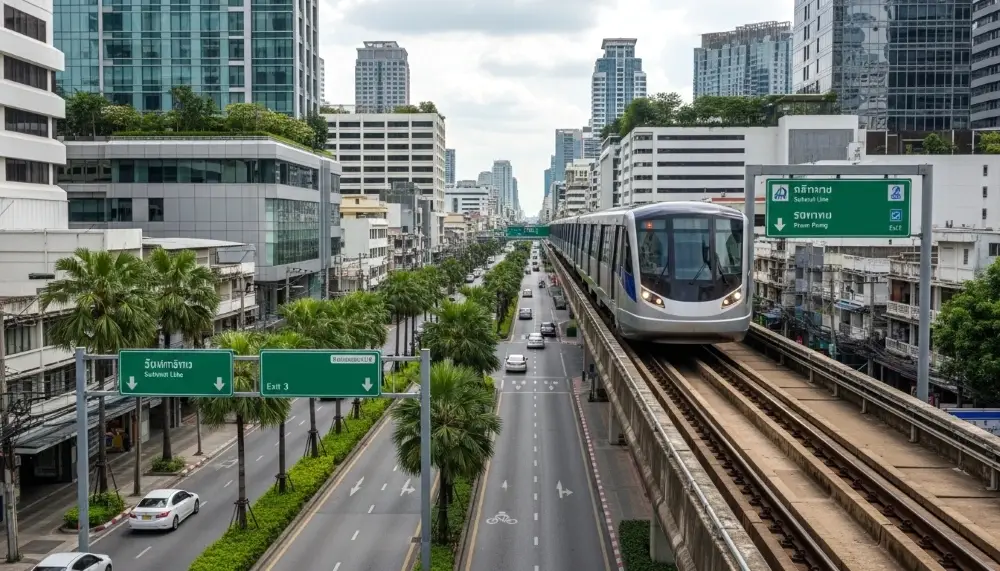
In Bangkok, the BTS Skytrain and MRT Underground are your best friends. They are clean, fast, and cost between 20–60 THB (~$0.60–$1.70) per trip, averaging 200–400 THB (~$5.70–$11.40) for a full day of sightseeing.
For long distances, budget airlines like AirAsia or Thai Lion Air offer flights between Bangkok and the islands for 1,000–2,500 THB (~$29–$71) if booked in advance. If you prefer the scenic route, an overnight sleeper train from Bangkok to Chiang Mai costs around 1,000 THB (~$29) and saves you a night’s accommodation. Book trains, buses, and ferries through 12GO to lock in seats without queuing at stations.
Accommodation: What to Expect at Each Level
Accommodation is usually the biggest variable in any Thailand budget, and the range is genuinely extraordinary. At 800 THB (~$23) a night you can sleep in a clean, fan-cooled private room in a family guesthouse with a shared bathroom and free coffee in the morning. At 30,000 THB (~$857) a night you can have a private infinity pool villa with a butler and ocean views. The same country, the same week.
Budget (800–1,500 THB / ~$23–$43): Fan or air-con private rooms at family guesthouses and small hostels. Clean, perfectly functional, and often in central locations. In Chiang Mai, this tier is exceptional value, with well-designed boutique guesthouses in the Old City routinely available for under 1,000 THB (~$29).
Mid-Range (2,500–5,000 THB / ~$71–$143): 3 to 4-star hotels with pools, air conditioning, daily breakfast, and English-speaking staff. This is the sweet spot for most first-timers, offering genuine comfort without luxury pricing.
Luxury (8,000–35,000+ THB / ~$229–$1,000+): International 5-star brands, boutique design hotels, and private pool villas. Thailand’s luxury hospitality punches well above its price point globally. A comparable property in the Maldives or Bali would cost two or three times more. Search Agoda for the deepest Asia-specific discounts, or Booking.com if free cancellation is a priority.
Money, ATMs, and Currency Exchange:
Getting the best rate on your baht matters more than most travelers realise. A poor exchange rate or unnecessary ATM fees can quietly add 3,000–5,000 THB (~$86–$143) to a two-week trip without you noticing.
SuperRich Exchange: The orange and green SuperRich booths consistently offer the best physical exchange rates in Bangkok, significantly better than airport counters or hotel desks. The orange branches (SuperRich Thailand) and the green branches (SuperRich International) are separate companies with similar rates. Both are found near BTS stations and in major shopping areas like CentralWorld and Pratunam.
ATMs: Thai ATMs charge a flat fee of 220 THB (~$6.30) per foreign card withdrawal. To minimise this, withdraw the maximum allowed in a single transaction, usually 20,000–30,000 THB (~$571–$857). Avoid airport ATMs for your first withdrawal as the rates are typically worse. AEON bank ATMs charge no conversion fee on top of the flat 220 THB charge and are found at most major shopping centres.
Cards: Visa and Mastercard are accepted at malls, hotels, and most mid-range restaurants. American Express has limited acceptance outside of international chains. Always carry some cash (THB) for street food, local markets, tuk-tuks, temples, and anywhere you step off the main tourist path. Even 1,000 THB (~$29) in your pocket covers most scenarios for a full day.
Example Trip Budgets: 1 Week and 2 Weeks
Abstract daily rates are useful, but most people think in total trip costs. Here is a realistic breakdown for two common trip lengths at the mid-range level, including flights from London as a reference point.
One week (7 nights), mid-range: Return flights from London to Bangkok typically cost 28,000–42,000 THB (~$800–$1,200). Add 7 nights of mid-range accommodation at an average 3,500 THB (~$100) per night, giving 24,500 THB (~$700). Daily spending of around 3,500 THB covers food, transport, and one activity per day, coming to 24,500 THB (~$700) for the week. Total: roughly 77,000–91,000 THB (~$2,200–$2,600) per person including flights.
Two weeks (14 nights), mid-range: The same return flights. Add 14 nights at 3,500 THB average, giving 49,000 THB (~$1,400). Daily spend of 3,500 THB comes to 49,000 THB (~$1,400) for the two weeks. Total: roughly 126,000–140,000 THB (~$3,600–$4,000) per person including flights. Two weeks costs only around 50,000 THB (~$1,400) more than one week once the fixed flight cost is shared across more days, which is why extending your trip is almost always worth it.
Tipping and The “Plus Plus”:
Tipping is not a traditional part of Thai culture, but it has become common in tourist areas.
In small local shops, you don’t need to tip. However, in mid-range restaurants, rounding up the bill or leaving a 20–50 THB note is a kind gesture.
Watch out for the “++” on menus in nicer restaurants.
This means the price does not include the 7% Value Added Tax (VAT) and the 10% service charge. These will be added to your final bill, so that 400 THB steak (~$11) will actually cost closer to 470 THB (~$13.40).
A Note for the Nervous Traveler:

If this is your first time in Asia, it is completely normal to feel a bit overwhelmed by the numbers and the currency exchange.
Just remember that Thailand is a very forgiving country for tourists, providing you are kind and respectful.
The people are famously friendly and usually very happy to help if you look confused at a ticket machine or a menu.
If you stick to the mid-range budget, you will find that you can travel with a high level of comfort, air-conditioning, and English-speaking service everywhere you go.
Frequently Asked Questions
How much does a trip to Thailand cost in 2026?
For a comfortable mid-range experience in 2026, budget between 5,800 and 10,900 THB ($166–$311) per day. This covers a boutique hotel room, two nice restaurant meals, on-demand transport via Grab, and a daily activity. Budget travelers can manage on 1,700–2,900 THB ($49–$83) by using local transport and eating street food, while luxury travelers should plan for 28,000+ THB ($800+) per day.
Is Thailand more expensive in 2026?
While global inflation has impacted some sectors, Thailand remains one of the most affordable high-end destinations in Asia. Expect a 10–15% increase in hotel rates during the November–February peak season. To save money, use PromptPay via the TAGTHAi app to avoid cash-only tourist markups and book domestic travel via 12GO at least two weeks in advance.
Can I use credit cards everywhere in Thailand?
In 2026, credit cards and mobile payments (like Apple Pay) are widely accepted in major malls, hotels, and upscale restaurants. However, cash is still essential for street food, local markets, and island hopping.
What is the best way to avoid ATM fees in Thailand?
Thai ATMs charge a flat fee of 220 THB (~$6.30) per withdrawal for foreign cards. To minimise this, withdraw the maximum amount allowed, usually 20,000 or 30,000 THB, in a single transaction. AEON bank ATMs charge no additional conversion fee on top of the flat charge. Alternatively, use digital payment apps where possible to avoid cash withdrawals entirely.
How much should I tip in 2026?
Tipping is not a traditional part of Thai culture, but it has become common in tourist hubs. In small local shops, no tip is required. In mid-range restaurants, rounding up the bill or leaving a 20–50 THB note is a kind gesture. In luxury establishments, a 10% service charge is usually included, but an extra 100 THB for exceptional service is appreciated.
Is 1,000 THB a day enough for Thailand?
For a true backpacker staying in fan-cooled dorms and eating exclusively at street markets, 1,000 THB (~$29) is possible but restrictive. It leaves little room for tours, alcohol, or air-conditioned transport. A more comfortable budget baseline is 1,500 THB (~$43).
Are the islands more expensive than Bangkok?
Generally, yes. Due to the logistics of importing goods, islands like Koh Samui, Koh Phi Phi, and Phuket carry around a 20% premium on food and drink compared to the mainland.
Do I need to carry cash in Thailand?
In 2026, most major businesses, malls, and hotels accept credit cards. However, for street food, local markets, and smaller islands, cash (THB) is still essential. Keep at least 1,000–2,000 THB (~$29–$57) on you at all times.
Where is the best place to exchange money in Thailand?
SuperRich exchange booths (both the orange and green branches) consistently offer the best rates for physical currency in Bangkok, well above what airports or hotels offer. Find them near BTS stations and inside major shopping centres like CentralWorld and Pratunam. For large amounts, compare both the orange (SuperRich Thailand) and green (SuperRich International) branches before exchanging, as rates vary slightly by day.