Manifest Cargo vs Excess Baggage: Moving Pets & Belongings to Thailand
There is a specific moment, somewhere between booking the one-way ticket and staring at a half-packed flat, when the question shifts. You stop thinking about what to bring and start thinking about how to actually move it. For expats relocating to Thailand with pets, professional gear, or years of accumulated life, that question has real consequences for your customs clearance, your wallet, and the wellbeing of the animals travelling with you. Manifest cargo and excess baggage are not simply two options on an airline’s website.
They are two entirely different logistical systems, each with its own documentation chain, cost structure, and level of care for the things (and creatures) that matter most to you.
This guide is written specifically for people making the full move, not a two-week holiday with an extra bag. Whether you are relocating from the UK with a golden retriever, arriving from Australia with a pair of British Shorthairs, or shipping professional equipment ahead of a long-stay under the Destination Thailand Visa (DTV), the information below will give you a clear, honest picture of what to expect.
The Quick Summary
Manifest Cargo is the only compliant route for unaccompanied shipments, all pets over 8kg (combined with crate), snub-nosed breeds regardless of weight, and any single item exceeding 32kg. It travels through a dedicated cargo terminal under an Air Waybill (AWB) and requires formal Thai Customs clearance.
Excess Baggage is a passenger-ticket extension for items checked in at the standard desk and collected at the baggage carousel. It is the simpler path for personal effects under 32kg per piece, but offers no specialist handling and limited environmental control in the hold.
Thai Customs 2026: The de minimis exemption has effectively been reduced to 1 THB. Nearly all imported goods are now taxable, regardless of channel. Manifest cargo requires formal documentation; excess baggage is cleared face-to-face at the airport.
Pet relocation via manifest cargo is mandatory for certain breeds, sizes, and quarantine-sensitive species. Done correctly, it is genuinely the safest option: your animals are last on, first off, and monitored by specialist teams.

From budget rooms to high-end resorts
in Thailand, Booking.com has the lot.
Genius members unlock an extra 10%
off thousands of properties worldwide.
Manifest Cargo vs Excess Baggage: The Core Difference
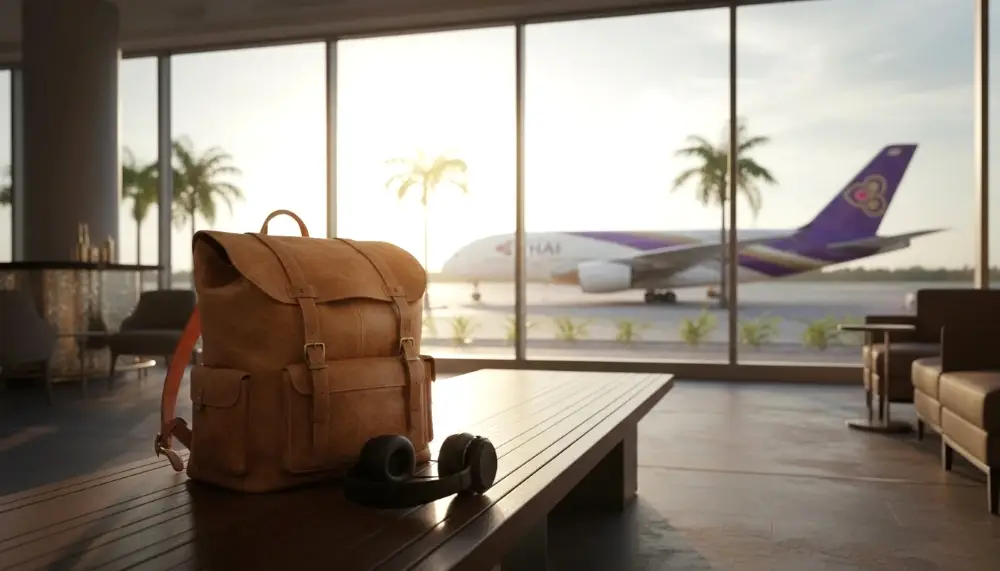
Manifest cargo refers to goods transported under a commercial Air Waybill through an airline’s dedicated cargo terminal, typically unaccompanied by the owner. It is treated as freight, subject to volumetric weight calculations, formal customs entry forms, and collection from a bonded warehouse or Free Zone on arrival. Excess baggage, by contrast, is a simple extension of your passenger ticket: extra weight or pieces checked in at the standard desk, tagged to your Passenger Name Record (PNR), and retrieved at the baggage carousel alongside your hand luggage.
For the expat relocating to Thailand, the distinction matters enormously. Excess baggage is fast, familiar, and relatively affordable for shipments under 32kg per piece. You hand it over at check-in, clear customs through the Green or Red Channel on arrival, and that is largely the end of it. The administrative burden is minimal and the whole experience feels like an extension of normal travel.
Manifest cargo is an entirely different operation. Your items leave from a separate cargo facility, often hours or days before your own departure. They arrive not at the carousel but at a freight terminal or bonded warehouse, where they will sit until you (or your appointed customs agent) submit the correct paperwork, pay any applicable duties, and physically collect them.
The paperwork chain includes an Air Waybill, a detailed packing list, a commercial or pro-forma invoice declaring the value of every item, and in many cases a Tax ID or passport copy for the Consignee field. Get any element wrong and your belongings will accrue daily storage fees while Thai Customs waits for the correct documentation.
| Feature | Excess Baggage | Manifest Cargo |
|---|---|---|
| Handling Location | Passenger Check-in Desk | Dedicated Cargo Terminal |
| Documentation | Airline Luggage Tag | Air Waybill (AWB) + Packing List + Invoice |
| Cost Structure | Flat fee per kg or piece | Volumetric (chargeable) weight + surcharges |
| Customs Clearance | Passenger Green/Red Channel | Formal Customs Entry (Form R1/1) |
| Pet Transport | Cabin (small breeds only, <8kg incl. carrier) or hold | Mandatory for larger breeds and snub-nosed dogs |
| Average Cost (International) | 600 THB to 1,200 THB per kg | 15,000 THB+ base shipment |
| Collection Point | Baggage carousel | Cargo warehouse / Free Zone |

GetYourGuide has Thailand’s best
tours and experiences covered with
verified operators and instant
mobile vouchers on arrival.
Relocating Pets to Thailand: What the Rules Actually Require
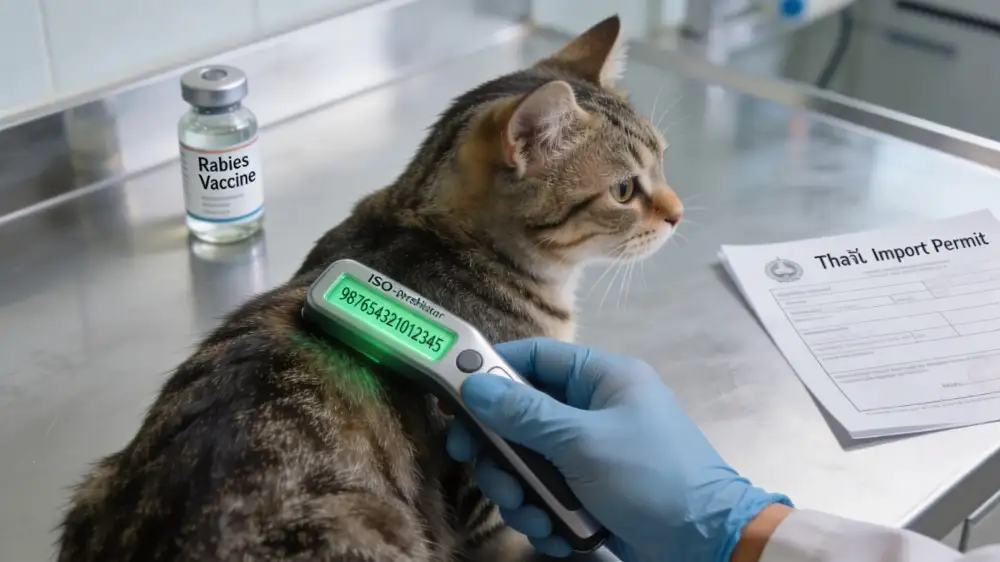
If you are moving a pet from the UK, Europe, Australia, or North America, Thailand’s Department of Livestock Development (DLD) requires a valid health certificate issued by a government-authorised veterinarian within ten days of travel, proof of rabies vaccination (with a minimum 21-day gap from the date of vaccination for cats and dogs entering for the first time), and an import permit issued in advance by Thai authorities. The import permit application must be submitted well before your departure date as processing can take several weeks.
Here is where the cargo versus baggage decision becomes critical for pet owners. Small dogs and cats under 8kg (including the carrier) may travel in the cabin on certain airlines, entirely separate from the cargo system. However, breeds classified as snub-nosed (brachycephalic), including Bulldogs, French Bulldogs, Pugs, Persian cats, Himalayan cats, and several others, are banned from the passenger cabin and often from standard hold transport altogether due to respiratory risk. These animals must travel as manifest cargo under the IATA Live Animals Regulations (LAR), in airline-approved crates, with specialist handling throughout.
Larger dogs, regardless of breed, that exceed the combined weight limit for cabin travel must also travel as manifest cargo or as checked excess baggage in the hold, depending on the airline and the animal’s total crate weight. Any single pet and crate combination exceeding 32kg is manifest cargo only. If you are moving multiple cats or a large breed dog, treat manifest cargo as the default and work backwards from there.
What Happens to Your Pet at Suvarnabhumi or Phuket
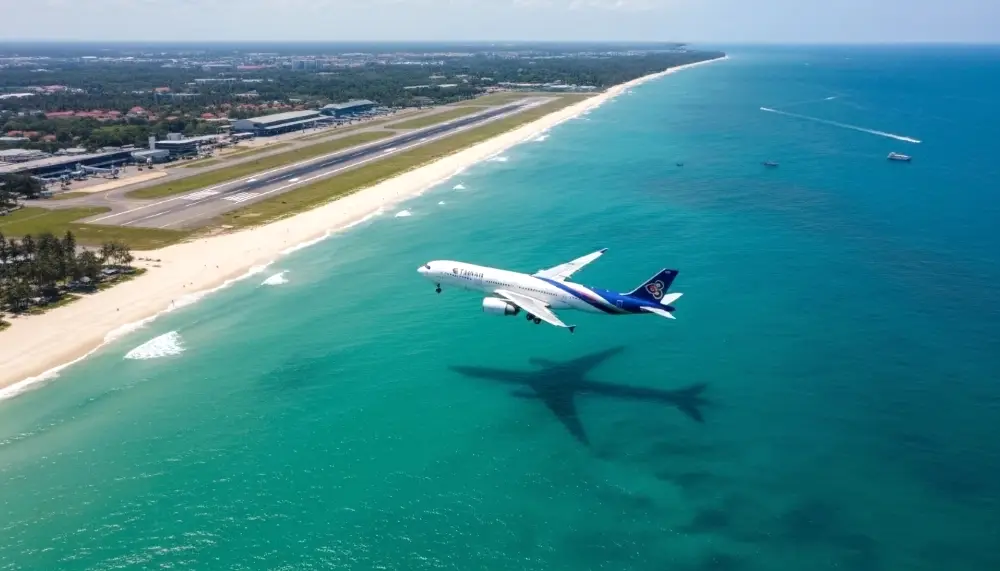
The phrase “travelling as cargo” understandably unnerves pet owners. In practice, the manifest cargo system offers considerably more care than the standard baggage hold. Pets travelling as manifest cargo are loaded last and offloaded first.
The cargo hold sections designated for live animals are temperature-controlled and pressurised identically to the passenger cabin. At Suvarnabhumi, the Animal Quarantine Station (AQS) operates within the cargo terminal complex; your pet will be inspected by a DLD veterinary officer who checks your import permit, health certificate, microchip number, and vaccination records against the animal in front of them.
If all documentation is correct, clearance at Suvarnabhumi typically takes two to four hours. Phuket International processes live animal imports more slowly due to lower cargo throughput; allow up to six hours and consider appointing a local clearing agent to attend on your behalf if you are arriving on a separate flight. The AQS at Don Mueang also handles live imports but has more limited staffing outside business hours, so routing your pet through Suvarnabhumi or Phuket is strongly advisable for international arrivals.
One practical point that catches many expats off guard: once your pet clears the AQS, you will need transport ready. Large breed dogs in approved crates are not compatible with standard taxis or even most ride-hail vehicles. Book a private van or pet-friendly transfer service in advance. Welcome Pickups offers pre-bookable airport transfers that can accommodate larger cargo, and communicating your requirements at the time of booking eliminates the stress of scrambling at the terminal.

Skip the airport kiosk queue in Thailand.
Airalo eSIMs are pre-loaded before
you fly and ready the instant you
connect to the local network.
Comparing Costs in THB: Honest Numbers for 2026
Excess baggage pricing is relatively straightforward. Budget airlines operating within Southeast Asia, including AirAsia and Nok Air, use a tiered pre-purchase system. Booking 20kg of excess baggage in advance on a regional route might cost 600 THB to 800 THB. Walk up to the counter without a pre-booked allowance and that figure can rise to 900 THB per kilogram, which adds up quickly for anyone moving a meaningful amount of belongings.
For long-haul arrivals into Bangkok on full-service carriers such as Thai Airways, British Airways, or Qantas, flat per-piece fees tend to apply for overweight baggage: broadly in the range of 8,000 THB to 12,000 THB for a single piece under 32kg, depending on the route and the carrier’s current fee schedule.
Manifest cargo pricing requires a different calculation entirely. The airline or freight forwarder uses “chargeable weight,” which is the higher of the actual weight and the volumetric weight (calculated as length x width x height in centimetres, divided by 6,000). A large dog crate with an 8kg dog inside might have an actual weight of 18kg but a volumetric weight of 35kg based on the crate’s dimensions. You are billed on 35kg.
Add the base freight rate, fuel surcharge, security surcharge, and terminal handling charges and a single live-animal shipment from London to Bangkok will typically land between 35,000 THB and 75,000 THB, depending on crate size and airline. Household goods shipments occupying a half or full pallet can easily exceed 100,000 THB before customs duties are applied.
For pet owners, these figures are non-negotiable: the regulations exist for animal safety. Factor the cost into your overall relocation budget as a fixed line item rather than a variable you might be able to reduce. It cannot be reduced beyond what the airline’s minimum handling fees allow.

Safety and Stress: Fragile Items, Electronics, and Valuables

Beyond pets, manifest cargo is the appropriate choice for anything that cannot afford to be mishandled. Professional cameras, audio production equipment, vintage instruments, artworks, and medical devices all fall into this category. The baggage handling system at even the best airports operates under time pressure.
Bags are stacked, thrown onto conveyors, and loaded with speed as the priority. A “fragile” sticker changes almost nothing in practice. The manifest cargo system, by contrast, loads individual crates onto pallets or Unit Load Devices (ULDs), which are secured to the aircraft floor. Lateral movement during turbulence is eliminated. For anything genuinely irreplaceable, the additional cost of manifest cargo is straightforward insurance.
For the majority of expat relocations, a practical split approach works well: carry high-value electronics and documents in cabin baggage, use excess baggage allowance for clothing, bedding, and general household items under 32kg per piece, and route anything heavy, fragile, or living via manifest cargo. This approach minimises total cost while providing appropriate protection where it genuinely matters.
One detail worth noting for digital nomads and remote workers: if you are shipping a significant amount of computing or filming equipment, keeping detailed receipts and original packaging significantly speeds up customs clearance. Thai Customs officers are more likely to grant personal-use status, reducing or eliminating duty, when items arrive in used condition with clear evidence of prior ownership rather than appearing as commercial stock.

Affordable Thailand data without the
tourist SIM hassle. Saily’s eSIM
works on most modern phones and
tops up remotely whenever needed.
Navigating Thai Customs in 2026
Thai Customs tightened its de minimis threshold significantly in early 2026. Previously, imported goods valued under 1,500 THB were typically exempt from duty. That exemption has been effectively reduced to 1 THB across almost all import categories, meaning that virtually everything shipped into Thailand from abroad is now theoretically taxable. In practice, officers at the passenger terminal retain discretion for personal effects that are clearly used, clearly personal, and arrive in reasonable quantities. Manifest cargo shipments have no such discretion: the paperwork is reviewed at a desk, not by a human standing in front of you.
For all manifest cargo entering Thailand, you or your freight forwarder must submit a formal customs declaration using Form R1/1. This requires the Air Waybill number, a complete itemised packing list, a commercial or pro-forma invoice with declared values for each item, and the Consignee’s passport copy or Thai Tax ID.
If you are not yet physically present in Thailand when your shipment arrives, you must appoint a licensed customs clearing agent who can present your original passport at the cargo terminal on your behalf. Attempting to clear a live-animal shipment without a clearing agent when arriving on a different flight is not advisable.
Goods classified as “household effects” for a person relocating their primary residence to Thailand may qualify for duty exemption, but this requires evidence of the move: a lease agreement, visa documentation showing long-term stay intent, and ideally a letter from an employer or the DTV approval if applicable. Prepare this documentation bundle before your shipment departs the origin country, not after it arrives in Bangkok.
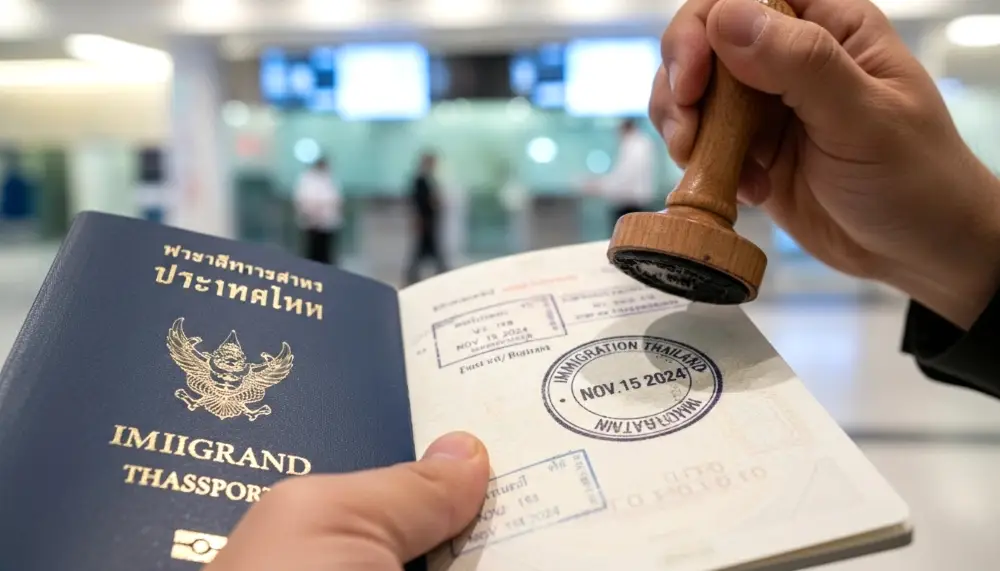
The Destination Thailand Visa (DTV) and Your Relocation Strategy
The Destination Thailand Visa (DTV) permits a 180-day stay per entry and is renewable, making it the most practical long-term option for remote workers and digital nomads who want to base themselves in Thailand without committing to a work permit or Elite Visa. For DTV holders, the relocation logistics shift considerably compared to a standard holiday. A 180-day stay means you genuinely need your belongings, your animals, and your working setup to function properly from day one.
The DTV requires evidence of 500,000 THB in accessible funds, either as a bank statement or a combination of assets. Thai Customs is aware of this financial threshold and may cross-reference your declared shipment values with your visa documentation if importing high-value household effects. Declaring items honestly and accurately is both legally correct and practically sensible: the duty calculation on personal effects is based on declared value, and under-declaration that is caught results in fines of up to four times the unpaid duty plus the duty itself.
For DTV holders planning to relocate with pets, the 180-day entry period is long enough to justify the full manifest cargo process. Pets imported correctly under this framework are not restricted to a temporary stay: they can be registered with Thai authorities and live in Thailand indefinitely. Begin the DLD import permit application at least eight weeks before your intended travel date, particularly if your origin country requires a waiting period between microchipping and the issue of a government health certificate (Australia and the UK both have specific pre-travel preparation protocols that can take months to complete).

From temples to island tours, Klook
covers Thailand’s best experiences.
Hotel pickup is often included and
prices beat the pier walk-in rate.
Choosing a Pet Relocation Agent: What to Look For
The specialist pet relocation industry exists precisely because the process is complex enough that doing it alone is genuinely risky. A good agent handles the import permit application with the DLD, books the correct space category on the cargo manifest, supplies or verifies IATA-compliant crates, coordinates the handover at the origin cargo terminal, and arranges a receiving agent at the Thai end to clear customs and manage the AQS inspection. For first-time expats, this service is worth the premium, which typically ranges from 25,000 THB to 60,000 THB per animal on top of the freight charges, depending on origin country and agent.
When evaluating agents, look for IPATA membership (International Pet and Animal Transportation Association) as a baseline quality marker. Ask specifically whether they have handled imports into Thailand from your origin country within the past twelve months, as import protocol changes happen regularly and recent experience matters. Confirm that their Thai-side receiving agent is licensed by Thai Customs and has a physical presence at or near Suvarnabhumi. Avoid agents who offer suspiciously low quotes by cutting corners on documentation: the cost of a shipment held in a bonded warehouse for a week while paperwork is corrected will far exceed any savings made at the booking stage.
Once your pet is cleared and settled in Thailand, consider travel health coverage for yourself as well. SafetyWing offers remote health and travel medical insurance designed specifically for long-stay expats and digital nomads, covering emergency medical care, repatriation, and in some plans routine outpatient care, at monthly rates that are considerably lower than standard international health insurance products.

Packing Strategy for the Expat Relocation: What Goes Which Way

A pragmatic split strategy reduces both cost and anxiety. Use the cabin and your standard checked allowance for items you cannot function without in the first 48 hours: prescription medication, laptop, essential chargers, a change of clothes, and all travel documents including your pet’s paperwork if they are travelling separately. Pre-book your checked baggage allowance at least 48 hours before departure to access the lower tiered rates rather than paying the walk-up counter fee.
Route to manifest cargo everything that is heavy, bulky, fragile, or alive. This includes your pet, any crated equipment such as studio monitors or photography lights, and items that would make excess baggage prohibitively expensive at per-kg rates. If shipping household goods rather than just a pet, consolidating multiple items into a single well-documented cargo shipment is more cost-efficient than sending several separate smaller ones, each of which incurs its own handling and documentation fees.
One critical practical note: on arrival in Thailand, local ride-hail and taxi apps including Grab and PassApp require SMS verification codes during the initial setup process. These codes are sent to your home-country number and your device needs mobile data to function properly at the baggage carousel. Activate your Airalo, Yesim, or Saily eSIM data plan before boarding your outbound flight so the verification process completes without delay. Arriving in Bangkok at midnight with no working data, a large crate to collect from the cargo terminal, and no way to hail a vehicle capable of carrying it is an avoidable situation.
Flight Disruptions, Delays, and Live Animal Shipments
Flight disruption introduces a dimension of complexity to pet relocation that rarely affects standard baggage. If your flight is cancelled or significantly delayed, your pet’s cargo booking does not automatically transfer to the rebooked flight: the airline must re-manifest the live animal, confirm space in the appropriate cargo section, and in some cases the health certificate validity period (ten days from issue) becomes a concern if the delay pushes the arrival beyond the window. Know your airline’s specific live animal disruption policy before you book and get it confirmed in writing.
For your own passenger disruption, AirHelp provides compensation claim assistance for flights delayed more than three hours or cancelled under EU261/2004, UK261, and similar passenger rights frameworks. Particularly for expats departing from UK or EU airports, a significant delay on a long-haul relocation flight can generate a compensation claim of 250 to 600 EUR per passenger. AirHelp works on a no-win-no-fee basis and handles the airline correspondence on your behalf.
If a delay extends overnight, your pet’s cargo booking requires active management: contact the cargo team directly rather than the passenger helpdesk, as these are separate departments with separate manifests. Your relocation agent, if you have appointed one, should be your first call: they have direct contacts within the airline cargo network and can manage the rebooking far faster than you can as an individual passenger.

Finding Your Home Base in Thailand: Where Expats with Pets Settle
Once your pet has cleared customs and you have your belongings, the next priority is finding accommodation that genuinely welcomes animals. This narrows the field considerably in Thailand, where the majority of standard apartment blocks have no-pet policies. The expat hubs most accommodating to pet owners are scattered across several cities, each with distinct characteristics worth understanding before you commit to an area.
Bangkok’s Sukhumvit corridor, particularly from On Nut southward, has a growing number of pet-friendly condominiums, many occupied by expats and long-stay foreigners who have navigated the same relocation process you are undertaking. The Nimman area in Chiang Mai has a strong community of remote workers with pets and a concentration of ground-floor townhouses and small garden apartments that suit larger dogs far better than high-rise living. Phuket’s Rawai and Chalong districts offer a mix of villas and bungalows where large breeds are common and the neighbourhood culture is generally more tolerant of animals than the tourist-dense north of the island.
For accommodation search, Agoda and Booking.com both allow pet-friendly filtering and are well worth using as a starting point, though confirming directly with the property that your specific animal is accepted (breed, size, and number) before booking is essential. Many listings note “pets allowed” but have unpublished restrictions on breed or weight that only surface on enquiry. 12GO is useful for planning intercity travel once you are settled: locking in train or bus tickets between Bangkok, Chiang Mai, and the south in advance of national holidays saves both money and considerable stress on congested routes.
Digital Security for the Relocating Expat
Managing large international payments during a relocation, including freight agent invoices, customs duty payments, vet bills, and rental deposits, requires reliable access to your home banking. Thailand’s internet infrastructure is generally excellent in the major cities, but public Wi-Fi in airport lounges and hotel lobbies presents genuine security risks when accessing banking portals. NordVPN provides encrypted connections across all your devices, prevents session hijacking on shared networks, and allows you to access geo-restricted banking services that may block logins from Thai IP addresses. It is a small monthly cost that eliminates a significant vulnerability during the period when you are moving large sums internationally.
For day trips, cultural excursions, and activities once you are settled, Get Your Guide and Klook both offer bookable experiences across Thailand’s major destinations: cooking classes in Chiang Mai, island hopping from Phuket, temple visits in Bangkok, and a vast range of activities that make Thailand extraordinary as a long-term base rather than just a holiday destination. Both platforms allow advance booking with flexible cancellation, which is particularly useful when your schedule is shaped by pending cargo clearance or vet appointments that can shift unpredictably.
Pro Tips for a Stress-Free Relocation with Pets
Start the DLD import permit process at least eight weeks out. Processing times are not guaranteed and can extend further during peak relocation seasons (January to March and September to October).
Crate-train your pet before travel. Animals that are comfortable and calm in their IATA-approved crate before the journey show significantly lower stress indicators on arrival. Begin crate familiarisation at least four to six weeks before departure.
Pre-book your excess baggage weight at least 48 hours before departure to access the lowest available rate tier rather than the walk-up counter fee, which can be double or triple the advance price.
Activate your eSIM before boarding. Airalo, Yesim, and Saily all offer instant-activation Thailand data plans that work from the moment you land. Grab and PassApp both need mobile data for SMS verification on first setup.
Welcome Pickups for airport collection. Pre-booked private transfers from Suvarnabhumi or Phuket that can accommodate large crates and multiple bags eliminate the chaos of negotiating with standard taxi ranks at midnight with a stressed dog in tow.
Keep all customs documentation in physical and digital copies. Having the Air Waybill number, import permit, health certificate, and packing list accessible on your phone means you can address queries from the AQS or customs officers immediately, without waiting for email attachments to load on a slow connection.
Have THB cash ready for customs fees and tipping. While major fee payments to freight agents and customs brokers are typically made by bank transfer, smaller ad hoc payments at the terminal are often cash-only. A porter managing multiple heavy crates will appreciate 40 THB to 100 THB as a genuine acknowledgement of the work involved.

Forget swapping physical SIMs in Thailand.
Yesim works on most modern phones,
activates remotely, and keeps your
home number live on WhatsApp too.
Frequently Asked Questions
What documents do I need to bring a dog or cat into Thailand from the UK or Europe?
You will need a DLD import permit (applied for in advance through Thailand’s Department of Livestock Development), a government-issued health certificate from an official veterinarian in your origin country dated within ten days of travel, proof of rabies vaccination (with a minimum 21-day gap from vaccination date for first-time imports), a valid ISO microchip number matching the certificate, and the Air Waybill if your pet is travelling as manifest cargo. Some origin countries require additional titration tests or specific waiting periods. Check the DLD’s current requirements at least three months before your planned travel date as protocols are updated regularly.
Can I bring a French Bulldog or Pug to Thailand?
Yes, but with important restrictions. Brachycephalic (snub-nosed) breeds including French Bulldogs, English Bulldogs, Pugs, Boston Terriers, Shih Tzus, Pekingese, Persian cats, Himalayan cats, and several others are prohibited from cabin travel on most airlines and are restricted from standard hold transport due to respiratory risk in pressurised environments. They must travel as manifest cargo under the IATA Live Animals Regulations in appropriately ventilated, airline-approved crates. Several major carriers have banned snub-nosed breeds from cargo transport entirely; always check your specific airline’s policy before booking. A specialist pet relocation agent with current airline access knowledge is strongly recommended for these breeds.
How long does it take to clear a live animal through Thai Customs at Suvarnabhumi?
With complete and correct documentation, the Animal Quarantine Station (AQS) clearance at Suvarnabhumi typically takes two to four hours from the time your cargo booking confirms arrival. The DLD veterinary officer checks the import permit, health certificate, microchip, and rabies documentation against the animal in person. Phuket International is slower and can take up to six hours due to lower cargo staffing levels. Don Mueang has limited AQS capacity outside business hours. Routing international pet imports through Suvarnabhumi is recommended where possible. Errors or missing documents result in the animal being held in the bonded cargo area at your ongoing cost until the paperwork is resolved.
What happens if I don’t declare imported goods at Thai Customs?
Passing through the Green Channel with items that should be declared, such as new electronics still in retail packaging, multiple identical items suggesting commercial intent, or goods above the de minimis threshold, risks a fine of four times the value of the goods plus the unpaid import duty. Thai Customs officers have discretion to inspect baggage at any point. For manifest cargo, all declarations are reviewed by document rather than by personal interaction, meaning there is no opportunity to clarify intent verbally. Always use the Red Channel if you are uncertain whether your items require declaration, and prepare a clear, accurate packing list for any manifest cargo shipment.
Can I ship my belongings as manifest cargo to arrive in Thailand before I do?
Yes. Your cargo shipment can depart and arrive independently of your own travel. However, if you are not physically present in Thailand when it arrives, you must appoint a licensed customs clearing agent authorised to present your original passport documentation at the cargo terminal and handle the formal customs entry process on your behalf. For live animal shipments specifically, the receiving agent must be present at the AQS inspection; the animal cannot wait unattended in the bonded area indefinitely. Ensure your clearing agent is briefed well in advance and has all your documentation before your cargo departs the origin country.
How much does it cost to relocate a large dog to Thailand from the UK or Australia?
Total costs vary significantly by breed, crate size, origin airport, and whether you use a full-service relocation agent. As a broad guideline, expect the airline freight charge alone to range from 35,000 THB to 75,000 THB for a medium to large breed dog travelling from the UK or Europe, based on volumetric weight calculations for a regulation IATA crate. A full-service IPATA-member relocation agent typically adds 25,000 THB to 60,000 THB for end-to-end coordination, import permit management, crate supply, and receiving agent services at the Thai end. Veterinary preparation costs in the origin country, including microchipping, vaccinations, titration tests if required, and the government health certificate, add a further variable that depends on your local vet and whether pre-travel bloodwork is required by Thai authorities.
Is there a weight limit for excess baggage on Thai domestic flights?
Most Thai domestic carriers cap a single checked piece at 32kg due to health and safety regulations for baggage handlers under Thai aviation authority guidelines. Individual pieces exceeding 32kg must be either split across multiple bags or routed as manifest cargo, even on domestic routes. This is particularly relevant for expats moving between Bangkok and Chiang Mai or Phuket after their initial arrival, when consolidating remaining household items for an internal move. Pre-book excess baggage allowances in advance on Thai domestic routes: at-counter rates are considerably higher than pre-booked rates and domestic flights with budget carriers have limited at-counter weight available.
Do I need a local customs clearing agent for manifest cargo, and how do I find one?
A licensed customs clearing agent is not legally mandatory if you are physically present in Thailand and able to attend the cargo terminal in person with your original passport. However, the formal customs entry process for manifest cargo is genuinely complex: Form R1/1 must be completed accurately, the Harmonised System (HS) codes for each item must be correctly assigned, and any duty payment must be processed before release. For live animal shipments, the time-sensitive nature of AQS clearance makes a professional agent highly advisable regardless of your physical presence. Ask your pet relocation agent for a recommendation, or search for members of the Thai Customs Brokers Association licensed to operate at Suvarnabhumi International Airport Cargo Terminal.
Will my household effects be exempt from import duty when relocating to Thailand?
Potentially, yes. Thailand’s Customs Department provides a duty exemption for household effects imported by a person changing their primary residence to Thailand, subject to conditions: the goods must have been owned and used by the applicant for at least six months prior to import, they must arrive within six months of the applicant’s initial entry into Thailand on the relevant visa, and supporting documentation must be provided including passport copies, a visa evidencing long-term stay intent, and a residence document such as a lease agreement. The exemption does not apply to vehicles, commercial quantities of any item, or goods that appear to be newly purchased. Prepare this documentation bundle thoroughly before your shipment departs.
What eSIM should I activate before flying to Thailand, and why does it matter for expats with pets?
Airalo, Yesim, and Saily all offer Thailand-specific data plans that activate immediately on arrival and require no physical SIM swap. This matters specifically for expats collecting pets from the AQS cargo terminal because ride-hail apps including Grab and PassApp require SMS verification on first setup, which requires active mobile data. Arriving without data means no app access, which means no practical way to book a vehicle capable of carrying a large crate. Activate your eSIM data plan before boarding your outbound flight so the app verification process can complete in the baggage hall rather than at the cargo terminal after a four-hour clearance process at two in the morning. Most eSIM providers allow activation scheduling, meaning you can purchase before departure and set the start date to your arrival day.