Finding Pet-Friendly Long-Stay Rentals
There is a particular kind of joy in watching your dog pad across a teak floor in a Thai villa, nose twitching at the scent of jasmine drifting through the garden gate. If you are planning a long-stay in Thailand and your pet is coming with you, this guide is written for you. Not a dry checklist, but a real walkthrough of what to expect, what to avoid, and exactly where to look. The Thai rental market is more nuanced than most expat blogs let on, and the gap between a stress-free relocation and a bureaucratic nightmare often comes down to one or two decisions made months before you land.
The Quick Summary
Bangkok Budgets: Expect 25,000 to 70,000 THB for pet-sanctioned condos in Sukhumvit or Ari, depending on size and building tier.
Chiang Mai Budgets: Spacious garden houses range from 15,000 to 45,000 THB per month in Hang Dong or Mae Hia, often including private outdoor space.
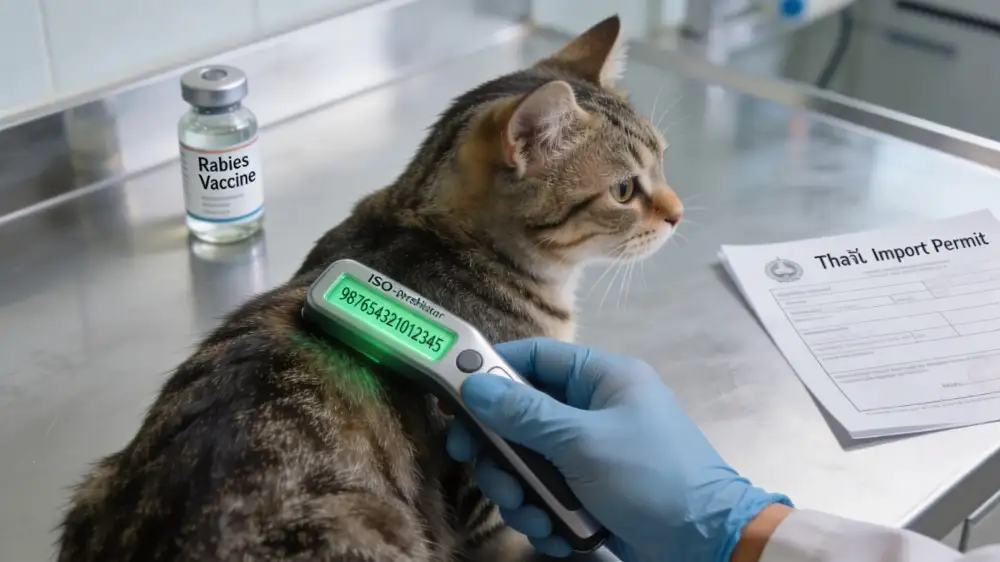
Entry Requirements: A 15-digit ISO microchip, a rabies titre test (RNATT), and a DLD import permit are all non-negotiable. Begin this process at least three months before departure.
The Weight Factor: Most Bangkok condos enforce a strict weight limit, typically capped between 15kg and 25kg for dogs. Larger breeds are far better suited to Chiang Mai houses.
Regional Variance: Bangkok favours luxury high-rises with designated “Pet Zones,” while Chiang Mai offers landed Muban (gated communities) with private gardens and mountain walks on the doorstep.


From boutique guesthouses to five-star
resorts, Agoda has Chiang Mai covered.
Strong Asia inventory means deeper
discounts than you’d find elsewhere.
Understanding the Thai Pet Rental Landscape

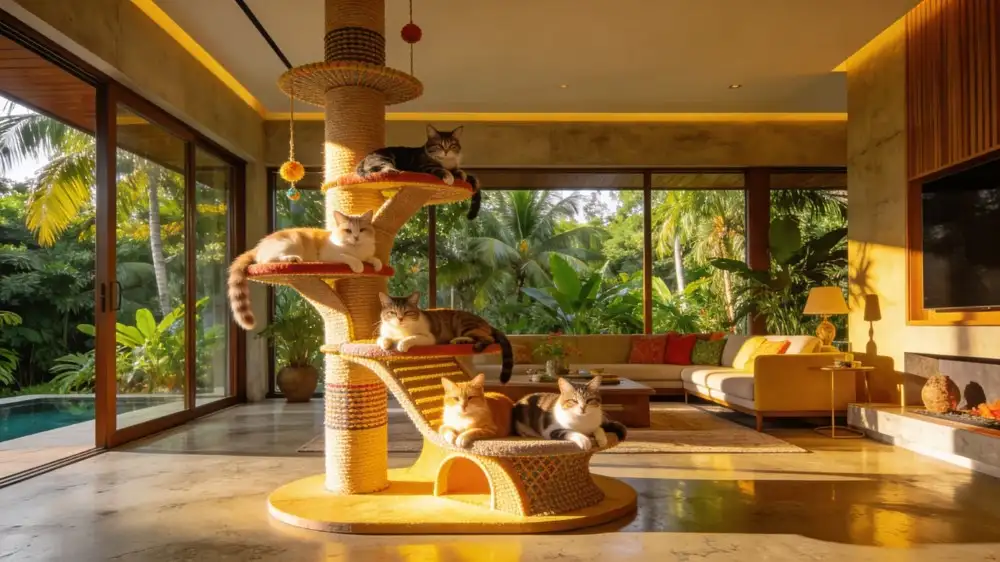
Pet-friendly rentals in Thailand account for roughly 15 percent of the total market, and that figure is skewed heavily towards specific districts, property types, and price brackets. In Bangkok, that means purpose-built “pet-allowed” condominiums concentrated in Sukhumvit and Ari. In Chiang Mai, it means detached houses inside gated communities, where landlords are broadly receptive to animals so long as gardens are kept tidy and interiors remain undamaged.
The foundation of Bangkok’s complexity is the Condominium Act. Many buildings explicitly prohibit pets in their corporate bylaws, and no amount of charm or negotiation will change that. The positive shift in recent years is the emergence of developers who build specifically for pet owners. MJD (Major Development) and AssetWise are two names worth bookmarking; their newer projects include dog wash stations, pet lifts, and dedicated outdoor relief areas as standard. Chiang Mai operates differently. Most landlords of detached houses are open to a conversation, provided you approach them respectfully and offer a little extra on the deposit. That cultural nuance matters enormously here.
When beginning your search, use the “Pets Allowed” filters on Agoda and Booking.com. For the Thai market specifically, these filters are unusually accurate and regularly updated by property managers. They are the fastest way to build an initial shortlist before you engage a local agent.
| Feature | Bangkok (Condo Living) | Chiang Mai (House Living) |
|---|---|---|
| Average Monthly Rent | 30,000 to 65,000 THB | 18,000 to 40,000 THB |
| Typical Space | 35 to 80 sqm | 120 to 300 sqm |
| Primary Pet Rules | Weight limits, typically under 25kg | No weight limits; garden access expected |
| Green Space Access | Dedicated rooftop or podium zones | Private yards, trails, and nearby mountains |
| Deposit Structure | 2 months deposit plus 1 month advance | 2 months deposit plus 1 month advance |
| Pet Deposit (Additional) | 5,000 to 10,000 THB extra | Negotiable, often waived with references |
| Vet Access | Excellent, 24-hour clinics widely available | Very good, especially in Nimman and Hang Dong |

Lock in top-rated Chiang Mai tours with
GetYourGuide’s free cancellation
up to 24 hours before. Reserve now
and pay later if dates aren’t set.
Bringing Your Pet Into Thailand: The Documentation Timeline
The paperwork involved in bringing a pet to Thailand is the single most common reason long-stay plans fall apart. Start three to four months ahead of your travel date. The core requirements are a 15-digit ISO-compliant microchip, a rabies titre test (also known as the RNATT or FAVN test), and a DLD (Department of Livestock Development) import permit. Each of these has timing dependencies that must be respected, and the order matters as much as the completeness.
Your pet must be microchipped before any vaccinations are recorded, so the chip number can be tied to all subsequent health certificates. The rabies titre test must then show a result above 0.5 IU/ml, and the blood must be drawn at least 30 days after the most recent rabies vaccination. Thailand also requires a mandatory vaccinations list: Rabies, Leptospirosis, Distemper, Hepatitis, and Parvovirus. All must be administered at least 21 days before departure but no more than 12 months prior.
Once paperwork is complete, confirm your flight. Some carriers allow pets in-cabin for small animals under 8kg (including carrier); larger pets travel as checked baggage or cargo. Check directly with your airline, as policies vary considerably. If your flight is disrupted or delayed significantly during transit, AirHelp is worth registering with before you travel, particularly if you have a pet in the hold where a missed connection can have welfare implications.

Arriving in Bangkok: The First 48 Hours With a Pet

Suvarnabhumi Airport has a dedicated Animal Quarantine Unit on the ground floor of the cargo terminal (Building 5), separate from the main passenger terminal. If your pet travels as checked baggage, you will clear customs first and then collect your animal from this facility. The process, when your documents are in order, typically takes between 30 and 90 minutes. Bring printed copies of everything, even if digital versions were accepted at check-in.
The moment you step outside, you need mobile data. Both Grab (via the GrabPet option) and the airport’s Welcome Pickups service require app access and SMS verification to complete a booking. If you are arriving without a working Thai SIM, you will find yourself at the mercy of the metered taxi queue with a stressed animal in tow. Activate your Airalo, Yesim, or Saily eSIM data plan before you board your outbound flight so the SMS network verification codes process correctly the moment you land. It takes five minutes at home and saves considerable chaos at baggage claim.
For families or groups arriving with multiple bags plus a pet crate, Welcome Pickups offers pre-booked private transfers that can accommodate larger vehicles. It removes the guesswork entirely and the driver meets you inside the terminal. Worth every baht when you are exhausted and your dog is anxious.

From short trips to long stays in Chiang Mai,
Airalo has flexible eSIM data plans
you install in minutes. Top up
remotely if you need more data.
Top Districts for Four-Legged Expats in Bangkok
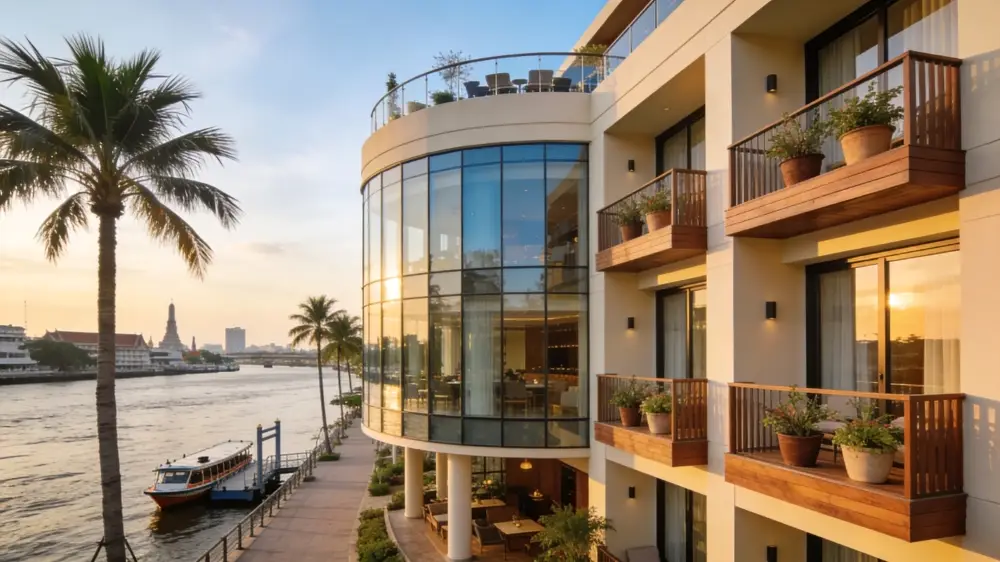
The BTS Sukhumvit line remains the artery of expat life in the capital, and for pet owners, two stations matter most. Phra Khanong and On Nut offer the best balance of price and accessibility. Rents here are 10 to 20 percent below the Thonglor and Ekkamai stretch, yet you are still a short BTS ride from everything. The Dog Park 49, located off Sukhumvit 49, is a well-established socialisation hub and a useful litmus test for the community you will be joining.
For those drawn to a quieter, more neighbourhood-feel setting, Ari is the gold standard. Its leafy sois (side streets), independent coffee shops, and accessible green spaces create a rhythm that suits both humans and dogs. Cafes like The Commons Saladaeng and Trail and Tail have built their entire brand around welcoming pets, and neither feels like a novelty act; the infrastructure is genuinely thoughtful. Ari also sits on the BTS Silom line, giving easy access to the central business district without the density of Sukhumvit.
Lat Phrao is worth considering for families with large dogs who cannot find suitable weight-limit exceptions in central Bangkok. The residential density is lower, gardens and ground-floor townhouses appear more frequently, and rental values are considerably softer. It is not as photogenic as Ari, but it is deeply liveable.
Top Districts for Four-Legged Expats in Chiang Mai
Chiang Mai is Muban country. These gated residential communities, which translate loosely as “village,” are the natural habitat of the northern expat with a dog. Hang Dong is the primary choice for families who need proximity to international schools, large supermarkets like Big C Hang Dong 2, and reliable English-speaking vets. Koolpunt Ville 9 is one of the most frequently recommended developments in this area, with wide internal roads, communal green space, and a security culture that makes late-evening walks comfortable.
Mae Hia offers something different: dramatic views of Doi Suthep and easy access to the Royal Park Rajapruek outskirts, which provides exceptional long-walk territory for larger breeds. Properties here tend to be newer, and the international community is steadily growing. If you are a remote worker who also wants to feel genuinely embedded in Thai life rather than in an expat bubble, Mae Hia strikes that balance well.
San Sai, further east, offers the most affordable large-house rentals in the greater Chiang Mai area. It is a 20-minute drive from the Night Bazaar area, which sounds inconvenient until you realise that most Chiang Mai residents with cars barely notice the distance. If budget is a priority and your dog needs space, San Sai delivers a four-bedroom house with a garden for what a studio costs in Bangkok’s prime districts.

Need budget data in Chiang Mai? Saily’s
eSIM plans start cheap and install
in a couple of minutes. Built by
the NordVPN team, security is solid.
Negotiating Your Lease: What Pet Owners Need to Know
Thai leases do not have a standardised pet clause. This is actually an advantage for tenants willing to negotiate, because it means the terms are entirely open. When approaching a landlord in Chiang Mai, the standard opening is a polite declaration: “I have one dog, well-trained, vaccinated, and I am happy to provide an additional deposit and cover any cleaning costs at the end of the tenancy.” In most cases, that conversation ends positively.
In Bangkok, the negotiation happens at the building management level before you even speak to a landlord. Confirm in writing that the building’s juristic committee allows pets in the specific unit you are considering. Landlords who allow pets in buildings that officially prohibit them are passing the risk to you: you can be asked to remove your animal with minimal notice if a neighbour complains to management. Get the building’s pet policy in writing, not just the landlord’s verbal assurance.
Standard pet deposits in Bangkok run from 5,000 to 10,000 THB above the normal two-month security deposit. In Chiang Mai, this is often waived entirely if you present vaccination records and references from a previous landlord. Always offer references proactively; it shifts the dynamic from suspicion to partnership and almost always results in a better deal.

Compare tours and tickets for Chiang Mai
and book instantly on your phone.
Klook mobile vouchers mean no
printing, just turn up and go.
Veterinary Care: Better Than You Expect, Cheaper Than You Hope

The veterinary infrastructure in Bangkok and Chiang Mai routinely surprises expats arriving from Europe or Australia. Thonglor Pet Hospital in Bangkok is widely regarded as the most sophisticated private animal hospital in Southeast Asia, with MRI capability, oncology specialists, and orthopaedic surgeons. Consultations for routine matters cost a fraction of UK prices: a check-up with blood panel that would run £150 in London rarely exceeds 2,000 THB in Bangkok.
In Chiang Mai, the Animal Hospital at Chiang Mai University Faculty of Veterinary Medicine offers university-level diagnostic capability at subsidised prices, and several private clinics in the Hang Dong and Nimmanhaemin areas maintain strong English-language service. Save the Google Maps pin for the nearest 24-hour facility on your first day; Thonglor Pet Hospital in Bangkok and Pet Friends Animal Hospital in Chiang Mai are both reliable options for emergencies.
For long-stay residents, health insurance designed for digital nomads and expats (such as SafetyWing) covers human medical costs, but pet health is a separate consideration. The low cost of Thai veterinary care means many expats self-insure by setting aside a small monthly reserve rather than paying foreign pet insurance premiums. Discuss this honestly with your vet on your first wellness visit and build a relationship early.
Thai Etiquette and Cultural Customs With Pets
The Thai concept of “Greng Jai” (consideration for others, avoidance of causing discomfort) governs almost every aspect of communal life. For pet owners, this translates into a specific set of practical obligations. Always keep your dog leashed in shared spaces, regardless of temperament. In high-rise condos, use the service lift rather than the passenger lift where other residents may have a fear of dogs, and adhere to the “Pet Silencer” noise protocols common in managed buildings.
Many indoor establishments remain off-limits to animals unless explicitly signposted as pet-friendly. Do not attempt to bring your dog into a 7-Eleven, a mall, or a temple complex. The distinction between a pet-welcoming cafe and a standard cafe is not always obvious from the outside; look for a small dog bowl near the entrance or a paw print on the signage. These visual cues are consistent across Thai cities and once you know them, you will spot them everywhere.
Carry disposal bags at all times and use them visibly. This is less about legality (enforcement is minimal) and more about the reputation of the international community. Thai locals are observant, and the goodwill you build through small acts of consideration accumulates over months into a genuinely warm neighbourhood relationship. Your landlord notices these things too.
Getting Around Bangkok With a Pet
Pets are not permitted on the BTS Skytrain or MRT Subway systems unless they are certified service animals. This is a firm policy and not one that is relaxed for small animals in carriers, despite what some older forum posts suggest. For daily transit, the GrabPet option within the Grab app is the most reliable solution. Drivers who opt into GrabPet have confirmed their willingness to carry animals and typically have a covered seat protector in the vehicle.
Bolt is a useful alternative when Grab surge pricing activates during peak hours. For longer intercity journeys, such as travelling between Bangkok and Chiang Mai with your pet, the overnight train is the most stress-free option for the animal (private sleeper compartments provide genuine quiet) provided your pet travels in a secure crate. For booking trains and long-distance buses in advance, particularly around Songkran or the high-season travel period (November to February), use 12GO to lock in tickets before services sell out. Availability on popular routes can disappear weeks ahead during national holiday surges.
Building Your Remote Work Routine Around Your Pet
Thailand has quietly become one of the best countries in the world for remote workers with pets, and the two lifestyles reinforce each other well. The freedom to structure your own hours means mid-morning walks before the heat peaks, long lunch breaks at a shaded pet cafe, and afternoons on your own terrace rather than in a WeWork. If you are working across European or North American time zones, your productive hours often fall in the Thai evening, which neatly aligns with the cooler, more comfortable walking conditions.
Cafe Wi-Fi in Chiang Mai is generally excellent, and an increasing number of co-working spaces allow well-behaved dogs. That said, public networks carry real risk for anyone handling sensitive client data or logging into banking portals. NordVPN is the practical solution here: run it on all devices as standard, particularly when working from cafes or shared spaces. It is a small monthly cost that removes an entirely avoidable vulnerability.
For longer-term health cover as a remote worker or expat, SafetyWing offers rolling nomad health insurance that covers you across multiple countries without requiring a fixed-term commitment. It will not cover your pet, but it covers you, which matters if you spend your days in the park or on mountain trails with your dog and occasionally roll an ankle.
Pet-Friendly Experiences Beyond the Front Door
Life with a pet in Thailand is not restricted to walks around the Muban perimeter. Both Bangkok and Chiang Mai have developed a genuine pet culture in their hospitality sectors, and it extends well beyond a bowl of water at the door. In Bangkok, areas like Thonglor and Ekkamai host pet-focused markets, grooming boutiques with photography stations, and “yappy hour” events at rooftop bars. The Dog Park 49 runs regular socialisation events that double as expat networking mornings.
In Chiang Mai, the mountains are the real playground. The trails around Doi Suthep and the Huay Tung Tao Reservoir are popular with dog owners and largely tolerant of well-controlled animals. The reservoir in particular, with its lakeside eateries built on bamboo platforms over the water, offers a serene afternoon that feels a world away from the city. For day excursions further afield, or for activities you want to book before you arrive, Get Your Guide and Klook both carry a growing selection of northern Thailand experiences; not all are pet-inclusive, but many outdoor and nature-based options are flexible enough to accommodate animals if you contact operators directly.
Pro Tips for a Stress-Free Long-Stay Setup
Currency: Always carry THB cash for local markets, street food, and smaller pet shops. Most dedicated pet boutiques and grooming salons in Ari and Nimman accept PromptPay and credit cards, and you will encounter the “Plus Plus” (++) pricing system at premium pet cafes, which means listed prices exclude 7 percent VAT and a 10 percent service charge.
Transport: Use Grab (select GrabPet in the options) or Bolt for reliable pet-friendly transit in Bangkok. Both apps require active mobile data at the point of booking, reinforcing the importance of having your Airalo, Yesim, or Saily eSIM active before you land.
Intercity Travel: For journeys between Bangkok and Chiang Mai, or any route coinciding with national holidays, book through 12GO well in advance. Sleeper train berths on the northern route are a genuinely pleasant experience for both you and a crated pet.
Security and Banking: Use NordVPN consistently when working from cafes or co-working spaces. Thai public Wi-Fi is convenient but unencrypted, and managing home banking through it without a VPN is a risk that simply is not worth taking.
Booking: For your initial accommodation before a long-term rental is confirmed, both Agoda and Booking.com feature accurate “Pets Allowed” filters for the Thai market. Use them to secure a comfortable base for your first two to four weeks while you scout neighbourhoods in person.

Maps, Grab, translation apps all need
data in Chiang Mai. Yesim’s eSIM installs
in a minute and gives you reliable
5G from the moment you arrive.
A Reassuring Note for the First-Time Relocator
Thailand is genuinely welcoming to animal lovers, and the stray dog (Soi Dog) population that can appear intimidating to newcomers is far less threatening than it looks. Soi dogs are territorial rather than aggressive; they are typically affiliated with a block or a food vendor and will bark at the unfamiliar but rarely follow through. Most gated Muban communities in Chiang Mai and secured condo buildings in Bangkok keep the stray population outside the perimeter entirely.
The veterinary care available in both cities is world-class by any standard, and the cost comparison with European or Australian prices can feel almost absurd. You will pay less for a full annual health check in Bangkok than you would for a single consultation back home. The expatriate pet-owner community is also active, generous with local knowledge, and very easy to connect with through Facebook groups specific to your city and district.
The paperwork is the hardest part, and it is entirely manageable with a three-month runway. Once you are here, settled in your garden house in Mae Hia or your Ari condo with a rooftop dog zone, the life you imagined when you started planning this becomes very quickly your ordinary Tuesday. That is worth every form you had to fill out.
Frequently Asked Questions
What is the average pet deposit for a Bangkok condo?
Landlords in Bangkok typically request an additional pet deposit ranging from 5,000 to 10,000 THB on top of the standard two-month security deposit. Some buildings replace this with a non-refundable deep-cleaning fee of similar value. Always clarify in writing whether the pet deposit is refundable and under what conditions deductions can be made.
Are dogs allowed on the Bangkok BTS Skytrain or MRT?
Pets are not currently permitted on the BTS Skytrain or MRT Subway in Bangkok unless they are certified service animals. This policy applies regardless of the animal’s size or whether it is carried in a bag. Most resident pet owners rely on GrabPet or Bolt for daily transit, which is both reliable and affordable.
Can I find pet-friendly rentals in Nimman, Chiang Mai?
Nimman is the most densely developed district in Chiang Mai and has fewer pet-friendly options than outer areas like Mae Hia or Hang Dong. Most condominiums in Nimman enforce strict no-pet policies. A townhouse or low-rise property on the outer edges of the Nimman-Huay Kaew road is a better compromise, giving you proximity to the area’s cafes and co-working spaces while maintaining pet-friendly accommodation.
What vaccinations are mandatory for bringing a pet into Thailand?
Thailand mandates vaccinations for Rabies, Leptospirosis, Distemper, Hepatitis, and Parvovirus. All must be administered at least 21 days before departure but no more than 12 months prior. The rabies vaccination record must also align with your rabies titre test (RNATT), which must demonstrate a result above 0.5 IU/ml. Begin this process at least three months before your intended travel date.
How long does the DLD import permit process take?
The DLD (Department of Livestock Development) import permit application typically takes between two and four weeks to process, though this can vary during peak periods. You must submit the application along with your health certificate, microchip documentation, vaccination records, and rabies titre test results. The permit is specific to your port of entry, so confirm your arriving airport before applying.
Is Chiang Mai or Bangkok better for a pet owner on a mid-range budget?
Chiang Mai offers considerably better value for pet owners at a mid-range budget. A spacious two or three-bedroom house with a private garden in Hang Dong or San Sai can be found for 18,000 to 30,000 THB per month, which is roughly what a compact Bangkok condo without outdoor space would cost in a pet-friendly building. Chiang Mai also has no weight limits for dogs in detached houses, making it the clear choice for owners of larger breeds.
What app should I use to book pet-friendly transport in Bangkok?
The Grab app is the primary recommendation, using the dedicated GrabPet option which matches you with drivers who have confirmed their willingness to carry animals. Bolt is a useful alternative during Grab surge pricing. Both apps require active mobile data and SMS verification, so activate your eSIM (Airalo, Yesim, or Saily are all reliable options) before you arrive to avoid delays at the airport.
What are the best Muban (gated communities) in Chiang Mai for pet owners?
Koolpunt Ville 9 in Hang Dong is consistently recommended by the expat community for its wide internal roads, green communal spaces, and accepting atmosphere towards pet owners. Baan Greenfield in the Mae Hia area is another strong option, particularly for those seeking views of Doi Suthep. In the more affordable San Sai area, several newer Muban developments offer large plots at lower price points; a local agent familiar with the pet-owner market will be your best resource here.
Can I take my dog on day trips and excursions in Thailand?
Many outdoor excursions in northern Thailand, including mountain trails, reservoir picnic areas, and certain national park fringe areas, are accessible with a well-controlled dog. Formal national parks and all temple complexes are off-limits to animals. For booking structured activities or excursions, Get Your Guide and Klook list the most popular day trips; contact operators directly to confirm pet accessibility before booking, as policies vary and are not always listed online.
Is pet insurance necessary for a long-stay in Thailand?
Dedicated pet insurance from a foreign provider tends to be expensive relative to the low cost of Thai veterinary care. Many long-stay residents self-insure by maintaining a dedicated savings reserve of 20,000 to 30,000 THB for veterinary emergencies. Given that a comprehensive health check including blood panels rarely exceeds 2,000 to 3,000 THB, and that specialist care at facilities like Thonglor Pet Hospital in Bangkok is priced far below equivalent UK or Australian costs, self-insurance is a rational strategy for most owners. Discuss the approach with your vet on your first wellness visit.