The Ultimate Guide to Moving Pets to Thailand
Moving your pets to Thailand takes some serious planning, it’s not just a matter of booking them a seat on the plane. You’ll need to get your head around the paperwork, vet requirements, and helping your animals settle into a very different climate.
It’s a lot of admin, but most people find it completely worth it when their dog is finally padding around on a Thai beach.
The Quick Summary:
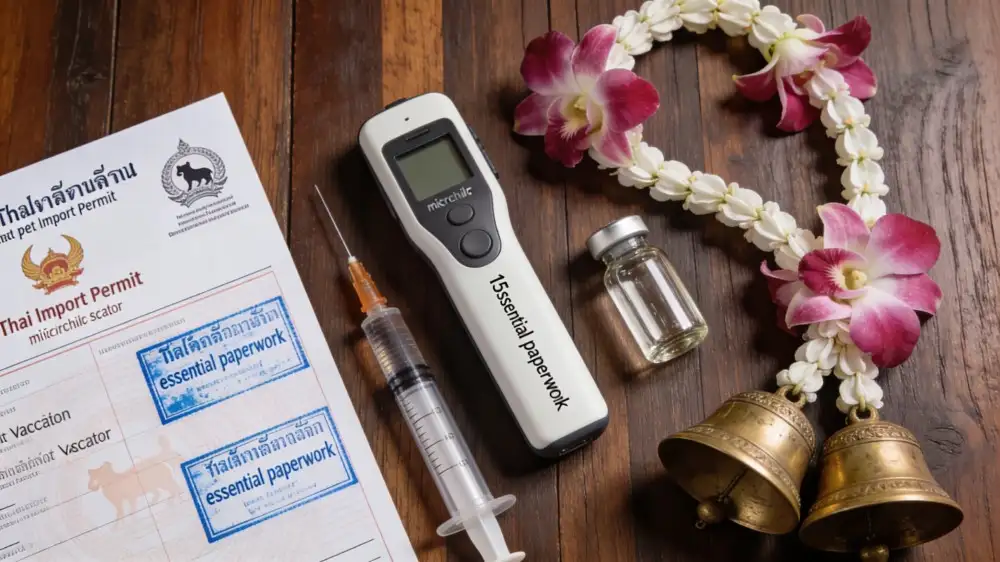
Entry Requirements: Valid rabies vaccination, microchip, and an import permit from the Bangkok Animal Quarantine Station (AQS).
Logistics: Direct flights to Suvarnabhumi Airport (BKK) are preferred to minimize animal stress and transit heat exposure.
Housing: High-rise condos in Bangkok often have strict “No Pet” policies; focus search efforts on pet-friendly developments in Phra Khanong or On Nut.
Health: Monthly preventative treatments for heartworm and ticks are non-negotiable due to the year-round tropical climate.
Thai Import Regulations and Permits:
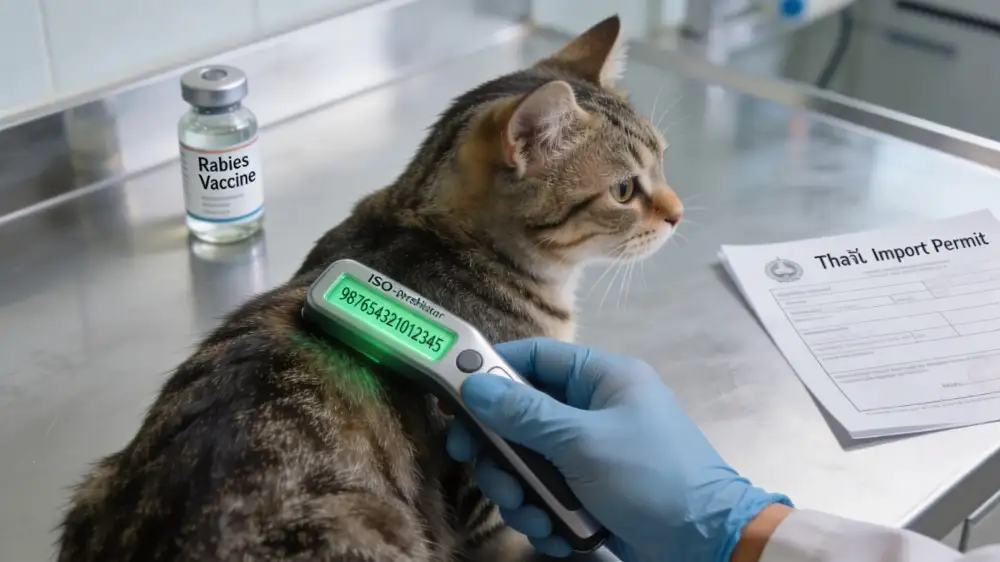
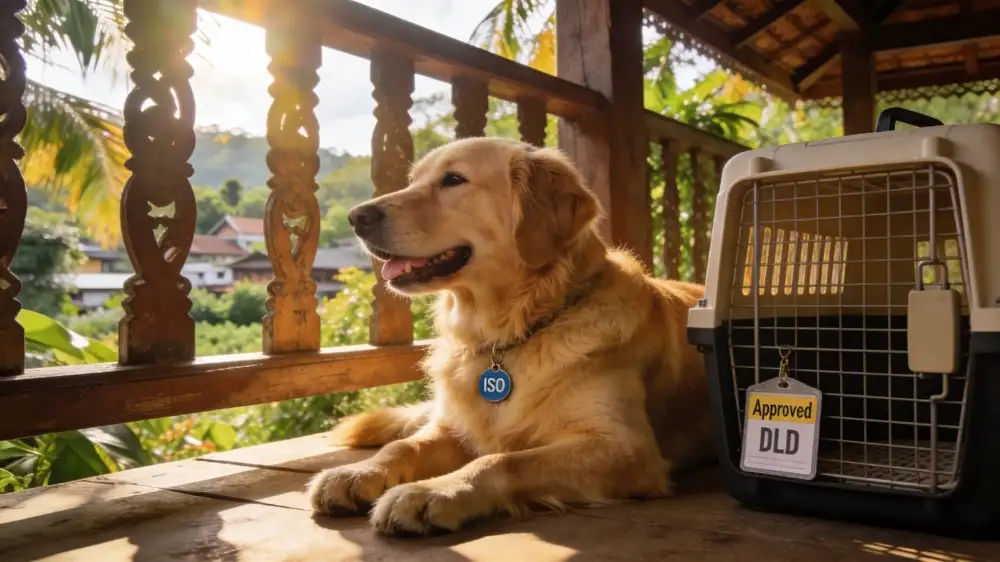
Before your pet can enter Thailand, you’ll need an Import Permit from the Department of Livestock Development (DLD). To get one, send them your pet’s vaccination records, microchip certificate, and a copy of your passport, give yourself at least fifteen days before you fly. When you land, a vet at the Animal Quarantine Station at Suvarnabhumi Airport will do a quick physical check.
Speaking of microchips, this is where you need to start. Your pet needs an ISO-compliant 15-digit chip implanted before their final rabies jab, order matters here. The rabies vaccine itself needs to be at least 21 days old when you arrive, but no more than a year old.
For dogs, you’ll also need vaccinations against Leptospirosis, Distemper, Hepatitis, and Parvovirus. Cats need cover for Feline Panleukopenia and Rhinotracheitis. Finally, within ten days of departure, a government-authorised vet in your home country needs to issue a health certificate, think of it as your pet’s boarding pass.

Compare hotel prices across Thailand’s
best areas and book with confidence.
Filter by budget, location, or score
to find the right stay for your trip.
Relocation Cost Comparison:
| Service Category | Standard Domestic Pet | Large Breed/Special Care | Local Sourcing (Thailand) |
|---|---|---|---|
| Import Permit Fee | 500 THB | 500 THB | N/A |
| Quarantine Inspection | 1,000 to 1,500 THB | 1,500 to 2,500 THB | N/A |
| Entry Tax (Customs) | 1,000 + 7% VAT | 1,000 + 7% VAT | N/A |
| Local Vet Consultation | 500 to 800 THB | 800 to 1,500 THB | 300 to 600 THB |
Tropical Health and Environmental Adaptation:
Thailand’s heat and humidity are the biggest adjustment for most pets. Heartworm and tick-borne diseases are common across the country, so get your pet onto a good flea and tick prevention routine as soon as you arrive. On hot days, stick to walks at dawn or dusk, pavements heat up fast and can burn paw pads badly.
Heatstroke is a real risk, especially between March and May. Your pet can’t duck into an air-conditioned 7-Eleven the way you can, so you need to be their heat manager. Always carry water when you’re out exploring the sois (side streets), whether you’re in Bangkok or hiking the hills around Chiang Mai.
The good news is that vets in Thailand are excellent, especially in the cities. Thonglor Pet Hospital in Bangkok runs 24-hour emergency care and has specialists in oncology and cardiology. If you’re based in the south, there are solid clinics in both Phuket and Koh Samui that can handle everything from annual boosters to more complex procedures.


Book Thailand day trips, attractions,
and activities in one place. Check
real reviews and lock in your spot
before the popular slots go.
Finding Pet-Friendly Living Spaces:

Securing pet-friendly accommodation in Thailand requires looking beyond standard rental platforms. While many modern condominiums prohibit animals, specific developers like MJD (Major Development) specialize in pet-positive buildings. In suburban areas like Nonthaburi or Bang Na, detached houses with walled gardens offer the most freedom for larger breeds and active dogs.
The “No Pets” rule in Thai condos is often strictly enforced by building juristic offices. Attempting to hide a pet is a high-risk strategy that usually leads to immediate eviction and loss of security deposits. Instead, target specific districts known for their animal-friendly vibes. In Bangkok, the Phrom Phong and Thong Lo areas offer high-end dog parks and “pet cafes” where social animals are welcomed.
Cultural Etiquette and the Thai Spirit:
Thai culture is generally affectionate toward animals, but boundaries exist. Avoid bringing pets into temples (Wats) out of respect for the sacred grounds.
When dining at local street stalls, it is common to see “Soi Dogs” (community dogs). While these animals are often friendly, keep personal pets on a short lead to avoid territorial disputes.
Tipping is not expected at vet clinics, but rounding up the bill or leaving 50 to 100 THB for the grooming staff is a gracious gesture that builds local rapport.


Lock in top-rated Thailand tours with
GetYourGuide’s free cancellation
up to 24 hours before. Reserve now
and pay later if dates aren’t set.
Pro Tips For Stress Free Travel:

Transport: Use the Grab app and select the “GrabPet” option for dedicated transport with drivers who welcome animals.
Logistics: Bolt is often more cost-effective for longer trips, though pet acceptance varies by driver.
Accommodation: Use Booking.com and filter specifically for “Pets Allowed” to find initial landing spots.
Communication: Secure a local SIM or use Yesim for immediate data upon landing at BKK to coordinate with pet taxi services.
Security: Use Nord VPN to maintain access to home-country vet records stored in cloud drives.
Currency: Always keep THB cash on hand for small clinics that may not accept international credit cards. Be aware of “Plus Plus” (++) charges in upscale pet boutiques, which indicate a 10% service charge and 7% VAT.

Forget swapping physical SIMs in Thailand.
Yesim works on most modern phones,
activates remotely, and keeps your
home number live on WhatsApp too.
A Note for the Nervous Traveler:
The hardest part for most people isn’t the paperwork, it’s the thought of their pet in the hold of a plane. It’s an understandable worry, but most major airlines use temperature-controlled, pressurised holds that are far less dramatic than they sound.
And once you’re through it, Thailand is a genuinely wonderful place to have a pet. This is a country where people leave food out for street cats and dogs without a second thought, and where the neighbourhood aunties will almost certainly adopt your pet as their own within a week.
It might take your animal a little time to find their feet, a few weeks to adjust to the heat, the smells, the new routine. But when your cat finally stretches out on a shaded porch, looking like they own the place, you’ll barely remember the paperwork.
Frequently Asked Questions:
Is there a mandatory quarantine period for pets entering Thailand?
If all paperwork is correct and the pet appears healthy upon arrival, there is generally no mandatory quarantine. The Animal Quarantine Station reserves the right to quarantine any animal for up to 30 days if documentation is missing or if the animal shows signs of infectious disease.
Can I bring my pet into Thailand on a tourist visa?
Yes, pets can enter regardless of the owner’s visa type, provided the import permits are secured. If you are planning to stay long-term, ensure your visa (such as the DTV) matches your housing lease to provide a stable environment for the animal.
What are the “Plus Plus” charges at Thai pet stores?
In many high-end pet stores or veterinary hospitals, the price listed is not the final price. The “++” signifies an additional 10% service charge and 7% Value Added Tax (VAT). Always factor an additional 17% into your budget for premium services.
Are there specific dog breeds banned in Thailand?
While Thailand is generally open, American Staffordshire Terriers and Pit Bull Terriers face much stricter scrutiny and are occasionally restricted by specific airlines or local municipal ordinances. Always check the latest DLD circulars before planning a move with these breeds.
How do I handle the “Soi Dogs” when walking my pet?
Most street dogs are territorial but non-aggressive if ignored. Carry a small umbrella or a bottle of water; opening an umbrella can act as a visual barrier that discourages a curious street dog from approaching your pet without causing harm.