UK/US to Thailand: Relocation Timeline & Countdown
For anyone making the move from the UK or US, Thailand is a full sensory reset: the heat hits you before you clear immigration, the food rearranges your priorities within 48 hours, and the cost of living makes your home-country rent feel like a bad joke. Getting here smoothly, however, takes considerably more planning than most people expect. The key is timing. Line up your visa windows, vaccinations, financial documentation, and flight bookings correctly, and by the time Bangkok’s humidity wraps around you at Suvarnabhumi, the only thing on your mind will be finding the nearest bowl of khao tom.
The Quick Summary:
Budgets: Expect to allocate 2,500 to 5,000 THB per day for a comfortable mid-range experience, excluding international flights. Budget travellers can operate comfortably on 1,200 to 1,800 THB daily in secondary cities.
Entry Requirements: US and UK citizens currently enjoy a 60-day visa exemption on arrival, with a single 30-day extension available from any provincial immigration office. The Thailand Digital Arrival Card (TDAC) is mandatory and must be completed online within 72 hours of departure.
Regional Variance: Prioritise the North (Chiang Mai) for cultural immersion, the Northeast (Isaan) for authentic local life at rock-bottom prices, and the South (Krabi and Phuket) for marine exploration.
Long-Term Stays: The 2026 DTV (Destination Thailand Visa) is the gold standard for remote workers, offering 180-day stays with renewable entry. The Non-Immigrant O-A covers a full year for retirees and those with sufficient funds.
The Pre-Flight: Six Months Out
The six-month mark is the single most important planning window. This is where disorganised trips unravel and well-planned relocations take shape. Start here, and everything that follows becomes significantly more manageable.
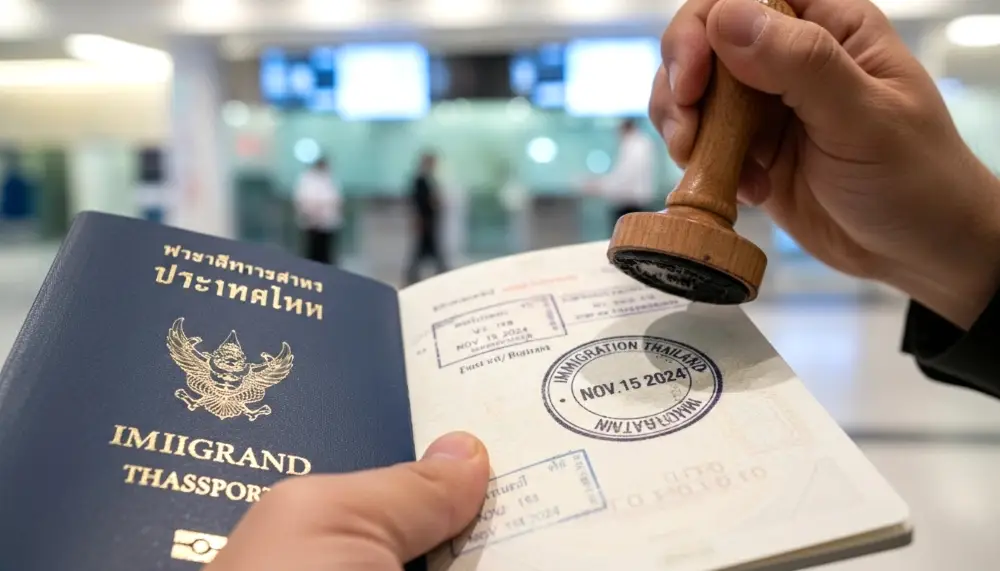
Passport validity: Ensure your passport has at least six months of remaining validity beyond your intended departure date. Thai immigration at Suvarnabhumi and Don Mueang is strict on this. A passport that expires even one day inside that window will result in a denied boarding at Heathrow, JFK, or wherever you depart from, and airline staff will catch it before you reach the gate.
International flight windows: “Early Bird” rates from London to Bangkok typically sit between 25,000 and 45,000 THB return, depending on airline and routing. Flights out of New York or Los Angeles to Bangkok run slightly higher, generally 30,000 to 55,000 THB. Book at this stage if your dates are fixed. If you experience a significant delay or cancellation during your journey, AirHelp is the most effective service for claiming EU and UK flight compensation, particularly useful if you are departing from a European hub.
Domestic connections: AirAsia and Bangkok Airways dominate the internal network. Booking domestic legs, particularly Chiang Mai to Koh Samui or Bangkok to Krabi, six months out secures the best fares and avoids the chronic sell-outs that hit during Chinese New Year and Songkran. If you are travelling as a family or with a large group and need a private transfer from the airport to your first accommodation, Welcome Pickups offers pre-booked, English-speaking drivers at transparent fixed rates, a far less chaotic option than navigating Bangkok’s taxi rank with jet lag and heavy bags.

Lock in your Thailand accommodation
early and beat peak-season price hikes.
Agoda’s filters let you compare options
side by side before you commit.
60 to 90 Days Out: Visas and Vaccinations
If you are applying for anything beyond the standard tourist exemption, the 60 to 90 day window is where that process must begin. Both the DTV and the Non-Immigrant O-A involve documentation gathering, bank statement preparation, and in some cases, a trip to a Thai consulate. Do not leave this until 30 days out: processing queues at the Royal Thai Consulate in London and the Thai Consulate-General in Los Angeles regularly push beyond three weeks during peak season.
DTV requirements: You will need proof of 500,000 THB (approximately 11,000 GBP or 13,500 USD) in liquid assets. This must be in a bank account in your name, evidenced by statements covering the past three months. The visa fee is 10,000 THB, payable at the consulate. Once approved, it grants 180-day stays with the ability to re-enter, making it extraordinarily flexible for remote workers and slow travellers.
Non-Immigrant O-A (Long Stay): Aimed at retirees and those seeking a full-year continuous stay, this visa requires either 800,000 THB in a Thai bank account or evidence of monthly income reaching 65,000 THB. The 800,000 THB must be deposited in a Thai bank account at least two to three months before the visa application, so factor that lead time in.
Health and vaccinations: Hepatitis A, Typhoid, and Japanese Encephalitis are the three vaccines most often flagged for Thailand. Hepatitis A and Typhoid are single-dose options for most adults, but Japanese Encephalitis requires two doses spaced 28 days apart, making the 60-day window the minimum viable timeline. Check with your GP or a travel clinic, as some vaccinations are available on the NHS for those heading to rural areas. Rabies pre-exposure vaccination is worth considering for anyone planning extended motorcycle travel or working with animals.
Travel insurance: This is not an area to economise on. Many standard UK and US travel policies explicitly exclude motorised two-wheel vehicles unless the rider holds a valid International Driving Permit with a motorcycle endorsement. Thailand’s roads see a disproportionate number of tourist scooter accidents, so verify your policy wording carefully. For long-stay remote workers, SafetyWing’s Nomad Insurance offers rolling monthly coverage that extends across Southeast Asia, including emergency medical evacuation and hospitalisation, at a far lower premium than traditional annual travel policies.

Skip-the-line tickets and guided walks
in Thailand with English-speaking
guides. Read real traveller reviews
before committing to a single one.
Flight and Entry Comparisons
| Requirement | Visa Exemption (Tourist) | Destination Thailand Visa (DTV) | Non-Immigrant O-A (Long Stay) |
|---|---|---|---|
| Stay Duration | 60 Days (30-day extension available) | 180 Days (Re-entry permitted) | 1 Year |
| Financial Proof | None (Spot check of 20,000 THB) | 500,000 THB liquid balance | 800,000 THB Thai bank or 65,000 THB/mo income |
| Application Fee | 0 THB | 10,000 THB | 6,000 to 7,000 THB |
| Work Permitted | No | Yes (remote/freelance for overseas clients) | No (retirement-focused) |
| Best For | Tourists, first-timers | Digital nomads, remote workers | Retirees, long-stay couples |
Intercity Travel: Getting Around Once You Are Here
Thailand’s internal transport network is genuinely impressive once you know how to navigate it. The overnight train from Bangkok to Chiang Mai (about 700 to 1,200 THB for a sleeper berth) remains one of Southeast Asia’s great journeys: air-conditioned, surprisingly comfortable, and infinitely more sociable than a 55-minute budget flight. The bus network operated by Transport Co. covers every major destination, and private VIP coaches between Bangkok and Hua Hin or Pattaya run every hour.
For anyone travelling around Songkran (April), the King’s Birthday (December), or the Chinese New Year period, advance booking is essential. Trains and premium buses sell out weeks ahead, and scrambling for last-minute transport on these dates is both stressful and expensive. Use 12GO to pre-purchase trains, buses, and ferries before you leave home. The platform aggregates routes across all major operators and delivers booking confirmations to your email, which is especially useful for families coordinating multiple legs of a journey.
For island-hopping in the South, the ferry network is the backbone of travel between Koh Samui, Koh Phangan, Koh Tao, and the Andaman islands. High-speed ferries from Donsak or Chumphon vary enormously in punctuality and comfort. Klook is the most reliable platform for securing named ferry operators, particularly Lomprayah and Songserm, with pickup included from central hotels in Surat Thani or Chumphon.
The 30-Day Countdown
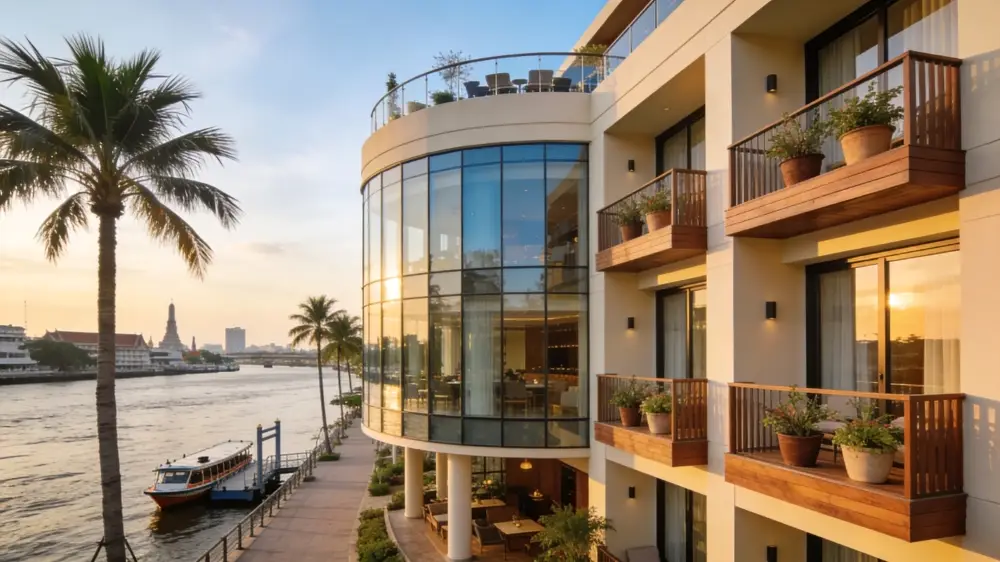
A month before departure is when the operational checklist accelerates. This is the window for accommodation confirmation, phone preparation, and financial setup.
Phone and connectivity: Thailand’s digital infrastructure is excellent, but it runs on different apps to what you are used to at home. Download Grab for taxis and food delivery, Line for communicating with landlords and local businesses (virtually every Thai business owner uses Line as their primary contact channel), and Agoda or Booking.com for accommodation deals. Note that both Grab and local transport apps require an active data connection and SMS verification the moment you land. If you attempt to set up these apps using airport Wi-Fi queues with 200 other new arrivals, you will be at the back of the taxi rank for 45 minutes. The practical fix is activating an Airalo, Yesim, or Saily eSIM before you board your outbound flight, so your phone is live and apps are verified before you reach the baggage carousel.
Accommodation: Book any high-demand properties now. Boutique guesthouses in Phuket’s Old Town, riverside resorts in Kanchanaburi, and quality apartments in Chiang Mai’s Nimmanhaemin district all sell out weeks in advance during high season (November to February). Agoda consistently outperforms other platforms on Thai properties, particularly for “Mobile Only” deals that offer an additional 10 to 15% discount when booking via the app. For longer-term stays, Booking.com‘s apartment and serviced residence listings are often more comprehensive in Bangkok’s central districts.
Currency and banking: Skip the airport exchange counters entirely. The rates at Suvarnabhumi’s currency booths are consistently 5 to 8% worse than the interbank rate. Instead, withdraw THB from a local ATM once you reach the city. Thai ATMs charge a flat 220 THB fee per withdrawal, so withdraw in larger amounts (5,000 to 10,000 THB) to minimise the relative cost. A Wise or Revolut card is the single best tool here: always select “Continue Without Conversion” on the ATM screen to let your home bank’s exchange rate apply rather than the ATM’s dynamic conversion, which will quietly pocket an extra 3 to 5%.

Pick a Thailand eSIM plan that matches
your trip length on Airalo’s global
marketplace. Install before departure
and you’re online the moment you land.
Accommodation Hubs: Where to Base Yourself
Thailand’s accommodation landscape spans everything from 200 THB fan rooms in Pai to 40,000 THB-per-night private pool villas in Koh Yao Noi. Knowing which base suits your travel style saves you a week of regret.
Bangkok: Sukhumvit (expat-heavy, BTS access), Silom (business district, good value mid-range hotels), Riverside (romantic, luxury properties, ferry access to major temples). For families, the stretch between Asok and Ekkamai on the BTS Sukhumvit Line offers the best balance of transport links, international supermarkets, and child-friendly restaurants. Budget travellers should explore Banglamphu, the long-established backpacker district near Khao San Road, where clean private rooms start from 500 to 800 THB per night.
Chiang Mai: The Old City moat area is the cultural heart, with boutique guesthouses inside the walls and Nimmanhaemin Road to the west serving the digital nomad community. Month-to-month apartment rentals in Nimman run from 8,000 to 18,000 THB, including utilities, making it one of the most affordable quality-of-life bases in Southeast Asia for remote workers.
Phuket: Patong is loud, commercial, and relentless, which some people love and others flee within 48 hours. Kata and Karon offer a calmer beach experience with decent infrastructure. Phuket Old Town is genuinely beautiful, Sino-Portuguese architecture, excellent coffee, manageable tourist crowds, and a short drive to multiple beaches. For families, Laguna or Mai Khao on the northern tip are quieter and have the island’s best resort properties.
Koh Samui: Chaweng is the main tourist strip with the most facilities; Bophut Fisherman’s Village is the choice for a more relaxed, boutique atmosphere; Maenam is for those wanting cheap monthly rentals and a local pace. Agoda‘s monthly rate filter is the fastest way to surface long-stay deals across all three areas.
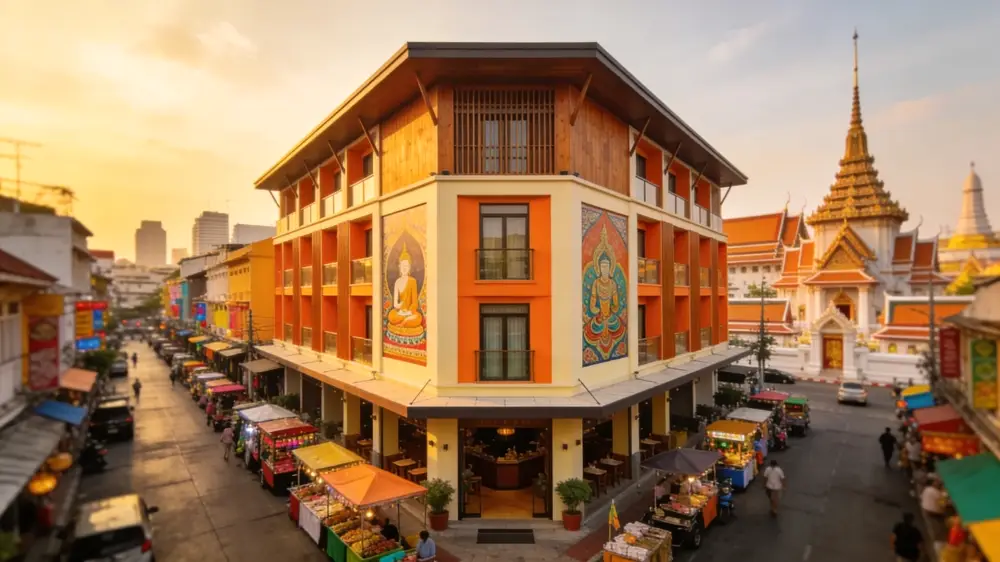

From temples to island tours, Klook
covers Thailand’s best experiences.
Hotel pickup is often included and
prices beat the pier walk-in rate.
Day Trips, Experiences, and Getting Off the Tourist Track
Thailand’s organised day-trip market is enormous and wildly variable in quality. The same “Thai cooking class in Chiang Mai” can cost 800 THB at a tourist-mill operation or 2,500 THB at a family-run farm outside the city, and the difference in experience is not proportional to the price gap. The farm-based class is simply better: smaller group, real ingredients, a recipe booklet you will actually use when you return home.
Get Your Guide is the most consistently curated platform for experiences across Bangkok, Chiang Mai, and the southern islands, with verified reviews from verified purchasers and a genuine cancellation policy. Klook is the stronger option specifically for transport-adjacent bookings: the Mae Klong Railway Market tour, the Damnoen Saduak floating market, high-speed catamaran transfers to Koh Lipe from Pak Bara, and multi-day passes for Bangkok’s river express ferry network. Between the two platforms, you will find virtually every reputable operator in the country.
For independent travellers who want to get genuinely off the tourist track, the Isaan region in northeastern Thailand is still largely overlooked by international visitors. Khon Kaen, Ubon Ratchathani, and the Mekong River border towns offer extraordinary food (the larb and som tum here bear little resemblance to their tourist-district cousins), ancient Khmer ruins, and accommodation at 30 to 50% of what you would pay in Chiang Mai or Bangkok.
The Final 72 Hours: TDAC and Last Checks
The Thailand Digital Arrival Card must be completed online within 72 hours of your departure. It is free, takes approximately ten minutes, and generates a QR code that immigration officers scan at the entry desk. Do not arrive without it. Unlike the old paper TM6 card (discontinued in 2025), the TDAC is a non-negotiable digital requirement, and showing up without it will cause genuine delays at the immigration hall.
What you will need to complete the TDAC: Passport details, flight number, and confirmed accommodation address for your first night. If you are staying with a friend initially or plan to sort accommodation on arrival, put the address of a central Bangkok hotel for your first night and update your actual arrangements once you land. The system does not cross-check booking confirmations.
Accommodation check-in: Confirm your check-in arrangements directly with your accommodation, particularly in Bangkok condominiums and serviced apartments. Many modern Bangkok condo buildings operate keycard-access lifts, meaning you cannot reach your floor without a physical card from reception. If you are arriving after midnight, ensure someone will be there to receive you or that a key-box arrangement has been confirmed.
eSIM activation: If you have not already set up an eSIM (see the 30-day section above), do it now before you board your outbound flight. Airalo and Yesim both offer Thailand-specific data plans starting from around 350 to 500 THB for 7 days of unlimited 5G data, and the activation process takes about five minutes on a compatible phone. An unlocked physical SIM purchased at the airport (DTAC and AIS both have desks in Suvarnabhumi’s arrivals hall) costs 250 to 400 THB for a tourist SIM with 15 to 30 days of data included.
VPN: Download and activate NordVPN before you leave home. Several UK and US banking apps use geo-location security checks that trigger when you suddenly appear in Thailand, and some will temporarily lock your account. A VPN set to a UK or US server keeps your banking apps functioning normally. It also helps with streaming services if your home subscriptions are region-restricted.
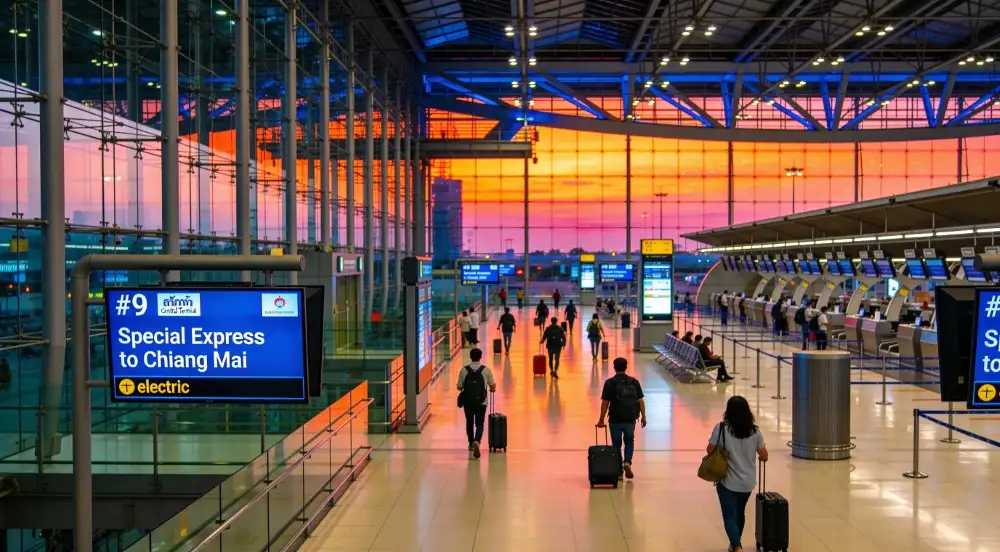

Stay online in Thailand without breaking
the budget. Saily offers flexible
eSIM plans with no contract and
no roaming charges going home.
Staying Longer: Slow Travel and the DTV
If you are thinking beyond a two-week holiday, the Destination Thailand Visa has fundamentally changed the calculation for long-stay travellers in 2026. Remote workers can now stay for 180 consecutive days without requiring a traditional work permit, provided their income is generated outside Thailand. The ability to re-enter on the same visa after a border run makes it a genuinely flexible option for anyone who wants to split time between Thailand and neighbouring countries.
The practical reality of slow travel: Many DTV holders settle into a rhythm of three months in Chiang Mai (cool season, November to February), two months in a southern island, and a brief trip to Laos or Vietnam before re-entering. This lifestyle is genuinely affordable. A mid-range apartment in Chiang Mai runs 10,000 to 15,000 THB monthly including utilities. A co-working membership at a reputable space (CAMP at Maya Mall, MANA, or Yellow) adds 1,500 to 3,000 THB per month. Daily food costs, eating a mix of local markets and occasional Western restaurants, sit comfortably between 400 and 800 THB. The total monthly cost of living for a single person running a sensible budget lands around 30,000 to 50,000 THB.
Digital nomad security: Public Wi-Fi in malls, cafes, and co-working spaces is generally fast and reliable in Thailand’s major cities, but it is unencrypted. NordVPN is the most widely used solution among the expat community for securing financial transactions and maintaining access to UK or US banking portals, which often flag foreign IP addresses as suspicious. Running it as a background connection adds no meaningful friction to daily workflow.
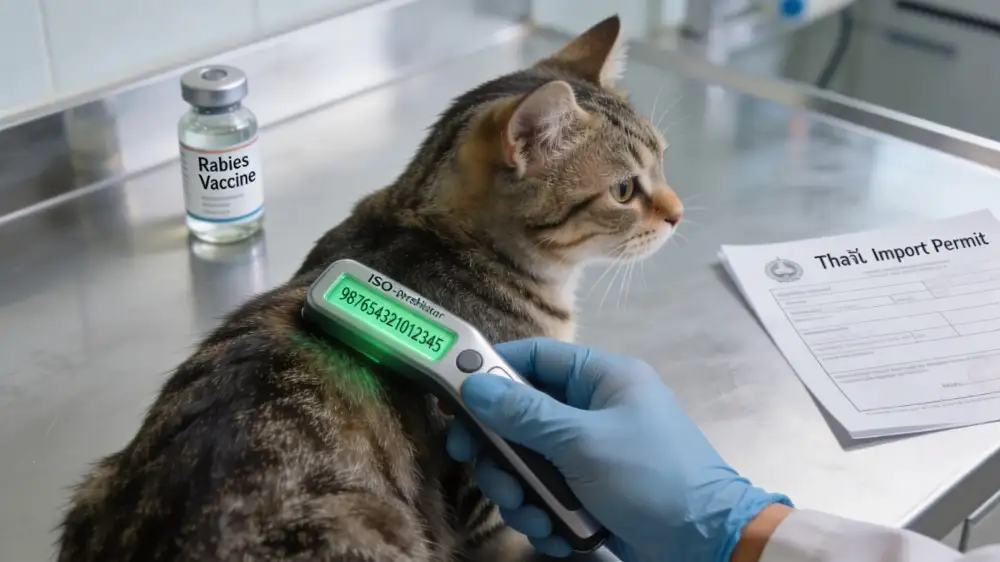
Moving with pets: This adds a minimum of four months to your planning timeline. Start the process at least four months out. You will need a microchip, a rabies vaccination with at least 30 days and no more than 12 months validity at travel date, a health certificate issued by a government-accredited vet within 10 days of departure, and an import permit from Thailand’s Department of Livestock Development (DLD). KLM and Qatar Airways are currently the most operationally reliable options for travelling with animals in cabin or hold. Several major US carriers have tightened their live animal policies since 2024, so verify directly before booking. More detail on this in our full pet relocation guide.
Cost of Living: A Realistic Monthly Breakdown
| Expense Category | Budget (THB/mo) | Mid-Range (THB/mo) | Comfortable (THB/mo) |
|---|---|---|---|
| Accommodation | 4,000 to 7,000 | 10,000 to 18,000 | 20,000 to 40,000 |
| Food and Drink | 5,000 to 8,000 | 10,000 to 16,000 | 20,000 to 35,000 |
| Transport | 1,500 to 3,000 | 3,000 to 6,000 | 6,000 to 12,000 |
| Co-working / Internet | 500 to 1,500 | 1,500 to 3,000 | 3,000 to 6,000 |
| Health Insurance | 1,200 to 2,000 | 2,500 to 5,000 | 5,000 to 12,000 |
| Entertainment / Activities | 2,000 to 4,000 | 5,000 to 10,000 | 12,000 to 25,000 |
| Total (approx.) | 14,000 to 25,000 | 32,000 to 58,000 | 66,000 to 130,000 |
Note for the Nervous Traveller
Thailand is a genuinely easy country to travel in. The risks most first-time visitors spend the most time worrying about rarely materialise, and the ones that do are usually minor: tourist scams near the Grand Palace, the occasional pushy tuk-tuk driver near the Democracy Monument, or a 200 THB “temple entrance fee” collected by someone standing suspiciously far from the actual entrance gate.
The local philosophy is worth borrowing. Jai yen (cool heart) and a quiet mai pen rai (no worries) resolve the vast majority of minor irritations, and a calm walk away sorts the rest. Thailand’s Tourist Police are easy to find in tourist areas and reachable around the clock on the dedicated helpline 1155. They are genuinely helpful, speak English, and can assist with everything from theft reports to hospital navigation.
For women travelling solo, Thailand consistently ranks among the safer destinations in Southeast Asia. The presence of other tourists, well-lit main streets in all major towns, and a cultural respect for personal space in most contexts makes it a comfortable choice. As with anywhere, late-night beach parties on full-moon events warrant the usual common sense about drink safety and transport home.
Pro Tips for Stress-Free Travel
Grab and Bolt: Grab is the dominant, reliable option for both cars and food delivery across all major cities. Bolt is the better choice in Pattaya and Chiang Mai where it undercuts Grab on fares by 15 to 20%. Both require that SMS-verified account, which makes the pre-departure eSIM setup (Airalo, Yesim, or Saily) non-optional if you want a seamless first day.
Agoda: Consistently produces the best rates on Thai guesthouses and mid-range hotels, particularly through Mobile Only deals visible only in the app. For serviced apartments and monthly stays, filter by “Long Stay” to surface rates not visible on the main search.
Booking.com: Better than Agoda for Bangkok’s higher-end serviced apartments, particularly in the Thong Lo and Ekkamai neighbourhoods, and more comprehensive for family resorts in Phuket and Koh Samui.
Klook: The most reliable platform for transport bookings: the Mae Klong Railway Market tour, high-speed ferries to Koh Lipe, and Bangkok’s hop-on hop-off river pass. Klook also has the best selection of muay thai training camps for short-term booking in Phuket and Koh Samui.
Get Your Guide: Use this for curated experiences: Thai cooking classes, ethical elephant sanctuaries near Chiang Mai, night photography tours of Bangkok’s temples, and Mekong sunset cruises from Chiang Rai. The review verification system means you avoid the hollow “five-star” reviews that pad out smaller booking platforms.
Yesim or NordVPN: Essential in combination. Yesim provides reliable 5G data from the moment you land. NordVPN keeps your UK and US banking apps functioning normally from Thai IP addresses, and secures your connection on the public Wi-Fi in malls like Siam Paragon, Central World, and the major co-working spaces.
Line: Thailand’s primary business communication channel. Your dive instructor in Koh Tao, your landlord in Thong Lo, your Chiang Mai cooking class organiser, and your local doctor’s clinic all use it as their first-contact channel. Download it before you leave.
SafetyWing: For anyone on a DTV or longer stay, SafetyWing’s Nomad Insurance is the most practical long-stay health cover available to non-residents. It operates on a rolling monthly subscription, covers hospitalisation and emergency evacuation, and extends across Thailand’s neighbours, which matters if you are doing periodic border runs to Laos, Cambodia, or Malaysia.


Stay online in Thailand without the
daily data limits of tourist SIMs.
Yesim’s eSIM offers unlimited 5G
from around $10 for the whole trip.
Frequently Asked Questions
What is the best way to handle money in Thailand?
Use a Wise or Revolut travel card to withdraw THB from local ATMs. Thai ATMs charge a flat 220 THB fee per transaction, so withdraw in larger amounts (5,000 to 10,000 THB at a time) to keep the relative cost low. Always select “Continue Without Conversion” on the ATM screen: this forces the exchange to go through your home bank’s rate rather than the ATM’s dynamic conversion rate, saving you between 5 and 8% per withdrawal. Avoid airport exchange counters entirely, their rates are consistently the worst you will find in Thailand.
Do I need a visa to travel to Thailand from the UK or US?
As of 2026, both UK and US passport holders qualify for a 60-day visa exemption on arrival, extendable by 30 days at any provincial immigration office for a fee of 1,900 THB. For stays beyond 90 days, the Destination Thailand Visa (DTV) offers 180-day entries for remote workers with proof of 500,000 THB in funds. The Non-Immigrant O-A covers a full year for retirees and is best suited to those who can demonstrate 800,000 THB in a Thai bank account or 65,000 THB in monthly income.
What vaccinations do I need for Thailand?
The NHS and US CDC both recommend ensuring routine vaccinations are up to date before travel, including MMR, tetanus-diphtheria-pertussis, and chickenpox. For Thailand specifically, Hepatitis A and Typhoid are strongly advised for all travellers. Japanese Encephalitis is recommended for those spending time in rural areas, particularly in northern Thailand and the Mekong delta region, noting that this vaccine requires two doses 28 days apart. Rabies pre-exposure vaccination is worth considering for long-stay travellers, those planning motorcycle touring, or anyone working with animals. Malaria prophylaxis is generally not required in tourist areas but is advisable for remote border regions near Myanmar and Cambodia.
What is the Thailand Digital Arrival Card (TDAC) and how do I complete it?
The TDAC replaced the paper TM6 arrival card in 2025 and is now mandatory for all international arrivals into Thailand. It is completed online at the official Thai immigration portal within 72 hours of your departure flight. The form takes approximately ten minutes to complete and requires your passport number, flight details, and confirmed first-night accommodation address. Upon completion you receive a QR code, which immigration officers scan at the entry desk. Arriving without it will cause delays at the immigration hall. There is no fee.
How do I get from Suvarnabhumi Airport to central Bangkok?
The Airport Rail Link is the fastest and most cost-effective route to central Bangkok, connecting Suvarnabhumi to Phaya Thai station in approximately 30 minutes for 45 THB. From Phaya Thai you can connect to the BTS Skytrain network for access to Sukhumvit, Silom, and Siam. For travellers with heavy luggage or families, the official metered taxi queue on Level 1 of the arrivals building is reliable. Expect to pay 250 to 400 THB for a metered fare to central Bangkok plus 50 to 70 THB in expressway tolls, which the passenger pays in cash. The Grab app is also a clean option if your phone is already connected on arrival, as it provides a fixed fare estimate before you confirm the booking.
Is tap water safe to drink in Thailand?
No. Even long-term residents and locals avoid tap water for drinking throughout Thailand. Bottled water is widely available and inexpensive at 7-Eleven and Family Mart convenience stores (approximately 7 to 12 THB for a 1.5 litre bottle). Many residential buildings have filtered water dispensing machines, often marked with blue signage, which provide refill-quality drinking water for around 1 THB per litre. Tap water is safe for brushing teeth and showering. When eating at restaurants, always opt for sealed bottled water or hot tea rather than tap-sourced iced drinks at establishments where hygiene standards are uncertain.
Do I need to tip in Thailand?
Tipping is not a cultural expectation in Thailand the way it is in the US, but it is increasingly common in tourist areas and appreciated. At street food stalls and local market restaurants, tipping is not expected. At mid-range restaurants, leaving the small change from your bill is a polite gesture. At higher-end establishments, a service charge of 10% is usually included in the bill, so additional tipping is entirely at your discretion. For hotel staff, tour guides, dive instructors, and massage therapists who have given attentive service, a tip of 50 to 200 THB is standard and genuinely appreciated.
What is the best SIM or data option for Thailand?
For short stays (up to 30 days), a tourist SIM purchased on arrival at Suvarnabhumi airport from AIS or DTAC costs 250 to 400 THB and includes a data allowance sufficient for most travellers. For anyone wanting connectivity from the moment they land without queuing at airport SIM counters, pre-activating an eSIM through Airalo, Yesim, or Saily before departure is the most practical option. Thailand eSIM plans start from around 350 THB for 7 days of unlimited 5G data. For longer stays, AIS and DTAC both offer monthly SIM packages with 30 to 60GB of high-speed data for 250 to 400 THB per month.
How does the Destination Thailand Visa (DTV) work in 2026?
The Destination Thailand Visa is designed specifically for remote workers, freelancers, and location-independent professionals. It grants a single 180-day stay per entry with the ability to re-enter Thailand on the same visa after a border run. The application fee is 10,000 THB and must be made at a Thai consulate or embassy outside Thailand. Key requirements include a valid passport, proof of 500,000 THB (approximately 11,000 GBP or 13,500 USD) in liquid funds evidenced by three months of bank statements, and proof of remote employment or freelance income from a non-Thai source. The DTV does not authorise work for Thai companies or clients. Applications typically take two to four weeks to process.
What are the best apps to download before arriving in Thailand?
The essential apps to set up before you land are: Grab (ride-hailing and food delivery, requires SMS verification on first use), Line (the primary communication channel for Thai businesses, landlords, and service providers), Google Maps offline data for your destination provinces (download while on Wi-Fi before arrival), Agoda or Booking.com (accommodation), 12GO (intercity bus, train, and ferry booking), and Klook or Get Your Guide (day trips and experiences). For financial security, NordVPN is strongly recommended for use on public Wi-Fi. For health and emergency, SafetyWing for long-stay insurance management. Activate your eSIM or ensure your physical SIM is ready before landing so that SMS verification codes for Grab and banking apps can be received immediately.