Thai Festivals Guide: Songkran, Loy Krathong, & Beyond
Thailand operates on a rhythm dictated by the lunar calendar and deep-seated Buddhist traditions. These festivals are not merely spectacles for tourism; they are the spiritual heartbeat of the nation. Understanding the timing and regional nuances of these events ensures an authentic experience rather than a surface-level observation.
The Quick View:
- Songkran (April 13–15) is the traditional Thai New Year characterized by nationwide water fights and merit-making.
- Loy Krathong (November) involves releasing floating baskets to honor the water goddess and release negative energy.
- The Yi Peng Lantern Festival is specific to Northern Thailand, occurring simultaneously with Loy Krathong in Chiang Mai.
- Travelers should book accommodation three to six months in advance for festival peaks to avoid 300% price surges.
- Cultural etiquette requires modest dress at temples and avoiding water throwing at monks or the elderly.

Lock in your Chiang Mai accommodation
early and beat peak-season price hikes.
Agoda’s filters let you compare options
side by side before you commit.
Songkran: The World’s Largest Water Festival
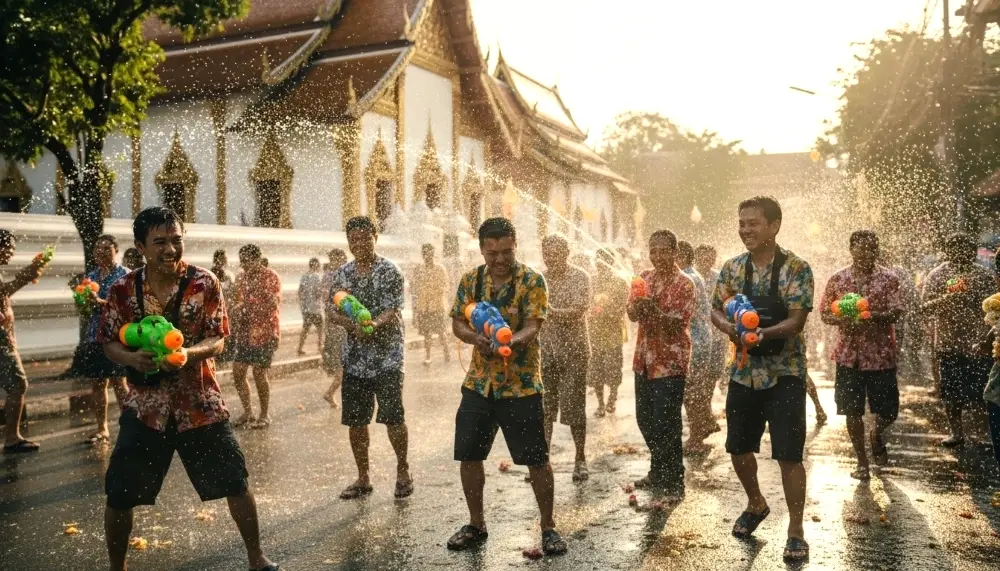
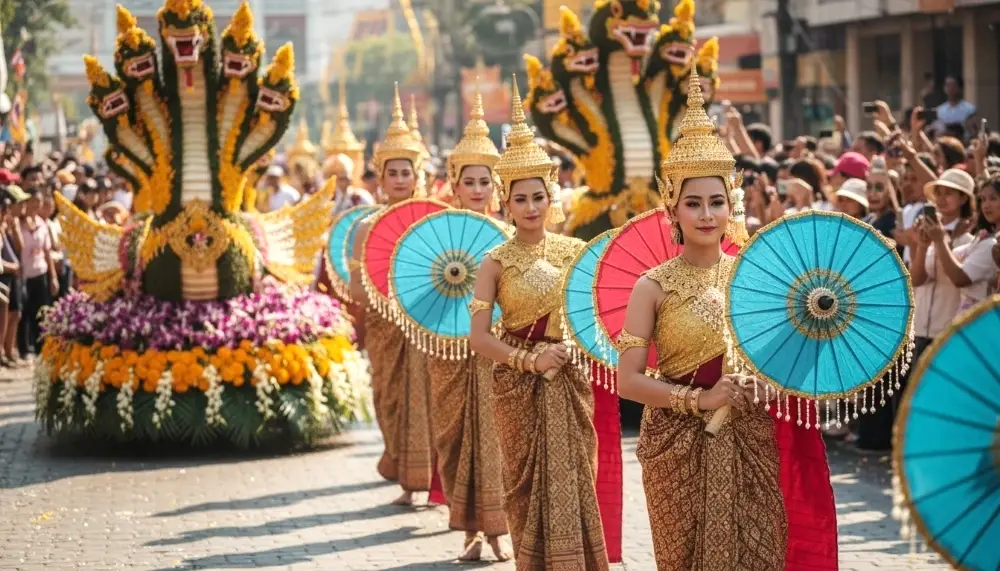
Songkran is the Thai New Year celebrated from April 13 to 15 annually. It symbolizes purification and renewal through water. While major hubs like Silom in Bangkok or Nimman Road in Chiang Mai host massive water battles, the core remains a family-centric holiday focused on temple merit-making and pouring water over elders’ hands.
The heat of April provides the backdrop for a three-day national shutdown. In Bangkok, the Khao San Road area becomes a high-density zone for revelry, but the MTR and BTS Skytrain systems remain the most efficient ways to navigate the city as road traffic grinds to a halt. In Chiang Mai, the Old City Moat serves as the primary reservoir for thousands of participants.
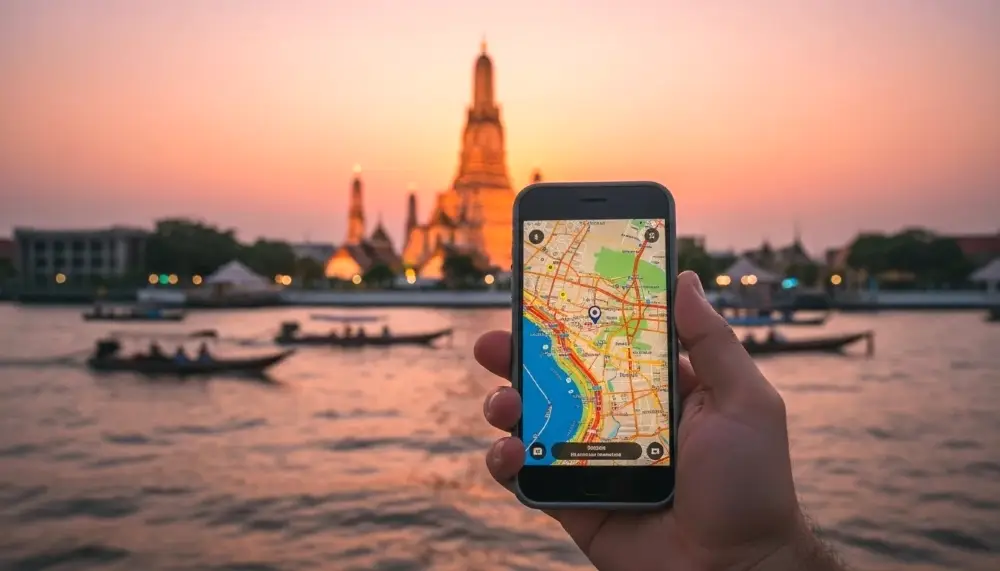
Expect to be drenched the moment you leave your hotel. To survive, purchase a waterproof neck pouch for your phone and cash at any 7-Eleven. For a more traditional experience, visit Wat Pho in Bangkok or Wat Phra Singh in Chiang Mai during the morning hours to witness the gentle bathing of Buddha images with scented water.

Lock in top-rated Chiang Mai tours with
GetYourGuide’s free cancellation
up to 24 hours before. Reserve now
and pay later if dates aren’t set.
Loy Krathong and Yi Peng: Lights on Water and Sky
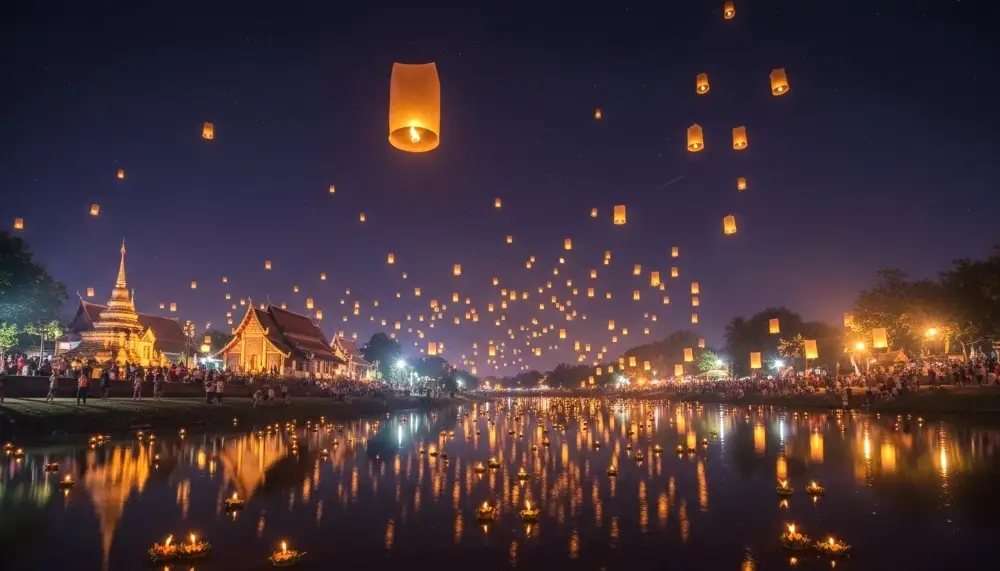
Loy Krathong occurs on the full moon of the 12th Thai lunar month, typically in November. Participants float a krathong, a decorated banana leaf basket, onto rivers to symbolize letting go of grudges. In Chiang Mai, this coincides with Yi Peng, where thousands of paper lanterns are released into the night sky.
While Sukhothai Historical Park offers the most atmospheric and historically accurate Loy Krathong experience, Chiang Mai is the undisputed capital for the dual celebration of Yi Peng. The banks of the Ping River become a sea of flickering lights. It is essential to avoid “tourist traps” mass-release events that charge 4,000 THB or more for tickets; the public celebrations at the Iron Bridge and Nawarat Bridge offer more genuine energy for the price of a 50 THB krathong.
Environmental consciousness is rising. Ensure your krathong is made of natural materials like banana stalks or bread. Avoid polystyrene bases entirely. Local authorities in Bangkok often designate specific parks like Lumphini or Benjakitti for organized, eco-friendly floating events.

From short trips to long stays in Chiang Mai,
Airalo has flexible eSIM data plans
you install in minutes. Top up
remotely if you need more data.
Comparison of Major Thai Festivals
| Festival | Primary Location | Best Time to Visit | Estimated Daily Budget (THB) |
|---|---|---|---|
| Songkran | Chiang Mai / Bangkok | April 13–15 | 2,500 – 5,000 |
| Loy Krathong | Sukhothai / Bangkok | November (Full Moon) | 2,000 – 4,500 |
| Yi Peng | Chiang Mai | November (Full Moon) | 3,000 – 7,000 |
| Vegetarian Festival | Phuket (Old Town) | October (9 Days) | 1,500 – 3,500 |
| Phi Ta Kon | Loei (Dan Sai) | June/July | 1,200 – 3,000 |
The Phuket Vegetarian Festival:
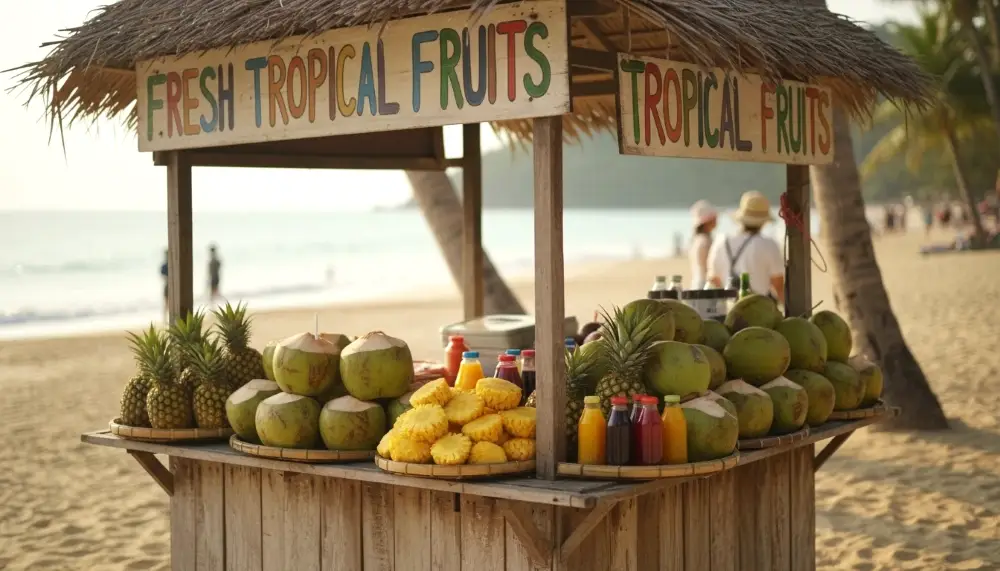
The Phuket Vegetarian Festival, or Tesagan Gin Je, is a nine-day Taoist celebration in October focusing on spiritual purification and abstinence from meat. It is world-renowned for its dramatic ritual self-mutilation by “Ma Song” devotees and high-energy street processions involving firecrackers and heavy percussion.
This is not a festival for the faint-hearted. Rituals at shrines like Jui Tui or Bang Neow involve devotees piercing their cheeks with swords or umbrellas to channel the gods. For the average traveler, the draw is the incredible array of “Je” food, vegan interpretations of Thai classics. Look for the yellow flags with red Thai script. Prices for street food remain low, often between 40 and 80 THB per dish, making it an excellent time for budget-conscious food enthusiasts.

Compare tours and tickets for Chiang Mai
and book instantly on your phone.
Klook mobile vouchers mean no
printing, just turn up and go.
Cultural Realities:
Thai festivals are deeply rooted in the concept of “Sanuk” (fun), but respect is mandatory. When visiting temples, shoulders and knees must be covered. Tipping is not culturally required in local markets or street stalls, but in mid-range to high-end restaurants, a 10% service charge and 7% VAT (the “plus plus” on menus) are standard.
During Songkran, never splash water on monks, pregnant women, or motorcyclists. The latter is a significant safety hazard. A polite “No” is rarely respected during the water fights, so if you must stay dry, remain indoors or use the enclosed BTS carriages to move between districts.


Saily’s Chiang Mai eSIM costs less than
most tourist SIMs charge per day.
Easy install, transparent pricing,
and solid NordVPN infrastructure.
Practical Tips:

Navigation: Use Grab or Bolt for transparent pricing on rides. In Bangkok, the Thai MRT and BTS apps provide real-time schedule updates.
Bookings: Use Agoda for the best regional hotel rates and Klook or Get Your Guide for festival-specific shuttle passes.
Connectivity: Download an eSIM via Yesim or purchase a physical SIM from AIS or DTAC at Suvarnabhumi Airport for approximately 699 THB for 30 days.
Security: Utilize Nord VPN to access secure banking while on public festival Wi-Fi networks.
Currency: Always carry THB in cash. While QR payments (PromptPay) are ubiquitous for locals, most small vendors do not accept international credit cards.
Note for the Nervous:
Thailand remains one of the safest destinations in Southeast Asia. The primary risks during festivals are dehydration, sun exposure, and opportunistic pickpocketing in dense crowds.
Keep your passport in a hotel safe and carry a digital copy on your phone. Emergency services can be reached via the Tourist Police at 1155; most officers speak proficient English and are stationed specifically to assist visitors during major events.

Skip the airport SIM queue in Chiang Mai.
Yesim’s eSIM activates before takeoff
so you’re online the second your
plane touches the tarmac.
Frequently Asked Questions
What is the best festival for families?
Loy Krathong is generally the best for families due to its gentle nature and visual beauty. Songkran can be overwhelming for small children due to the intensity of the water fights and loud music.
Are festivals expensive to attend?
Most Thai festivals are free to attend as they take place in public spaces and temples. Costs arise from increased accommodation prices and transport during peak dates.
Can I participate in the rituals?
Yes, visitors are encouraged to participate. You can buy a krathong to float or join the water throwing. Always observe locals first to ensure you are following the correct manner of participation.
Is it safe to drink the water during Songkran?
No. The water used in street fights is often sourced from moats or tap water and is not potable. Keep your mouth closed during water battles to avoid illness.
Continue Planning Your Trip