Golden Triangle Borders & Longneck Villages: 4 Best Cultural Tours
This site contains affiliate links. We may earn a commission at no extra cost to you.
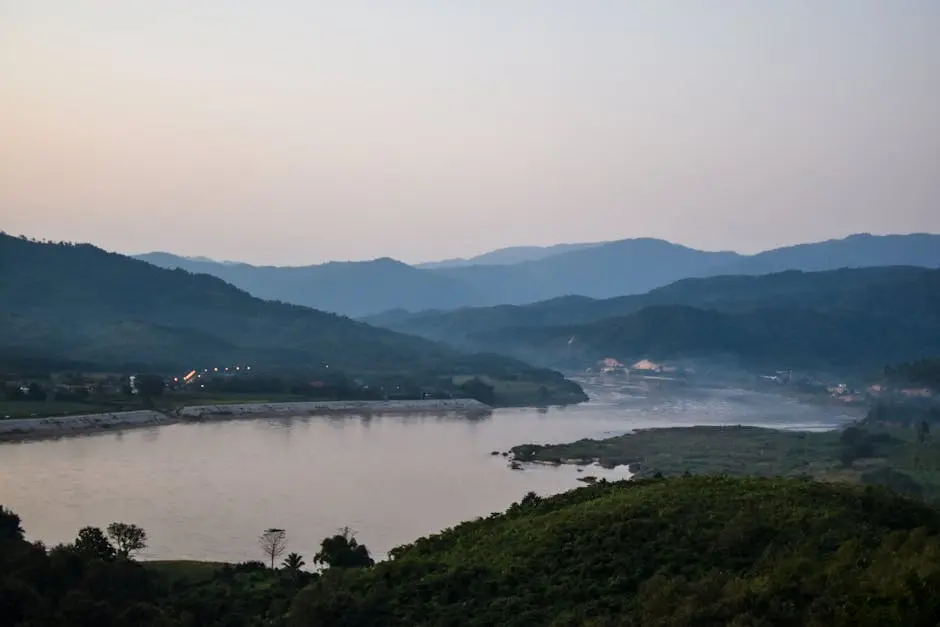
Few places on earth deliver the same quiet punch as the Golden Triangle. Stand at the right bend in the Mekong and you can see three countries at once: Thailand under your feet, Laos across the water, Myanmar in the haze beyond the riverbank. It is one of those genuinely rare geographic moments that earns its reputation.
But the Golden Triangle is far more than a border photo opportunity. The hill tribe villages in the surrounding hills, including the famous Longneck Karen communities, the slow boat journeys down the Mekong, the opium museum at Sop Ruak, and the teak monastery towns of Myanmar just across the water, all stack up into one of the most culturally dense travel corridors in Southeast Asia. All prices in this guide use a rate of 35 THB = $1 USD.
Quick Answer: The 4 Best Cultural Tours
If you are short on time, these are the four tours that consistently deliver the deepest experience:
- The Mekong River Longtail Boat Tour from Chiang Rai to Sop Ruak
- The Longneck Karen Village & Hill Tribe Cultural Immersion
- The Three Borders Private Day Tour with the Hall of Opium
- The Slow Boat Mekong Crossing into Laos via Huay Xai
Budgeting: Expect 1,500 to 5,500 THB (~$43 to $157) per person depending on whether you choose a group day tour or a fully private multi-country experience. High-ticket private options booked through Viator regularly run 4,000 to 8,000 THB (~$114 to $229) but include transport, guides, and border fees.

Skip the planning headache in Thailand.
Klook offers day tours, tickets, and
experiences from around $25, with
instant confirmation to your phone.
Where Exactly Is the Golden Triangle?
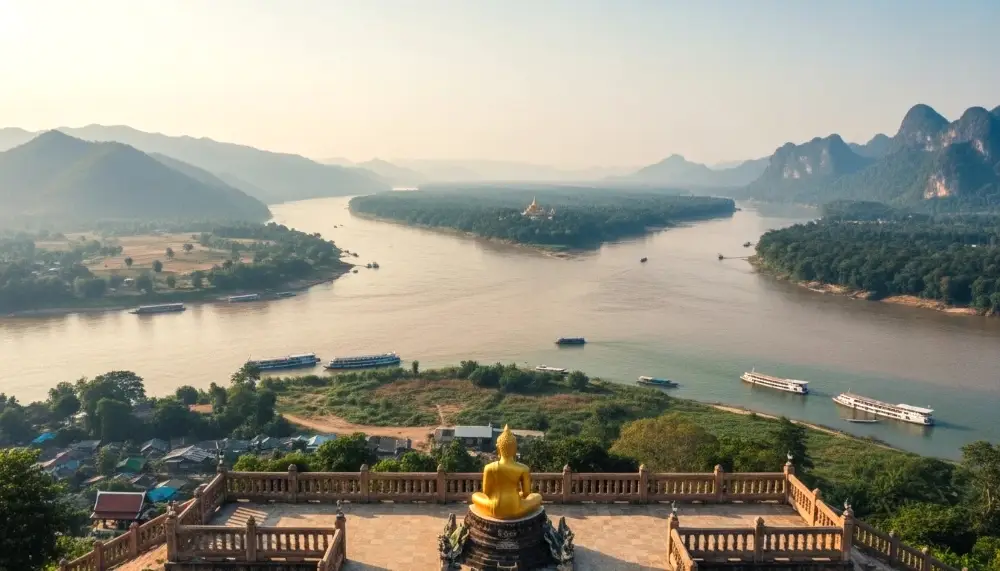
The Golden Triangle converges at Sop Ruak, a small village in Chiang Rai Province where the Mekong and Ruak rivers meet. The viewing point itself is free to visit and sits roughly 9 kilometres north of Chiang Saen town.
Chiang Rai city (61 km south of Sop Ruak) is the main base for visitors. From Chiang Rai, the drive to the Triangle takes around 1.5 hours by road. Chiang Mai sits roughly 3 hours further south, making both cities viable starting points for day trips or overnight stays. Activate your Airalo, Yesim, or Saily eSIM before landing in Chiang Rai so navigation and ride apps function the moment you step off the plane.

Lock in top-rated Thailand tours with
GetYourGuide’s free cancellation
up to 24 hours before. Reserve now
and pay later if dates aren’t set.
Tour Comparison at a Glance:
| Tour | Cost (THB) | Cost (USD) | Duration | Best For |
|---|---|---|---|---|
| Mekong Longtail Boat to Sop Ruak | 1,500 to 2,500 THB | ~$43 to $71 | Half day | Scenic / River lovers |
| Longneck Karen Village Tour | 2,000 to 3,500 THB | ~$57 to $100 | Full day | Cultural / Families |
| Three Borders Private Day Tour | 4,000 to 6,000 THB | ~$114 to $171 | Full day | History / Couples |
| Slow Boat Mekong into Laos | 5,000 to 8,000 THB | ~$143 to $229 | 2 days | Adventure / Remote workers |
Tour 1: Mekong Longtail Boat to Sop Ruak
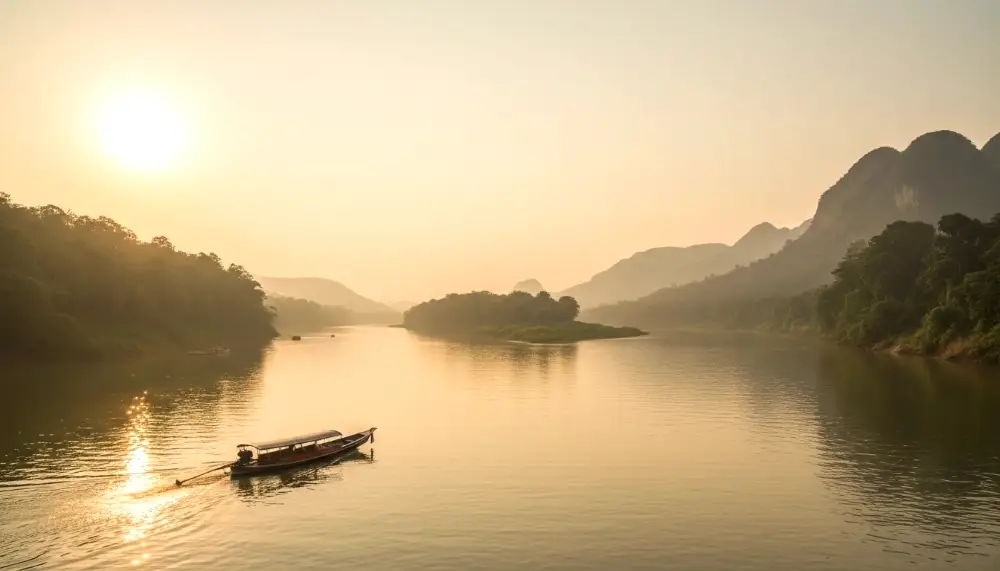
The classic introduction to the Golden Triangle, and still the most cinematic. A longtail boat from Chiang Saen pier follows the Mekong north, hugging the Thai bank with Myanmar directly opposite and Laos appearing as you round the bend at Sop Ruak. The ride itself takes 20 to 30 minutes each way and costs 150 to 300 THB (~$4.30 to $8.60) per person on a shared boat, or 800 to 1,200 THB (~$23 to $34) for a private hire.
At Sop Ruak, the viewpoint is free. The giant golden Buddha of Wat Phra That Pha Ngao sits just upriver and is worth the 20 THB (~$0.57) entry. The Hall of Opium museum nearby is genuinely world-class and costs 200 THB (~$5.70) for adults and 100 THB (~$2.85) for students. Allow 90 minutes inside for the full circuit.
For a combined boat plus museum half-day from Chiang Rai, group tours run 1,500 to 2,500 THB (~$43 to $71) per person. Private versions available through Viator include hotel pickup, the boat, guide commentary, and museum entry for around 3,500 to 4,500 THB (~$100 to $129) per person.
The Hall of Opium: Worth Your Time?
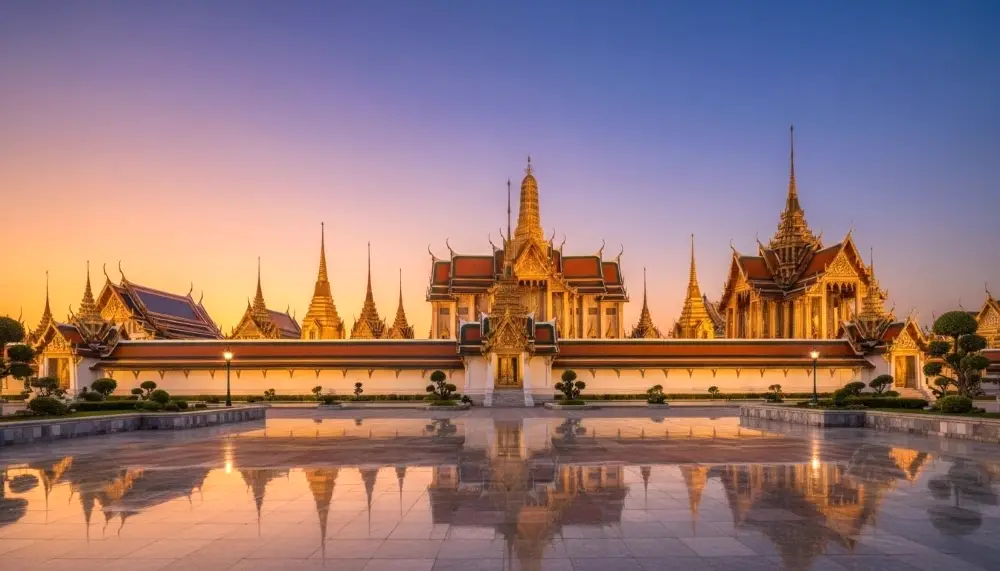
Unequivocally yes. The Hall of Opium at Sop Ruak, operated by the Mae Fah Luang Foundation under Royal Patronage, is one of the most thoughtfully curated museums in Thailand. Its eight galleries trace the history of the opium trade from ancient ceremonial use through to the Golden Triangle‘s dominance of the global heroin market in the 1970s and 80s, and the Thai government’s eradication programmes that followed.
Entry is 200 THB (~$5.70) for adults and 100 THB (~$2.85) for students. Children under 15 enter free. It opens daily from 08:30 to 16:00. Photography is restricted inside. The building itself, set into a hillside, is architecturally striking. Budget 90 to 120 minutes to do it justice.

Airalo covers Thailand with a range of
data plans from days to a month.
No physical SIM swap, no roaming
bill shock when you get back home.
Tour 2: Longneck Karen Village & Hill Tribe Cultural Immersion
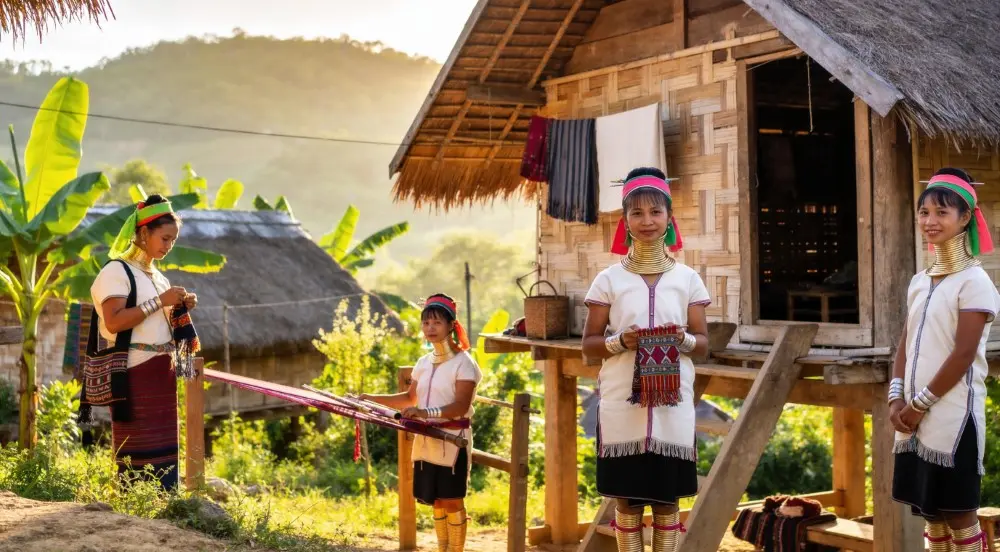
The Longneck Karen (Kayan) communities in the hills around Mae Hong Son and Chiang Rai are among the most photographed people in all of Southeast Asia. Women of the Kayan Lahwi subgroup traditionally wear brass coils from childhood that elongate the appearance of the neck over decades. It is striking and, when approached with genuine curiosity rather than voyeurism, a deeply meaningful window into a culture navigating modernity on its own terms.
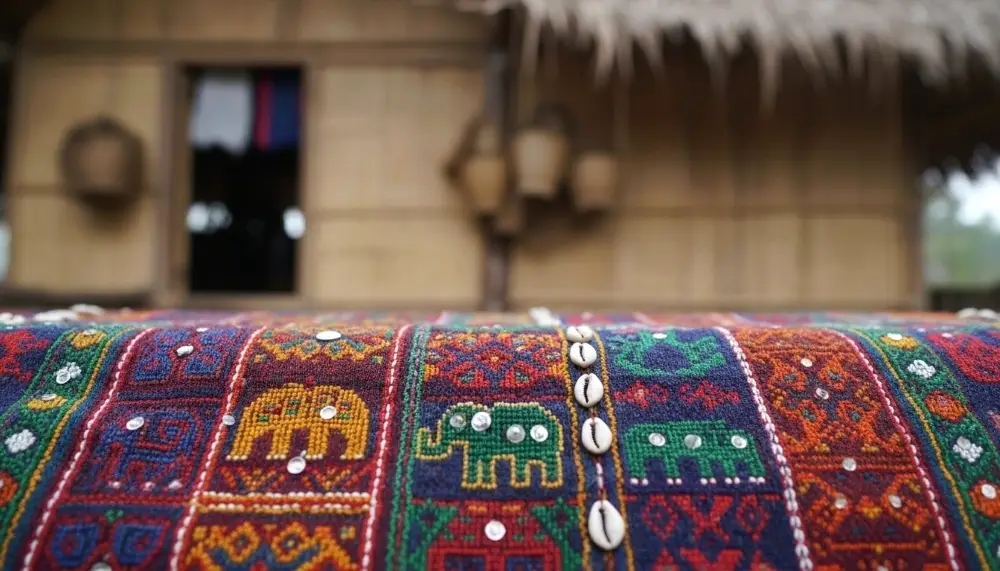
The two main villages accessible from Chiang Rai are Ban Huay Pu Keng (on the Mekong, accessible by longtail) and Ban Nai Soi (near Mae Hong Son, accessible by road). Entry to village areas is typically included in tour fees or costs 300 to 500 THB (~$8.60 to $14.30) per person for independent visitors. Purchasing handmade textiles directly from village artisans (200 to 600 THB / ~$5.70 to $17.10) is the most direct way to support the community economically.
Full-day group hill tribe tours from Chiang Rai combining a Karen village with Akha or Lahu communities cost 2,000 to 3,000 THB (~$57 to $86) per person. Private full-day tours through Viator, with a dedicated English-speaking guide and vehicle, run 3,500 to 5,500 THB (~$100 to $157) per person and cover two or three villages. These private options are worth the premium for families with children or anyone wanting unhurried time in each community.
Ethical Considerations for Village Visits:
This matters and deserves a direct conversation. Some Longneck Karen villages near the border operate as controlled tourist attractions where women are financially incentivised to maintain traditional dress for visitor access. This has drawn criticism from human rights organisations.
The most responsible approach is to choose operators who partner with communities where village elders have full agency over tourism terms, where profits return directly to the village, and where guides are community members rather than external contractors. Ask your operator these questions directly before booking. Reputable Viator-listed guides in Chiang Rai are increasingly transparent about their community partnerships and can answer these questions clearly.

Lock in your Thailand accommodation
early and beat peak-season price hikes.
Agoda’s filters let you compare options
side by side before you commit.
Tour 3: Three Borders Private Day Tour with Hall of Opium
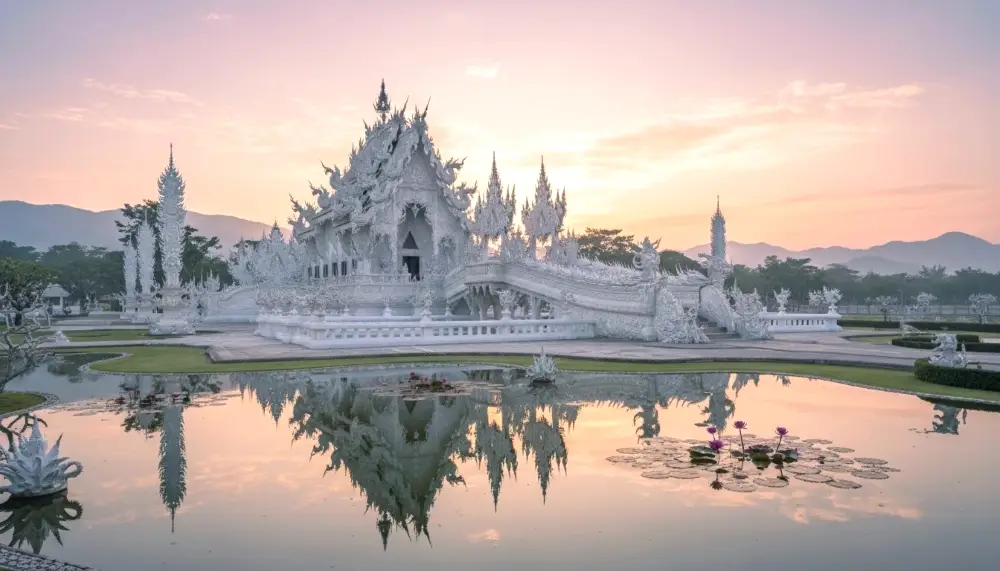
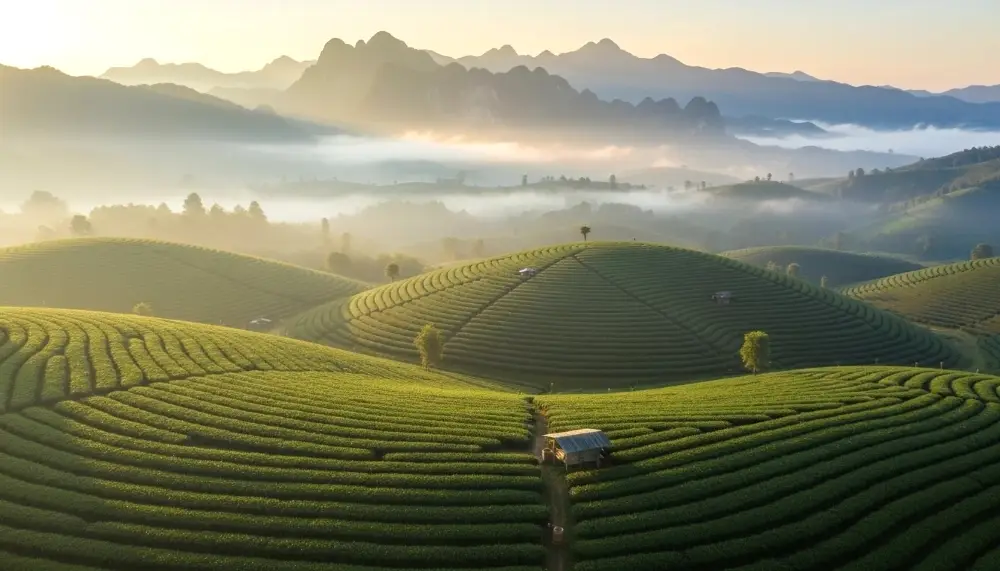
This is the flagship full-day experience and the one that justifies the private tour premium. A well-constructed three-borders day from Chiang Rai covers Chiang Saen (the ancient walled city and river port), the Mekong longtail boat to the Golden Triangle viewpoint, the Hall of Opium, Wat Phra That Pha Ngao upriver, and a return through the tea plantations of Doi Wawee or the white temple at Wat Rong Khun.
Group day tours from Chiang Rai or Chiang Mai run 2,500 to 3,500 THB (~$71 to $100) per person including transport and an English guide, available through Klook. Private all-inclusive versions on Viator, with a dedicated driver-guide and flexible itinerary, start from 4,500 to 6,500 THB (~$129 to $186) per person for a two-person booking, dropping proportionally in cost per head for families of four or more. These private options suit affluent families, couples on a tighter schedule, or remote workers using a free day efficiently.
Key entry fees for independent visitors building their own version:
- Hall of Opium: 200 THB (~$5.70) adults, 100 THB (~$2.85) students
- Wat Phra That Pha Ngao: 20 THB (~$0.57)
- Chiang Saen National Museum: 100 THB (~$2.85)
- Wat Rong Khun (White Temple): free, donations appreciated
- Longtail boat at Chiang Saen pier: 800 to 1,200 THB (~$23 to $34) private hire

Saily’s Thailand eSIM costs less than
most tourist SIMs charge per day.
Easy install, transparent pricing,
and solid NordVPN infrastructure.
Chiang Saen: The Overlooked Anchor Point
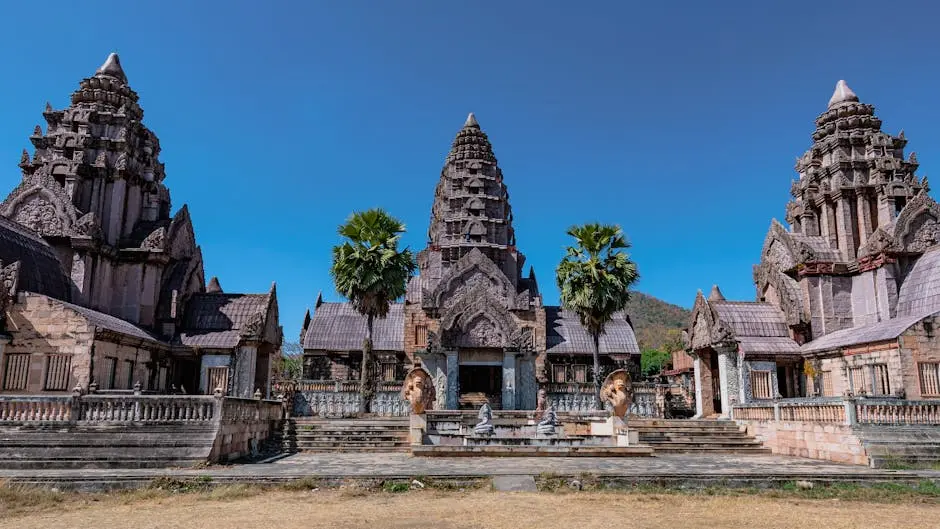
Most tour operators treat Chiang Saen as a pass-through town on the way to Sop Ruak. This is a missed opportunity. The ancient walled city, founded in the 13th century and predating Chiang Rai as a regional capital, still contains the ruins of over 60 temples within its original moat boundary.
The riverside park at dawn, with Chinese cargo boats moored on the Laos side and monks collecting alms along the bank, is one of the quietest and most authentic scenes in northern Thailand. The National Museum (100 THB / ~$2.85) houses artefacts from the Lanna Kingdom period and is genuinely worth 45 minutes. Lock in accommodation via Agoda or Booking.com if you want to stay overnight and catch the market at Chiang Saen port in the early morning.
Tour 4: The Slow Boat Mekong Crossing into Laos
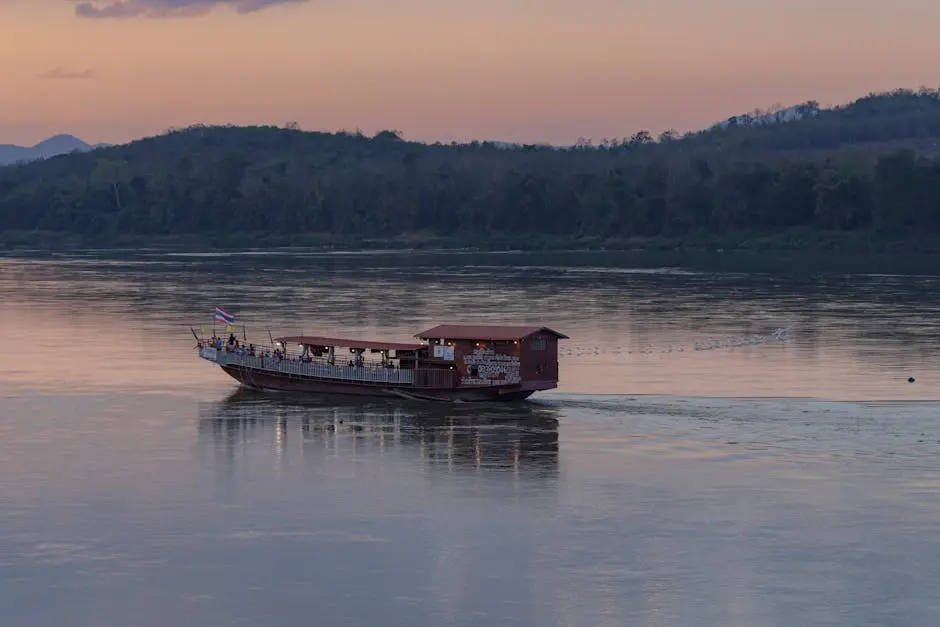
The most adventurous option on this list, and the one with the highest reward-to-cost ratio for travellers with two or more days to spare. The Mekong slow boat from Huay Xai (the Lao town directly opposite Chiang Khong on the Thai side) to Luang Prabang is one of the most celebrated river journeys in Southeast Asia, taking two full days at a pace that makes the landscape feel earned.
Getting to the Lao border from Chiang Rai takes around 1 hour 30 minutes by road to Chiang Khong, then a 20 THB (~$0.57) ferry or the Thai-Lao Friendship Bridge crossing (40 THB / ~$1.15) to reach Huay Xai. A Lao visa on arrival costs $30 to $42 USD (roughly 1,050 to 1,470 THB) depending on nationality. Budget an extra 50 THB (~$1.43) overtime fee if you cross after 16:00.
The slow boat ticket from Huay Xai to Luang Prabang costs 250,000 to 280,000 LAK per person (~$1,050 to $1,175 THB / ~$30 to $34). Pre-book through 12GO to lock in seats before the peak season surge from November to February. The boat departs daily at 11:00, stops overnight in Pakbeng (budget guesthouses from $8 to $15 USD), and arrives in Luang Prabang on day two.
Full cross-border packages including transport from Chiang Rai, border crossing assistance, slow boat tickets, and Pakbeng accommodation run 5,000 to 8,000 THB (~$143 to $229) per person through Viator operators. These are genuinely worth considering for anyone who has not done the crossing before, as the logistics at Huay Xai can catch first-timers off guard.
Getting to the Golden Triangle:
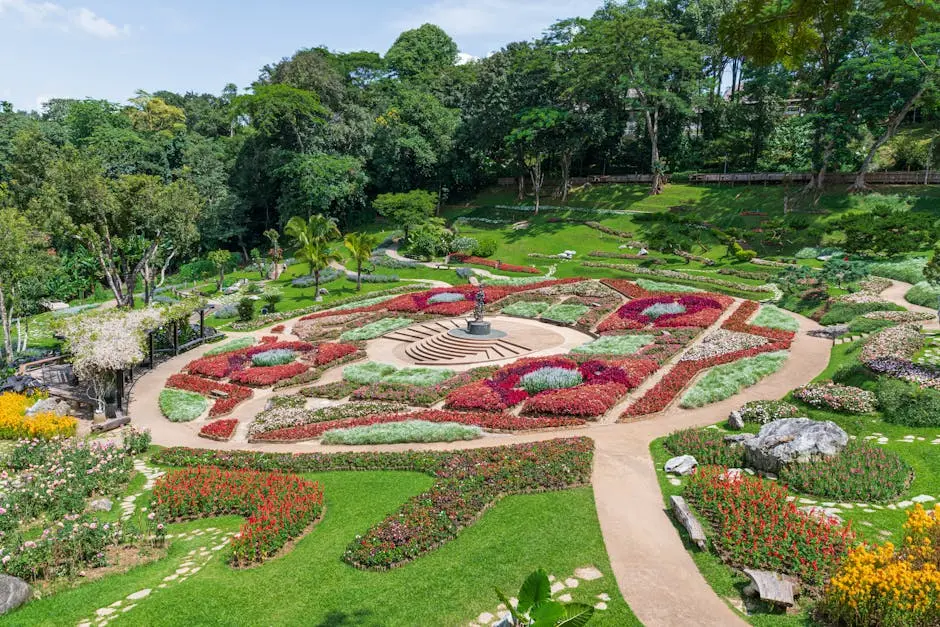
From Bangkok: Fly to Chiang Rai (Mae Fah Luang International Airport) with AirAsia or Thai Lion Air for 1,200 to 2,800 THB (~$34 to $80) booked in advance. Flight time is 1 hour 20 minutes. Families or groups of four or more flying in from Bangkok may find Welcome Pickups a smoother option for the airport-to-hotel leg than navigating local songthaews with luggage.
From Chiang Mai: The scenic mountain road (Route 118) takes approximately 3 hours by private car or 3 to 4 hours by bus. Green Bus and Sombat Tour depart from Chiang Mai Arcade Bus Terminal and cost 180 to 260 THB (~$5.15 to $7.40). Book intercity buses through 12GO to avoid peak-season sold-out departures, especially around Songkran in April.
Local transport in Chiang Rai: Grab operates in Chiang Rai city. For the 60 km road to Sop Ruak, hire a local driver through your hotel or book a day tour. Songthaews (shared pick-up trucks) run from Chiang Rai to Chiang Saen for 60 to 80 THB (~$1.70 to $2.30) per person from the bus station on Prasopsuk Road.
Where to Stay Near the Golden Triangle:
Chiang Rai city is the most practical base with the widest range of options. Budget guesthouses around the Night Bazaar area cost 400 to 800 THB (~$11 to $23) per night. Mid-range hotels near Chiang Rai Clock Tower run 1,200 to 2,500 THB (~$34 to $71). Check rates on Agoda or Booking.com before booking directly, as both platforms regularly undercut hotel walk-in prices by 15 to 25 per cent.
For a more immersive option, the Anantara Golden Triangle Elephant Camp & Resort at Sop Ruak sits directly on the three-way border and offers rooms from $350 USD (~12,250 THB) per night. It is the most dramatic setting in the region and includes private boat access to the Mekong. Remote workers staying longer-term should look at Chiang Rai city serviced apartments (8,000 to 15,000 THB / ~$229 to $429 per month) and consider SafetyWing for long-stay medical cover that does not penalise digital nomads for frequent border crossings.
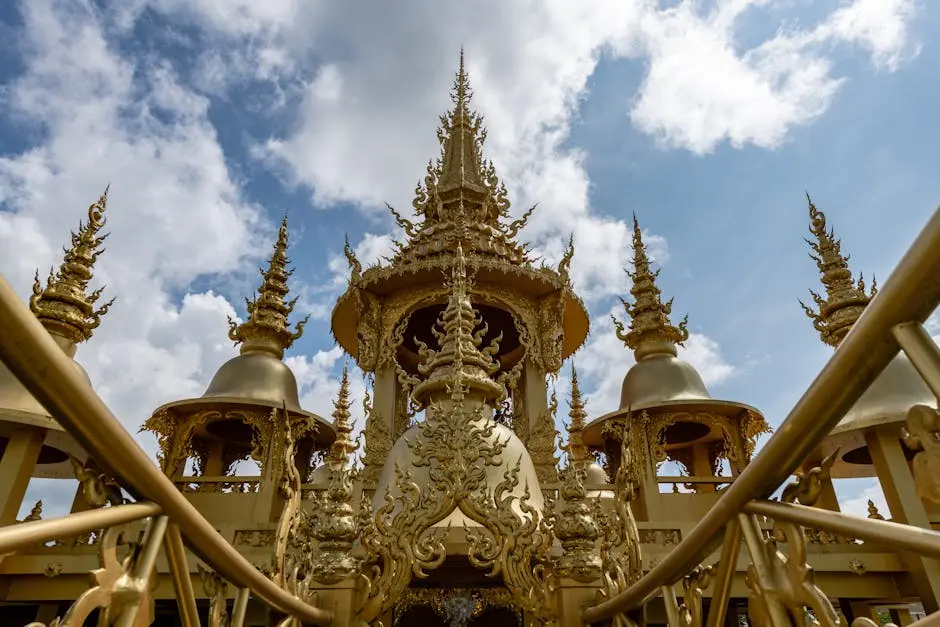
Pro Tips for Visiting the Golden Triangle:
Connectivity: Mobile signal at Sop Ruak and the riverside villages is patchy. Download offline Google Maps for Chiang Rai Province before leaving the city. If crossing into Laos, activate a new eSIM data plan before departure as Lao local SIMs require a Lao address to register. Airalo, Yesim, and Saily all offer data plans covering Thailand and Laos under a single regional package.
Wi-Fi security: Guesthouses and cafes in Chiang Saen and Chiang Khong use unsecured networks. Use NordVPN on any device accessing banking or work platforms while in transit areas near the borders.
Flight delays: If your connecting flight through Bangkok to Chiang Rai is disrupted, AirHelp can process compensation claims for EU-regulated disruptions on applicable routes.
Timing: November to February brings cool dry weather (18 to 28°C in the hills). March and April see smoke haze from agricultural burning across the region, which significantly reduces visibility at the Mekong viewpoints and can affect air quality. The wet season from June to October delivers vivid green landscapes but occasional road flooding on the mountain routes.

Skip the airport SIM queue in Thailand.
Yesim’s eSIM activates before takeoff
so you’re online the second your
plane touches the tarmac.
Frequently Asked Questions:
What exactly is the Golden Triangle and where is it?
The Golden Triangle is the geographic junction where Thailand, Laos, and Myanmar meet at the confluence of the Mekong and Ruak rivers. The main viewpoint is at Sop Ruak village in Chiang Rai Province, around 60 km north of Chiang Rai city and 9 km from Chiang Saen. Entry to the viewpoint area is free.
How do I get from Chiang Rai to the Golden Triangle?
The most straightforward option is a day tour (2,500 to 3,500 THB per person) that includes transport and a guide. Independent visitors can take a songthaew from Chiang Rai Bus Station to Chiang Saen for 60 to 80 THB (~$1.70 to $2.30), then hire a local tuk-tuk to Sop Ruak for 200 to 300 THB (~$5.70 to $8.60). The full road journey takes around 1 hour 30 minutes. Book intercity transport through 12GO during peak season.
Is it worth paying for a private tour versus a group tour?
For couples and families, the private tour is worth the premium. Private full-day tours through Viator run 4,000 to 6,500 THB (~$114 to $186) per person but include hotel pickup, a dedicated English guide, flexible itinerary, and no waiting around for other travellers. Group tours at 2,000 to 3,500 THB (~$57 to $100) are perfectly fine for solo travellers comfortable with fixed schedules.
How much does the Hall of Opium cost and is it worth visiting?
Entry is 200 THB (~$5.70) for adults and 100 THB (~$2.85) for students. Children under 15 enter free. It is one of the most professionally curated museums in Thailand and covers the full history of the opium trade through the Golden Triangle era. Allow 90 to 120 minutes. It opens daily from 08:30 to 16:00. Yes, it is absolutely worth visiting.
Can I visit a Longneck Karen village independently?
Yes. Ban Huay Pu Keng is reachable by longtail boat from Chiang Saen for 400 to 600 THB (~$11 to $17) return. Village entry is typically 300 to 500 THB (~$8.60 to $14.30) per person. However, an independent visit without a guide means limited cultural context and no guarantee of responsible tourism practices. A guided tour through a vetted operator is strongly recommended for a more meaningful and ethically sound experience.
How long does the Mekong slow boat to Luang Prabang take?
Two full days. The boat departs Huay Xai daily at 11:00, arriving in Pakbeng in the late afternoon (overnight stop), then continues to Luang Prabang the following day, arriving between 17:00 and 18:00. The ticket costs approximately 250,000 to 280,000 LAK per person (~1,050 to 1,175 THB / ~$30 to $34). Book through 12GO or Viator for confirmed seats.
Do I need a visa to cross into Laos from Chiang Khong?
Most nationalities can obtain a Laos visa on arrival at the Chiang Khong and Huay Xai border crossing. The fee is $30 to $42 USD (roughly 1,050 to 1,470 THB) depending on nationality, payable in USD or THB. Bring passport photos (two required), though there is a photo machine at the border for 40 THB (~$1.14). An extra 50 THB (~$1.43) overtime fee applies if you cross after 16:00.
When is the best time to visit the Golden Triangle?
November to February is optimal. Temperatures in the hills sit around 18 to 28°C and visibility over the Mekong is excellent. Avoid March to May if possible: agricultural burning across northern Thailand and Myanmar creates heavy smoke haze that turns the river views grey and can cause respiratory irritation. The wet season (June to October) brings lush scenery but occasional road closures on mountain routes to the villages.
What is the best base for exploring the Golden Triangle region?
Chiang Rai city is the most practical base with the widest hotel range and good transport links. Budget guesthouses near the Night Bazaar cost 400 to 800 THB (~$11 to $23) per night. Mid-range hotels near the Clock Tower run 1,200 to 2,500 THB (~$34 to $71). Check rates on Agoda and Booking.com before booking. Chiang Saen is worth considering for an overnight stay if you want early morning access to the Mekong riverfront.
Is the Golden Triangle safe for tourists?
Yes. The region is a well-established tourist corridor and the Thai side is entirely safe for independent travel. The historical reputation for drug trafficking relates to Myanmar and Laos highlands and has no bearing on the visitor experience in Chiang Rai Province. Standard precautions apply: keep valuables secure at busy viewpoints, use licensed tour operators, and cross borders only at official checkpoints. Tourist Police number for Chiang Rai: 1155.