Renting a Motorbike in Thailand in 2026: New Rules, Best Apps & Top Routes
This site contains affiliate links. We may earn a commission at no extra cost to you.
Renting a motorbike in Thailand is one of those experiences that defines a trip. The freedom to pull off a coastal road whenever the light looks right, to take the mountain fork rather than the highway, to arrive at a viewpoint before any tour bus has found the car park: none of this is available from the back of a Grab car. Two wheels remain the best way to experience the country on your own terms, and the country is extraordinarily well-suited to it.
What changed in 2025 and carries firmly into 2026 is the enforcement landscape. The days of handing over your passport, accepting whatever contract a beach-side rental shop slides across the counter, and riding unlicensed with the assumption that nothing will happen are genuinely over in the tourist zones. Phuket’s 2025 crackdown resulted in over 20,000 foreign arrests for unlicensed riding.
The regulations have been rewritten. The fines have been multiplied. And the good news is that following the rules is neither complicated nor expensive. This guide covers everything you need to ride legally, affordably, and well in 2026.
The Quick Summary:
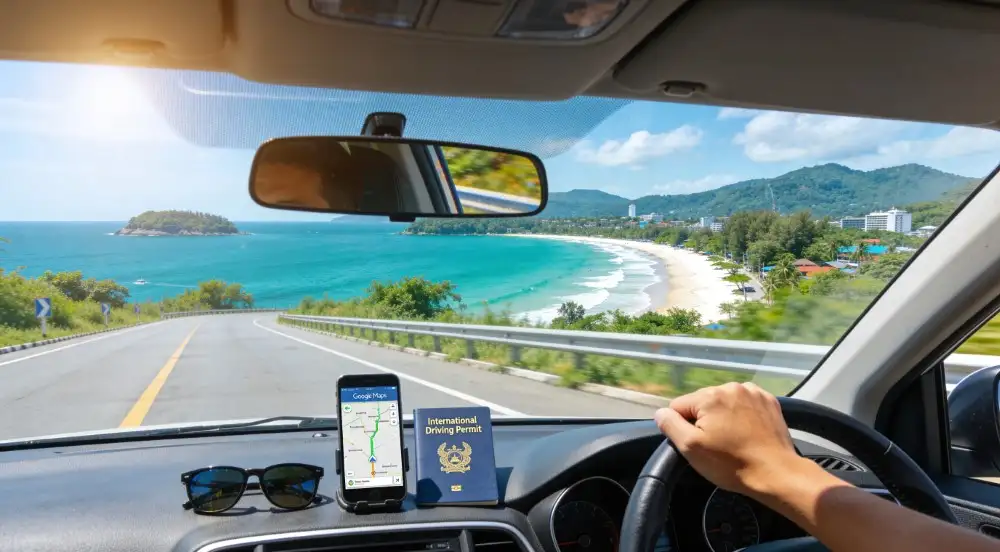
Licence Requirement: A valid motorcycle licence from your home country plus an International Driving Permit (IDP) with the motorcycle “A” endorsement. A car-only IDP does not cover scooters. No exceptions.
New Helmet Law (June 2025): Both rider and passenger must wear helmets at all times. Fines quadrupled from 500 THB to 2,000 THB (~$56 USD) per person. A rider with a helmetless passenger faces a combined 4,000 THB (~$112 USD) fine on the spot.
New Rental Contract Rules (from 30 December 2025): All rental contracts are now legally standardised under consumer protection law. Unfair clauses are void by law. Passport retention as a deposit is being phased out: cash deposits of 2,000 to 5,000 THB (~$56 to $140 USD) plus a passport copy is now standard at reputable operators.
Daily Rental Prices: 130 to 200 THB (~$3.60 to $5.60 USD) for a 110cc to 125cc automatic scooter. 250 to 450 THB (~$7 to $12.60 USD) for a 150cc to 160cc semi-automatic. 500 to 800 THB (~$14 to $22.40 USD) for a 250cc to 300cc bike. Prices drop with weekly rentals.
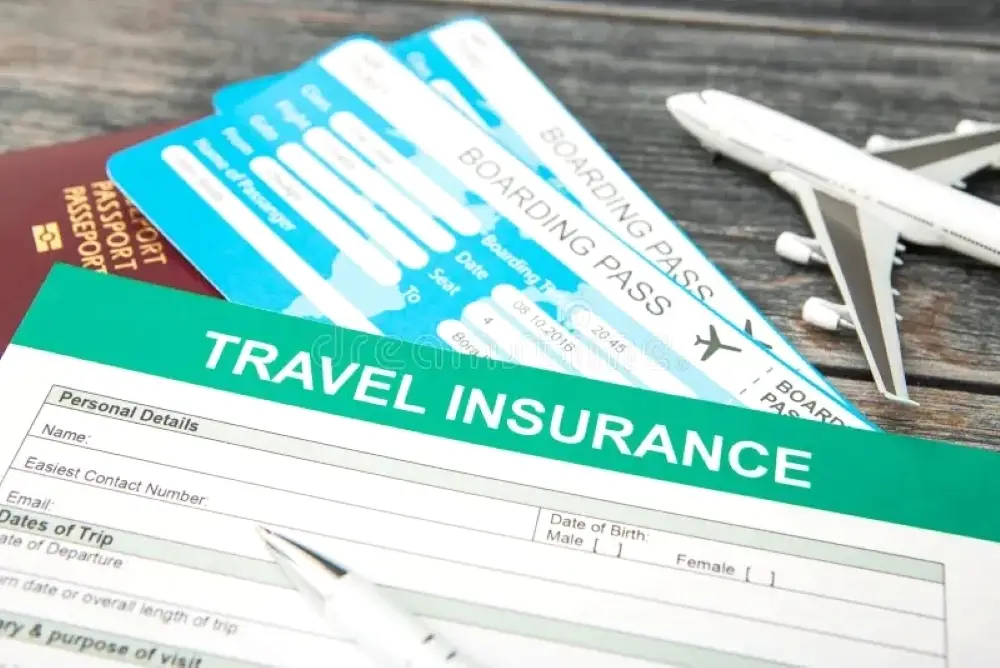
Insurance Warning: Riding without a valid motorcycle licence and IDP almost certainly voids your travel insurance. Hospital bills from a serious accident in Thailand can reach tens of thousands of dollars. This is the single most important point in this guide.

12Go takes the guesswork out of
Thailand transport. Check real-time
availability and book in your own
language and currency in minutes.
What Changed in 2025 and 2026: The New Rules Explained:
Three significant regulatory changes took effect in 2025 and remain fully in force in 2026. Understanding all three is essential before you rent anything.
1. The enforcement crackdown on unlicensed riders. Thai authorities began a systematic campaign against unlicensed foreign riders in Phuket in 2025, resulting in 20,901 foreign nationals arrested for riding without a valid licence. A further 4,437 arrests targeted rental operators who provided motorcycles to unlicensed riders, and 1,737 motorcycles were seized from rental businesses.
The crackdown has since expanded to Pattaya, Koh Samui, and Chiang Mai. Legislation currently being drafted would impose fines of 10,000 to 100,000 THB (~$280 to $2,800 USD) on rental operators for providing vehicles to unlicensed drivers. Police checkpoints specifically targeting foreign riders are a regular occurrence in all tourist areas.
2. The helmet law tightening in June 2025. Both rider and passenger are required to wear helmets at all times, with no exemptions for short distances or slow speeds. The fine per helmetless person increased from 500 THB to 2,000 THB (~$56 USD). Police no longer issue warnings: fines are applied immediately at the checkpoint.
3. The new controlled contract regulations from 30 December 2025. Published in Thailand’s Royal Gazette on 1 October 2025 and effective from 30 December 2025, the Announcement of the Contract Committee on Prescribing Car and Motorcycle Rental Services as a Controlled Contract Business introduces standardised contractual requirements across the entire rental sector. Unfair clauses are prohibited and legally void. Businesses cannot forfeit deposits without proven breach of contract.
They cannot include provisions allowing unilateral liability waivers. Security deposits must be returned promptly, with deductions only for proven damages. This regulation applies to all rental businesses including those operating via online platforms. For visitors, the practical implication is straightforward: vetted operators with compliant contracts are now the safe choice, and the old “tourist trap” contract practices that buried liability in the small print are legally unenforceable.


GetYourGuide has Thailand’s best
tours and experiences covered with
verified operators and instant
mobile vouchers on arrival.
Licences and Documents: Exactly What You Need:
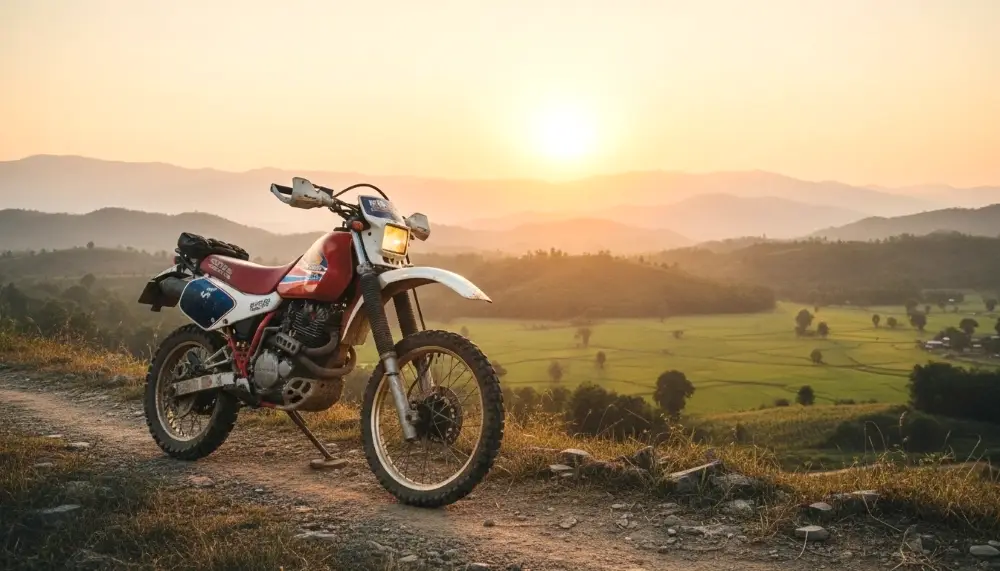
The requirement is two documents working together: your home-country motorcycle licence and an International Driving Permit with the motorcycle “A” category endorsement. Your IDP must show the motorcycle category specifically. An IDP issued only with the car “B” category does not legally cover you for a scooter or motorbike in Thailand, regardless of what the rental shop tells you. Police checkpoints in tourist areas check for this distinction specifically.
Check the back of your driving licence card before you travel. In the UK, Europe, and Australia, the categories are printed as coded icons. If the motorcycle icon is not present and validated, you are not licensed for two wheels, and your travel insurance will almost certainly deny any accident claim made without it. This is not a technicality: insurance companies are denying claims from uninsured Thai motorbike accidents in growing numbers.
A critical update from 2025 that remains in force: foreigners converting a valid foreign licence to a Thai motorbike licence are now required to pass the Thai theory test. The old paper-swap pathway where a foreign licence was exchanged for a Thai equivalent without examination has been closed. For tourists on stays under 90 days, the home-country licence plus IDP remains the correct approach. For longer-stay residents on non-immigrant visas, converting to a full Thai motorbike licence is required: the IDP is not a permanent substitute. The total cost of a Thai motorbike licence sits under 1,000 THB (~$28 USD) and it is valid for five years.
One specific note for UK visitors: your IDP must be obtained before you leave home. The AA and Post Office both issue them in the UK for a small fee. They cannot be obtained in Thailand. Apply for one before your flight and verify the motorcycle category is endorsed. This single step is what separates a legal, insured ride from one that could result in financial catastrophe.
Rental Prices, Deposits, and What to Look for in a Contract:
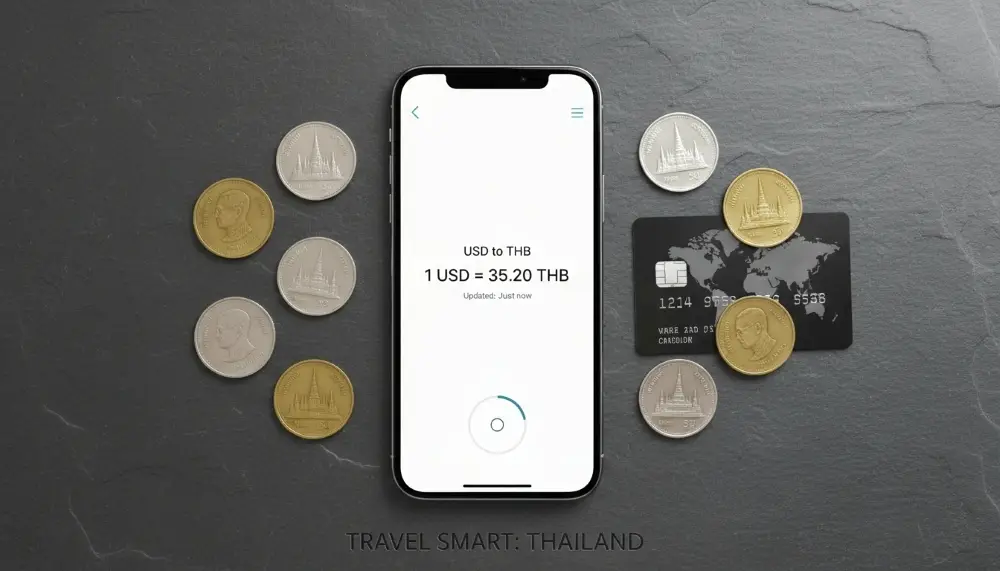
Motorbike rental prices in Thailand remain among the most affordable in Southeast Asia. The daily cost of a 110cc to 125cc automatic scooter, the Honda Click, Wave, or Scoopy variants that cover most island and town riding, starts at 130 THB (~$3.60 USD) per day for basic models and runs to 200 THB (~$5.60 USD) for newer or well-maintained bikes. For the Mae Hong Son Loop or other mountain routes where engine size genuinely matters, a 150cc to 160cc semi-automatic runs 250 to 450 THB (~$7 to $12.60 USD) per day. Larger adventure bikes from 250cc upward cost 500 to 800 THB (~$14 to $22.40 USD) per day, with weekly discounts common at established rental shops.
The deposit situation has been regularised by the new controlled contract rules. Standard practice at reputable operators in 2026 is a cash deposit of 2,000 to 5,000 THB (~$56 to $140 USD) plus a photocopy of your passport. Handing over your original passport as a deposit was always inadvisable and is now an indicator of a non-compliant operator: under the new regulations, businesses cannot use passport retention as leverage in a way that violates your personal data protection rights. If a shop insists on holding your actual passport, walk away and find another provider.
Before signing any contract, verify the following: the agreed daily rate and total rental period are correctly listed; the deposit amount and conditions for full return are explicit; the damage liability is capped at a reasonable figure and does not include pre-existing damage; and the insurance coverage terms are stated clearly. Under the December 2025 regulations, clauses that impose unreasonable burdens or conceal liabilities are legally void, but it is always cleaner to avoid disputes entirely by reading the contract before you sign it. Photograph the bike thoroughly from all angles before riding, and send the photos to yourself with a timestamp. This remains the single most effective protection against being charged for pre-existing damage on return.

Skip the planning headache in Thailand.
Klook offers day tours, tickets, and
experiences from around $25, with
instant confirmation to your phone.
Rental Price Comparison by Bike Type:
| Bike Type | Engine Size | Daily Rate (THB) | Daily Rate (USD) | Best For |
|---|---|---|---|---|
| Automatic scooter (Honda Click, Scoopy) | 110–125cc | 130–200 THB | ~$3.60–$5.60 | Islands, towns, flat terrain |
| Semi-auto / larger scooter | 150–160cc | 250–450 THB | ~$7–$12.60 | Mountain roads, solo touring |
| Trail / adventure bike | 250–300cc | 500–800 THB | ~$14–$22.40 | Mae Hong Son Loop, offroad |
| Large adventure bike (BMW, Versys) | 650cc+ | 1,200–2,000 THB | ~$33.60–$56 | Multi-day tours, experienced riders |
Best Apps for Renting, Navigating, and Staying Safe:
Google Maps is the baseline for navigation in Thailand and works well in all the areas covered by the routes in this guide. Download offline maps for your specific riding region before you leave your accommodation each morning: mobile signal in mountain stretches of northern Thailand can drop unexpectedly and a downloaded map keeps working regardless of coverage.
Maps.me carries detailed offline maps with better coverage of minor roads and village tracks than Google Maps in some rural northern areas. For the Mae Hong Son Loop specifically, having both apps downloaded gives you redundancy on the sections between Mae Chaem and Chiang Mai where Google Maps occasionally routes you through unsuitable roads.
Grab is useful not for riding but as your fallback if the bike has an issue, if rain grounds you unexpectedly, or if you arrive somewhere and decide the next leg is better done without luggage. It requires active mobile data and SMS verification on first setup: activate your Airalo, Yesim, or Saily eSIM before your outbound flight so Grab is ready at the airport rather than at the roadside in a mountain village.
12GO is the transport booking platform to use for any legs of your journey that involve buses, shared vans, or ferries connecting to island rental destinations. If your motorbike route ends at a pier and you are continuing by sea, or if you are arriving from Bangkok and need to get to Chiang Mai before collecting your rental, 12GO handles the pre-booking for all of it cleanly and reliably.
NordVPN becomes relevant at guesthouse check-ins along a riding route, where shared Wi-Fi on local routers is the norm. If you access banking, insurance documents, or accommodation bookings on any shared network, running a VPN adds a layer of protection that matters particularly on longer overland trips where multiple networks are involved.
The Mae Hong Son Loop: Thailand’s Greatest Motorbike Route:
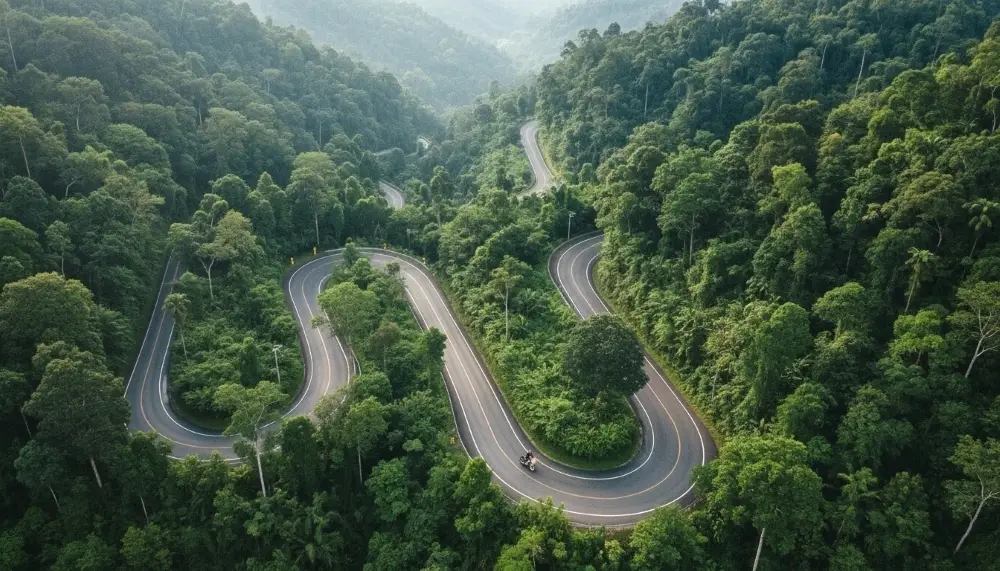
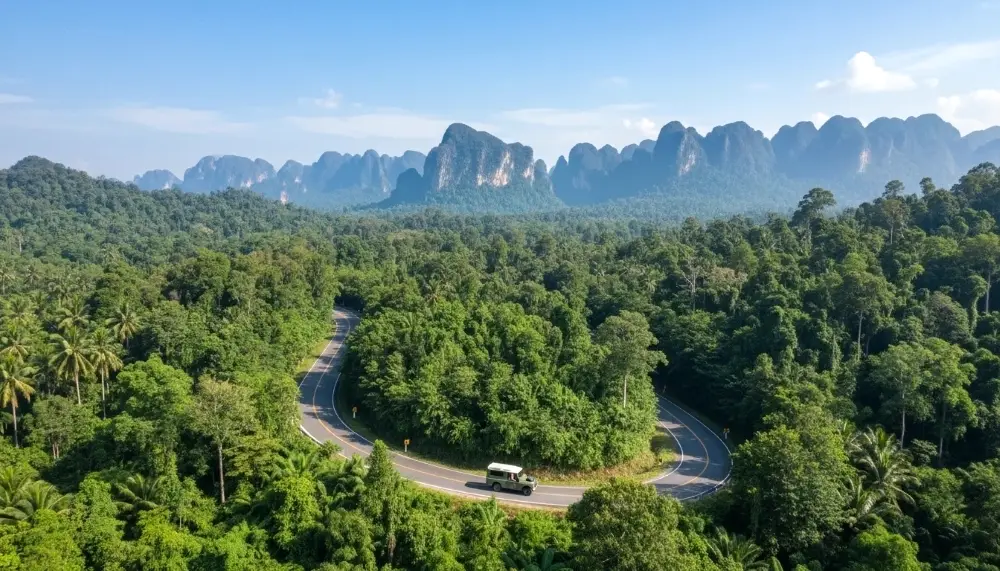
The Mae Hong Son Loop is a 600-kilometre circuit starting and ending in Chiang Mai. It passes through Pai, Mae Hong Son, and either Mae Sariang or Mae Chaem on the return leg depending on which fork a rider takes south of Khun Yuam. The route contains 1,864 catalogued curves between Chiang Mai and Mae Hong Son town, a figure official enough that the Mae Hong Son Chamber of Commerce issues a completion certificate for 60 THB (~$1.70 USD) and a cup of locally grown coffee.
Most riders complete the loop in four to five days, though six days allows for a more comfortable pace with time at the hot springs, the Lod Cave system near Soppong, and the Pang Ung reservoir (often called “the Switzerland of Thailand” for its pine-forested lakeside setting). One experienced rider reported total daily costs of approximately $45 USD including accommodation, scooter rental, fuel, and food, which makes the loop one of the best-value adventure experiences in Southeast Asia by any measure.
Bike recommendation: A 125cc scooter is the minimum for a solo rider. With two people or luggage, a 150cc to 160cc is strongly recommended. Experienced riders who want more comfort on the mountain sections should consider a 250cc or above. The elevation gain and the length of some riding days make a capable engine a genuine quality-of-life upgrade rather than a luxury. Rent from an established Chiang Mai shop rather than picking up a bike in Pai: Chiang Mai operators have better maintained fleets and are more familiar with loop preparation, including brake checks before handover.
Booking accommodation: Chiang Mai and Pai fill quickly in the November to February high season. Pre-book these two at minimum through Agoda before departure. Mae Hong Son, Mae Sariang, and Mae Chaem are easier for walk-in arrivals. Pre-booking accommodation at the start and end points of the loop removes the one scenario where a multi-day riding trip becomes genuinely stressful.

Stay closer to the action in Thailand.
Agoda lists guesthouses to resorts
with verified reviews and instant
booking at competitive rates.
Three More Routes Worth Knowing:
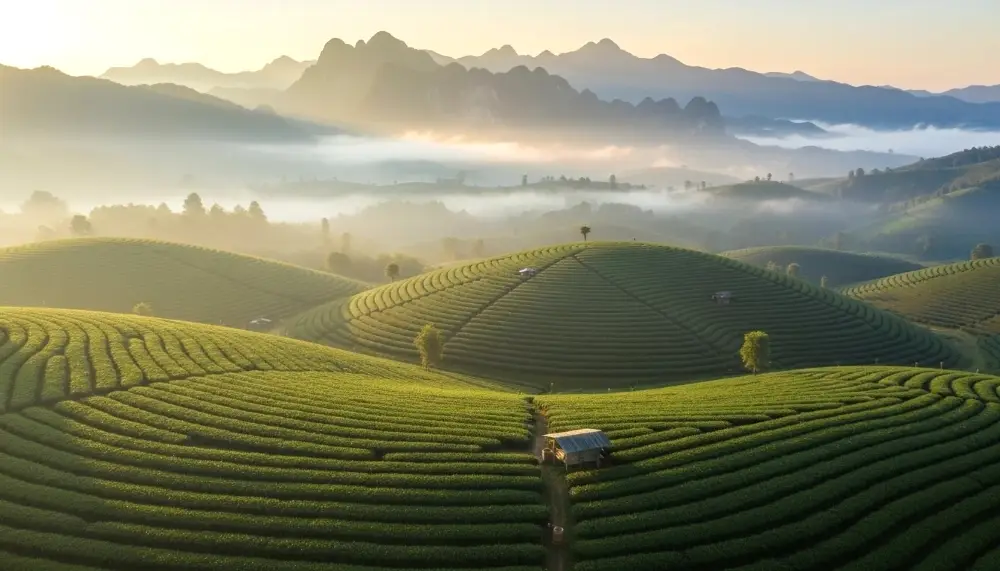
The Mae Salong Loop from Chiang Mai. A multi-day alternative to the Mae Hong Son Loop that takes you northeast through Tha Ton and Chiang Rai before looping back via the Mae Salong tea plantation ridge roads. The scenery includes Chinese Yunnanese village culture, terraced tea fields, and some of the emptiest mountain roads in northern Thailand. Less famous than the Mae Hong Son route, which means fewer other riders and more space at the viewpoints. Best ridden in November through February when the tea harvest is active and the air is clear.
The Krabi to Koh Lanta coastal route. A shorter, flatter route for riders who want scenery without mountain riding experience. From Krabi town, the road south through Ao Luek and across to the Klong Jilad ferry landing takes you through mangrove forests and rubber plantations before the short crossing to Koh Lanta itself. The island road running the length of Koh Lanta to the national park tip in the south is one of the most pleasant day-ride destinations in the Andaman region. A 110cc scooter handles this route comfortably.
The Chiang Mai 140-kilometre day loop. For riders based in Chiang Mai who want a rewarding single-day ride without multi-day commitment, a 140-kilometre circuit through the foothills west of the city offers cave systems, hill-tribe villages, craft chocolate estates, and viewpoints that most visitors to the city never reach. Total cost for the day, including a big-bike rental, fuel, and food, comes to approximately 1,600 THB (~$45 USD). This route is particularly well-suited to experienced riders arriving late in a trip who want one strong day on the road before returning their bike.

Skip the airport kiosk queue in Thailand.
Airalo eSIMs are pre-loaded before
you fly and ready the instant you
connect to the local network.
Safety, Insurance, and What Happens If Something Goes Wrong:
The insurance situation in Thailand is the most commonly misunderstood aspect of motorbike rental. Almost every rental shop in the country provides some form of “insurance” with the hire. In nearly all cases, this covers basic third-party vehicle damage only. It does not cover your medical bills. It does not cover your passenger. It is not a substitute for personal travel insurance with medical coverage.
If you ride without a valid motorcycle licence and IDP, your personal travel insurance will almost certainly void any accident claim. The exclusion is standard across most major travel insurance policies and is being applied with increasing frequency as Thai riding accidents involving uninsured foreign nationals spike. A serious accident requiring hospitalisation, surgery, and evacuation can cost tens of thousands of dollars. The licence paperwork that prevents this costs under 50 USD in most countries.
For longer stays and multi-week riding trips, SafetyWing Nomad Insurance is worth reviewing as a dedicated medical and evacuation option. It covers active outdoor scenarios including motorbike riding, the monthly cost is well within the budget generated by cheap daily rental rates, and having it active before you leave home removes the worst-case scenario from the background of every ride.
Practical safety habits that experienced riders in Thailand universally apply: wear a proper helmet rather than the thin shell helmets supplied by rental shops, which provide cosmetic rather than protective coverage. Bring or buy gloves. Ride conservatively in the first day on any unfamiliar bike and route. Avoid riding after dark on mountain roads where livestock and road furniture are not lit. Never ride after consuming alcohol: Thailand’s zero-tolerance checkpoints now include breathalysers, and the penalties for drink-driving as a foreign national extend to possible deportation in serious cases.
Scam Avoidance: The Rental Hotspots to Watch:
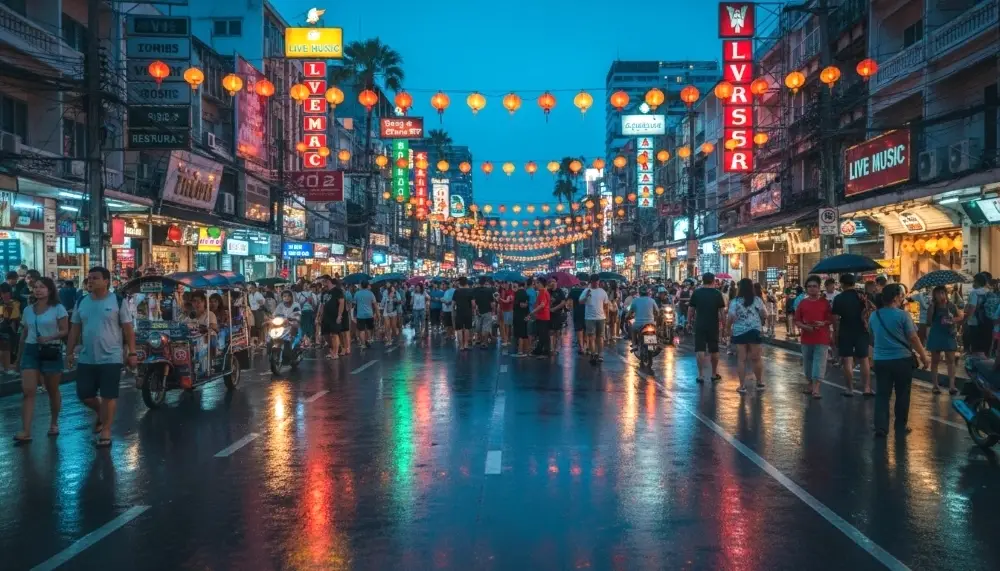
Thailand motorbike rental scams in 2026 concentrate in three locations: Phuket’s Patong and Bangla Road area, Pattaya’s Beach Road strip, and Koh Samui’s Chaweng Beach corridor. The most common pattern is a rental shop that retains your passport, supplies a bike with undocumented pre-existing damage, and then charges for that damage when you return it. The second most common is a contract with buried clauses that make you liable for full replacement value on minor scratches.
The December 2025 regulatory changes make many of these clause patterns legally void, but enforcement takes time to reach every rental shop and pursuing a legal remedy while on holiday is not a realistic option. Prevention remains the correct approach. Photograph every centimetre of the bike before riding, use an established rental operator rather than a roadside stand, never hand over your original passport, and insist on a written contract. If a shop refuses to provide a written contract, that is the answer to whether you should rent from them.
In Chiang Mai, several rental shops have built strong reputations specifically with international riders completing the Mae Hong Son Loop. Operators who check brake pads before handover, provide Google Maps recommendation lists for the route, and offer free luggage storage during multi-day rides are the standard to look for. Reading recent reviews with specific attention to the return experience, rather than just the pickup, gives the most reliable picture of how a shop actually behaves.
The Ride Is Still Worth It:
The stricter enforcement environment in 2026 changes nothing about the experience itself. It only changes the preparation required, and that preparation is genuinely minimal: one licence check, one IDP application before departure, one thorough pre-ride photograph session at the rental shop. Everything after that is Thailand as it has always been from two wheels: the mountain roads of the north opening up around every bend, the coastal roads of the south with the sea appearing and disappearing through the tree line, and the peculiar combination of freedom and attentiveness that riding produces that no other form of travel quite replicates.
The daily cost of a motorbike in Thailand remains lower than a single coffee at most European cafes. The routes are among the finest in the world. The infrastructure for riders, from established rental shops in every major tourist hub to guesthouses accustomed to accommodating bikes overnight, is better in 2026 than it has ever been. Ride legally, carry your documents, photograph the bike before you leave the shop, wear a real helmet, and stay off the road after dark on mountain stretches. None of that is onerous. All of it is worth it.

Maps, Grab, translation apps all need
data in Thailand. Yesim’s eSIM installs
in a minute and gives you reliable
5G from the moment you arrive.
Frequently Asked Questions:
Do I need an International Driving Permit to rent a motorbike in Thailand?
Yes. You need both your home-country motorcycle licence and an International Driving Permit (IDP) with the motorcycle “A” endorsement. A car-only IDP does not cover scooters or motorbikes. Police checkpoints in tourist areas check for the motorcycle category specifically, and riding without valid documentation is likely to void your travel insurance in the event of an accident.
What are the new helmet laws in Thailand in 2026?
Both rider and passenger must wear helmets at all times with no exceptions for short distances or slow speeds. The fine for riding helmetless was quadrupled in June 2025 from 500 THB to 2,000 THB (~$56 USD) per person. A rider with a helmetless passenger faces a combined 4,000 THB (~$112 USD) on-the-spot fine. Police no longer issue warnings.
What changed about motorbike rental contracts in Thailand from December 2025?
From 30 December 2025, all motorcycle rental businesses in Thailand are subject to the Controlled Contract regulations under the Consumer Protection Act. Unfair clauses are legally void. Businesses cannot forfeit deposits without proven breach of contract. Security deposits must be returned promptly, with deductions only for proven damage. This applies to all rental operators including those on online platforms.
How much does it cost to rent a motorbike in Thailand?
A 110cc to 125cc automatic scooter costs 130 to 200 THB (~$3.60 to $5.60 USD) per day. A 150cc to 160cc semi-auto runs 250 to 450 THB (~$7 to $12.60 USD). A 250cc to 300cc trail bike costs 500 to 800 THB (~$14 to $22.40 USD). Large adventure bikes (650cc and above) run 1,200 to 2,000 THB (~$33.60 to $56 USD). Weekly discounts are common at established operators.
Should I give my passport to a rental shop in Thailand?
No. Handing over your original passport as a deposit is inadvisable and increasingly non-compliant with the new December 2025 rental regulations. Reputable operators in 2026 accept a cash deposit of 2,000 to 5,000 THB (~$56 to $140 USD) plus a photocopy of your passport. If a shop insists on retaining your actual passport, find a different operator.
What is the Mae Hong Son Loop and how long does it take?
The Mae Hong Son Loop is a 600-kilometre circuit starting and ending in Chiang Mai, passing through Pai, Mae Hong Son, and Mae Sariang or Mae Chaem. It contains 1,864 catalogued curves. Most riders complete it in four to five days. Total daily costs including rental, fuel, food, and accommodation run approximately $45 USD per person per day. A 125cc scooter is the minimum for solo riders; 150cc or above is recommended for two people.
Is my travel insurance valid if I ride a motorbike without a licence in Thailand?
Almost certainly not. Most standard travel insurance policies exclude accidents involving unlicensed vehicle operation. If you ride without a valid motorcycle licence and IDP and are involved in an accident, your insurer will very likely deny the claim. Medical bills from a serious accident in Thailand can reach tens of thousands of dollars. Getting the correct documents before you travel is essential, not optional.
What is the best motorbike rental location in Thailand for first-time riders?
Chiang Mai is the best base for riders new to Thailand. The city has a strong community of established rental operators familiar with the routes, good quality bike fleets, and mechanics who are accustomed to supporting long-distance touring. Koh Lanta and Koh Yao Noi offer flat island riding that is accessible for less experienced riders on automatic scooters.
How do I avoid motorbike rental scams in Thailand?
Photograph every centimetre of the bike before riding and email the photos to yourself with a timestamp. Never hand over your original passport. Read the contract before signing, specifically checking damage liability caps and deposit return conditions. Use established operators with recent positive reviews. In Phuket, Pattaya, and Koh Samui, avoid roadside rental stands with no fixed premises and no written contract. Under the December 2025 regulations, unfair contract clauses are legally void, but avoiding disputes entirely is always preferable.
Which navigation app is best for motorbike touring in Thailand?
Google Maps with downloaded offline maps is the standard for most routes. For northern mountain roads, Maps.me provides more detailed coverage of minor roads and village tracks. Download offline maps for your entire riding region each morning before departure: signal drops in mountain sections between towns on the Mae Hong Son Loop and in remote parts of the Mae Salong circuit. Activate an Airalo, Yesim, or Saily eSIM before your flight to ensure live data is available throughout the trip.