Phetchabun Province: The Adventure Destination That’s Quietly Replacing Pai
This site contains affiliate links. We may earn a commission at no extra cost to you. All prices are stated in Thai Baht (THB) and US Dollars (USD), calculated at the current baseline rate of 33 THB to 1 USD.
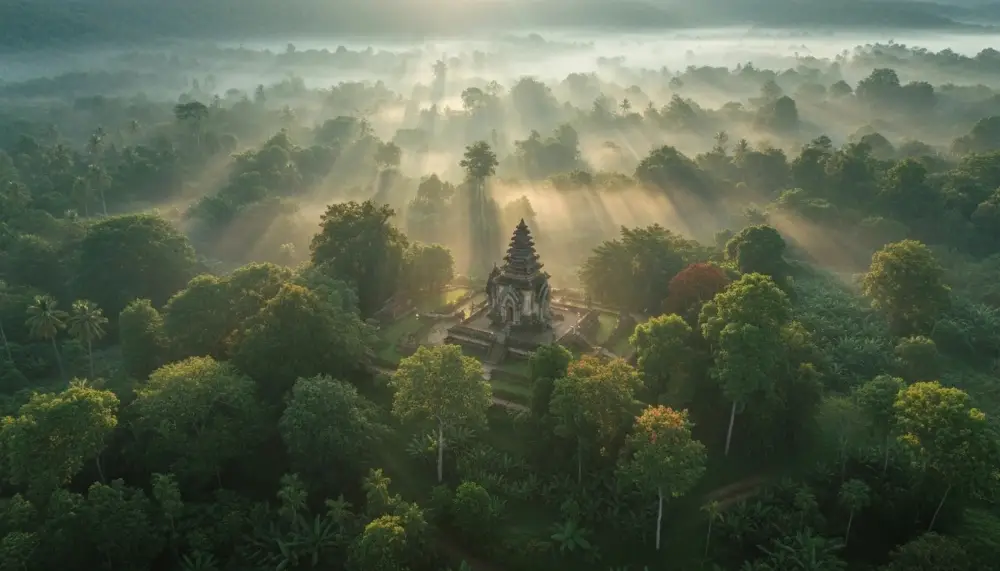
There is a quiet shift happening in how adventurous travellers are planning their Thailand trips. Pai, the misty northern valley that defined a generation of backpacker romanticism, is increasingly crowded, commercially polished, and predictable. Meanwhile, 350 kilometres to the south, Phetchabun Province is delivering everything Pai once promised: cool mountain air, sea-of-clouds mornings, empty hiking trails, and a genuine sense of discovery. And it is doing it at a fraction of the cost.
This is not a secret among Thai travellers. Khao Kho and Phu Thap Boek have been domestic weekend escapes for years. What is changing is the international traveller’s awareness. Those who make the detour consistently describe it as the best decision they made in Thailand. Those who skip it almost always wish they had gone.
Why Phetchabun Is Winning the Comparison
Pai sits in Mae Hong Son Province and takes around three hours from Chiang Mai along 762 notorious hairpin bends. By 2026, the main street has more coffee shops than trees and the guesthouses price themselves with the confidence of a Chiang Mai boutique hotel. A mid-range room in Pai now costs 1,200 to 1,800 THB ($36 to $55) per night. The vibe is still pleasant, but the rawness that made it magical is largely gone.
Phetchabun, by contrast, is 360 kilometres north of Bangkok and takes five hours by direct bus from Mo Chit terminal. A comparable mountain resort room in the Khao Kho district runs 800 to 1,500 THB ($24 to $45) per night. The sea of mist at dawn looks identical. The limestone peaks and rolling green ridges are arguably more dramatic. And the crowds are a fraction of what you will find in Pai on any given weekend in high season.
The honest comparison looks like this: Pai is a destination that has already been discovered. Phetchabun is a destination that is currently being discovered. Right now is the sweet spot.

Compare hotel prices across Thailand’s
best areas and book with confidence.
Filter by budget, location, or score
to find the right stay for your trip.
Getting There: Easier Than You Think
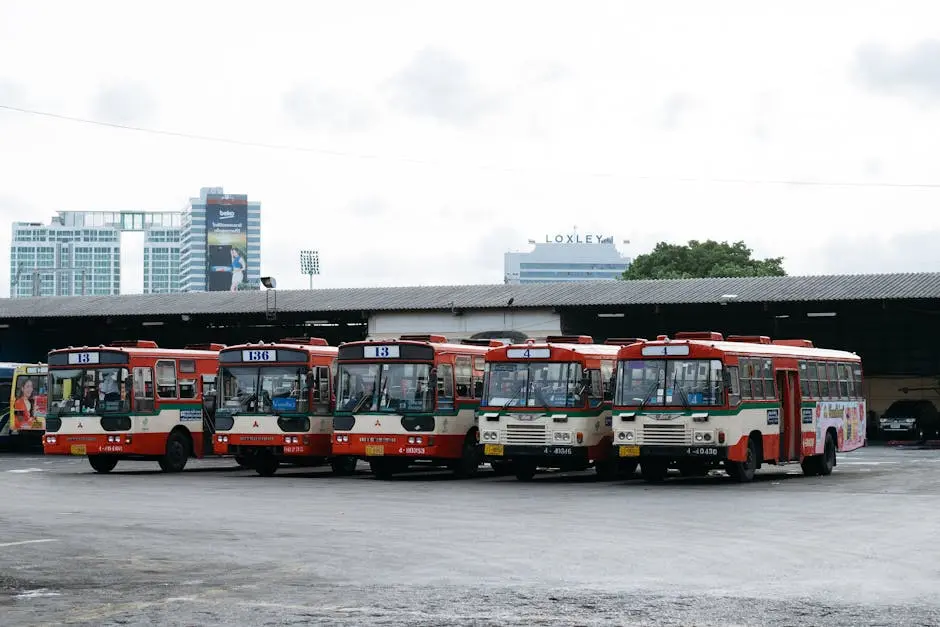
The most straightforward route is the direct bus from Bangkok’s Mo Chit (Northern Bus Terminal). Phetprasert Tour operates services roughly every two hours from early morning, with the journey taking around five hours and costing 350 to 550 THB ($10 to $17) depending on class. Lock in your seat through 12GO well ahead of Thai public holidays, particularly the Songkran and New Year windows, when buses sell out days in advance and prices creep up.
For families or groups arriving from abroad, the journey begins at Suvarnabhumi (BKK) or Don Mueang (DMK). Before you even reach the baggage carousel, activate your Airalo, Yesim, or Saily eSIM. Local apps including Grab require instant SMS network verification the moment you open them, and airport Wi-Fi is rarely reliable enough to complete that registration smoothly. Having data live before you exit arrivals saves real frustration. For groups travelling with luggage and children, Welcome Pickups offers pre-negotiated fixed-rate transfers to the bus terminal that remove the usual taxi negotiation entirely.
From Phetchabun city, Khao Kho and Phu Thap Boek require a further 40 to 80 kilometre drive into the mountains. Bolt works well within Phetchabun city itself and costs significantly less than tuk-tuk hires at the bus station. For the mountain stretch, a chartered songthaew or motorbike hire from town (150 to 300 THB per day / $4.50 to $9) is the practical solution.

From classic Thailand highlights to
hidden-gem private tours. Cancel
free up to a day before your
start time if plans change.
The Province at a Glance: Three Distinct Zones
| Zone | Primary Appeal | Best For | Daily Budget (Per Person) |
|---|---|---|---|
| Khao Kho | Sea of clouds, wind farms, war history | Couples, families, photographers | 1,500 to 2,500 THB ($45 to $76) |
| Phu Thap Boek | Summit camping, cabbage fields, cold nights | Adventurers, budget trekkers | 800 to 1,500 THB ($24 to $45) |
| Phetchabun City | Temples, markets, Si Thep ruins | History lovers, slow travellers | 1,000 to 1,800 THB ($30 to $55) |
Wat Phra That Pha Sorn Kaew: Thailand’s Most Underrated Temple
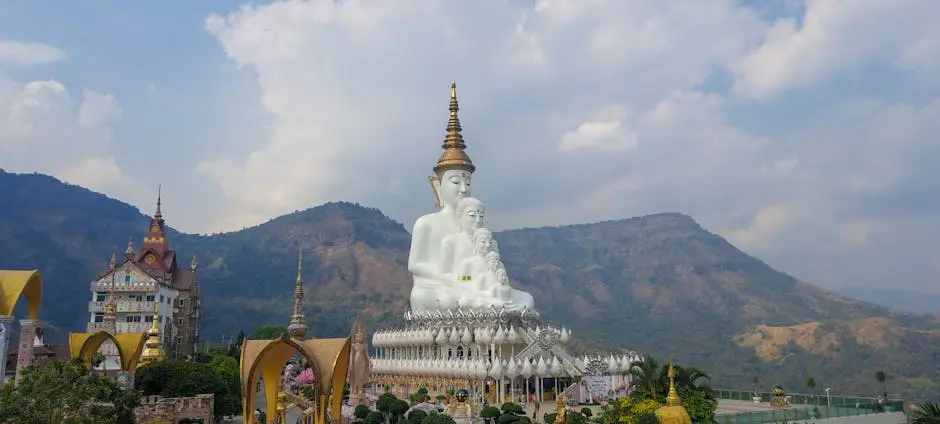
If you visit Phetchabun and see only one thing, make it Wat Phra That Pha Sorn Kaew. This extraordinary mountaintop temple in Khao Kho sits at around 800 metres above sea level and is covered almost entirely in intricate mosaic tilework: millions of tiny coloured pieces forming towers, Buddha images, and serpentine staircases that catch the morning light in a way that photographs simply cannot replicate.
The centrepiece is a row of five white chedi spires of descending size, each encrusted with white and gold mosaic, set against a panoramic backdrop of green mountain ridges. On clear mornings, the valley below fills with mist, creating a scene so surreal that first-time visitors often stand in silence for several minutes before reaching for a camera.
Entry is free, though a small donation to the temple grounds is customary. Dress modestly: shoulders and knees covered, shoes removed at the entrance stairs. Carry a light sarong rather than relying on temple-provided coverings. The best visit window is between 7:00 AM and 9:00 AM, before tour groups arrive from Phetchabun city. Klook and Get Your Guide both list day-trip packages from Phetchabun that include transport and a guide, which is worthwhile for solo travellers who want context for the temple’s history.
Phu Thap Boek: The Sea of Clouds Experience
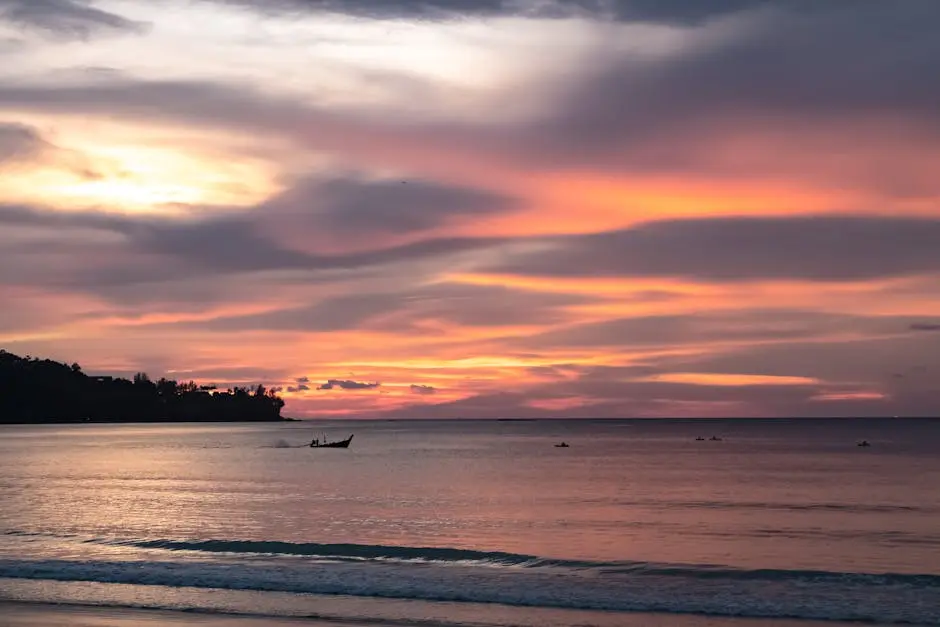
Phu Thap Boek is a 1,768-metre mountain in the Lom Kao district of Phetchabun, and it is the reason the province earns its “Switzerland of Thailand” nickname without exaggeration. The summit plateau is one of the only places in Thailand where temperatures regularly drop below 10 degrees Celsius at night, even in October and November. In the cool season (November to February), overnight lows can dip to 5 or 6 degrees, making it genuinely cold by any tropical country’s standards.
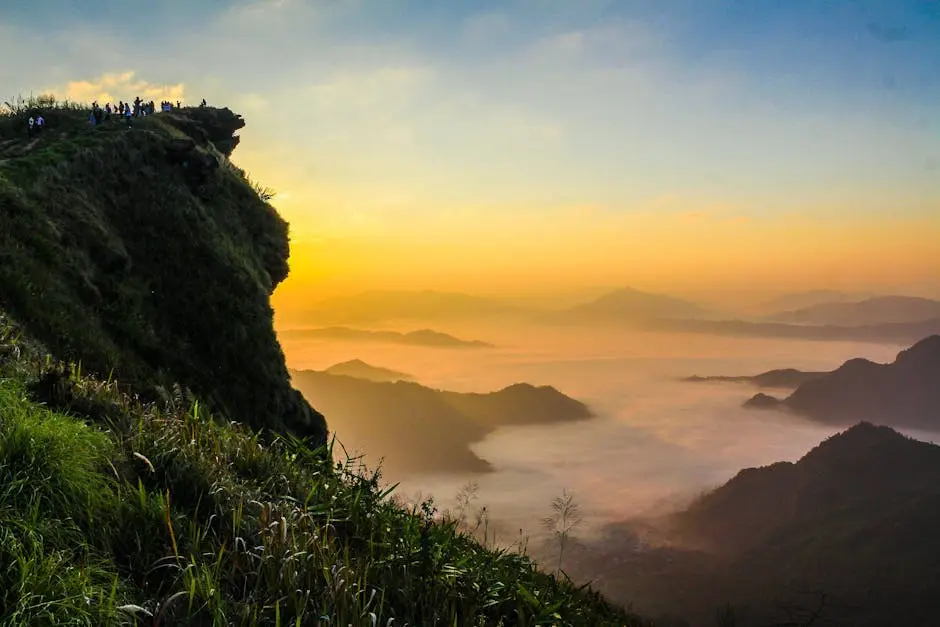
The spectacle that draws visitors is the sea of clouds. On clear mornings between October and February, the valleys below the summit fill completely with a white blanket of cloud, leaving only the highest ridgelines visible. Standing above it feels like watching Thailand from a different planet.
Accommodation at the summit is basic but functional. Small guesthouses charge 1,500 to 2,000 THB ($45 to $60) per room for two, while tent camping is available from as little as 500 THB ($15) per night, though extra charges apply for blankets and pillows. The tradeoff is altitude and authenticity, two things that can’t be replicated at a beach resort. Book through Agoda for the best rate options on the resorts near the summit access road, particularly outside the December to January peak window when prices soften noticeably.

From temples to island tours, Klook
covers Thailand’s best experiences.
Hotel pickup is often included and
prices beat the pier walk-in rate.
Khao Kho: Where History Meets Highland Drama
Khao Kho is the most developed tourism area in the province and the natural base for a multi-day visit. The district is famous for its wind farm, a sweeping ridge of white turbines that has become one of the most photographed landscapes in northern Thailand. The road through the wind farm at sunrise or sunset is genuinely one of the most cinematic drives in the country.
The Khao Kho Memorial is a sobering and fascinating stop. The area was the site of a significant communist insurgency conflict that lasted from the 1960s through to the early 1980s. The memorial preserves decommissioned war helicopters, fighter aircraft, and military vehicles in an open-air park with interpretive boards explaining the campaign. Entry runs around 50 THB ($1.50). It provides rare insight into a chapter of Thai history that most package tours never mention.
The Khao Kho area’s resort scene has matured considerably. A range of boutique mountain lodges now offer genuinely impressive valley views from their terraces and infinity pools, with rates running from 1,200 to 3,500 THB ($36 to $106) per night depending on season and style. Booking.com often surfaces different availability to Agoda here, so it pays to check both platforms side by side before committing.

Airalo covers Thailand with a range of
data plans from days to a month.
No physical SIM swap, no roaming
bill shock when you get back home.
Si Thep Historical Park: A World Heritage Site Most Visitors Miss
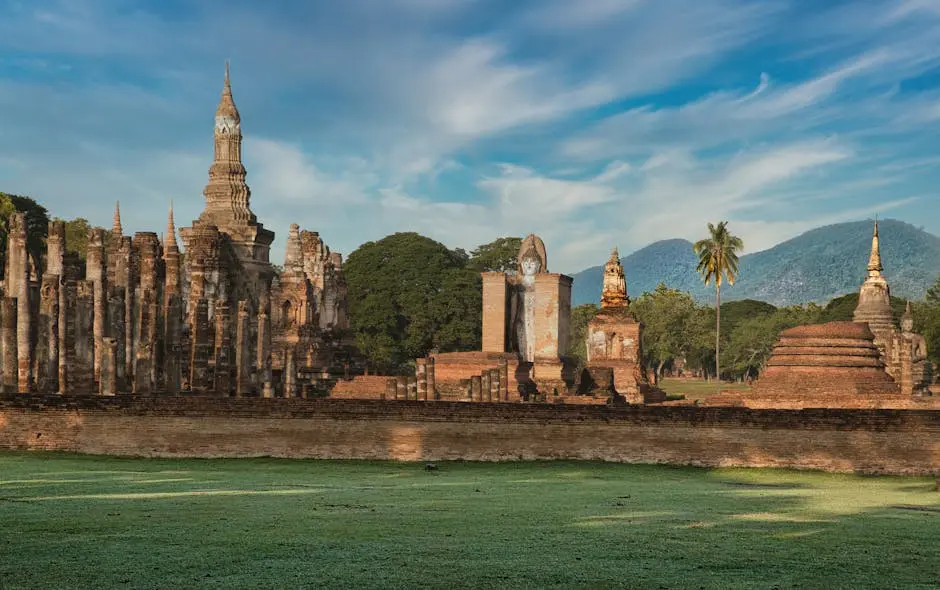
On the southern edge of the province sits Si Thep Historical Park, a UNESCO World Heritage Site inscribed in 2023 that still sees a fraction of the visitor numbers of Ayutthaya or Sukhothai. The ruins here date to the 6th to 11th centuries, predating the Khmer Empire’s regional influence, and the site contains a layered mix of Dvaravati and Khmer architectural styles that archaeologists find extraordinary.
For the general visitor, the appeal is simply the atmosphere: wide grassy grounds, ancient laterite prang towers rising from the flat plains, and almost no other tourists. Entry costs 150 THB ($4.50) for international visitors. Spend two to three hours here and you will likely have significant sections of it entirely to yourself, which in Thailand’s heritage circuit is an increasingly rare thing. Get Your Guide lists a small number of guided tours that include Si Thep as part of a southern Phetchabun day route, which is the most efficient way to pair it with Phetchabun city’s temples in a single day.
Where to Stay: A Practical Breakdown
Accommodation in Phetchabun rewards those who do a little research. The Khao Kho area has the widest range of mountain resorts, from simple fan-cooled bungalows at 600 to 800 THB ($18 to $24) per night up to well-appointed boutique lodges with valley views and infinity pools at 2,500 to 4,000 THB ($76 to $121) per night.
Phetchabun city itself is the practical choice for those focused on historical sightseeing and budget travel. Clean mid-range hotels in the city centre run 500 to 900 THB ($15 to $27) per night, with better-reviewed options on Agoda consistently outperforming walk-in rates. The city has a genuine local food scene centred around the night market, and being based here makes day trips to Khao Kho and Si Thep straightforward.
For digital nomads planning a week-long stay, month-rate apartments and villa rentals are emerging around Khao Kho’s main resort strip. Agoda and Booking.com both list options from 12,000 to 20,000 THB ($363 to $606) per month for a comfortable studio with reliable 4G coverage. NordVPN running on all devices is strongly recommended when using shared resort or cafe Wi-Fi for any banking or client work.

Stay online in Thailand without breaking
the budget. Saily offers flexible
eSIM plans with no contract and
no roaming charges going home.
Food and Markets: The Tamarind Province
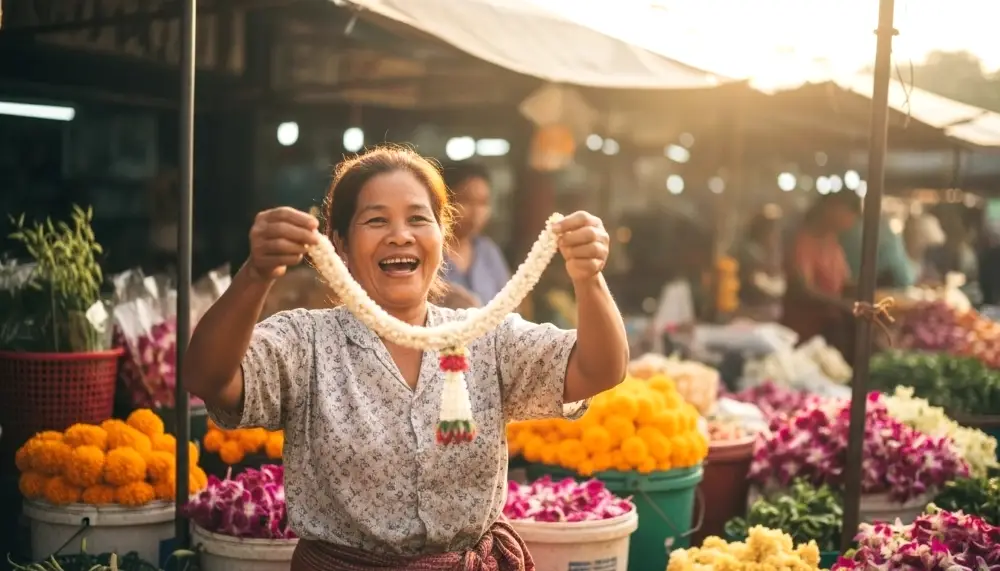
Phetchabun is the tamarind capital of Thailand, and the province takes that identity seriously. Local tamarind products are everywhere: sweet dried tamarind at 80 to 150 THB ($2.40 to $4.50) per bag, tamarind candies, tamarind juice, and tamarind-based sauces sold at every market stall. It is an excellent and genuinely local souvenir.
The broader food culture is rooted in northern Thai and Isaan crossover. Khanom jeen noodles served with green or red curry sauce are the go-to breakfast dish, costing 40 to 60 THB ($1.20 to $1.80) at local shophouses. The Phetchabun night market on weekends is excellent value, with dishes running 50 to 100 THB ($1.50 to $3) per plate. Grilled mountain pork at Phu Thap Boek’s summit food stalls is a local ritual that serious visitors should not skip, particularly after a cold night camping.
Resort restaurant pricing is reasonable by Thai standards: a full dinner with drinks at a mid-range Khao Kho resort comes in at 400 to 700 THB ($12 to $21) per person. Cooking class experiences are less common here than in Chiang Mai, but Klook occasionally lists day cooking sessions in Phetchabun city that cover northern Thai staples. Worth checking the calendar before your trip.
Pro Tips for a Stress-Free Phetchabun Visit
Season: November to February is the prime window. Cool weather, morning mists, and stable skies make every viewpoint worth the effort. March to May brings heat to the lowland city but the mountains stay pleasant. The June to October rainy season creates lush green landscapes and occasional spectacular mist, though road conditions on the upper Phu Thap Boek approach require caution.
Transport: Grab reaches Phetchabun city reliably. For mountain routes, Bolt or a locally chartered songthaew is the practical option. Pre-book your Bangkok to Phetchabun bus on 12GO to lock in prices and avoid the surcharge period around national holidays.
Connectivity: AIS and True Move 4G cover the main tourist areas of Khao Kho well. Phu Thap Boek summit can be patchy. Activate your Airalo, Yesim, or Saily eSIM before departure so navigation and booking apps work from the moment you land. Download offline maps for the mountain routes before you leave the city.
Insurance: Ensure your travel insurance covers trekking and motorbike hire, as standard policies often exclude both. For remote work stays, SafetyWing’s Nomad Insurance is a cost-effective layer that covers healthcare scenarios a standard travel policy typically does not. If a domestic flight delay causes you to miss a connection, AirHelp handles the compensation claim process on your behalf.
Currency: Carry physical THB in 100 and 500 denominations. Mountain vendors, guesthouse operators at Phu Thap Boek, and market stalls rarely accept cards. At ATMs, always choose “Continue Without Conversion” to let your home bank manage the exchange rate. The standard ATM fee is 220 THB ($6.70) per withdrawal.

Stay online in Thailand without the
daily data limits of tourist SIMs.
Yesim’s eSIM offers unlimited 5G
from around $10 for the whole trip.
Phetchabun for Digital Nomads and Remote Workers
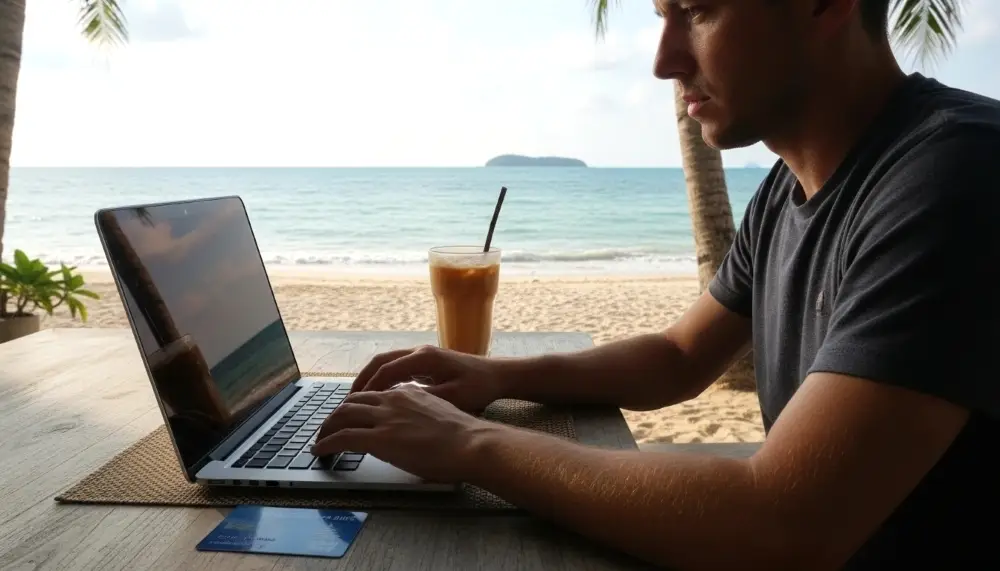
The quiet revolution here is that Phetchabun is starting to attract a small but growing community of remote workers looking for an alternative to the saturated digital nomad circuits of Chiang Mai and Koh Lanta. The cost difference is significant: a comfortable room or studio with reliable Wi-Fi runs 400 to 600 THB ($12 to $18) per night in Phetchabun city, compared to 700 to 1,200 THB ($21 to $36) for equivalent quality in Chiang Mai’s Nimman neighbourhood.
The trade-off is co-working infrastructure. There are no dedicated co-working spaces in the province yet. However, several Khao Kho resort cafes and Phetchabun city coffee shops offer reliable fibre connections and work-friendly environments for 80 to 150 THB ($2.40 to $4.50) in coffee purchases per day. NordVPN running on all devices is non-negotiable when connecting to shared networks for any sensitive client or financial work.
For stays exceeding one month, SafetyWing’s Nomad Insurance becomes the sensible healthcare choice. The nearest international-standard hospital is in Phetchabun city, with Phitsanulok (roughly 120 kilometres north) as the regional medical hub for serious cases. Factor this into planning if you have existing health considerations.
The Honest Verdict: Who Should Go
Phetchabun rewards travellers who prioritise experience over infrastructure. If your definition of a good trip involves waking at 5:30 AM to catch a mountain sunrise above the clouds, eating noodles from a shophouse for 50 THB ($1.50), and driving past a wind farm with no other tourists in sight, this province delivers at a level that very few places in Thailand still can.
It is not the destination for those who need beach access, high-end dining, or a developed nightlife scene. But for culture-curious travellers, photographers, adventure seekers, families on a road trip from Bangkok, and remote workers looking to reset without burning through savings, Phetchabun is producing some of the most quietly satisfying travel experiences available anywhere in Thailand in 2026.
The practical steps are simple: book your Bangkok to Phetchabun bus on 12GO, sort accommodation through Agoda, browse any day tours or temple entrance packages on Klook, and activate your eSIM before departure. Then give yourself at least three nights. Two is never enough.
Frequently Asked Questions
How do I get from Bangkok to Phetchabun?
The most direct option is the bus from Bangkok’s Mo Chit (Northern Bus Terminal) operated by Phetprasert Tour. Buses depart roughly every two hours throughout the day, with the journey taking around five hours. Tickets cost 350 to 550 THB ($10 to $17) depending on class. Book through 12GO in advance, especially around Thai public holidays when seats sell out well ahead. Night bus options are also available for those who want to arrive early and maximise morning mountain time.
What is the best time of year to visit Phetchabun?
November to February is the prime window, offering cool nights (sometimes below 10 degrees Celsius at the summit of Phu Thap Boek), clear skies, and the most reliable sea-of-clouds mornings. March to May is warm in the lowland city but the Khao Kho mountain areas remain pleasant. The June to October rainy season brings lush scenery and dramatic mist, though road conditions on upper mountain routes require extra care and some accommodation options operate on reduced availability.
How does Phetchabun compare in cost to Pai?
Phetchabun is meaningfully cheaper across most categories. A mid-range mountain guesthouse in Khao Kho runs 800 to 1,500 THB ($24 to $45) per night, compared to 1,200 to 1,800 THB ($36 to $55) in Pai for equivalent quality. Food from local markets and shophouses costs 40 to 100 THB ($1.20 to $3) per dish across both destinations. The key transport saving is the journey itself: the Bangkok to Phetchabun bus at 350 to 550 THB ($10 to $17) compares favourably to the Bangkok to Chiang Mai bus or train plus onward Pai minivan.
Is Wat Phra That Pha Sorn Kaew worth a special trip?
Without question. Wat Phra That Pha Sorn Kaew is among the most architecturally distinctive temples in Thailand and sees a tiny fraction of the visitor numbers of more famous sites. The mosaic-covered spires, the mountain setting, and the valley-mist backdrop on clear mornings create a genuinely unforgettable combination. Entry is free, though a small donation is appropriate. Arrive between 7:00 AM and 9:00 AM to experience it at its quietest and most atmospheric. Klook and Get Your Guide list guided day-trip packages from Phetchabun city that add useful historical context.
What should I pack for Phu Thap Boek?
Pack for genuine cold. At 1,768 metres, night temperatures between November and February can drop to 5 or 6 degrees Celsius, which is well below what most visitors planning a tropical Thailand trip anticipate. Bring a proper fleece or down jacket, long trousers, and thermal socks. Warm layers are available for purchase at the summit market, but quality is variable and prices inflate sharply during peak weekends. Download offline maps before leaving Phetchabun city, as mobile signal can be weak near the summit.
Does Phetchabun have good connectivity for remote workers?
Yes, within limits. AIS and True Move 4G coverage is reliable across most of the Khao Kho tourist area and throughout Phetchabun city. Phu Thap Boek summit is patchy. The most practical approach is to activate an Airalo, Yesim, or Saily eSIM before departure, which avoids airport queue time and provides the same network coverage as a physical SIM. For secure work on shared resort or cafe Wi-Fi, run NordVPN on all devices. There are currently no formal co-working spaces, but several cafes in Khao Kho offer good connections in a quiet working environment.
Is Si Thep Historical Park worth visiting?
Yes, particularly for travellers who have already covered Thailand’s more famous heritage sites. Si Thep was inscribed as a UNESCO World Heritage Site in 2023 and preserves ruins dating from the 6th to 11th centuries. Visitor numbers remain very low, meaning you will often have large sections of the site to yourself. Entry is 150 THB ($4.50) for international visitors. It pairs well with Phetchabun city’s temples in a single day, and Get Your Guide occasionally lists guided southern Phetchabun routes that include both stops.
What transport is available within Phetchabun Province?
Grab and Bolt serve Phetchabun city well. For the mountain areas of Khao Kho, chartered songthaews and motorbike hire from 150 to 300 THB ($4.50 to $9) per day are the practical options. The road to Phu Thap Boek is narrow and winding in sections: motorbike riders should exercise caution and avoid ascending in wet conditions. For families or groups, Welcome Pickups offers pre-negotiated fixed-rate transfers from regional transport hubs that avoid the fare negotiation and overcharging common at bus stations.
What are the best things to eat in Phetchabun?
Start with khanom jeen noodles served with curry sauce at any local shophouse for 40 to 60 THB ($1.20 to $1.80): it is the definitive local breakfast. Grilled mountain pork (moo yang) at Phu Thap Boek’s summit food stalls is a ritual worth the cold. The province is Thailand’s tamarind capital, so pick up sweet dried tamarind at 80 to 150 THB ($2.40 to $4.50) per bag as an excellent local souvenir. The Phetchabun city weekend night market has the widest variety of dishes for 50 to 100 THB ($1.50 to $3) each.
Is Phetchabun suitable for families with children?
Yes, with some route adjustments. Khao Kho is very family-friendly: wide scenic roads, resort accommodation with gardens, and the Khao Kho Memorial’s military vehicles are genuinely engaging for older children. Wat Phra That Pha Sorn Kaew is an easy walk and visually spectacular for all ages. Phu Thap Boek is better suited to families with older children who can handle cold nights and basic accommodation. The main challenge is transport: the mountain songthaew and motorbike network is less structured than resort areas like Koh Samui. Hiring a private vehicle or using Welcome Pickups for transfers makes the family logistics considerably smoother.