Open Water Swimming in Thailand: Events, Routes & Where the Wild Swimmers Go
This site contains affiliate links. We may earn a commission at no extra cost to you.
Thailand has always drawn people to its water. The question is whether you want to stand at the shore and look at it, or actually get in. Open water swimming here has shifted from a niche pursuit to one of the fastest-growing sports in Southeast Asia, and the reasons are obvious the moment you slip beneath the surface of a warm, clear Thai bay for the first time.
Whether you’re a competitive swimmer chasing a personal best at a sanctioned race, a curious traveller who fancies a long dawn swim before breakfast, or a digital nomad building a training routine around island living, Thailand offers more than most people realise. The water is warm year-round (typically 27 to 30°C / 80 to 86°F), entry points are accessible, and the country now hosts a well-developed calendar of open water events across both coasts.
All costs in this guide are presented in both Thai Baht (THB) and US Dollars (USD), calculated at a baseline rate of 1 USD = 35 THB.
Why Thailand is a Wild Swimmer’s Dream
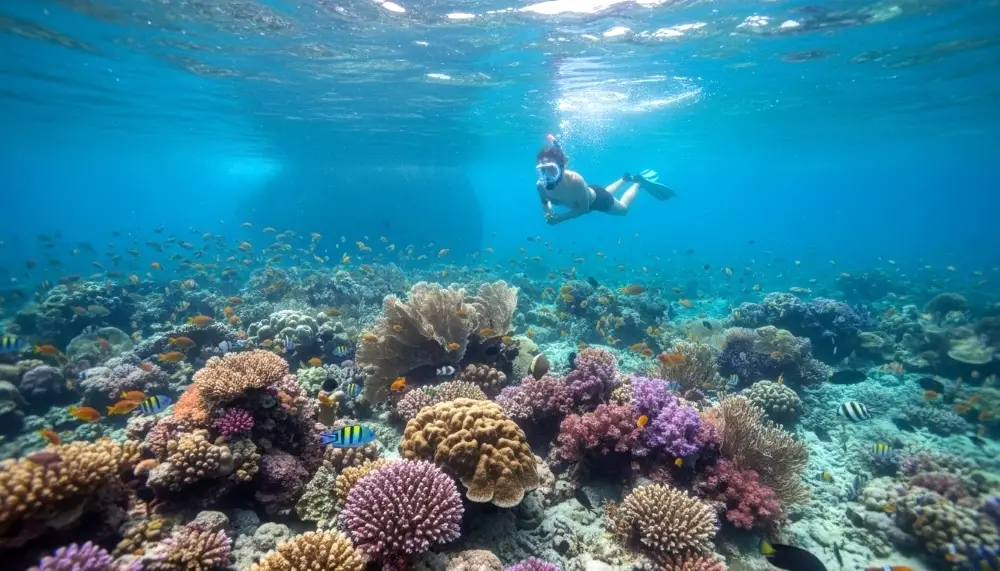
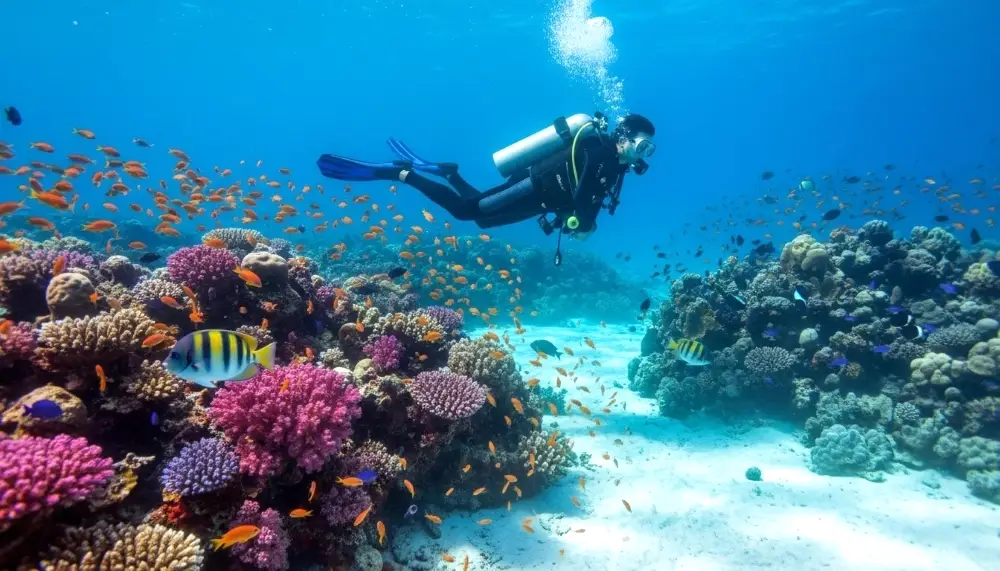
Ask any experienced open water swimmer what sets Thailand apart, and they’ll give you the same answer: visibility. On a calm morning off Koh Tao or inside the Ang Thong Marine Park, you can watch your own shadow drift across the seabed at 8 metres below. That kind of clarity is transformative, and it’s available to anyone willing to get up before the tour boats arrive.
The water temperature is another significant factor. At 28 to 30°C / 82 to 86°F across both coasts for most of the year, cold-shock is simply not a concern. You can swim longer, relax more freely, and focus entirely on the experience rather than enduring it. For swimmers who have trained in colder UK or European waters, the contrast is almost comical.
Thailand also benefits from two distinct coastlines with different seasonal windows, meaning that if one sea is rougher, the other is usually calm. This dual-coast advantage makes year-round swimming genuinely possible if you’re willing to cross the peninsula.

Book Thailand day trips, attractions,
and activities in one place. Check
real reviews and lock in your spot
before the popular slots go.
The Major Events: Where to Race
Oceanman Thailand Series
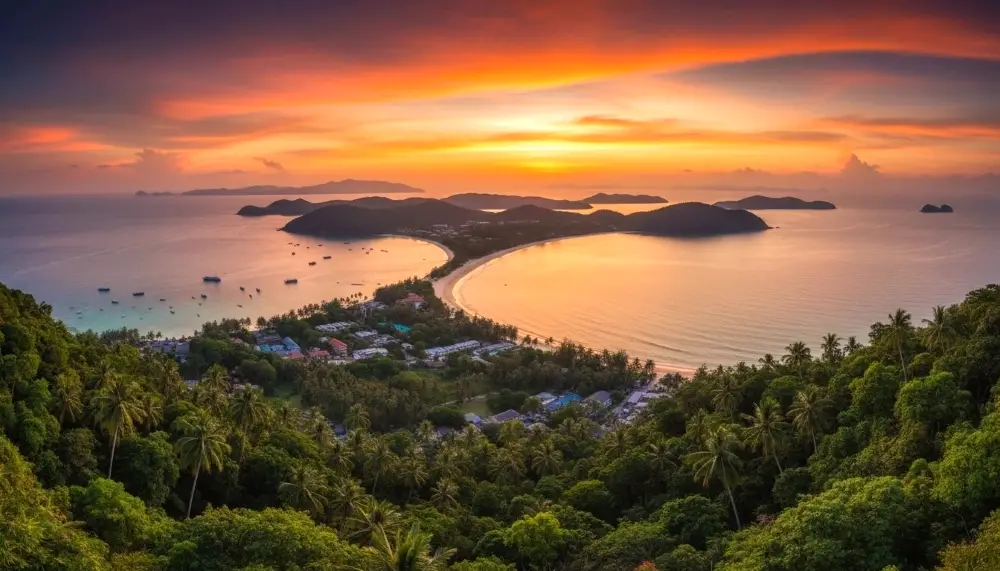
The Oceanman series is the headline act for competitive open water swimming in Thailand. Two separate events now anchor the national calendar: Oceanman Krabi (held in late March at The Beach Club, Khlong Muang) and Oceanman Pattaya (held on Jomtien Beach). Both events are run by the international Oceanman organisation and attract swimmers from across Southeast Asia and Europe.
Distance options range from 0.5 km entry-level swims right up to the flagship 10 km race, making these events genuinely accessible to first-timers and seriously demanding for competitive swimmers in the same field. The 2026 Krabi edition offered distances of 0.5 km, 1 km, 2 km, 5 km, and 10 km, all set against the backdrop of limestone cliffs and turquoise Andaman water.
Registration fees typically run between 1,400 THB ($40 USD) for shorter distances and 3,500 THB ($100 USD) for the 10 km. Entry includes a timing chip, race t-shirt, swim cap, finisher medal, and accident insurance cover for the swim. Book excursions to the event through Klook if you want guided transfers from your accommodation to the race venue, which saves the usual pier-side scramble on race morning. Wetsuits are not permitted in any distance category, so pack accordingly.
Thailand Swimathon by TriFactor
The Thailand Swimathon, presented by TriFactor, runs annually in December at Na Jomtien near Pattaya and has grown from a modest 700-participant debut in 2016 into one of the most recognised open water events in the region. The event began with a simple coastal course at Na Jomtien and has steadily expanded its format, atmosphere, and participant numbers each year since.
Distances are more accessible here than at Oceanman, with categories from 100 metres up to 1,200 metres, making it an ideal first-event venue for newer swimmers. The AMAZINGKIDS SWIM SERIES runs alongside the adult events, covering age groups from 6 to 17 across distances of 100 to 1,200 metres, making this a genuine family race weekend rather than simply a spectator event for travelling parents.
Entry fees sit between 700 THB ($20 USD) and 1,800 THB ($51 USD) depending on distance and whether you register early. If you’re travelling from overseas, lock in your transport to Pattaya from Bangkok through 12GO, which covers the bus and shared van routes at prices around 180 to 250 THB ($5 to $7 USD) per person. Book accommodation early through Agoda; Jomtien Beach properties fill up fast during the December event window.
Thailand Open Water Swimming Championships
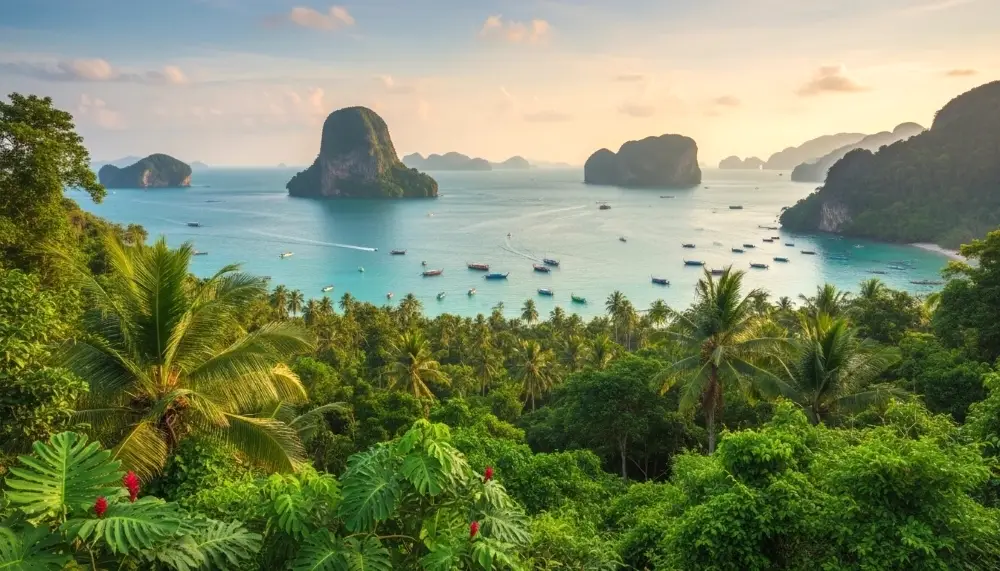
The Thailand Open Water Swimming Championships, organised by Global Aquatics, is the country’s premier domestic competition. The event is held at Jomtien Beach, Pattaya, typically in November, and draws competitive swimmers from across Thailand as well as international participants.
Jomtien cemented its status as Thailand’s open water capital when it hosted the SEA Games open water events in December 2025, with athletes from 6 nations competing across 10 km individual events and a mixed relay. Thailand’s Kamonchanok Kwanmuang took gold in the women’s 10 km, confirming the country’s growing depth in the sport nationally.
For serious competitive swimmers planning a trip around this event, the race calendar is confirmed annually through the Global Aquatics website. Pair your entry booking with a Saily or Airalo eSIM activated before departure so you can receive SMS verifications for registration platforms and payment apps the moment you land at Suvarnabhumi or U-Tapao airport without hunting for Wi-Fi.

GetYourGuide has Thailand’s best
tours and experiences covered with
verified operators and instant
mobile vouchers on arrival.
Event Comparison at a Glance
A quick reference for swimmers choosing between Thailand’s main events:
| Event | Location | Typical Month | Distances | Entry Fee (Approx) |
|---|---|---|---|---|
| Oceanman Krabi | Andaman Sea | March | 0.5 km – 10 km | 1,400 – 3,500 THB ($40 – $100) |
| Oceanman Pattaya | Gulf of Thailand | Varies | 2 km, 5 km, 10 km | 1,750 – 3,500 THB ($50 – $100) |
| Thailand Swimathon | Jomtien, Pattaya | December | 100 m – 1,200 m | 700 – 1,800 THB ($20 – $51) |
| National Championships | Jomtien, Pattaya | November | 5 km, 10 km | 1,050 – 2,100 THB ($30 – $60) |

Lock in your Thailand accommodation
early and beat peak-season price hikes.
Agoda’s filters let you compare options
side by side before you commit.
The Best Wild Swimming Routes in Thailand
Koh Tao: The Gulf’s Premier Swim Destination
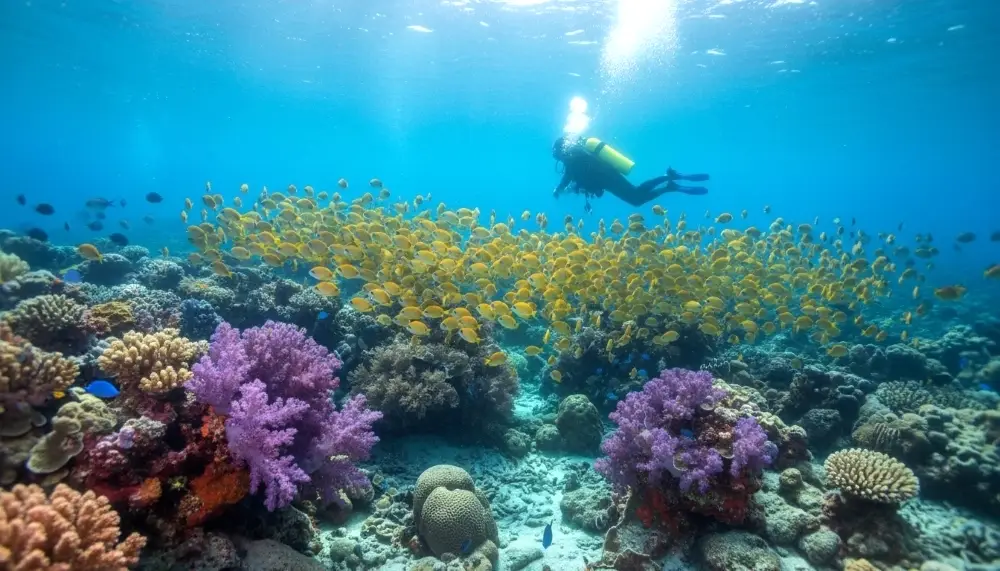
Koh Tao is the standout destination for serious open water swimming in the Gulf of Thailand. The island’s small size means that multiple swim routes are accessible from a single base, and the coral reefs that ring the coastline give even a straightforward bay-crossing swim a wildlife dimension that most European open water venues simply cannot match.
The SwimTrek Koh Tao Explorer programme (one of the few internationally guided open water swim holidays operating in Thailand for 2026) uses the island as its primary base, combining reef swims, inter-bay crossings, and guided navigation of the calm Ang Thong Marine Park archipelago east of Koh Samui. Turtles are a genuine expectation rather than a hope here. Blacktip reef sharks in the shallows, angelfish, groupers, and stingrays are all common sightings for swimmers doing dawn routes before the snorkel tour boats arrive.
Key routes for independent swimmers include the Sairee Beach to Mae Haad stretch (approximately 2.5 km, calm in most conditions), the Hin Wong Bay circuit (a sheltered 1.5 km loop with outstanding coral visibility), and the more demanding Cape Shark crossing for experienced swimmers. A longtail hire to reach remote start points costs 500 to 1,200 THB ($14 to $34 USD) depending on the distance.
Krabi and Railay: Andaman Wild Swimming
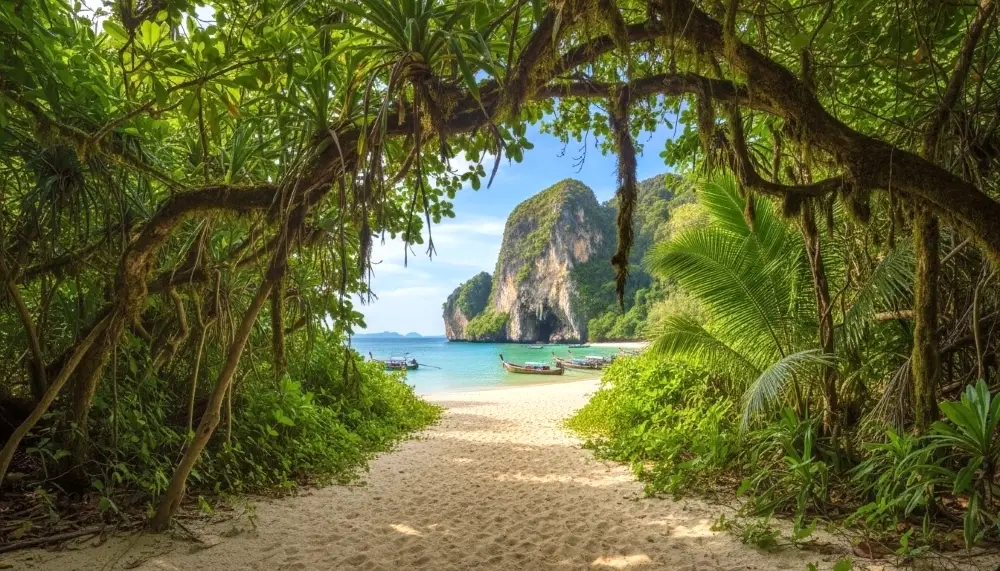
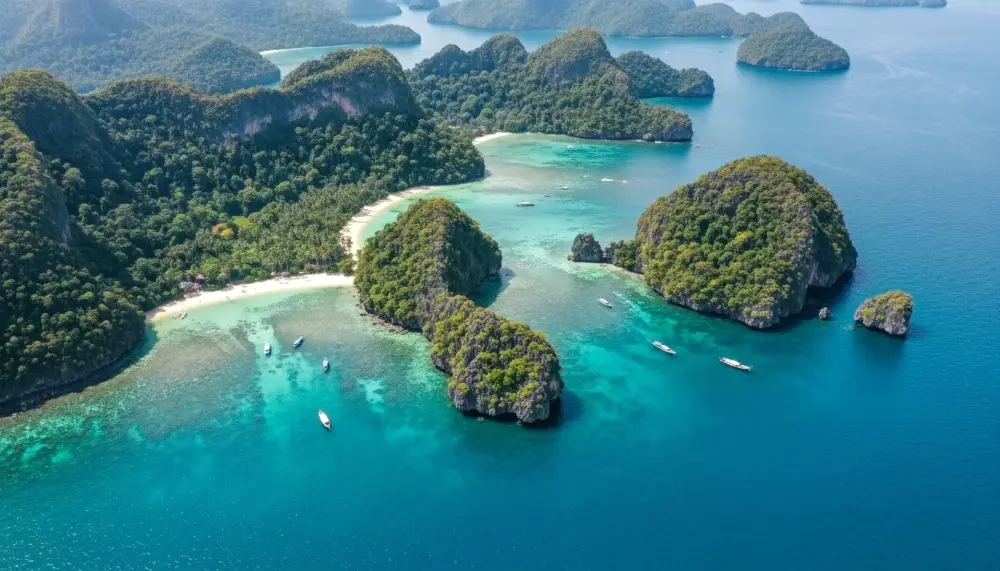
Krabi province is where the Andaman wild swim scene really comes alive, particularly between November and April when the sea is at its glassiest. Railay Beach, accessible only by longtail due to the surrounding limestone cliffs, sits at the heart of it. The swim from Railay West to Phra Nang Cave Beach is one of the most photographed open water routes in the country, a 600-metre crossing through turquoise water flanked by sheer karst towers.
More ambitious swimmers use Ao Nang as a base for multi-bay swimming expeditions, hiring longtails to drop them at islands like Koh Poda or Koh Kai before swimming back along the coastline. These routes require decent sea awareness and ideally a swim buddy or kayak escort, but the scenery is extraordinary. Get Your Guide and Klook both list guided kayak and swim day tours in the Krabi archipelago, typically priced between 1,200 and 2,500 THB ($34 to $71 USD) per person including transport and safety cover.
The Oceanman Krabi event (late March 2026) uses this coastline as its race venue, with the 10 km course navigating open water between the limestone islands. For those who want to race the same water they’ve been training in, the event calendar aligns perfectly with the Andaman’s best swimming window.
Ang Thong Marine Park: The Guided Swimming Destination
The Ang Thong Marine Park archipelago, comprising 42 islands roughly 30 km west of Koh Samui, is repeatedly described by open water swimmers as a near-religious experience. The water inside the park is calm, protected, and strikingly clear. Coral gardens full of turtles, stingrays, angelfish, and the occasional whale shark lie just beneath the surface.
The park operates on a permit system, so independent access is not straightforward. The standard approach is a day tour from Koh Samui or Koh Phangan, with snorkel-focussed trips priced at 1,400 to 2,100 THB ($40 to $60 USD). For dedicated open water swimmers, SwimTrek’s guided Koh Tao Explorer programme incorporates Ang Thong swims within a broader week-long itinerary, which is the most comprehensive way to experience the park from a swimmer’s perspective. Early morning starts are built into these programmes specifically to reach the park before the large tour boats arrive from the mainland.
For accommodation when basing yourself near Ang Thong, Koh Samui offers the widest range. Agoda consistently delivers better rates on mid-range to boutique properties here than international platforms, particularly for longer stays of five nights or more.


From short trips to long stays in Thailand,
Airalo has flexible eSIM data plans
you install in minutes. Top up
remotely if you need more data.
Jomtien Beach: Thailand’s Open Water Capital
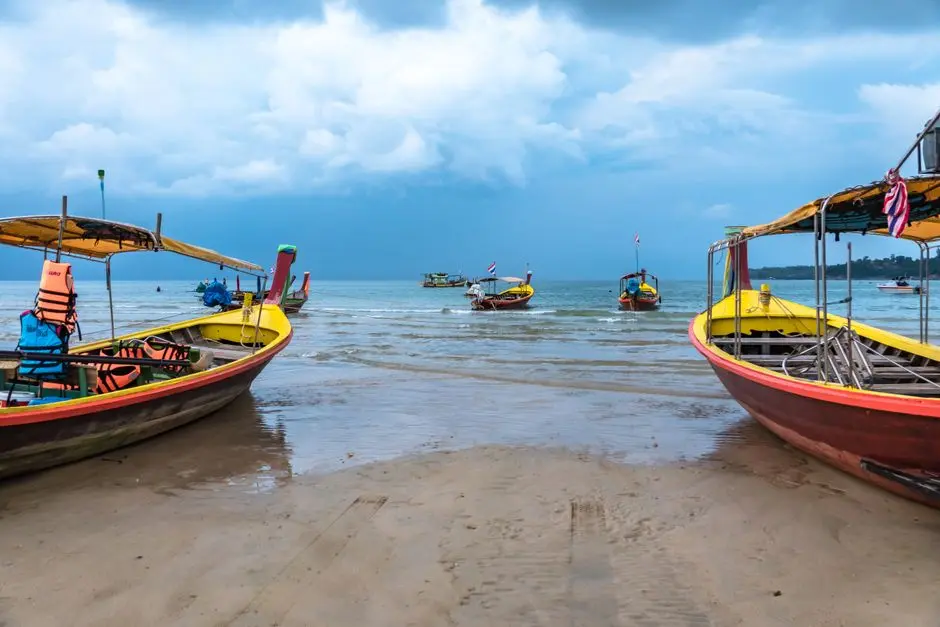
Eight kilometres from central Pattaya, Jomtien Beach has quietly become the infrastructure hub for competitive open water swimming in Thailand. The beach is long, relatively calm, and has now hosted both the SEA Games open water events (December 2025) and the annual Thailand Open Water Championships. For purely logistical reasons, it’s the most practical base for swimmers whose primary goal is racing rather than scenery.
The adjacent Ko Lan island, accessible by public ferry for around 30 THB ($0.86 USD) one way, adds a genuinely attractive wild swimming option to the area. Beaches on Ko Lan are calmer and cleaner than those in Pattaya proper, and the short ferry crossing itself offers a pleasant warm-up perspective before getting in the water.
Pattaya is straightforward to reach from Bangkok via direct bus or shared van, with 12GO handling advance bookings for around 180 to 250 THB ($5 to $7 USD). For airport group arrivals heading directly to a Pattaya race, Welcome Pickups offers pre-negotiated fixed-price transfers from Suvarnabhumi that remove the usual taxi negotiation stress entirely.

Need budget data in Thailand? Saily’s
eSIM plans start cheap and install
in a couple of minutes. Built by
the NordVPN team, security is solid.
Practical Tips for Open Water Swimmers in Thailand
A few practical realities will shape your experience on the water before you even look at a route map.
Water temperature: 27 to 30°C / 80 to 86°F across both coasts. Wetsuits are banned in all Oceanman events and unnecessary for recreational swimming. A rash vest is useful for sun protection on long training swims.
Marine life awareness: Box jellyfish appear seasonally, more commonly on the Andaman coast during the monsoon shoulder months. Carry a basic first aid kit and ask local boat operators about current conditions before entering the water independently.
Sunscreen: Use reef-safe formulas only. Many marine parks and protected areas around Koh Tao, Ang Thong, and Koh Lipe now prohibit chemical sunscreens. Mineral-based products are available at most island pharmacies at around 350 to 600 THB ($10 to $17 USD).
Connectivity: Activate an Airalo, Yesim, or Saily eSIM before departure. The major swim platforms, Grab, and banking apps all require an SMS verification code the moment you open them, and airport Wi-Fi is rarely fast enough to complete that registration loop in real time.
Insurance: Standard travel policies frequently exclude open water swimming and boat-based activities. Read your policy wording carefully and confirm that emergency medical evacuation is included. SafetyWing is worth serious consideration for longer stays, as it covers remote work scenarios and extended health situations that standard holiday insurance doesn’t touch.
Currency: Always carry physical THB. Entry fees, longtail hire, and beach-side food vendors rarely accept cards. The standard ATM fee is 220 THB ($6.30 USD) per withdrawal: choose “Continue Without Conversion” at the machine to let your home bank handle the exchange rate.


Maps, Grab, translation apps all need
data in Thailand. Yesim’s eSIM installs
in a minute and gives you reliable
5G from the moment you arrive.
Open Water Swimming for Digital Nomads and Long-Stay Visitors
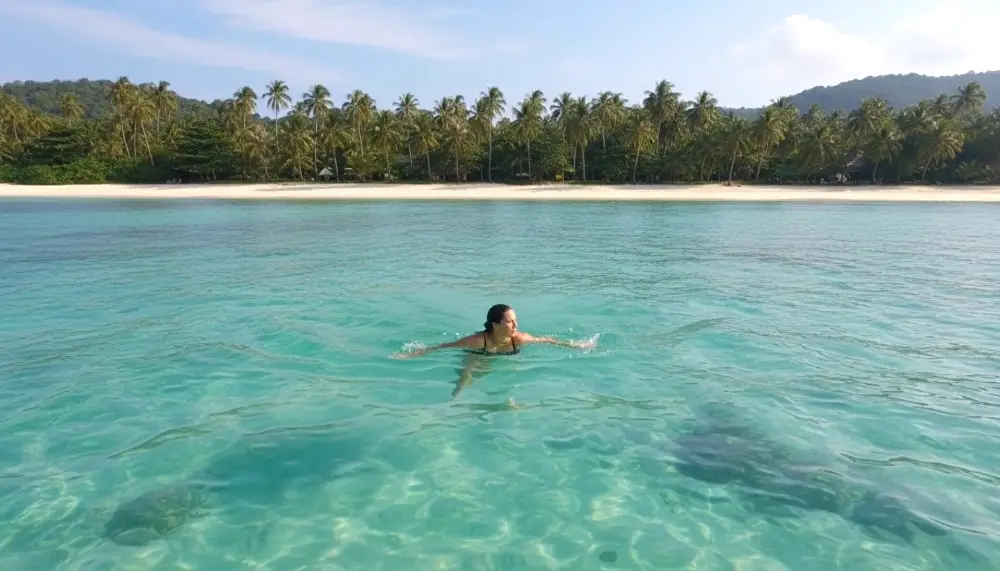
For those spending a month or more in Thailand, open water swimming fits naturally into island life in a way that pool-based training simply cannot replicate. Koh Tao, Koh Lanta, and the northern Koh Phangan coast around Chaloklum are the three strongest bases for swimmers who want to combine consistent training with a comfortable remote-work setup.
Koh Tao has the clearest training water and the most active swim community, though accommodation quality is more variable than on Samui. Agoda offers solid long-stay bungalow deals here, particularly in the May to September shoulder season when dive school bookings ease. Koh Lanta suits swimmers who prefer longer, uninterrupted coastal routes and a quieter daily pace. The west coast offers several kilometres of accessible beach swimming, and the 4G signal is strong enough for video calls from a beachfront cafe.
For nomads working while swimming: NordVPN running on all devices is strongly recommended whenever you’re using resort or cafe Wi-Fi. Island networks are shared, and the risk of unsecured connections to banking apps or client portals is real. SafetyWing’s Nomad Insurance completes the security layer for anyone swimming regularly in remote locations, covering medical scenarios that standard holiday policies exclude.
If you experience a significant flight delay arriving for a race event, AirHelp is the service to know. It handles compensation claims on your behalf for disrupted flights, including domestic Thai aviation routes, which is worth being aware of if your race entry is non-refundable.
Seasonal Guide: When to Swim Where
Getting the season right is as important as getting the route right. The Andaman Sea (Krabi, Phuket, Phi Phi, Koh Lanta) is at its flattest and clearest between November and April. The Oceanman Krabi event in March is timed perfectly inside this window, with the kind of surface conditions that make 10 km swims feel closer to five.
The Gulf of Thailand (Koh Tao, Koh Samui, Koh Phangan, Jomtien) runs a different seasonal clock. June to August offers excellent conditions for recreational and event swimming, and this window overlaps usefully with European summer holidays for those travelling with family. The national championships and Swimathon events run in November and December, catching the Gulf at a comfortable mid-season state.
One hard rule: always check the Thai Meteorological Department forecast before independent open water swims. Conditions can change quickly during shoulder months on both coasts, and the monsoon does not politely announce itself.
Frequently Asked Questions
What open water swimming events take place in Thailand in 2026?
The main events are Oceanman Krabi (March, Andaman Sea), Oceanman Pattaya (Jomtien Beach), the Thailand Open Water Swimming Championships (November, Jomtien Beach), and the Thailand Swimathon by TriFactor (December, Na Jomtien). The Swimathon is the most accessible for beginners, with distances from 100 m. Oceanman events suit experienced swimmers, with the flagship distance being 10 km.
How much does it cost to enter an open water swim event in Thailand?
Entry fees vary by event and distance. The Thailand Swimathon starts at around 700 THB ($20 USD) for shorter distances. Oceanman events range from approximately 1,400 THB ($40 USD) for entry-level distances up to 3,500 THB ($100 USD) for the 10 km. All Oceanman entries include a timing chip, race cap, T-shirt, finisher medal, and accident insurance.
Is open water swimming safe in Thailand?
Generally yes, particularly at organised events which provide safety kayakers, medical assistance, and marked courses. For independent wild swimming, check conditions with local boat operators first, be aware of seasonal jellyfish, always swim with a companion or flag if possible, and keep a charged, data-enabled phone accessible. The main islands have reliable 4G coverage for emergency use.
Are wetsuits allowed at Thai open water events?
No. Wetsuits are not permitted at any Oceanman event in Thailand. Water temperatures between 27 and 30°C / 80 and 86°F make them unnecessary from a thermal standpoint. A rash vest or short-sleeve swimskin is the typical choice for sun protection on longer distances.
Where is the best place in Thailand for wild open water swimming training?
Koh Tao is the most consistent choice for clarity, routes, and swim community. Ang Thong Marine Park (accessed via Koh Samui or Koh Phangan) is extraordinary for guided swimming. On the Andaman side, Railay Beach and the Krabi archipelago offer spectacular routes between November and April. Koh Lanta suits those who prefer longer uninterrupted coastal training stretches.
What is the best time of year to swim in open water in Thailand?
November to April is optimal on the Andaman coast (Krabi, Phuket, Phi Phi). The Gulf side (Koh Tao, Koh Samui, Jomtien) swims well from January to August, with June to August being especially good value outside peak European holiday weeks. December is a solid all-round month when both coasts can be swimmable with correct timing.
Do I need special travel insurance for open water swimming in Thailand?
Yes. Standard travel policies frequently exclude open water swimming, speedboat transfers, and boat-based activities. Read the policy wording for exclusions around water activities and confirm emergency medical evacuation is included. For longer stays, SafetyWing offers nomad-specific cover that handles extended health scenarios standard holiday policies omit.
How do I get to Jomtien Beach from Bangkok for a swimming event?
Book a bus or shared van through 12GO for around 180 to 250 THB ($5 to $7 USD) per person from Bangkok’s Eastern Bus Terminal. Journey time is roughly 2 hours. For group arrivals from Suvarnabhumi Airport, Welcome Pickups offers fixed-price transfers that remove the taxi negotiation process entirely and are especially useful for families or teams travelling with kit bags.
Can families with children take part in open water swimming events in Thailand?
Yes. The Thailand Swimathon by TriFactor includes the AMAZINGKIDS SWIM SERIES for ages 6 to 17, with distances from 100 to 1,200 metres. It’s one of the only open water events in Southeast Asia with a structured junior programme running alongside the adult races, making it a genuinely appealing family race weekend rather than just a spectator outing.
What connectivity do I need for open water swimming travel in Thailand?
Activate an eSIM from Airalo, Yesim, or Saily before departure. Registration platforms for events, Grab, and banking apps all require SMS verification codes immediately on first use, and airport Wi-Fi is rarely fast or reliable enough to complete this process on arrival. On the main islands, 4G coverage from AIS or True Move is strong. More remote locations like Koh Lipe have weaker signals, so download offline maps before leaving the mainland.