Thailand’s Train Network for Adventure Travellers: Routes, Passes & Sleeper Tips
This site contains affiliate links. We may earn a commission at no extra cost to you.
Thailand’s airports are efficient, its domestic flights are cheap, and yet a growing number of travellers are actively choosing to slow down and take the train. Not because it’s faster or cheaper in every case, but because it’s better. A sleeper berth on the overnight run from Bangkok to Chiang Mai is not just transport. It’s a full evening of countryside views, a proper bed, and a dawn arrival with money still in your wallet and a story worth telling.
The State Railway of Thailand (SRT) operates a network covering 47 provinces and roughly 4,845 kilometres of track. It is not a high-speed system. Punctuality can be variable. But for adventure travellers who want to move through Thailand rather than over it, the train network delivers experiences that no budget airline ever will. This guide covers every major route, the honest reality of each travel class, the rail pass situation, and the sleeper tips that make the difference between a great night and a difficult one.
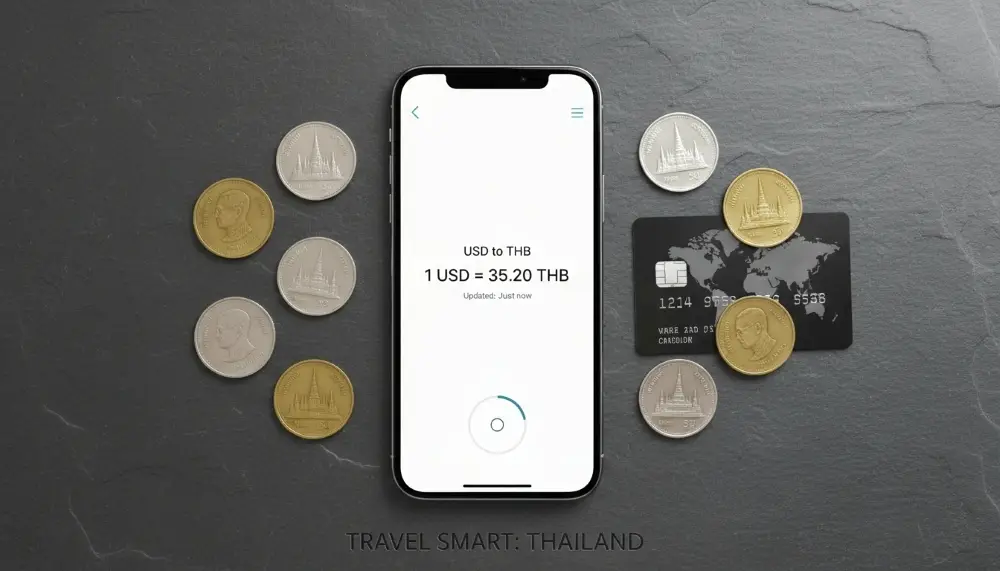
All costs are in Thai Baht (THB) and US Dollars (USD), calculated at 1 USD = 35 THB.
Krung Thep Aphiwat: Your Starting Point
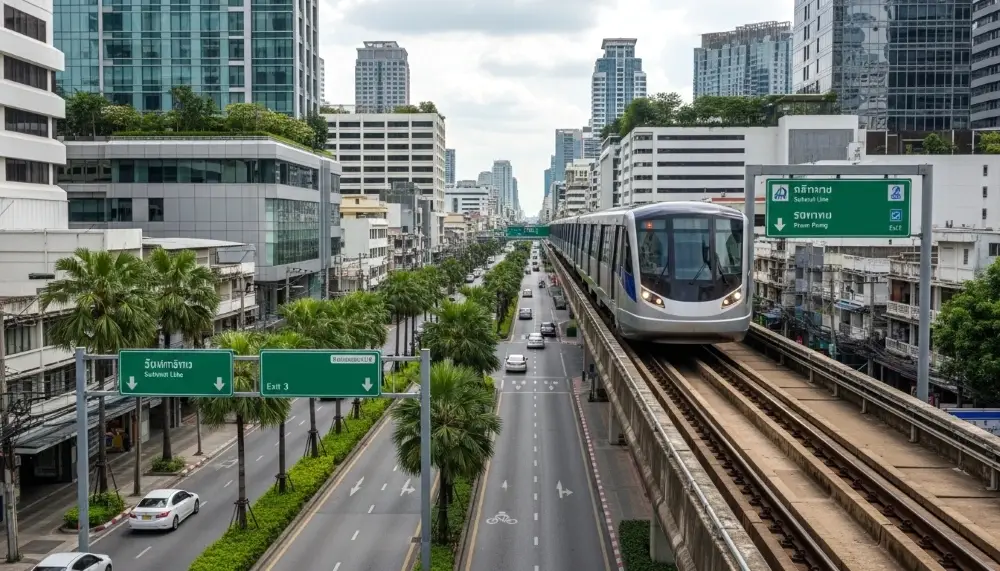
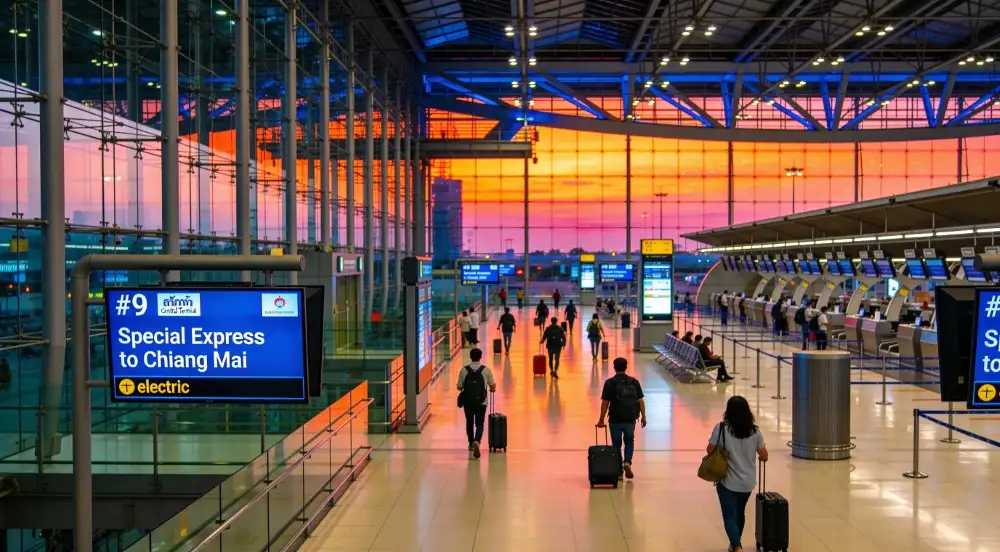
All long-distance trains in Thailand now depart from Krung Thep Aphiwat Central Terminal (KTW), which opened in January 2023 and replaced the much-loved but ageing Hualamphong station for major routes. The new terminal is enormous, modern, and considerably easier to navigate than its predecessor. It sits in Bang Sue in northern Bangkok, connected directly to the MRT Blue Line for quick access from most central accommodation.
Before you do anything else at KTW, get your eSIM sorted. Grab requires SMS verification the moment you open it, and the terminal’s free Wi-Fi is unreliable for completing app registrations. Activate an Airalo, Yesim, or Saily eSIM plan before you fly into Thailand so your phone is fully functional from baggage claim onward. Once you’re connected, use Grab to reach the terminal from your hotel at a fixed app rate, avoiding the over-charging that can hit walk-in taxi ranks outside major Bangkok accommodation hubs.
Hualamphong remains open for some suburban and short-distance services, so check your e-ticket carefully for the correct departure station before travelling. The SRT hotline (1690) has English-speaking operators available 24 hours if you need to confirm.

12Go takes the guesswork out of
Thailand transport. Check real-time
availability and book in your own
language and currency in minutes.
The Five Main Lines and What They Offer
The Northern Line: Bangkok to Chiang Mai
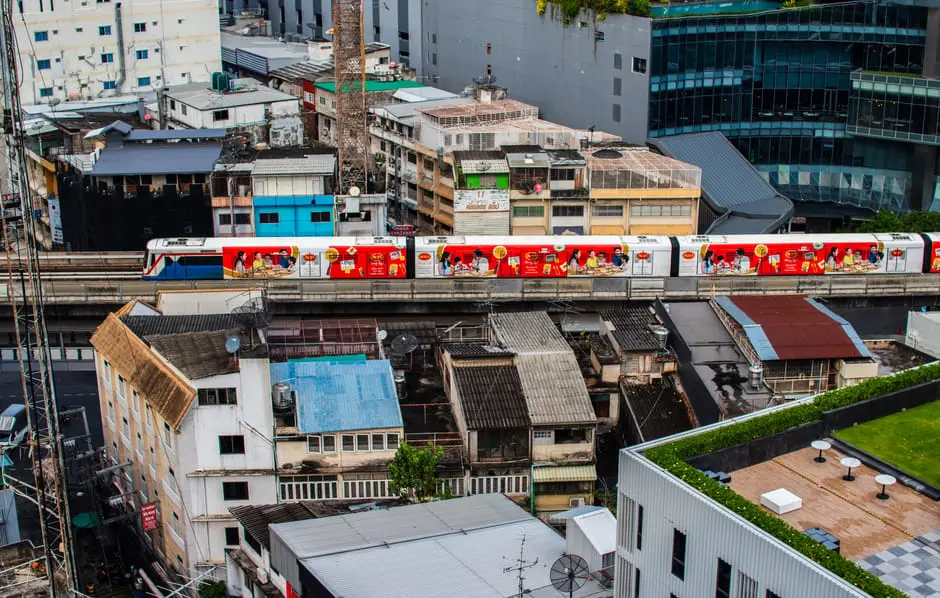
This is the crown jewel of Thai rail travel and the route most adventure travellers plan their entire itinerary around. The 643 km journey from Bangkok to Chiang Mai takes between 10 and 13 hours depending on train number, passing through Ayutthaya, Lopburi, Phitsanulok (the jumping-off point for Sukhothai), and Lampang before the final descent into Chiang Mai.
Phitsanulok is worth a stop in its own right for those with flexible itineraries. Local songthaew connections to Sukhothai Historical Park take around an hour and cost 40 to 60 THB ($1.14 to $1.71 USD), making an overnight stopover here a cost-effective way to add a UNESCO World Heritage detour without a dedicated side trip from Chiang Mai.
The scenery on the Northern Line builds dramatically in the final three hours: rice paddies give way to forested foothills and the track winds through increasingly elevated terrain as it approaches Chiang Mai. On the overnight service, this arrival sequence plays out at dawn, which is arguably the best possible way to first see the north.
The Southern Line: Bangkok to the Islands and Malaysia
The Southern Line is the practical workhorse for island hoppers, running from Bangkok through Hua Hin, Chumphon, Surat Thani, and Hat Yai before reaching the Malaysian border at Sungai Kolok. The key island connections sit along this line: Chumphon provides the ferry link to Koh Tao, while Surat Thani connects to both Koh Samui and Koh Phangan via bus-and-ferry combinations.
For the full Bangkok to Singapore journey, the Southern Line forms the Thai leg of a 48-hour overland adventure costing around 2,800 THB ($80 USD) in total from Bangkok to Singapore including Malaysian connections. It is one of the great overland routes in Southeast Asia and completely underutilised by travellers who default to flights.
Hua Hin station, roughly three hours south of Bangkok, is widely described as the prettiest railway station in Thailand, with its royal waiting room and Victorian-influenced architecture. It’s worth the 2 to 3 minute detour even on a through journey just to stand on the platform. Trang, further south, is an underrated stop for independent travellers heading to the southern Andaman islands of Koh Lanta, Koh Lipe, and Koh Muk via onward transport connections. Book the combined train-and-ferry arrangements through 12GO to lock in tickets and avoid the sold-out situations that hit popular southern routes over Thai public holidays.

The Northeastern Line: Bangkok to Laos

The Northeastern Line divides into two branches north of Bangkok. One branch runs to Nong Khai via Khon Kaen and Udon Thani (the Laos border crossing point), while the other reaches Ubon Ratchathani via Nakhon Ratchasima (Korat), Pak Chong (gateway to Khao Yai National Park), and Surin.
For adventure travellers, Pak Chong is the standout stop. Khao Yai, Thailand’s oldest national park and a UNESCO World Heritage site, sits 25 km from the station, reachable by local songthaew for around 100 THB ($2.86 USD). The park is home to wild elephants, hornbills, gibbons, and some of the best wildlife viewing in mainland Southeast Asia, all accessible without the need to fly anywhere. Book a Khao Yai day tour through Get Your Guide if you want guided wildlife drives with an experienced naturalist, typically priced between 1,400 and 2,800 THB ($40 to $80 USD) including transfers from Pak Chong.
The Nong Khai route continues to be the most used international rail connection for travellers heading to Vientiane, Laos, with a cross-border train service running across the Thai-Lao Friendship Bridge. Check current status at the time of booking, as border formalities on this route have seen periodic adjustments.
The Death Railway: Kanchanaburi to Nam Tok
Few rail journeys in the world carry the historical weight of the Death Railway, the route built under catastrophic conditions during the Second World War and immortalised by the Bridge on the River Kwai. The surviving section runs from Kanchanaburi to Nam Tok along the Kwai Noi river valley, and a ride on it remains one of the most historically significant travel experiences in the whole region.
The regular train fare from Bangkok (Hualamphong) to Kanchanaburi costs just 100 THB ($2.86 USD), making this one of the cheapest historically significant journeys in Southeast Asia. A special tourist railcar runs at weekends, departing Bangkok at 06:30, reaching Kanchanaburi at 09:25 and Nam Tok by 11:30, with a return from Nam Tok at 14:40. Special fares apply and advance reservation is required; book through 12GO or the SRT website to secure a place.
The section between Kanchanaburi and Nam Tok crosses a series of wooden viaducts built over sheer cliff faces above the river, offering genuinely dramatic views. Allow at least two nights in Kanchanaburi to visit the JEATH War Museum, the Allied War Cemetery, and the bridge itself before or after the Nam Tok run.

No taxi haggling at Thailand airport.
Welcome Pickups dispatch a vetted
local driver who knows the city,
fare confirmed before you fly.
Train Classes: What You Actually Get
The SRT operates three classes with significant differences in comfort, price, and atmosphere. Understanding the hierarchy before booking saves confusion and disappointment.
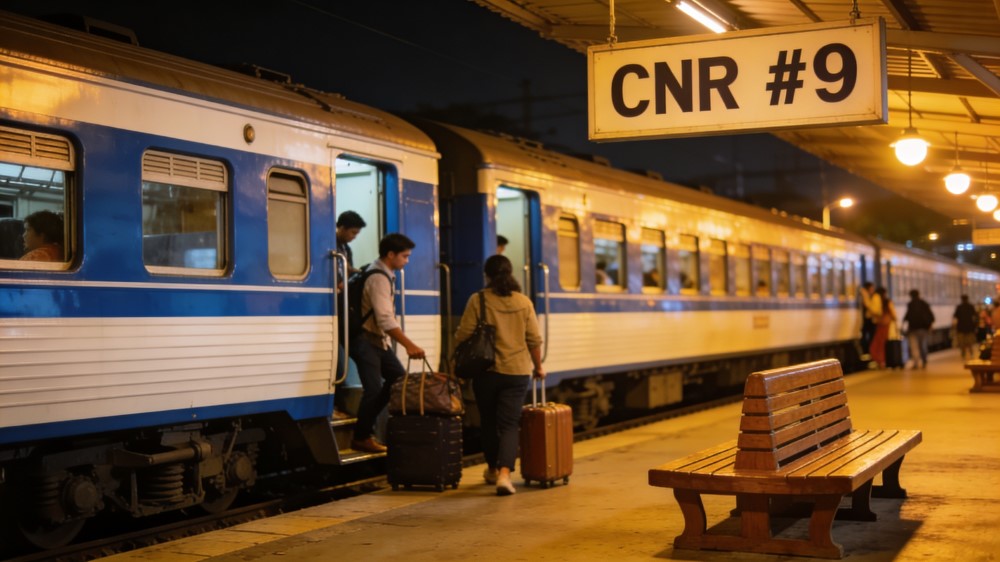
First Class is the private cabin option: nine lockable two-berth compartments per carriage, air-conditioned, with a washbasin inside the cabin. The lower berth on the Bangkok to Chiang Mai route costs 1,646 THB ($47 USD) and the upper berth 1,446 THB ($41 USD). A sole occupancy cabin (booking both berths) costs 2,446 THB ($70 USD). You’re effectively saving a night’s hotel cost while crossing the country, which makes the maths compelling for couples and solo travellers who value privacy. The newer CNR-built carriages on Train 9 are notably smoother and better appointed than older rolling stock.
Second Class Sleeper is the definitive adventure traveller sweet spot. Open-plan air-conditioned carriages with heavy curtained berths convert from daytime seats into flat beds. The lower berth (wider, with a window) costs approximately 938 to 1,038 THB ($27 to $30 USD) on the Bangkok to Chiang Mai run. Upper berths cost slightly less but put you directly under fluorescent aisle lights that stay on overnight for safety reasons. Bring a sleep mask if you end up on top. A dedicated Women and Children Only carriage is available on major routes for solo female travellers.
Third Class is seats only, fan-cooled on most trains, with no reservation system on many services. Comfortable enough for short journeys of two to three hours but genuinely difficult for anything overnight. Skip it for the Bangkok to Chiang Mai or Bangkok to Surat Thani runs.

GetYourGuide has Thailand’s best
tours and experiences covered with
verified operators and instant
mobile vouchers on arrival.
Route and Price Comparison
| Route | Duration | 2nd Class Sleeper | 1st Class Sleeper | Key Stops |
|---|---|---|---|---|
| Bangkok to Chiang Mai | 10 – 13 hrs | 938 – 1,038 THB ($27 – $30) | 1,446 – 2,446 THB ($41 – $70) | Ayutthaya, Phitsanulok, Lampang |
| Bangkok to Surat Thani | 9 – 11 hrs | 700 – 900 THB ($20 – $26) | 1,200 – 1,800 THB ($34 – $51) | Hua Hin, Chumphon (Koh Tao ferry) |
| Bangkok to Hat Yai | 14 – 16 hrs | 800 – 1,000 THB ($23 – $29) | 1,500 – 2,200 THB ($43 – $63) | Hua Hin, Surat Thani, Trang |
| Bangkok to Nong Khai | 10 – 12 hrs | 700 – 850 THB ($20 – $24) | 1,300 – 1,800 THB ($37 – $51) | Pak Chong (Khao Yai), Khon Kaen |
| Bangkok to Kanchanaburi | 2.5 – 3 hrs | 100 THB ($2.86) (3rd class) | N/A | Death Railway, River Kwai Bridge |
The Thai Rail Pass: Is It Worth It?
The SRT sells two rail passes for non-residents of Thailand, both valid for unlimited travel over 20 consecutive days. The Red Pass covers second class sleeper services (air-conditioned or fan) and costs 3,000 THB ($86 USD). The Blue Pass covers third class seating only and costs 1,500 THB ($43 USD). Both passes must be purchased in Thailand at Hualamphong station (counter number 1) or authorised travel agents, with your passport required at the time of purchase.
The honest maths: you need to average around 110 km per day to break even on either pass compared to buying individual tickets. For a 20-day itinerary that genuinely weaves between Bangkok, Chiang Mai, the northeast, and the south by rail, the Red Pass represents excellent value. For anyone planning fewer than four or five major train journeys, individual tickets via 12GO will almost always work out cheaper and give you the flexibility of confirmed seat reservations rather than the standby-style system the pass uses for berths.
One important pass limitation: you still need to visit a ticket counter to confirm and reserve your actual berth on overnight trains even when holding a pass. The pass covers the base fare; supplements for specific trains (Express, Special Express) are payable on top. Build this step into your planning, especially around Thai public holidays when popular sleeper berths disappear days in advance.


Stay closer to the action in Thailand.
Agoda lists guesthouses to resorts
with verified reviews and instant
booking at competitive rates.
Sleeper Train Tips That Actually Matter

The overnight train experience lives or dies on a handful of details that guidebooks rarely spell out clearly enough.
Book the lower berth first. Lower berths are wider, cooler, and positioned at window level for both the evening countryside views and the dawn arrival sequence. They cost marginally more but are worth every baht. On the CNR-built Train 9, lower berths sell out 60 to 90 days in advance during peak season. Use 12GO’s online platform to grab them the moment the booking window opens rather than waiting until closer to your departure date.
Pack for the berth specifically. Slip-on shoes save fumbling trips to the bathroom at 3:00 AM. A travel towel matters: bathrooms on most carriages have soap but no towels (first class being the exception, which also offers showers). A sleep mask is essential if you end up in an upper berth due to aisle lighting. The new CNR carriages on Train 9 include a shower on first class.
Alcohol on board. The SRT has officially banned alcohol sales at stations and in restaurant cars since 2014. Most reports suggest that passengers who keep drinks out of sight in their own bag face no issues in the privacy of their berth, but be discreet and confirm current enforcement status before boarding.
Connectivity: Signal quality on overnight routes is reasonable between major stations but patchy through mountainous sections of the Northern Line. Download offline maps and any tickets or booking confirmations before boarding. NordVPN running on your device is worth keeping active when using station Wi-Fi at intermediate stops for any booking or banking activity during long waits.
E-tickets are now standard. Paper tickets are no longer required. The SRT accepts digital e-tickets displayed on your phone screen. Book through 12GO or the official SRT website for an email PDF that the conductor accepts on board.

Book Thailand day trips, attractions,
and activities in one place. Check
real reviews and lock in your spot
before the popular slots go.
Combining Trains with Island Hopping
One of the smartest ways to build a Thailand itinerary is to combine the overnight train south with the island-hopping circuit in a single seamless journey. The Southern Line makes this remarkably simple. Take the overnight train from Bangkok to Chumphon (approximately 650 THB / $18.57 USD in second class sleeper), and a connecting ferry to Koh Tao departs within a couple of hours of the early morning arrival. From there, work up through Koh Phangan to Koh Samui on the Lomprayah catamaran, then fly or bus back north as needed.
The Bangkok to Surat Thani overnight run opens up connections to both Koh Samui and Koh Phangan directly, with bus-and-ferry combos from Surat Thani Phunphin station costing an additional 200 to 350 THB ($5.71 to $10 USD). Train 85 and Train 167 on the Southern Line are specifically timed to arrive at Chumphon and Surat Thani around dawn, which aligns with early ferry departure windows. Book these specific train numbers through 12GO to guarantee the connections rather than leaving the timing to chance.
For groups arriving at Bangkok’s Suvarnabhumi Airport heading directly toward the southern islands and a long rail journey south, Welcome Pickups offers fixed-price airport transfers that take the negotiation stress out of the arrival process entirely, particularly useful when you’re managing luggage and ferry connections in the same 24 hours.
Practical Essentials Before You Board

A handful of practical considerations improve the rail experience significantly for first-time and repeat travellers alike.
Book early. The SRT releases tickets up to 90 days in advance. First class compartments on the popular Train 9 to Chiang Mai sell out within hours of the booking window opening. Second class lower berths follow within days. Use 12GO for the cleanest online booking interface; they charge a small service fee (usually 100 to 200 THB / $2.86 to $5.71 USD) but their platform is significantly more reliable than the official SRT website during high-traffic booking periods.
Children’s fares: Children under 100 cm travel free without a separate seat. Children between 100 cm and 150 cm (broadly aged 4 to 11) travel at half fare. This makes the overnight sleeper exceptionally cost-effective for families, particularly when combined with the money saved on a hotel night during the crossing.
Currency: Always carry physical THB. Ticket counters at smaller intermediate stations rarely accept cards. The standard ATM withdrawal fee is 220 THB ($6.29 USD): choose “Continue Without Conversion” to let your home bank handle the exchange rate and avoid double charges.
Insurance: Standard travel insurance covers train travel, but if you’re combining rail with adventure activities, diving, or boat-based island hopping, check your policy covers all components. SafetyWing’s Nomad Insurance is the practical choice for longer itineraries, covering healthcare across Thailand at a fraction of standard expat medical plan costs and handling scenarios that holiday policies routinely exclude.
Flight delays on arrival: If you’re cutting travel times tight around an overnight train departure, a significant flight delay can cascade into missed connections. AirHelp handles compensation claims for disrupted routes on your behalf, including domestic Thai aviation services, which is worth knowing about before the situation arises rather than after.

Skip the airport SIM queue in Thailand.
Yesim’s eSIM activates before takeoff
so you’re online the second your
plane touches the tarmac.
Frequently Asked Questions
Where do long-distance trains depart from in Bangkok?
All major long-distance trains now depart from Krung Thep Aphiwat Central Terminal (KTW) in Bang Sue, northern Bangkok, connected directly to the MRT Blue Line. The historic Hualamphong station remains open for some suburban services. Always check your e-ticket for the correct departure point before travelling.
How much does the Bangkok to Chiang Mai overnight train cost?
A second class air-conditioned sleeper berth costs between 938 and 1,038 THB ($27 to $30 USD) depending on upper or lower position. A private first class cabin runs from 1,446 THB ($41 USD) for a single upper berth to 2,446 THB ($70 USD) for sole use of a two-berth compartment. The lower berth in second class is the best-value option for most travellers.
What is the Thai Rail Pass and is it worth buying?
The SRT offers two 20-day unlimited travel passes for non-residents only. The Red Pass (second class sleeper) costs 3,000 THB ($86 USD) and the Blue Pass (third class seating) costs 1,500 THB ($43 USD). It pays off for travellers averaging around 110 km per day on trains. For anyone making fewer than four or five long journeys, individual tickets through 12GO will usually be cheaper.
How do I book Thai train tickets online?
Use 12GO Asia or the official SRT website (railway.co.th). Both issue e-tickets by email that conductors accept on your smartphone. The booking window opens 90 days before departure. 12GO charges a small service fee but offers a significantly more user-friendly interface than the official portal, particularly during high-demand periods.
What is the difference between the CNR trains and standard trains on the Bangkok to Chiang Mai route?
The newer CNR-built carriages (notably Train 9) offer smoother suspension, modern toilets, and better air conditioning than older rolling stock. First class on CNR trains includes showers. If comfort matters, specifically book Train 9 rather than older express services on this route. 12GO shows carriage type at the booking stage.
Can I take the train to reach the Thai islands?
Yes, via combinations with ferries and buses. The Southern Line serves Chumphon (ferry to Koh Tao), Surat Thani (ferries to Koh Samui and Koh Phangan), and Trang (connections to Koh Lanta and Koh Lipe). Trains 85 and 167 are timed for dawn arrivals that connect with early morning ferry departures. Book train-and-ferry combos through 12GO for confirmed connections.
Is the overnight sleeper train safe for solo female travellers?
Yes. SRT operates dedicated Women and Children Only carriages on eight major overnight routes including Bangkok to Chiang Mai and Bangkok to Nong Khai. Staff presence is consistent overnight on sleeper services, and the newer CNR trains include CCTV throughout. Second class lower berths with drawn curtains provide solid privacy.
What does the Death Railway journey involve and how do I visit?
The Death Railway runs from Kanchanaburi to Nam Tok through historically significant river valley terrain built during World War Two. The base fare from Bangkok to Kanchanaburi is just 100 THB ($2.86 USD). A special weekend tourist railcar runs with advance reservation required. Allow at least two nights in Kanchanaburi to visit the Allied War Cemetery, the JEATH Museum, and the bridge before or after the train ride.
How far in advance should I book sleeper train tickets?
Book as early as possible: the SRT opens the 90-day window and popular routes fill quickly. First class on Train 9 to Chiang Mai typically sells out within hours of opening. Second class lower berths follow within days during peak season (November to February and Thai public holidays). Booking 60 to 90 days ahead is strongly recommended for these routes.
What should I pack specifically for an overnight Thai train journey?
Slip-on shoes (for bathroom trips in the dark), a sleep mask (essential for upper berths due to aisle lighting), a small travel towel (first class has showers; other classes provide soap only), and a light layer for air-conditioned carriages, which can run cold overnight. Download offline maps and e-tickets before boarding as connectivity through mountain sections of the Northern Line can be unreliable.