LGBTQ+ Adventure Travel in Thailand: Where You’ll Feel Welcomed & Safe
This site contains affiliate links. We may earn a commission at no extra cost to you.
On 23 January 2025, Thailand made history by becoming the first country in Southeast Asia to legalise same-sex marriage. The Marriage Equality Act came into force with hundreds of couples registering in a single day, with mass wedding ceremonies held across Bangkok and beyond. It was a formal acknowledgement of something that anyone who has spent meaningful time in Thailand already knew: this is a country where LGBTQ+ people are not merely tolerated but genuinely woven into the cultural fabric.
For LGBTQ+ adventure travellers, Thailand in 2026 offers a combination that very few destinations on earth can match. World-class scenery. A sophisticated and long-established queer scene in its cities. A Buddhist cultural framework that tends toward non-judgement. Extraordinary natural adventure from island-hopping to mountain trekking. And now, for same-sex couples, the same full legal recognition that heterosexual visitors have always taken for granted.
This guide covers the legal reality, the practical safety picture, the best destinations for LGBTQ+ travellers, the adventure opportunities that make Thailand worth the journey, and the logistics that make the whole experience run smoothly. All costs are in Thai Baht (THB) and US Dollars (USD), calculated at 1 USD = 35 THB.
The Legal Landscape in 2026: What Has Actually Changed
Thailand’s Marriage Equality Act, which took effect on 23 January 2025 after receiving royal assent in 2024, amended the Civil and Commercial Code to use gender-neutral language throughout, replacing gendered terms with “individual.” This was not a symbolic gesture. The law grants same-sex married couples the same full legal rights as heterosexual couples across medical care, property ownership, inheritance, taxation, and adoption.
For travelling couples, this carries meaningful practical weight. In a medical emergency, a same-sex spouse now has the same legal right to make healthcare decisions as any other married partner. Shared property acquired during a trip or a longer stay carries the same protections. A same-sex couple celebrating a destination wedding in Thailand does so with full legal recognition, not as a symbolic ceremony.
Homosexuality has never been criminalised in Thailand, making it one of a small number of Asian countries where this has always been the case. Anti-discrimination protections have been in place since 2015. Thailand also has some of the strongest cultural acceptance of transgender identity in Asia, with kathoey (a traditional Thai gender identity) visible and respected across Thai society for generations. The legal framework has now caught up with a cultural reality that was always ahead of it.
One honest note: as with any country, the gap between urban and rural experience is real. Bangkok, Phuket, Pattaya, Chiang Mai, and the major resort islands are genuinely and visibly open. More rural and provincial areas are less familiar with openly LGBTQ+ visitors and more conservative in general. The same-sex public displays of affection that would be unremarkable on Silom Soi 4 would draw attention in a small northern village. Thai social norms around PDA are conservative for everyone, regardless of orientation: reading and matching the local register is simply good cultural practice rather than a restriction.
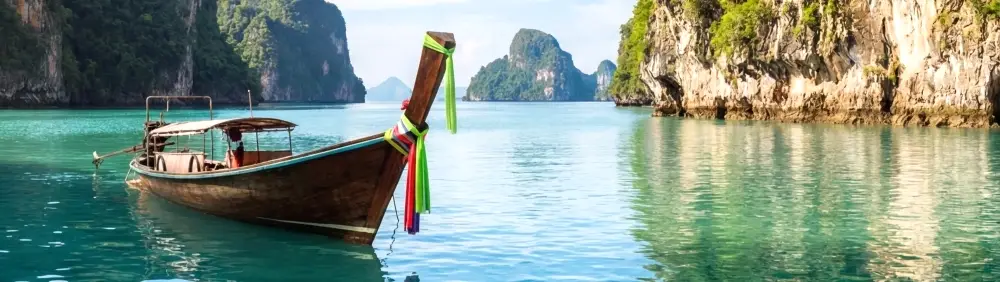

Compare tours and tickets for Thailand
and book instantly on your phone.
Klook mobile vouchers mean no
printing, just turn up and go.
Bangkok: Asia’s Most Established Gay Scene
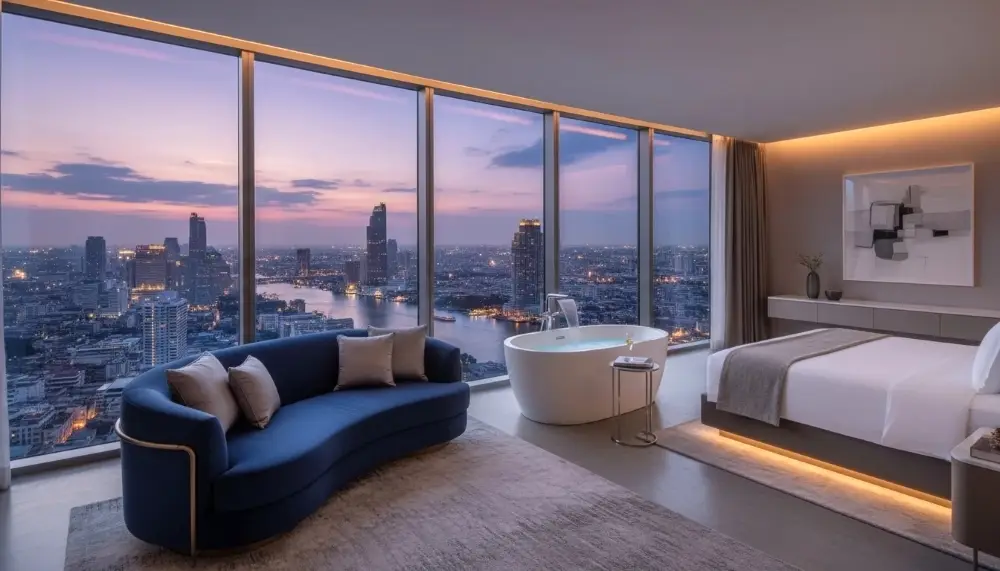
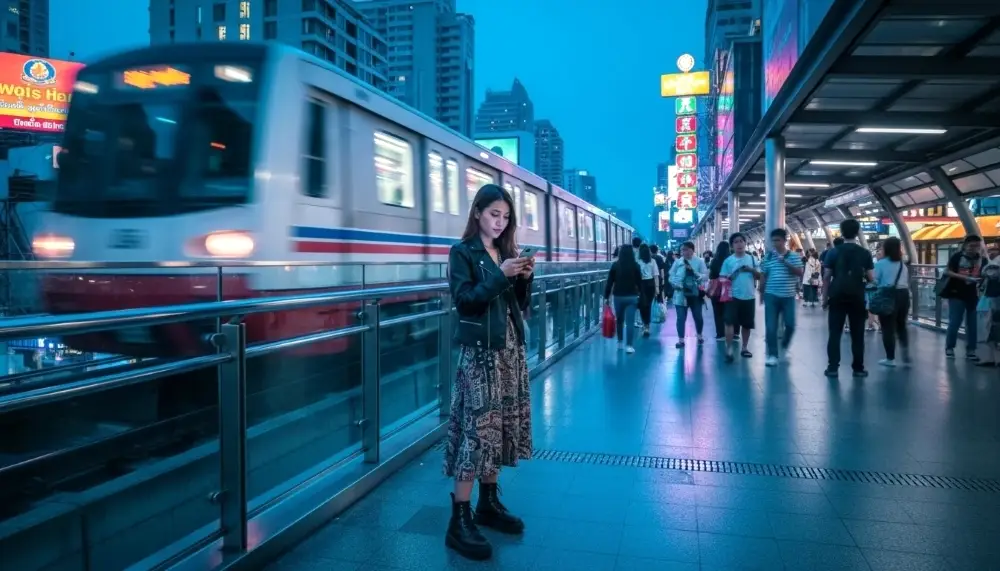
Bangkok’s LGBTQ+ scene is anchored in the Silom district, specifically Soi 2 and Soi 4, which have been among the most established gay streets in Asia for over two decades. The layout is pleasingly navigable: Soi 2 is the high-energy dance bar end, with multi-level clubs including DJ Station (a Bangkok institution that has operated for over 20 years and consistently draws international crowds), while Soi 4 runs more chill-out and socialising venues with a mix of long-standing bars, newer additions, and live music nights several evenings a week.
The scene has no attitude and the welcome is consistent across visitor demographics. Bars on the sois cater to gay men, couples, and mixed LGBTQ+ crowds. Thailand has over 50 verified gay bars and clubs listed on platforms like misterb&b, with the density concentrated in Silom and substantial additional offerings in Phuket and Chiang Mai. The lesbian (Tom-Dee) scene in Bangkok is less visible in the Silom area but present in different parts of the city, particularly around the university areas and Sukhumvit.
Beyond nightlife, Bangkok is an exceptional city for LGBTQ+ travellers precisely because the adventure and cultural offer is world-class entirely independently of the queer scene. The Grand Palace and Wat Phra Kaew, Chatuchak Weekend Market, the Chao Phraya riverside, rooftop bars with Bangkok’s skyline at dusk, day trips to the ancient temples of Ayutthaya: none of this requires the queer scene to validate the trip. Having both available in the same city is what makes Bangkok genuinely exceptional rather than merely gay-friendly.
For accommodation, Agoda‘s Bangkok listings include a strong selection of boutique hotels within easy distance of Silom that are well-reviewed by LGBTQ+ guests, typically priced between 1,750 and 4,200 THB ($50 to $120 USD) per night for mid-range to boutique options. Book your first two nights before arrival to remove the airport-to-accommodation stress on day one.

Skip-the-line tickets and guided walks
in Thailand with English-speaking
guides. Read real traveller reviews
before committing to a single one.
Phuket: Beach Culture, Big Pride, and the Paradise Complex
Phuket draws LGBTQ+ visitors from Europe, Australia, and the Americas who make the trip specifically for its combination of beautiful beaches and an openly gay resort atmosphere. The gay scene in Phuket centres on Patong Beach’s Paradise Complex, a cluster of bars, cabarets, and venues in a pedestrianised area that comes alive after dark. It is concentrated, walkable, and genuinely welcoming to the full spectrum of LGBTQ+ visitors rather than catering exclusively to one demographic.
Songkran in April is one of the biggest queer party windows in Asia. Bangkok and Phuket host major LGBTQ+ events around the Buddhist New Year, with outdoor parties, drag performances, and the legendary water-fight street celebrations that turn the entire city into a joyful outdoor event for several days. If you’re visiting for the energy of a festival rather than the quieter island experience, timing around Songkran delivers something memorable. Book accommodation three to four months ahead for this period through Agoda or Booking.com, as both Phuket and Bangkok properties fill up well in advance.
For adventure beyond the nightlife, Phuket is the gateway to some of the most spectacular marine environments in Southeast Asia. Day tours departing from Phuket into Phang Nga Bay, the Similan Islands, and the Phi Phi archipelago are bookable through Klook and Get Your Guide, with verified operators and 24-hour cancellation cover. A Phang Nga Bay kayaking tour exploring sea caves and mangrove channels typically runs 1,400 to 2,100 THB ($40 to $60 USD) per person. A Similan Islands liveaboard diving trip for certified divers costs approximately 8,750 to 17,500 THB ($250 to $500 USD) for a two-day trip.
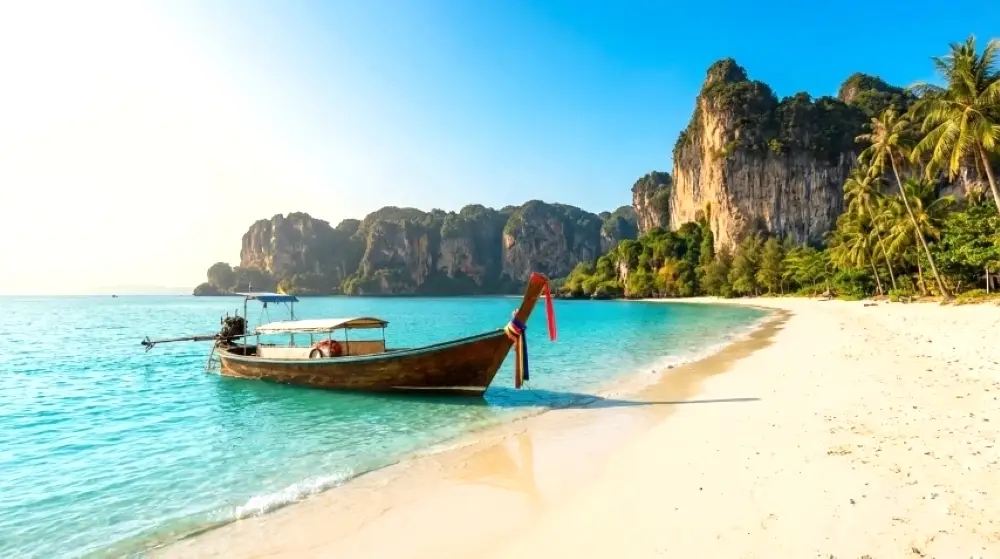
Chiang Mai: The North’s Intimate and Welcoming Scene
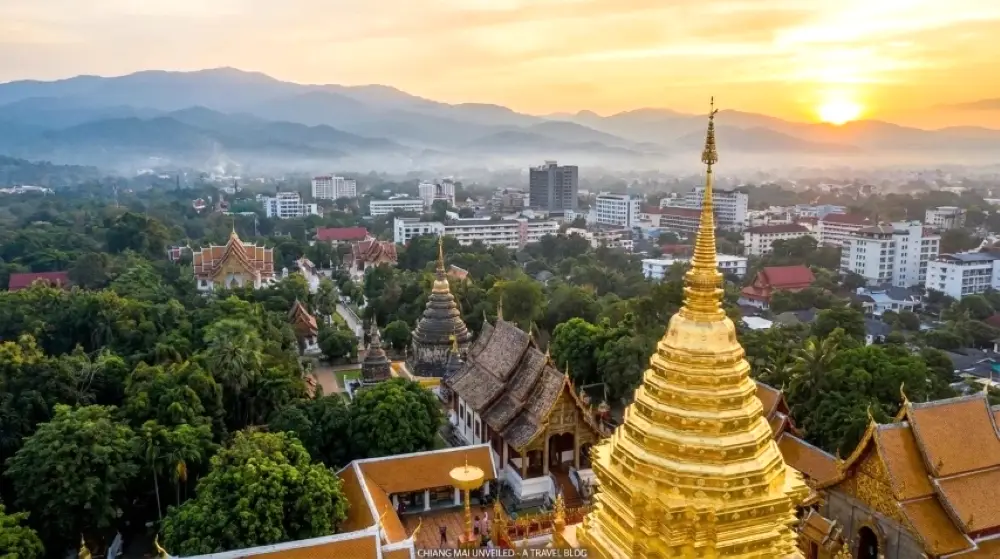
Chiang Mai’s LGBTQ+ scene is smaller and more intimate than Bangkok’s, but the welcome is just as genuine and the overall experience for queer travellers is consistently positive. The Old City area and the Nimman Road neighbourhood both contain gay-friendly bars and cafes that serve a mixed local and international crowd. The scene is less concentrated geographically than Silom, which means integrating with the broader city life rather than a defined gayborhood, a dynamic that many LGBTQ+ travellers actually prefer for the authenticity it creates.
Chiang Mai is where the adventure offer for LGBTQ+ travellers is arguably at its richest in Thailand. The elephant sanctuaries in the hills outside the city are one of the most meaningful experiences available to any visitor, with ethical, no-riding sanctuaries offering full-day programmes that include walking alongside rescued elephants through forest terrain. A full-day ethical elephant sanctuary visit through Get Your Guide runs 2,800 to 4,200 THB ($80 to $120 USD) including transport, lunch, and a mahout experience.
Thai cooking classes in Chiang Mai are another highlight. A morning session with a market visit and four to six dishes typically costs 1,200 to 1,800 THB ($34 to $51 USD) through Klook. Beyond both, the city serves as the base for half-day and full-day jungle treks into hill tribe villages north of the city, white-water rafting on the Mae Taeng River, and mountain biking routes through the valleys around Doi Inthanon, Thailand’s highest peak.

From short trips to long stays in Thailand,
Airalo has flexible eSIM data plans
you install in minutes. Top up
remotely if you need more data.
The Islands: Where to Go and What the Vibe Is Really Like
The Thai islands are overwhelmingly welcoming for LGBTQ+ travellers in practice, even where explicit gay-specific infrastructure is limited. The tourist-facing culture on all major islands runs on warmth, commercial openness, and a genuine lack of interest in judging guests’ relationships. Same-sex couples at beach resorts, on day tour boats, and in island restaurants draw no negative attention whatsoever across the main island circuit.
Koh Samui has the strongest resort infrastructure and is the most comfortable base for LGBTQ+ travellers who want a high-end island experience. The island holds a well-reviewed LGBTQ+ circuit party scene, particularly around New Year and the gCircuit White Party events that draw international crowds. Accommodation at the boutique resort level here is excellent, and Agoda‘s regional pricing makes five-star adjacent properties accessible at prices significantly below comparable Western resort destinations.
Koh Tao is the diving capital of the Gulf and one of the most relaxed and socially open islands in Thailand. The international dive community that has settled here creates a social environment where diversity in every form is simply unremarkable. Getting your PADI Open Water certification here (typically 10,500 to 14,000 THB / $300 to $400 USD for a three-day course including all equipment) is one of the most rewarding adventure experiences available anywhere in Southeast Asia, with incredible coral visibility and marine life including turtles and reef sharks on training dives.
Koh Lipe in the deep south holds a gay-owned guesthouse on Sunrise Beach and is increasingly popular with LGBTQ+ travellers who want pristine reefs, serious snorkelling, and genuine remoteness. The island’s tiny footprint and boutique accommodation scene create an intimate environment where a same-sex couple finds easy, natural integration into the daily life of the beach. Ferry connections from Pak Bara pier or Langkawi make getting there less straightforward than the main circuit islands: book through 12GO to confirm connections and avoid sold-out situations, particularly in December and January.
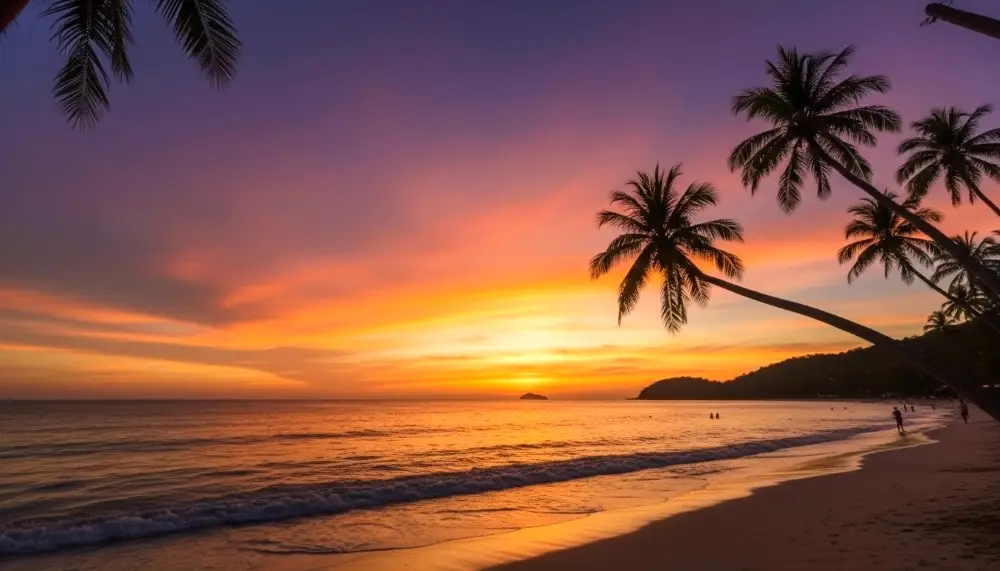

From boutique guesthouses to five-star
resorts, Agoda has Thailand covered.
Strong Asia inventory means deeper
discounts than you’d find elsewhere.
Adventure Activities: What LGBTQ+ Travellers Should Know
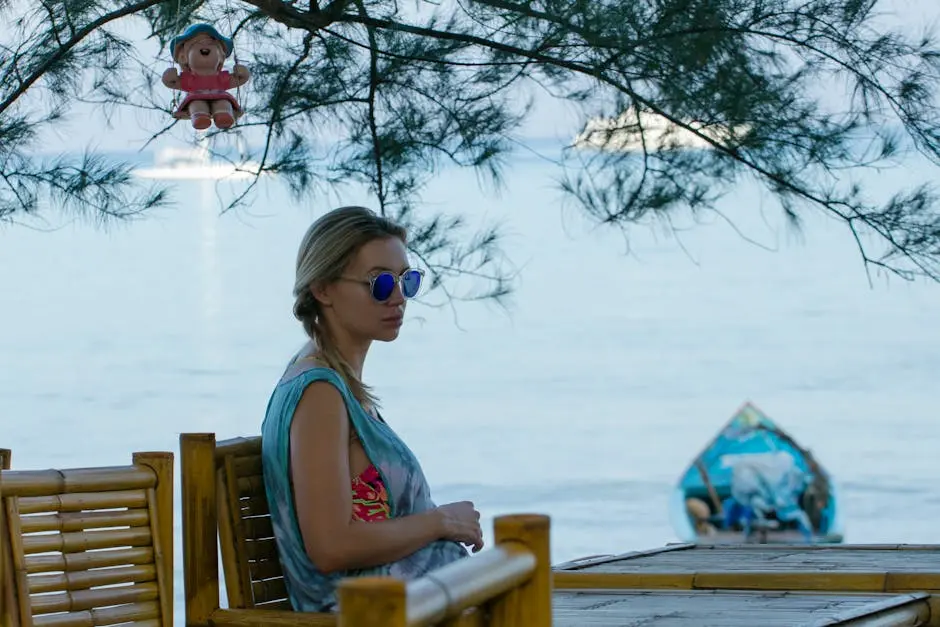
The full range of Thai adventure activities is available to LGBTQ+ travellers without restriction or qualification. Dive schools, jungle trek operators, cooking class studios, rock climbing guides, and kayak tour companies operate entirely without any discriminatory consideration of guests’ relationships or identities. The adventure tourism industry in Thailand is focused on delivering excellent experiences to paying guests: the identity of those guests is simply not a factor.
Rock climbing at Railay Beach in Krabi brings LGBTQ+ couples to one of the most dramatic natural settings in Thailand. Beginner climbing sessions with a guide cost 1,400 to 2,100 THB ($40 to $60 USD) per person and are entirely suitable for first-timers. The Krabi region also hosts the Oceanman open water swim event in March, attracting international swimmers to the same limestone bay scenery that makes the area visually spectacular for both swimmers and spectators.
For those building a more extended adventure itinerary, the combination of Bangkok for nightlife and culture, Chiang Mai for mountain adventure and elephant encounters, and a southern island for diving and beach time covers the essential geography of LGBTQ+ Thailand at a pace that allows genuine immersion in each place. The overnight train from Bangkok to Chiang Mai in a private first-class cabin is a wonderfully romantic way for a couple to travel: book through 12GO at least 60 to 90 days ahead and specifically request first-class on Train 9 for the newer CNR carriages. The whole journey costs 1,646 to 2,446 THB ($47 to $70 USD) per person.
Practical Safety, Culture, and What to Expect Day to Day
Hate crimes or discrimination against LGBTQ+ visitors are very rare in Thailand. The consensus from the LGBTQ+ travel community is consistent: Thailand is one of the most comfortable and incident-free destinations in Asia for queer travellers. Buddhist cultural norms of non-confrontation and non-judgement extend to how most Thai people relate to visitors’ personal lives.
The practical safety notes that apply are the same ones that apply to any traveller in Thailand. Keep banking activity secure on shared Wi-Fi networks: NordVPN running on all devices is the correct approach for anyone using resort or cafe networks. The standard ATM fee of 220 THB ($6.29 USD) applies across the country: a Wise card at mid-market exchange rates and “Continue Without Conversion” selected at every ATM minimises the financial cost of cash withdrawals. Activate an Airalo, Yesim, or Saily eSIM before departure so Grab and Bolt are both fully functional from arrival without the SMS verification problems that catch travellers out in the arrivals hall.
For airport transfers, particularly as a couple arriving at Suvarnabhumi or Phuket International with luggage, Welcome Pickups offers fixed-price, pre-booked transfers with a named driver and vehicle sized to your needs. It removes the one moment of Thai travel that can feel slightly exposing for newcomers: standing outside an arrivals hall being approached by unlicensed drivers and needing to negotiate in a language you don’t speak.
For health and insurance, the same principles that apply to all travellers are relevant, with one addition: Bumrungrad International Hospital in Bangkok opened a dedicated LGBTQ+ patient clinic. The major private hospital networks across Bangkok, Phuket, and Chiang Mai all operate international patient departments staffed with English-speaking teams. Thailand’s private healthcare runs 50 to 80% below equivalent Western facilities at equivalent quality standards. SafetyWing’s Nomad Insurance covers rolling multi-month travel with meaningful medical limits and handles the extended-stay and multi-country scenarios that standard holiday policies exclude.

Stay online in Thailand without breaking
the budget. Saily offers flexible
eSIM plans with no contract and
no roaming charges going home.
LGBTQ+ Destination Snapshot
| Destination | LGBTQ+ Vibe | Best For | Key Adventure Activity |
|---|---|---|---|
| Bangkok (Silom) | Asia’s most established gay scene | Nightlife, culture, couples | City exploration, Ayutthaya day trip |
| Phuket (Patong) | Major beach resort gay scene | Beach, parties, Songkran events | Phang Nga Bay kayaking, diving |
| Chiang Mai | Intimate, welcoming northern scene | Culture, trekking, elephant sanctuaries | Jungle trek, cooking class, Doi Inthanon |
| Koh Samui | Resort-level open, circuit parties | Luxury, couples, longer stays | Ang Thong Marine Park, snorkelling |
| Koh Tao | Relaxed, internationally diverse | Diving, open water swimming | PADI certification, reef snorkelling |
| Koh Lipe | Relaxed, gay-owned accommodation | Remote beach, pristine reefs | Snorkelling, Tarutao NP exploration |
| Krabi / Railay | Broadly welcoming, no defined scene | Adventure couples, scenic travel | Rock climbing, kayaking, open water swim |

Stay online in Thailand without the
daily data limits of tourist SIMs.
Yesim’s eSIM offers unlimited 5G
from around $10 for the whole trip.
Frequently Asked Questions
Is Thailand safe for LGBTQ+ travellers in 2026?
Yes. Hate crimes and discrimination against LGBTQ+ visitors are very rare in Thailand. The country has never criminalised homosexuality, and Thai Buddhist cultural norms of non-confrontation extend to genuine tolerance of LGBTQ+ people in daily life. Bangkok, Phuket, Chiang Mai, and the major resort islands are openly and visibly welcoming. Rural and provincial areas are more conservative, as in most countries, so reading and matching the local social register is good practice outside major tourist zones.
Has Thailand legalised same-sex marriage?
Yes. Thailand’s Marriage Equality Act came into force on 23 January 2025, making Thailand the first country in Southeast Asia to legalise same-sex marriage. The law grants same-sex couples the same full legal rights as heterosexual couples across medical care, property, inheritance, taxation, and adoption. Foreign same-sex couples can also marry legally in Thailand, subject to providing an Affidavit of Freedom to Marry from their home country’s embassy.
What is Bangkok’s gay scene like and where is it located?
Bangkok’s LGBTQ+ scene is one of the most established in Asia, centred on Silom Soi 2 and Soi 4. Soi 2 holds the high-energy dance bars including the long-running DJ Station, while Soi 4 offers relaxed bar and socialising venues. The scene has no attitude, caters to gay men, couples, and mixed LGBTQ+ crowds, and is welcoming across all visitor demographics. Bangkok has over 50 verified gay bars and clubs across the city.
What is the best time of year for LGBTQ+ events in Thailand?
Songkran (mid-April) hosts major LGBTQ+ parties in Bangkok and Phuket. New Year’s Eve is associated with the gCircuit White Party in Bangkok. June is Pride Month with community-focused events. Bangkok Pride has grown significantly since marriage equality passed in 2025 and is now among the largest Pride events in Southeast Asia.
Which Thai islands are most welcoming for LGBTQ+ couples?
All the major tourist islands are welcoming in practice. Koh Samui has the most established resort infrastructure and circuit party events. Koh Tao’s internationally diverse diving community creates a naturally open social environment. Koh Lipe has gay-owned accommodation on Sunrise Beach. None of the main island circuit requires any change to how you present yourselves as a couple.
Is Thailand welcoming for transgender travellers?
Yes. Thailand has some of the highest cultural acceptance of transgender identity in Asia, rooted in the long-standing kathoey tradition. Trans individuals are visible across Thai society in hospitality, entertainment, and corporate settings. The social experience for trans travellers in Thailand is consistently reported as positive, particularly in the major cities and resort areas.
Can same-sex couples book a destination wedding in Thailand?
Yes, legally. The Marriage Equality Act allows foreign same-sex couples to legally register their marriage in Thailand, subject to their home country’s legal requirements and an Affidavit of Freedom to Marry from their home embassy. Thailand’s wedding industry in Phuket, Koh Samui, and Bangkok has responded quickly with dedicated LGBTQ+ wedding packages from established luxury venues.
What adventure activities are available for LGBTQ+ travellers?
The full range of Thai adventure activities is available without restriction: PADI diving on Koh Tao, rock climbing at Railay Beach, sea kayaking in Phang Nga Bay, ethical elephant sanctuary visits near Chiang Mai, jungle trekking in northern Thailand, open water swimming at Ang Thong Marine Park, and the overnight sleeper train from Bangkok to Chiang Mai. All operators work with all guests equally. Book through Klook and Get Your Guide for verified operators and cancellation cover.
What apps do LGBTQ+ travellers need for Thailand?
Airalo, Yesim, or Saily for an eSIM activated before departure (critical for SMS verification on all other apps at arrival), Grab and Bolt for transport, 12GO for trains and ferries, Agoda or Booking.com for accommodation, and Klook or Get Your Guide for activities. NordVPN for shared network security and Wise for ATM withdrawals. For LGBTQ+-specific accommodation, misterb&b lists verified gay-friendly properties across Thailand.
Is public affection acceptable for same-sex couples in Thailand?
In the major tourist areas, Bangkok’s Silom district, Phuket’s Patong, Chiang Mai, and the main resort islands, same-sex couples attract no negative attention in practice. Thai social norms around PDA are conservative for everyone regardless of orientation. In more rural and provincial areas away from the tourist circuit, a more discreet approach reflects both local norms and good sense.