Beyond Phuket: Thailand’s Hidden Islands That Are Still Untouched in 2026
This site contains affiliate links. We may earn a commission at no extra cost to you.
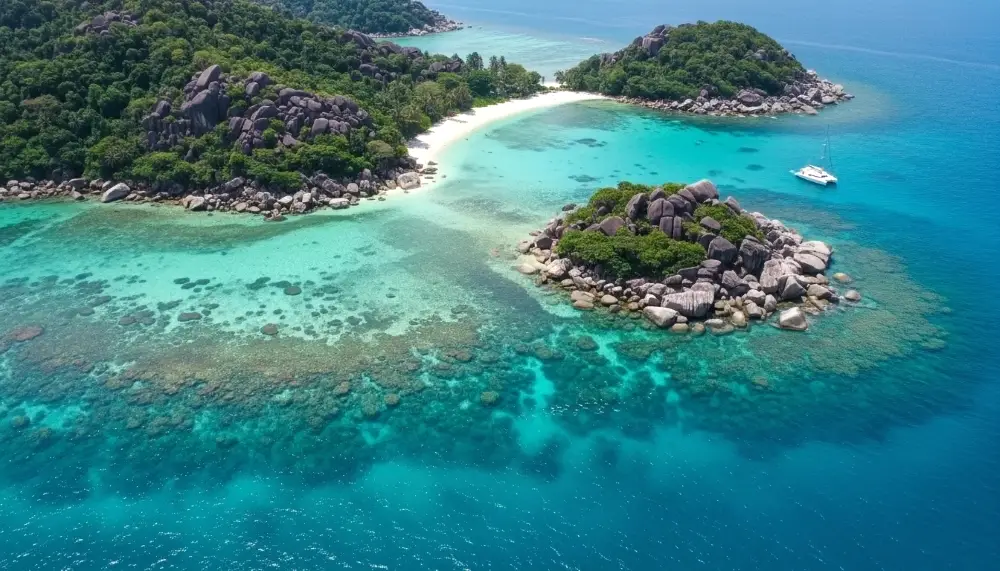
Phuket is extraordinary. It also has 10 million visitors a year, a Bangla Road that sounds at midnight like a stadium concert, and beaches so photographed that the Instagram coordinates are printed on restaurant napkins. None of that is criticism: Phuket delivers exactly what it promises, and it does so brilliantly. But Thailand has over 200 islands scattered across more than 2,700 kilometres of coastline, and the version of the country that most visitors never see is hiding in plain sight, a short ferry ride from the well-worn trail.
These are not obscure destinations requiring expedition-grade logistics. They are accessible, safe, and increasingly well-served by accommodation options across every budget. What they are not, yet, is overrun. The beaches are empty in the mornings. The restaurant owners know your name by the second evening. The water is clear in a way that Phuket’s most popular bays have not been for years. If any version of that appeals to you, this guide is worth your time.
The Quick Summary:
Islands Covered: Koh Yao Noi (Phang Nga Bay), Koh Jum (Krabi), Koh Phayam (Ranong), Koh Kood (Trat), and Koh Lanta’s southern tip.
Effort Required: Low to moderate. All five are reachable within a day from Bangkok or Phuket, most via a single flight and ferry combination.
Price Range: Budget bungalows from 300 to 1,000 THB (~$8 to $28 USD) per night. Mid-range beach resorts from 1,500 to 4,000 THB (~$42 to $112 USD). Boutique and eco-luxury options from 5,000 THB (~$140 USD) upward.
Best Season: November through April for the Andaman side (Koh Yao Noi, Koh Jum, Koh Phayam, Koh Lanta). November through May for the Gulf of Thailand side (Koh Kood). The two coastlines have opposite rainy seasons, meaning year-round island travel is feasible with the right destination choice.
Booking Essentials: Ferry tickets on 12GO. Accommodation on Agoda or Booking.com. Pre-arranged airport transfers on Welcome Pickups for family arrivals. Activate an Airalo, Yesim, or Saily eSIM before your flight: island ferry piers are not the place to discover your roaming plan does not work.

From boutique guesthouses to five-star
resorts, Agoda has Thailand covered.
Strong Asia inventory means deeper
discounts than you’d find elsewhere.
Why These Islands Are Still Quiet (And For How Long):
The islands on this list share a structural characteristic: they are all slightly harder to reach than their famous neighbours. Not genuinely difficult, but enough to add a step. An extra ferry, a flight to a smaller regional airport, a pier that requires some local knowledge to find. That friction, small as it is, filters out a significant portion of the package-holiday market and keeps the atmosphere on the other side of it intact.
The honest caveat is that none of these destinations will stay this quiet indefinitely. Koh Yao Noi in particular has been appearing on “hidden gem” lists with increasing frequency since 2022, and infrastructure investment has been accelerating. Visiting in 2026 still puts you ahead of the development curve. Waiting another three or four years may not. The window for genuinely uncrowded beach mornings on some of these islands is real, but it is not unlimited.
For the logistics: most island-hopping across southern Thailand is best coordinated through 12GO, which aggregates ferry schedules, bus connections, and domestic flight options into a single booking interface. This matters particularly for multi-island itineraries where missing one connection collapses the whole sequence. Book ferry tickets at least two to three days ahead in high season. During Songkran and Chinese New Year, a week’s advance notice is the safer margin.


GetYourGuide has Thailand’s best
tours and experiences covered with
verified operators and instant
mobile vouchers on arrival.
Koh Yao Noi: The One That Is Still Ahead of the Curve:

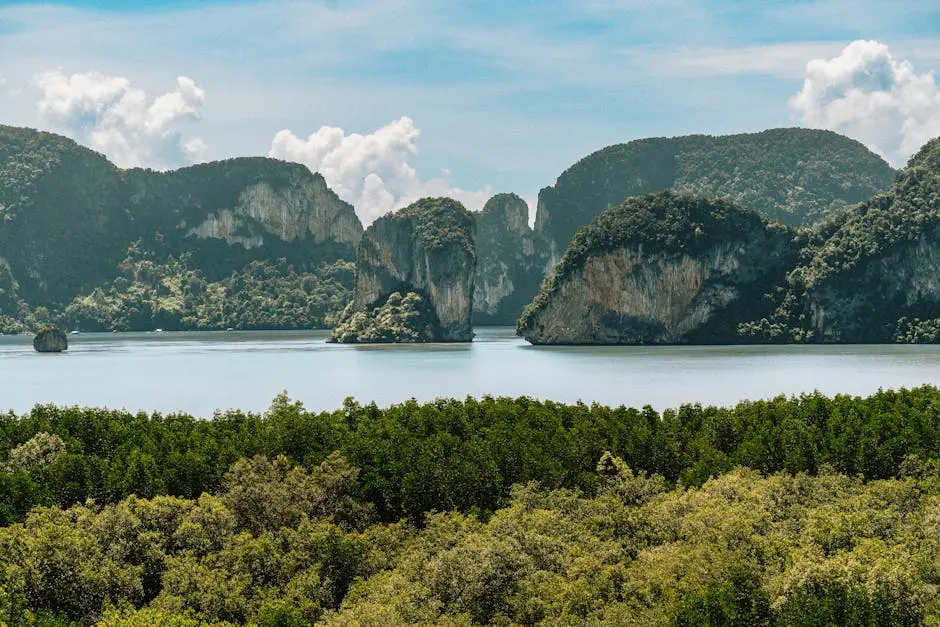
Koh Yao Noi sits in the middle of Phang Nga Bay, roughly equidistant between Phuket and Krabi. The limestone karsts that make the bay famous rise directly from the water around it. The local community is predominantly Muslim, with fishing and rubber cultivation forming the economic backbone alongside an eco-tourism sector that has been deliberately kept small-scale. You can rent a bicycle and spend a full day riding between villages and beaches without seeing a single resort billboard.
Getting there: Speedboat services run regularly from Phuket (Bang Rong Pier) and from Krabi, with the cheapest Krabi option being the longtail service from Tha Len Pier. Book via 12GO for confirmed tickets and current schedules. The crossing from Phuket takes approximately 30 minutes by speedboat.
What it costs: Mid-range accommodation on Koh Yao Noi starts at around $67 USD per night. The island has a small number of higher-end eco-resorts, including the Six Senses property that positions the island on the boutique luxury map, with rates reflecting that positioning. Budget guesthouses and homestays are also available at the lower end of the island’s price range. Compare options through Agoda for current availability in your travel window.
What makes it worth it: The karst seascape from a kayak at low tide, with the water turning pale jade between the rock formations, is one of the genuinely beautiful experiences available in southern Thailand. Mangrove kayaking tours run by community guides are available and are significantly more intimate than the group excursions running out of Phuket. Cooking classes with local families operate as genuine cultural exchanges rather than theatrical performances. This is what Phang Nga Bay looked like before Phuket commercialised its access to it.
Koh Jum: The Island That Tourism Keeps Bypassing:
Koh Jum sits between Krabi and Koh Lanta in the Andaman Sea, and its continued obscurity is something of a geographic mystery. It is close enough to both to be a straightforward stop, large enough to spend several days exploring, and sufficiently beautiful to justify the small additional effort of getting there. Its survival as a genuinely low-key destination owes something to the fact that travellers in transit between Krabi and Koh Lanta simply keep moving, rarely pausing to investigate what is in between.
Getting there: Multiple routes exist from Krabi, including speedboat and longtail services from Laem Kruat Pier, which is the cheapest option for budget travellers. Private taxi from Krabi Airport with a ferry connection is available from around 2,000 THB (~$56 USD). The island is also connectable from Koh Lanta via speedboat. Travelfish and 12GO both carry current schedules. Note that Koh Jum is seasonal: services reduce significantly during the wet season from May through October.
What it costs: Mid-range beachfront bungalows start from around $177 USD per night at premium properties like Koh Jum Beach Villas. The island also has more affordable options in the 800 to 1,500 THB (~$22 to $42 USD) range for simple but comfortable beach bungalows. Search current availability through Agoda with map view to understand the geographic spread across the island’s beach areas.
What makes it worth it: Jungle interiors, reliable internet (a standing surprise for a quiet island), authentic beach bungalow culture that has not been replaced by villa complexes, and a pace of life that genuinely slows you down within a day of arriving. The local fishing community is welcoming and the fresh seafood available each evening reflects what was caught that morning rather than what arrived on a catering truck. Koh Jum is the island for travellers who want remoteness without complete disconnection.


Pick a Thailand eSIM plan that matches
your trip length on Airalo’s global
marketplace. Install before departure
and you’re online the moment you land.
Koh Phayam: The Last Backpacker Island That Actually Delivers:
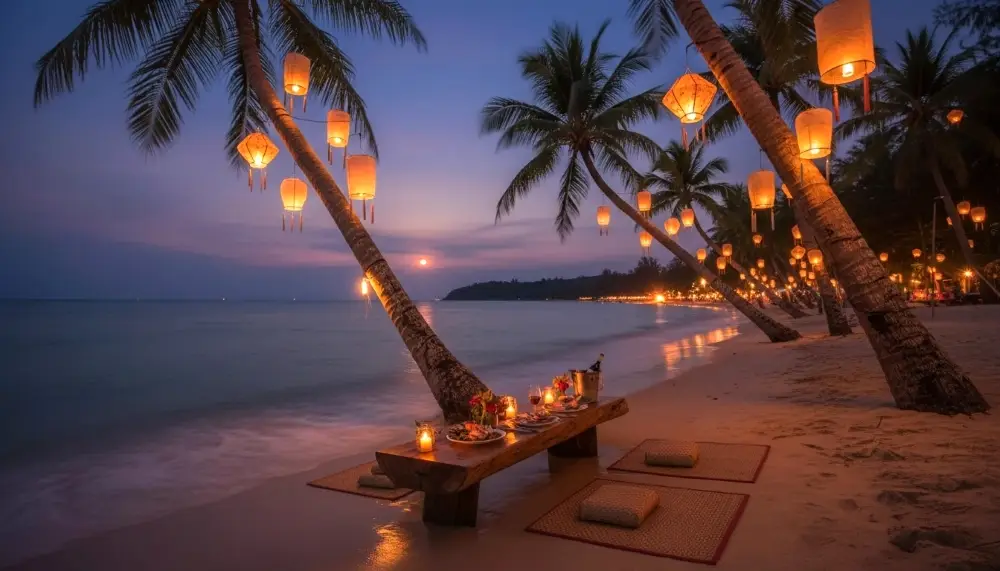
Koh Phayam is 10 kilometres long and 5 kilometres wide, has no cars, a population of around 500 people, and is located 35 kilometres from Ranong near the Myanmar border. It requires a flight to a small regional airport before a ferry crossing, and that two-step journey is precisely the reason it remains one of the most genuinely untouched beaches in Thailand. There is bioluminescent plankton in the bay at night. The surfing at Ao Yai is real and seasonal. The fresh seafood BBQ at beach shacks costs a fraction of what comparable quality would run anywhere busier.
Getting there: Fly from Bangkok Don Mueang (DMK) to Ranong on AirAsia, approximately 1 hour 15 minutes. From Ranong, take a motorbike taxi (around 70 THB / ~$2 USD) or songthaew (around 20 THB / ~$0.55 USD) to the pier. The slow ferry costs 200 THB (~$5.60 USD) and takes two hours. The speedboat costs 350 THB (~$9.80 USD) and takes 40 minutes. Both routes bookable through 12GO for high-season confirmed seats.
What it costs: Budget bungalows near the pier start from 300 THB (~$8.40 USD) per night. Mid-range beachfront options at Starlight Beach Resort and similar properties run 1,000 to 2,000 THB (~$28 to $56 USD). The boutique end, with pool villas, starts around 5,000 THB (~$140 USD). Accommodation prices drop 30 to 50 percent in the low season (May to September), though the sea conditions become less predictable. Book high-season rooms through Agoda as availability is limited and fills quickly from December onward.
What makes it worth it: No cars. No chains. No high-rises. The rhythm of daily life on Koh Phayam moves entirely on foot and motorbike, the sound of the water at night is not competing with a DJ set, and the phrase “I found this place last year” still applies to a meaningful number of visitors. The bioluminescent plankton, visible on dark nights at several bay locations, is one of those experiences that photographs cannot adequately prepare you for.
Koh Kood: What Koh Samui Looked Like Thirty Years Ago:
Koh Kood is Thailand’s fourth-largest island, sits near the Cambodian border in the Gulf of Thailand, and operates in a completely separate geography to the Andaman destinations on this list. It is reached via Trat province rather than Phuket or Krabi, and its Gulf of Thailand location gives it a distinct rainy season calendar: the island is at its best from November through May, precisely when the Andaman coast is at peak season. This inverse seasonality makes Koh Kood a compelling off-season option for travellers planning a longer southern Thailand loop.
Getting there: Fly Bangkok Airways from Suvarnabhumi (BKK) to Trat Airport (TDX), approximately 50 minutes. Tickets range from 1,500 to 4,000 THB (~$42 to $112 USD) one-way depending on booking lead time. From Trat, take a taxi to Laem Sok pier and board one of the multiple daily ferry services to Koh Kood. The cheapest option, Koh Kood Princess, costs 350 THB (~$9.80 USD) per person. Faster catamaran services via Boonsiri and Seudamgo take approximately 45 to 60 minutes. Book via 12GO for current schedules across all operators.
What it costs: Budget accommodation from 1,000 to 1,500 THB (~$28 to $42 USD) per night in basic guesthouses. Mid-range comfortable resorts from 2,500 to 6,000 THB (~$70 to $168 USD). Luxury beachfront options reach 8,000 to 20,000 THB (~$224 to $560 USD) and above. Local restaurant meals run 70 to 150 THB (~$2 to $4.20 USD). Resort dining jumps to 300 to 800 THB (~$8.40 to $22.40 USD) per dish. Scooter rental averages 300 to 350 THB (~$8.40 to $9.80 USD) per day. Accommodation is bookable through Agoda with strong representation across all price points.
What makes it worth it: The water clarity. Koh Kood has consistently some of the clearest seas in Thailand, and the coral systems around the island remain in far better condition than those surrounding more visited Gulf islands. The island has no large commercial development and few cars. One long-standing travel writer described it as “what Koh Samui must have felt like before resorts took over,” which is both accurate and sufficient recommendation.


Stay online in Thailand without breaking
the budget. Saily offers flexible
eSIM plans with no contract and
no roaming charges going home.
Koh Lanta’s Southern Tip: A Different Island Within an Island:
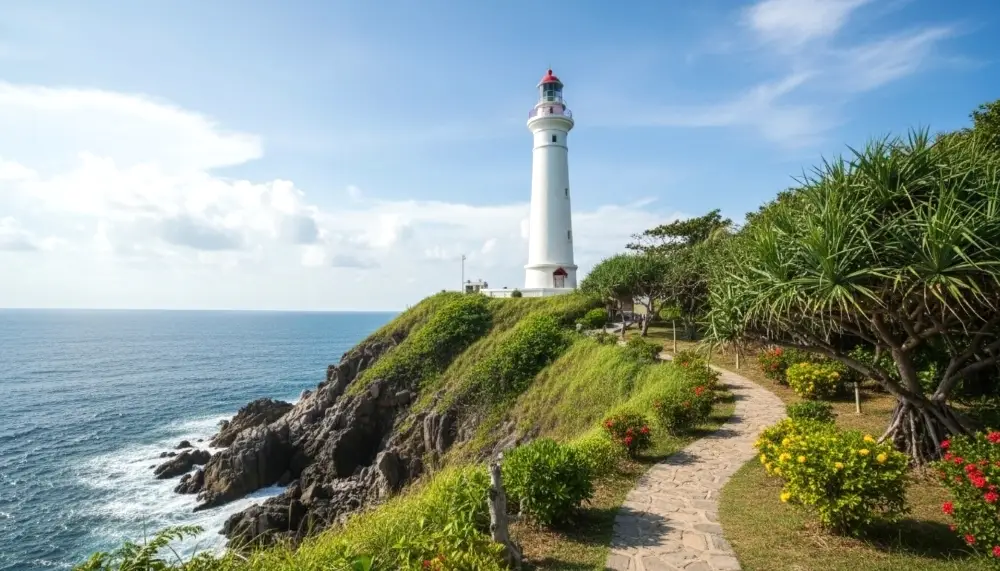
Koh Lanta is not a hidden island: its northern beaches are well-developed and well-known on the Krabi circuit. The reason it appears here is that most visitors spend their entire time in the north, treating the southern third of the island, which is protected as Mu Ko Lanta National Park, as something they might get to one afternoon. The resulting dynamic is unusual: a genuinely remote and wild coastline, technically on a popular island, that the majority of visitors to that island never reach.
The southern tip has no permanent accommodation within the national park boundary. Visitors come by longtail from the northern beaches or rent a motorbike and ride the length of the island. The beaches in the south, particularly those below the lighthouse and around the national park headquarters, are a different experience from anything in the north: rocky in places, sheltered in others, with no vendors, no sun-lounger rows, and a forest backdrop that runs to the shoreline. Snorkelling from the rocks at the park headland reveals coral systems that the northern beaches have lost to anchor damage and foot traffic.
Getting there: Koh Lanta is reachable from Krabi by ferry, with 12GO carrying current schedules and ticket options. Once on the island, a rented motorbike (approximately 200 to 300 THB / ~$5.60 to $8.40 USD per day) is the practical way to reach the south. The road from the main development area to the national park tip takes around 30 to 40 minutes on a motorbike along a route that is itself scenic, passing rubber plantations and small Muslim villages on the eastern coast.
What makes it worth it: The contrast. You can stay in a comfortable mid-range resort in northern Koh Lanta for 1,500 to 3,000 THB (~$42 to $84 USD) per night, book through Agoda, enjoy the reliable ferry connections, and then spend the morning at a beach that feels like genuine wilderness. Using Koh Lanta as a base while treating the southern tip as a day destination is a pragmatic solution for travellers who want comfort without sacrificing the sense of discovery.

Book Thailand day trips, attractions,
and activities in one place. Check
real reviews and lock in your spot
before the popular slots go.
Island Comparison: Choosing the Right One for You:
| Island | Coast | Getting There | Budget/Night | Best For |
|---|---|---|---|---|
| Koh Yao Noi | Andaman | Speedboat from Phuket (30 min) | From $67 USD | Eco-stays, kayaking, couples |
| Koh Jum | Andaman | Ferry from Krabi (1-2 hrs) | From ~800 THB ($22 USD) | Slow travel, seafood, bungalow life |
| Koh Phayam | Andaman | Flight to Ranong + ferry (40 min) | From 300 THB ($8.40 USD) | Backpackers, surfers, detox |
| Koh Kood | Gulf of Thailand | Flight to Trat + ferry (45-60 min) | From 1,000 THB ($28 USD) | Clarity diving, families, luxury |
| Koh Lanta South | Andaman | Ferry to Koh Lanta + motorbike | Stay in north from 1,500 THB ($42 USD) | Wilderness day trips, snorkelling |
Practical Logistics: Getting the Most From Island Hopping:
Ferry booking: 12GO is the most reliable single platform for booking ferry tickets, shared vans, and bus connections across southern Thailand. It aggregates multiple operators, shows real-time availability, and allows advance booking that removes the risk of turning up at a pier for a fully booked high-season departure. For multi-island routes, book each leg independently a few days apart rather than trying to chain everything into a single booking sequence: weather and sea conditions can shift itineraries, and flexibility has value on the islands.
Mobile data: Island piers and ferry terminals are not places to discover that your roaming plan has failed or that an app requiring SMS verification has not been set up. Activate an Airalo, Yesim, or Saily eSIM before your outbound flight. Both Grab for mainland-side transfers and ferry booking apps require live data at the moment you need them most, which is always somewhere that airport Wi-Fi does not reach.
Accommodation: Agoda and Booking.com both carry strong island inventory, but the smaller properties on quieter islands often have limited room counts. On Koh Phayam especially, high-season availability is constrained and last-minute booking is a gamble. Search two to three weeks ahead for December through February travel. Agoda‘s map view is useful for understanding which beach a property actually sits on, since island addresses are frequently ambiguous.
Family arrivals: Families arriving at smaller regional airports (Trat, Ranong) with young children and luggage are better served by pre-arranged transfers than by attempting to negotiate at the terminal. Welcome Pickups operates in the southern island region and removes the taxi negotiation that commonly greets arrivals at less-trafficked airports.
Security and banking: Public Wi-Fi on smaller islands is often the resort’s network shared across multiple guests. Running NordVPN when accessing banking or booking platforms on any shared network is the sensible precaution, particularly for longer stays where multiple transactions accumulate. Wise’s debit card continues to be the best tool for ATM withdrawals at smaller island cash machines: some islands have only a single ATM, and the exchange rate differential adds up across a two-week trip.

For Long-Stay Visitors and Remote Workers:

Koh Yao Noi and Koh Jum in particular have developed reputations as functional remote-work destinations. Both have reliable enough internet for video calls during the working week. Both are close enough to Krabi or Phuket for a weekly mainland run when supplies or genuine coffee shops become priorities. The monthly cost of a comfortable beachfront bungalow on either island is significantly lower than a comparable setup on Koh Samui or Phuket, and the absence of tourist noise infrastructure means the evenings are genuinely quiet.
Koh Kood attracts a slightly higher-spending long-stay demographic: families on month-long escapes from European winters who want comfort, clear water, and the absence of nightlife infrastructure. The mid-range resort options in the 3,000 to 6,000 THB (~$84 to $168 USD) nightly range on Koh Kood are built for this audience and deliver it well.
For anyone staying more than two or three weeks on any of these islands, SafetyWing Nomad Insurance is worth activating before arrival. Remote island medical facilities are limited. The nearest hospitals with significant capacity are in Trat (for Koh Kood), Ranong (for Koh Phayam), and Krabi (for Koh Yao Noi and Koh Jum). Having evacuation coverage active removes a specific category of anxiety that otherwise sits in the background of a long island stay. It is affordable, covers most active outdoor scenarios, and the monthly cost is well within the savings generated by choosing these islands over their better-known alternatives.
The Right Mindset for These Islands:
None of these islands are undiscovered. They have guesthouses, cafes, and visitors from Europe and Australia who have been returning for years. What they do not have is the mass-market infrastructure that makes a destination feel identical to every other mass-market destination. The food here comes from the sea in front of you. The electricity occasionally goes out. The Wi-Fi at some guesthouses is not reliable after dark. These are features, not bugs, and they require a specific adjustment of expectations that most visitors make within 24 hours of arriving and then wonder why they waited so long.
The islands that stay quiet tend to do so because the people who discover them protect them instinctively. They do not write Google reviews complaining about the lack of 24-hour room service. They come back the following year and the year after that. They recommend the islands only to people they genuinely trust to understand what they are recommending. The best thing a first-time visitor can do is arrive without expectations forged in the Phuket mould, spend the first two days recalibrating, and then allow the actual character of the place to fill the space that Phuket was occupying.
Thailand’s famous islands will always deliver. But the ones on this list deliver something different, something that the famous ones have largely traded away in exchange for scale. If the trade seems worth reversing, the ferry is not difficult to find.


Maps, Grab, translation apps all need
data in Thailand. Yesim’s eSIM installs
in a minute and gives you reliable
5G from the moment you arrive.
Frequently Asked Questions:
What is the closest hidden island to Phuket?
Koh Yao Noi is the closest, a 30-minute speedboat ride from Bang Rong Pier in Phuket. Despite its proximity, the island feels entirely removed from Phuket’s pace and infrastructure. Book speedboat tickets via 12GO and compare accommodation on Agoda.
Which hidden Thai island is best for budget travellers?
Koh Phayam in Ranong province offers the lowest entry point, with basic bungalows from 300 THB (~$8.40 USD) per night. The slow ferry from Ranong costs 200 THB (~$5.60 USD). Local meals run 50 to 70 THB. The island has no cars and a genuinely low cost of daily living.
Which island is best for families with children?
Koh Kood in the Gulf of Thailand is the strongest family option: clear water, no party scene, mid-range resorts in the 2,500 to 6,000 THB (~$70 to $168 USD) range, and enough space to roam. Reach it via a Bangkok Airways flight to Trat plus a ferry from Laem Sok Pier. Book through Agoda for family room options and Welcome Pickups for the airport transfer.
How do I book ferry tickets to Thailand’s smaller islands?
12GO is the most reliable single platform for ferry schedules, prices, and advance booking across southern Thailand. It covers multiple operators on each route and allows seat confirmation before you arrive at the pier. Book at least two to three days ahead in high season. For Songkran and Chinese New Year travel, a week’s advance notice is a safer margin.
Are these islands open year-round?
The Andaman coast islands (Koh Yao Noi, Koh Jum, Koh Phayam, Koh Lanta) are at their best November through April and have reduced services in the wet season (May to October). Koh Kood on the Gulf of Thailand side runs opposite: best November through May. This inverse seasonality makes a two-island trip combining both coastlines viable across most of the year.
Is there good Wi-Fi and mobile data on these islands?
Koh Yao Noi and Koh Jum have improved significantly and are workable for remote workers. Koh Phayam is more limited and power grid improvements have been incremental. Koh Kood has reasonable connectivity in resort areas. On all islands, having your own eSIM via Airalo or Yesim is more reliable than depending on guesthouse Wi-Fi. Activate it before your flight.
What is the best hidden island for snorkelling and diving?
Koh Kood has the clearest water and best-preserved coral of the five islands covered here, making it the strongest option for snorkelling and casual diving. Koh Yao Noi’s bay and mangrove edges offer excellent kayak-based snorkelling. Koh Lanta’s southern national park headland has accessible reef systems directly from the rocks that are in significantly better condition than the reefs around the northern beaches.
How much does a week on a hidden Thai island cost?
On Koh Phayam at the budget end: approximately 2,100 to 3,500 THB (~$59 to $98 USD) for seven nights’ accommodation, plus 50 to 70 THB meals and 200 to 350 THB ferry costs. A comfortable mid-range week on Koh Kood, including flights to Trat, accommodation, meals, and scooter rental, runs approximately 15,000 to 25,000 THB (~$420 to $700 USD) per person total.
Do I need travel insurance for remote island travel in Thailand?
Medical facilities on smaller islands are limited. The nearest hospitals with significant capacity are on the mainland near each island cluster. SafetyWing Nomad Insurance covers medical incidents and evacuation at a monthly cost well within most travel budgets. For island stays of two weeks or longer, having it active before arrival is strongly recommended.
Can I island-hop between these destinations in a single trip?
Yes, though the Andaman and Gulf islands involve different logistics. A practical combined itinerary might run: Phuket arrival, speedboat to Koh Yao Noi, ferry to Koh Jum via Krabi, return to Bangkok. Koh Kood and Koh Phayam work best as dedicated standalone destinations requiring a separate flight. Use 12GO to build each leg of a multi-island itinerary and book accommodation per island through Agoda.