How to Get a Thai Criminal Record Check for Long-Term Visas
This site contains affiliate links. We may earn a commission at no extra cost to you.
If you are applying for a long-term visa, permanent residency abroad, an overseas work permit, or international marriage registration, there is a very good chance someone will ask you for a Thai Police Clearance Certificate. It is one of those documents that sounds complicated until you have done it once, at which point it is simply an organised morning at a government building in Bangkok followed by a short wait.
This guide walks through the exact process at the Royal Thai Police Headquarters in Bangkok step by step, covering what to bring, what the fees are, how long it takes, and what happens to your certificate after it is issued. All prices are in Thai Baht (THB) and US Dollars (USD) at approximately 35 THB to $1 USD.
Quick Answer: What Is a Thai Police Clearance Certificate?
A Thai Police Clearance Certificate (PCC), also called a Certificate of Good Conduct or Thai Criminal Record Check, is an official document issued by the Criminal Records Division of the Royal Thai Police. It confirms whether or not you have a criminal record in Thailand. It is the only version of this document recognised by foreign governments and international institutions.
Common reasons people need it:
- Long-term visa applications in Canada, Australia, the USA, or the UK
- Permanent residency applications abroad
- Overseas employment and international work permit applications
- Marriage registration in a foreign country
- International adoption processes
- Thai ED visa applications for nationals of certain countries
Key point: If you are applying for a Thai work permit or a Thai teaching licence, you do not go to Bangkok. That process runs through the Provincial Forensic Science Division in the province where you work. This guide covers the Bangkok Service Center path, which is the route for international use and foreign visa applications.


Reserve your Bangkok hotel with no
upfront payment on most rooms.
Free cancellation up to a day before
keeps your trip flexible if plans shift.
Where to Go: The Police Clearance Service Center
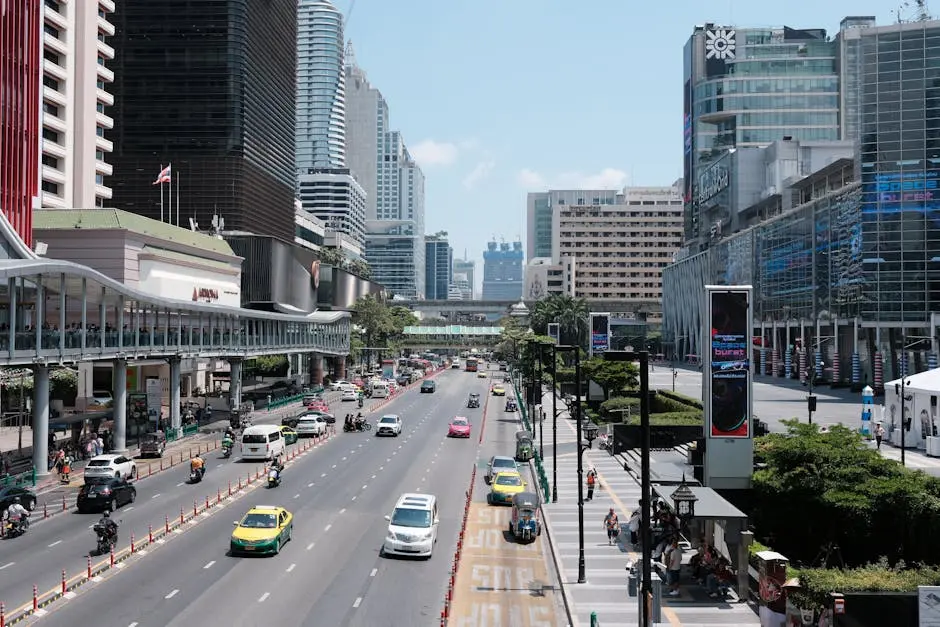
The Police Clearance Service Center (PCSC) is located on the ground floor of Building 6 at the Royal Thai Police Headquarters, Rama 1 Road, Pathum Wan District, Bangkok 10330. This is the only office in Thailand that issues police clearance certificates for international purposes.
Operating hours are Monday to Friday, 08:30 to 16:30. The office is closed on weekends and all Thai public holidays. The nearest BTS Skytrain station is Siam, roughly a 10-minute walk away. A metered taxi or Grab from central Bangkok costs 60 to 120 THB (~$1.70 to $3.40) and drops you directly at the headquarters gate. When you arrive at the compound, follow signs for the Police Clearance Service Center or ask security for Building 6.
The PCSC website is pcscenter.sbpolice.go.th. Application forms are available to download from the site, which saves time at the counter, though they are also available on arrival.

GetYourGuide has Bangkok’s best
tours and experiences covered with
verified operators and instant
mobile vouchers on arrival.
What to Bring: Full Document Checklist
Bring originals and photocopies of everything. The staff at Building 6 will direct you to a photocopy point nearby if you forget, but having copies ready means a faster process. Prepare the following:
- Your passport (original and photocopy of the photo page)
- Photocopies of ALL Thai entry and exit stamps in your passport
- Photocopy of your current Thai visa (Non-B, retirement, marriage, tourist, or whichever applies)
- Two recent passport-sized photographs (1 to 2 inches, white background)
- Your Thai work permit, if you hold one (photocopy)
- A letter of purpose: either an official letter from a foreign government or embassy requesting the certificate, or a copy of a job offer or employment contract if applying for overseas work purposes
- If you hold more than one passport, bring photocopies of the photo page from each
You cannot send a representative in your place for the initial application, as fingerprinting is mandatory and must be done in person. However, once your certificate is ready, you can authorise someone else to collect it on your behalf with a signed Power of Attorney and a copy of your passport.
Step-by-Step: The Process at Building 6

Arrive early. The centre opens at 08:30 and the queue builds through the morning. Being there at or just after opening gives you the shortest wait and the most time to sort any missing documents. The full process at the counter typically takes 30 to 60 minutes from arrival to receipt.
Here is how the visit unfolds:
- Take a queue ticket. When you enter Building 6, take a numbered ticket and watch the information screens for your number. Each stage of the process has its own booth.
- Document check. At the first booth, staff verify your documents and check that everything is in order. They will review your passport, visa copies, and purpose letter.
- Complete the application form. Fill in the form either at the counter or in advance from the PCSC website. Staff can help if something is unclear.
- Fingerprinting. You will be directed to the fingerprint booth. Both hands are digitally scanned. This is quick and takes only a few minutes.
- Pay the fee. The standard application fee is 100 THB (~$2.85). Pay at the cashier window. You receive a receipt and a collection date.
- Wait for your collection date. Standard processing is 7 to 15 working days from submission. You will be told which date to return or whether postal collection is available for your situation.

Pick a Bangkok eSIM plan that matches
your trip length on Airalo’s global
marketplace. Install before departure
and you’re online the moment you land.
Fees and Processing Times at a Glance
| Stage | Cost (THB) | Cost (USD) | Timeframe |
|---|---|---|---|
| Police Clearance Certificate (PCSC application fee) | 100 THB | ~$2.85 | 7 to 15 working days |
| Certified translation (Thai to English or other language) | 500 to 1,500 THB | ~$14 to $43 | 1 to 3 working days |
| MFA legalization stamp (Ministry of Foreign Affairs) | 200 to 400 THB per document | ~$5.70 to $11.40 | 1 to 3 working days |
| Full-service agency (certificate, translation, MFA, and delivery) | From 6,000 THB | ~$171+ | Varies by package |
| Applying from outside Thailand (via Thai embassy abroad) | Varies by country | Varies | 6 to 8 weeks or longer |
Collecting Your Certificate
Once the processing period has passed, you have three collection options. First, you can return to Building 6 in person on or after the date on your receipt, present your receipt at the collection window, and collect the original certificate. Second, you can authorise another person to collect it on your behalf, providing them with a signed Power of Attorney document and a copy of your passport. Third, for applicants who have already left Thailand, the PCSC can send the certificate to a Thai address via EMS registered post.
One thing to plan around carefully: the certificate itself has no printed expiry date, but the foreign authority you are submitting it to, whether that is a Canadian immigration office, an Australian visa processing centre, or a European employer, will almost universally require it to be no older than 3 to 6 months from its date of issue. Always time your application as close to your actual submission deadline as logistically possible. Getting it six months early and then missing a submission window means starting the process again.
After Collection: Translation and MFA Legalization
This is where most people get confused: collecting the certificate from the police is not the final step. For international use, the raw certificate is almost always insufficient on its own. You will typically need two additional stages before the document is accepted abroad.
Stage 1: Certified Translation. The certificate is issued in Thai. If the receiving authority requires it in English or another language, you need a certified translation from a recognised translation service. This costs 500 to 1,500 THB (~$14 to $43) depending on the provider and turnaround speed.
Stage 2: MFA Legalization. Take both the original Thai certificate and the certified translation to the Thai Ministry of Foreign Affairs (MFA), Legalization Division. The MFA stamps both documents, confirming that the signatures and seals are authentic. This stamp is what makes the certificate legally valid for use with foreign governments. The MFA fee is approximately 200 to 400 THB (~$5.70 to $11.40) per document, with a turnaround of 1 to 3 working days. Note that Thailand has not signed the Hague Apostille Convention, so a standard apostille is not available. The MFA legalization stamp is the Thai equivalent.
Some countries, including the USA, additionally require embassy authentication on top of MFA legalization. If your destination country requires this, contact the relevant embassy in Bangkok after completing the MFA step.

Skip the planning headache in Bangkok.
Klook offers day tours, tickets, and
experiences from around $25, with
instant confirmation to your phone.
Applying from Outside Thailand
If you have already left Thailand, you can still apply, but the process is considerably slower. You need to contact the Royal Thai Embassy or Consulate in your current country of residence. They will provide the application forms and instruct you on having your fingerprints taken locally, either at a police station near you or directly at the Thai consulate, after which they will certify the prints with an official seal and signature.
The embassy then mails your complete application packet to Thailand on your behalf. Total processing time via this route is commonly 6 to 8 weeks or longer, depending on postal transit and processing load. If you are working to a visa deadline, factor this in carefully. The in-person Bangkok route is vastly faster and is worth arranging a short trip to Thailand around if the timeline is tight and you have flexibility.


Saily’s Bangkok eSIM costs less than
most tourist SIMs charge per day.
Easy install, transparent pricing,
and solid NordVPN infrastructure.
Using a Full-Service Agency: When It Makes Sense
For most people with the time and the inclination, doing this yourself is the straightforward choice: one morning at Building 6, a return trip two weeks later, and then a visit to the MFA. Total out-of-pocket cost is around 800 to 2,000 THB (~$23 to $57) depending on translation and MFA fees.
Where agencies earn their fee is for applicants who are outside Thailand, working against a tight deadline, or who need additional embassy authentication layered on top. A full-service package covering certificate collection, certified translation, MFA legalization, and international DHL delivery starts from around 6,000 THB (~$171). For busy professionals or retirees dealing with time-sensitive permanent residency applications in Canada or Australia, that is often money well spent.
If you are based in Thailand long-term and managing this process yourself, NordVPN is worth having active when accessing your home country’s immigration portals and banking services from Thai Wi-Fi connections. Some visa submission portals restrict access from South-East Asian IP addresses, and a reliable VPN resolves this without disrupting your application mid-process.
Long-Stay Planning: Medical Cover for Expats and Remote Workers
If you are going through the effort of obtaining a Thai Police Clearance Certificate, it is because you are planning a significant life move: a long-term visa application, a permanent residency process, or a sustained period working or living abroad. That context matters when thinking about what else you need in place.
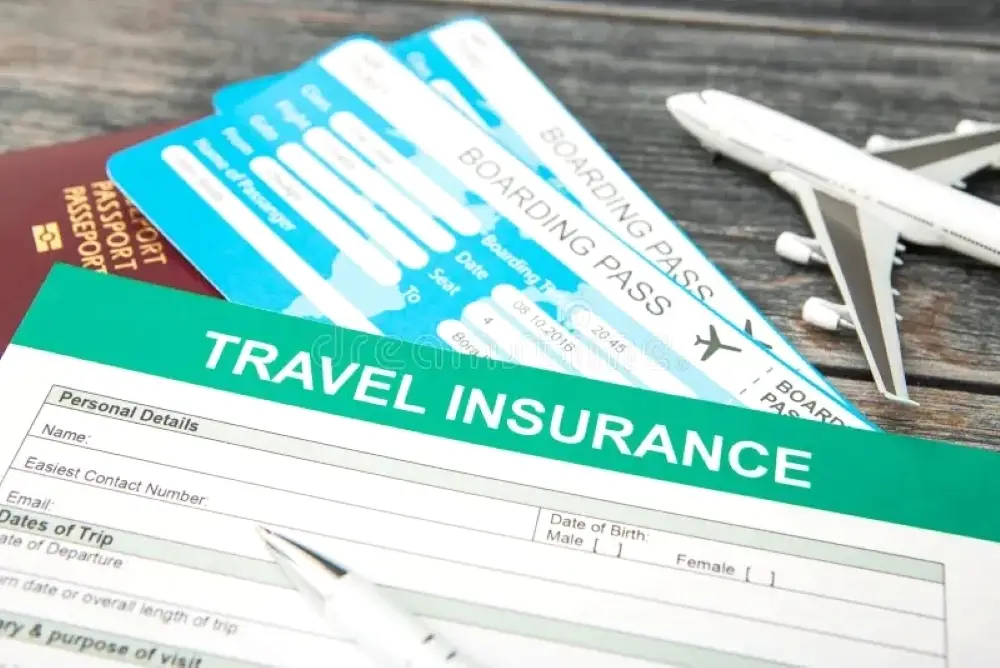
Standard travel insurance policies typically cap at 90 days and exclude pre-existing conditions. They are not designed for the kind of stay you are planning. SafetyWing offers nomad health insurance specifically built for people who live internationally: rolling monthly coverage, hospital and emergency care included, and plans that work across multiple countries without requiring you to name a single base. For anyone on a Thailand LTR visa, a Non-OA retirement visa, or managing a permanent residency application from overseas, this is the level of coverage that actually fits the situation.
SafetyWing’s Nomad Insurance plan covers hospital stays, emergency evacuation, and some outpatient care. Their Remote Health plan is the upgrade for people who want comprehensive primary care coverage as well, which is worth considering if you are making Thailand or your destination country a genuine long-term home rather than an extended stay. The cost is significantly lower than traditional international health insurance and the policy is designed to be managed from anywhere with a browser.
Common Mistakes to Avoid
A few avoidable errors come up repeatedly in this process:
- Going to the wrong office. If your certificate is for a Thai work permit or teaching licence rather than an international visa, the Bangkok PCSC is the wrong place. You need the Provincial Forensic Science Division in your province.
- Missing visa copies. Bring photocopies of every Thai visa and every entry and exit stamp in your passport. Missing pages cause delays at the document check stage.
- Skipping translation and MFA legalization. The raw Thai-language certificate from the police is not sufficient for submission to most foreign governments. Translation and the MFA stamp are required steps, not optional extras.
- Applying too early. The certificate becomes stale quickly in the eyes of foreign visa authorities. Most require it to be issued within 3 to 6 months of your visa application date. Time it carefully.
- Arriving without a purpose letter. The PCSC requires a documented reason for your application. An official letter from a foreign embassy or immigration authority requesting the certificate is the cleanest option. A job offer letter or signed employment contract also works.
Total Cost Summary: DIY vs Full Service
| Route | Estimated Total (THB) | Estimated Total (USD) | Overall Timeline |
|---|---|---|---|
| DIY in Bangkok (certificate, translation, MFA) | 800 to 2,000 THB | ~$23 to $57 | 2 to 4 weeks total |
| Full-service agency (Bangkok-based, all inclusive) | From 6,000 THB | ~$171+ | 2 to 4 weeks plus delivery |
| Via Thai embassy abroad (outside Thailand) | Varies by country | Varies | 6 to 8 weeks minimum |

Forget swapping physical SIMs in Bangkok.
Yesim works on most modern phones,
activates remotely, and keeps your
home number live on WhatsApp too.
Frequently Asked Questions
How long does it take to get a Thai Police Clearance Certificate?
Standard processing at the Police Clearance Service Center in Bangkok is 7 to 15 working days from the date of your application. If you also need a certified translation and MFA legalization, add another 3 to 5 working days for those steps. The full process from your first visit to Building 6 to a document ready for foreign submission typically takes 3 to 4 weeks. Applying via the Thai embassy from outside Thailand takes 6 to 8 weeks or more.
How much does the Thai criminal record check cost?
The government application fee at the PCSC is 100 THB (~$2.85). For international use, add a certified translation at 500 to 1,500 THB (~$14 to $43) and an MFA legalization stamp at 200 to 400 THB (~$5.70 to $11.40) per document. A full DIY process costs roughly 800 to 2,000 THB (~$23 to $57) in total. Full-service agencies handling everything start from around 6,000 THB (~$171).
Where exactly do I go at the Royal Thai Police Headquarters?
You need the Police Clearance Service Center (PCSC) on the ground floor of Building 6 at the Royal Thai Police Headquarters, Rama 1 Road, Pathum Wan District, Bangkok 10330. Opening hours are Monday to Friday, 08:30 to 16:30. The nearest BTS is Siam, roughly a 10-minute walk. When you enter the complex, follow signs for Building 6 or the Police Clearance Service Center.
Can someone else go on my behalf to apply for the certificate?
No. You must attend in person for the initial application because fingerprinting is mandatory. However, once your certificate is ready for collection, you can authorise a representative to collect it on your behalf. They will need a signed Power of Attorney from you and a copy of your passport. If you have left Thailand, you must apply via the Thai embassy in your country of residence, which will coordinate fingerprinting locally.
Do I need to translate the certificate before submitting it abroad?
Almost certainly yes. The certificate is issued in Thai. Most foreign immigration authorities, embassies, and employers require an English translation (or translation into the relevant language) certified by a recognised translator. The certified translation must then be submitted to the Thai MFA for legalization alongside the original certificate before the document is accepted by foreign governments.
How long is the Thai Police Clearance Certificate valid?
The certificate itself has no printed expiry date. However, the authority requesting it (a foreign embassy, immigration office, or employer) will almost always require it to be no older than 3 to 6 months from the date of issue. Time your application as close to your actual visa or employment submission date as possible to avoid having to repeat the process.
What is MFA legalization and do I need it?
MFA legalization is an official stamp from Thailand’s Ministry of Foreign Affairs (Legalization Division) that confirms the signatures and seals on your police certificate and translation are authentic. It is required for the document to be legally valid for use with foreign governments. Thailand has not signed the Hague Apostille Convention, so a standard apostille is not available. The MFA stamp is the Thai equivalent and is a required step for most international visa and immigration applications.
I need this for a Thai work permit, not a foreign visa. Is the process the same?
No. If the purpose is a Thai work permit or a Thai teaching licence, you do not go to Bangkok. That process runs through the Provincial Forensic Science Division in the province where you are employed, not through the Bangkok PCSC. Using the wrong office results in document rejection. The Bangkok PCSC specifically handles international use, meaning certificates intended for submission to foreign governments, embassies, or employers abroad.
What documents do I need to bring to Building 6?
Bring your passport (original and photocopy of the photo page), photocopies of all Thai visa stamps and all entry and exit stamps in your passport, two recent passport photos on a white background, a purpose letter (an official request from a foreign embassy or immigration authority, or a job offer letter), and your Thai work permit if you hold one. Bring copies of all pages. If you hold multiple passports, bring copies of each photo page.
What health insurance do I need for a long-term stay in Thailand?
Standard travel insurance is not designed for extended stays and typically caps at 90 days. For long-term residents, expats, remote workers, or retirees, SafetyWing offers rolling monthly nomad health insurance with no fixed end date, covering hospital and emergency care across multiple countries. Their Remote Health plan adds comprehensive primary care coverage. Both plans are managed online and are suited to people living internationally rather than those on a standard tourist or short-term trip.