Lod Cave Adventure: How to Hire a Local Bamboo Raft Guide in Pai
This site contains affiliate links. We may earn a commission at no extra cost to you.
There is a moment, somewhere in the middle of Lod Cave, where your guide dims the kerosene lamp and asks you to sit still. The river keeps moving beneath the bamboo raft. The darkness is absolute. Somewhere overhead, millions of swifts and bats are navigating by sound alone through cathedral chambers that stretch further than your eyes will ever confirm. That moment is why people come here.
Tham Lot, known more widely as Lod Cave, sits inside the Soppong valley roughly 9 kilometres outside the town of Pai in Mae Hong Son Province. It is one of the largest cave systems in Southeast Asia, carved through a limestone karst ridge by the Lang River, which flows through the cave entirely rather than around it. You enter on a bamboo raft, travel through three connected chambers filled with ancient stalactites and teak coffins left by a people whose identity remains debated, and exit back into the jungle on the other side. The whole experience takes 90 minutes to two hours and costs almost nothing. All prices in this guide use a rate of 35 THB = $1 USD.
Quick Facts: Lod Cave at a Glance
Everything you need before you go:
- Entry fee: 100 THB (~$2.85) per person
- Guide hire (mandatory): 150 to 200 THB (~$4.30 to $5.70) per raft, up to 3 people
- Open daily 08:00 to 17:00 (last raft entry around 16:30)
- Duration inside the cave: 90 minutes to 2 hours
- Location: Ban Tham village, 9 km north of Soppong, 73 km northwest of Pai
- Best time to visit: November to February (dry season, lower river levels)
- Sunset bat emergence: daily around 17:30 to 18:00 at the cave mouth
Budgeting: A standalone self-organised visit costs under 400 THB (~$11.40) per person all in, including entry, guide, and a meal in the village. Multi-day Pai adventure tours that include Lod Cave via Viator run 2,500 to 5,000 THB (~$71 to $143) per person and add significant context and convenience.


Compare tours and tickets for Mae Hong Son
and book instantly on your phone.
Klook mobile vouchers mean no
printing, just turn up and go.
What Makes Lod Cave Different from Other Cave Systems?

Most cave visits in Thailand involve a dry walk through a lit corridor. Lod is structurally different. The Lang River enters the limestone massif at one end and exits at the other, meaning the only practical route through the cave is by water. The bamboo rafts are not a gimmick or a tourist convenience. They are the only way in.
The cave stretches approximately 1,600 metres from entrance to exit and reaches heights of 50 metres in its largest chamber. Three distinct caverns connect along the river passage, each with its own character. The first is dominated by enormous stalactite and stalagmite columns. The second opens into a vast dry chamber containing ancient teak log coffins, estimated to be 1,200 to 2,000 years old, sitting on wooden scaffolding carved into the cave walls. The third narrows dramatically before the river returns to open air.
The coffins alone would make this site remarkable. Archaeologists believe they belong to the Shan or an earlier pre-Thai highland group, though the practice of coffin cave burial is found across a wide arc from Borneo to southern China. No definitive identification of the people who placed them here has been established. Several of the coffins have collapsed over centuries and the contents, including personal items and cloth fragments, are visible.

GetYourGuide has Mae Hong Son’s best
tours and experiences covered with
verified operators and instant
mobile vouchers on arrival.
The Local Guides: Who They Are and How the System Works
The guide system at Lod Cave is managed by Ban Tham village, a small Shan community that has lived alongside the cave for generations. This is not a corporate tour operation. Guides are local men and women, many of them farmers supplementing their income through the tourism season, who take visitors through the cave using kerosene lanterns. The lanterns matter: the cave has no artificial lighting installed, which is a deliberate preservation choice and a significant part of what makes the experience feel genuinely wild.
At the ticket booth near the cave entrance, you purchase your entry ticket (100 THB / ~$2.85) and then hire a guide directly at the raft station. The cost is 150 to 200 THB (~$4.30 to $5.70) per raft for the full through-cave circuit, regardless of whether one, two, or three people are on the raft. Groups larger than three will require a second raft and guide. Tipping is not mandatory but 50 to 100 THB (~$1.43 to $2.85) per guide is standard and appreciated.
The guides pole the rafts using long bamboo poles, reading the river depth by feel. In the dry season, the water is low enough in places that visitors may need to duck beneath rock formations. In the wet season, water levels can rise significantly, shortening the navigable route and occasionally closing the cave entirely. Your guide will know conditions for the day.
Step-by-Step: What Actually Happens on the Day

Step 1: Arrive at Ban Tham village. The village sits at the end of a dirt road off Route 1095, clearly signposted from both Pai and Soppong. There is a small car park and several food stalls serving noodle soup and coffee from around 50 to 80 THB (~$1.43 to $2.30) per dish. Leave your motorbike or vehicle here.
Step 2: Buy your entry ticket. The ticket booth is at the trailhead, a short walk from the car park. Entry is 100 THB (~$2.85) per person. The staff will ask your group size and direct you to the raft station.
Step 3: Hire your guide at the raft station. Guides queue in rotation. You do not choose a specific guide: the next guide in the rotation takes your group. The fee is settled here, cash only. Bring small notes as change can be limited.
Step 4: Board the bamboo raft. The rafts are wide and stable but low to the water. Sandals or shoes that can get wet are essential. Bring a dry bag or waterproof pouch for your phone. Your guide lights the kerosene lamp, checks the raft, and pushes off into the first chamber.
Step 5: The three-chamber circuit. The route moves from Chamber One (the main stalactite hall) through to the coffin chamber, where you disembark and walk a raised wooden walkway around the burial site. The guide holds the lamp close to the coffins and, if your Thai is adequate or they have some English, will share what the community knows of their history. The third chamber brings you back to the raft and out to the jungle exit point on the opposite side of the ridge.
Step 6: Walk back along the jungle path. A trail through the forest connects the exit point back to the entrance. It takes 15 to 20 minutes and passes through secondary jungle that is genuinely beautiful in the early morning light. This is not a loop back through the cave.

Skip the airport kiosk queue in Mae Hong Son.
Airalo eSIMs are pre-loaded before
you fly and ready the instant you
connect to the local network.
The Bat and Swift Emergence: Why You Should Stay Until Sunset
If you visit on the last entry of the day, there is a secondary spectacle that most visitors miss simply because they do not know to wait for it. At dusk, roughly 17:30 to 18:00 depending on the season, the cave mouth erupts. Millions of wrinkle-lipped bats stream outward in a continuous spiral column lasting 20 to 30 minutes, intersecting with thousands of cave swiftlets returning inward for the night. The two species exchange places at the cave entrance in a choreography that has continued daily for longer than the coffins have been there.
Wooden viewing platforms with benches have been built outside the main entrance for this purpose. There is no additional charge. The village food stalls stay open during emergence. Bring a light layer as the valley drops in temperature quickly after sundown, particularly between November and February when evenings can reach 12 to 15°C in the hills above Pai.

Comparing Your Options: Self-Guided vs Group Tour vs Private Tour
| Option | Cost (THB) | Cost (USD) | Best For | What’s Included |
|---|---|---|---|---|
| Self-organised visit | 250 to 350 THB | ~$7 to $10 | Independent travellers | Entry + village guide + raft |
| Group day tour from Pai | 1,200 to 2,000 THB | ~$34 to $57 | Solo travellers, budget couples | Transport, guide, entry, lunch |
| Private day tour from Pai | 2,500 to 4,000 THB | ~$71 to $114 | Couples, small families | Dedicated guide, flexible pace |
| Multi-day Pai adventure (Viator) | 3,500 to 6,000 THB | ~$100 to $171 | Families, first-timers, expats | Lod Cave + trekking + accommodation |

Compare hotel prices across Mae Hong Son’s
best areas and book with confidence.
Filter by budget, location, or score
to find the right stay for your trip.
Getting to Lod Cave from Pai

Lod Cave sits 73 kilometres northwest of Pai town on Route 1095, the winding mountain road that continues to Mae Hong Son. This is one of northern Thailand’s most scenic drives, cutting through forested ridges and valley floors with almost no traffic outside the morning tourist rush. The journey takes 1 hour 30 minutes by motorbike or car.
By motorbike: The most popular option for independent travellers. Automatic scooters rent for 150 to 250 THB (~$4.30 to $7.15) per day from any of the dozens of rental shops in central Pai. The road is paved the entire way to Ban Tham village. Petrol up in Pai before leaving as there are no stations along the route.
By songthaew: Shared pick-up trucks run from Pai market to Soppong town (60 to 80 THB / ~$1.70 to $2.30) in the morning, from where you can hire a motorbike taxi to the cave entrance (around 100 THB / ~$2.85 return) or walk the 9 kilometres on a flat road in about two hours.
By tour vehicle: Day tours booked through guesthouses or operators in Pai include transport and cost 1,200 to 2,000 THB (~$34 to $57). Lock in multi-day tours including Lod Cave through Viator before you arrive in Pai, particularly in high season from November to February when local operators sell out. Use 12GO to check bus and minivan connections from Chiang Mai to Pai for the journey up.
Activate your Airalo, Yesim, or Saily eSIM before leaving Pai town. Mobile signal disappears entirely along large stretches of Route 1095 and offline Google Maps navigation is essential for the Ban Tham village turn-off.

Stay online in Mae Hong Son without breaking
the budget. Saily offers flexible
eSIM plans with no contract and
no roaming charges going home.
What to Wear and Bring Inside the Cave
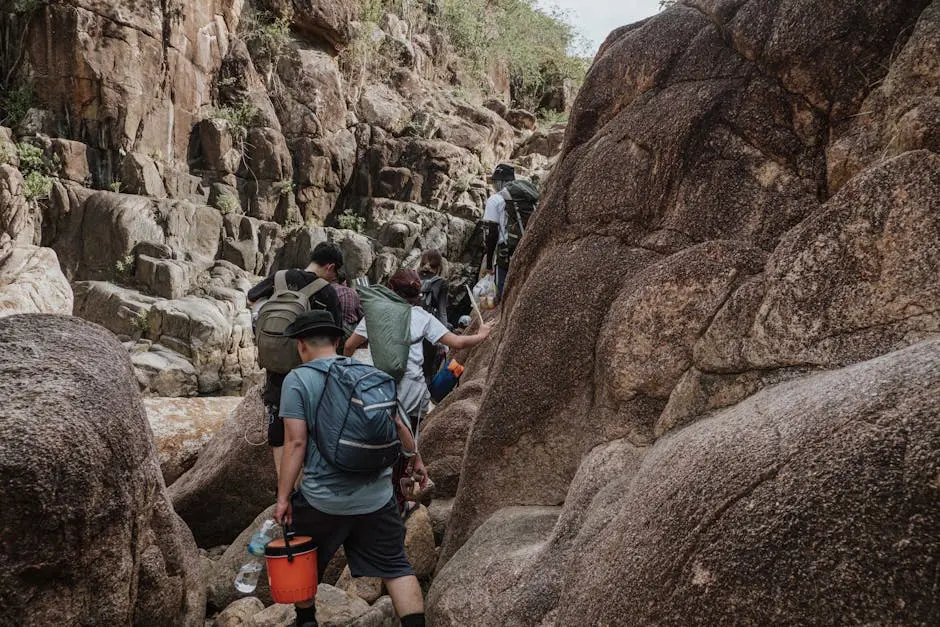
Lod Cave is not a theme park attraction and does not operate like one. The kerosene lamps produce enough light to navigate by but not enough to illuminate everything simultaneously. Bring your own head torch if you want to examine the rock formations or coffins closely. The cave floor is slippery in sections and the raft is wet.
- Footwear: sandals or water shoes that can get wet and grip wet rock
- Clothing: light clothes you do not mind getting damp; a light layer for the cool interior (cave temperature stays around 20°C year-round)
- Head torch: strongly recommended; brings the rock formations alive in a way the kerosene lamp cannot
- Dry bag or zip-lock: for your phone and camera
- Cash only: no card facilities at the ticket booth or raft station
- Water bottle: the cave exit walk back through the jungle takes 20 minutes
Photography inside is permitted but tripods are impractical. A phone with a decent night mode or a mirrorless camera with a fast lens handles the low-light conditions far better than a flash, which washes out the formations and disturbs the bats.

Where to Stay Near Lod Cave: Soppong vs Pai

Pai is the obvious base for most visitors, offering the widest range of accommodation and the best restaurant and cafe scene in the region. Budget guesthouses in Pai start from 400 to 700 THB (~$11 to $20) per night. Mid-range bungalow resorts along the Pai River run 1,200 to 2,500 THB (~$34 to $71). Check rates on Agoda or Booking.com before arriving as high-season prices in December and January can double without warning.
Soppong town, 9 kilometres from the cave and 64 kilometres from Pai, is a quieter and underrated alternative. It has a handful of guesthouse operations and family-run restaurants, and puts you close enough to reach the cave at opening time before the day-trip crowd arrives from Pai. A bed in Soppong costs 350 to 900 THB (~$10 to $26) per night. This is the right choice if you want the bat emergence and an early morning cave entry on the same visit. Remote workers staying longer-term in Pai should have a look at SafetyWing for travel medical coverage, as the hospital in Mae Hong Son (90 km away) is the nearest facility for anything serious.
Combining Lod Cave with Other Pai Adventures
Lod Cave on its own makes for a memorable half-day. Combined with the surrounding valley it becomes the centrepiece of a genuinely exceptional two or three-day circuit from Pai. The Route 1095 corridor between Pai and Mae Hong Son is one of the most rewarding stretches of road in northern Thailand and rewards time rather than speed.
Natural sites within a 30-minute drive of Lod Cave include Mae Lana cave (a dry cave system with its own coffin burial chamber, free entry), the Lod River swimming hole below the cave village, and the Pha Sua waterfall accessible from the road to Mae Hong Son. Cultural stops along the way include Shan and Karen hill tribe villages where the tourism footprint is almost zero.
Multi-day adventure tours from Pai on Viator that build Lod Cave into a wider itinerary typically combine two or more of the following: cave rafting, jungle trekking, hill tribe village homestays, waterfall swimming, and the Mae Hong Son loop by motorbike or 4WD. These tours run 3,500 to 6,000 THB (~$100 to $171) per person for two days and are particularly well-suited to first-time visitors to the region who want context, local knowledge, and the confidence of a vetted operator behind the logistics.

Practical Tips for a Smooth Visit:
Arrive early. The cave opens at 08:00 and the first hour sees almost no visitors. By 10:30 the day-trip minivans from Pai start arriving and the raft queue builds. An 08:00 arrival gives you the first chamber almost entirely to yourself and the guide’s undivided attention.
Cash only, small notes. There is no ATM at Ban Tham village. The nearest cash machine is in Soppong town (9 km away) or Pai (73 km). Bring 500 THB (~$14.30) per person as a comfortable all-in budget for entry, guide fee, tip, and a meal.
Wet season access. The cave can close entirely after heavy rain when the river rises too high for safe raft passage. This typically happens between July and September. If you are visiting in this window, check with your guesthouse in Soppong or Pai the day before. The Ban Tham village Facebook page (search Tham Lot or Lod Cave Ban Tham) posts closures. Use NordVPN on the guesthouse Wi-Fi if accessing banking or work accounts while you wait out the weather.
Flight disruption cover. If you are flying into Chiang Mai via Bangkok to access Pai, keep AirHelp in mind for any EU-regulated route disruptions that affect your connection. The Pai road from Chiang Mai takes 3 to 4 hours by minivan, bookable through 12GO, and delays can cascade quickly in high season.

Skip the airport SIM queue in Mae Hong Son.
Yesim’s eSIM activates before takeoff
so you’re online the second your
plane touches the tarmac.
Frequently Asked Questions:
Is Lod Cave suitable for children?
Yes, for children aged 6 and above who are comfortable on the water and in enclosed spaces. The bamboo rafts are stable and wide. The cave interior is cool (around 20°C), dark in sections, and home to bats and swiftlets, which some young children find startling. The wooden walkway through the coffin chamber is elevated and easy to navigate. Parental judgement applies, but the cave regularly accommodates family groups without issue.
How much does it cost to visit Lod Cave?
Entry is 100 THB (~$2.85) per person. Guide and raft hire for the through-cave circuit costs 150 to 200 THB (~$4.30 to $5.70) per raft for up to three people. A tip of 50 to 100 THB (~$1.43 to $2.85) per guide is standard. Total per person cost for an independent visit is 250 to 350 THB (~$7.15 to $10) including a meal at the village stalls.
Do I need to book a guide in advance?
No advance booking is required for the village guides at Lod Cave. Guides are assigned in rotation at the raft station on the day. Simply arrive, buy your entry ticket, and hire a guide at the raft station. Cash only. If visiting with a large group (more than six people), arriving early in the morning ensures enough guides are available without waiting.
What is the best time of day to visit Lod Cave?
Between 08:00 and 09:30 for the quietest experience with the fewest visitors. If you also want to see the bat and swift emergence, plan a second visit on the same day or arrive in the afternoon and stay for sunset. The emergence happens daily around 17:30 to 18:00 from the main cave mouth and lasts 20 to 30 minutes.
Can the cave close due to flooding?
Yes. Heavy rainfall raises the Lang River level inside the cave and can make raft passage unsafe or impossible. Closures most commonly occur between July and September during the wet season. Check with accommodation in Soppong or Pai the day before visiting, or look for updates on the Ban Tham village social media pages.
How long does the cave visit take?
The through-cave raft circuit with a guide takes 90 minutes to 2 hours, including the stop in the coffin chamber and the return jungle walk. If you also visit the bat emergence, allow a full afternoon and early evening, roughly 14:00 to 18:30. Combined with the 1 hour 30 minute drive from Pai each way, budget a full day.
Is there a Lod Cave tour from Chiang Mai?
Yes. Multi-day tours from Chiang Mai that include Lod Cave and the Pai circuit are available through Viator. These run 2 to 3 days and cost 3,500 to 6,000 THB (~$100 to $171) per person including transport, guide, accommodation, and cave access. They are the most efficient way to combine Pai, Lod Cave, and Mae Hong Son for visitors with limited time.
What is the ancient coffins section of Lod Cave?
The second chamber of Lod Cave contains teak log coffins estimated to be 1,200 to 2,000 years old, placed on wooden scaffolding carved into the cave walls. Their origin is attributed to pre-Thai highland peoples, possibly the Shan or an earlier group, though no definitive identification has been established. The coffins are accessible via a raised wooden walkway and your guide will bring a kerosene lamp close for viewing.
Is there accommodation at the cave itself?
There are no guesthouses directly at Ban Tham village. The nearest accommodation is in Soppong town, 9 kilometres away, with guesthouses from 350 to 900 THB (~$10 to $26) per night. Pai town, 73 kilometres east, has the widest selection of accommodation from budget guesthouses to riverside bungalow resorts. Check rates on Agoda or Booking.com before arriving.
How do I get from Chiang Mai to Pai?
Minivans run daily from Chiang Mai Arcade Bus Terminal to Pai, taking 3 to 4 hours and costing 150 to 200 THB (~$4.30 to $5.70). Book through 12GO to guarantee a seat in high season from November to February. The road involves 762 curves through mountain terrain and is not recommended for those prone to motion sickness. From Pai, Lod Cave is 73 kilometres northwest on Route 1095, reachable by hired motorbike or day tour.