Nan Province: Off-Grid Trekking, River Kayaking & Zero Tourist Crowds
This site contains affiliate links. We may earn a commission at no extra cost to you.
Nan sits in a forgotten fold of northern Thailand, pressed up against the Laos border and left entirely off the package-tour circuit. It has ancient temple murals that rival anything in Chiang Mai, teak-scented rivers that beg to be kayaked, and jungle trails where you are more likely to meet a water buffalo than another tourist. If you have been waiting for the version of Thailand that has not yet been discovered, Nan is it.
The province is a roughly four-hour drive or bus ride east of Chiang Mai, yet it receives a fraction of the visitor numbers. There are no elephant camps, no Khao San Road energy, and no inflated foreigner prices. All costs in this guide use a rate of 35 THB = $1 USD.
Quick Answer: Why Nan?
Nan delivers a version of northern Thailand that feels authentic in all the ways that busier destinations no longer do. The highlights include:
- Multi-day jungle treks with almost no other foreigners on the trails
- River kayaking on the Nan River through untouched farmland
- Wat Phumin, with its extraordinary 19th-century erotic murals
- Authentic hill tribe villages of the Mien, Hmong, and Lua peoples
- Doi Phu Kha National Park, a cloud-forest wilderness above 2,000 metres
- Some of the cheapest and most honest street food in Thailand
Budgeting: A comfortable mid-range day in Nan runs 800 to 1,500 THB (~$23 to $43). Budget travellers can get by on 400 to 600 THB (~$11 to $17) with guesthouses and street food.

From boutique guesthouses to five-star
resorts, Agoda has Thailand covered.
Strong Asia inventory means deeper
discounts than you’d find elsewhere.
Nan Activities: At a Glance
| Activity | Cost (THB) | Cost (USD) | Best Time | Vibe |
|---|---|---|---|---|
| Wat Phumin | Free | Free | Morning | Sacred / Artistic |
| Nan River Kayaking | 800 to 1,400 THB | ~$23 to $40 | Oct to Feb | Active / Scenic |
| Doi Phu Kha Trekking | 200 to 1,500 THB | ~$6 to $43 | Nov to Feb | Wild / Remote |
| Hill Tribe Village Trek | 1,200 to 2,500 THB | ~$34 to $71 | All year | Cultural / Immersive |
| Nan National Museum | 100 THB | ~$2.85 | Any time | Historical / Quiet |
| Motorbike Loop (1 day) | 300 to 500 THB | ~$8.50 to $14 | Cool season | Free / Adventurous |
Wat Phumin: A Temple Like No Other
Entry to Wat Phumin is free, which makes it one of the best value cultural experiences in Thailand. Built in 1596 and renovated in the late 19th century, the temple is famous not for its gold or its scale, but for its extraordinary interior murals.
Painted by a Tai Lue artist known as Thit Buaphan, the murals depict everyday life in 19th-century Nan, including scenes of courtship, tattooed men in traditional dress, and foreign traders with early rifles. There is an intimacy and honesty to them that feels completely unlike the formal religious iconography found in Bangkok’s temples. The famous “whispering couple” image has become the visual symbol of the entire province.
Visit at opening time (08:00) before tour groups arrive from Chiang Rai. The light through the eastern windows is at its best in the morning and the atmosphere is genuinely peaceful.


Book Thailand day trips, attractions,
and activities in one place. Check
real reviews and lock in your spot
before the popular slots go.
River Kayaking on the Nan River

The Nan River is calm, jade-green, and flanked by bamboo groves and rice paddies. Half-day kayaking trips run from the town centre toward the southern districts, passing stilted fishing villages where life moves at a pace that feels almost cinematic. Guided half-day trips cost 800 to 1,000 THB (~$23 to $29) per person, with full-day multi-village trips running 1,200 to 1,400 THB (~$34 to $40), typically including a packed lunch of sticky rice and river fish.
The optimal season is October through February, when water levels are manageable and the air temperature is below 30°C. Operators in Nan town hire kayaks independently for around 200 to 300 THB (~$5.70 to $8.60) per day if you prefer to explore without a guide, though having a local alongside opens up village access that self-guided paddlers simply do not get.
Book through Get Your Guide or Klook if you want vetted operators with safety equipment included. Local guesthouses can also arrange this directly and often at a slight discount.

Lock in top-rated Thailand tours with
GetYourGuide’s free cancellation
up to 24 hours before. Reserve now
and pay later if dates aren’t set.
Pro Tips For Arriving Stress-Free
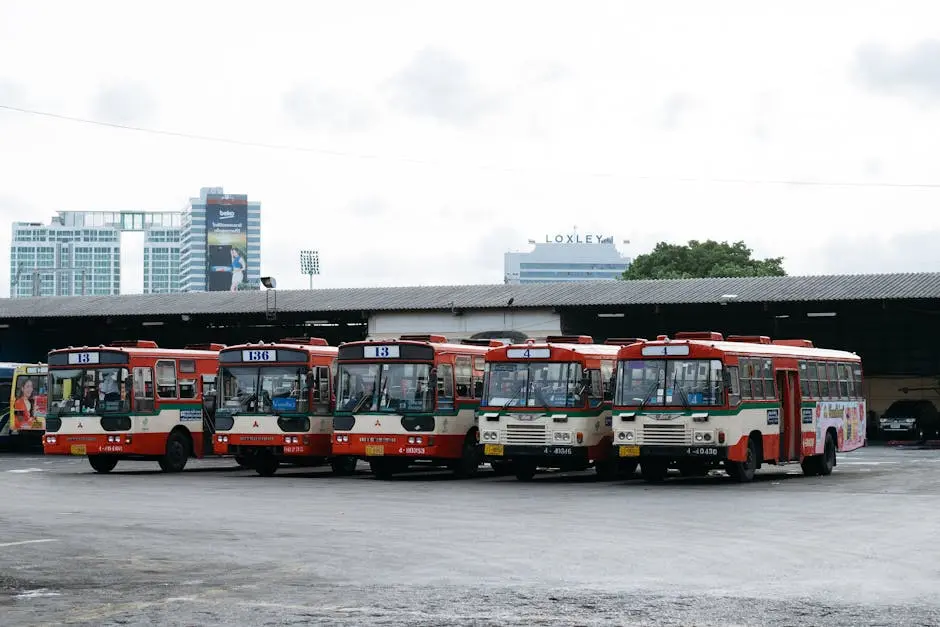
Getting Here: The most reliable route is a direct bus from Chiang Mai Arcade Terminal. Tickets on 12GO cost 180 to 250 THB (~$5.15 to $7.15) and the journey takes roughly four hours. Book ahead during the cool season and around Thai public holidays when seats fill fast. Nok Air and Bangkok Airways both operate short flights from Bangkok to Nan Airport (NNT), with fares starting from 1,200 THB (~$34) booked in advance.
Data: Nan has decent 4G coverage in the town centre but it drops off quickly in the national park. Activate your Airalo, Yesim, or Saily eSIM before departure. Local apps used by guesthouses, tour operators, and tuk-tuk drivers for bookings and payments require an SMS verification code the moment you arrive. If you land at Nan Airport without mobile data, you will not be able to complete those verifications from the car park.
Security: Use NordVPN when connecting to guesthouse and cafe Wi-Fi. Nomad-friendly coffee shops in Nan town are genuinely good, but open networks in small towns carry real risk for banking and remote work sessions.

Maps, Grab, translation apps all need
data in Thailand. Yesim’s eSIM installs
in a minute and gives you reliable
5G from the moment you arrive.
Trekking in Doi Phu Kha National Park

Doi Phu Kha is Nan Province’s crown jewel and almost nobody outside northern Thailand knows it exists. The national park entrance fee is 200 THB (~$5.70) for foreigners. The summit sits at 2,079 metres and the cloud forest up there is genuinely spectacular, with wild orchids, ancient hardwoods, and views that stretch all the way to the Laos border on clear mornings.
Day hiking on signed trails is free beyond the entry fee. Guided overnight treks that include a stay in a Lua hill tribe village run 1,200 to 1,500 THB (~$34 to $43) per person for a two-day itinerary, including meals prepared by the village host family. These are not performative cultural experiences. The villages are genuine communities and the guides are local men who grew up in them.
The park bungalows at the visitor centre cost 500 to 800 THB (~$14 to $23) per night and are clean, cold at altitude, and surrounded by complete silence after dark. Book through the national park directly or ask your guesthouse in Nan town to arrange it.
Hill Tribe Villages of the Mien, Hmong & Lua
Nan Province is home to several distinct ethnic minority communities who have lived in these highlands for centuries. The Mien (Yao), Hmong, and Lua peoples maintain distinct languages, textile traditions, and agricultural practices that are fascinating to witness with the right guide and the right attitude.
Guided village visits depart from Nan town and cost 1,200 to 2,500 THB (~$34 to $71) depending on duration and whether an overnight homestay is included. The homestay experience is the far better option. Sleeping in a traditional longhouse, eating sticky rice and forest greens prepared over a wood fire, and walking the village fields at dawn is something that no luxury hotel in Chiang Mai can replicate.
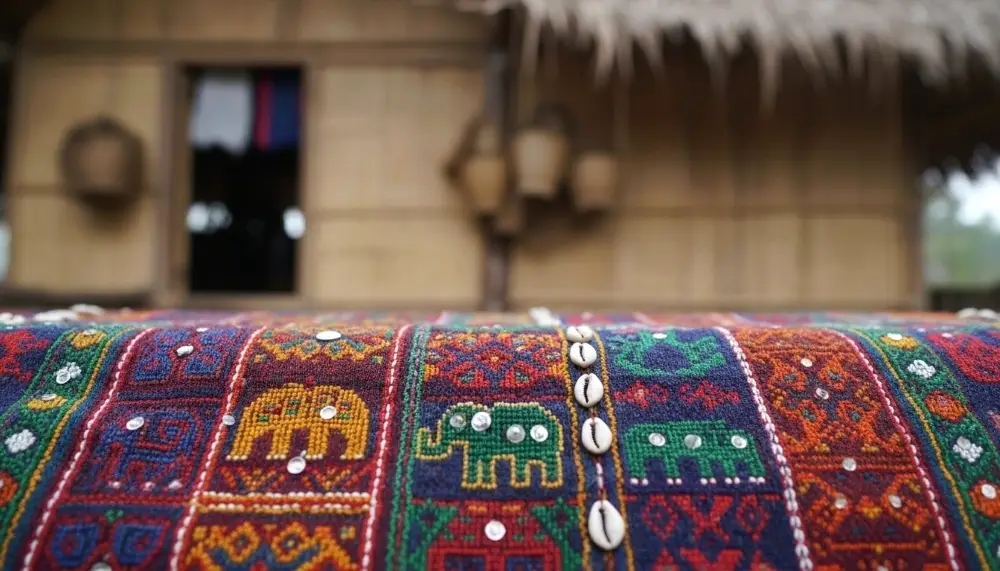
Tip: buy a small piece of the village’s traditional embroidery directly from the women who made it. Prices are very fair, typically 100 to 400 THB (~$2.85 to $11.40) for a hand-stitched piece, and the income goes directly to the family.
The Motorbike Loop: Nan in One Day

Renting a motorbike in Nan town costs 250 to 350 THB (~$7.15 to $10) per day, fuel included in some rentals. The road north toward Bo Kluea, the ancient salt wells district, is arguably the most beautiful single stretch of road in northern Thailand: rice terraces dropping into river valleys, with almost no traffic outside of market days.
A practical loop covers Wat Phumin and the National Museum in the morning, then heads north on Route 1080 through Tha Wang Pha district, stopping at roadside stalls for khao lam (sticky rice cooked in bamboo, 20 to 30 THB / ~$0.57 to $0.85) before reaching Bo Kluea by early afternoon. The salt wells have been operated by the same families for over 400 years and the site is completely free to visit.
Return via the eastern bank of the Nan River for a completely different landscape: flatter, more agricultural, with Buddhist temples appearing at every district junction.
Street Food & Eating in Nan Town
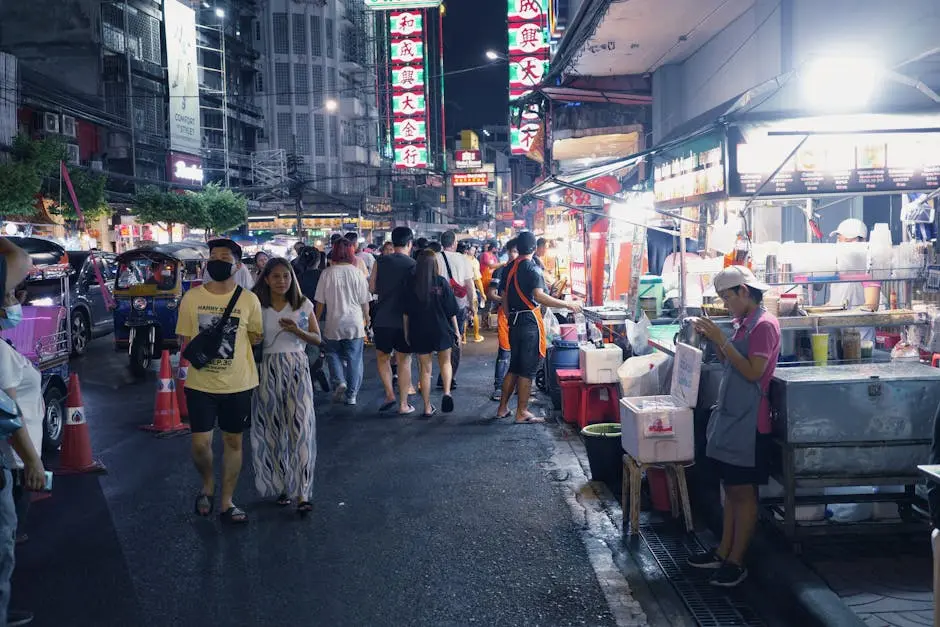
The morning market on Pha Kong Road opens at 05:30 and is over by 08:00. This is the single best food experience in the province and it costs almost nothing. Stalls sell kanom jeen (fresh rice noodles with herb-heavy curries, 40 to 50 THB / ~$1.15 to $1.40), grilled pork skewers (10 THB / ~$0.30 each), and freshly steamed buns stuffed with taro or minced pork (15 THB / ~$0.43 each).
The night market near the Nan River runs Thursday through Sunday from 17:00 to 21:00. Budget 200 to 350 THB (~$5.70 to $10) for a full evening of eating and drinking. Look out for Nan-specific dishes: gaeng khua pla (river fish curry with wild ginger), nam prik noom (green chilli relish with raw vegetables), and khanom wan (palm sugar sweets shaped into flowers).
Sit-down restaurants with river views around the town centre charge 80 to 180 THB (~$2.30 to $5.15) per main dish. None of them use the ++ pricing common in Bangkok.
Where to Stay in Nan
Nan has no international chain hotels, which is part of the charm. The accommodation scene runs from family-run guesthouses to genuinely lovely boutique properties built from reclaimed teak.
Budget guesthouses around the old town centre cost 300 to 500 THB (~$8.60 to $14) per night for a clean private room with a fan. Mid-range boutique guesthouses, several of which occupy restored colonial shophouses, charge 800 to 1,500 THB (~$23 to $43) per night and include breakfast. Use Agoda to compare options across all price points and check Booking.com for last-minute availability during the cool season when Nan fills up faster than people expect.
Remote workers and long-stay visitors will find that weekly rates drop significantly when negotiated directly with guesthouse owners. Stays of seven nights or more typically command a 20 to 30 percent discount from the nightly rate. SafetyWing is worth activating before any extended stay in a province this remote, where the nearest international-standard hospital is back in Chiang Mai.
Nan for Remote Workers & Long-Stay Visitors
Nan is quietly becoming a favourite base for remote workers who have exhausted Chiang Mai. The cost of living is lower, the pace is slower, and the creative energy of a small town that is not yet overrun with digital nomad co-working spaces actually turns out to be a productive environment for many people.
Coffee shops with reliable fibre Wi-Fi have opened along the old town streets, charging 60 to 100 THB (~$1.70 to $2.85) per drink with no time limits. Monthly guesthouse rentals come in at 6,000 to 10,000 THB (~$171 to $286) for a private room with breakfast in the best locations. Add food and local transport and a comfortable working month costs around 20,000 to 30,000 THB (~$571 to $857) total.
Use NordVPN for every work session on local networks and activate SafetyWing travel medical insurance before arrival if you plan to spend more than two weeks. The nearest private hospital with English-speaking staff is in Chiang Mai, three to four hours away.

When to Visit & What to Expect
The cool season (November to February) is the obvious choice. Temperatures sit between 15 and 28°C, the rivers are at ideal levels for kayaking, the rice harvest is underway in the valleys below Doi Phu Kha, and the light for photography is extraordinary in the low winter sun.
October is an interesting shoulder option. The last of the monsoon rains clear mid-month, the countryside is intensely green, rivers run fast for experienced kayakers, and accommodation prices sit about 20 to 30 percent lower than peak season. March and April bring haze from agricultural burning further north, which reduces visibility on mountain trails but keeps the province quieter and cheaper.
The Nan Boat Racing Festival (October, following Buddhist Lent) draws the largest crowds of the year. The riverside fills with decorated longtail boats and the energy is completely unlike anything else in the province’s calendar. Book accommodation through Agoda or Booking.com at least six weeks in advance for this period.
Frequently Asked Questions
How do I get from Chiang Mai to Nan Province?
The most affordable route is a direct bus from Chiang Mai Arcade Bus Terminal, costing 180 to 250 THB (~$5.15 to $7.15) and taking around four hours. Book through 12GO to secure a seat before Thai public holidays. Nok Air and Bangkok Airways fly direct from Bangkok to Nan Airport (NNT) from around 1,200 THB (~$34) booked in advance. There is no direct train service to Nan.
Is Nan Province safe for solo travellers?
Yes. Nan is one of the safest provinces in Thailand. Crime against tourists is virtually unheard of. The main considerations are road safety on mountain routes if riding a motorbike (ride slowly on wet surfaces) and altitude on Doi Phu Kha (temperatures drop sharply at night above 1,500 metres, bring a layer). Solo women travellers consistently rate Nan as one of Thailand’s most relaxed and welcoming destinations.
What is the best time of year to visit Nan?
November to February is the prime season: cool temperatures (15 to 28°C), clear skies, and ideal river conditions for kayaking. October has lush post-monsoon scenery and the Nan Boat Racing Festival. March and April bring haze from northern burning season, which reduces mountain visibility but also drops prices by 20 to 30 percent.
Do I need a guide for trekking in Doi Phu Kha National Park?
Day hikes on signed trails from the visitor centre do not require a guide. The national park entry fee is 200 THB (~$5.70). Overnight treks into the backcountry and village homestay routes do require a registered local guide, both for safety and for meaningful access to the Lua and Mien communities. Guided overnight treks cost 1,200 to 1,500 THB (~$34 to $43) per person for a two-day itinerary including meals.
How much does a day of kayaking on the Nan River cost?
Guided half-day kayaking trips cost 800 to 1,000 THB (~$23 to $29) per person, including equipment and a local guide. Full-day village-to-village routes with lunch cost 1,200 to 1,400 THB (~$34 to $40). Self-hire kayaks from operators in Nan town cost 200 to 300 THB (~$5.70 to $8.60) per day without a guide. The best season for kayaking is October through February.
Is there good mobile data coverage in Nan Province?
Nan town has reliable 4G coverage. Coverage drops significantly in Doi Phu Kha National Park and in remote hill tribe areas. Activate an Airalo, Yesim, or Saily eSIM before departure. Local apps used by guesthouses and operators require SMS verification on arrival, so having live data from the moment you land at Nan Airport or step off the bus is essential.
What is Wat Phumin and why is it special?
Wat Phumin is a 16th-century temple in Nan town famous for its 19th-century interior murals painted by Tai Lue artist Thit Buaphan. The murals depict everyday life in historical Nan, including courtship scenes, tattooed men, and foreign traders. The famous whispering couple image is now the symbol of the entire province. Entry is free. Visit at 08:00 when it opens for the best light and fewest visitors.
How much does accommodation cost in Nan?
Budget guesthouses with private rooms and fans cost 300 to 500 THB (~$8.60 to $14) per night. Mid-range boutique guesthouses in restored teak shophouses charge 800 to 1,500 THB (~$23 to $43) including breakfast. There are no international chain hotels. Use Agoda or Booking.com to compare options and book early for the cool season and the October Boat Racing Festival period.
Can I visit Nan as a day trip from Chiang Mai?
Technically yes, but it is not recommended. The bus journey is four hours each way, which leaves very little time for anything meaningful. Two to three nights is the realistic minimum to do justice to Wat Phumin, the river, a morning market visit, and one day trip toward Doi Phu Kha or Bo Kluea. Four to five nights unlocks the trekking and kayaking experiences that make Nan genuinely special.
What should I know about visiting hill tribe villages in Nan?
Always visit with a reputable local guide who has existing relationships with the community. Do not photograph people without permission. Dress modestly in village settings, particularly in areas where religious ceremonies may be taking place. Buying traditional embroidery or crafts directly from the women who made them (100 to 400 THB / ~$2.85 to $11.40) is the most respectful and economically meaningful form of tourism support in these communities.