Best Night Safari Experiences in Thailand for Wildlife Lovers
This site contains affiliate links. We may earn a commission at no extra cost to you.
Thailand after dark is a completely different country. The humidity drops just enough, the jungle comes alive with sound, and if you know where to look, the wildlife you spend your daytime hours missing walks straight out in front of you. Night safaris here are not the tame, sanitised versions you might expect. They are genuinely wild, consistently surprising, and utterly addictive for anyone who loves the natural world.
From the misty limestone hills of Khao Yai to the mangrove waterways of Krabi, Thailand’s night safari options span every budget and travel style. This guide breaks down the best experiences, what they cost, and exactly how to book them without paying inflated walk-up prices. All prices use a rate of 35 THB = $1 USD.
Quick Answer: Best Night Safari Spots?
Thailand’s top night safari experiences for wildlife lovers include:
- Khao Yai National Park night game drives
- Chiang Mai Night Safari (Nimmanhaemin area)
- Khao Sok jungle night walks
- Doi Inthanon after-dark birdwatching
- Krabi mangrove night kayaking
- Huai Kha Khaeng Wildlife Sanctuary guided walks
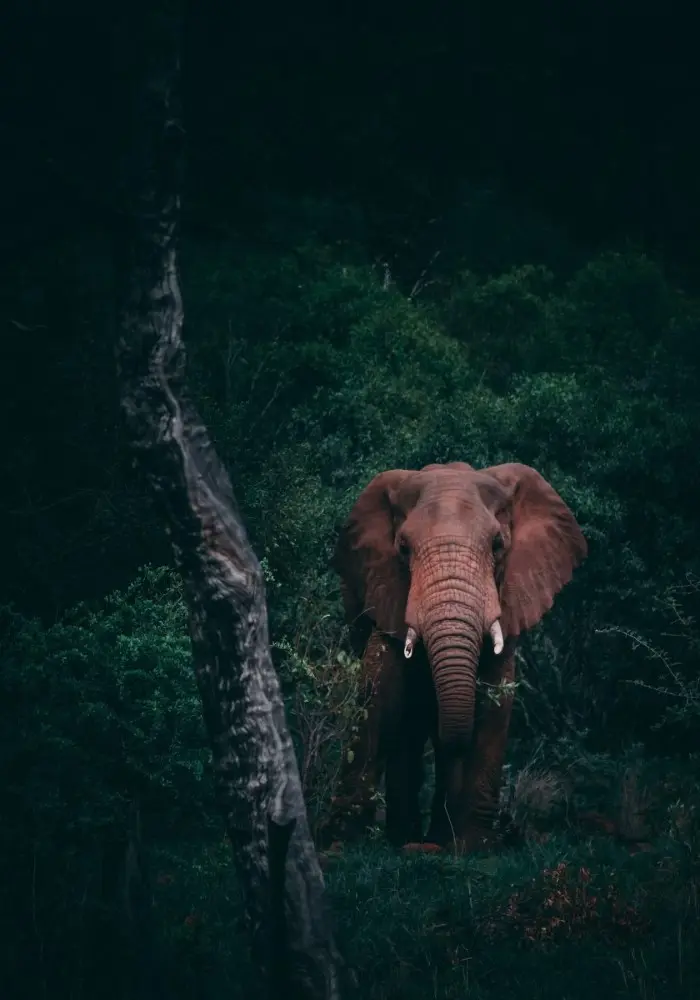
- Kui Buri National Park leopard and elephant drives
Budgeting: A self-guided entry costs as little as 200 THB (~$5.70) at some parks. Guided night drives with experienced naturalists range from 1,500 to 4,500 THB (~$43 to $129) per person depending on location and group size.

Skip the planning headache in Krabi.
Klook offers day tours, tickets, and
experiences from around $25, with
instant confirmation to your phone.
Night Safari Comparison: Costs and Wildlife
| Location | Cost (THB) | Cost (USD) | Highlight Species | Best For |
|---|---|---|---|---|
| Khao Yai Night Drive | 1,500 to 3,500 THB | ~$43 to $100 | Elephants, civets, owls | Budget to mid-range |
| Chiang Mai Night Safari | 800 to 1,500 THB | ~$23 to $43 | Tigers, lions, hyenas | Families, first-timers |
| Khao Sok Night Walk | 1,200 to 2,500 THB | ~$34 to $71 | Slow lorises, flying squirrels | Adventure seekers |
| Kui Buri Elephant Drive | 2,000 to 4,500 THB | ~$57 to $129 | Wild elephants, leopard cats | Serious wildlife lovers |
| Krabi Mangrove Kayak | 1,500 to 2,800 THB | ~$43 to $80 | Fireflies, bats, kingfishers | Couples, nature lovers |
Khao Yai National Park: The Gold Standard
Khao Yai is Thailand’s oldest national park and its most reliable for genuine wildlife encounters after dark. Located around 200 kilometres north-east of Bangkok, this UNESCO World Heritage Site covers over 2,000 square kilometres of evergreen forest. The nightly game drives along the main park road are a Thailand bucket-list experience.
The park itself charges an entry fee of 400 THB (~$11.40) for foreigners plus 50 THB (~$1.40) per vehicle. After dark, most visitors join guided jeep tours departing from Pak Chong town, costing between 1,500 and 3,500 THB (~$43 to $100) per person depending on group size. Spotlight tours regularly encounter sambar deer, barking deer, Asian palm civets, common palm civets, and large-eyed owls. Wild elephant sightings occur on roughly one in three night drives from May to October.
Book in advance through Get Your Guide or Klook to secure vetted, licensed naturalist guides. Solo arrivals paying at the gate risk joining overcrowded vehicles with unqualified drivers pointing spotlights. That is not the experience you came for.


Lock in top-rated Krabi tours with
GetYourGuide’s free cancellation
up to 24 hours before. Reserve now
and pay later if dates aren’t set.
Chiang Mai Night Safari: Best for Families
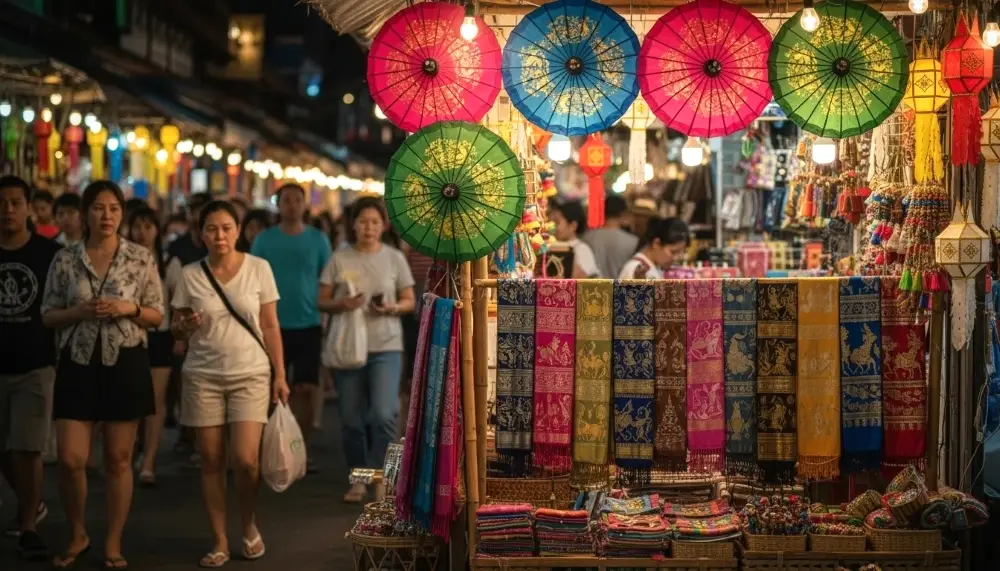
The Chiang Mai Night Safari is the most accessible, family-friendly wildlife experience in the country. Opened in 2006 on 819 hectares of land next to Doi Suthep-Pui National Park, it combines open-air tram rides, a predator zone, and walking zones across three circuits. Entry for adults costs 800 THB (~$23) and children under 140cm pay 400 THB (~$11.40). Premium packages including the tram tour and predator zone cost up to 1,500 THB (~$43) per adult.
The Savanna Safari tram takes you through enclosures where lions, tigers, spotted hyenas, and white rhinoceroses roam in semi-open conditions. The Jaguar Trail walking zone brings you up close to sun bears, binturongs, and Malayan tapirs behind glass. It is undeniably more zoo than wild safari, but the presentation is excellent and genuinely impressive for younger children. Families travelling with children aged 5 to 14 will find this the ideal introduction to Southeast Asian wildlife. Use Agoda or Booking.com to find accommodation close to the Nimmanhaemin area for easy access.
Khao Sok: Jungle Night Walks in Ancient Rainforest
Khao Sok National Park in Surat Thani province contains some of the world’s oldest evergreen rainforest, estimated at 160 million years old. After dark it transforms into one of the most atmospheric wildlife destinations in the country. Unlike the vehicle-based drives further north, most Khao Sok night experiences involve guided walking, putting you directly inside the jungle soundscape rather than observing it from a seat.
Guided night walks start at 1,200 THB (~$34) per person from the main resort cluster and last around two to three hours. A premium private guide with specialist spotlighting equipment costs 2,500 THB (~$71) for couples. Target species include slow lorises, banded palm civets, Malayan porcupines, giant flying squirrels, and an extraordinary range of nocturnal insects including stick insects up to 30 centimetres long.
Accommodation inside the park ranges from riverside floating raft houses at 800 to 2,500 THB (~$23 to $71) per night, best booked through Agoda for live availability. Getting to Khao Sok from Bangkok or Phuket is straightforward using 12GO for overnight bus or train options.

Airalo covers Krabi with a range of
data plans from days to a month.
No physical SIM swap, no roaming
bill shock when you get back home.
Kui Buri National Park: Wild Elephants After Dark
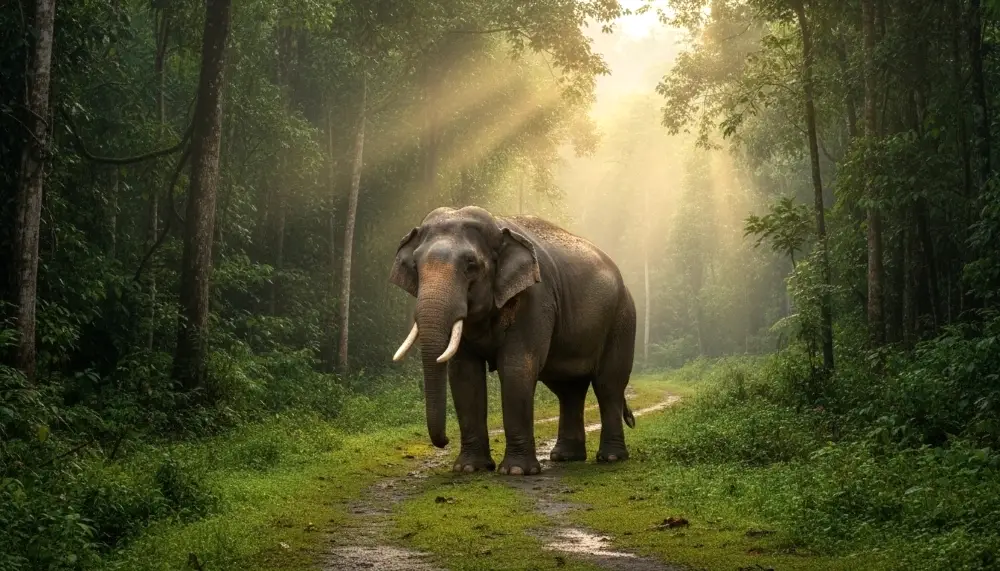
Kui Buri in Prachuap Khiri Khan province is Thailand’s most serious wildlife park for genuinely wild large mammal encounters. It holds one of the highest densities of wild elephants in the country, with herds of 20 to 50 individuals regularly seen at dusk and into the early evening hours at the park’s open grassland zones. Leopard cat, gaur, banteng, and sambar deer are also frequently sighted.
The park operates official open-top vehicle safaris from the visitor centre in the late afternoon, continuing until darkness. Entry for foreigners is 200 THB (~$5.70) per person. The official guided vehicle costs an additional 1,800 to 4,300 THB (~$51 to $123) depending on vehicle size and duration. Private naturalist-led tours booked through Klook start from 2,000 THB (~$57) per person and include return transfers from Hua Hin, which is the most convenient base. Booking accommodation in Hua Hin through Booking.com gives strong options across all budgets, from guesthouses at 600 THB (~$17) a night to beachside resorts at 3,500 THB (~$100) and above.

Compare hotel prices across Krabi’s
best areas and book with confidence.
Filter by budget, location, or score
to find the right stay for your trip.
Krabi Mangrove Night Kayaking: Fireflies and Sea Creatures
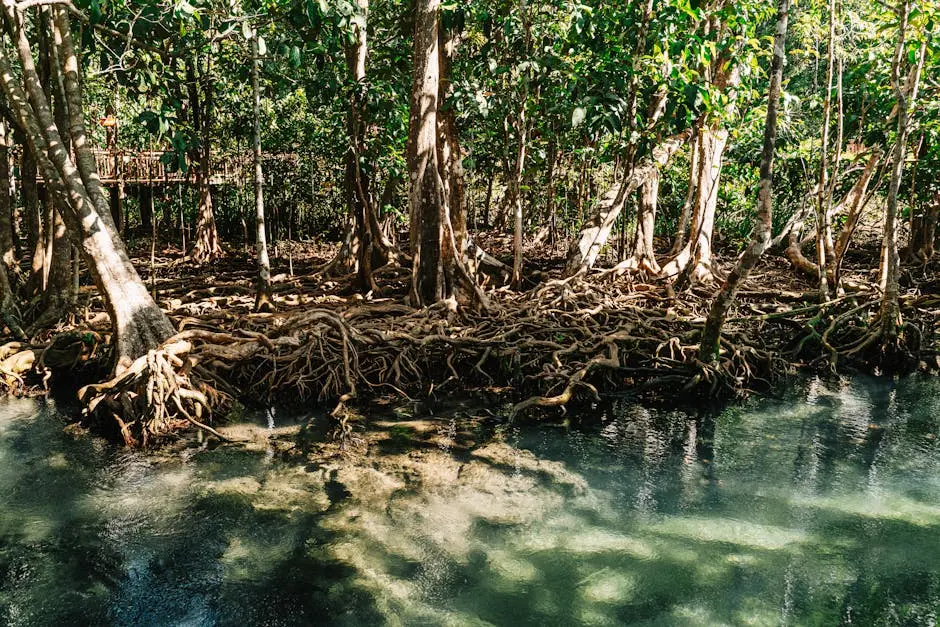
Night kayaking through the mangrove channels of Krabi is one of the most visually spectacular wildlife experiences in Thailand, and almost nobody puts it in the same category as a safari. They should. The Ao Thalane and Klong Root mangrove systems come alive after sunset with synchronous firefly displays in the Nipa palm stands, hunting bats skimming the water’s surface, collared kingfishers roosting in the roots, and small crocodile skink sightings for those who look carefully enough.
Tours depart from Ao Thalane pier and cost 1,500 to 2,800 THB (~$43 to $80) per person, typically lasting three hours and including a guide and all equipment. This is genuinely one of the most romantic and surprising experiences on the Andaman coast.
Before arriving in Krabi, activate your Airalo, Yesim, or Saily eSIM data plan before departure so you can confirm your booking, use maps offline, and contact your guide the moment you land, since many kayak operators use LINE or WhatsApp exclusively. Book tours through Get Your Guide or Klook to avoid pier-side haggling for availability.
Doi Inthanon: After-Dark Birdwatching for Serious Birders

Doi Inthanon, Thailand’s highest peak at 2,565 metres, is a specialist destination primarily known for its pre-dawn and after-dark birding. The road to the summit passes through montane forest zones that hold species found nowhere else in the country, including the Rufous-throated Partridge, Ward’s Trogon, and several species of owl that are best located by call in the hours after sunset.
Park entry costs 300 THB (~$8.60) for foreigners plus 50 THB (~$1.40) per vehicle. A specialist bird guide based in Chiang Mai charges 2,500 to 4,000 THB (~$71 to $114) for a full evening and early-morning session combining dusk owl spotting with pre-dawn summit birding. This is not a casual wildlife experience; it rewards patience, silence, and a genuine interest in birds.
Remote workers planning an extended stay in Chiang Mai for this kind of multi-day birding trip should look at SafetyWing for flexible travel medical cover, and NordVPN for secure access to home banking and work tools on guesthouse and cafe Wi-Fi. Book Chiang Mai accommodation near the Nimman area through Booking.com for the best range of guesthouses suitable for early-morning departures.

Stay online in Krabi without breaking
the budget. Saily offers flexible
eSIM plans with no contract and
no roaming charges going home.
Huai Kha Khaeng: For the Serious Wildlife Traveller
Huai Kha Khaeng Wildlife Sanctuary in Uthai Thani province is one of the most biodiverse protected areas in Southeast Asia and part of the same UNESCO complex as Thung Yai. It holds wild tigers, leopards, dholes, elephants, and tapirs in genuine wilderness conditions. Access requires advance permission from the Royal Thai Forest Department, making this an experience reserved for those prepared to plan seriously ahead.
Permitted guided night walks inside the sanctuary are available through a small number of licensed operators and cost 3,500 to 6,000 THB (~$100 to $171) per person, typically as part of a multi-day package that includes simple bunkhouse accommodation at 500 to 800 THB (~$14 to $23) per night. Flight connections from Bangkok to Nakhon Sawan (the nearest hub) are bookable through AirAsia via 12GO.
If your flight to Thailand is disrupted or delayed, note AirHelp for automatic compensation claims on eligible routes before you even arrive. This is a difficult destination that rewards determination entirely. The wildlife sightings possible here are simply not replicable anywhere else in Thailand.
Pro Tips for Night Safari Success
Clothing: Wear neutral, muted colours. Avoid white, which reflects spotlights and startles animals. Light long-sleeved layers protect against both insects and the genuine chill at higher-elevation parks like Doi Inthanon and Khao Yai after midnight.
Connectivity: Activate your Airalo, Yesim, or Saily eSIM before landing. Khao Yai, Khao Sok, and Kui Buri all have patchy signal, but your booking confirmations, offline maps, and emergency contacts need to be accessible before you enter. Install NordVPN on your devices before departure for secure browsing at resort Wi-Fi hotspots throughout the journey.
Transfers: Groups arriving at Suvarnabhumi or Chiang Mai with specialist equipment (binoculars, tripods, long lenses) should arrange airport transfers through Welcome Pickups to avoid the stress of negotiating taxi capacity at arrivals.
Transport: Lock in intercity buses and train seats to Pak Chong (Khao Yai), Phun Phin (Khao Sok), and Prachuap Khiri Khan (Kui Buri) via 12GO well in advance. Trains to these routes fill rapidly during Thai public holidays.

Skip the airport SIM queue in Krabi.
Yesim’s eSIM activates before takeoff
so you’re online the second your
plane touches the tarmac.
Wildlife Welfare: What to Avoid
Not every night safari in Thailand meets the same ethical bar. A few clear markers separate genuine wildlife experiences from exploitative ones.
- Avoid any experience that offers direct contact with wild animals, including handling slow lorises, feeding wild monkeys, or posing with restrained civets.
- Slow lorises in Thailand are critically endangered and fully protected. Any operator offering a slow loris selfie is operating illegally.
- Choose operators whose guides are trained naturalists, not resort staff reassigned for the evening.
- Responsible spotlighting means sweeping the beam broadly and never holding it directly on an animal’s eyes for extended periods.
- Stick to national parks and licensed sanctuaries rather than private “wildlife shows” marketed heavily to tourists in Phuket and Pattaya.
Frequently Asked Questions
What is the best night safari in Thailand for seeing wild elephants?
Kui Buri National Park in Prachuap Khiri Khan is the most reliable location for wild elephant sightings at dusk and into the evening. Herds of 20 to 50 animals regularly visit the open grassland zones. Entry costs 200 THB (~$5.70) and guided vehicle safaris range from 1,800 to 4,300 THB (~$51 to $123). Khao Yai National Park also offers strong elephant sighting rates from May to October on guided night drives costing 1,500 to 3,500 THB (~$43 to $100) per person.
Is the Chiang Mai Night Safari worth visiting?
Yes, particularly for families with young children or first-time visitors who want a structured, accessible wildlife experience. Entry costs 800 THB (~$23) for adults and 400 THB (~$11.40) for children. The tram-based Savanna Safari circuit passes lions, tigers, white rhinos, and spotted hyenas in semi-open enclosures. It is more zoo than wild safari, but it is well presented and genuinely impressive after dark.
How do I get to Khao Yai for a night safari from Bangkok?
The easiest route is a train from Bangkok’s Hua Lamphong station to Pak Chong, costing around 100 to 300 THB (~$2.85 to $8.60) depending on class. The journey takes approximately 2.5 hours. From Pak Chong, songthaews and taxis connect to the park gate. Book intercity train tickets in advance through 12GO, especially during Thai public holidays when seats sell out quickly.
What wildlife can I see on a night safari in Thailand?
Thailand’s nocturnal wildlife includes Asian palm civets, common palm civets, sambar deer, barking deer, large-eyed owls, collared scops owls, Malayan porcupines, giant flying squirrels, slow lorises (in certain forest areas), leopard cats, and in premier parks like Huai Kha Khaeng, leopards, tigers, and dholes. Coastal and mangrove environments add fireflies, bats, mudskippers, and saltwater crocodile skinks.
Are slow loris encounters legal in Thailand?
No. The slow loris is a critically endangered, fully protected species under Thai law. Any operator offering slow loris selfies, handling, or feeding experiences is operating illegally and causing direct harm to the animals. Legitimate guided night walks in Khao Sok and Khao Yai occasionally produce wild slow loris sightings at distance, which are genuinely special. Avoid any operator who advertises direct contact.
How much does a night safari in Thailand cost?
Costs vary significantly by experience type. Budget options include self-guided evening walks in national parks from 200 to 400 THB (~$5.70 to $11.40) entry. Mid-range guided jeep drives at Khao Yai or Kui Buri cost 1,500 to 3,500 THB (~$43 to $100) per person. Premium private naturalist tours at Huai Kha Khaeng or specialist birding at Doi Inthanon range from 3,500 to 6,000 THB (~$100 to $171) per person. Krabi mangrove night kayaking costs 1,500 to 2,800 THB (~$43 to $80) per person.
What should I wear on a night safari in Thailand?
Wear light, neutral-coloured long-sleeved clothing in greens, greys, or khaki. Avoid white, which reflects torchlight and disturbs animals. Closed-toe shoes are essential for jungle walks. Bring a light fleece or layer for highland parks like Khao Yai and Doi Inthanon, where temperatures can drop to 15 to 18°C after midnight. A headtorch with a red-light mode is useful and considerate to wildlife.
Can I do a night safari independently without a guide?
Some parks, including Khao Yai, permit independent night driving along the main road after paying park entry of 400 THB (~$11.40) for foreigners plus 50 THB (~$1.40) per vehicle. However, a qualified naturalist guide dramatically improves sighting rates and animal identification. For parks like Huai Kha Khaeng, guided access is mandatory. For the best experience at any location, book through Get Your Guide or Klook to secure licensed naturalist-led tours.
When is the best time of year for night safaris in Thailand?
The cool season from November to February offers the most comfortable conditions for extended outdoor nights, with lower humidity and temperatures. Khao Yai elephant sightings peak from May to October during the wet season when animals concentrate around water sources. Krabi mangrove kayaking is best from November to April when seas are calm. Doi Inthanon birding is excellent year-round but peak migrant diversity occurs from October to March.
Is it safe to go on a night safari in Thailand?
Night safaris in Thailand’s national parks are safe when conducted with licensed operators inside official park boundaries. Follow your guide’s instructions, stay on designated paths during jungle walks, and carry a torch at all times. The primary hazards are uneven terrain, insects, and the remote possibility of encountering large wildlife at close range. Book tours through vetted platforms like Klook or Get Your Guide and ensure you have appropriate travel insurance. SafetyWing is a strong option for longer-stay travellers planning multiple wildlife excursions.