Doi Inthanon National Park Day Trips: 4 Best Tours Compared
This site contains affiliate links. We may earn a commission at no extra cost to you.
Ninety kilometres southwest of Chiang Mai, the air gets cooler, the forest closes in, and the road starts climbing towards something the Thais call the Roof of Thailand. Doi Inthanon is the country’s highest peak at 2,565 metres above sea level, and the national park wrapped around it is one of the most rewarding day trips in all of Southeast Asia.
Thundering waterfalls, cloud forests, royal pagodas with panoramic views, Karen hill tribe villages, and the rare thrill of genuinely cold air in the middle of the tropics: it delivers all of this in a single day. The only question is how to do it well. This guide compares the four best tour formats so you can choose the one that fits your group, budget, and pace. All prices use a rate of 35 THB = $1 USD.
The Quick Summary:
A standard group day tour from Chiang Mai costs 1,400 to 2,000 THB (~$40 to $57) per person and includes entrance fees, hotel pickup, lunch, and a TAT-licensed guide. Private tours start at around 3,500 to 6,000 THB (~$100 to $171) per vehicle for a group of two to four and offer full itinerary flexibility.
Park entrance for foreign adults costs 300 THB (~$8.60). Children aged 3 to 14 pay 150 THB (~$4.30). The Twin Royal Pagodas require a separate 100 THB (~$2.85) ticket. Trail guides for Kew Mae Pan and Pha Dok Siew cost 200 THB per group (not per person) and that fee goes directly to local Karen hill tribe community members.
Tours depart Chiang Mai between 07:00 and 08:30 and return between 17:00 and 18:00. The drive each way takes approximately 1.5 to 2 hours. Pack a jacket regardless of season: summit temperatures run 10 to 15 degrees Celsius cooler than Chiang Mai city.
The Kew Mae Pan Nature Trail closes every year from June to October during the rainy season. Plan accordingly if trekking is your priority. The Ang Ka and Pha Dok Siew trails remain open year-round.

Compare tours and tickets for Chiang Mai
and book instantly on your phone.
Klook mobile vouchers mean no
printing, just turn up and go.
Why Doi Inthanon Belongs on Your Itinerary:
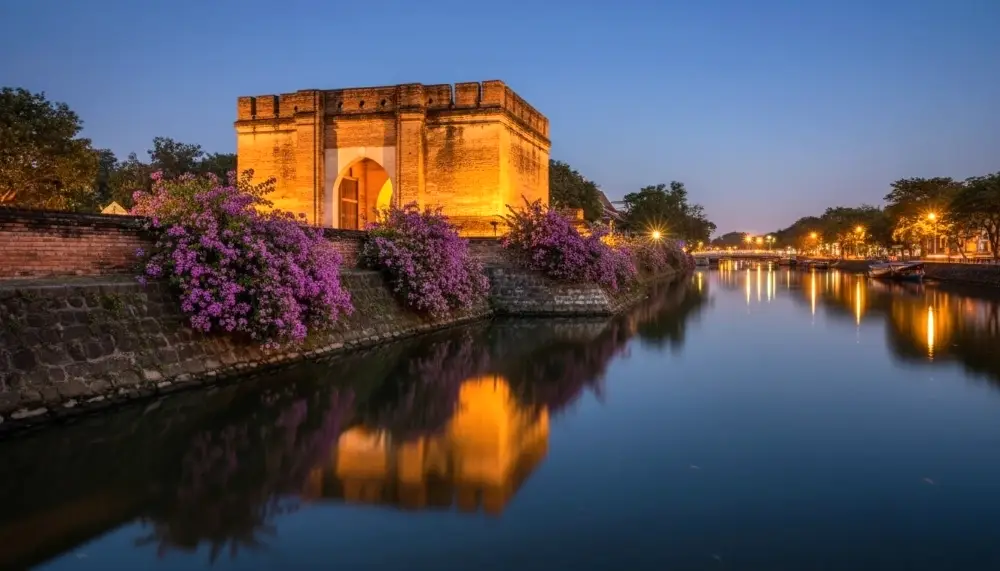
Most visitors arrive in Chiang Mai and spend their time in the temples, night markets, and cooking schools within the old city moat. All of that is wonderful, but a day at Doi Inthanon resets the entire trip. The park covers 482 square kilometres of protected forest and is home to Thailand’s only cloud forest ecosystem, more than 360 bird species, and Karen and Hmong hill tribe communities who have lived on these slopes for generations.
The scale of it takes a moment to absorb when you arrive. You drive through plantation forests and terraced rice paddies, past cascading waterfalls visible from the road, and then the road keeps climbing until the vegetation changes entirely and you are standing in mist at 2,565 metres, wearing a jacket you probably were not expecting to need in Thailand. That contrast is the thing people talk about most after visiting.
Book your spot in advance through Klook or Get Your Guide: tour slots fill quickly during the peak season from November to February and during Thai public holidays when the park sees its heaviest traffic.

Compare every route to Chiang Mai:
sleeper bus, train, or ferry, all
priced and reviewed in one place.
No guessing which operator is safe.
Tour Comparison: The 4 Best Options Side by Side
| Tour Type | Best For | Cost Per Person | Group Size | What’s Included |
|---|---|---|---|---|
| Standard Small Group | Solo Travellers, Budget-Conscious | 1,400 to 2,000 THB (~$40 to $57) | Up to 12 | Pickup, guide, entrance fees, lunch |
| Kew Mae Pan Trekking Tour | Hikers, Nature Lovers (Nov to May only) | 1,750 to 2,200 THB (~$50 to $63) | Small group | All above plus Kew Mae Pan trail guide |
| Private Tour (No Hiking) | Families, Couples, Older Travellers | 3,500 to 6,000 THB (~$100 to $171) per vehicle | 2 to 6 | Flexible itinerary, private guide, all fees |
| Self-Drive (Motorbike or Car) | Independent Travellers, Experienced Riders | 700 to 1,200 THB (~$20 to $34) all in | Solo or pair | Nothing: all costs paid at the gate |
Tour 1: Standard Small Group Day Tour
This is the tour that the vast majority of Chiang Mai visitors take, and for good reason. A TAT-licensed English-speaking guide handles everything from hotel pickup (usually between 07:30 and 08:30) to the return drop-off around 17:00 to 18:00. The itinerary covers the summit, the Twin Royal Pagodas, Wachirathan Waterfall, a nature trail walk (typically the Pha Dok Siew trail, which stays open year-round), and a stop at a Karen or Hmong hill tribe village. Lunch is included and served at the Hmong market area near the summit.
Cost: 1,400 to 2,000 THB (~$40 to $57) per person, with entrance fees either included or paid separately in cash at the gate (300 THB / ~$8.60 for adults, 100 THB / ~$2.85 for the Twin Pagodas). Maximum group sizes are typically 8 to 12 people, travelling by air-conditioned minivan. Groups of this size are small enough that you are not shuffling along in a crowd, but large enough to keep per-person costs low.
This is the right choice for solo travellers, couples, or pairs of friends who want the logistics handled without paying private tour rates. The social element is also a genuine draw: small-group day trips to Doi Inthanon consistently produce the kind of easy, one-day friendships that solo travel is built on. Book through Klook or Get Your Guide for instant confirmation and free cancellation up to 24 hours before departure.
- Departure: 07:30 to 08:30 from Chiang Mai hotel or central meeting point
- Return: Approximately 17:00 to 18:00
- Cost: 1,400 to 2,000 THB (~$40 to $57) per adult including lunch and guide
- Entrance fee: Either bundled in or 300 THB (~$8.60) cash at the gate
- Best booked via Klook or Get Your Guide for guaranteed slots
Tour 2: The Kew Mae Pan Trekking Tour
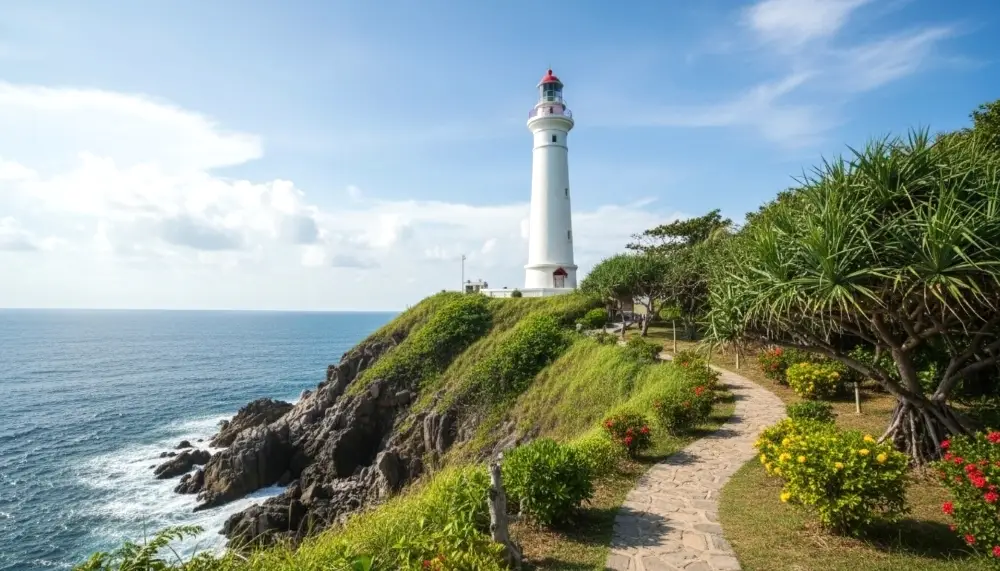
If the standard tour is a generous introduction to the park, the Kew Mae Pan version is the one that gets people talking. Kew Mae Pan is a 2.8 kilometre loop trail at around 2,000 metres elevation, and on a clear morning it is one of the most arresting walks in Thailand.
The trail passes through dwarf rhododendron forest, along cliff edges with sweeping views of the valleys below, through meadows of wildflowers (at peak in November and December), and into sections of true cloud forest where the mist moves through the trees at shoulder height. Allow 1.5 to 2.5 hours for the loop depending on your pace and how many photos you stop to take.
Important: this trail is only accessible from November to May. The national park closes it entirely during the rainy season from June to October to allow vegetation recovery. Tours operating during dry season will feature this trail as their primary draw; if you are visiting between June and October, they will substitute the Pha Dok Siew Nature Trail instead, which is a solid alternative but a different experience entirely.
A mandatory local Karen hill tribe guide (200 THB / ~$5.70 per group, not per person) accompanies every group on the Kew Mae Pan trail. The fee supports the community development programme directly. Some organised tours include this in their package price; others ask you to pay separately at the trailhead in cash.
Check before you book. Tour prices for this version run 1,750 to 2,200 THB (~$50 to $63) per person. Sunrise departures exist for this trail: leaving Chiang Mai as early as 04:30 to reach the summit viewpoint for dawn. These tours cost slightly more at 2,000 to 2,500 THB (~$57 to $71) per person but the reward, a sea of clouds illuminated below the pagodas at first light, is genuinely extraordinary on clear mornings between November and January.

Compare hotel prices across Chiang Mai’s
best areas and book with confidence.
Filter by budget, location, or score
to find the right stay for your trip.
Tour 3: Private Tour (Full Flexibility, No Compromise)
For families with young children, couples celebrating something special, or anyone who finds group tour schedules frustrating, the private tour option changes the entire character of the day. A private guide and driver collect you from your hotel and you set the pace entirely.
Want to spend an extra 45 minutes at Wachirathan Waterfall because the light is extraordinary? Done. Want to skip the summit and instead spend longer in the Karen village learning about coffee cultivation? Easy. Want to take the scenic back route via Mae Klang Luang village where the stepped paddy fields are spectacular in the growing season between July and November? That is a conversation you can have with your guide in the car on the way up.
Private tour pricing is quoted per vehicle rather than per person, which makes the value proposition shift dramatically once you have a group of three or more. A private vehicle with driver and guide typically costs 3,500 to 6,000 THB (~$100 to $171) for the full day, with entrance fees, meals, and trail guide fees either bundled or paid locally.
For two people that feels expensive at up to $85 each. For four people it comes down to $43 to $43 each, directly comparable to a premium small group tour but with none of the compromises on timing or pace. Children aged 3 to 14 pay a reduced park entrance fee of 150 THB (~$4.30) rather than the full adult rate.
Book private tours through Get Your Guide or directly with Chiang Mai-based operators via 12GO, which also handles intercity transport bookings if you are travelling into Chiang Mai from Bangkok or another city and want to lock in onward arrangements before you arrive. Families travelling from further afield who want airport-to-hotel transfers handled before this day trip can arrange Welcome Pickups for group vehicle transfers into Chiang Mai city.
- Cost: 3,500 to 6,000 THB (~$100 to $171) per vehicle, 2 to 6 passengers
- Flexible itinerary: all stops negotiable, no fixed schedule
- Best value at 3 to 4 passengers, where per-person cost approaches group tour pricing
- Entrance fees (300 THB / ~$8.60 adult, 150 THB / ~$4.30 child) typically paid in cash at the gate unless bundled
- Book via Get Your Guide or Klook for vetted operators with verified reviews

Lock in top-rated Chiang Mai tours with
GetYourGuide’s free cancellation
up to 24 hours before. Reserve now
and pay later if dates aren’t set.
Tour 4: Self-Drive (Motorbike or Hire Car)
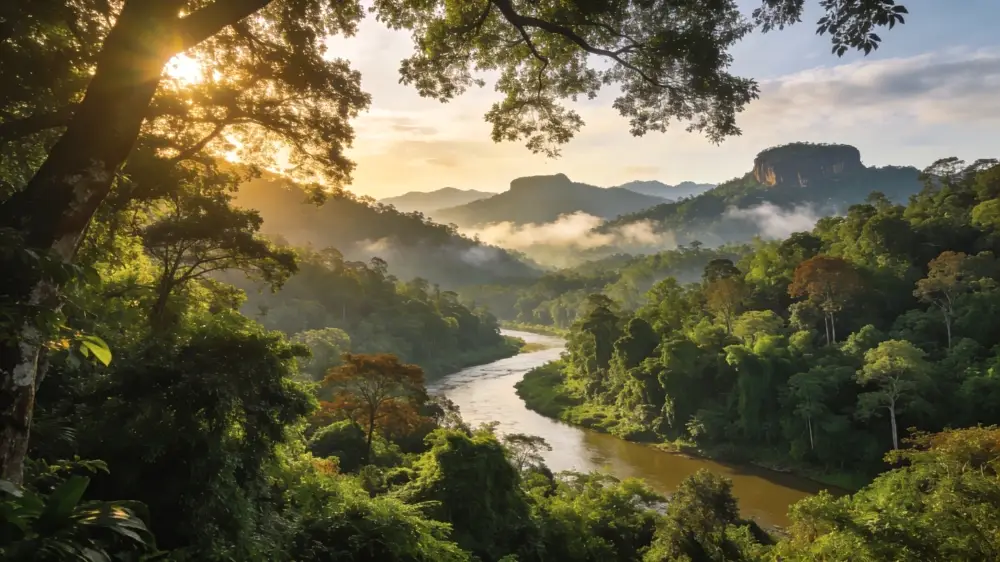
The most liberating and the most demanding option. Renting a motorbike in Chiang Mai costs 200 to 300 THB (~$5.70 to $8.60) per day for an automatic scooter. A hire car runs from around 800 to 1,500 THB (~$22.85 to $42.85) per day. The drive from Chiang Mai to the park entrance follows Route 108 southwest, a well-maintained highway that climbs steadily and scenically. From there, Rural Road 1009 winds up through the park for another 48 kilometres to the summit. Total drive from the city to the top is around 90 to 100 kilometres and takes 1.5 to 2 hours each way in good traffic.
The self-drive appeal is real. You can stop at Mae Klang Waterfall as soon as you enter the park, linger at Wachirathan Waterfall without a group schedule pulling you away, eat at the Hmong market stalls at your own pace, and spend as long as you like at the summit. Your total spend for the day, including fuel, entrance fee (300 THB / ~$8.60 adult), Twin Pagodas (100 THB / ~$2.85), trail guide for Kew Mae Pan (200 THB / ~$5.70 per group), and lunch at the market (80 to 150 THB / ~$2.30 to $4.30), comes to around 700 to 1,200 THB (~$20 to $34) per person. That is the lowest cost of any option here.
The honest caveat: the road is steep, winding, and occasionally very narrow. It requires genuine two-wheel confidence. Do not attempt this on a motorbike if you have never ridden on mountain roads. The park is also large enough that walking between attractions is not practical; having your own vehicle is the only way to move freely.
Carry sufficient petrol (there is a small petrol station partway up the mountain road), wear a properly fitted helmet, and bring a warm layer. On a hire car, the route is straightforward and entirely manageable for any confident driver. Activate your Airalo, Yesim, or Saily eSIM data plan before leaving Chiang Mai: Google Maps navigates the route perfectly and the Grab app is essential for the return journey if anything goes wrong. Use NordVPN on cafe Wi-Fi in the park village area to keep your connections secure.
- Motorbike hire: 200 to 300 THB (~$5.70 to $8.60) per day in Chiang Mai
- Car hire: 800 to 1,500 THB (~$22.85 to $42.85) per day
- Park entrance: 300 THB (~$8.60) adult, 150 THB (~$4.30) child, plus 50 THB (~$1.45) vehicle fee for cars
- All-in daily spend: approximately 700 to 1,200 THB (~$20 to $34) per person
- Only suitable for experienced riders on motorbikes. Hire cars are safe for any confident driver
What to See Inside the Park:
Every tour format visits some version of the same core highlights. Here is what to actually expect at each one.
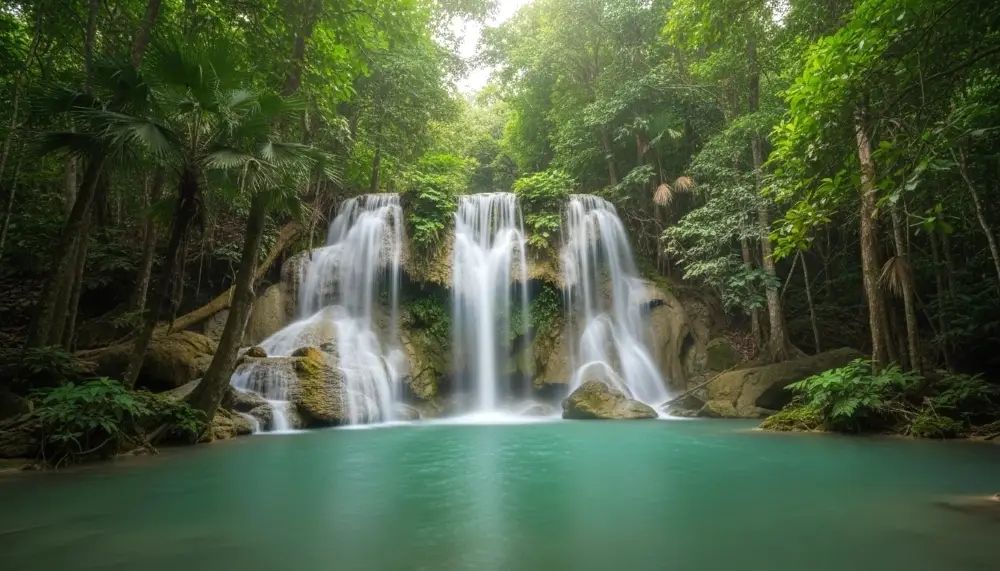
Wachirathan Waterfall: The park’s most dramatic waterfall, easily visible from a short path near the main road. At peak flow during the rainy season, the roar is overwhelming. During the dry season, the water runs clearer and the surrounding forest is more defined. A consistent highlight regardless of when you visit.
The Twin Royal Pagodas: The Phra Mahathat Noppamethanedon and Phra Mahathat Nophonphusiri chedis sit near the summit and were built to honour the King and Queen of Thailand. The surrounding gardens are immaculate and the views from the terraces extend across the mountains on clear days. The separate entry ticket is 100 THB (~$2.85) per person, paid at the gate in cash. Dress modestly: covered shoulders and knees are required.
The Summit: At 2,565 metres, it is genuinely cool year-round, dropping to around 8 to 12 degrees Celsius on cold winter mornings. There is a small shrine and a marker at the highest point. The surrounding cloud forest on the Ang Ka Nature Trail (the only self-guided, free trail in the park) is a 360-metre boardwalk loop through some of the most extraordinary forest in Thailand: mossy, dripping, otherworldly.
Karen Village and Hmong Market: Hill tribe communities live within the park and welcome visitors through organised cultural stops. The Hmong market near the summit is the place to try fresh coffee grown on-site, warm dumplings, and locally made handicrafts. The Karen village visit demonstrates traditional weaving practices. Budget 100 to 300 THB (~$2.85 to $8.60) for coffee, snacks, and a souvenir if you want one.

Land in Chiang Mai stress-free with a
pre-booked English-speaking driver.
Welcome Pickups offer fixed prices
with flight tracking included.
Pro Tips For a Stress-Free Day:
Pack for cold: This is the single most common mistake. Summit temperatures in the cool season (November to February) drop to 8 to 12 degrees Celsius. A light fleece or packable jacket takes up almost no space in a day bag and makes a significant difference to how enjoyable the summit section is. Even in the hot season (March to June) the summit sits 10 to 15 degrees cooler than Chiang Mai city.
Footwear: Closed-toe shoes with grip are non-negotiable for any trail. The Kew Mae Pan path in particular involves steps, exposed roots, and damp surfaces from the near-constant cloud humidity at elevation.
Cash: Carry at least 500 to 800 THB (~$14.30 to $22.85) in small notes for entrance fees (if not bundled), trail guides, coffee, and market stalls. Some vendors now accept QR payments but small denominations remain essential throughout the park.
Connectivity: Mobile data works along most of the main road inside the park but drops in the summit forest areas. Download offline maps before you leave Chiang Mai. Activate your Airalo, Yesim, or Saily eSIM plan before departing so that Grab and Google Maps are fully operational from the moment you need them. Use NordVPN on any shared Wi-Fi connection in cafes or hotels along the route.
Getting to Chiang Mai: Lock in bus, train, or flight bookings through 12GO before national holiday windows close. The sleeper train from Bangkok to Chiang Mai is a particular favourite for travellers who want to arrive fresh and avoid the cost of a flight. SafetyWing travel insurance covers adventure activities like trekking, which is worth considering for anyone doing the Kew Mae Pan trail or a full hiking day at the park.

Skip the airport SIM queue in Chiang Mai.
Yesim’s eSIM activates before takeoff
so you’re online the second your
plane touches the tarmac.
When to Go and What to Expect by Season:
November to February (Peak Season): The best conditions overall. Cool and crisp at the summit, sea-of-clouds visible most mornings, rhododendrons and wildflowers in bloom on the Kew Mae Pan trail from late November. Expect the most visitors and book tours well in advance, particularly around Christmas, New Year, and Chiang Mai’s famous flower festival in February.
March to May (Hot Season): Still a good time to visit. Summit temperatures are pleasant rather than cold. The Kew Mae Pan trail remains open. Crowds thin noticeably from mid-March. The heat in Chiang Mai city is intense during this period, making a day up the mountain genuinely refreshing.
June to October (Rainy Season): The Kew Mae Pan trail closes. The waterfalls, however, are at their absolute peak during this period: Wachirathan runs dramatically full and the whole park is lush and dramatically misty. If trekking is not your priority, this is actually a beautiful time to visit. Tours run through the rainy season and the lower crowds make for a more relaxed experience. Bring waterproof layers and expect some rain during the afternoon.
Frequently Asked Questions:
How far is Doi Inthanon from Chiang Mai?
The park entrance is approximately 70 to 90 km southwest of Chiang Mai city, depending on your starting point. The drive takes 1.5 to 2 hours each way on a clear day. Tour vans handle the driving on group and private tours. Self-drivers follow Route 108 south before turning onto Rural Road 1009 into the park.
What is the entrance fee for Doi Inthanon National Park?
Foreign adults pay 300 THB (~$8.60) at the park gate. Foreign children aged 3 to 14 pay 150 THB (~$4.30). Thai nationals pay 50 THB for adults and 20 THB for children. The Twin Royal Pagodas require a separate 100 THB (~$2.85) ticket, paid at the pagoda entrance. Trail guides for the Kew Mae Pan and Pha Dok Siew trails cost 200 THB per group (not per person) and are paid at the trailhead in cash.
Is the Kew Mae Pan trail open year-round?
No. The trail closes from June to October every year during Thailand’s rainy season to allow vegetation recovery. It reopens in November and is at its best from November to January when wildflowers are in bloom and sea-of-clouds conditions occur most mornings. If you are visiting between June and October, tours substitute the Pha Dok Siew Nature Trail or the Ang Ka Nature Trail instead.
What should I wear and bring on a Doi Inthanon day trip?
A jacket or light fleece is essential regardless of season. Summit temperatures are 10 to 15 degrees Celsius cooler than Chiang Mai, dropping to 8 to 12 degrees in the cool season. Wear closed-toe shoes with grip for any trail sections. Bring at least 500 to 800 THB (~$14.30 to $22.85) in cash for entrance fees, trail guides, and market purchases. Download offline maps before leaving the city as mobile data is patchy near the summit.
Which tour option is best for families with young children?
A private tour is the most comfortable option for families. It allows full flexibility on stops and timing, no rushing to match a group schedule, and private vehicle space for bags, gear, and children who need to rest. Children pay a reduced park entrance fee of 150 THB (~$4.30) instead of the full adult 300 THB (~$8.60). Budget 3,500 to 6,000 THB (~$100 to $171) per vehicle: for a family of four this is comparable to or cheaper than four standard group tour tickets.
Can I visit Doi Inthanon without a tour?
Yes. Self-driving by motorbike (200 to 300 THB / ~$5.70 to $8.60 per day to hire) or car (800 to 1,500 THB / ~$22.85 to $42.85 per day) gives maximum flexibility at the lowest cost. The road is well-marked and Google Maps navigates it accurately. The only constraint is that the Kew Mae Pan and Pha Dok Siew trails require a local guide hired at the trailhead in cash. The Ang Ka Nature Trail at the summit is entirely self-guided and free.
How much cash should I carry to Doi Inthanon?
Budget 500 to 800 THB (~$14.30 to $22.85) per person in small notes. This covers the entrance fee if not bundled in your tour (300 THB), Twin Pagodas (100 THB), trail guide fee (200 THB per group), coffee and snacks at the Hmong market (80 to 150 THB), and a small souvenir if you want one. Most stalls and vendors are cash only. ATMs are not available inside the park, so withdraw in Chiang Mai before you leave.
Is the Doi Inthanon tour suitable for people who do not like hiking?
Absolutely. The majority of the park’s highlights, including the Twin Royal Pagodas, the summit marker, Wachirathan Waterfall, and the hill tribe village and market, are all reached by vehicle with only short, flat walks from the car park. The Ang Ka Nature Trail at the summit is a gentle 360-metre boardwalk loop requiring no climbing. Only the Kew Mae Pan and Pha Dok Siew trails involve significant steps and uneven terrain. Standard tours and private no-hiking tours cater specifically to visitors who want the scenery without the physical challenge.
What is the best time of year to visit Doi Inthanon?
November to January is the peak of peak season: cool summit temperatures, wildflowers on the Kew Mae Pan trail, and sea-of-clouds conditions on clear mornings. February and March are quieter and still excellent. The rainy season from June to October closes the Kew Mae Pan trail but produces the park’s most dramatic waterfall conditions, lush forest greenery, and atmospheric mist effects. There is no bad time to visit as long as you plan around the trail closures.
How do I get from Bangkok to Chiang Mai for this trip?
The most popular options are the overnight sleeper train from Hua Lamphong Station (book via 12GO, from approximately 600 to 1,200 THB / ~$17.15 to $34.30 for a second-class sleeper), a budget airline flight (often 800 to 2,500 THB / ~$22.85 to $71.45 booked in advance), or an overnight bus (from 500 to 900 THB / ~$14.30 to $25.70 via 12GO). Lock in transport well ahead of Thai public holidays when all options sell out quickly. If your flight is delayed, AirHelp is worth knowing about for compensation claims on cancelled or significantly delayed flights.