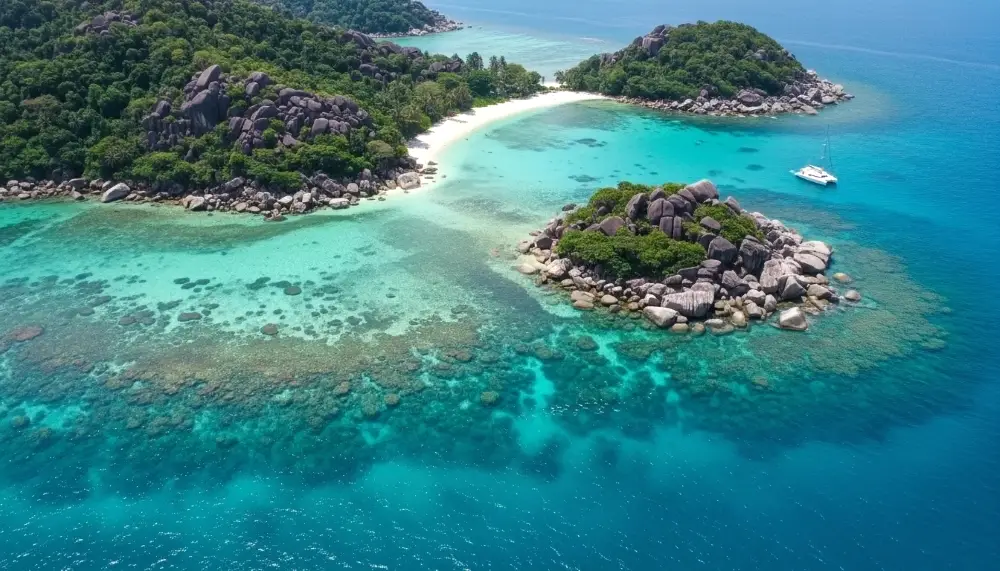
Southern Thailand Island Hopping by Bicycle: A Coast-to-Coast Active Route
This site contains affiliate links. We may earn a commission at no extra cost to you.
Most people arrive in southern Thailand and immediately surrender to the ferry timetable. Island to island, pier to pier, dragging rolling luggage across gangplanks in the midday heat. It works perfectly well. It is also the only version of this journey that roughly three million visitors a year experience, which means it is simultaneously the easiest option and the least interesting one.
A bicycle changes the equation entirely. Southern Thailand’s peninsula narrows to as little as 50 kilometres between the Andaman Sea and the Gulf of Thailand in parts of Chumphon and Ranong provinces. The terrain is hilly but not brutal. The roads through rubber plantations, coastal mangroves, and fishing villages carry almost no traffic. The ferries still feature in the route, but as the punctuation between cycling days rather than the entire logic of the trip. You load the bike on the boat, cross to the next island, and ride out from the pier in a direction nobody on the ferry is heading.
This guide builds a coast-to-coast active route through the south for cyclists who want a proper adventure without requiring elite fitness or technical off-road skills. It covers the route logistics, the best islands for cycling, the practical realities of ferry transport with a bicycle, where to sleep and eat cheaply, and how to manage the parts of this journey that guidebooks rarely mention.
Why Southern Thailand Works So Well by Bicycle
The geography of the Thai peninsula is almost designed for this kind of trip. The Tenasserim mountain range runs like a spine down the middle of the isthmus, with the Andaman Sea on the west side and the Gulf of Thailand on the east. Between the mountains and the coasts, a network of secondary roads threads through landscapes that reward slow travel in a way that a ferry deck simply cannot: rubber tree forests with their white latex cups, stilted fishing villages over tidal mudflats, roadside stalls selling rambutan and mangosteen by the kilogram, temple grounds where monks sweep the courtyard before dawn.
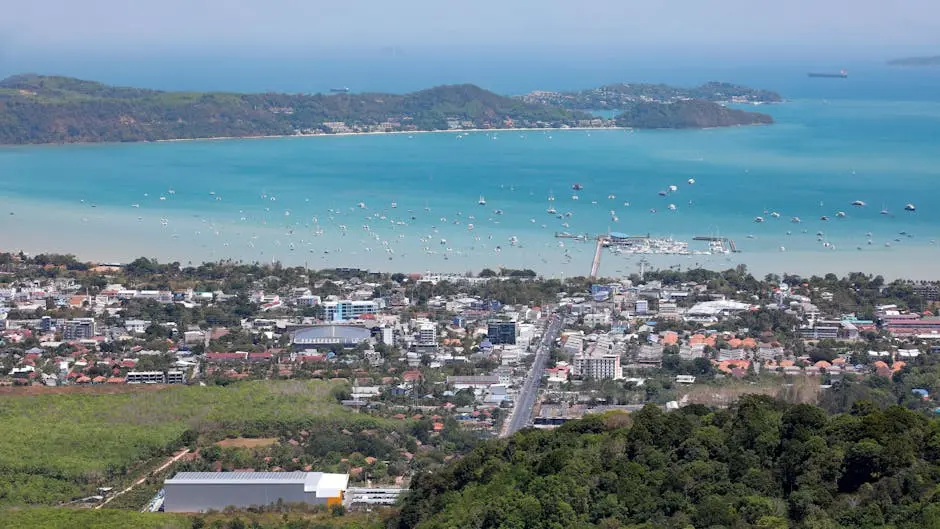
Cycling also resolves one of the persistent frustrations of southern Thailand travel, which is that the best beaches and viewpoints are invariably a few kilometres from wherever the ferry drops you. On a bicycle, those kilometres are the point rather than the obstacle. The ride from Koh Lanta’s main pier to the national park at the southern tip of the island covers 30 kilometres of coastal road past mangrove channels and local fishing operations. On a scooter it takes 40 minutes. On a bicycle it takes most of a morning and it is an entirely different experience.

From temples to island tours, Klook
covers Thailand’s best experiences.
Hotel pickup is often included and
prices beat the pier walk-in rate.
Choosing Your Bicycle: Bring, Hire, or Buy?
The three options each suit different types of traveller. Bringing your own bike from home gives you a machine you know, fitted to your body, with components you trust. Airlines generally charge 50 to 100 GBP or equivalent each way for a bicycle as checked baggage, and the bike must be disassembled and boxed or bagged. If you are serious about touring and plan a trip of three weeks or more, this is the right choice.
Hiring locally is the most flexible option for shorter trips or first-time touring cyclists. Phuket, Krabi, and Koh Samui all have bicycle rental shops catering to tourists, typically offering basic hybrid or mountain bikes at 150 to 300 THB per day ($4 to $8 USD). Quality varies enormously. Inspect any hired bike thoroughly before paying: check the brakes, gear shifting, and tyre condition, and always test-ride before committing. Serious touring rental, including quality road or gravel bikes with racks, is available through specialist operators in Phuket for 600 to 1,200 THB per day ($17 to $33 USD).
Buying locally is the overlooked option. A decent second-hand Thai-brand touring bike from a provincial bicycle shop in Chumphon or Surat Thani costs 3,000 to 5,000 THB ($83 to $139 USD). Parts and repair knowledge for Thai-brand bikes are available in every district town. At the end of the trip, the bike can be sold back or donated. For a three to four-week trip, this frequently works out cheaper than hiring and gives you a more reliable machine than the average rental.

Lock in top-rated Thailand tours with
GetYourGuide’s free cancellation
up to 24 hours before. Reserve now
and pay later if dates aren’t set.
The Coast-to-Coast Route: Overview and Structure
The route described here runs from Chumphon on the Gulf coast westward and southward through Ranong Province to the Andaman coast, then south through Phang Nga to Krabi, with island diversions built into the structure. It can be completed in 14 to 18 cycling days depending on pace, with rest days on the islands adding another 4 to 6 days for a comfortable three-week trip. The total distance on the bike, excluding ferry crossings, is approximately 550 to 650 kilometres.
| Segment | Distance | Terrain | Difficulty |
|---|---|---|---|
| Chumphon to Ranong (mainland) | 120 km | Rolling hills, jungle road | Moderate |
| Koh Phayam island loop | 35 km | Flat to gentle, dirt tracks | Easy |
| Ranong to Khao Lak (coastal) | 130 km | Coastal highway, some climbs | Moderate |
| Khao Lak to Krabi via Phang Nga | 160 km | Hilly, limestone karst terrain | Moderate to hard |
| Koh Lanta circuit | 65 km | Flat coastal road, good surface | Easy to moderate |
| Krabi to Trang (peninsula) | 140 km | Mixed surface, inland rubber country | Moderate |
Segment One: Chumphon to Ranong
Chumphon is where most Gulf island-hoppers begin their journey south, catching the overnight ferry to Koh Tao. For the coast-to-coast cyclist, it is the starting point for a different kind of crossing: westward through the mountains to the Andaman side. The Route 4 highway between Chumphon and Ranong is a manageable 120 kilometres of rolling terrain through forest and plantation country, typically split across two cycling days with an overnight in Lang Suan or the town of Kapoe.
The landscape here is genuinely beautiful in the way that secondary roads through working agricultural country tend to be: not dramatic, but textured and alive. Roadside stalls selling grilled corn and fresh coconut appear every 15 to 20 kilometres. Traffic is light by Thai standards. The main physical challenge is the humidity rather than the gradient. Start before 7:00 AM, rest through the midday heat between 11:00 AM and 2:00 PM, and finish the day’s riding by late afternoon. This rhythm applies to every mainland segment of the route.
Accommodation in Lang Suan and Kapoe runs 350 to 600 THB ($10 to $17 USD) for a basic guesthouse room with a fan and private bathroom. Neither town has much on Agoda yet; walk-in or local phone booking is the norm. Carry enough cash from Chumphon’s ATMs to cover two nights and meals before reaching Ranong, where banking infrastructure improves.
The Island Detours: Where to Take the Bike Onto a Ferry
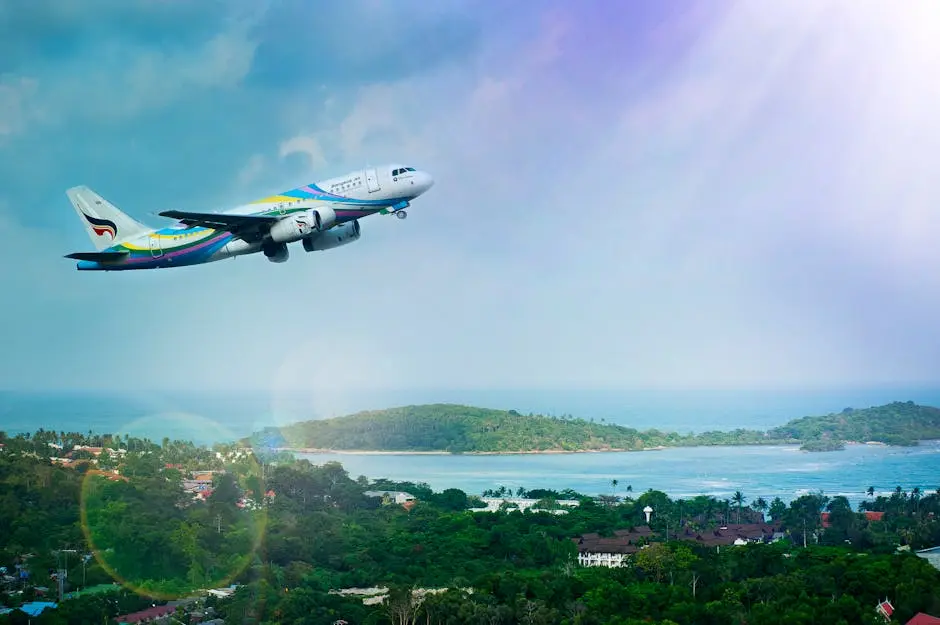
Ferries in southern Thailand handle bicycles without fuss. There is no formal booking system for bikes on most small ferry routes; you wheel it to the pier, the crew lifts it onto the roof rack or lower deck, and you pay a nominal surcharge of 50 to 100 THB ($1.40 to $2.80 USD) on top of the standard passenger fare. On the larger catamaran services like Lomprayah, bicycles are accepted as checked items and should be announced at the ticket desk rather than turned up with at the last minute. Lock in Lomprayah bookings through 12GO Asia in advance if travelling during peak season, and flag the bicycle at the time of booking.
Three island detours stand out as genuinely excellent cycling destinations that justify the ferry crossing.
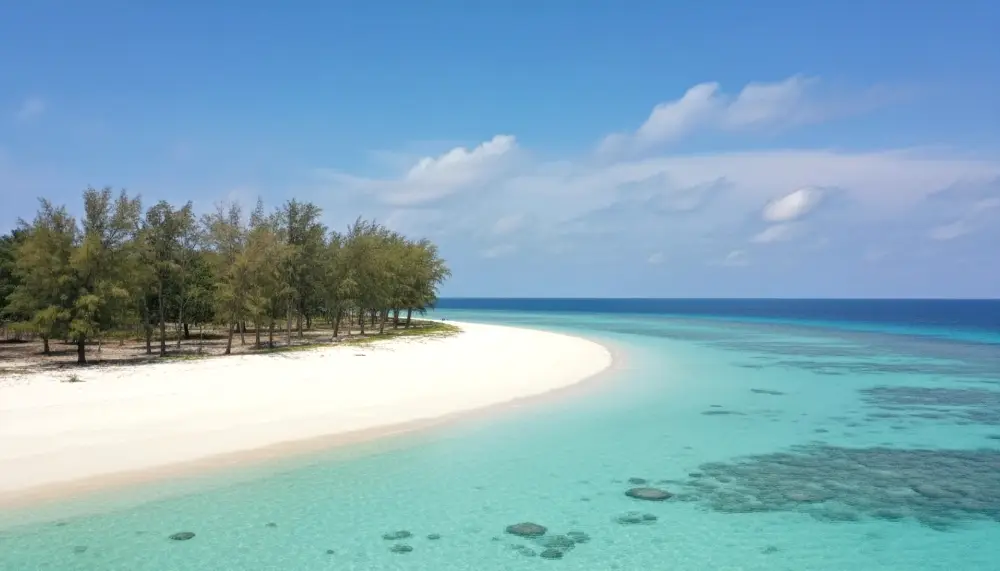
Koh Phayam (from Ranong pier, 2 hours, 300 THB/$8 USD) is the best-kept cycling secret on the Andaman side. The island has almost no paved road and almost no motorised traffic. A network of concrete and dirt tracks links the beaches, the cashew farms, and the small village centre. A full loop of the accessible parts of the island covers around 35 kilometres and takes a comfortable day. Accommodation runs 500 to 1,200 THB ($14 to $33 USD) for beachfront bungalows at Ao Yai or Buffalo Bay. This island is calm, slow, and genuinely lovely.
Koh Lanta (from Krabi, 90 minutes, 400 THB/$11 USD) is the most logical cycling island on the entire Andaman coast. It is long and relatively flat, the road surface is good for most of its length, and the southern national park provides a natural destination that keeps the ride purposeful. The 30-kilometre ride from Ban Saladan pier to Mu Koh Lanta National Park passes through mangrove channels, past sea gypsy villages, and along a coastline that the island’s established resort strip has not yet managed to fully domesticate. Entry to the national park costs 200 THB ($5.60 USD).
Koh Yao Noi (from Ao Po pier near Phuket or Bang Rong, 30 minutes, 100 THB/$2.80 USD) sits in the middle of Phang Nga Bay and is one of the few islands in southern Thailand that has actively resisted mass tourism. The flat coastal road around the island covers about 40 kilometres and passes rubber smallholdings, a working Muslim fishing community, and views of the limestone karst towers of Phang Nga Bay that rival anything accessible from Krabi. It is a short ferry crossing and a completely different world from either Phuket or Krabi.

From short trips to long stays in Thailand,
Airalo has flexible eSIM data plans
you install in minutes. Top up
remotely if you need more data.
Connectivity on the Road: What Cyclists Actually Need
Navigation is the primary connectivity need on a cycling route through southern Thailand. Google Maps handles the main roads but consistently fails on the secondary plantation roads and dirt tracks that make this route interesting. Maps.me with the Thailand offline pack is significantly more reliable for these sections and should be downloaded before you leave your starting city. A phone mount on your handlebars is worth every baht of its 200 to 400 THB ($5.50 to $11 USD) cost at any Phuket or Krabi bike shop.
Mobile data is essential for real-time navigation, weather checking, and ferry schedule confirmation on the road. The critical point is to activate your Airalo, Yesim, or Saily eSIM data plan before leaving home. Apps like Grab require SMS network verification the moment you open them, and that verification code will not arrive on an unactivated SIM at a rural roadside when you need a ride to the nearest mechanic. Having data live from the moment you land means weather apps, navigation, and translation tools all function from your first pedal stroke. AIS and True Move both offer rolling monthly data plans that suit a three-week cycling trip well.
For digital nomads cycling between destinations and working from guesthouse and cafe connections, NordVPN across all devices is the practical standard for secure banking and client access on shared networks throughout the region.


Lock in your Thailand accommodation
early and beat peak-season price hikes.
Agoda’s filters let you compare options
side by side before you commit.
The Khao Lak to Krabi Stretch: The Hardest and Best Section
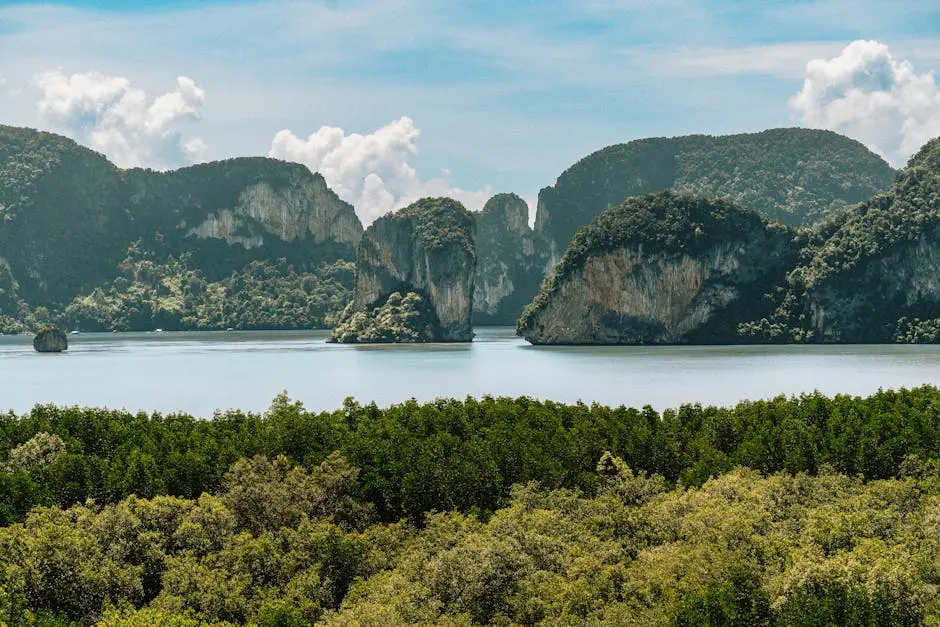
The 160-kilometre stretch from Khao Lak through Phang Nga to Krabi is the centrepiece of the whole route and the section that earns the most vivid descriptions from cyclists who have done it. The landscape shifts from coastal mangrove and beach country into the karst limestone world that defines this part of Thailand, with towers of rock rising from rice paddies and rubber plantations in a way that makes every kilometre feel slightly surreal.
Route 4 through this section carries heavy truck traffic and should be avoided. The parallel Route 415 through Phang Nga town and then south via Takua Thung is the better choice: quieter, more scenic, and passing through the kind of Thai provincial town market scenes that repay an hour of wandering on foot. The road climbs significantly between Phang Nga and the Krabi valley. Loaded cyclists will walk sections of the steeper gradients. This is not failure; it is the honest rhythm of loaded touring on a hilly road in 30-degree heat.
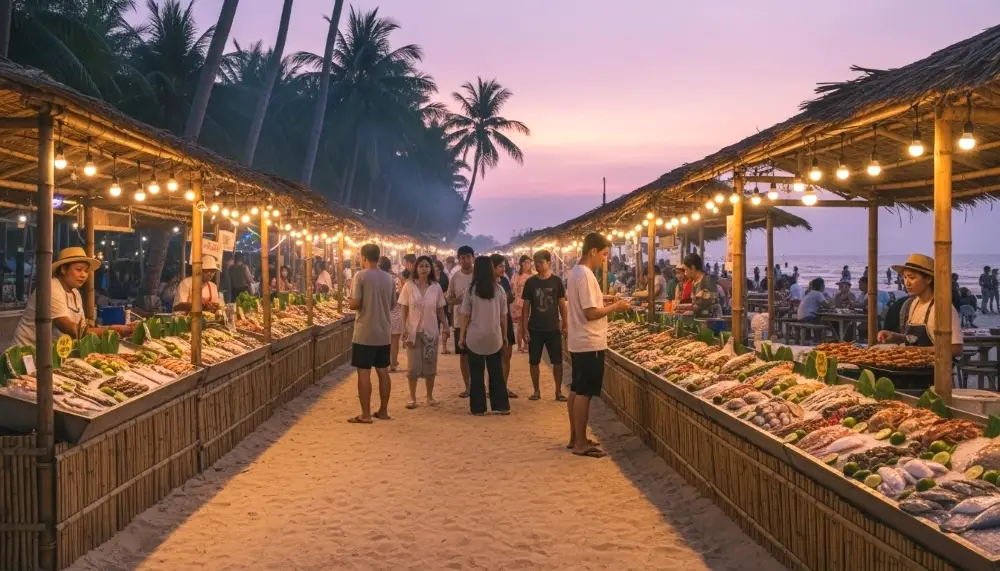
Phang Nga town makes an excellent overnight base at the midpoint of this stretch. Accommodation runs 400 to 700 THB ($11 to $19 USD) for a comfortable guesthouse room. Agoda lists several options; the riverside guesthouses offer the best combination of price and character. The town’s night market, operating from around 5:00 PM near the main roundabout, is one of the better provincial markets in the south and a genuinely good place to eat well for 100 to 150 THB ($2.80 to $4.20 USD).
Costs: What a Cycling Trip Through the South Actually Runs
| Budget Category | Daily Spend (THB) | Daily Spend (USD) | Covers |
|---|---|---|---|
| Backpacker cyclist | 800 to 1,200 THB | $22 to $33 USD | Fan room, market meals, basic hire bike |
| Mid-range cyclist | 1,800 to 2,800 THB | $50 to $78 USD | AC guesthouse, restaurant meals, quality hire |
| Comfort touring | 3,500 to 5,000 THB | $97 to $139 USD | Boutique stays, own bike, guided day tours |
These figures exclude ferry crossings. Budget an additional 200 to 600 THB ($5.50 to $17 USD) per ferry leg depending on the route and whether it is a local longtail, a standard car ferry, or a Lomprayah catamaran. Over a three-week trip with five to six ferry crossings, this adds roughly 2,000 to 3,000 THB ($55 to $83 USD) to the total transport budget.
Eating and Refuelling on the Road
Cyclists burn significantly more calories than travellers moving between destinations by ferry. The good news is that the roadside food culture in southern Thailand is extraordinary and the combination of high caloric density and low cost is almost perfectly suited to touring. A plate of khao man gai (poached chicken on rice with broth) at a roadside stall costs 50 to 60 THB ($1.40 to $1.70 USD) and delivers the carbohydrates and protein needed after a morning climb through Phang Nga hills. A bag of sticky rice with grilled pork from a market stall costs 30 to 40 THB ($0.85 to $1.10 USD) and fits in a jersey pocket.
Water consumption is the logistical challenge. In serious heat, cycling generates a litre of sweat per hour. Carry a minimum of two litres on the bike and refill at every 7-Eleven or roadside shop. These appear every 10 to 20 kilometres on the main routes and every 30 to 50 kilometres on the secondary roads. Electrolyte tablets or sachets are worth carrying; they are available at Boots Pharmacy branches in larger towns throughout the south for around 150 THB ($4.20 USD) for a pack of ten.
Cooking classes at the destination end of the route are a satisfying reward after a long cycling section. Klook lists well-reviewed options in Krabi and Koh Lanta, usually running three to four hours in the morning and covering the southern Thai dishes you have been eating from roadside stalls all week. Understanding the technique behind the food you have been consuming every day adds a layer to the experience that is hard to replicate any other way.

Affordable Thailand data without the
tourist SIM hassle. Saily’s eSIM
works on most modern phones and
tops up remotely whenever needed.
Mechanical Reality: Repairs on the Road
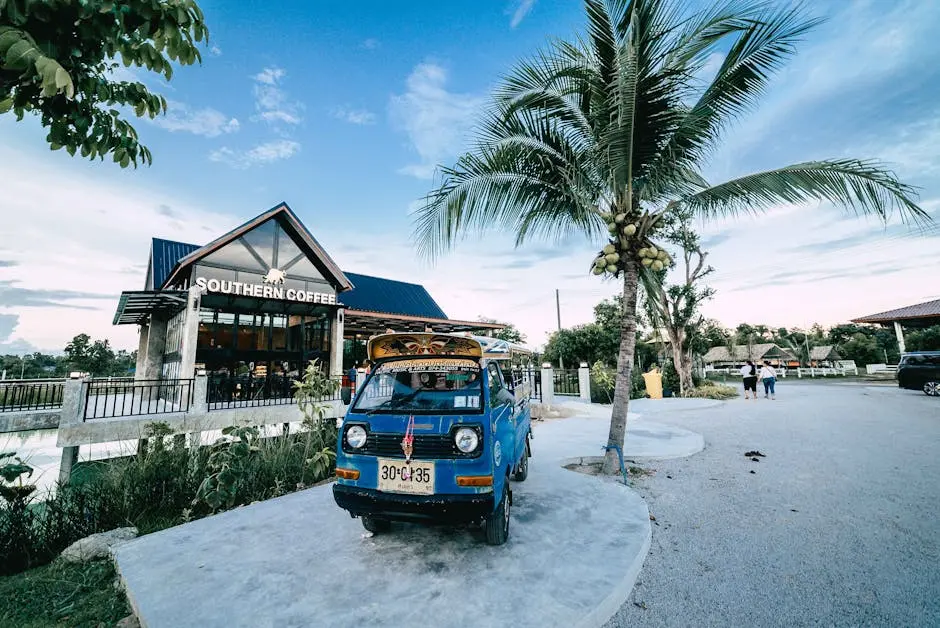
The most common mechanical issues on a southern Thailand cycling route are punctures and chain wear. The roads through rubber plantation country are littered with small thorn fragments from trimming operations and fine road debris that defeats thinner tyres with regularity. Fit the widest tyre your frame allows and bring at least four spare inner tubes. Tubeless setups with sealant are worth the setup cost for a longer trip.
Bicycle repair shops exist in every Thai town of any size. They will fix a puncture for 50 to 100 THB ($1.40 to $2.80 USD) and replace a chain for 150 to 300 THB ($4.20 to $8.30 USD) including parts. The mechanics are skilled at working with the Thai-brand bikes they see daily, less experienced with high-end imported componentry. If you are riding a Shimano Di2 groupset or a carbon frame, carry more of your own spares than you think you will need.
For serious mechanical failures that strand you between towns, Grab operates throughout most of southern Thailand and can send a car that will fit a disassembled or folded bike into the boot. This is the practical emergency backup rather than a source of shame. Activate your eSIM before departure so Grab is already registered and verified when you need it roadside rather than requiring SMS authentication from a field somewhere outside Phang Nga.
Accommodation Strategy for Cyclists
The cycling route passes through a mix of tourist towns, provincial capitals, and genuinely rural stops. Accommodation strategy needs to reflect this range rather than treating all overnight stops the same way.
In tourist centres (Krabi, Khao Lak, Koh Lanta), Agoda and Booking.com both cover the range comprehensively. Agoda consistently surfaces better rates for the mid-range guesthouses and smaller beach bungalows in this region, particularly outside the peak November to February window. Booking.com occasionally has better options for the more boutique beachfront properties. Cross-referencing both for any stay of two nights or more in a tourist centre is worth the three minutes it takes.
In provincial towns (Phang Nga, Ranong, Lang Suan), walk-in is frequently the only option and the prices are lower for it. A clean fan room with a private bathroom runs 350 to 500 THB ($10 to $14 USD). Always ask to see the room and confirm that there is somewhere secure to store the bicycle overnight, whether in the room itself, a locked courtyard, or a covered storage area. Most guesthouse owners in these towns are entirely accustomed to this request from touring cyclists and have a system.
On the islands, beachfront bungalows are the natural choice and the pricing reflects the setting. Koh Phayam bungalows at Ao Yai beach run 500 to 900 THB ($14 to $25 USD) per night in mid-season. Koh Lanta beachfront accommodation ranges from 700 THB ($19 USD) for a basic fan bungalow to 2,500 THB ($69 USD) for something with air-conditioning and a sea view. Both Agoda and Booking.com cover Koh Lanta well; compare both before booking anything over 1,500 THB.

Essential Tips for the Southern Cycling Route:

Ride timing: Start by 6:30 AM without exception. The two hours before 9:00 AM are the most pleasant riding of the day. Plan to be off the bike and in shade by 11:30 AM. Resume riding from 3:30 PM until sunset. This rhythm makes the heat entirely manageable and turns the midday stop into a genuine pleasure rather than a heat-survival exercise.
Sun protection: A long-sleeved UV-rated cycling jersey is more effective than sunscreen applied to bare arms across a multi-week trip. Apply sunscreen to face, neck, and hands religiously. Reapply every 90 minutes regardless of cloud cover. The UV index in southern Thailand reaches 11 to 12 through most of the dry season. Reef-safe sunscreen is worth seeking out, particularly for the island swimming days near protected marine areas.
Currency: Carry physical THB in 100 and 500 denominations. Rural roadside stalls, small guesthouses, and village ferry piers do not accept cards. The standard ATM fee is 220 THB ($6 USD) per withdrawal. Always choose Continue Without Conversion to let your home bank manage the exchange rate. Withdraw generously in larger towns to minimise transaction fees across the trip.
Insurance: Confirm your travel policy explicitly covers cycling as a primary activity. Many standard policies treat recreational cycling differently from touring, and some exclude self-propelled touring entirely in the fine print. Confirm emergency medical evacuation cover is included. Remote workers cycling between digital nomad bases should look at SafetyWing’s Nomad Insurance as a supplementary layer that handles longer-term health scenarios standard travel policies skip entirely.
Flight delays: For those flying into Phuket or Surat Thani to start the route, disrupted domestic connections are not uncommon on the Bangkok to southern Thailand routes. AirHelp handles compensation claims for delayed or cancelled flights without requiring you to navigate the airline’s process yourself, and it is worth knowing about before the disruption rather than after.

Forget swapping physical SIMs in Thailand.
Yesim works on most modern phones,
activates remotely, and keeps your
home number live on WhatsApp too.
Who This Route Is Right For
This is not an elite cycling challenge. The distances are manageable, the terrain is hilly rather than mountainous, and the support infrastructure along the route is sufficient to handle most problems without a support vehicle. A reasonably fit person who cycles regularly at home, even casually, can complete this route comfortably with a few days of adjustment at the start.
It suits adventure travellers who find standard island hopping a little passive. Digital nomads who want a structure to their movement between working bases in Krabi, Koh Lanta, and Koh Yao Noi. Couples who want an active shared challenge rather than a beach holiday. Solo travellers who find that moving under their own power generates more genuine social encounters with locals than moving through any tour group ever manages.
The coast-to-coast element is the detail that makes it feel complete. Starting on the Gulf side in Chumphon and ending on the Andaman side in Trang or Krabi, with the peninsula crossed under your own power over two weeks, gives the trip a narrative shape that a conventional island-hopping itinerary simply does not have. You arrive at the western coast having earned the view in a way that the ferry passenger standing beside you at the pier has not. That distinction is small and entirely subjective and it makes an enormous difference to how the journey feels when you look back on it.
Frequently Asked Questions:
What fitness level is required for the southern Thailand cycling route?
A moderate baseline fitness is sufficient. If you can comfortably cycle 50 to 60 kilometres on a flat route at home, you can manage this route with a few days of adjustment to the heat and humidity. The daily distances on this itinerary range from 40 to 80 kilometres with rest stops built in. The heat is the main physical challenge rather than the terrain. Starting early and resting through midday makes the temperature entirely manageable.
What is the best time of year to cycle southern Thailand?
November to February is the optimal window for the Andaman coast and the cross-peninsula mainland sections. The humidity drops, temperatures sit between 27 and 32 degrees Celsius, and the northeast monsoon keeps the Andaman side dry and clear. Avoid May to October on the Andaman side due to monsoon rain and rough sea conditions affecting ferry services. The Gulf coast around Chumphon is more sheltered during this period but the mainland roads through Ranong and Phang Nga become slick and the risk of flash flooding on secondary roads increases significantly.
Can I take my bicycle on Thai ferries?
Yes, without significant difficulty. On small local ferry routes, bicycles are carried on deck or on roof racks for a surcharge of 50 to 100 THB ($1.40 to $2.80 USD) on top of the standard passenger fare. On Lomprayah catamarans, bicycles are accepted as checked items and should be notified at the time of booking. Lock in Lomprayah tickets in advance through 12GO Asia and flag the bicycle at the time of purchase. For basic longtail boat crossings, arrive early and the crew will handle the loading.
Where can I hire a quality bicycle in southern Thailand?
Phuket has the best selection of serious cycling rental, with specialist operators offering quality road and gravel bikes with racks for 600 to 1,200 THB per day ($17 to $33 USD). Krabi and Koh Samui have tourist-grade hybrid rentals at 150 to 300 THB per day ($4 to $8 USD), suitable for island circuits but not ideal for multi-day mainland touring. Buying a decent second-hand bike in Chumphon or Surat Thani for 3,000 to 5,000 THB ($83 to $139 USD) is a cost-effective option for trips of three weeks or more.
How do I handle bicycle breakdowns in remote areas?
Carry a basic repair kit covering inner tube replacement, tyre levers, a multi-tool, chain link, and a mini pump. This handles the majority of roadside situations. Bicycle repair shops exist in every Thai district town and fix punctures for 50 to 100 THB ($1.40 to $2.80 USD). For serious failures between towns, Grab operates throughout most of southern Thailand and can send a car large enough for a disassembled bike. Activate your eSIM before departure so Grab is registered and ready without requiring SMS verification from a rural roadside.
Is it safe to cycle on Thai roads?
Southern Thailand’s secondary roads carry light traffic and are safe for cycling. The main highway (Route 4) between major towns should be avoided in favour of the parallel secondary routes, which are quieter, more scenic, and more pleasant to ride. Wear a helmet, use front and rear lights even during the day for visibility, and ride predictably. Truck drivers on Thai roads give cyclists reasonable space when they can see you clearly. Avoid riding at dusk when visibility drops suddenly and road debris is harder to spot.
What should I carry for hydration and nutrition on cycling days?
Carry a minimum of two litres of water on the bike and refill at every 7-Eleven or roadside shop, which appear every 10 to 50 kilometres depending on the road. Electrolyte tablets or sachets are available at Boots Pharmacy in larger southern towns for around 150 THB ($4.20 USD) per pack and are worth using on any day exceeding 60 kilometres. Roadside food is available frequently enough that carrying more than one snack between towns is rarely necessary on the main route segments.
Do I need travel insurance specifically for cycling touring?
Yes, and the detail matters. Standard travel insurance often treats recreational cycling differently from touring. Check that your policy explicitly covers long-distance cycle touring as a primary activity, includes medical evacuation, and does not exclude self-propelled adventure sport. Many policies add exclusions for activities involving loaded bikes or off-road segments. Remote workers on extended cycling trips should consider SafetyWing’s Nomad Insurance as a supplementary policy covering longer-term health scenarios that standard travel policies do not address.
Which islands on the route are best suited to cycling?
Koh Phayam near Ranong is the top choice for traffic-free riding on dirt and concrete tracks through cashew farms and to remote beaches, covering around 35 kilometres in a full day. Koh Lanta on the Andaman coast offers a well-surfaced 30-kilometre coastal road to the national park at the island’s southern tip. Koh Yao Noi in Phang Nga Bay provides a flat 40-kilometre circuit through a traditional Muslim fishing community with extraordinary views of the karst bay. All three accept bicycles on the ferry crossings without difficulty.
How do I handle mobile data and navigation on remote road sections?
Activate an eSIM from Airalo, Yesim, or Saily before departure so data is live from arrival. Download the Maps.me Thailand offline pack before leaving home for reliable secondary road navigation where Google Maps fails. Mount your phone on the handlebars for turn-by-turn use. AIS has the strongest rural coverage in the south. Signal drops in the Phu Phan interior sections and on some cross-peninsula tracks; download the day’s route as an offline GPX file each morning before leaving your guesthouse’s Wi-Fi.